
Sabitlenmiş Tweet
ابو سيف🦅
39.5K posts

ابو سيف🦅
@2good2bsmart
يمكن للأعمى أن يرى من خلالي.
Katılım Eylül 2016
583 Takip Edilen15.9K Takipçiler
الحبر الأعظم محمد بعد حيييييي.
الصورة طال عمرك لا تحتاج ترميم أبدًا،لا يرمم إلا الأشياء التالفة المتآكلة ،أما الصورة فهي ذهب صقيل لا يفنى،لو قلت بدل ترميم كلمة (صقل) لأن الذهب يصقل ولا يُرمم لأنه معدن نفيس كما هي الصورة،و ليذهب ابو تولين للجحيم ☠️😂🍷.
محمد الشمري@Dr_M_alshameri
هذه الصورة لي بعمر ١٢ سنة ، هل هناك من يستطيع المساعدة بأعادة ترميمها . وبدون تنمر .. لبس الجاكيت فوق الثوب في أيامنا كان موضة دارجة ☺️
العربية
صدى المُصطلحات
عتقد أن مُصطلحات متداوله ف الجدل و الهذيان ف الميديا ف غير مكانها مثل(المعازيب-ذود فلان(ترامب)-عطية الله (F35)-الخ مع التحفظ)،أقول أن هذه المُصطلحات تُخبرنا عن بولس أكثر مما يخبرنا بولس عن بطرس،ما أريد قوله،ليتكم ساكتين و عاضين ع شحم أو شيء أخر🙁،شيء يفشل .
العربية
@zhr_gh1 @ASHWAG_SHETEWI
@sanadaradka
و العالم الروحاني الغنوصي🧌☠️ @wise_hm
كيف تشخيصكم بصفتكم ذوي اختصاص للحالة السادية العنيفة التي تتعاطاها الكاهنة أزهار ضد حسابي العطوف الخجول الذي بالكاد يتلمس خطاه حتى لا يعثر ف بلاط الميديا البيزنطي الزنبوري؟
إذا أردتم القيام ببحث علمي رصين.🙁
العربية

سيكو دراما
في بلاط الميديا البيزنطي عجائب،الجاهل يكتب و ينظّر ف الجهل المقدس،العبد يكتب و ينظّر ف الحُرية،المُترف الغبي ينظّر و يكتب ف الزهد،المُتكبّر الأرعن يكتب عن التواضع و التبسط،الفاجر قليل الأدب يهذي ف الأحترام ،الديماغوجي الأيدلوجي يكتب ف حُرية الرأي و أحترام التفاوت.🧐
العربية
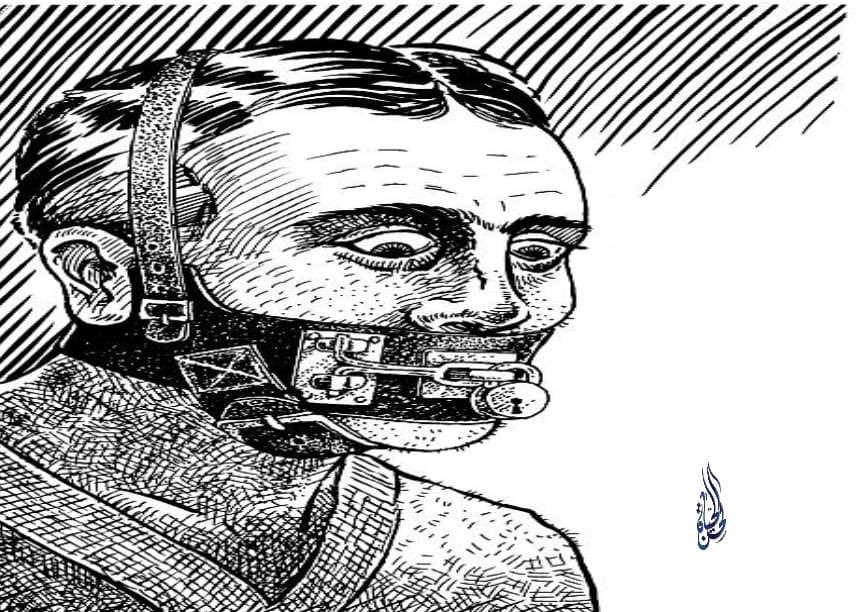
سيمياء القناع
ف ظّني لا يوجد ما هو أكثر إثارة و شفقة لمُدعِ للزهد يغص بالترف ومُدع للرحمة و العطف يسكنه الاستعلاء و الكبّر،هذا المسخ المُثير للشفقة هو العدو الأول للإنسان،يقتل و يستحمر الإنسان باسم المقدس،هذا المسخ يرى ف كل مخالف جاهل،بينما هو غارق حتى أذنيه ف وحل الجهل،نحنُ بين خطاب يقطر زهداً و فعل ينهب الحياة😂🧌.

العربية
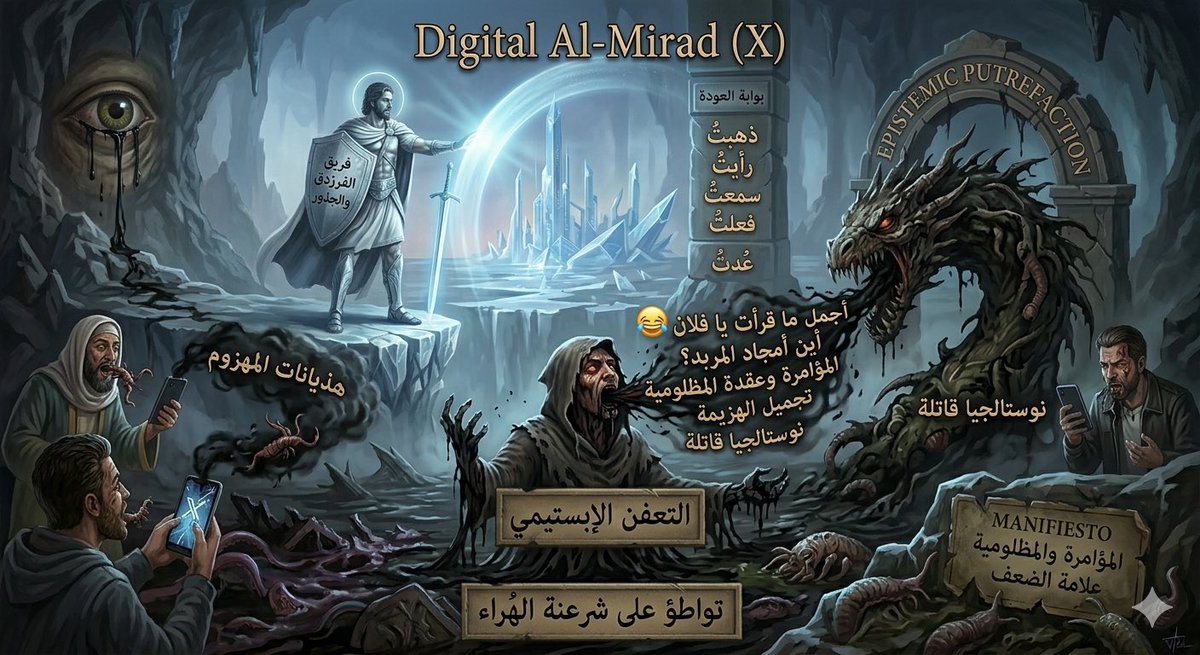
التعفّن الأبستيمي(Epistemic Putrefaction)
عندما تفقد الكلمات وظيفتها كأدوات للحقيقة و تتحوّل إلى أدوات للطقوس الجنائزية للوعي.
ف لحظات الانكسار و الإنحطاط الحضاري،يحدث ما يُسمى(التواطؤ ع شرعنة الهُراء)،الذي هو أعلى درجات التآكل المعرفي،عندما يكتب أحدهم نص هذياني نوستالجي عاطفي خرافي،فيرد عليه الأخر،من أجمل ما قرأت أو ما أروعك😂،أنه بروتوكول اجتماعي لحماية القطيع،ف سوسيولوجيا الفشل،يتم التواطؤ بغير وعي ع الثناء ع الهُراء،نحنُ بصدد بُنيّة نفسية هشّة تُعيد تدوير الهلاوس النوستالجية كفعلٍ إبداعي بينما يقوم الجمهور بدور المُخدر عبر تزكية الغثاء و الثناء عليه ف طقوس الحفلة الجنائزية للوعي.
العربية
رُبما أعرف أو لا أعرف السبب،لكن على أي حال،لماذا ف تحليلاتنا غالبًا تكون نظرية المؤامرة حاضرة؟عندما تقول ماذا لو صمدت الهدنة و اتفقوا ع إغلاق المضيق؟
أنت هنا تلغي وجودنا و تفترض أننا مفعول بنا ولا حول ولا قوة لنا،هذا أولًا،ثانيًا لماذا لا نثق ف أصدقائنا؟لماذا هناك فرضية حتى الأصدقاء يتأمرون علينا؟هل هو بسبب سوء الأصدقاء أو بسبب أننا نحنُ سيئين؟
لو افترضنا فكرة اتفقوا ع إغلاق المضيق ،ماذا عن وجودنا الذي يتم شطبه من قبلهم؟كيف نقبل بذلك؟لماذا أصلًا يتم شطب وجودنا و نحنُ أهل الدار ؟كيف ترسخت فكرة لدى البعض أن مصيرنا يتم تقريره من عدونا أو حتى صديقنا و نحنُ نتفرج ؟هذا يكشف و يفضح خلل و هشاشة بنيوية أما حقيقية أو مُفترضة و في كلا الحالتين لماذا؟لماذا؟كيف يمكن أن يكون مستقبلنا مُشرقًا واعدًا إذا كان حاضرنا مجرد حالة طوارئ لا ديمومة لها و غير قابلة للحياة مما يجعل مستقبلنا ف مهب الريح كما يظهر لي من خلال التحليل،أظّن أنه يجب إرغام عدونا المُحتمل المُفترض أيًا كان و هنا 🫵🏻 تفترض حتى الصديق البعيد عدو انتهازي لا يحترمنا بسبب أننا نفتقد الثقة ف أنفسنا أولًا و حتى ف أصدقائنا،لماذا لا نثق في أصدقائنا؟لماذا حالة الشك ف الكل؟هل كل هذا بسبب سوء الأصدقاء و طمعهم فينا؟لماذا يطمعون فينا؟لماذا لا يحترمون أصدقائهم؟ نحنُ لدينا أصدقاء و تم اختبارهم و 🫵🏻 خصوصًا تدرك ذلك،الفكرة الأهم كما أظّن هي ،كيف نُحصن أنفسنا من غدر القريب و البعيد كما ذكرت؟ كيّف نتفادى و نتعامل مع إنتقام الجغرافيا الحاضرة ف ثنايا منشورك؟
سعد بن طفلة العجمي@Saadbintiflah
ماذا لو؟ رغم أني غير متفاءل بصمود هدنة وقف إطلاق النار، لكن ماذا لو صمدت واتفق #ترامب مع #إيران على تقاسم إغلاق #مضيق_هرمز فكيف تكون ردة فعلنا؟ -تمتنع #السعودية و #الإمارات و #الكويت و #قطر عن تصدير نفطها وغازها عبر المضيق مالم يكن سالكا بأمن وحرية بموجب قانون البحار وليس برسوم تفرضها إيران وتشاركها بجبايتها #أمريكا ؟ (على اعتبار ان حصة #البحرين و #عمان معظمها للاستهلاك المحلي). لدى الدول الأربع ملاءات مالية هائلة تمكنها من الصمود شهورا- وربما سنينا دون الحاجة لبيع النفط. هل يتحمل زبائن النفط الخليجي -الصين والهند وباكستان واليابان وكوريا مثلا- ارتفاع أسعار النفط بتوقف النفط الخليجي عن السوق العالمية؟ هل يتحملون هم والأوروبيون شراء النفط شهورا بسعر يصل ال150$ للبرميل؟ الأغلب أنهم لن يتحملوا وسيضغطون على إيران التي يعتبرونها صديقا لهم-خصوصا الهند والصين- لفتح المضيق بحرية. أثناء التوقف، يبحث الخليجيون عن منافذ أخرى للتصدير عبر البحر الأحمر- مثلما تفعل السعودية عبر ينبع- أو الدقم أو صلاصة بعمان، أو العقبة بالأردن أو اللاذقية بسوريا؟ ويعززون قدراتهم الدفاعية الذاتية، ويبحثون عن مزيد من الحلفاء الدوليين -إلى جانب أمريكا- للعمل معهم على تأمين واستقرار المنطقة. #قلت_رأيا_ودمتم What If? Although I am not optimistic about the durability of the ceasefire, but what if it holds—and Donald Trump reaches an agreement with Iran to share control over the closure of the Strait of Hormuz? What would our response in the GCC be? Would Saudi Arabia, United Arab Emirates, Kuwait, and Qatar refrain from exporting their oil and gas through the Strait of Hormuz unless it remains open and secure under international maritime law—rather than subject to fees imposed by Iran and shared with the United States? (most of Bahrain and Oman production is for domestic consumption.) These four countries possess vast financial reserves that could allow them to endure for months—perhaps even years—without needing to sell oil. But could major customers of Gulf energy—such as China, India, Pakistan, Japan, and South Korea—tolerate a sharp rise in oil prices caused by the absence of Gulf exports from global markets? Would they—and the Europeans—be able to sustain prices reaching $150 per barrel for months? Most likely not. They would be expected to pressure Iran—considered a partner by some of them, especially India and China—to ensure the Strait remains open and secure. During any suspension of exports, Gulf countries could explore alternative export routes via the Red Sea—such as Saudi Arabia’s facilities in Yanbu—or through ports like Duqm or Salalah in Oman, or even via Aqaba in Jordan or Latakia in Syria. At the same time, they could strengthen their own defensive capabilities and seek additional international partnerships- other than the US- to help secure and stabilize the region. #Just_an_opinion
العربية
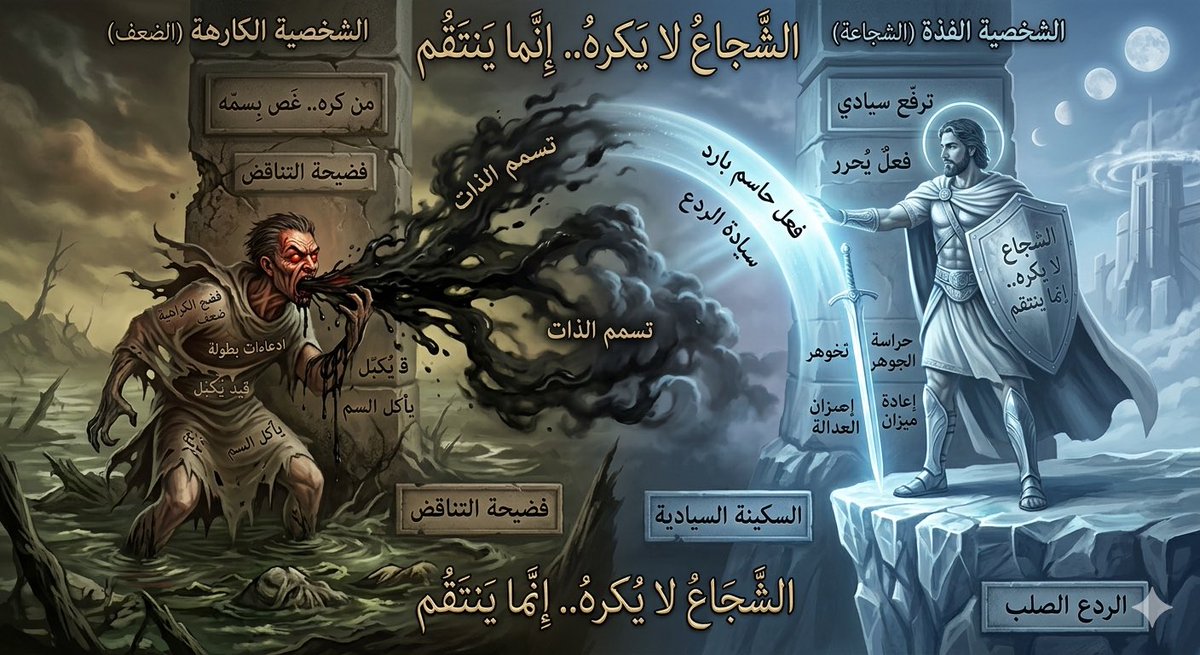
الكراهية هزيمة باطنية
الكراهية هي أن تأكل السم وتنتظر موت خصمك😎.
عندما يكره الإنسان فهو يعترف ضمنًا بأن العدو أو الخصم قد نفذ إلى أعماقه وحطم سكينته،الإفصاح عن الكراهية كما يفعل السُفهاء هو كشف لضعف الشخصية الأولى سترها،الشجاع يرى الكراهية ضريبة باهظة لا يستحق الخصم أن تُدفع له،الكراهية طاقة انفعالية(Reaction)،والشجاعة طاقة فعل(Action)،عندما تكره تظل مفعولاً بك،الشجاع لا يكره إنما ينتقم(فلسفة الفعل لا الصياح)،عندما يدعي أحدهم الشجاعة وهو يغلي كراهية فهو يحاول ترقيع ثقب ف روحه، الكراهية صرخة العجز التي تحاول خنقها بادعاءات البطولة،الشجاع الحقيقي لا يلوث وعيه بالحقد.
العربية
تذبذب إبستيمي vs الاحتقار الهادئ
يفتقدون الاتزان النفسي،متوترون،التوتر سيد الموقف لأن الجميع (مؤدي)يؤدي دور(Performative)لا يعيش حقيقة،ماهو الحل ؟
الاحتقار الهادئ،كيف ؟
-الترفع الإبستيمي(Epistemic Transcendence).
-الصمت السيادي(Sovereign Silence)
-الاختزال البارد(Cold Reduction)

العربية
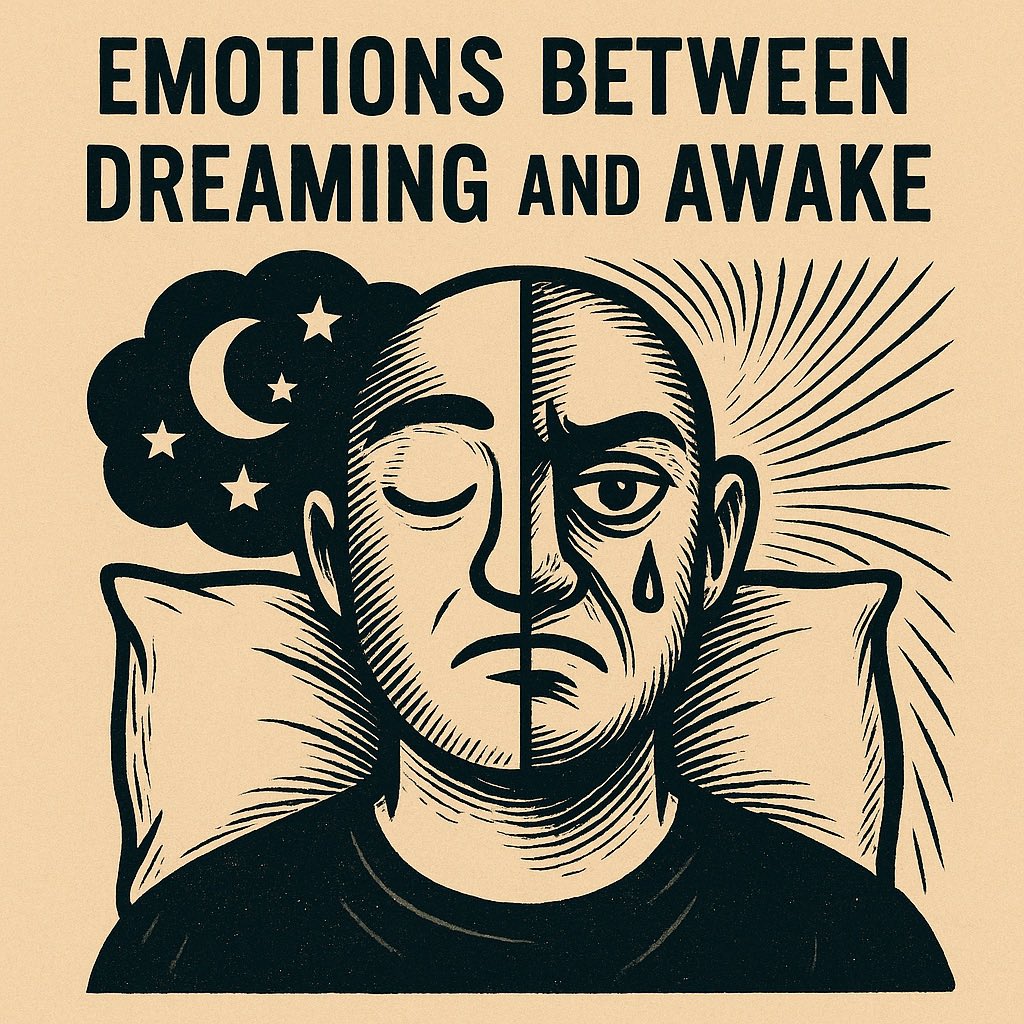
مفرقعات عاطفية
ارتاحوا،اضبطوا انفعالاتكم،أنتم ساقط عنكم التكليف و المسؤولية لظروف خارجة عن إرادتكم،أنتم مجرد همل لا قيّمة لكم ف الوجود و مواقفكم مجرد ظاهرة صوتية، كل فرقعاتكم الدنكوشيتية الارتكاسية لا قيمة لها ولا يحترمها أحد محترم أصلًا،الضمير و المبادئ كتلة واحدة لا تتجزأ .
العربية
سوق المربد vs المربد الرقمي
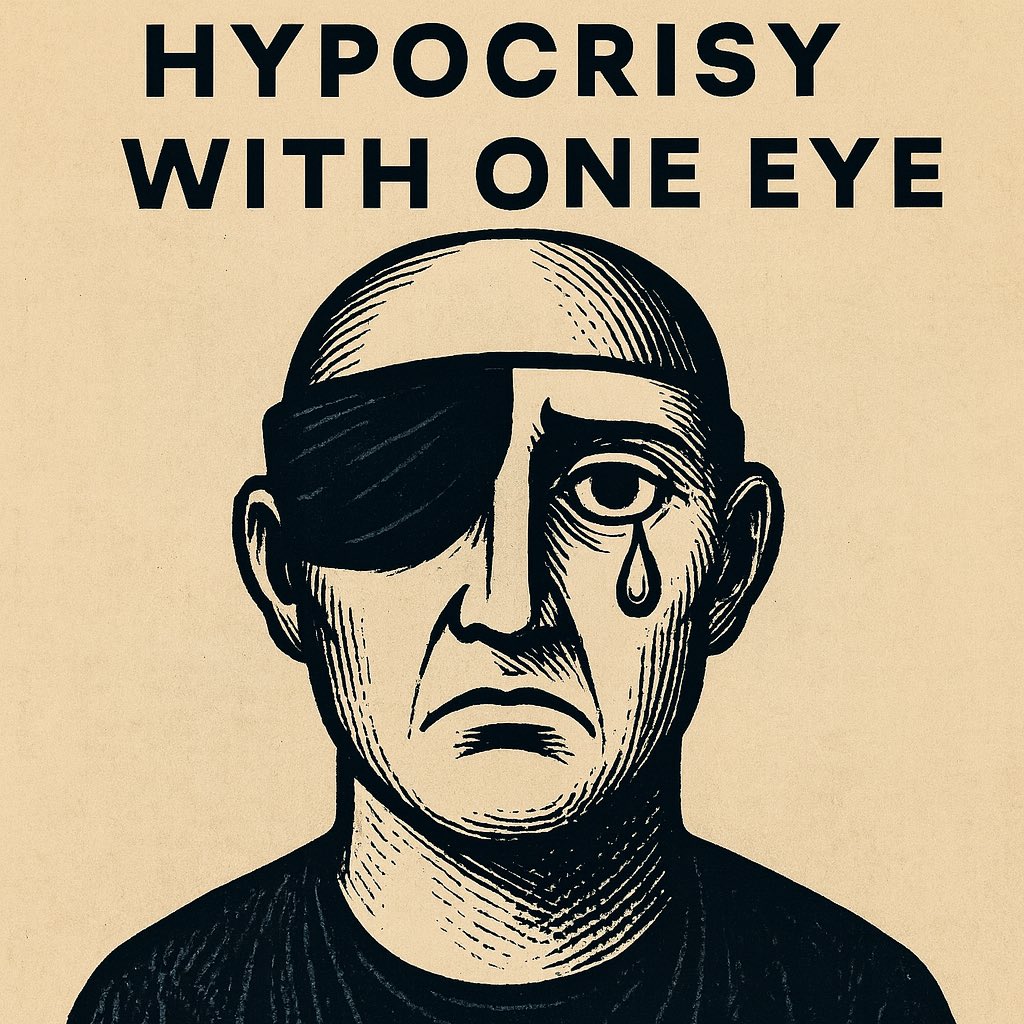
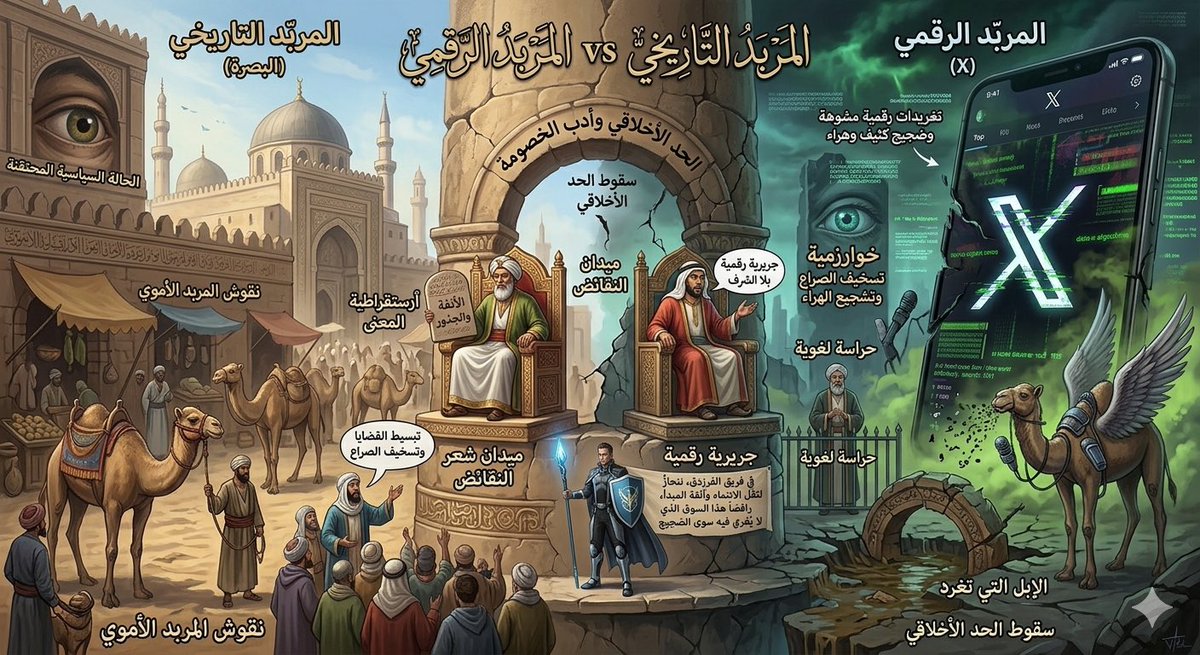
لم يكن سوق المربد ف البصرة لبيع الأبل مجرد جغرافيا أقتصادية بل حالة أجتماعية سياسية ثقافية لكن تحكمها أعراف القبيلة وأدب الخصومة،أنها ميدان شعر النقائض بين حزب الفرزدق vs حزب جرير التي تعكس حالة سياسية ليست بعيدة عن عين السُلطة الأموية،لكن ف سوق المربد التاريخي كان الهجاء فناً له قواعد،كان ع الشاعر أن يمتلك رأس مال لغوي ومعرفي و أخلاقي لينازل خصمه،المربد الأموي كان تحت عين السُلطة لكنه كان ينتج نُخبة ثقافية لسانية فاخرة،ف المربد القديم كانت القصيدة تُخلّد كرواية و تاريخ شفهي يعكس الحالة الثقافية السياسية ف ذلك الزمان لكنه محكوم بحد أدنى من القيّم و الأخلاق العربية الأصيلة، أما ف المربد الرقمي،فقد سقط الحد الأدنى الأخلاقي و تحوّل النزال من نقائض العقول إلى نقائض الغرائز و العواطف و الأثارة ،الكارثة ف المربد الرقمي أن الإبل التي كانت مادة و وسيلة للتفاخر والبيع و الشراء لم تعد صامتة،بل أصبحت هي من يكتب المنشورات ويقرر اتجاه التريند ف السوق،ف المربد الرقمي لم تعد أعراف القبيلة وأدب الخصومة التي تضبط بروتوكول السوق كيد خفية،بل الخوارزمية وتوحش اللاوعي الضاغط المحتقن المكتنز بالكراهية،ف سوق المربد الأموي الذي كان تحت عين السُلطة(الحجاج)،كان هُناك نخبة لسانية ثقافية فاخرة ،لكن ف مربد Xً هُناك الهراء و التفاهة و الانحطاط و الأثارة لأن ذلك يحقق تفاعلاً أكبر،ف سوق المربد الرقمي هناك فريق الفرزدق الذي يمثل ف رأيي أرستقراطية المعنى والأنفة و الكبرياء و الأصالة و أخلاق الفروسية ف مواجهة فريق جرير الشعبوي الرقمي الذي يهيج و يكتسح الجماهير عبر تبسيط القضايا وتسخيف الصراع،الخلاصة أريد أن أقول أننا انتقلنا من سوق المربد حيث كانت الإبلُ تُعرض و تُباعُ والقصائد تخلّد ذلك إلى سوق المربد الرقمي ف X حيث أصبحت الإبل نفسها تُغرّد والمبادئ تُباع و تشترى،مأساة سوق المربد الرقمي كفضاء اجتماعي سياسي ثقافي ليست ف حدة الصراع بل ف سقوط الحد الأخلاقي الأدنى الذي كان يحكم نزال الفرزدق وجرير التاريخي،نحنُ اليوم أمام نقائض ساقطة سفيهه بلا شرف ولغة مُبتذلة يتعاطاها الأخوياء و العبيد بلا حراسة أخلاقية،مجرد قطيع يظنّ أنه يصنع التاريخ بينما هو يملأ الفراغ بالهراء و الضجيج،إذا كان لا مناص من الانحياز فأرى نفسي منحاز لفريق الفرزدق حيث ثقل و نخبوية المعنى و الانتماء و الكبرياء وأنفة المبدأ ضد حالة جريرية شعبوية رقمية سليطة اللسان تستجدي الغوغاء ف مربد x لتنتج وعي تهريجي ايدلوجي سطحي فاضح مُثير للشفقة لا يمكن ترقيعه و تبريره.
العربية
البشتون قبيلة 🔥
أنا إذا كُنت أغير من (الغيّرة) و ليس الحسد المذموم من أحد ،فأنا أغير فقط من الأفغان البشتون،بسطة ف الجسم و شجاعة و رشاقة و قوة و بأس شديد يفتت الصخر،الأفغاني يشيل بعير ع ظهره مثل ما يشيل 🐐 😂،فلا غرابة أن الذي أسقط الصفويين هم جيش صغير من البشتون الأفغان.

العربية
الاستجداء العاطفي vs الردع السيادي
إذا تعذّر الإجابة ع سؤال،لماذا يكرهوننا؟لأسباب بنيوية صعبة،
فليكرهونا كما شاؤوا،الاحترام الذي تفرضه القوة أسمى و أولى من مودة يمنحها الضعف و المداراة،فلندعهم يغصون بسمّ كراهيتهم لنا حتى يختنقوا به،لسنا معنيين بتغيير مشاعر الآخرين تجاهنا ليحبونا،المودة ترف لا نشترطه ف علاقاتنا معهم،ما يهمنا هو أن نجعل كراهيتهم عاجزة عبر معادلة القوة،أن نكون من المنعة والبأس بحيث تبقى كراهيتهم لنا حبيسة صدورهم و عاجزة عن التجسد ف فعل ضار لنا،الكراهية التي لا تجد طريقًا للإيذاء تنقلب إلى خنجر مسموم ف خاصرة صاحبها، الاحترام المفروض بالقوة أبقى من الحب الممنوح بالشفقة،فليكرهونا كما يشاؤون لكن لترتعد قلوبهم و فرائصهم من فكرة المساس بنا،الكراهية العاجزة هي العقوبة التي نفرضها عليهم حين يصطدمون بصلابة القوة المحضة و النموذج المُلهم الذي نقدمه،السيادة الصلبة أن تُكره وتُحترم ف آن واحد من عدوك،القوة هي الضامن الوحيد الذي يحوّل عداوتهم و كراهيتهم من تهديد لنا إلى انتحار بطيء لهم،من يعجز عن هزيمتك سوف تتكفل كراهيته بقتله،الخلاصة يكفينا أن بأسنا القوي يضرب حولنا سورًا منيعًا يردعهم حتى من التفكير ف تسلقه لأنه سوف يكون حتفه،عندها سوف نكون ف غنى عن الإدعاءات و التبريرات و فنكوشيات البطولات الزائفة و الضجيج عبر خطابات سطحية عاطفية لا تسمن ولا تغني من جوع.
العربية
ماذا تقرأ ؟ vs ماذا تفعل ؟
هل مقولة أخبرني ماذا تقرأ أخبرك من أنت دقيقة ؟
لا تخبرني ماذا تقرأ و تسمع لتُبهرني،المعيّار هو ف الاتساق مع السلوك،المعرفة بلا فعل هي مجرد أكسسورات اجتماعية، القيّمة الحقيقية للمدخلات الثقافية تكمن ف قدرتها ع حراسة و ضبط أفعالنا من الإبتذال،إن من أنت؟هي حاصل قسمة معرفتك ع مواقفك.
العربية

التمزق الوجداني
مشهد بائس مُثير للشفقة و الدهشة لكن ليس بمُستغرب أبدًا،أن استدماج علاقة العبودية لتكون علاقة طبيعية قدرية يخلق حالة فصام و تصادم بين لاوعي يغلي لا يمكن كتم حرارته و واقع وعي مُنهك متهتك لا يمكن ترقيع ثقوبه يجعل مهمة تسويغ منطق الهُراء و الكذب مهمة شبه مستحيلة و مُثيرة للشفقة و التقزز.

العربية
فجوة الاتساق(The Consistency Gap)
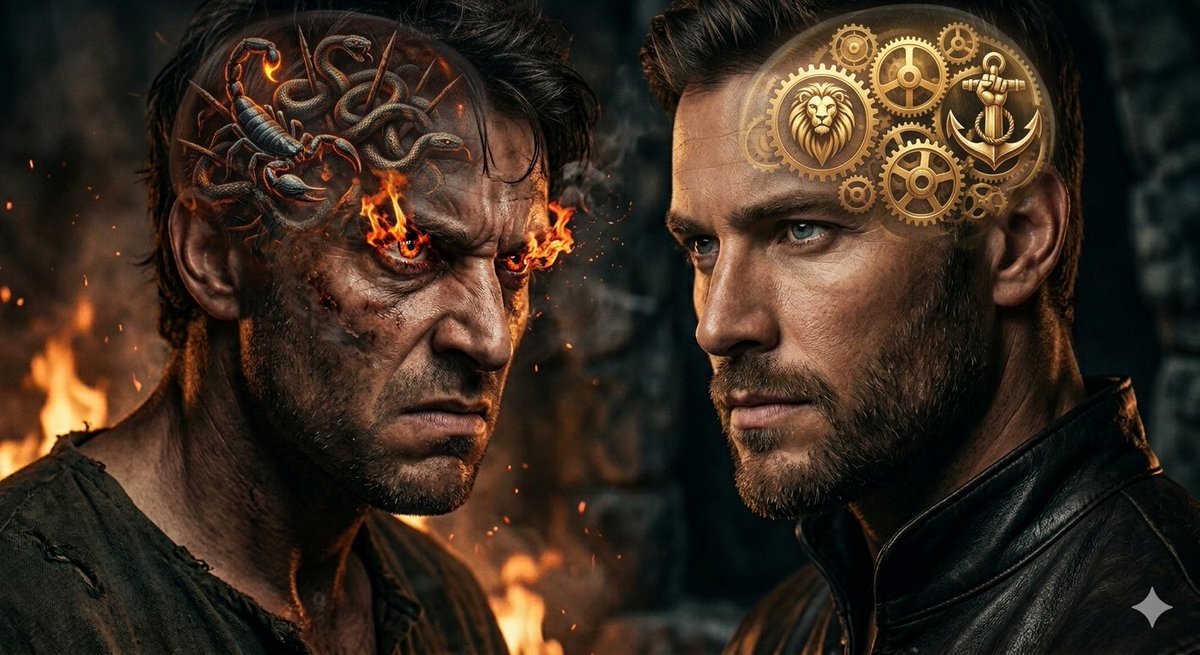
شخصية فذّة،ذات قلب طيب،ألمعي،أحترافية عالية سابق لزمانه،شجاع ذو بأس شديد تخشاه الكائنات اللافقارية ذوات الدم البارد،الذي حدث أن هذا المستوى من المعرفة و الشجاعة يشكل فجوة هائلة مع السائد و لا يتسق مع الأبستيم المُنحط الذي لا يستطيع معه صبرا.
العربية