3pleA💙

442 posts

3pleA💙

3pleA💙

@3pleA15

Muslim☪️ | Registered Nurse 🩺 Islam/Sufism/Mental Health/Personal Finance/Politics/Lifestyle

Katılım Eylül 2019
170 Takip Edilen50 Takipçiler
Àsàmú
Àsàmú@CEruobodo·
❤️
Àsàmú tweet media
QME
1
20
59
1.1K
Anatomy of sufism
Anatomy of sufism@AnatomyOfSufism·
Bawan Allah. Mai idoni Dara-Dara.
Anatomy of sufism tweet media
Indonesia
4
16
264
2.9K
3pleA💙
3pleA💙@3pleA15·
صَلاَةٌ وَتَسْلِيمٌ عَلَــــى مَنْ سَمَتْ بِـــهِ # جَمِيعُ الْوَرَى وَالصَّحْبِ وَالْآلِ أَحْمَدَا صلى الله عليه وسلم
العربية
0
0
0
5
3pleA💙
3pleA💙@3pleA15·
أَيَا بَرُّ يَا كَافِي بِجَـــــاهِ نَبِيِّنَــــا # لِتَرْزُقْ عُبَيْدًا مَا يَرُومُ وَتُرْشِدَا صلى الله عليه وسلم
العربية
0
0
0
4
3pleA💙 retweetledi
𝑰𝒅𝒓𝒊𝒔 𝑨. 𝑶𝒏𝒊 PhD
A Tribute to the Nigerian Armed Forces 🇳🇬 With deep respect and sincere gratitude, we honour the courage, sacrifice, and unwavering commitment of the Nigerian Armed Forces. You stand as the shield of our nation, defending our sovereignty, preserving our unity, and securing our peace even in the face of great danger. While many rest, you remain vigilant. While many celebrate, you endure hardship so that others may live in safety. Your sacrifices, seen and unseen, spoken and unspoken, are written in the fabric of our nation’s history. From the deserts to the forests, from the seas to the skies, your bravery continues to inspire hope and strengthen the spirit of Nigeria. We recognise not only your strength in battle but also your discipline, resilience, and humanity in service. Your dedication is a reminder that true patriotism is not in words alone, but in action, sacrifice, and honour. May Allah protect you, strengthen you, and reward you abundantly for every hardship endured in the line of duty. May your families be comforted, your efforts be successful, and your sacrifices never be in vain. Āmīn. Nigeria stands because you stand. We are grateful because you serve. Thank you. @HQNigerianArmy @DHQNigeria
𝑰𝒅𝒓𝒊𝒔 𝑨. 𝑶𝒏𝒊 PhD tweet media
English
1
11
26
308
3pleA💙 retweetledi
𝑰𝒅𝒓𝒊𝒔 𝑨. 𝑶𝒏𝒊 PhD
Where is the Islam in this? Pálapàla ni gbogbo eleyii, waLlahi. Imāms and Muslim leaders in our various Yorùbá communities must begin to speak out openly against this because non-Muslims are now taking this as the ideal Islam. Some call it Yorùbá-Islam. This is so wrong. The woman in this video is apparently ignorant of the things she says, her appearance is in violation of the teachings of Islam and her public conduct violated everything that Islam teaches. May Allah forgive her and rectify us all. Āmīn.
English
38
33
124
10K
𝑰𝒅𝒓𝒊𝒔 𝑨. 𝑶𝒏𝒊 PhD
In this video, there is everything but Islam, Dhikr or Taṣawwuf. In fact, there is everything that Islam prohibits in it and not a single thing that Islam permits. Those who follow these Azakiru and Azakira as they like to be called must understand that they are basically just following musicians. There is absolutely no difference between them and other musicians except maybe in their regalia or the names they chose to call themselves. They are far from Islam and their shows have absolutely no semblance to Islam. The vast majority of them are ignorant just as the people around them and their so-called Shehus who encourage them in these un-Islamic practices. They have neither the knowledge of Islam nor that of Taṣawwuf. Just vibes and dances. AstaghfiruLlah 🤲. May Allah protect us all from the evils of gatherings that desecrate the name of Allah. Āmīn.
English
50
53
156
14.1K
3pleA💙
3pleA💙@3pleA15·
@IdrisAOni1 This is not Islaam This is not Dhikr This is not Tasawwuf Jazaakumullaahu khayran
English
0
1
2
95
𝑰𝒅𝒓𝒊𝒔 𝑨. 𝑶𝒏𝒊 PhD
اللهم صل وسلم وبارك على سيدنا محمد وعلى اله وصحبه آمين 🤲 🥰 يا ذاهِبينَ إلى النّبِيِّ خُذُوني أوَ ما رأيْتُمْ دَمْعَتي بعُيوني!! أوَ ما عَلِمْتُمْ للحبيبِ مَحَبَّتي!! وتَلَهُّفي وتَشَوُّقي وحَنيني إنِّي بأحْمَدَ ما حَييتُ مُتَيَّمٌ ولهُ غِنائِيَ دائِماً ولُحوني لا تتْركوا باللهِ قلْبيَ للجَوى لا تذْهَبوا يا زائِرينَ بِدوني Translation: O you who are going to the Prophet, take me along with you, Have you not seen the tears flowing from my eyes? Do you not know of my love for the Beloved, My longing, my yearning, and my deep nostalgia? Indeed, for Prophet Muhammad (Aḥmad), I remain passionately devoted as long as I live; For him are my songs always, and my melodies. Do not, by Allah, leave my heart to suffer in anguish, Do not go, O visitors, without taking me with you. @zabfat1 take me with you to see the Rasūl (ṣallāLlāhu 'alayhi wa sallam) and his beloved companions
العربية
5
30
86
2.1K
3pleA💙
3pleA💙@3pleA15·
@IdrisAOni1 اللهم صل وسلم وبارك على سيدنا وحبيبنا ونبينا محمد صلى الله عليه وآله وصحبه وسلم
العربية
0
2
2
92
3pleA💙 retweetledi
𝑰𝒅𝒓𝒊𝒔 𝑨. 𝑶𝒏𝒊 PhD
One of the major challenges facing Sufism in our time is the widespread excesses associated with certain Sufi Shaykhs and their followers. These excesses must be openly identified and firmly removed if the path is to align with authentic Islam. Among the most problematic practices are the promotion of fabricated or exaggerated miracles. Claims such as a Shaykh walking on water, flying through the air, or performing extraordinary feats may captivate the emotions, but they hold no benefit for a Muslim's faith or salvation. Islam is not a religion established upon miracles or karamat. The greatest and everlasting miracle is the Qur'an itself, a book that challenges humanity with its eloquence, guidance, and truth. The Prophet Muhammad (ṣallāLlāhu 'alayhi wa sallam) was supported by miracles when necessary, but he repeatedly emphasized that faith must rest on clear evidence, reason, and submission to Allah alone, not on spectacles or wonders. Equally dangerous and unfounded are claims that reciting a specific du'ā a certain number of times is equivalent in reward to reciting the entire Qur'an, or that particular litanies and wirds carry exaggerated spiritual multipliers. Such assertions are not only baseless and fallacious; they border on the blasphemous, as they distort the sacred value of Allah’s own words and imply that human inventions can rival divine revelation. Worse still is the practice of invoking a Shaykh, whether living or deceased, for help in matters that only Allah can control: seeking relief from distress, provision, protection, or intercession directly from the Shaykh. This is a clear form of shirk (associating partners with Allah), as it directs worship and dependence to a created being. Allah says in the Qur'an: “And invoke not besides Allah any that will neither profit you nor harm you...” (Qur'an 10:106). True tawassul (seeking means) is through righteous deeds, the names and attributes of Allah, or the supplication of the living, never through calling upon the dead or absent saints as if they possess independent power. Another troubling innovation is the hanging of pictures or images of Sufi Shaykhs in homes, on vehicles, around the neck as amulets, or even inside mosques. This practice is far closer to kufr (disbelief) than to īmān (true faith). It risks turning the Shaykh into an object of veneration, resembling the idol-worship that Islam came to eradicate. The Prophet strictly forbade the making and displaying of images of living beings in places of clothing and warned against anything that could lead the heart away from exclusive devotion to Allah. These excesses have unfortunately clouded the beauty of genuine spiritual purification (tazkiyah) that early pious Muslims pursued. True taṣawwuf must remain within the bounds of the Qur'ān and Sunnah, focusing on sincerity, fear of Allah, good character, and avoidance of sin, not on personality cults, invented rituals, or supernatural claims that distract from the Straight Path. Muslims must return to the pure Tawhid taught by the Prophet and his Companions. Any practice that compromises the oneness of Allah, elevates created beings, or adds to the religion what was never part of it must be abandoned. Faith is built on knowledge and action, not on emotional stories or unverified wonders. May Allah purify our hearts, protect us from shirk in all its forms, open or hidden, and guide us, and the entire Ummah, to what is authentically pleasing to Him. May He make us steadfast upon the Qur'an and Sunnah until our last breath. Āmīn.
English
18
27
87
2.6K
3pleA💙 retweetledi
𝑰𝒅𝒓𝒊𝒔 𝑨. 𝑶𝒏𝒊 PhD
When dhikr is accompanied by musical instruments, it ceases to retain its original essence as dhikr and instead takes on the nature of music. What is then experienced is often the emotional ecstasy produced by melody and rhythm, not necessarily the spiritual fruits that arise from sincere remembrance of Allāh. Dhikr, in its pure form, is meant to cultivate presence of the heart, humility, and conscious connection with Allāh, not merely sensory stimulation or emotional elevation. There may be differing views among those who hold that music can be permissible or impermissible depending on its content and intent. From that perspective, such practices may be evaluated within a broader ethical framework. However, for those who maintain that all musical instruments are impermissible, the matter is clear and leaves no room for accommodation, any integration of music into acts of worship fundamentally alters their nature. At the very least, caution is required. Acts of worship are divinely guided and not subject to personal innovation, and their forms should be preserved as taught by the Prophet (ṣallāLlāhu 'alayhi wa sallam) and practiced by the early generations. The sincerity and depth of dhikr are not measured by emotional intensity alone, but by conformity to the Sunnah and the transformation it brings to the heart and character.
English
3
28
89
3.6K
3pleA💙 retweetledi
Òluwa-Gbotemi
Òluwa-Gbotemi@Skolex5·
I knew this Early , and it helped me shape up ! It can help you. Everything being equal with economy and income. Difference between the struggling one and the wealth-building one is capital allocation order. Simple as that. Average earners follow a simple loop. Earn money, spend most of it, remain financially fragile. Wealth builders follow a different loop. Earn money, allocate capital, invest in productive assets, then spend what remains. If income arrives and everything gets spent first, wealth has no chance to form. If income arrives and assets get funded first, wealth compounds quietly in the background. The question is simple. When money enters your account, do you spend first or allocate first?
English
1
7
52
2.6K
3pleA💙 retweetledi
Abu Turob™ 🔻
Abu Turob™ 🔻@YasinAwwal·
REFUTATION OF THE CLAIM THAT EID PRAYER CANCELS BOTH JUMUʿAH & ẒUHR WHEN THEY COINCIDE It's sad that we have to do this every year, however if peddlers of fake Fiqh keep repeating same lies, then we will keep repeating the answer: Eid prayers can never replace Ẓuhr. 1/10🧵
English
5
37
64
6.9K
3pleA💙 retweetledi
𝑰𝒅𝒓𝒊𝒔 𝑨. 𝑶𝒏𝒊 PhD
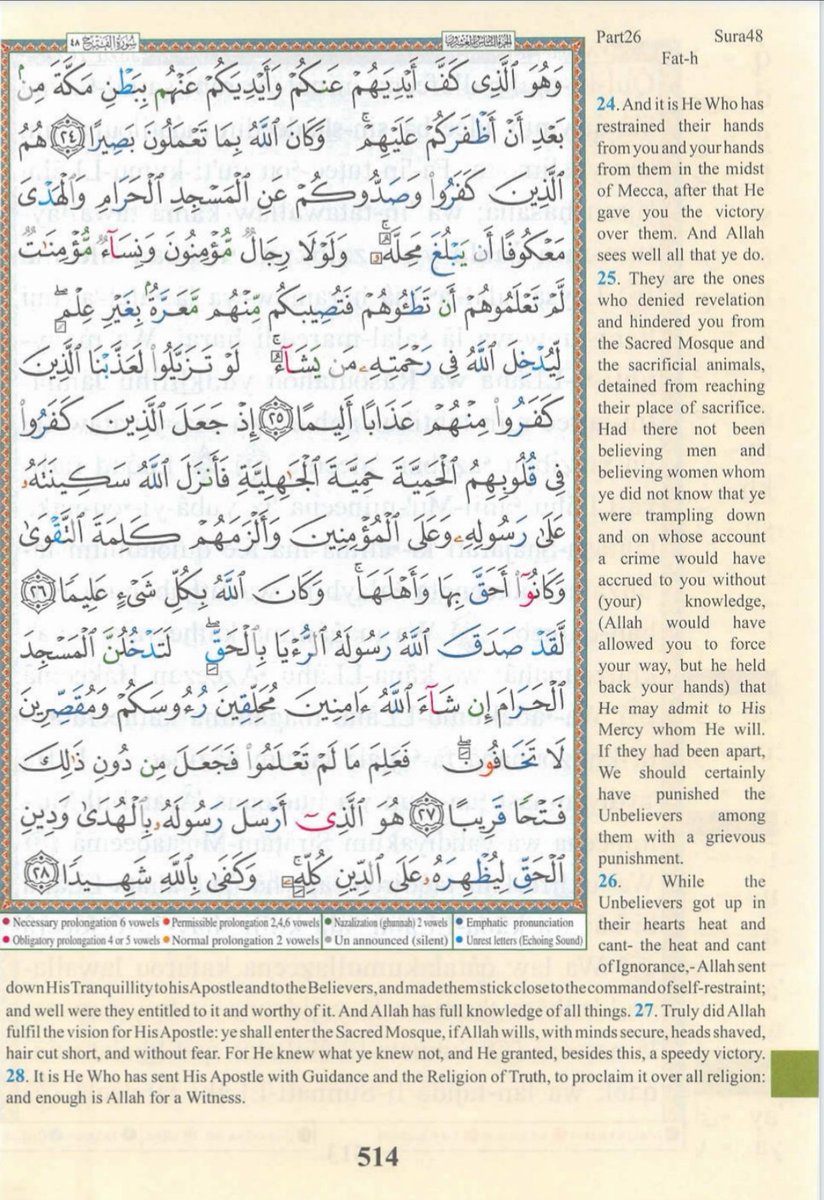
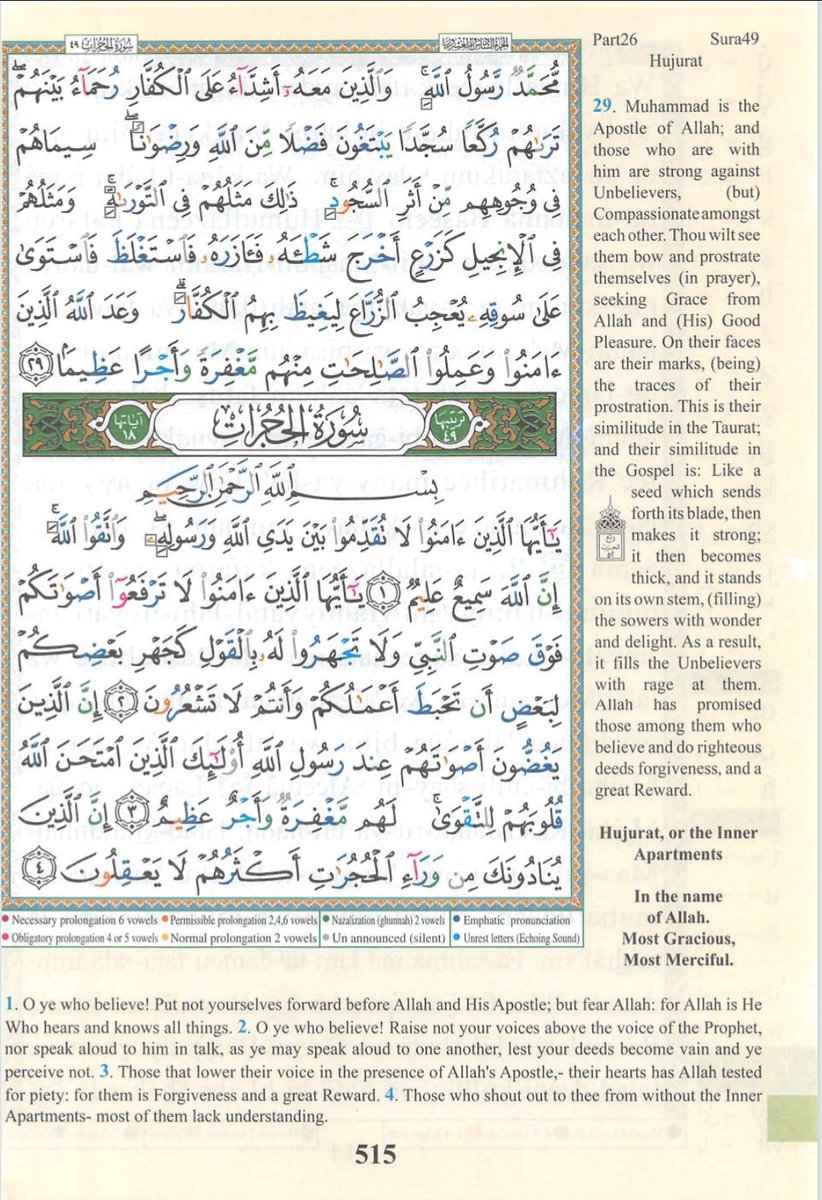
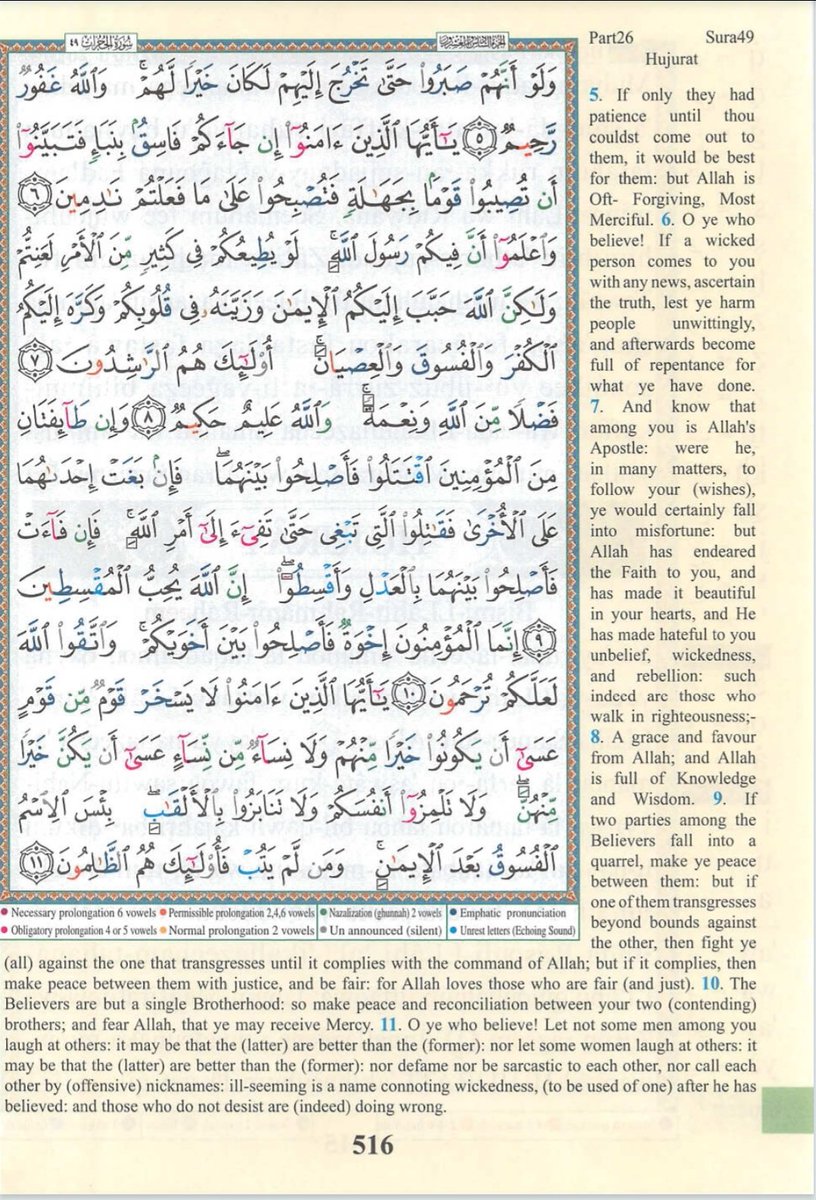
#Ramadan2026 Ramaḍān 1447/2026 – Day 26 Fajr Reflection Qur’ān 48:16–29 & 49:1–11 (Sūrah al-Fatḥ & Sūrah al-Ḥujurāt) These passages highlight the themes of obedience, preparation for struggle, brotherhood, respect for leadership, and the etiquette of social interaction in the Muslim community. 1. Preparing for Allah’s Decree and Obedience (48:16–20) Allah addresses the believers, commanding them to prepare for future struggles. Some will be called to fight beyond the homeland, while others remain behind with caution. Each must follow Allah’s commands faithfully. The Qur’ān emphasizes that those who obey Allah and His Messenger will attain victory, protection, and reward, while disobedience leads to regret. Lesson: Obedience to Allah and His Messenger, combined with readiness to fulfill communal obligations, ensures divine support and success. 2. The Triumph Granted by Allah (48:21–29) Allah recounts His past support for the believers, reminding them of the clear victories and spoils that were achieved through His aid. Allah promises future triumphs for those steadfast in faith. Believers are called to recognize their roles and responsibilities in maintaining unity and upholding justice. The Messenger (ṣallāLlāhu 'alayhi wa sallam) is described as a seal of the prophets, exemplifying trustworthiness, courage, and mercy toward believers. Lesson: Victory is not solely from human effort but is granted by Allah. A faithful, obedient community is strengthened under righteous leadership. 3. Brotherhood and Social Etiquette (49:1–11) The passage shifts to ethical and social guidance: Believers are commanded not to ridicule, defame, or insult one another. Accusations, gossip, and slander are strongly condemned. True believers should maintain brotherhood, humility, and respect, recognizing that superiority is only by piety. Allah reminds them that every member of the community is accountable, and mutual respect ensures harmony and divine pleasure. Lesson: Islamic success is not only in battle or obedience but also in cultivating sincere social conduct and protecting the dignity of others. 4. Accountability and Humility Believers are warned against arrogance and self-deception. Pride, mockery, and contempt weaken communal bonds and attract Allah’s displeasure. Genuine humility and accountability foster trust, cooperation, and lasting unity. Themes from These Verses 1. Faithful obedience to Allah and His Messenger brings protection and success. 2. Victory is from Allah, and triumph requires both preparation and trust. 3. Brotherhood, humility, and respect are central to a strong Muslim community. 4. Avoiding slander, gossip, and mockery is essential for spiritual and social health. 5. Leadership in Islam combines mercy, justice, and guidance for the community. See transliterations in the first comment 👇
𝑰𝒅𝒓𝒊𝒔 𝑨. 𝑶𝒏𝒊 PhD tweet media𝑰𝒅𝒓𝒊𝒔 𝑨. 𝑶𝒏𝒊 PhD tweet media𝑰𝒅𝒓𝒊𝒔 𝑨. 𝑶𝒏𝒊 PhD tweet media𝑰𝒅𝒓𝒊𝒔 𝑨. 𝑶𝒏𝒊 PhD tweet media
𝑰𝒅𝒓𝒊𝒔 𝑨. 𝑶𝒏𝒊 PhD@IdrisAOni1

Ramaḍān 1447/2026 – Day 25 ʿIshāʾ Reflection Qur'ān: Sūrah Muḥammad (47:20–38) & Sūrah al-Fatḥ (48:1–15) These verses describe the attitudes of the believers and the hypocrites when the command for struggle and sacrifice in the path of Allah is mentioned. True believers respond with sincerity and readiness, while those with hypocrisy in their hearts react with fear and reluctance. The Qur’ān criticizes those who claim faith but turn away when responsibility and sacrifice are required. They are also warned against severing family ties and spreading corruption in the land, actions that lead to spiritual blindness and distance from Allah’s mercy. The passage also calls people to reflect deeply upon the Qur’ān rather than reciting it without understanding. Those who ignore its guidance allow their hearts to become hardened and sealed. Allah reminds believers that obedience to Him and to His Messenger brings forgiveness and immense reward, while turning back after guidance has become clear leads only to loss and regret. The verses further encourage believers to remain steadfast and generous in supporting the cause of Allah, reminding them that Allah is self-sufficient while human beings are in constant need of Him. Sūrah al-Fatḥ then opens with the announcement of a clear victory granted to the Prophet (ṣallāLlāhu 'alayhi wa sallam). This victory signifies divine support, forgiveness, and the completion of Allah’s favor upon His Messenger and the believers. It reassures the faithful that Allah strengthens their hearts and grants tranquility during times of uncertainty. At the same time, the passage exposes the excuses of those who remained behind out of fear and worldly concerns. Their hesitation contrasts with the faith and commitment of the sincere believers, teaching that true success lies in trusting Allah, obeying His Messenger, and remaining steadfast in times of trial. See transliterations in the first comment 👇

Română
1
24
31
1.3K
3pleA💙 retweetledi
Dausayin Ma’aiki
Dausayin Ma’aiki@Dausayinmaaiki·
Sometimes I wonder if Prof remembers he’s in National Mosque and all the politicians listens to him. Prof doesn’t care he always speaks facts
English
20
400
884
22.2K
3pleA💙
3pleA💙@3pleA15·
اللَّهُمَّ عَافِنِي فِي بَدََنِي، اللَّهُمَّ عَافِنِي فِي سَمْعِي، اللَّهُمَّ عَافِنِي فِي بَصَرِي، لَا إِلَهَ إِلَّا أَنْتَ. اللَّهُمَّ إِنِّي أَعُوذُ بِكَ مِنَ الْكُفرِ، وَالْفَقْرِ، وَ أَعُوذُ بِكَ مِنْ عَذَابِ الْقَبْرِ، لَا إِلَهَ إِلَّا أَنْتَ
العربية
0
0
0
8