Sabitlenmiş Tweet
Luis Gilberto 🎧
145.9K posts

Luis Gilberto 🎧
@61lb3rt0
I’m just Ken I’m Kenough #RestoreTheSnyderVerse
Tlalnepantla, Estado de México Katılım Ocak 2012
7.1K Takip Edilen27.4K Takipçiler
Luis Gilberto 🎧 retweetledi

These Star Wars DVD covers never fail to give me deep thoughts of nostalgia and happiness.

English

Luis Gilberto 🎧 retweetledi
Luis Gilberto 🎧 retweetledi

A mystery artist turned a nuclear bunker into R2-D2 🤯

English
Luis Gilberto 🎧 retweetledi

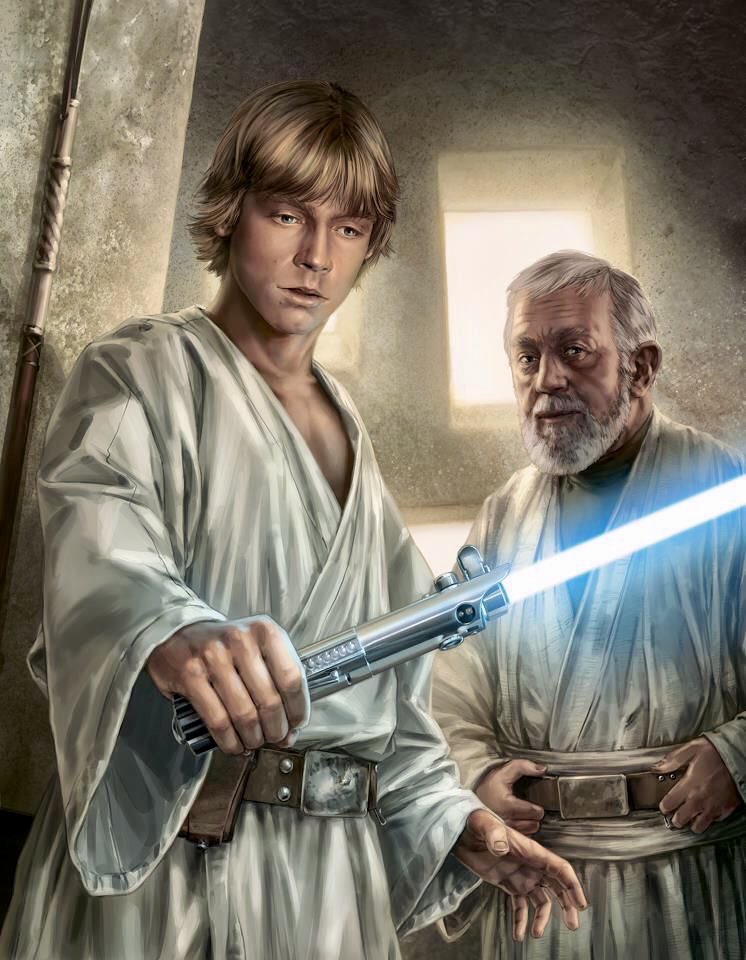
“This is Master Obi-Wan Kenobi. I regret to report that both the Jedi and the Republic have fallen, with the dark shadow of the Empire rising to take their place.
This message is a warning and s reminder for any surviving Jedi: Trust in the force. Do not return to the Temple. That time has passed, and our future is uncertain. We will each be challenged. Our trust. Our faith. Our friendship.
But we must persevere and in time a new hope will emerge. May the force be with you. Always.” #StarWars #Hope
English
Luis Gilberto 🎧 retweetledi

Luis Gilberto 🎧 retweetledi


Luis Gilberto 🎧 retweetledi



Luis Gilberto 🎧 retweetledi

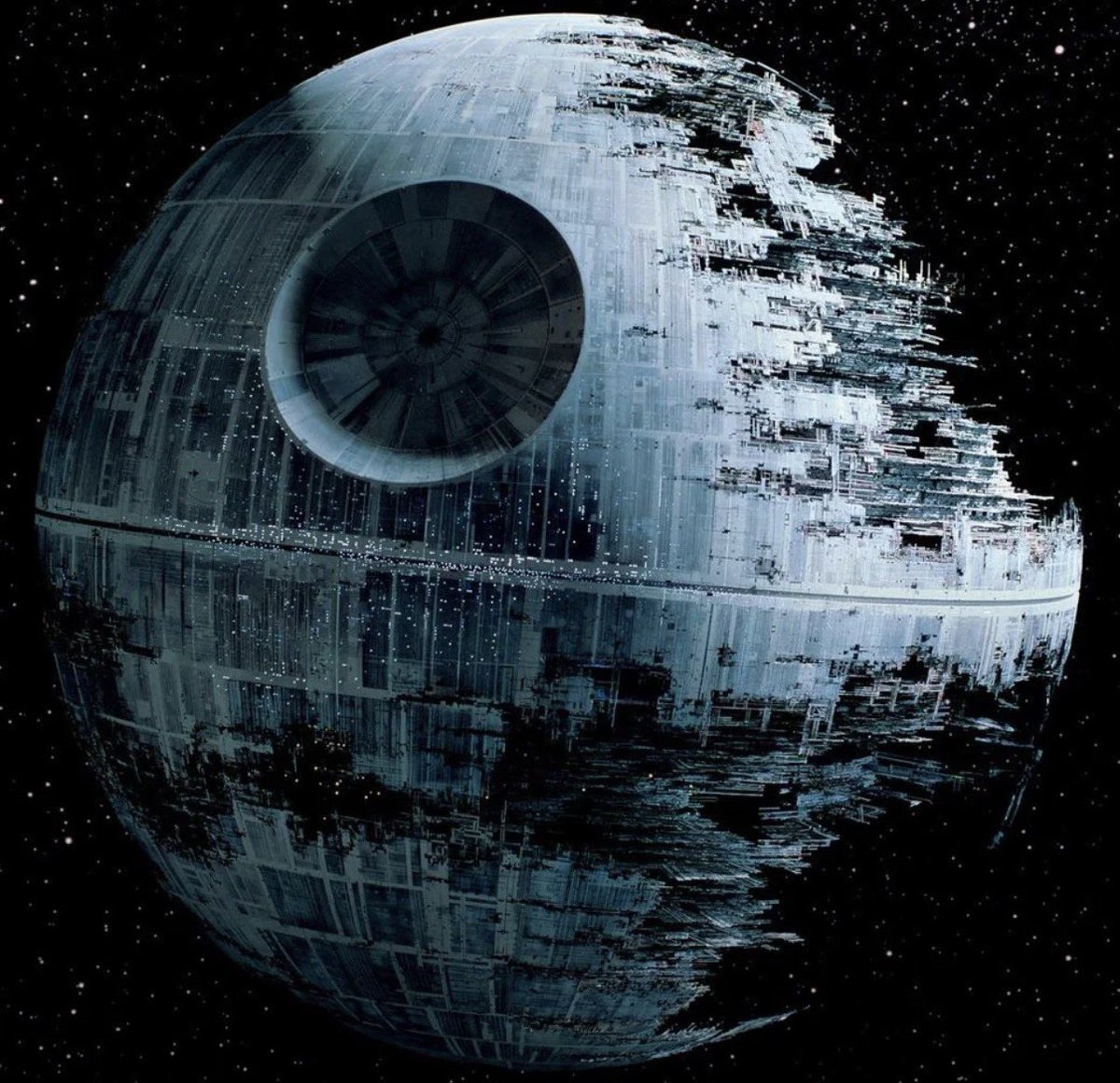
Why take the longest path to the main reactor when it’s barely covered on one side?
English
Luis Gilberto 🎧 retweetledi


Luis Gilberto 🎧 retweetledi

Pepsi paid $2 billion for the rights to market the Star Wars prequels. They went all-in on this first film. The toys ended up making more money than the tickets. All of it was built on a poster with no actors, no plot, and not even the movie's full name.
On November 10, 1998, an ad agency called New Wave Creative, working with two Lucasfilm employees, Ellen Lee and Jim Ward, put this image into theaters. It just said "Star Wars Episode I" at the bottom. No subtitle. A kid walking in the desert casting Darth Vader's shadow. Star Wars hadn't released a new film since Return of the Jedi in 1983. This one image had to sell the comeback.
Pepsi's deal covered everything. Pepsi cans, Frito-Lay chips, Pizza Hut, Taco Bell, and KFC. They printed 8 billion cans featuring Star Wars characters. Guinness World Records listed it as the largest brand partnership deal in history. Lucasfilm's own ad budget was just $20 million.
When the teaser trailer dropped a few days later, it only played in a handful of U.S. theaters. Fans bought full-price tickets to a 3-hour Brad Pitt movie called Meet Joe Black, watched the 2-minute Star Wars trailer, and walked out before the film started. Some theaters started replaying the trailer after Meet Joe Black ended so people would actually stay in their seats. That trailer got 35 million downloads online, which in 1998 meant waiting an hour on a screeching dial-up modem to watch a pixelated rectangle on your monitor.
The Phantom Menace opened May 19, 1999. A workplace consulting firm, Challenger, Gray & Christmas, estimated that 2.2 million Americans skipped work that day, costing employers about $293 million in lost productivity. In one day. The movie made over $1 billion at the box office. The merchandise made roughly $2 billion, nearly double the ticket sales. Lego's Star Wars toy line blew past its own sales forecast.
I looked up what happened to the people behind this poster. Ellen Lee went to Pixar. Jim Ward became president of LucasArts (Lucasfilm's video game company), ran for Congress in Arizona, and then became CEO of the Phoenix Symphony. New Wave Creative went on to design the posters for Borat and Shaun of the Dead. And Drew Struzan, who painted the theatrical Star Wars posters (the colorful painted ones you probably picture when you think "Star Wars poster," not this minimalist teaser), died last October at 78 from Alzheimer's.
The Star Wars franchise has generated an estimated $46.7 billion in total revenue. Pepsi bet $2 billion on a franchise that announced its comeback with nothing but a boy and a shadow on a wall.
cinesthetic.@TheCinesthetic
Arguably the greatest poster in film history.
English
Luis Gilberto 🎧 retweetledi
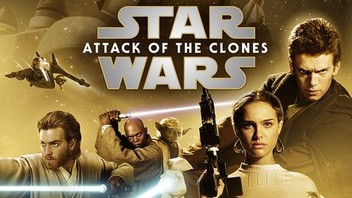
What's your favorite moment from Attack of the Clones?
English
Luis Gilberto 🎧 retweetledi

Luis Gilberto 🎧 retweetledi
If you could change one thing about The Empire Strikes Back what would it be?

English
Luis Gilberto 🎧 retweetledi


Luis Gilberto 🎧 retweetledi