BasisPoint Insight

1.9K posts

BasisPoint Insight banner
BasisPoint Insight

BasisPoint Insight

@91basispoints

Thought-provoking insights on the #economy & #markets | Deep research, actionable analysis

Katılım Ocak 2025
25 Takip Edilen251 Takipçiler
BasisPoint Insight
BasisPoint Insight@91basispoints·
In a tariff-driven world, rupee depreciation cushioned competitiveness. In an oil shock, it does the opposite. Every tick lower now raises import costs, widens the current account deficit, and feeds inflation. The same tool that once stabilised is beginning to transmit stress. So what should the RBI do? Lean against volatility or preserve reserves? Allow gradual adjustment or risk overshooting? And most importantly, how much of this shock should the currency absorb versus the balance sheet? Because this is no longer just about the rupee. It is about where India chooses to take the pain. Read Sakshi Gupta’s column for BasisPoint: Rupee’s Turn from Shock Absorber to Amplifier in Oil Shock basispointinsight.com/Story/Home/rup… @SakshiGupta86 #IndianRupee #FX #OilPrices #ExchangeRate #Inflation #RBI #MacroRisk #CurrencyMarkets
BasisPoint Insight tweet media
English
0
0
0
13
BasisPoint Insight
BasisPoint Insight@91basispoints·
When Optimism Replaces Policy and Markets Stop Signalling Revised GDP and CPI suggest we’ve been looking at a slightly distorted picture. Even crop estimates and inflation risks may not be telling the full story. Markets, meanwhile, seem to be absorbing everything. Oil moves, capital flows shift, and yet the system holds, with optimism doing more work than policy. Then there are deeper mismatches between perception and structure, between headline growth and uneven realities on the ground. And all of this is unfolding against a backdrop of a conflict that was supposed to be brief, but isn’t. For insightful takes on the war and its second order effects on the global economy, check out the newsletter: basispointinsight.com/Story/Home/whe… @gaurasengupta, @apirk16, @tkarun, @akshichawla, @krishnadevanv, @ssmumbai, @SharmilaChavaly #MiddleEast #Iran #Growth #Inflation #Crude
BasisPoint Insight tweet media
English
0
1
0
35
BasisPoint Insight
BasisPoint Insight@91basispoints·
India’s climate debate often defaults to a familiar explanation: weak capacity, fragmented institutions, poor execution. It sounds right. It is also incomplete. The deeper issue is incentives. Across sectors, institutions are doing exactly what they are designed to do. The problem is that these actions do not add up. Subsidised power, procurement policies and irrigation support are individually rational, but together they drive groundwater stress. Urban planning, transport and land use operate in silos, producing congestion and climate risk despite strong administrative capability. India does not lack capacity. It lacks alignment. Until incentives across sectors, finance and governance are reworked, climate outcomes will remain fragmented, even when policy intent is sound, writes former finance secretary Arvind Mayaram. Read his column for BasisPoint: India’s Climate Problem Is Not Capacity, It Is Incentives basispointinsight.com/Story/Home/ind… @MayaramArvind #ClimatePolicy #IncentivesMatter #ClimateEconomics #EnergyTransition #CarbonPricing #PolicyFailure #IndiaClimate #ClimateRisk
BasisPoint Insight tweet media
English
0
1
2
133
BasisPoint Insight
BasisPoint Insight@91basispoints·
India cannot treat large #nbfcs as systemically important on #risk, but optional on #governance. CEO tenure and succession planning must become prudential disciplines, not promoter conveniences, writes @ssmumbai Read Srinath Sridharan's column for BasisPoint: Large NBFCs Cannot Remain Exempt From Leadership Tenure Discipline basispointinsight.com/Story/Home/lar… #RBI #MD #LeadershipTenure #FinancialRegulation #PolicyRisk #ShadowBanking #BoardGovernance
BasisPoint Insight tweet media
English
0
1
3
105
BasisPoint Insight
BasisPoint Insight@91basispoints·
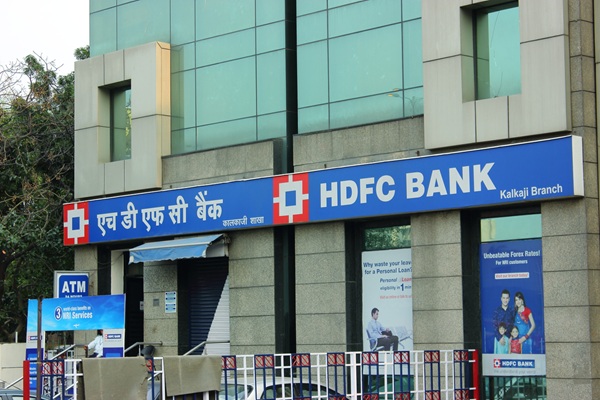
HDFC Bank’s chairman exit has raised governance questions, but the signal appears contained. The RBI’s explicit reassurance and the bank’s swift response point more to boardroom friction than any operational or systemic breakdown. What matters now is clarity on leadership and continuity in execution. If those hold, this remains a contained disruption, not a structural concern. Read T. Bijoy Idicheriah’s column for BasisPoint: HDFC Bank Chairman Exit — Contained Disruption basispointinsight.com/Story/Home/hdf… #HDFCBank #Banking #Governance #RBI #Markets #Leadership #Stocks #Nifty #Investor #Breaking
BasisPoint Insight tweet media
English
0
0
2
367
BasisPoint Insight
BasisPoint Insight@91basispoints·
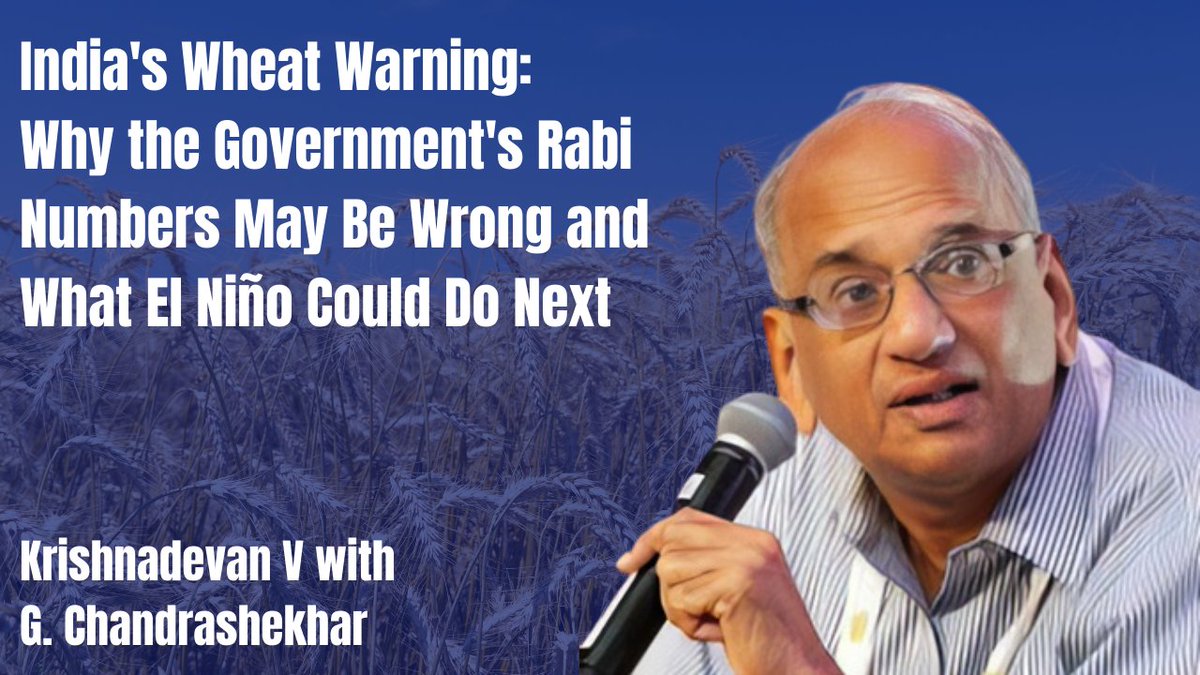
India says wheat output is at a record 120 million tonnes. Veteran analyst G. Chandrashekhar says the real number is closer to 106 to 108 million tonnes. That gap has consequences for food prices, FCI procurement and buffer stocks. El Niño is developing. Fertiliser costs are rising. The Strait of Hormuz is near closed. India's agriculture is not in crisis yet. But April will tell us how close we are. Watch or Listen to the full conversation between G. Chandrashekhar and @krishnadevanv YouTube: youtu.be/19P0e1juchg Spotify: open.spotify.com/episode/4wiYbE… #RabiCrops #IndianAgriculture #CropEstimates #FoodInflation #WheatCrop #AgriCrisis #WeatherImpact #CommodityMarkets
YouTube video
YouTube
BasisPoint Insight tweet media
English
0
0
0
60
BasisPoint Insight
BasisPoint Insight@91basispoints·
India’s new GDP and CPI series do more than update base years, they quietly change the macro narrative. Growth is lower but less volatile, nominal GDP is smaller, and core inflation appears softer, all of which reshape how policy should read the economy. But the signal comes with a complication. Just as data becomes more reliable, geopolitics is making the outlook more uncertain. If oil shocks push inflation higher while growth slows, the RBI will be forced to balance better data with a noisier world. The question is whether clearer numbers will lead to clearer policy, or more difficult trade-offs. Sameer Narang, Head of Economics Research at ICICI Bank, writes for BasisPoint: Rebasing Reality Resets India’s Growth and Inflation Narrative basispointinsight.com/Story/Author/r… #GDPRebasing #IndiaGrowth #InflationVsGrowth #EconomicData #MacroSignals #RBIPolicy #DataRevision #GrowthNarrative
BasisPoint Insight tweet media
English
0
1
2
85
BasisPoint Insight
BasisPoint Insight@91basispoints·
Is it time to rethink the taboo around RBI’s contingency reserves? With yields elevated, the rupee under pressure, and foreign capital retreating, the real constraint today is not fiscal arithmetic but market confidence. If borrowing is what markets are pricing, not deficit ratios, then reducing supply may matter more than signalling restraint. A calibrated use of RBI buffers, paired with tax relief and lower borrowing, could ease financial conditions without abandoning discipline. The real question is whether policy adapts, or stays bound by orthodoxy while pressures build. Read R Gurumurthy’s column for BasisPoint: Why Using RBI’s Contingency Reserves Is No Longer Heresy basispointinsight.com/Story/Home/why… @apirk16 #RBI #MonetaryPolicy #FiscalPolicy #IndiaEconomy #CentralBank #EconomicPolicy #Macro #PolicyDebate
BasisPoint Insight tweet media
English
0
0
0
45
BasisPoint Insight
BasisPoint Insight@91basispoints·
Are India’s family offices really just chasing the latest market fad, or are we missing a deeper shift in capital formation? Beneath the noise, what is emerging is the institutionalisation of domestic entrepreneurial capital, as wealth moves from operating businesses into diversified investment pools. This matters because India has long relied on foreign capital for risk-taking. Family offices change that equation by recycling domestic wealth back into the economy. The real question is not whether some will stumble, but whether this marks the rise of a more self-sustaining capital ecosystem. Read Srinath Sridharan’s column for BasisPoint: Family Offices and India’s Capital Shift: Missing the Real Story basispointinsight.com/Story/Home/fam… @ssmumbai #FamilyOffices #WealthManagement #PrivateCapital #AltInvestments #IndiaWealth #CapitalMarkets #Investing #Finance
BasisPoint Insight tweet media
English
0
1
1
83
BasisPoint Insight
BasisPoint Insight@91basispoints·
What happens when an oil shock hits both supply and price at the same time? The current West Asia crisis sits uncomfortably between the Russia-Ukraine spike and the Covid supply shock, raising inflation risks even as growth faces disruption. India enters this phase with strong macro buffers, but the policy challenge is delicate. If inflation rises while growth slows, the RBI may have to lean more on liquidity and signalling than rate hikes. The real question is whether policy can stay growth-supportive without letting inflation expectations slip. Read Gaura Sen Gupta’s column for BasisPoint: West Asia Shock Tests RBI’s Growth-First Playbook basispointinsight.com/Story/Home/wes… @gaurasengupta #RBI #OilShock #WestAsia #Inflation #Liquidity #RateHike #GDP #CPI #Macro #Markets
BasisPoint Insight tweet media
English
0
0
0
55
BasisPoint Insight
BasisPoint Insight@91basispoints·
Is the RBI still managing liquidity, or has it become the bond market’s buyer of first resort? With ₹1 trillion of screen-based OMOs and ₹8.58 trillion of total net buying absorbing over 80% of net borrowing, the central bank is no longer at the margins of the market but firmly inside it. Yet yields remain stubborn. If such large intervention cannot reprice the curve, what is holding it up? And more importantly, what happens when this support fades? The real risk may not be high yields today, but how sharply they adjust tomorrow. Read @RichardFargose’s column for BasisPoint: RBI Is Now the Bond Market’s Buyer of First Resort basispointinsight.com/Story/Home/rbi… #BondMarkets #RBI #GovtBonds #MonetaryPolicy #Liquidity #FixedIncome #IndiaEconomy #YieldCurve
English
0
1
1
53
BasisPoint Insight
BasisPoint Insight@91basispoints·
What if post-war reconstruction is built on a financial myth? The world pledges billions, but the money rarely arrives. Syria needs $216 billion to rebuild against a $22 billion economy. Gaza, Sudan, Lebanon face similar gaps. Even when funds do come, they often rebuild bridges and buildings, not institutions or people. The result: infrastructure without recovery, cities without return. So what actually works when the cheques don’t come? Smaller, self-sustaining models — revenue-generating assets, community-owned systems, blended finance, and enforceable structures that attract real capital. Reconstruction is not about scale alone, but about viability. If the system won’t fund recovery, can we redesign it to build differently? Read @SharmilaChavaly's column: The Myth of Post-War Reconstruction basispointinsight.com/Story/Home/the… #PostWarReconstruction #Geopolitics #UkraineWar #MiddleEast #ConflictEconomics #GlobalDevelopment #WarEconomy #Reconstruction
BasisPoint Insight tweet media
English
0
0
1
80
BasisPoint Insight
BasisPoint Insight@91basispoints·
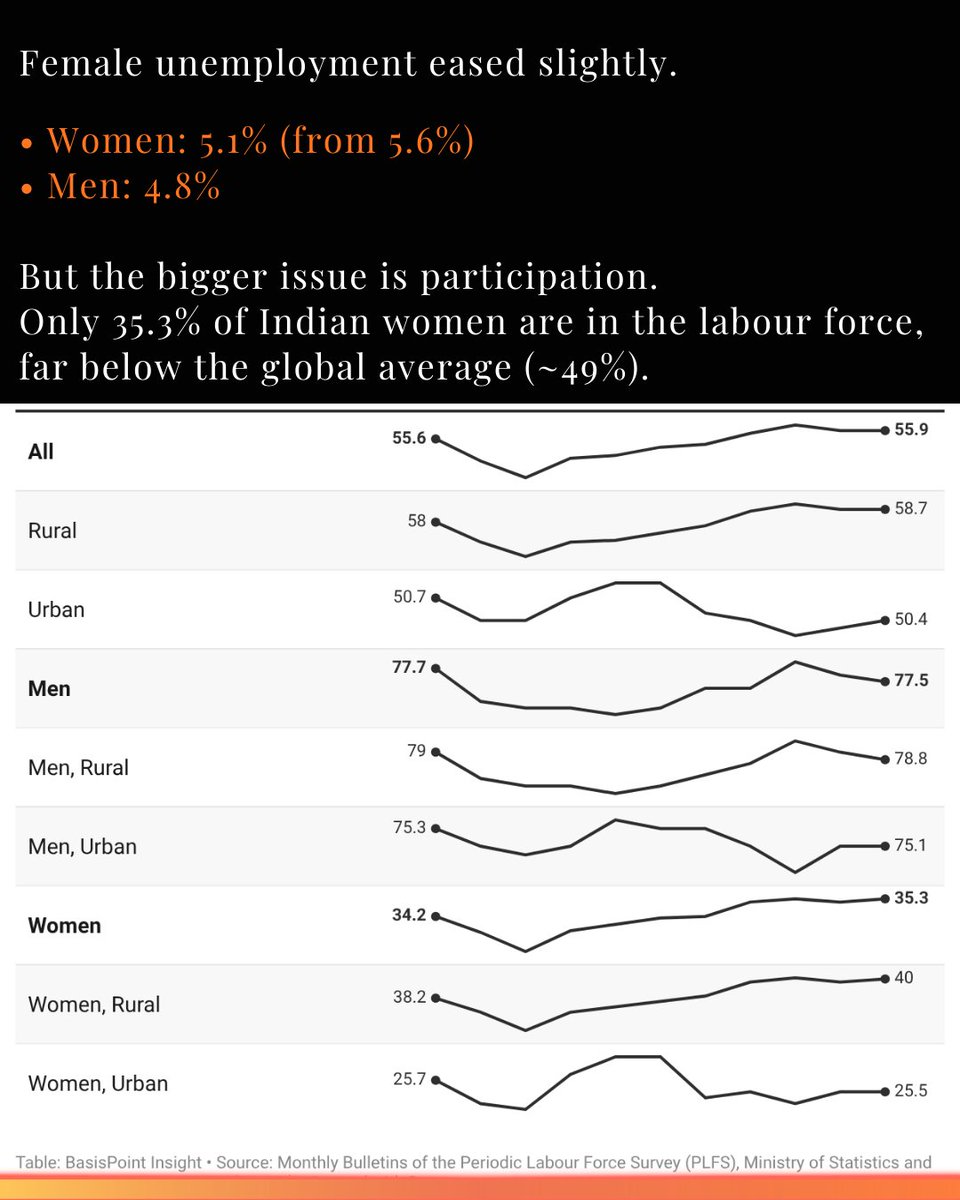
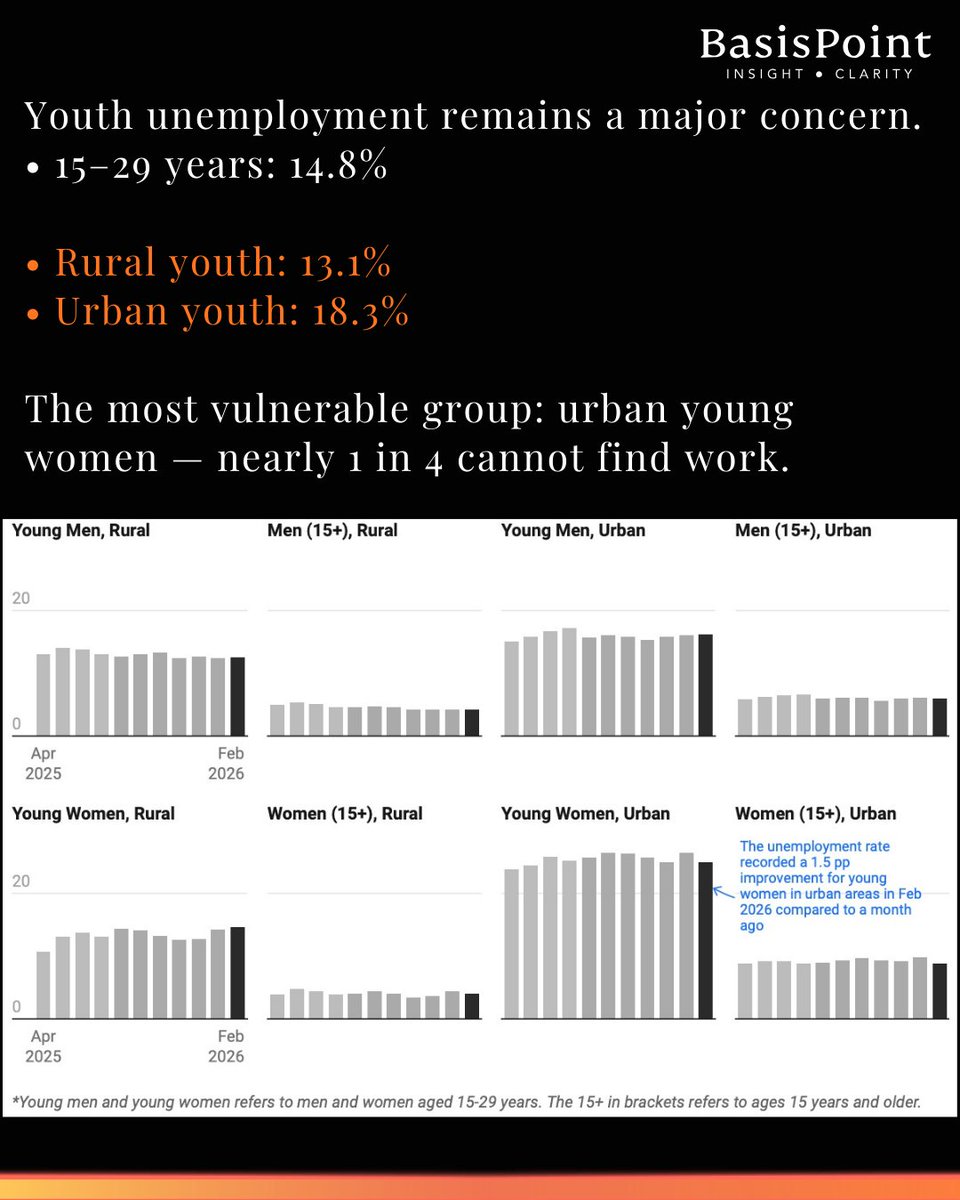
India’s unemployment rate eased to 4.9% in February, according to the latest Periodic Labour Force Survey (PLFS). At first glance, the number looks reassuring. But the headline masks a labour market that is far from uniform. The data reveals three persistent gaps 📊 Swipe through the charts for a closer look. Read the full analysis by @akshichawla for  BasisPoint Insight: “India’s Unemployment Eases, But Youth and Women Still Struggle.” basispointinsight.com/Story/Home/ind… #IndiaEconomy #LabourMarket #Unemployment #PLFS #EconomicData
BasisPoint Insight tweet mediaBasisPoint Insight tweet mediaBasisPoint Insight tweet mediaBasisPoint Insight tweet media
English
0
0
0
33
BasisPoint Insight
BasisPoint Insight@91basispoints·
Is India’s bond market stability masking a deeper problem? RBI intervention and captive domestic demand have kept yields smooth and borrowing costs contained, even as global markets remain volatile. But when stability is engineered, do bond yields still signal risk accurately? If the “risk-free rate” is no longer fully market-driven, every asset priced off it may carry hidden distortions. Is calm coming at the cost of clarity? Read R. Gurumurthy’s column for BasisPoint: The Comfort of Stability, The Cost of Silence basispointinsight.com/Story/Home/the… @apirk16 #EconomicPolicy #Governance #EconomicStability #PublicDiscourse #Accountability #PolicyDebate #IndiaEconomy #Reform
BasisPoint Insight tweet media
English
0
0
0
43
BasisPoint Insight
BasisPoint Insight@91basispoints·
Are India’s growth and inflation numbers finally catching up with reality? The shift to the new CPI 2024 and GDP 2022-23 series suggests a quiet but important reset. Lower food weights, better capture of services and digital consumption, and improved enterprise data may reduce long-standing distortions that often made the “lived economy” diverge from official numbers. But the revisions also come with a sobering twist. GDP levels are lower, macro ratios look tighter, and parts of the services economy appear less buoyant than earlier believed. If better measurement changes the story, will policy now change with it? Read D. Tripati Rao and Rishu Kumar’s column for BasisPoint: India’s New CPI–GDP Series Resets the Lens on Growth and Inflation basispointinsight.com/Story/Home/ind… #IndianEconomy #CPI #GDP #Inflation #RBIPolicy #MacroEconomics #EconomicData #Growth
BasisPoint Insight tweet media
English
0
0
0
37