ACPSEMdance

50.2K posts

ACPSEMdance banner
ACPSEMdance

ACPSEMdance

@ACPSEMdance

Performing Arts representative for the Association of Chartered Physiotherapists in Sports and Exercise Medicine.

London Katılım Temmuz 2016
6.4K Takip Edilen3K Takipçiler
Sabitlenmiş Tweet
ACPSEMdance
ACPSEMdance@ACPSEMdance·
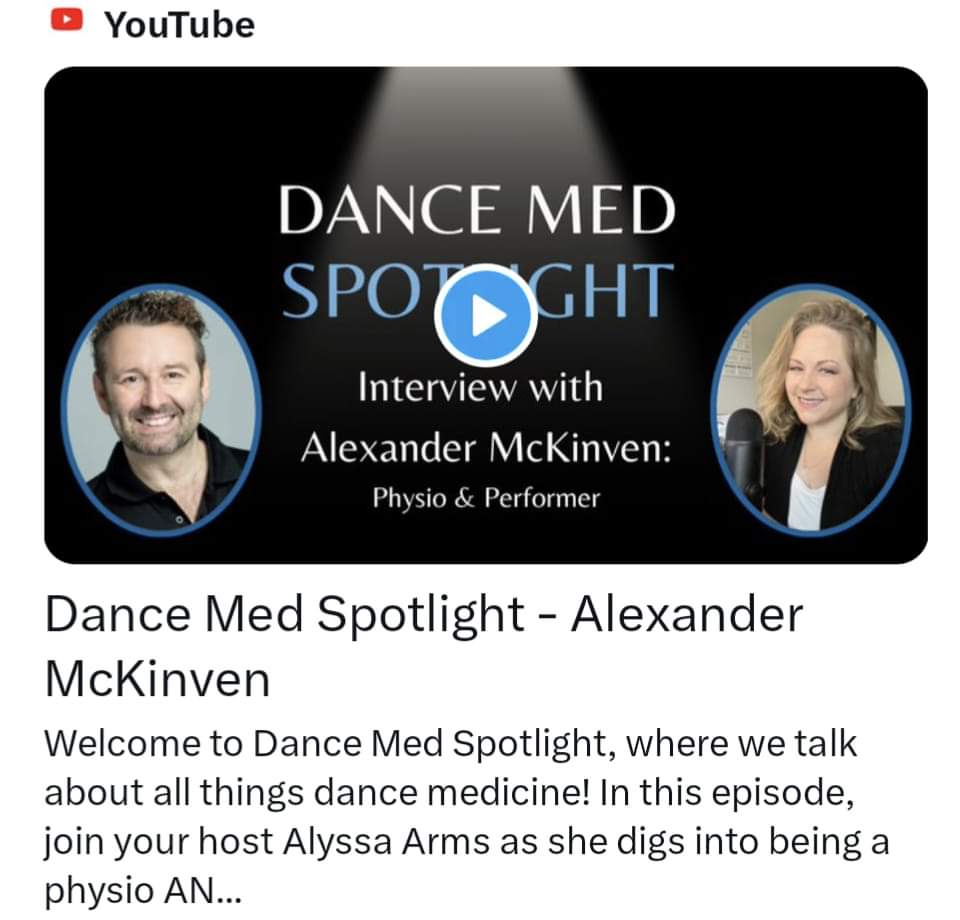
🎙️Great to speak with @thedancept about the continued evolution of dance medicine & science🩰🎪🕺🎺 & the ongoing global efforts to raise standards in the clinical management of performing artists 📝📈Ties in well with the upcoming @physiosinsport series⬇️ twitter.com/thedancept/sta…
ACPSEMdance tweet media
ACPSEM@physiosinsport

It's September! So it's the first month of our 'Artistic Sports & Performance Physiotherapy Centre Stage' programme of events! Check out the evening titles for this Autumn! Check out the Details & Book here: bit.ly/AutumnSeries23

English
3
10
27
25.4K
ACPSEMdance retweetledi
Corey Twine
Corey Twine@CoreyTwine·
In human performance, “hero moves” occur when a practitioner attempts to become indispensable to an athlete rather than contributing as part of an organized multidisciplinary team. Even when an athlete requests that one practitioner handle everything, it is not realistic or professionally responsible for one person to become the entire performance system. The practitioner’s responsibility is to explain how support will be structured, who will be involved, how information will be shared, and how decisions will be made in the athlete’s best interest. King et al. (2024) support this position by showing that effective high performance practice depends on multidisciplinary teams that integrate decision making and problem solving, collaboration and knowledge sharing, interpersonal skills, leadership, and team dynamics. Their findings suggest that cognitive diversity, role clarity, shared understanding, psychological safety, and adaptability are critical to effective team function. When one practitioner insists on doing everything, the process can shift from athlete centered support to practitioner centered control. That creates risk because the athlete may become dependent on one person’s interpretation, while the team loses the benefit of broader expertise, shared decision making, and coordinated problem solving. In this sense, the “hero practitioner” may appear committed, but the approach can undermine the structure required for responsible human performance support. The more high profile situation, the more the risk and it knows settings. The key is getting the right people who are team focused.
Corey Twine tweet media
English
0
3
12
342
ACPSEMdance retweetledi
Sports
Sports@Sports_MDPI·
#MDPIsports Call for Paper 📢 Special Issue: Monitoring Hematological and Biochemical Markers in Exercise Programs: From Health Optimization to Performance Enhancement Deadline: 30 November 2026 brnw.ch/21x2w44
Sports tweet media
English
0
1
2
178
ACPSEMdance retweetledi
Prof. Dr. Sanjeev Bagai
Mental health & emotional wellness will define our nation. My views.
Prof. Dr. Sanjeev Bagai tweet media
English
0
1
4
71
ACPSEMdance retweetledi
Philip O'Callaghan 🎾
Philip O'Callaghan 🎾@Mr_Tennis_Coach·
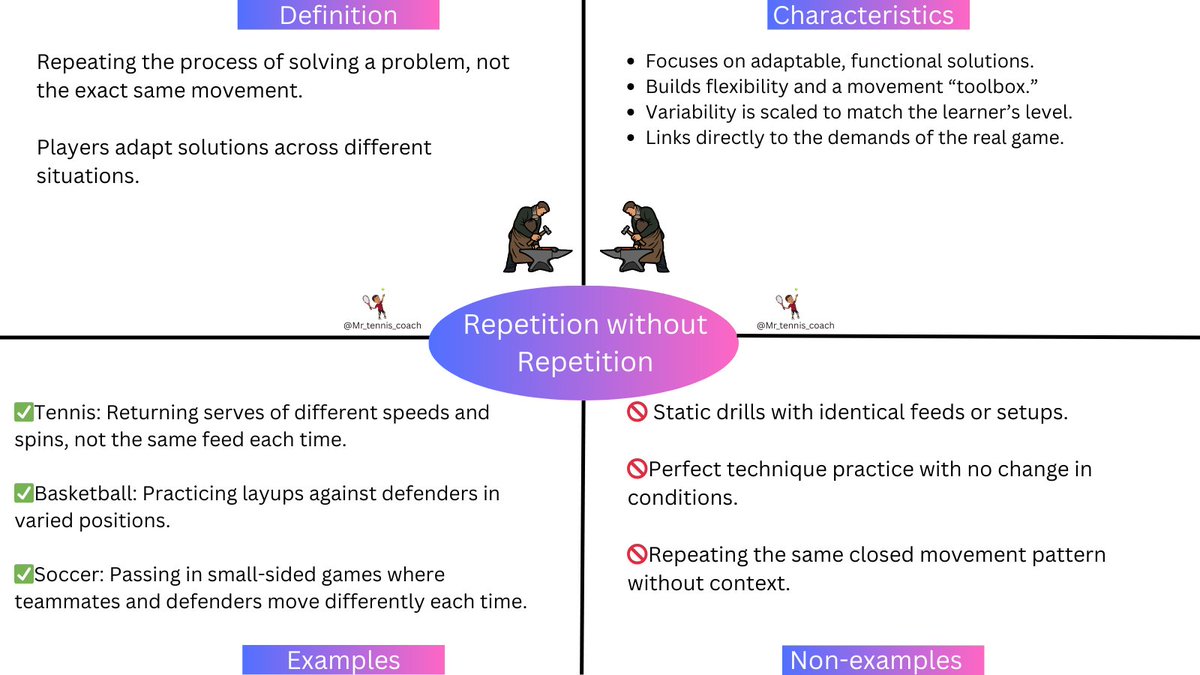
One of the most important ideas in skill acquisition is that skillful performance is not about repeating the exact same movement but adjusting your actions to achieve a consistent outcome under changing conditions. This is the idea behind “repetition without repetition.” The performance environment is dynamic and constantly changing. The speed of the ball changes, defenders move differently and space opens and closes. Skilled players adapt their movements to the situation in front of them rather than reproducing one “perfect” technique. This is why repeating the same drill in identical conditions has limitations. Players may improve the ‘skill’ in that drill, but struggle to adapt it when the game becomes more dynamic and unpredictable. Instead, we want practice tasks that encourage players to solve the same problem in slightly different ways. Over time, this helps players build a more adaptable and functional movement toolbox that transfers more effectively to the game.
Philip O'Callaghan 🎾 tweet media
English
3
13
53
2.5K
ACPSEMdance retweetledi
Giovanni Di Liberto
Giovanni Di Liberto@DiLibertoMD·
When does antiviral defense become neuronal injury? We’re excited to share our latest work uncovering neuronal STAT1 as a molecular phase switch from protective antiviral defense to synaptopathy in encephalitis. @TrendsNeuro @merkler_lab cell.com/trends/neurosc…
Giovanni Di Liberto tweet media
English
4
23
69
4.3K
ACPSEMdance retweetledi
Culture in Sports
Culture in Sports@CultureinSport·
New episode of Leaders Under Fire in Sports is live 🎙️ A conversation on pressure, leadership, accountability, and what defines high performance culture behind the scenes. Watch here: cultureinsports.com/shows/leaders-…
Culture in Sports tweet media
English
0
1
1
108
ACPSEMdance retweetledi
The Atlantic
The Atlantic@TheAtlantic·
“If you treasure your attention, and then use it to do hard things, with other people, in real life,” @JonHaidt tells the class of 2026, “your life is going to be amazing.” Read his full commencement address here: theatln.tc/JGwl8PwZ
The Atlantic tweet media
English
1
70
252
33.6K
ACPSEMdance retweetledi
Louisa Nicola
Louisa Nicola@louisanicola_·
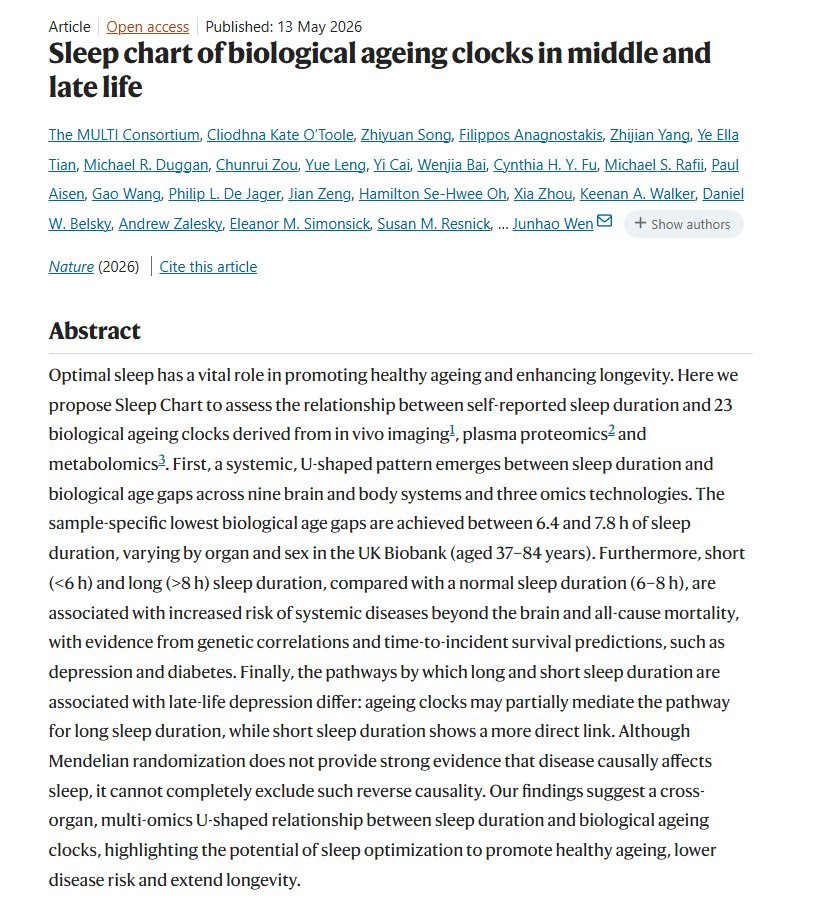
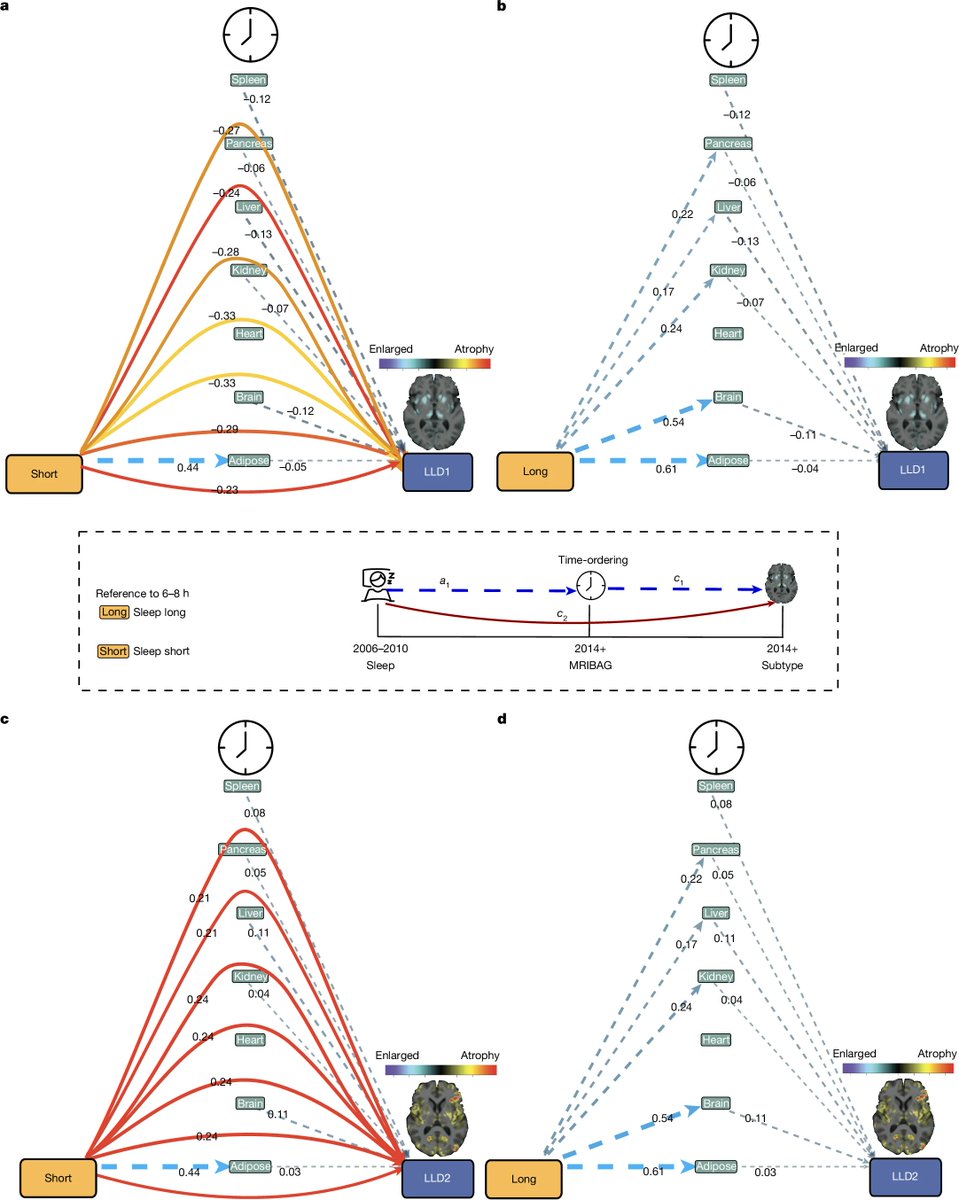
You can feel when your thinking is slightly off before anyone else notices it. That is not stress. That is your prefrontal cortex detecting reduced efficiency under metabolic strain. The brain uses enormous amounts of energy to sustain decision-making, emotional regulation, and pattern recognition. When sleep quality declines, inflammatory signalling rises and executive function weakens first. Most people call this fatigue. High performers experience it as a slower processing speed, weaker judgment, and diminished precision under pressure. The dangerous part is that these shifts often appear years before clinical symptoms. Your brain detects the decline long before medicine does.
Louisa Nicola tweet mediaLouisa Nicola tweet media
English
2
9
70
1.9K
ACPSEMdance retweetledi
Brandon Luu, MD
Brandon Luu, MD@BrandonLuuMD·
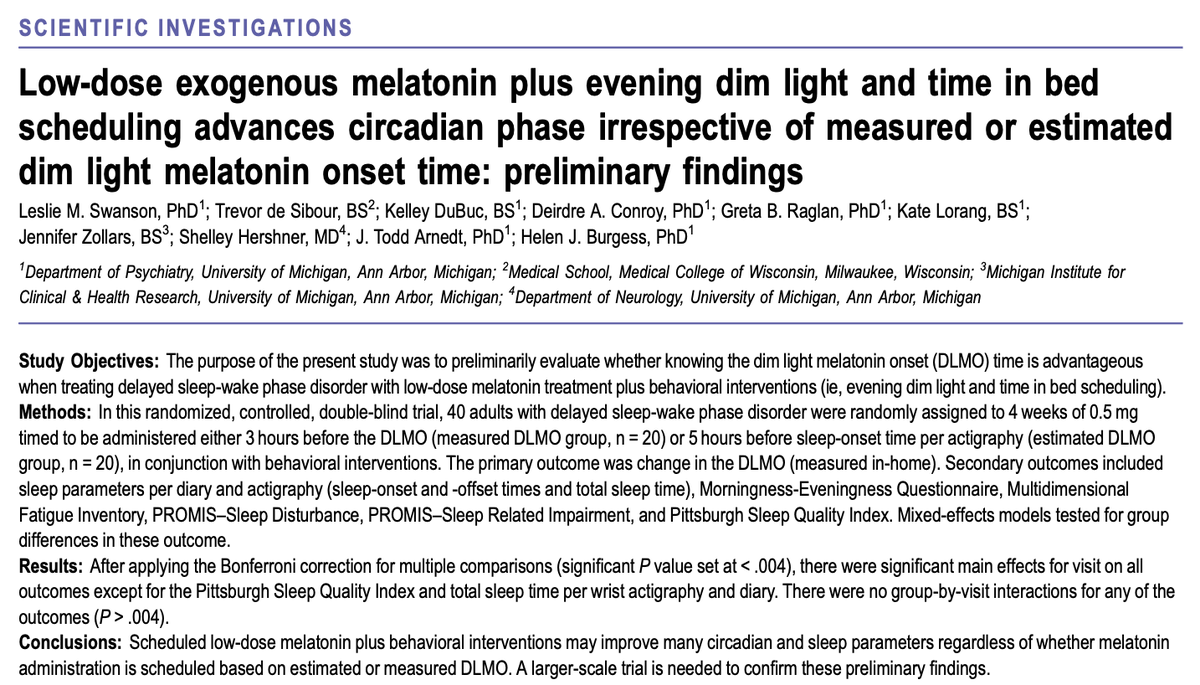
Most people are taking melatonin wrong. It is not really a sleeping pill. It is a circadian timing signal. For delayed sleep schedules, the goal is to shift the body clock earlier, and that often means taking it up to ~5 hours before bed, not right at bedtime.
Brandon Luu, MD tweet media
English
11
27
218
9.8K
ACPSEMdance retweetledi
htw
htw@heniek_htw·
Chronic stress dysrupts HPA axis → changes in speech: ↓ fluency, fragmentation, more “I/me/my” (~30-50%↑ in some studies), ↑ negative words. Linguistic patterns as stress biomarkers. But safe communication (therapy, expressive writing) may regulate stress.
htw tweet media
English
2
30
82
2.4K
ACPSEMdance retweetledi
𝙉𝙖𝙩𝙝𝙖𝙣 𝙃𝙪𝙩𝙩𝙞𝙣𝙜
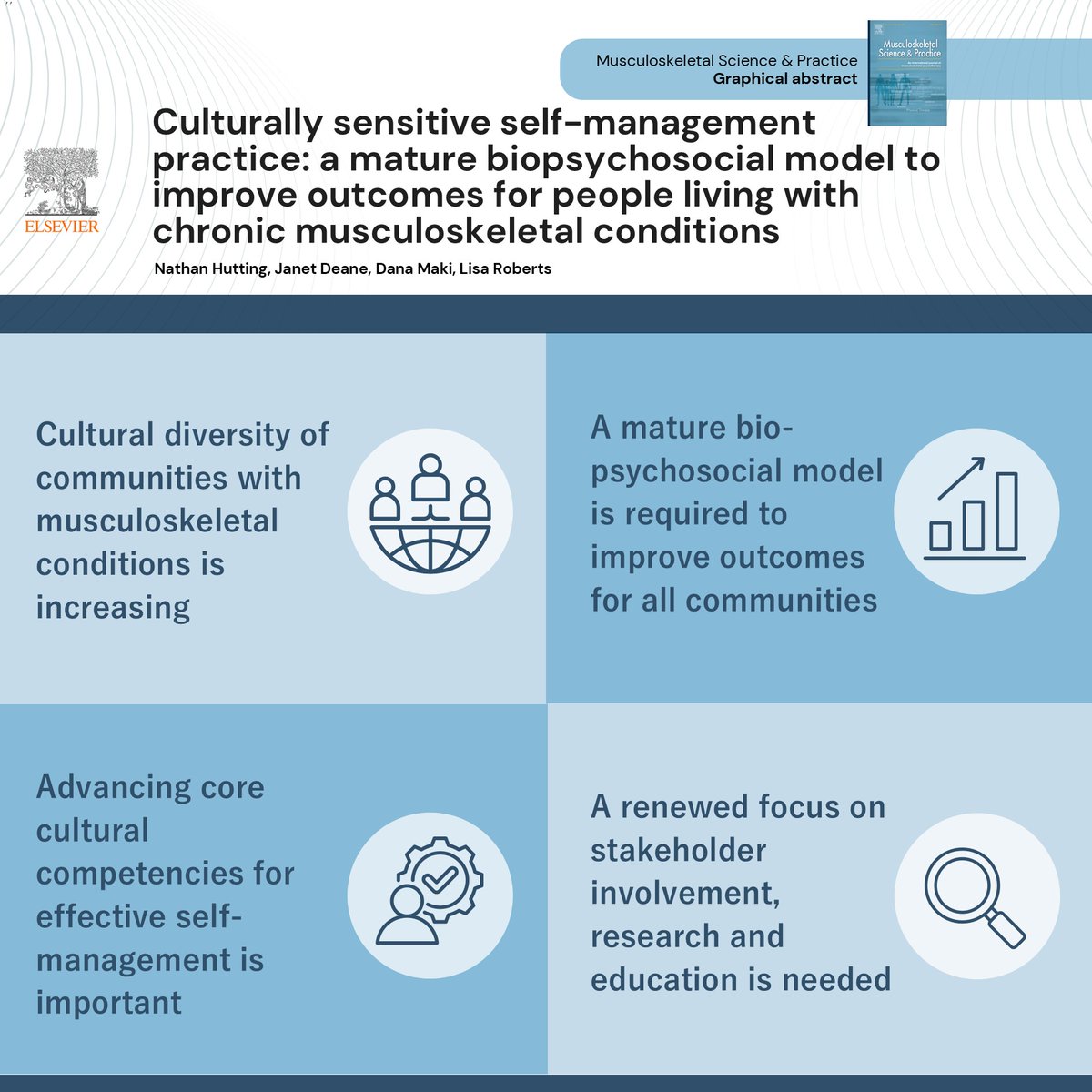
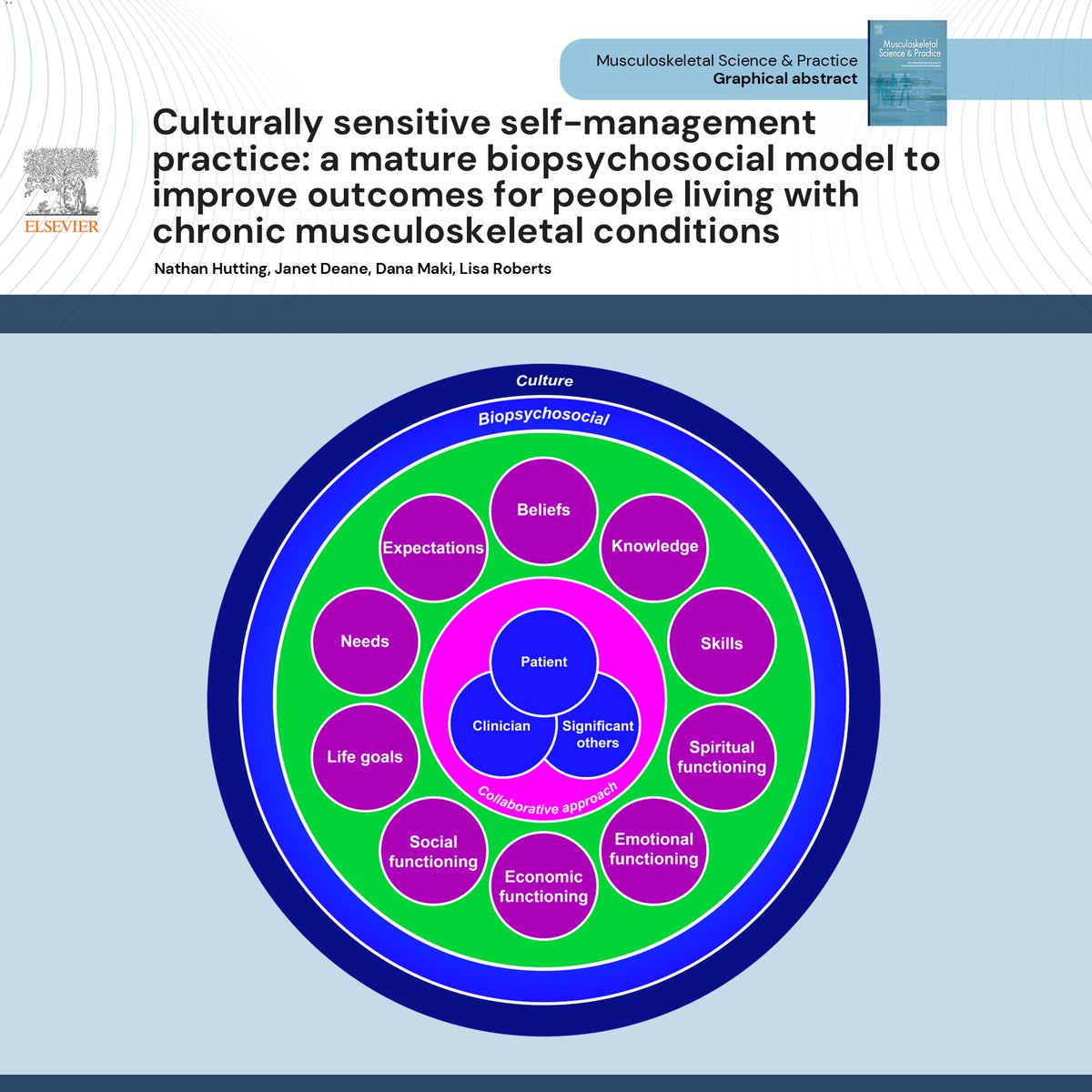
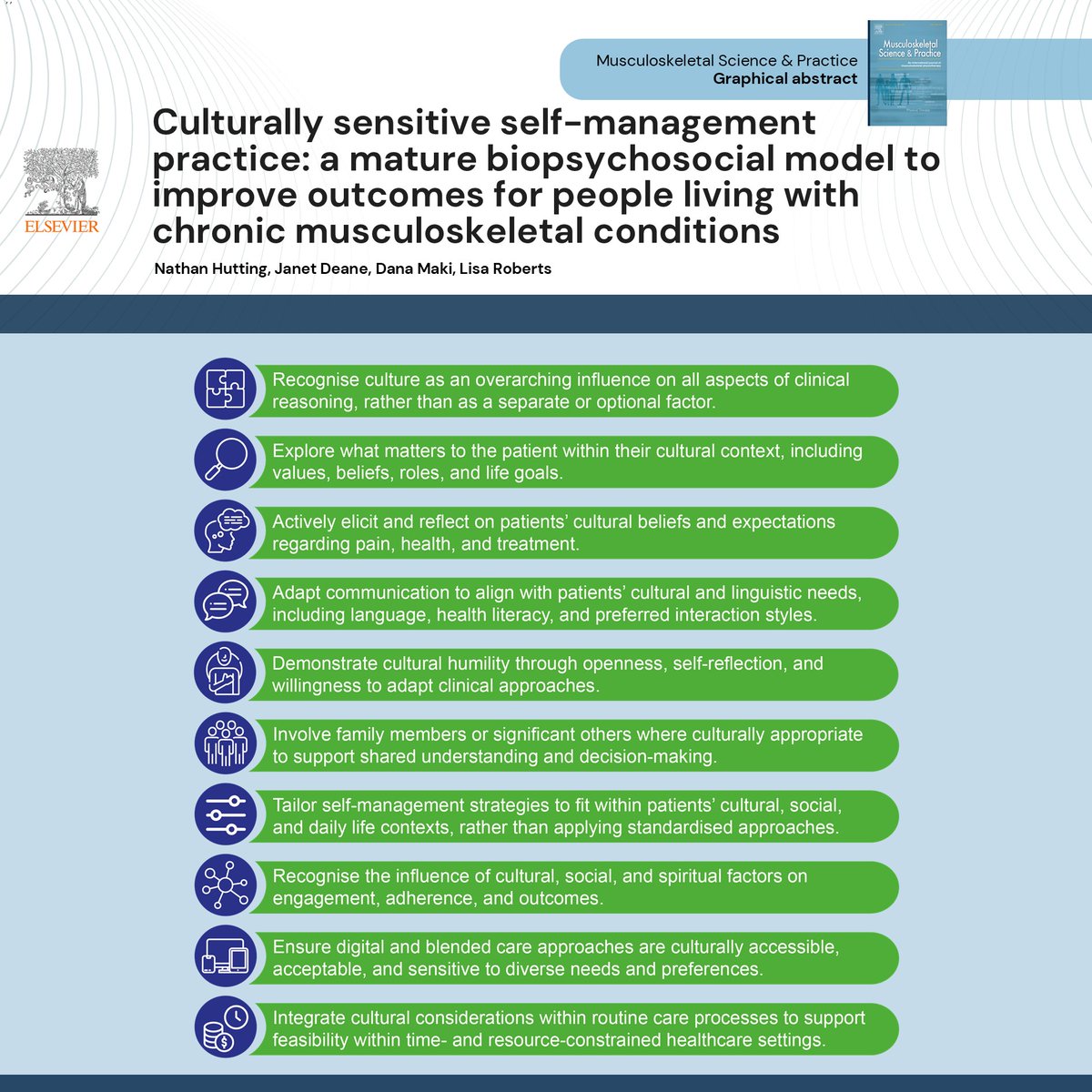
Our new paper is now published in @MSKPhysioJnl: “Cultural sensitive self-management practice and major barriers within the biopsychosocial model to improve outcomes of people living with chronic musculoskeletal conditions.”
𝙉𝙖𝙩𝙝𝙖𝙣 𝙃𝙪𝙩𝙩𝙞𝙣𝙜 tweet media𝙉𝙖𝙩𝙝𝙖𝙣 𝙃𝙪𝙩𝙩𝙞𝙣𝙜 tweet media𝙉𝙖𝙩𝙝𝙖𝙣 𝙃𝙪𝙩𝙩𝙞𝙣𝙜 tweet media
English
1
3
13
694
ACPSEMdance retweetledi
Brandon Luu, MD
Brandon Luu, MD@BrandonLuuMD·
Turns out, dressing the part might change how you think. Wearing a lab coat improved attention… but only when people believed it was a doctor’s coat, not a painter’s coat. Clothes are not just style, they are cues for your brain.
Brandon Luu, MD tweet media
English
25
173
1.2K
44.5K
ACPSEMdance retweetledi
Zdenek Vrozina
Zdenek Vrozina@ZdenekVrozina·
A new long COVID study found that standard autoimmune blood tests often looked normal. But when researchers tested patients blood directly against heart and blood vessel tissue, they found persistent immune reactivity - especially involving vascular tissue.🧵
Harry Spoelstra@HarrySpoelstra

Tissue-specific autoantibody signatures reveal immune alterations undetected by routine serology in long COVID 🚨83% of long COVID patients have rogue autoantibodies attacking their own heart, lungs & blood vessels, and every standard blood test misses it completely. VERY INTERESTING! ➡️In a UNIQUE Hungarian cohort of 114 long COVID patients versus 36 pre-pandemic controls, tissue-specific Western blotting detected autoantibodies in 83% of cases, with strong cardiovascular dominance, ➡️Vascular autoreactivity was markedly higher in long COVID (34% vs. 8%, p<0.05), cardiac (54%) and pulmonary (34%) signals trended elevated but did not reach significance( cohort size?), ➡️Autoantibodies were predominantly IgM-skewed, polyreactive (up to 8 bands per patient), and persisted longitudinally (mean 141 days), with new isotypes emerging over time, ➡️Standard ANA testing showed no group differences and zero clinical correlations, rendering it useless for detecting these alterations, ➡️Cardiac autoreactivity associated with hypertension and headache, overall autoreactivity correlated with anosmia/ageusia, female sex, CRP, BMI, creatinine, and troponin levels, ➡️The study used human cardiac, pulmonary, and vascular tissue homogenates. ➡️Findings were independent of routine serology and highlight an under-recognized immune component invisible to current diagnostics. ➡️“This persistent, IgM-skewed profile suggests ongoing immune dysregulation and may reflect a previously underrecognized component of the immunological response in long COVID, highlighting the need for targeted immunodiagnostic approaches beyond routine serology.” ‼️Why this is shocking: It proves that in 83% of long COVID patients, the immune system is actively producing autoantibodies that directly target their own heart, lung, and especially blood-vessel tissues, yet every standard blood test (ANA HEp-2) comes back normal. These rogue antibodies are polyreactive, IgM-dominant, persist for months, and keep evolving. They correlate with real symptoms (anosmia, hypertension, headache) and lab markers of damage (troponin, CRP). ‼️In other words: The majority of long COVID sufferers have smouldering, organ-specific autoimmunity that is completely invisible to routine diagnostics. Doctors are flying blind while patients’ tissues are quietly under autoimmune attack. 🤔As far as I know, this is the first direct evidence of hidden, cardiovascular-dominant tissue autoimmunity driving the chronic L0ngC0vid phase! #BookMark #AvoidSars2 #AvoidReinfections link.springer.com/article/10.100…

English
14
288
861
36.9K
ACPSEMdance retweetledi
Dr Alison Grimaldi
Dr Alison Grimaldi@alisongrimaldi·
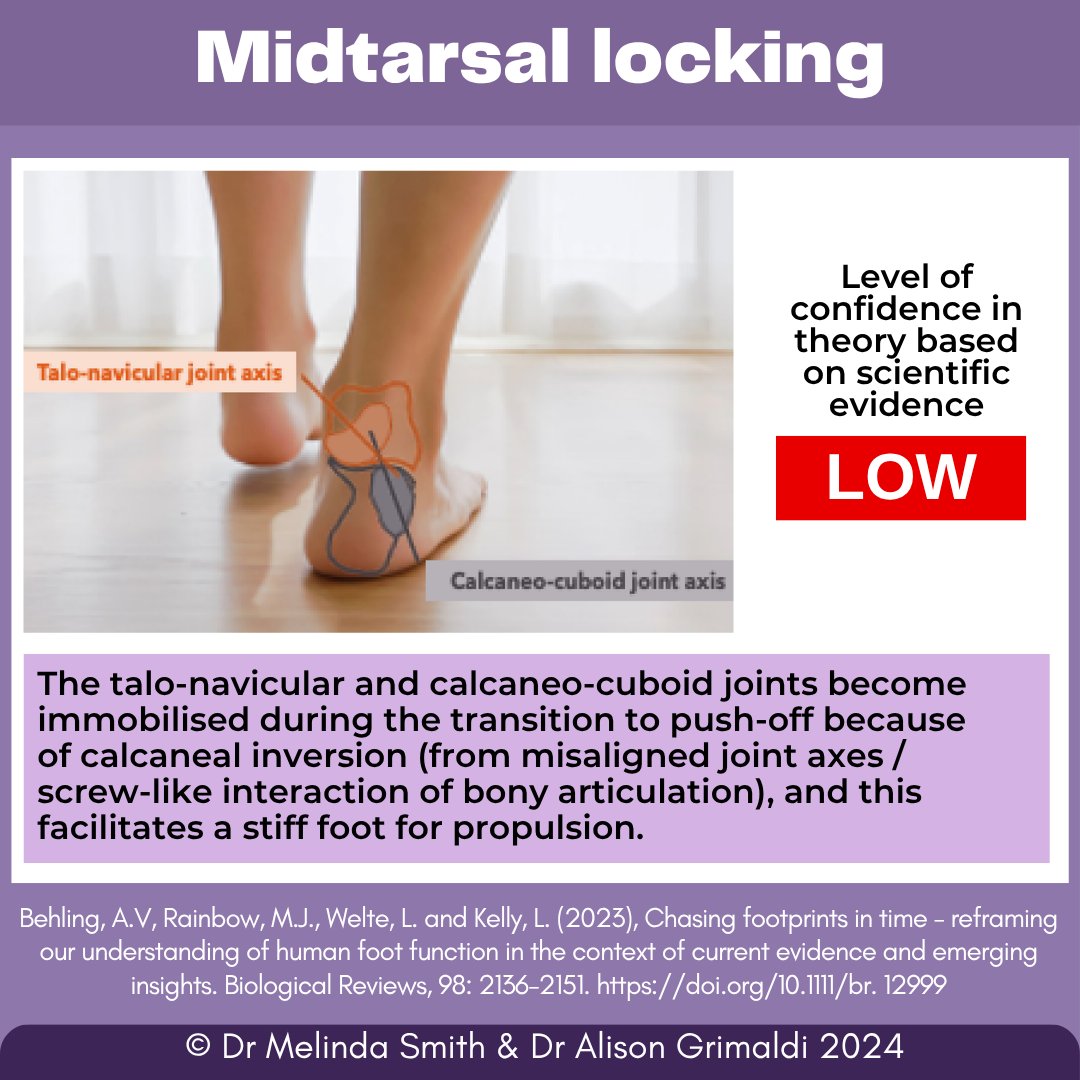
🦶 Midtarsal locking — does it really happen? The idea that calcaneal inversion “locks” the midfoot during push-off is widely taught… but not well supported by evidence. Newer models offer a more accurate view of foot function. 📖 Read more: dralisongrimaldi.com/blog/foot-func…
Dr Alison Grimaldi tweet media
English
0
6
18
1.3K
ACPSEMdance retweetledi
The Lancet
The Lancet@TheLancet·
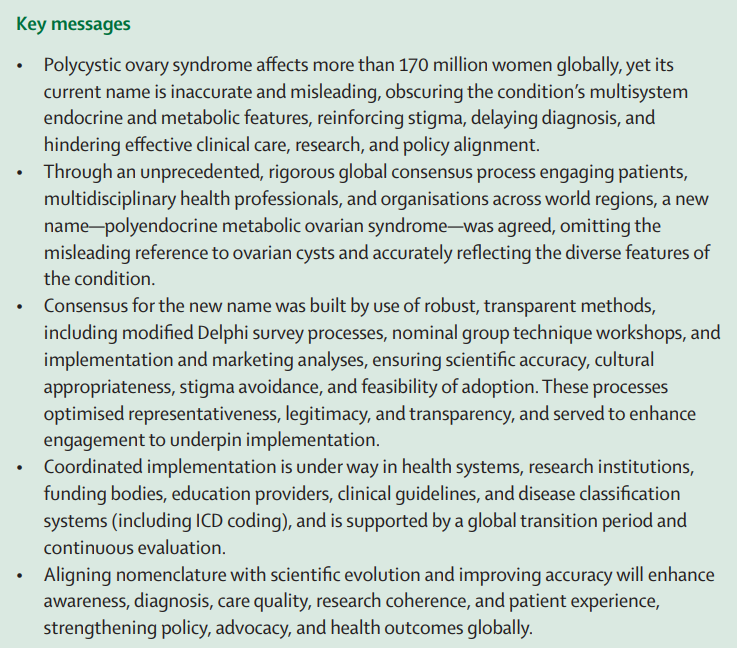
Experts reach consensus to rename polycystic ovary syndrome (PCOS), better reflecting the condition’s full health impacts. Find out more 👉 spkl.io/6011ACDWW @ESEndocrinology #ECE2026
The Lancet tweet media
English
21
556
1.2K
176K
ACPSEMdance retweetledi
Martin Picard
Martin Picard@MitoPsychoBio·
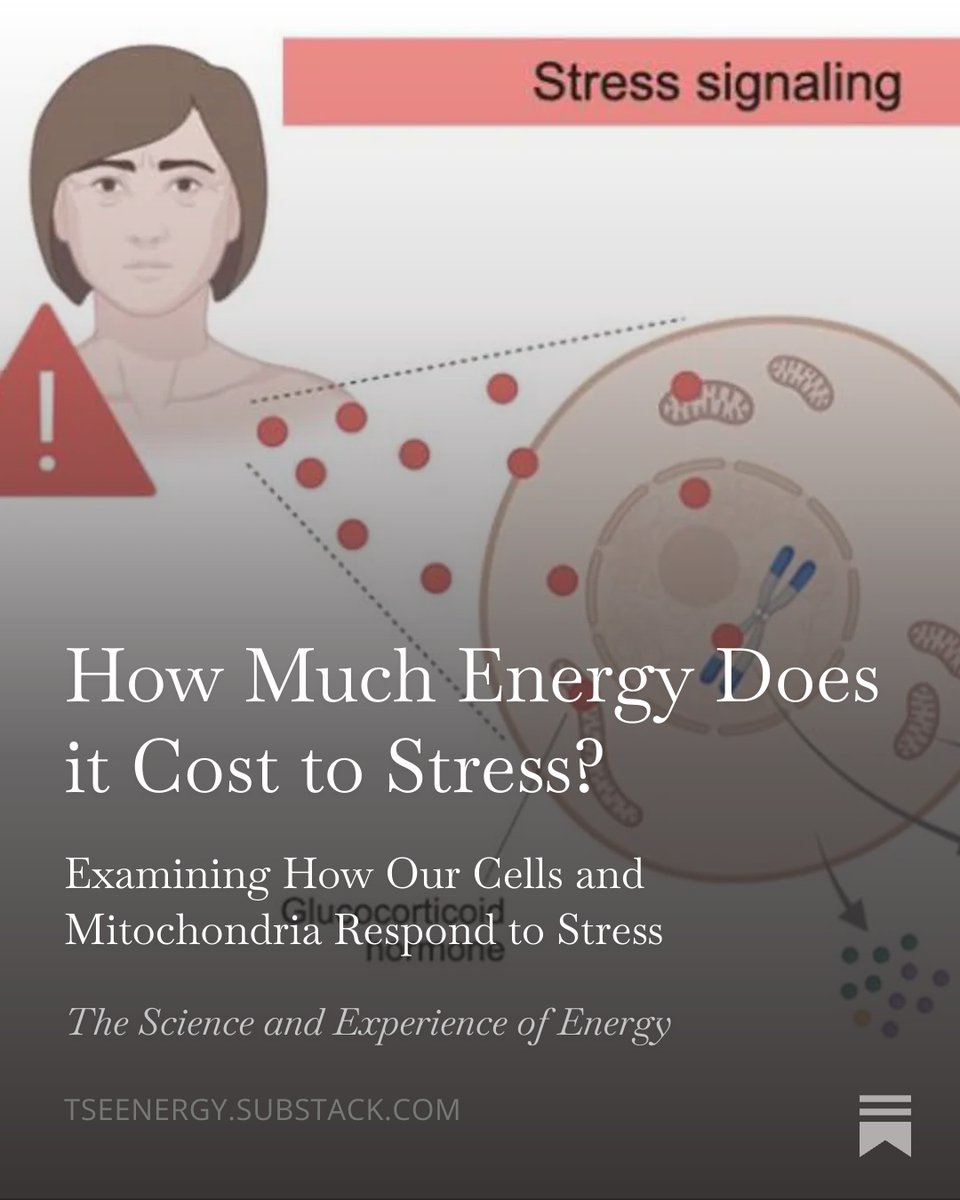
This morning on The Science and Experience of Energy, we write about how much energy we might waste stressing out. Nothing is free in biology. And all aspects of the stress response consume energy. But how much exactly? It's hard to answer that question at the scale of a whole human, so Natalia Bobba-Alves teamed up with @sturm_gav and his Cellular Lifespan Study to examine this question at the cellular level. Short answer: it's a lot. Join us on TSEEnergy: open.substack.com/pub/tseenergy/…
Martin Picard tweet media
English
6
43
149
7.5K