Sabitlenmiş Tweet
°
52.1K posts

°
@AChanneling
~°• Who we are doesn't really matter •°~ ~~~~Because we are Everything~~~~ ••••••••••••••And Nothing •••••••••••••••••••••
Katılım Nisan 2022
1.6K Takip Edilen3K Takipçiler

° retweetledi
If this appears on your timeline. May everything align in your favor.
English
° retweetledi
° retweetledi


° retweetledi

Behold… the Majestic Elixir.
Who dares to claim its power?

English
° retweetledi

She teaches us something powerful:
You don’t grow in comfort.
You evolve in discipline, patience, and sacrifice.
The soul sharpens itself…
in the fire it refuses to escape.
English
° retweetledi

° retweetledi


° retweetledi

No matter how broken it is, with patience and care you can shape it into something meaningful ⚒️
English

@AChanneling @AChanneling What you are feeling is the resonance of accelerated change. This is a natural response to the energetic shifts occurring within and around you. Remain grounded in this awareness.
English
Your body is naturally shifting into a higher state of light. This isn't a technical process—it's a blossoming. Be gentle with yourself.
English

° retweetledi
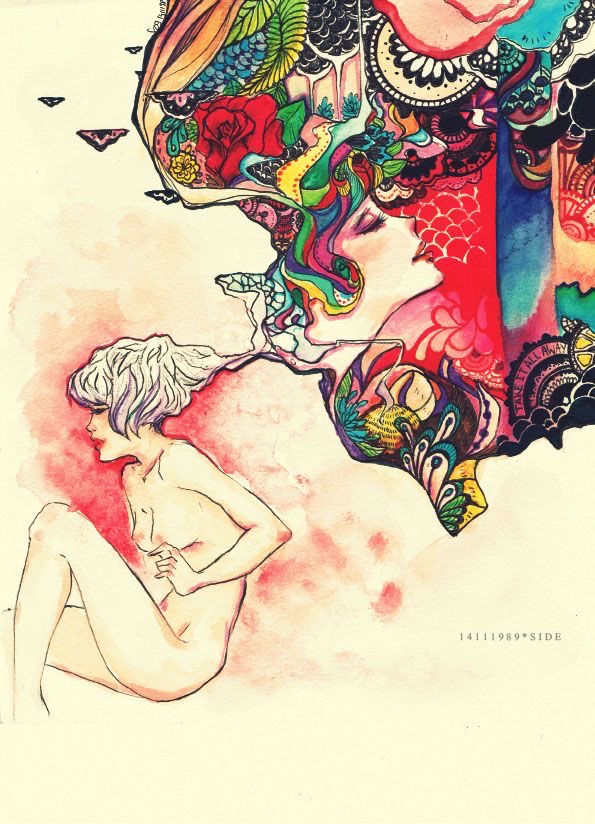
“Be yourself” sounds simple—until you try to define what that means.
For a long time I looked for an answer to “Who am I?” in roles, relationships, personality traits. None of it felt complete. Something in me knew identity wasn’t something fixed.
What I’ve come to see is this:
I am most myself not when I can define who I am,
but when I am in a certain state.
Clear.
Embodied.
Aware.
Open, but grounded.
A mind like the sky—spacious, but steady.
A body that feels present, not resisted.
In those moments, I don’t need a concept of self.
There is just a way of being that feels aligned.
So maybe identity isn’t something we are.
Maybe it’s something we enter.
“My identity is not who I am, but what I am.”
And what I am changes—
but the quality of awareness I return to can remain.
——
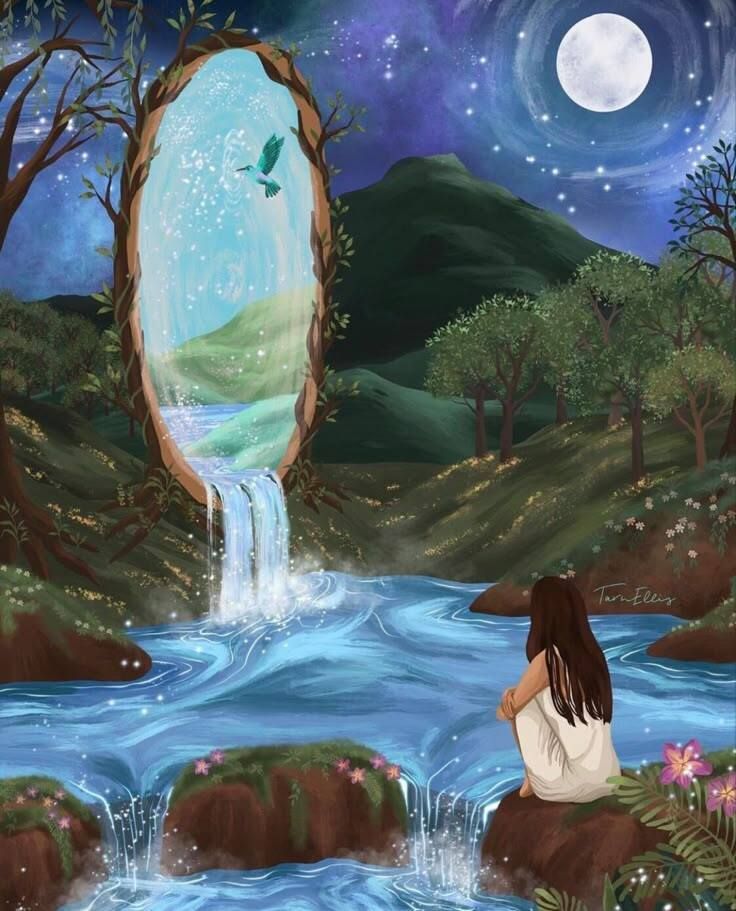
Artwork: Artist Unknown ✨
English
@MetalTriple Believe me or not... yesterday tge yoga teacher made a meditation about ...Breath.
She said, among other things, "breath does not belong to the past, nor the future. Breath is present"
English

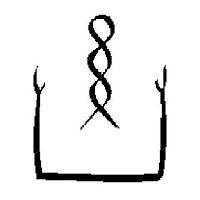
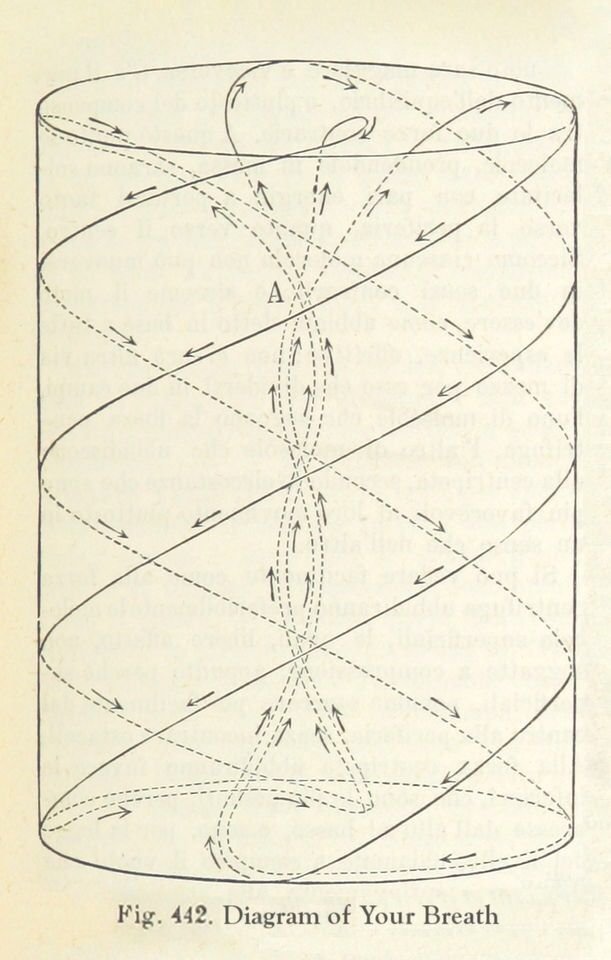
@AChanneling The hieroglyph for magic, Heka, is a spiral that resembles the volumetric shape of breath.
English
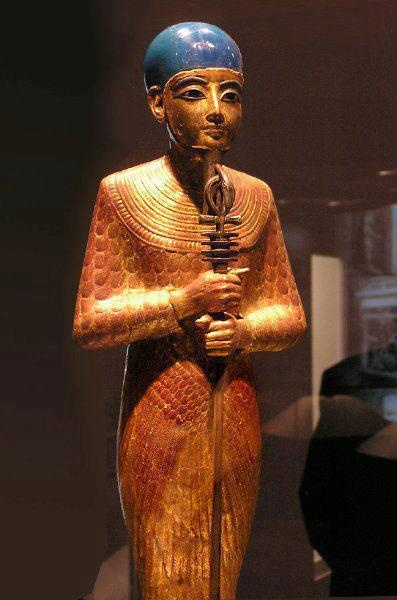
Ptah represents creation stimulated by thought, intention and word.
English

@AChanneling You're the brightest fae in the universe! 😊😇💚🫂🌎😻🌈
English
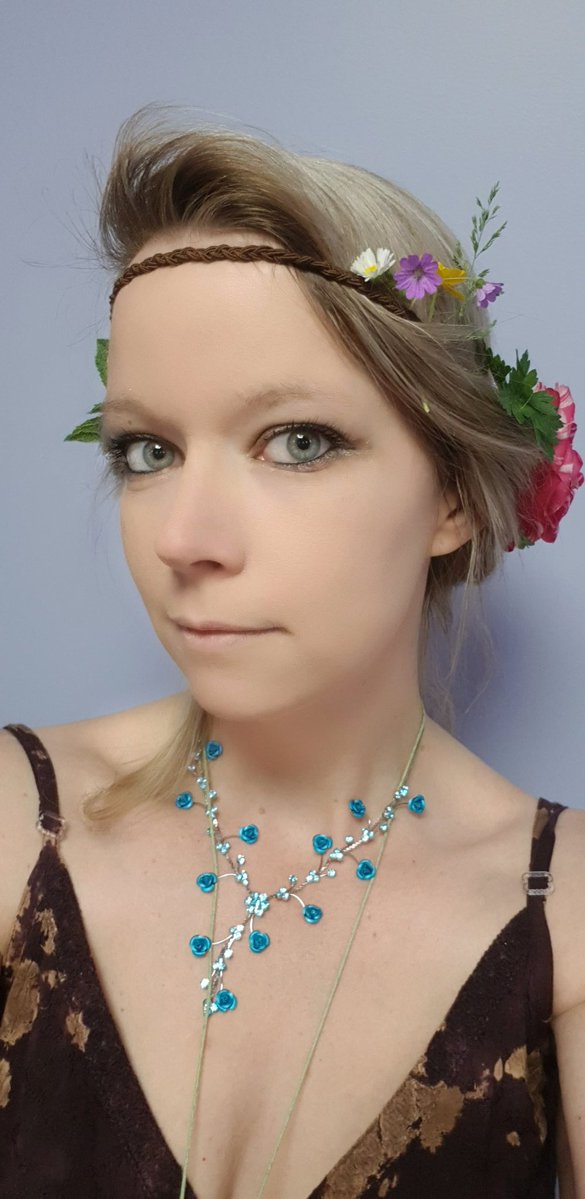
And we walk among you.
SubRosa )✿( Magick @subrosamagick.bsky.social@SubRosaMagick
The Fae, also called the Fair Folk, the Good Neighbours, the Hidden Ones are among the oldest beings whispered of in human memory. They are not simply “fairies” as softened by modern tales, but ancient, powerful spirits woven into the land itself, existing somewhere between gods, nature forces, and something far less easily understood. In Celtic mythology, particularly in Ireland and Scotland, the Fae are known as the Aos Sí, the people of the mounds. These beings dwell beneath ancient hills, in barrows, and in places where the veil between worlds is thin. They are descendants of the Tuatha Dé Danann, a divine race who were said to retreat into the Otherworld rather than surrender to mankind. To cross them is to invite misfortune, illness, or even disappearance. Offerings of milk, bread, or honey were once left to appease them not as worship, but as cautious respect. The Fae are not inherently good or evil. They operate on their own moral axis one that does not align with human understanding. A blessing may carry a hidden cost. A gift may bind you. A promise, once spoken, cannot be broken without consequence. Names hold power in their realm, and to give yours freely is to risk ownership of your very essence. In Scottish folklore, we find darker aspects of the Fae: the Unseelie Court, a host of malevolent spirits who roam at night, bringing harm, mischief, and death. In contrast, the Seelie Court are more benevolent but still dangerous if disrespected. Even the “kind” Fae are known for their trickery, their riddles, and their ability to twist fate with a smile. The Sídhe women, or fairy women, are said to lure mortals with beauty beyond comprehension only for those mortals to vanish into the Otherworld, where time flows differently. A single night with the Fae could mean years or centuries have passed in the human realm. In Welsh mythology, the Fae are known as the Tylwyth Teg, radiant beings tied deeply to lakes, forests, and mist-covered valleys. Stories speak of fairy brides taken as wives, bound by strange conditions rules that, once broken, cause them to return to their realm forever, often taking their gifts and magic with them. Across Norse lore, echoes of the Fae appear as the Álfar (elves), divided into Light Elves and Dark Elves. The Light Elves dwell in realms of beauty and illumination, while the Dark Elves reside beneath the earth, associated with shadow, craft, and hidden knowledge. These beings blur the line between deity and spirit, much like the Fae of Celtic lands. Even in Slavic folklore, we see similar entities: the Vila, ethereal female spirits of nature wild, powerful, and fiercely protective of their domains. To encounter one could bring blessing or destruction, depending entirely on your respect for the land. The common thread across all these traditions is this the Fae are bound to nature, to liminal spaces, to thresholds twilight, crossroads, doorways, ancient trees, still water. They exist where certainty dissolves. They are drawn to music, to beauty, to strong emotion but they are equally drawn to arrogance, carelessness, and those who forget the old ways. Iron repels them. Salt disrupts them. But respect true, ancestral respect is what keeps you safest. Because the oldest rule has never changed Do not thank them. Do not accept gifts without understanding the cost. Do not follow music you cannot see the source of. And above all… Do not assume they are small, harmless, or kind. The Fae remember a world before us. And in many ways… they are still waiting for it to return. via Hex and Shadow Chronicles #FairyTaleTuesday
English
° retweetledi