
ADoinns

7.5K posts

ADoinns banner
ADoinns

ADoinns

@ADoinns

🎨 NFT Artist | 🚀 Digital Creator Bullish @SentientAGI Bullish @SeismicSys

Katılım Aralık 2023
1.8K Takip Edilen1.2K Takipçiler
Mr.Clean
Mr.Clean@SOL_Inator·
Quick thought on mindshare on @Bappfun 👇 Been paying closer attention lately and one thing is pretty clear: a lot of users are sitting at low mindshare not because they’re bad, but because they’re kinda invisible. Mindshare here isn’t magic. It’s mostly about presence and real interaction. What actually seems to work: -Posting consistently, but with actual value (ideas, insights, questions, learnings.. not just “check this out“ -Replying and starting conversations, not just farming likes -And honestly, collabs over solo grind. Cross posting and shouting each other out helps way more than people think At the end of the day, mindshare = “How often do people see you, remember you and talk about you?” If you focus on real engagement instead of just numbers, the rest follows. Let’s build stuff people actually want to interact with 💙
English
69
4
69
448
koda
koda@kodasniped·
GM if you GM ☀️
koda tweet media
English
52
0
67
518
Aymducking
Aymducking@aymducking·
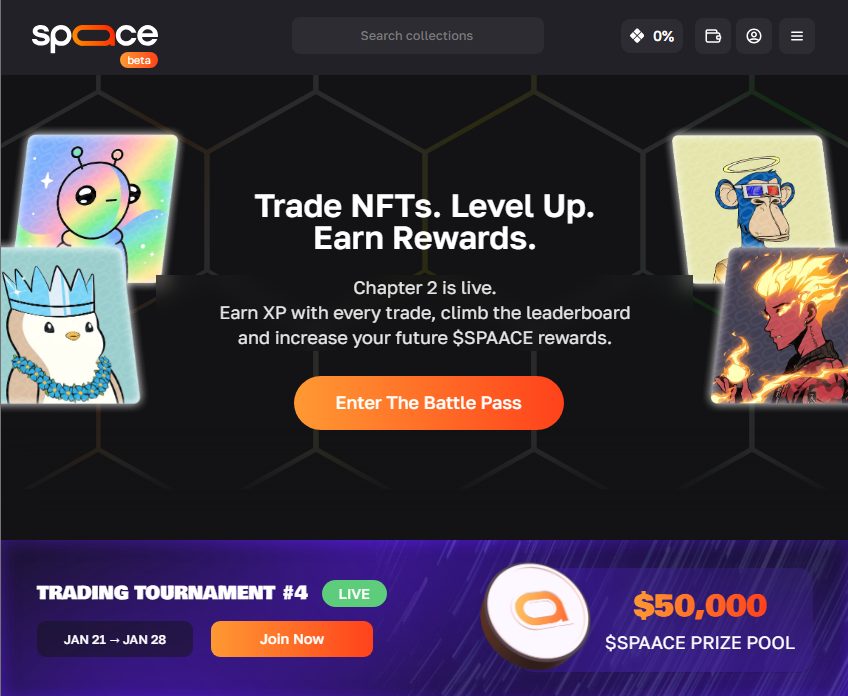
.@spaace_io feels built for people who actually use it, not just watch charts or chase hype. Every action matters. Trading, listing, placing bids, even hanging close to the floor now has weight. Chapter 2 makes that clear: show up, participate, and it adds up. Progress comes from consistency, not flexing. For creators, bringing real users in compounds naturally over time. That’s the difference. gSpaace.
Aymducking tweet media
English
123
4
119
3.4K
Godmanwealth
Godmanwealth@Wealthygodman·
2024 was the year we talked to AI. 2025 was the year AI thought for us. 2026 is the year AI does for us! 🏌️‍♂️ Welcome to the era of the Large Action Model (LAM) with @ActionModelAI 🦾 We’ve spent the last few years moving through the "Evolution of Intelligence," and we are finally hitting the "Execution Phase." Here is the breakdown of how we got here and why 2026 changes the game forever: → 2024: The Year of the LLM 🧠 That year was all about the "Chat Box." We marveled at GPT and Claude writing emails, summarizing PDFs, and brainstorming ideas. It was revolutionary, but it was static. The AI was a brilliant consultant, it gave you the blueprint, but YOU still had to build the house. → 2025: The Year of Agents 🕵️‍♂️ In 2025, things became "agentic." We moved from prompts to missions. Agents started browsing the web, using tools, and self-correcting. But they had a ceiling: they were limited by APIs. If an app didn’t have a "door" (API) for the AI to enter, the agent was stuck. → 2026: The Year of the LAM⚡ This is the breakthrough. Large Action Models don't just "predict text", they understand interfaces. ➤ Visual Navigation: They see a UI exactly like a human does. ➤ Zero-API Reliance: They can navigate legacy software, internal dashboards, and messy websites. ➤ End-to-End Execution: They click, scroll, and type to finish the job. The shift is massive: → LLM: "Here is a travel itinerary for Tokyo." → Agent: "I've researched the best flights and hotels for your Tokyo trip." → LAM: "Your Tokyo trip is booked. I navigated the airline site, applied your rewards points, and secured the Airbnb. Check your email for the confirmation." We are moving from "Software as a Tool" to "Software as a Result." 📈 In 2026, you won’t "use" an app. You’ll tell your LAM what you want, and it will pilot the software for you. The friction between intention and action is officially evaporating. The future belongs to those who stop seeing AI as a chatbot and start seeing it as a digital workforce. 🛠️ Are you ready for a world where your "To-Do" list actually finishes itself? What is the most tedious, click-heavy digital task you would hand over to a Large Action Model tomorrow? Let's discuss in the comments!
Godmanwealth tweet mediaGodmanwealth tweet media
English
64
1
60
2.4K
ADoinns
ADoinns@ADoinns·
@nazzy0x @Bappfun bappfun fixing launchpad cancer? fewer rugs more chads, on base lfg
English
0
0
0
11
The nazzy
The nazzy@nazzy0x·
Bappfun Launchpad is trying to fix what most launchpads broke Let’s understand @Bappfun Built on Base, the ecosystem is focused on fairness, transparency, and long-term value rather than fast hype cycles. Instead of pushing projects to launch at unrealistic FDVs, Bappfun emphasizes reasonable valuations and stronger community alignment so projects can actually grow after launch. Most traditional launchpads failed because inflationary token models and overpricing destroyed trust over time. Bappfun takes a more disciplined approach, where developers are not forced to overvalue their tokens and participants are not treated as exit liquidity. The goal is fewer launches, but better ones, with healthier post-launch performance. NFTs in the ecosystem are positioned as access and participation layers rather than speculative assets, while the $BAPP token is designed to coordinate launches, incentives, and ecosystem activity. Overall, Bappfun feels less like a hype machine and more like an attempt to build a sustainable launch standard that can actually last
The nazzy tweet media
English
115
17
255
11.7K
ADoinns
ADoinns@ADoinns·
@0xfobby @nirvana_fi samsara's navtokens sound like degen microstrategy on solana. floor mechanism slaps
English
1
0
0
17
Fobby☂️
Fobby☂️@0xfobby·
Watching @Nirvana_Fi evolve has been one of those slow-burn wins in this space, and the launch of Samsara really feels like a turning point. Samsara is Nirvana’s new platform that lets teams launch decentralized DATs (Digital Asset Treasuries) on Solana. Think MicroStrategy’s treasury strategy, but rebuilt for crypto native teams and fully on-chain. Instead of abstract hype, you get transparent treasuries, programmatic rules, and a clear economic backbone powered by $SOL and $ANA. What I like most is that this isn’t just a new UI launch. Samsara changes how teams can think about long-term value, treasury management, and sustainability in DeFi. The floor mechanism especially stands out. It introduces discipline in a market that usually runs on vibes, while still leaving room for upside. You can feel the design philosophy here: reduce chaos, keep incentives aligned, and let the system do the heavy lifting. If you’ve been following Nirvana for a while, this launch feels like a natural next chapter. If you’re new, Samsara is a great entry point to understand what DATs can become on Solana. Take a look for yourself 👉 samsara.nirvana.finance
Fobby☂️ tweet media
English
93
1
98
1.5K
ADoinns
ADoinns@ADoinns·
@0xgoryu @duel_duck duck points system is genius. zero risk entry changes everything. season 2 lfg
English
0
0
0
8
ryu 龙
ryu 龙@0xgoryu·
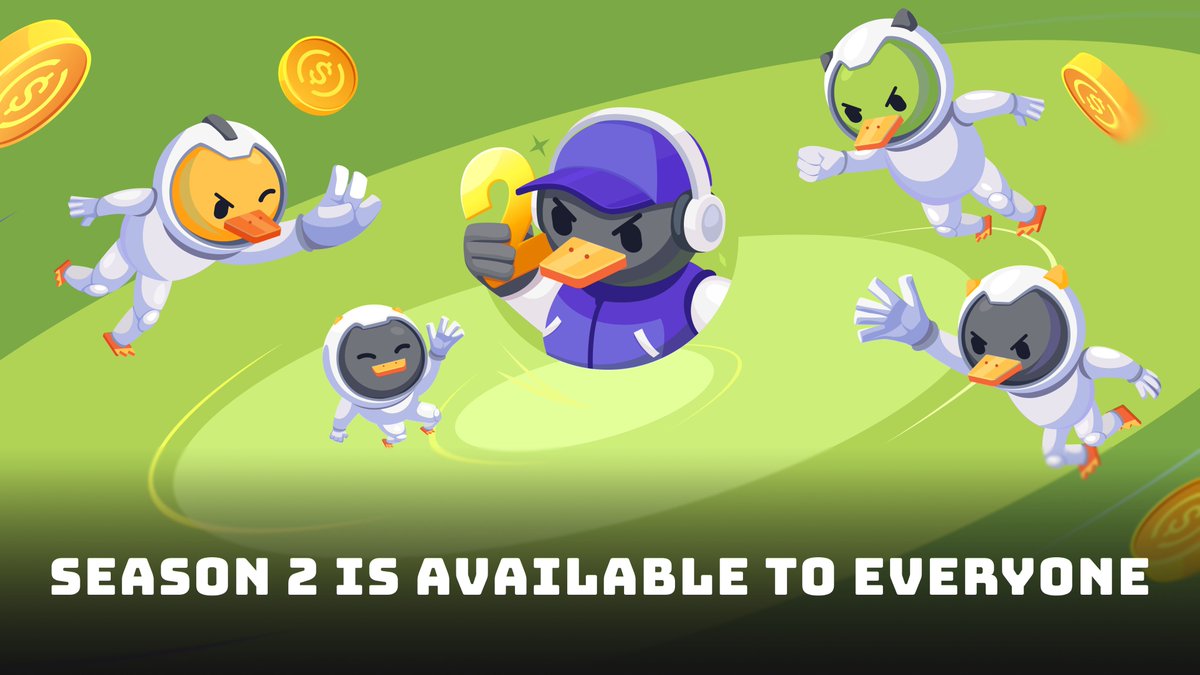
Most onchain games feel harder than they need to be. @duel_duck does not. It feels simple in the right way. Clean layout. No confusing steps. Nothing trying to grab your attention. You open it and the next move is obvious. The Duck points system is what makes it work. You play with points that get airdropped later, so there is no risk upfront. Win and your allocation grows. Lose and it does not cost you anything. That changes how you approach the game. No pressure. No overthinking. You just play and let outcomes stack. This is how onchain games should feel. Easy to enter. Clear incentives. Low stress. If you are curious, try a few rounds and see how it feels. Then decide if it is worth sticking around.
ryu 龙 tweet media
English
258
9
245
3.9K
Dewiss
Dewiss@cryptodewiss·
Competitive Ecosystem With Real Stakes The ranked and seasonal systems in @AnichessGame feel like a living competitive ecosystem. $CHECK fuels entry fees, reward tiers, and progression incentives that scale with skill. That turns play into a meaningful economy where performance and persistence matter.
Dewiss tweet media
English
32
0
32
2.5K
Eric
Eric@Ericweb33·
Why am I not a crypto millionaire? Sell in panic Buy in FOMO Diamond hands never And then… Crypto is a scam
English
47
0
57
4.4K
Ꭰҽʂʍօղժ1🔶
Ꭰҽʂʍօղժ1🔶@Desmond_defi·
If Web3 adoption depends on institutions, then privacy can’t be optional. @zksync provides a tool Prividium that makes private finance compatible with public security by anchoring trust to Ethereum through zkSync. This isn’t the future of consumer crypto. It’s the foundation institutions will actually use.
ZKsync@zksync

Prividium™️ A purpose-built solution for Institutions that want to thrive in the digital assets economy. Private where it matters. Connected where it counts.

English
34
2
36
794
Sakura
Sakura@Sakurakulu·
Accountability shouldn’t depend on reputation. It should be built into the system. That’s the philosophy behind @Bappfun. In many launch environments, accountability is optional. Delays are explained away, goals are revised, and communities are left waiting. Progress depends on trust rather than structure. @Bappfun removes that uncertainty. Milestones aren’t flexible narratives they’re enforced by code. Delivery isn’t assumed it’s verifiable. Execution isn’t hidden it’s observable. This design creates a healthier ecosystem where teams are incentivized to ship, communities can track real progress, and long-term credibility replaces short-term excitement. By embedding accountability directly into its framework, @Bappfun raises the bar for how decentralized launches should operate. @Bappfun
Sakura tweet media
English
110
1
95
659
Baki
Baki@Bakioption·
Fast forward three months. A friend asks you one simple question: “Did you get OG allocation on @Bappfun?” Your answer will fall into one of two categories. “I was early. The BAPS campaign was active. The leaderboard was still open. Only about 1,250 people were paying attention and I was one of them.” Or… “I knew about it. I hesitated. I waited for more confirmation. By the time I acted, it was already over.” That’s it. No third option. Web3 doesn’t reward awareness. It rewards participation. Everyone sees opportunities. Very few move when they’re still uncomfortable. Right now: • The BAPS campaign is running • The leaderboard isn’t saturated • February is around the corner Nothing feels urgent and that’s exactly the point. Most people don’t miss opportunities because they’re blind. They miss them because they assume there will be “more time.” There usually isn’t. The story is already writing itself. The only thing undecided is your role in it. Observer or early participant?
Baki tweet media
English
157
4
266
5K
ADoinns
ADoinns@ADoinns·
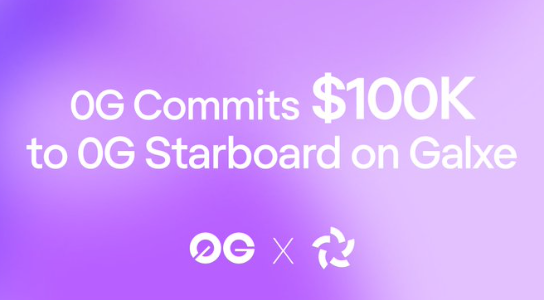
@Ziarimajid11764 $100k commit to starboard? now that's real infra conviction lfg
English
0
0
0
9
M A J I D | NOYA
M A J I D | NOYA@Ziarimajid11764·
0G Labs isn’t just “another AI coin”, it’s trying to be the chain where AI actually runs, not just trades When you look at most AI narratives, they stop at buzzwords, but 0G talks about bandwidth, data flow and infra for models That matters because every serious AI app eventually hits a wall on latency and cost and whoever solves that at the chain level quietly taxes the whole sector If you’re farming on Starboard, your edge isn’t just spamming quests, it’s being early to infra that real AI builders might pick when the hype cools down @0G_labs @Galxe
M A J I D | NOYA tweet media
English
51
2
62
844
ADoinns
ADoinns@ADoinns·
@missbaddieella1 codexero flipping the script from code to intent? finally builders without dev teams lfg
English
0
0
0
4
𝐄𝐥𝐥𝐚 🌱
𝐄𝐥𝐥𝐚 🌱@missbaddieella1·
For a long time, I thought building on chain was something you either studied for years or paid heavily for. There was no middle ground. You either had a dev team, or you had an idea that stayed an idea. That’s the problem CodeXero is actually solving, and I don’t think enough people frame it correctly. Most tooling in Web3 still assumes the builder is a developer. Even so called “no code” tools quietly push complexity somewhere else. You still need someone who understands Solidity, contract architecture, deployments, audits, or front end wiring. The barrier just shifts, it doesn’t disappear. CodeXero does something fundamentally different. Instead of abstracting code, it abstracts intent. You don’t start by thinking about contracts, functions, or frameworks. You start by describing behavior. What should happen when a user interacts with this app? How should value flow? Who gets rewarded, when, and why? From there, CodeXero’s system takes over. Under the hood, your prompt isn’t treated as a single instruction. It gets decomposed into multiple executable steps. Smart contracts are generated, optimized, and deployed on Sei, which matters more than people realize. Sei’s parallel execution and fast finality make this kind of rapid iteration actually usable. Without that performance layer, this whole approach would break under friction. What surprised me the most is that you’re not locked into a one-shot result. You build, preview, test, then iterate in plain English. If the logic feels off, you change it. If incentives don’t align, you redesign them. If users behave differently than expected, you adapt. That loop feels closer to product thinking than traditional development. And this is where CodeXero separates itself from other “vibe coding” platforms. Most vibe coding tools generate demos. CodeXero generates deployable systems. You’re not stuck exporting code or handing things off to a dev later. You can deploy, share, and let real users interact with what you built. Tokenization is another big piece that’s often misunderstood. On CodeXero, tokenization isn’t an afterthought. It’s part of the design process. You can issue tokens tied to your app, route fees, reward contributors, or align users with outcomes directly. That changes how you think about products. You’re not just building an app, you’re designing an economy. From my perspective, this flips the usual Web3 equation. Before, building required resources first, then ideas. Now, ideas come first, and resources follow if the idea survives contact with reality. You don’t need a dev to validate whether something makes sense anymore. You don’t need funding to experiment. You don’t need permission to try. That’s why I think CodeXero isn’t just a tool, it’s a shift in who gets to build. The best builders going forward won’t necessarily be the best coders. They’ll be the people who understand users, incentives, and timing and can turn those insights into something real quickly. @CodeXero_xyz just happens to be the thing that finally makes that possible.
English
42
0
43
362
A L E X A KING
A L E X A KING@alexa_eth_·
What I like about @duel_duck and @Bappfun is that both quietly punish fake engagement On DuelDuck, it’s not enough to get likes. Real replies, real conversations, and account quality actually matter. You can’t brute-force influence there, you have to earn it by making people respond. Bapp.fun applies the same logic at an ecosystem level. Attention isn’t just tracked, it’s weighted. Clear thinking, useful context, and consistent contribution compound over time, while noise fades out. Different products, same philosophy. Influence should come from clarity, not volume. Feels like we’re slowly moving away from vanity metrics and toward systems that reward people who actually add signal. Curious how others are adapting their posting style to this shift.
English
208
17
311
4.7K
Nonsokozen
Nonsokozen@Nonsokozen·
Big data centers are great at storing information, but they struggle with something important: real, live human experience. They mostly train AI on old, outdated data. @PerceptronNTWK changes that. Instead of data coming from a few companies, it comes from people, over 700,000 of them. Through simple quests, everyday human insights are turned into fresh data AI can actually learn from in real time. You’re not just feeding machines for free either. When you share useful context, you earn $PERC. This is AI learning from the world as it happens, not the past. Reality is moving—now AI can move with it.
Nonsokozen tweet media
English
30
1
73
255
SK XCHANGE
SK XCHANGE@Koyum_1·
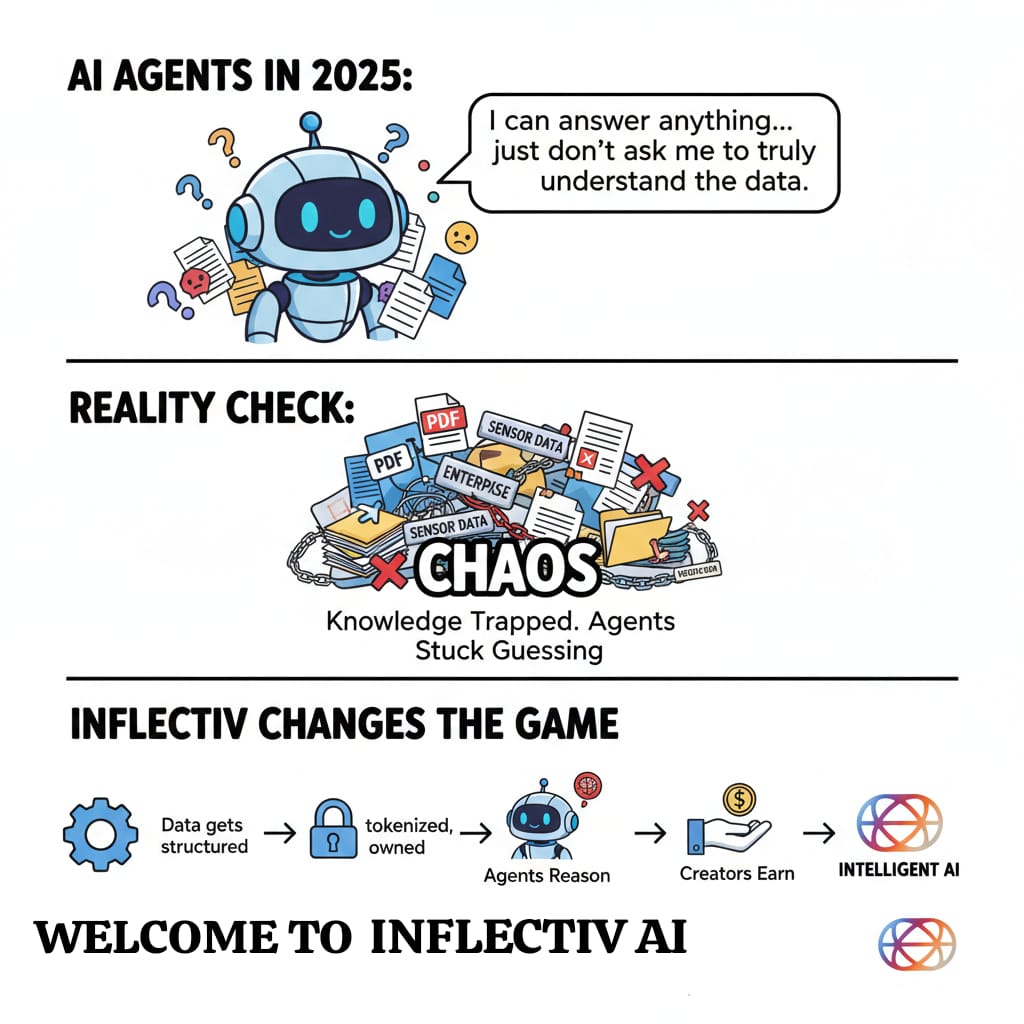
AI agents in 2025 could answer questions but understanding data? That’s another story. PDFs, sensor signals, enterprise files, knowledge everywhere, yet trapped. Agents ended up guessing instead of reasoning. Enter @inflectivAI. They turn messy, unstructured data into structured, tokenized intelligence that AI can truly understand. Agents finally reason, creators earn, and knowledge becomes ownable and valuable. This isn’t just smarter AI, it’s intelligent AI done right. Welcome to the future, powered by @inflectivAI.
SK XCHANGE tweet media
English
28
24
51
2K
ADoinns
ADoinns@ADoinns·
@toktiol @Bappfun bappfun dodging app store taxes with fair launches? actual brainrot cure incoming
English
0
0
0
7
tok
tok@toktiol·
Mini-apps make sense because they remove the biggest pain in mobile today: friction People don’t want more installs more permissions more updates They want to use things instantly where they already spend time. On @Bappfun discovery and usage happen in the same place You see something on Farcaster or Baseapp and interact with it right away No setup, no lock-in, no wasted time. The on-chain part matters too. What users earn create or unlock isn’t trapped inside a company server it’s portable and owned Builders benefit just as much They can ship faster, avoid app store taxes and reach users without heavy infrastructure Mini-apps aren’t just smaller apps they’re a shift toward lightweight social user-owned software, and bapp fun is leaning into that future early.
tok tweet media
tok@toktiol

Most launchpads fail because they push projects with inflated tokenomics and unrealistic FDVs that hurt long term growth. @Bappfun takes a different path focusing on fair launches transparent valuation and real community structure so projects grow sustainably instead of pumping short term hype

English
82
9
114
3K