
Sabitlenmiş Tweet
AFPM
9.7K posts

AFPM
@AFPMonline
American Fuel & Petrochemical Manufacturers represents the makers of the fuels that keep us moving and the petrochemical building blocks for modern life.
Washington, D.C. Katılım Nisan 2011
1.2K Takip Edilen17.3K Takipçiler
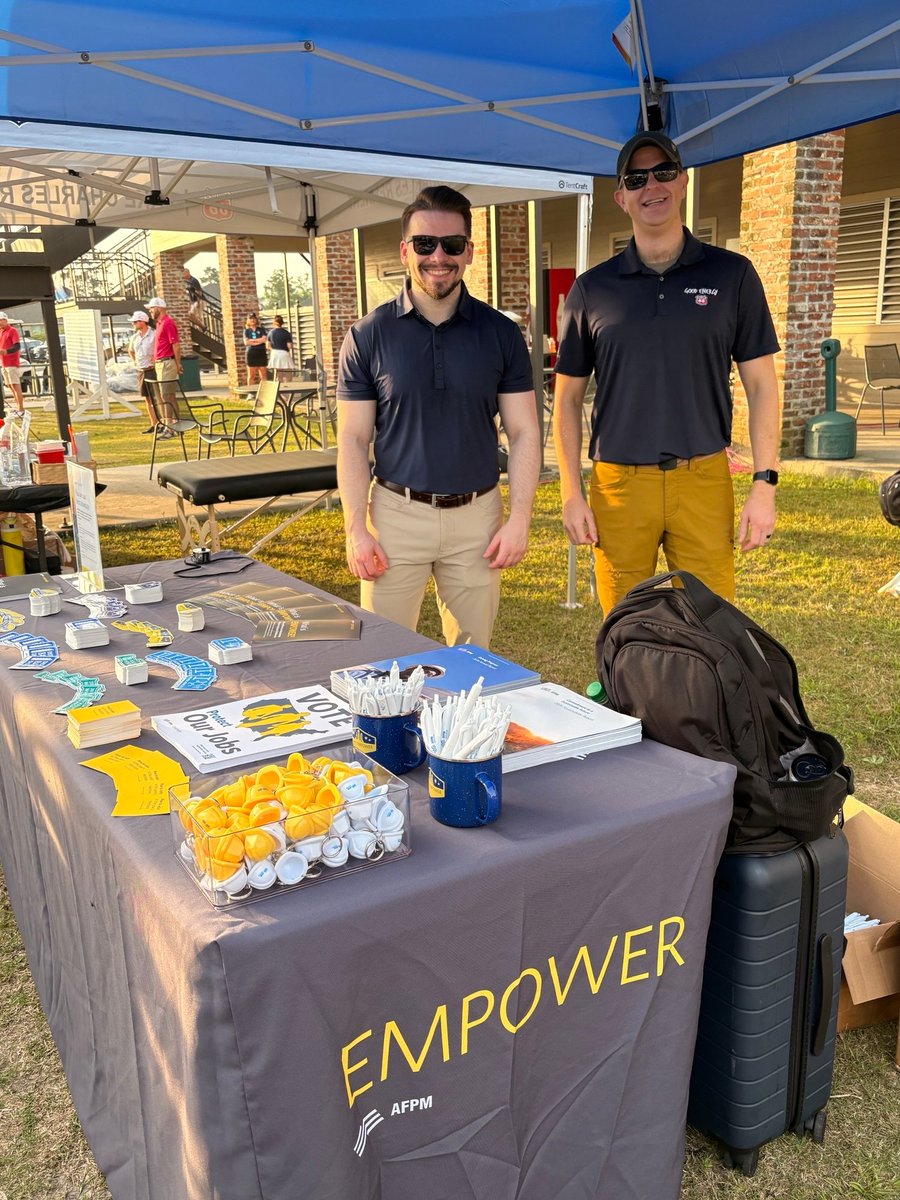
Where was AFPM last week? We were in Lake Charles, Louisiana, hosting an EMPOWER booth at @Phillips66Co's United Way Golf Scramble. This annual golf tournament raises money for @UnitedWaySWLA and beat last year’s record by raising over $270,000!
Our President and CEO @CThompsonAFPM was proud to participate in the tournament alongside Phillips 66’s President and CEO Mark Lashier. Thank you to their team for having us!

English
#RaiseYourEnergyIQ
How many gallons of refined petroleum products did U.S. refiners produce in 2025?
English
AFPM retweetledi

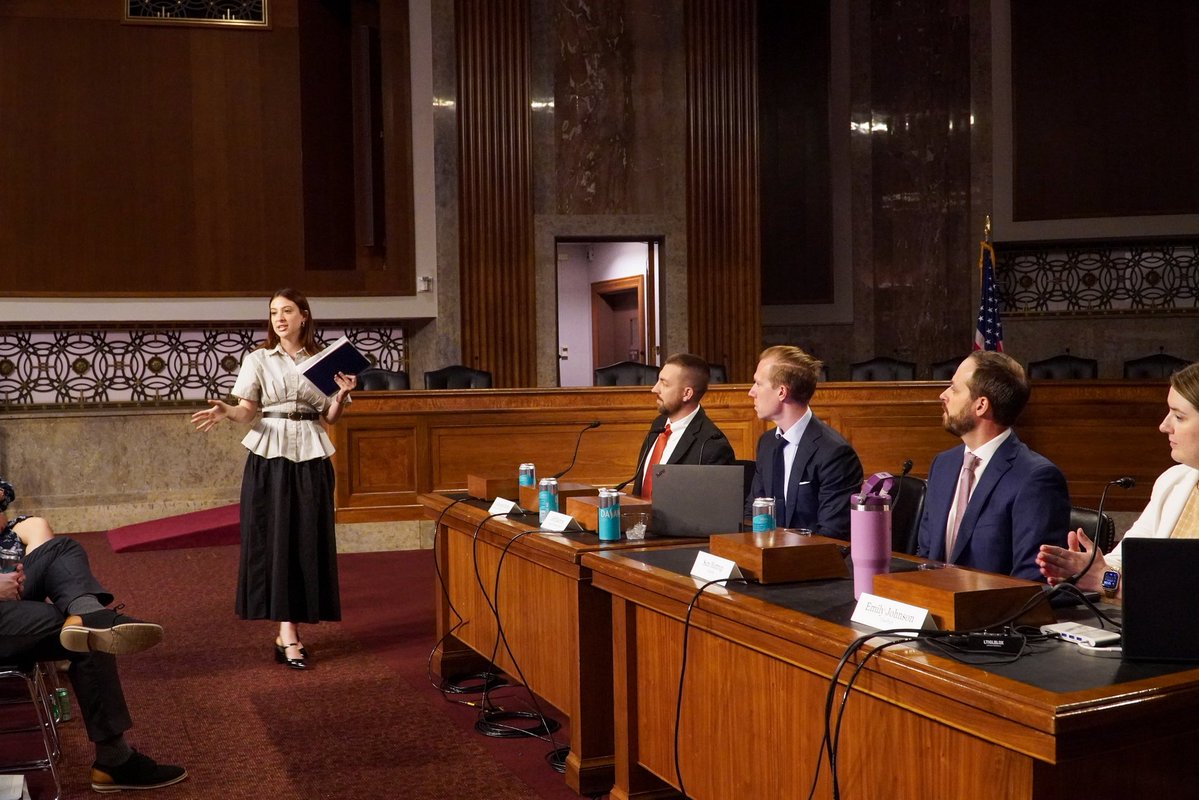
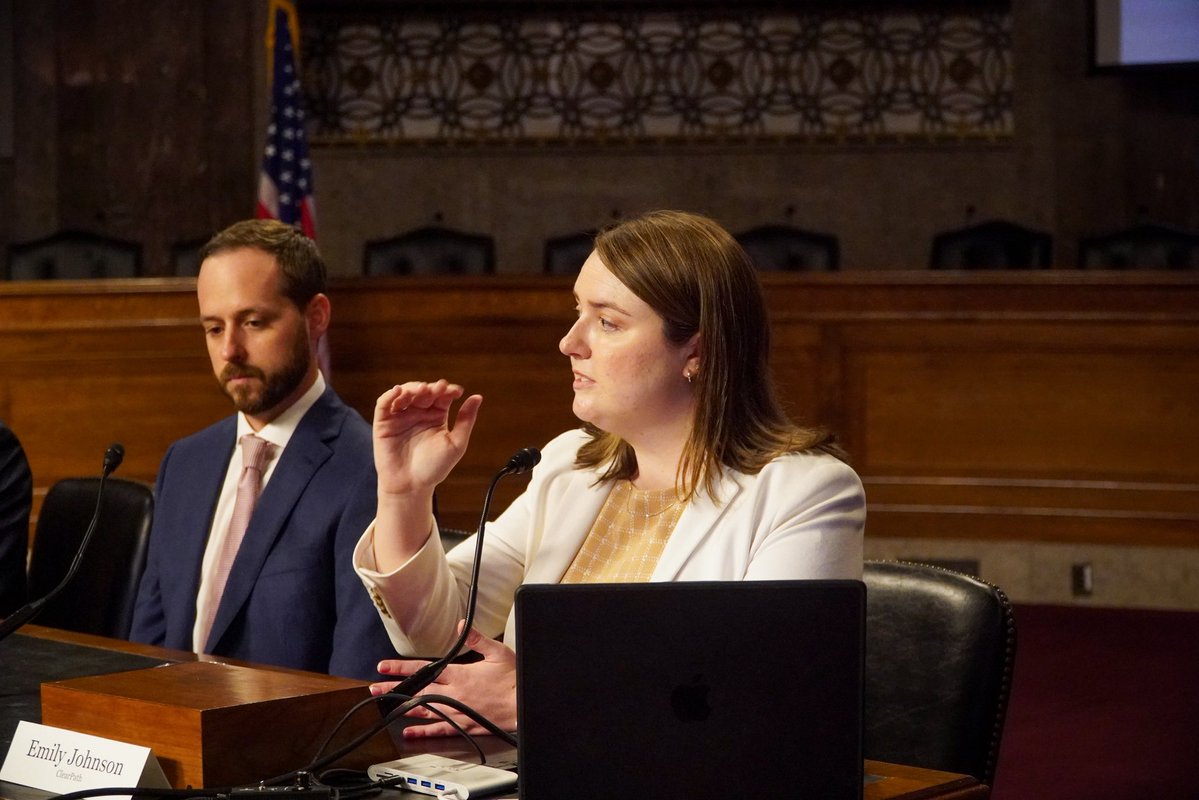
Another great Senate Staff & Stakeholders event with the @SenWestCaucus!
Thank you to @ClearPathAction, @APIenergy, and @AFPMonline for joining us to discuss the state of American energy.
#WCF #WesternCaucus


English
There’s been a lot of talk lately about instituting a gas tax holiday to save Americans money. But there's something the Trump administration could do that could save far more:
Revisit the Renewable Fuel Standard.
This regulation adds more than 30 cents per gallon to the cost of producing gasoline and diesel here in the U.S. It’s the most expensive regulation of President Trump’s second term by a factor of 10. Let’s revisit the RFS — and save Americans billions of dollars on fuel this year alone.
Learn more: afpm.org/newsroom/news/…

English
➡️ OPEX Webinar: Innovation Award-Winning Practices
This May 28 webinar will spotlight two AFPM Innovation Award–winning practices from @Cheniere and @Flint_Hills_, highlighting practical approaches to risk reduction and emergency. (afpm.org/events/WEB_052…)
English
What tabs we’ve got open today:
➡️ A Powerful Discussion on the Climate Superfund Lawsuits and Legislation
Recently, our VP of State & Local Outreach and our VP of Government Relations joined the Labor & Energy Show podcast to talk about how retroactive liability and “climate superfund” laws could increase energy costs and put American jobs at risk. (youtube.com/watch?v=dM1mwv…)

YouTube
English
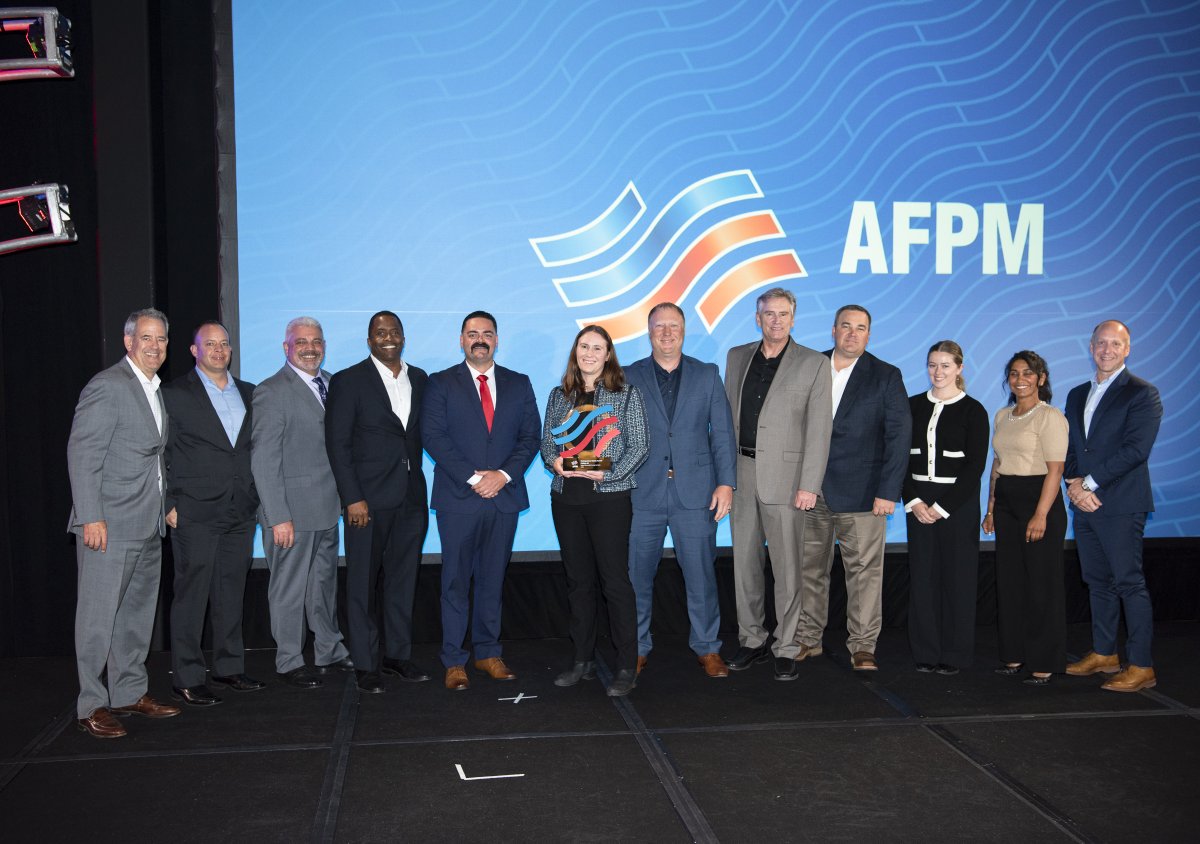
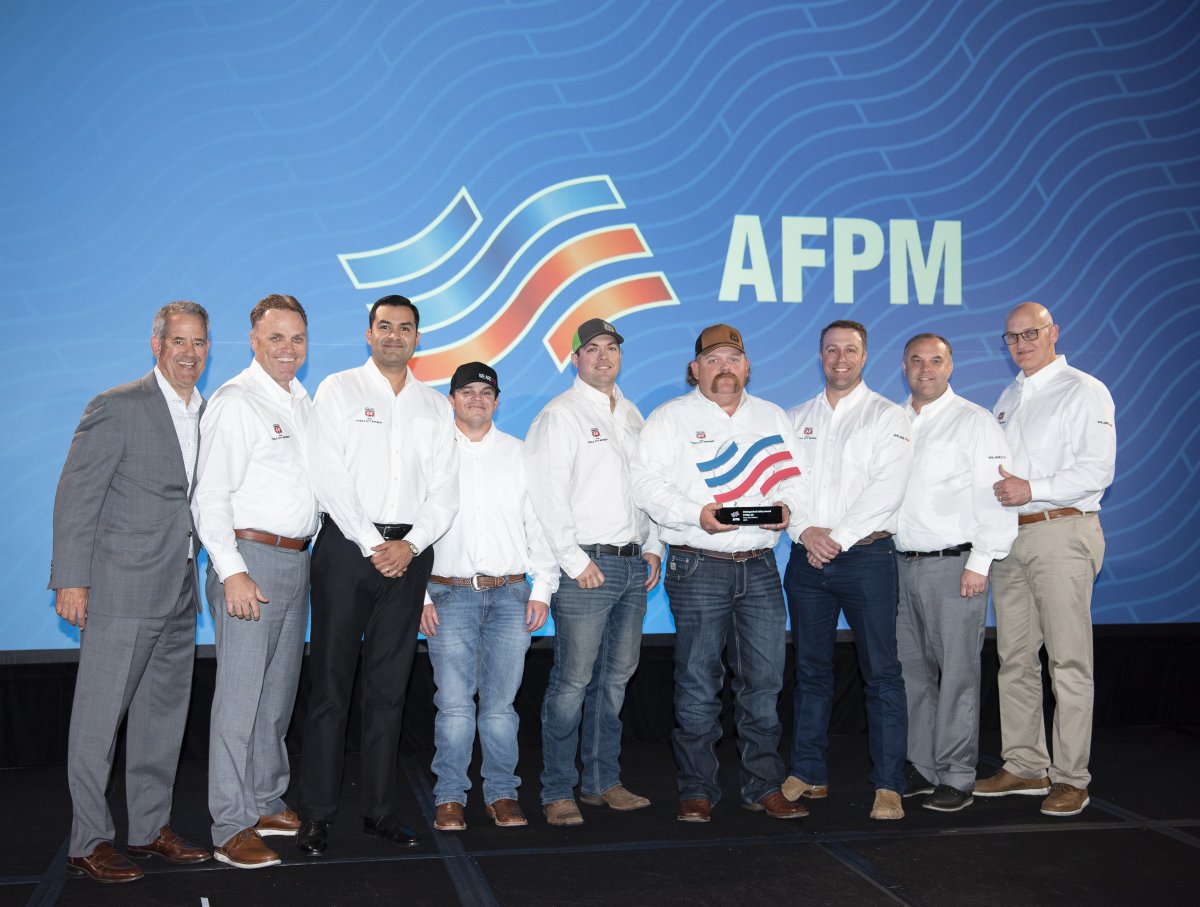
AFPM is proud to honor this year's Distinguished Safety Award winners — our highest honor for outstanding safety performance, program innovation and safety leadership:
See the thread below for all our winners!
Learn more about the awards: afpm.org/newsroom/news/…
English
The answer? Only 6! A pending merger between two of them could drop that number down to 5, and we all know that rail consolidation all too often leads to higher rates, longer transit times and reduced service.
AFPM@AFPMonline
#RaiseYourEnergyIQ Refineries and petrochemical facilities rely on Class I freight railroads to move feedstocks and products across America. How many Class I freight railroads are there in the U.S.?
English
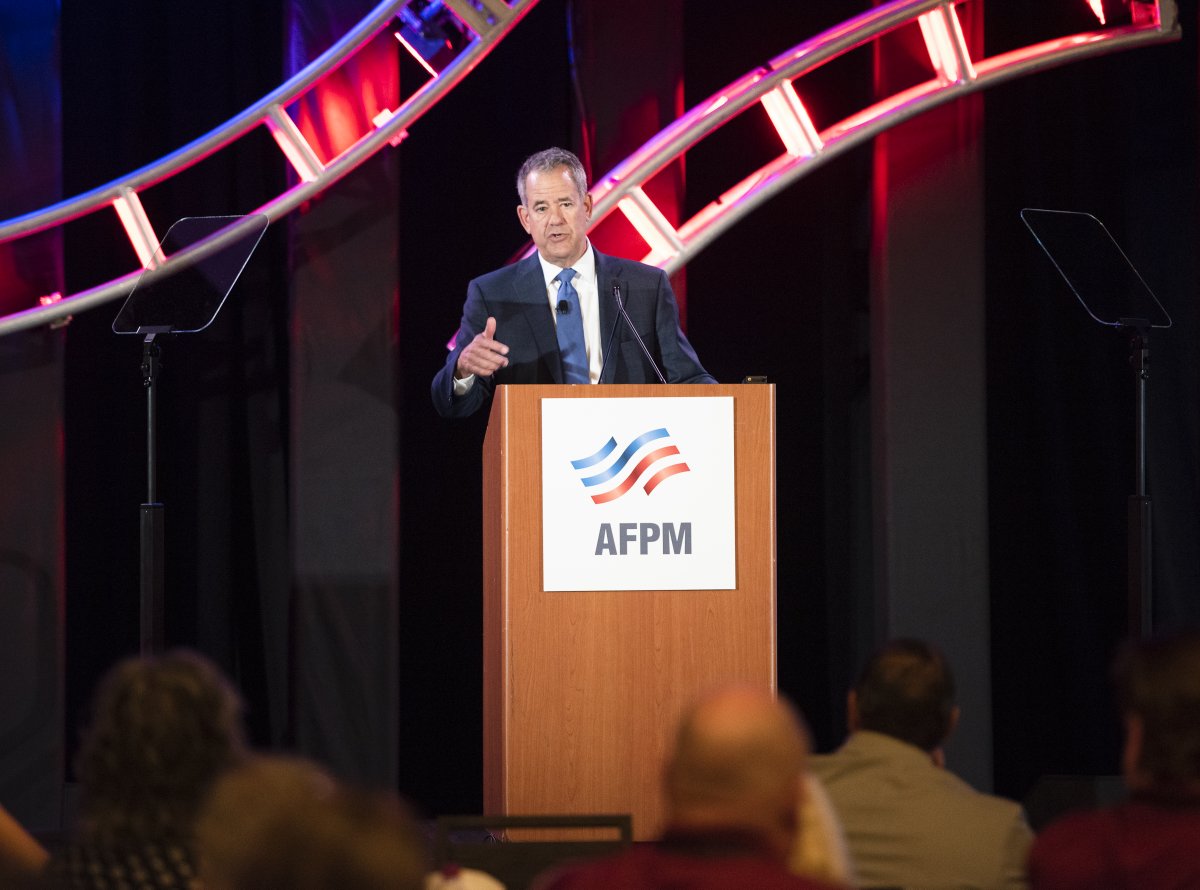
At our 2026 National Occupational & Process Safety Conference, AFPM President and CEO @CThompsonAFPM celebrated the fact that our industries are ranked among the safest in the country.
Out of more than 500 manufacturing sectors tracked by the U.S. government, petroleum refining ranks second for overall safety performance, and petrochemical manufacturing ranks fourth.
English
➡️ Partnering for a more circular economy
Our recent blog exploring how petrochemical manufacturers are taking a comprehensive approach to increasing recycling across sectors. (afpm.org/newsroom/blog/…)
English
What tabs we’ve got open today:
➡️ How much oil does the United States import (and why)?
Re-upping one of our most popular blog posts ever, an explainer on much oil we import, what kinds of oil we import and why. (afpm.org/newsroom/blog/…)
English
LISTEN: Don Thoren, our VP of State & Local Outreach, and Aaron Ringel, our VP of Government Relations, recently joined the Labor & Energy Show podcast to talk about how retroactive liability and “climate superfund” laws threaten to increase energy costs and put American jobs at risk.
Link: podcasts.apple.com/us/podcast/don…

English
AFPM retweetledi

🤝ACD and @AFPMonline are strengthening collaboration across the supply chain with a newly signed MOU.
Through this MOU, ACD and AFPM will align on key rail issues, enhance awareness of regulatory and legislative developments, and explore opportunities to better support our industries.
Read more about the partnership: acd-chem.com/media-center/p…

English
#RaiseYourEnergyIQ
Refineries and petrochemical facilities rely on Class I freight railroads to move feedstocks and products across America. How many Class I freight railroads are there in the U.S.?
English
AFPM retweetledi

Answer:
The U.S. does produce a lot of oil—more than any country in the world right now. But that doesn’t mean we’re insulated from global events, and it’s not as simple as “we have our own oil, so prices shouldn’t rise.”
Oil is priced on a global market. Even if a barrel is produced in Texas, its price is largely tied to global benchmarks like Brent and WTI. When there’s a disruption “over there” (Middle East conflict, Russia sanctions, etc.), global supply tightens or is at risk—and prices rise everywhere, including in the U.S.
The U.S. does produce a lot of oil—more than any country in the world right now. But that doesn’t mean we’re insulated from global events, and it’s not as simple as “we have our own oil, so prices shouldn’t rise.”
Oil is priced on a global market. Even if a barrel is produced in Texas, its price is largely tied to global benchmarks like Brent and WTI. When there’s a disruption “over there” (Middle East conflict, Russia sanctions, etc.), global supply tightens or is at risk—and prices rise everywhere, including in the U.S.
There are a few additional nuances:
•We export and import at the same time. The U.S. exports a lot of crude oil (especially light shale oil), but many U.S. refineries are designed to run heavier crude, so we still import oil that fits those systems better.
•Refined products are also globally traded. Gasoline and diesel prices are influenced by global supply/demand—not just domestic crude production.
•Companies sell to the highest bidder. U.S. oil producers aren’t required to sell only domestically—they can export if global prices are higher, which ties our prices to the world market.
So no, we haven’t “shot ourselves in the foot,” and there isn’t a shortage of fuel in the U.S. What we’re experiencing is the reality of being part of a global energy market—where events anywhere can impact prices everywhere.
English