Hey #cpp and #gamedev folks!
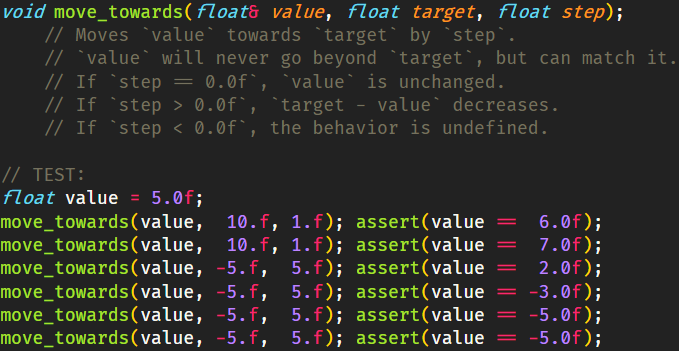
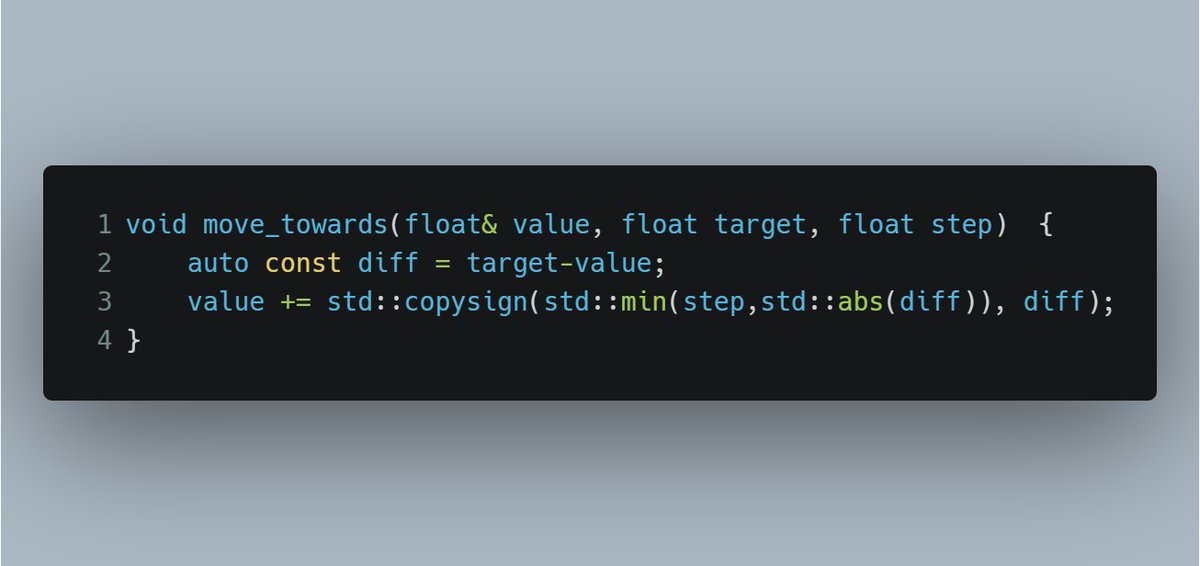
How would you implement the function seen in the picture, generating the best possible assembly?
Sandbox: gcc.godbolt.org/z/68TEsEGah
🚀 #Qt6 is finally here! The new major release of Qt has been rearchitected for software development productivity & scalability. Learn more about the platform that you and your team can build next-gen 2D & 3D #UX with. 🔗 hubs.ly/H0CbQph0#qtdev
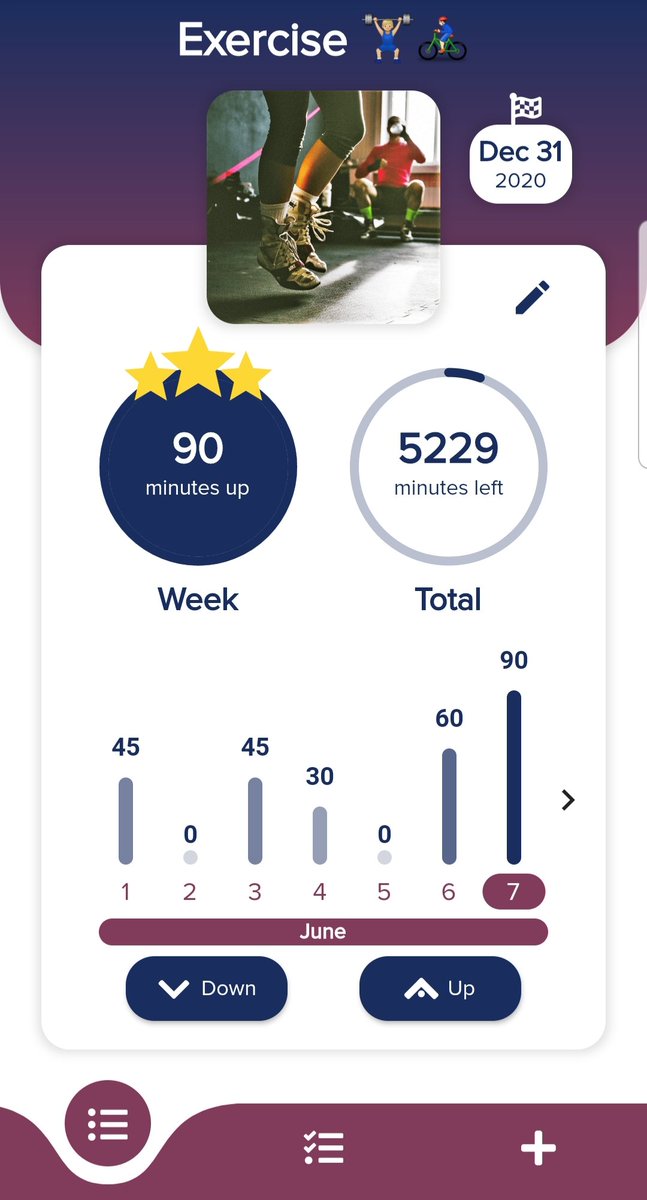
Our new app ItGoesApp is now available on iPhone too. Go ahead and try it out!
Download it for free on App Store: apps.apple.com/us/app/id15225…
We are here to support you and your goals, so don’t hesitate to let us know what you think about the experience. Happy Tracking!
We are excited to announce that our new app is released - ItGoesApp! It's designed and developed for you who are looking for a simple and fun way to track your goals.
Read more and download for free at: play.google.com/store/apps/det…
Let us know what you think!
@timur_audio Yeah that's normally what I'm doing. However, sometimes I've found it usefully to test implementation details in isolation. In this case, I try to convert them to free functions and define them in a separate namespace. It also improves information hiding for the class.
@AFagrell Private functions are not part of a class interface but an implementation detail, so I write them but I don't test them. They are tested indirectly by being called from public functions who are all tested.