AHA Science

13.5K posts

AHA Science banner
AHA Science

AHA Science

@AHAScience

@American_Heart’s official account for meetings, science news, funding opportunities and membership. RTs/Follows not endorsements. Pump up your career, here.

Dallas, TX Katılım Ocak 2009
4.7K Takip Edilen75.3K Takipçiler
Sabitlenmiş Tweet
AHA Science
AHA Science@AHAScience·
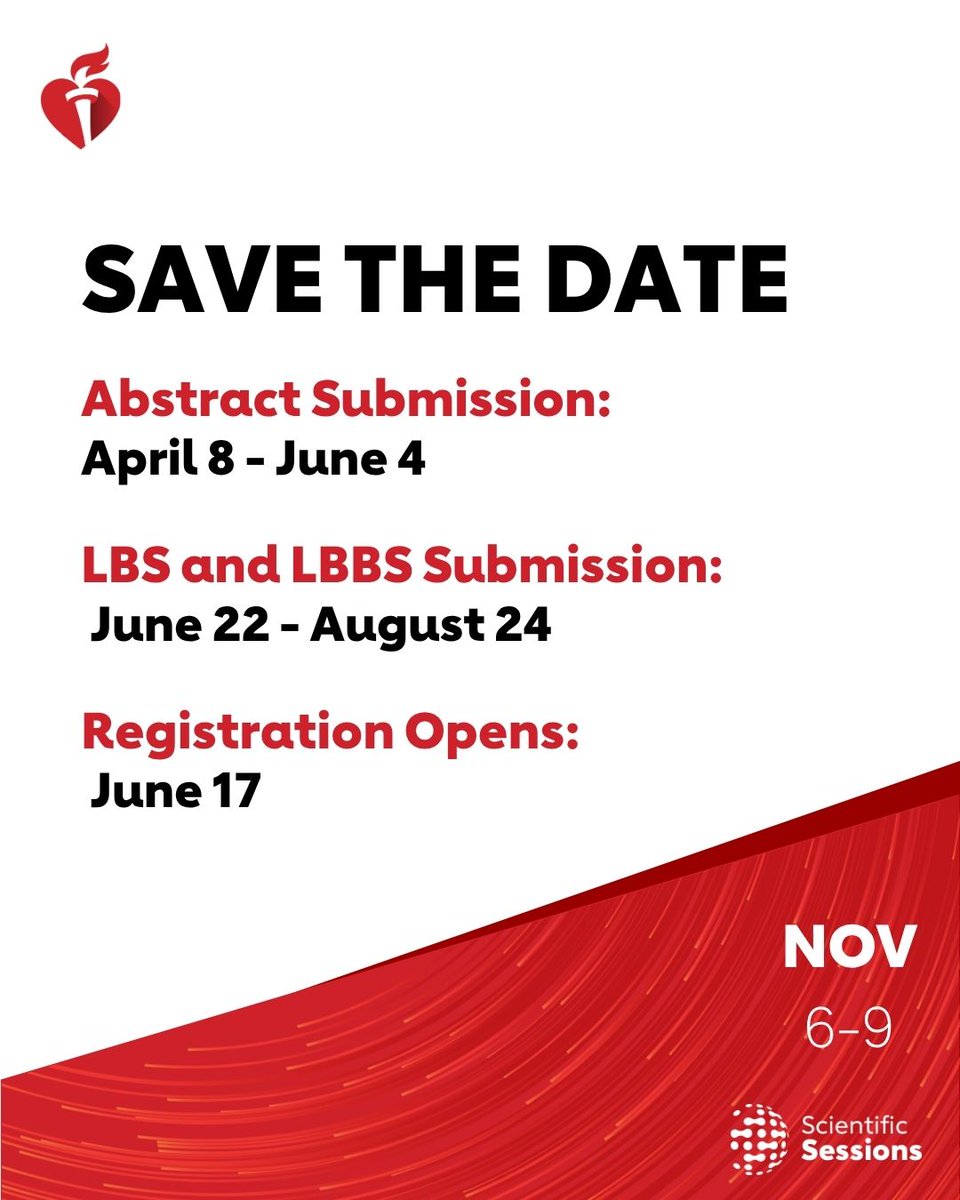
📣 The Call for Abstracts for #ScientificSessions26 is now open! Share your latest discoveries with the global cardiovascular community. Scientific Sessions 2026 Chairs: @JoChikweMD, @bnallamo
AHA Science tweet media
English
1
10
16
2.2K
AHA Science
AHA Science@AHAScience·
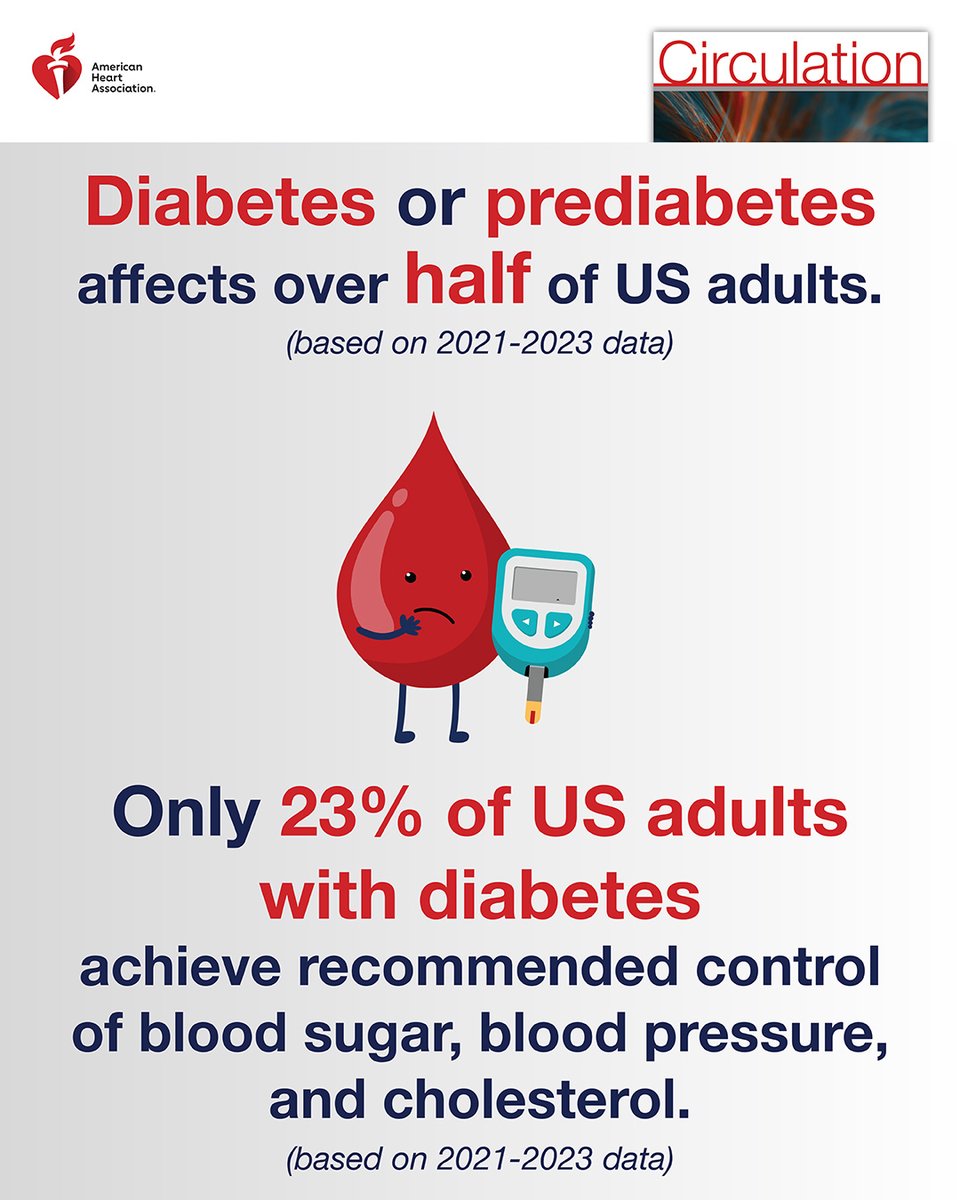
Lifestyle management through diet and exercise is the foundation for treatment of diabetes. About 38.1 million adults in the U.S. had diabetes in 2021, many of them undiagnosed. The most up-to-date statistics on diabetes, cardiovascular disease and stroke are in the 2026 Statistics Update.
AHA Science tweet media
English
1
5
12
1K
AHA Science
AHA Science@AHAScience·
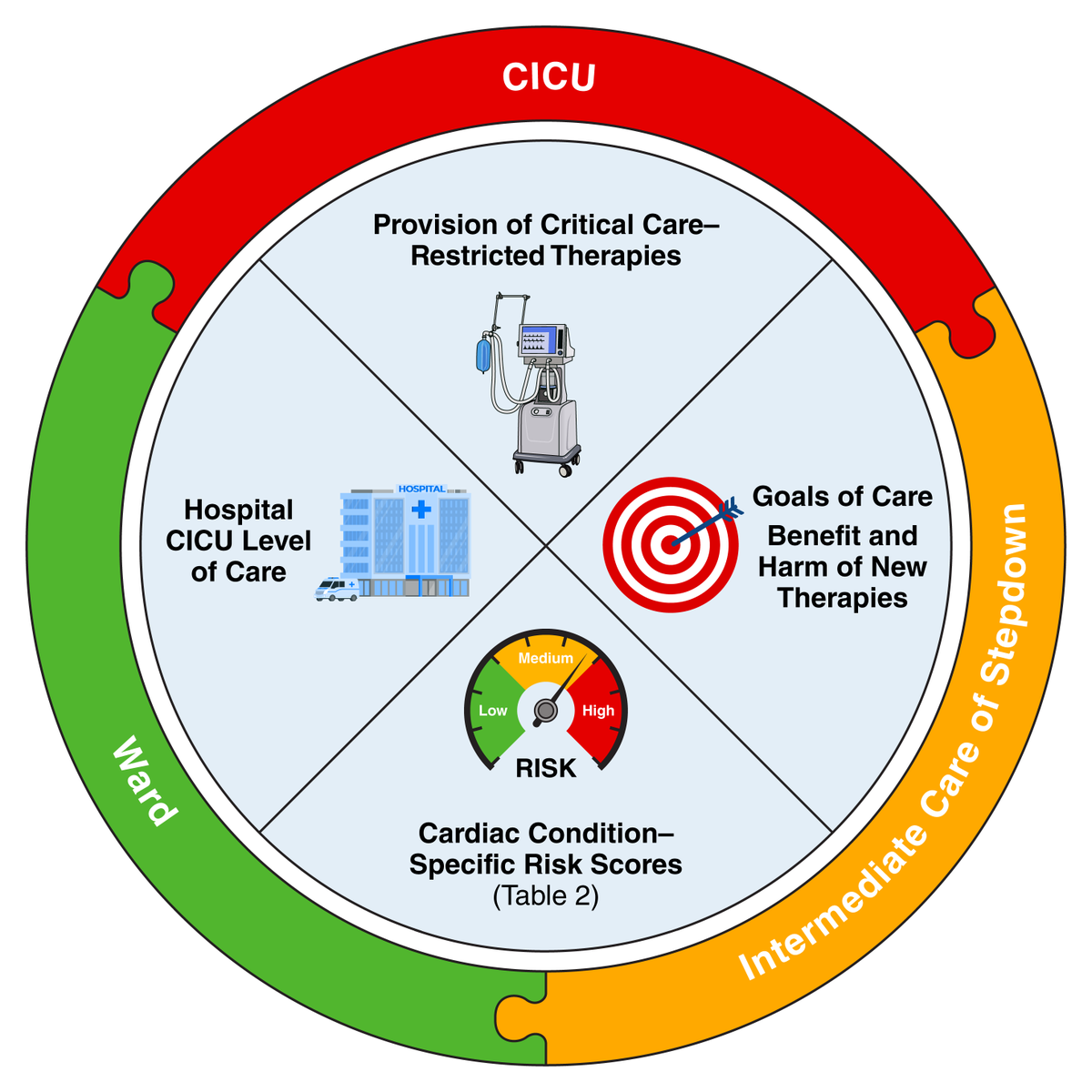
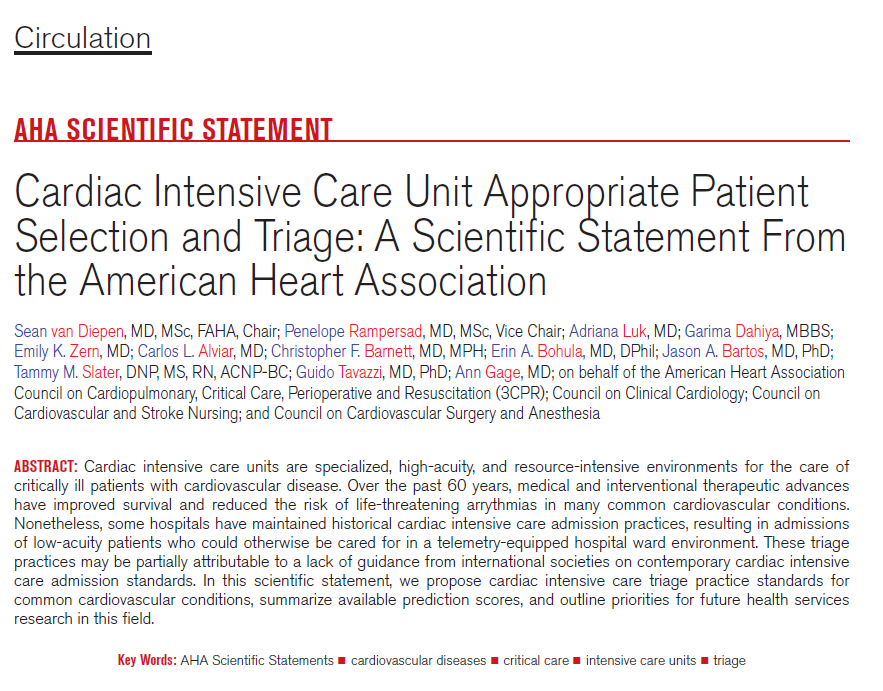
Optimizing cardiac intensive care unit (CICU) admission practices through standardized, evidence-informed triage pathways represents an important opportunity to reduce care variation, alleviate capacity strain, lower costs, and achieve optimal patient-centered outcomes. 📷 Integrated decision pathways for cardiac intensive care triage decisions in patients hospitalized with common cardiovascular disorders. ✍🏼 @seanvndiepen @PennyRampersad @AnnGageMD @AdrianaCLuk
AHA Science tweet media
English
1
4
12
1.7K
AHA Science
AHA Science@AHAScience·
This Scientific Statement suggests a framework for CICU admission decisions based on the potential beneficence of critical care restricted monitoring or therapies, patient goals-of-care, and the risk of early adverse cardiovascular events among common cardiovascular admission diagnoses. ✍🏼 @seanvndiepen @PennyRampersad @AnnGageMD @AdrianaCLuk
AHA Science tweet media
English
3
14
28
13.2K
AHA Science
AHA Science@AHAScience·
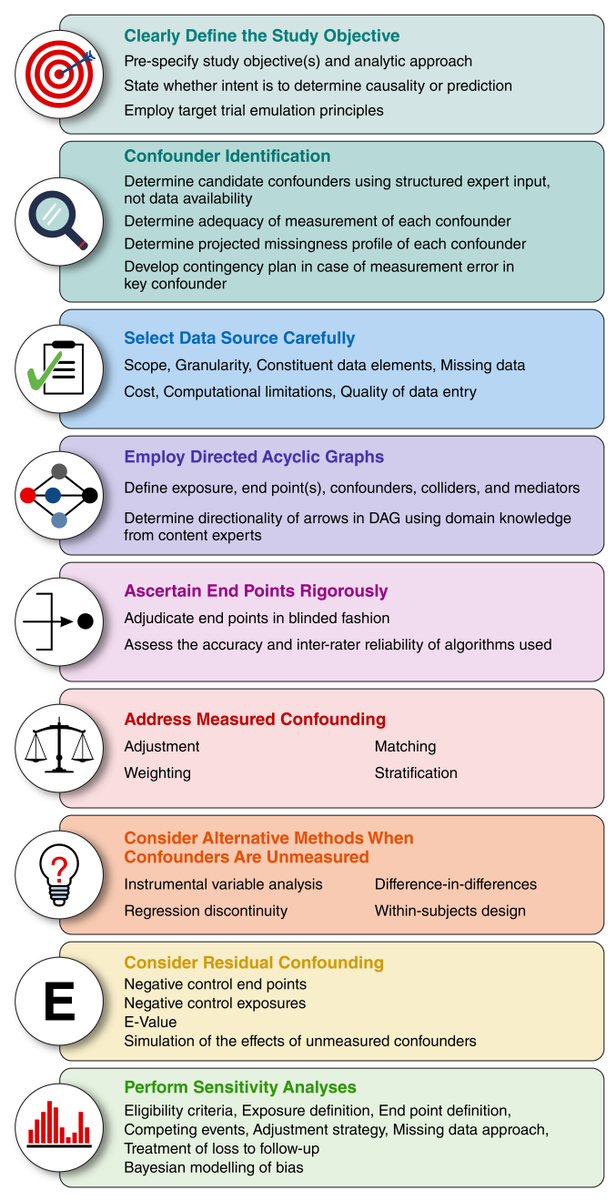
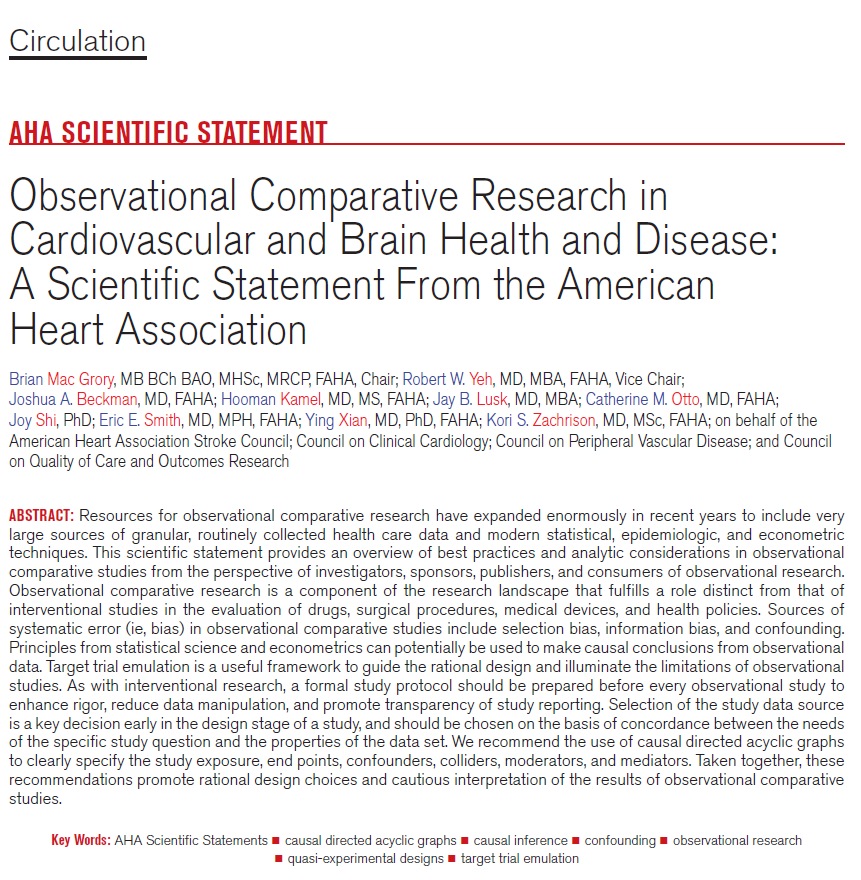
Published today, Observational Comparative Research in Cardiovascular and Brain Health and Disease: A Scientific Statement from the American Heart Association. Resources for observational comparative research have rapidly expanded to include large, granular healthcare datasets and advanced analytical methods. Observational comparative research is a component of research that fills a distinct role different than interventional studies when evaluating drugs, surgical procedures, medical devices, and health policies. 📷 Best practices in observational research. ✍🏼 @brianmacgrory @joshuabeckmanmd @joy_shi1 @rwyeh @YingXian21
AHA Science tweet media
English
2
14
21
2.5K
AHA Science
AHA Science@AHAScience·
This scientific statement provides an overview of best practices and analytic considerations in observational comparative studies from the perspective of investigators, sponsors, publishers, and consumers of observational research and is applicable to all areas of cardiovascular, stroke and brain health research. ✍🏼 @brianmacgrory @joshuabeckmanmd @joy_shi1 @rwyeh @YingXian21
AHA Science tweet media
English
1
9
27
4K
AHA Science
AHA Science@AHAScience·
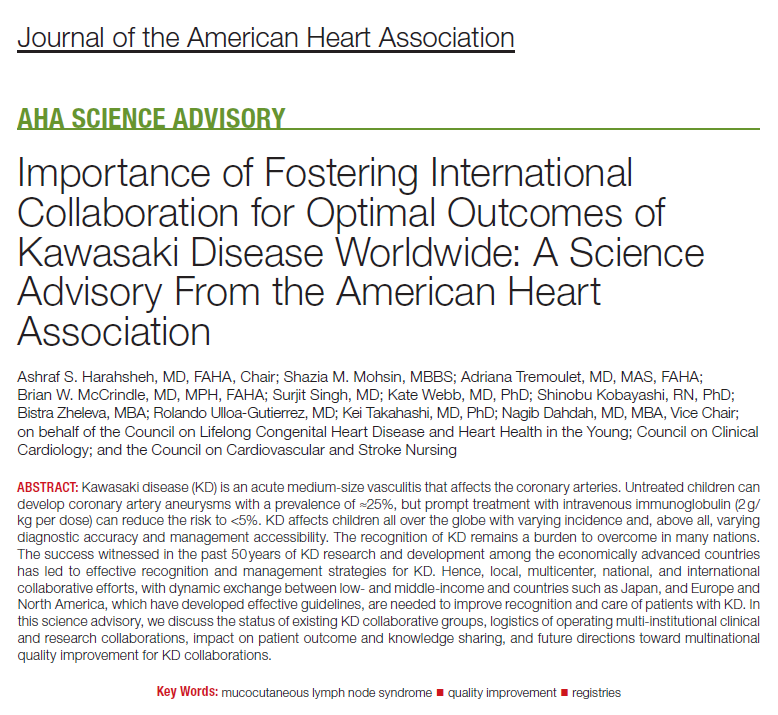
The recognition of KD remains a burden to overcome in many nations. The success witnessed in the past 50 years of KD research and development among the economically advanced countries has led to effective recognition and management strategies for KD. Hence, local, multicenter, national, and international collaborative efforts, with dynamic exchange between low-and middle-income and countries such as Japan, Europe and North America, which have developed effective guidelines, are needed to improve recognition and care of patients with KD. 📷 Global KD collaboration framework: current state, logistics, and future directions.
AHA Science tweet media
English
1
1
5
1.2K
AHA Science
AHA Science@AHAScience·
Untreated Kawasaki disease (KD) patients can develop coronary artery aneurysms (CAAs) with a prevalence of ~25%, whereas prompt treatment with intravenous immunoglobulin (IVIG) (2g/kg/dose) can reduce the risk to <5%. KD management has succeeded in large experienced and economically advanced countries where research collaboration has been impactful. The collaboration is expected to benefit all consortia members proportionate to their contribution, especially for members from low and middle income countries. The ultimate goal, however, remains patients’ outcomes under a globally harmonized approach for optimal care.
AHA Science tweet media
English
1
1
4
1.1K
AHA Science
AHA Science@AHAScience·
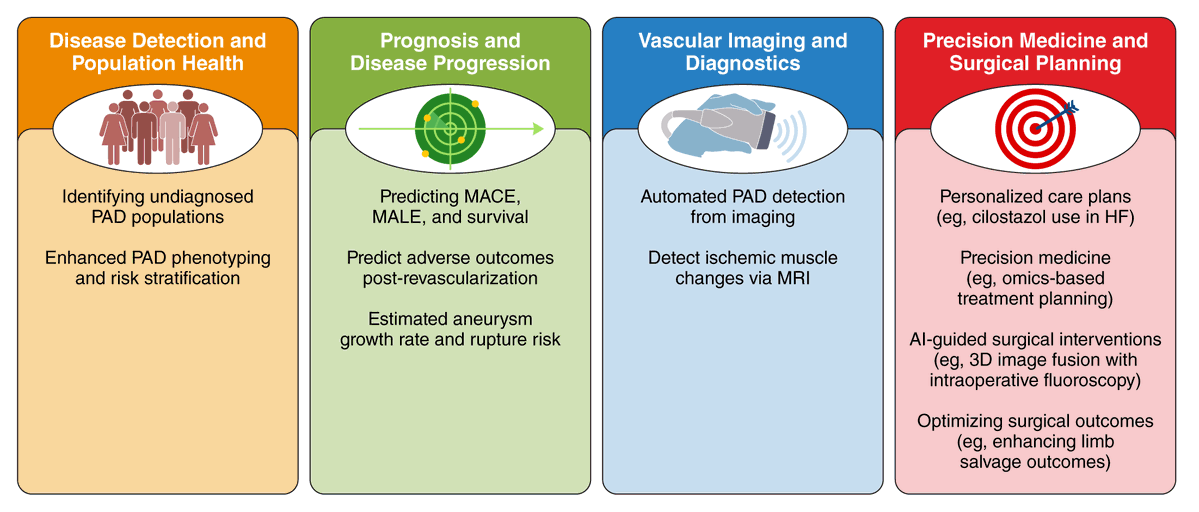
Rapid advances in AI enable high-throughput analysis of complex vascular data, such as arterial waveforms, cardiovascular imaging, and clinical variables, creating opportunities to transform vascular care through improved diagnostics, risk assessment, and therapeutic planning. This science advisory provides guidance for clinicians, researchers, and policymakers on the responsible, evidence-based deployment of AI in PAD diagnosis and management. 📷 Spectrum of AI applications for vascular health.
AHA Science tweet media
English
1
6
16
1.8K
AHA Science
AHA Science@AHAScience·
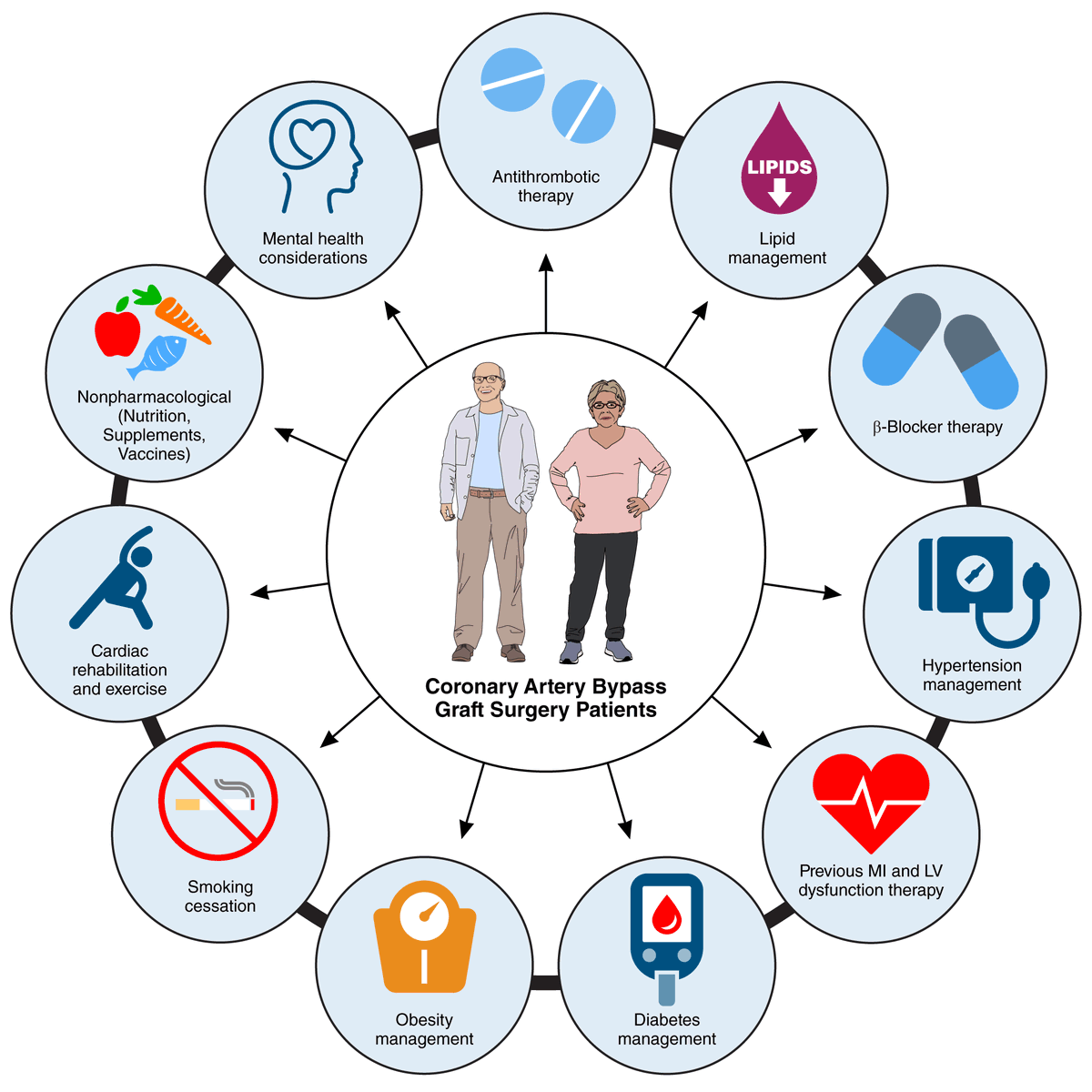
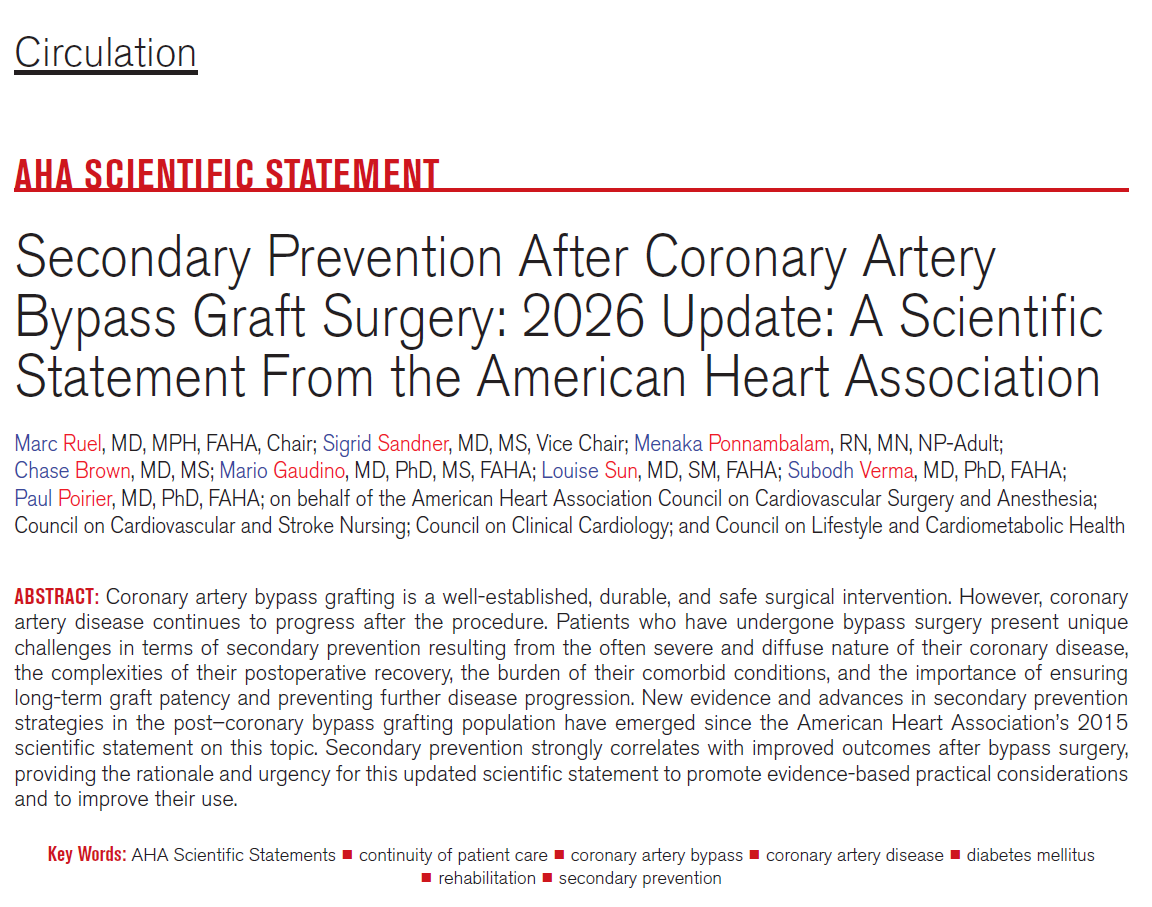
Secondary prevention after coronary artery bypass Graft (CABG) surgery is critical but underutilized and has major public health implications. Despite the durability of CABG, coronary artery disease progresses postoperatively, and suboptimal implementation of these strategies is associated with higher mortality. ✍🏼 @RuelMarc1 📷 Main areas of secondary prevention after coronary artery bypass graft surgery.
AHA Science tweet media
English
1
14
36
5K
AHA Science
AHA Science@AHAScience·
New American Heart Association scientific statement on secondary prevention after coronary artery bypass graft surgery to improve graft patency and outcomes. Durable outcomes after Coronary Artery Bypass Graft surgery require deliberate, clinician-led secondary prevention. Gaps in implementation highlight an important opportunity for coordinated system-level approaches integrated throughout the perioperative continuum to improve adherence. ✍🏼 @RuelMarc1
AHA Science tweet media
English
1
0
7
922