Alain Bureau retweetledi
Alain Bureau
1.3K posts

Alain Bureau
@AHBureau
Passion in everything community, small biz, arts & culture, urbanism, environment, govt, law, health, tech, education, food and peoples' stories.
Katılım Eylül 2015
878 Takip Edilen663 Takipçiler
Alain Bureau retweetledi

Watch the clock carefully. You'll find it on platforms in train station in #Switzerland. (This one is in Renans, near #Lausanne.)
See the way it pauses when the second hand is at the top of the dial?
That pause is the secret to the legendary efficiency of Swiss trains.
🇨🇭🚂⏲️🧵
English
Alain Bureau retweetledi

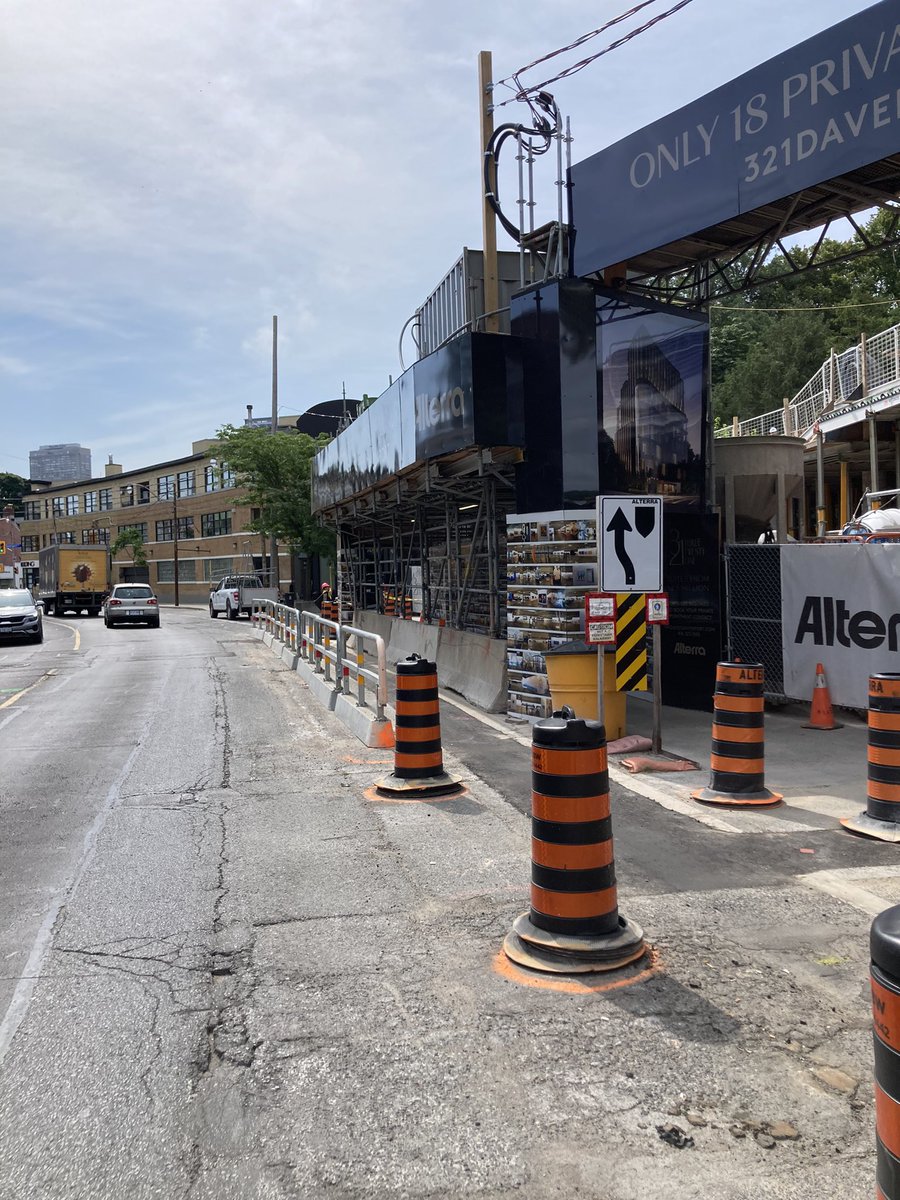
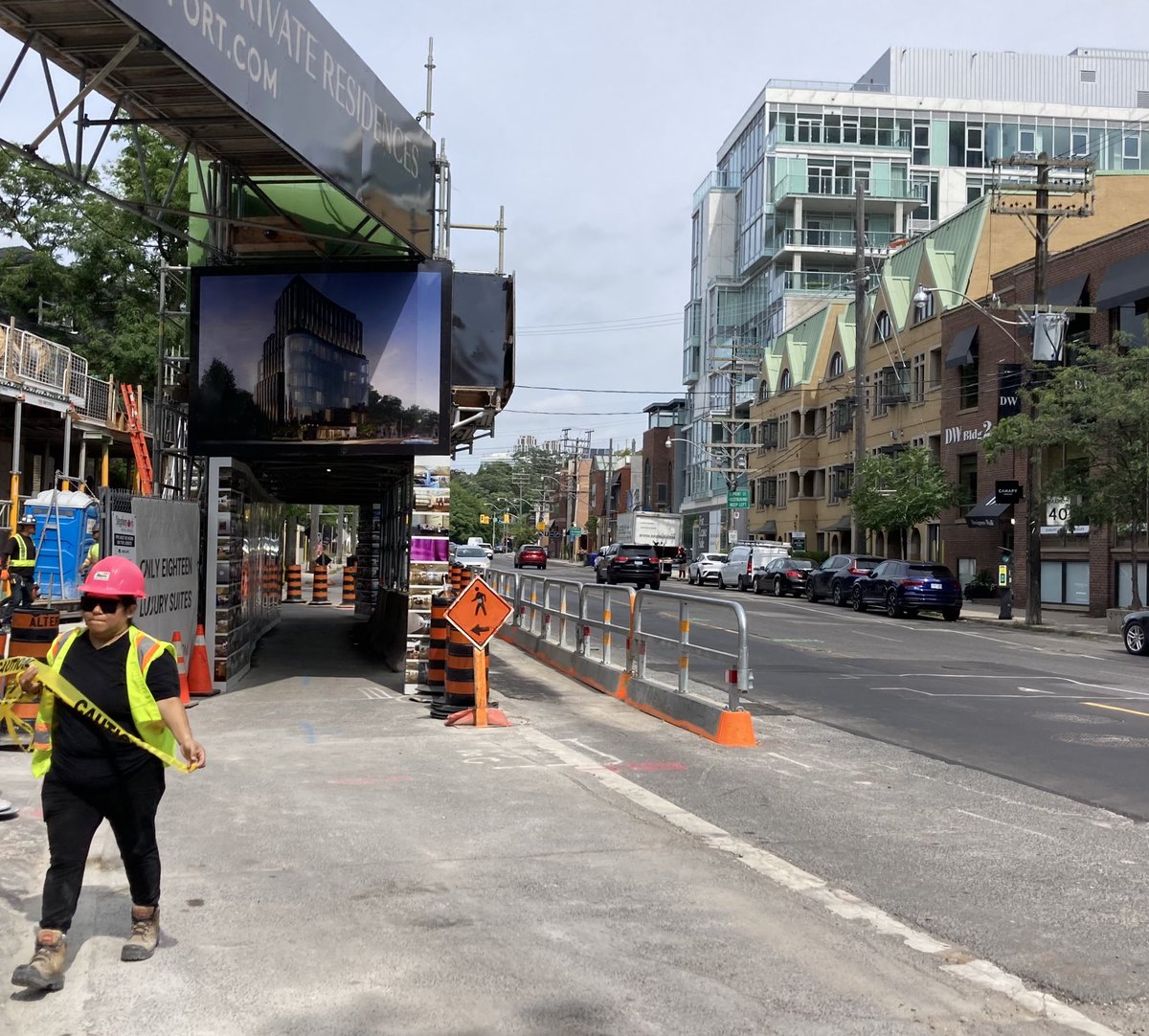
This is how you manage a work zone in the right-of-way to protect cyclists and pedestrians. Nice work @AlterraGroup! (Davenport & Bedford) #bikeTO @MayorOliviaChow
✅ Dedicated space for bikes & pedestrians
✅ Concrete barrier for protection
✅ Signage
✅ Flag person


English
Alain Bureau retweetledi

“The cost of running a city is the linear feet of everything - sewers, roads and when you get more of that, you need more fire stations.”
THIS is why suburbs are actually very bad for a city's finances and it's carbon footprint, as seen in this CO2 emissions map (green is low)

Jonathan Berk@berkie1
“We built cities all over America that are designed for automobiles and not designed for people... Our housing costs are high, in part because of the way that we've designed our cities." - @GovDougBurgum North Dakota comments during the @NatlGovsAssoc winter meetings
English

@Sean_YYZ Made the mistake of saying “not mine, it is a car share” a decade ago: 7 Homeland Security officers and 3 hours of interviews later, we were allowed to proceed…
English
Alain Bureau retweetledi

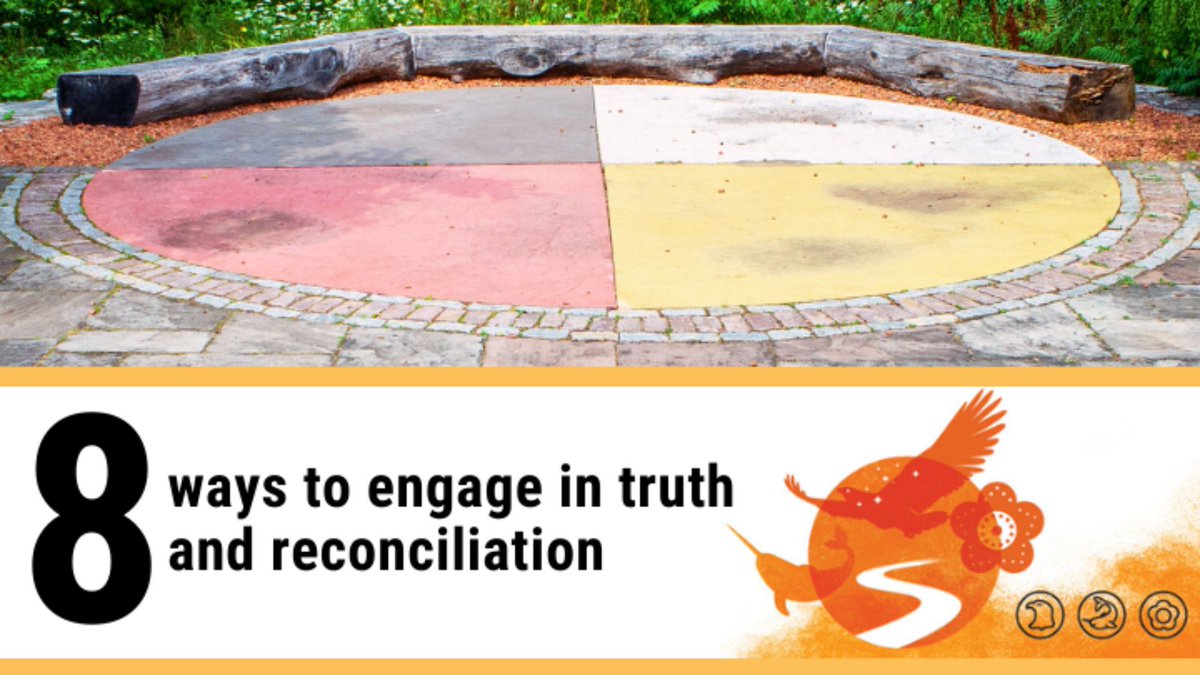
Reconciliation is an ongoing process that needs to be incorporated into every day of the year.
Here are 8 ways that non-Indigenous people can engage with the process of reconciliation: ow.ly/OwVP50PNpMC

English
Alain Bureau retweetledi

12 Reasons Why Cities Need More Trees:
1. Temperature Control
One large tree is equivalent to 10 air conditioning units, and the shade they provide can reduce street temperature by more than 30%.
2. Noise Reduction
Trees can reduce loudness by up to 50%. In urban areas filled with the sound of cars, construction, sirens, aeroplanes, and music, trees are essentially the best way to block noise and keep cities — along with the homes and workplaces in them — quieter.
3. Air Purity
Trees remove an astonishing amount of harmful pollutants and toxins from the air. In urban areas air quality is often disastrously bad — with severe consequences for our health. Trees make the air we breathe much cleaner.
4. Oxygen
And, while absorbing all those pollutants, trees also put more oxygen back into the urban environment. Oxygen levels are significantly lower in cities compared to the countryside; trees help to solve that problem.
5. Water Management
Trees do more than just shelter us and our buildings from rain — which is, in fact, extremely important. They also absorb huge quantities of water, reduce run-off, neutralise the severity of flooding, and make flooding more unlikely altogether. Not to forget that their roots absorb pollutants and prevent them from feeding back into a city's water supply.
6. Psychological Health
Studies have proven what we instinctively know to be true: that human beings are significantly happier when surrounded by nature rather than sterile urban environments. Our emotions, behaviour, and thoughts are shaped by the places we spend time — and trees have a profoundly positive effect on our psychology. The consequential benefits of being happier and more peaceful — as individuals and as a society — are immense.
7. Physical Health
Beyond all the other ways in which trees improve air quality and the urban environment, much to the benefit of our health, they also encourage people to go outside. Cycling, running, and walking are all more common in urban areas with plenty of trees. A knock-on effect of people spending more time outdoors is also social integration and stronger communities.
8. Privacy
A simple point, but not inconsequential, is that trees provide privacy.
9. Economics
The total economic benefit of urban trees is hard to calculate. There are costs, of course, including the repair of infrastructure damaged by roots and maintaining the trees themselves. But the total economic benefit — a consequence of everything else in this list and more — far outweighs the expenditure. Trees make cities wealthier.
10. Wildlife
Trees are miniature cities all of their own, serving as a habitat for hundreds of different species, including birds and mammals and insects.
11. Light Pollution
Trees don't only block the light shining down, therefore keeping us and our cities cooler — they also disrupt light shining up, from street lighting, cars, houses, and billboards. Skies are clearer in cities with more trees.
12. Aesthetics
And, finally, trees are beautiful. They break up the potential monotony of urban environments — the sharp geometry, the greyscale roads and buildings, the endless rows of cars — with their trunks, boughs, canopies, and flowers.
Just think: the gold and red of falling leaves in autumn, the white and pink blossom of spring, the vast green canopies of summer, and the branches lined with hoar-frost in winter. Every single tree is a myriad of intricacy and texture, of colour and scent, of dappled light on the pavement, mottled bark, knotted roots, of clustered leaves and delicate petals and stern boughs.
Few streets would not be improved by the kaleidoscopic aesthetic delights of a tree, not to mention the many different species of tree, all over the world, whether willow, oak, lime, cherry, aspen, maple, birch, horse chestnut, dogwood, hornbeam, ash, sycamore... the list goes on.
There are some drawbacks to urban trees, most of them context-specific, and they are not — of course — universally appropriate. But it seems fair to say that many cities would benefit from at least a few more trees here and there.

English
Alain Bureau retweetledi

How does the design of our neighborhoods affect how we live? In homogenous housing communities where every home is within a narrow size and price point, it means every time vou have a substantial life change you have to pick up and move OUT of your neighborhood and community, and into a new one. What does that do to our sense of belonging, community and rootedness? And what about our kids?
New podcast with Ashley Terry @smashleyterry, VP of Development at Wheeler District, a TND near downtown Oklahoma City. Will be out soon!
#buildingculture
English
Alain Bureau retweetledi

Now on X: my latest video, about a new city built in Guatemala: Cayalá.
This is the way forward: friendly & beautiful places built for humans, not machines. @elonmusk take note!
Masterplanned by @LeonKrier and designed by Estudio Urbano, Richard Economakis & Marc Landers
English
Alain Bureau retweetledi

This seems like a good and bad idea at the same time twitter.com/ThebestFigen/s…
English
Alain Bureau retweetledi