

Yeasin arafat
12 posts
Yeasin arafat
@AIWith_Yasin
AI Storyteller | Helping Founders & Creators go viral on twitter | Ghostwriting 🧠 mail: [email protected]
Katılım Mayıs 2026
15 Takip Edilen2 Takipçiler

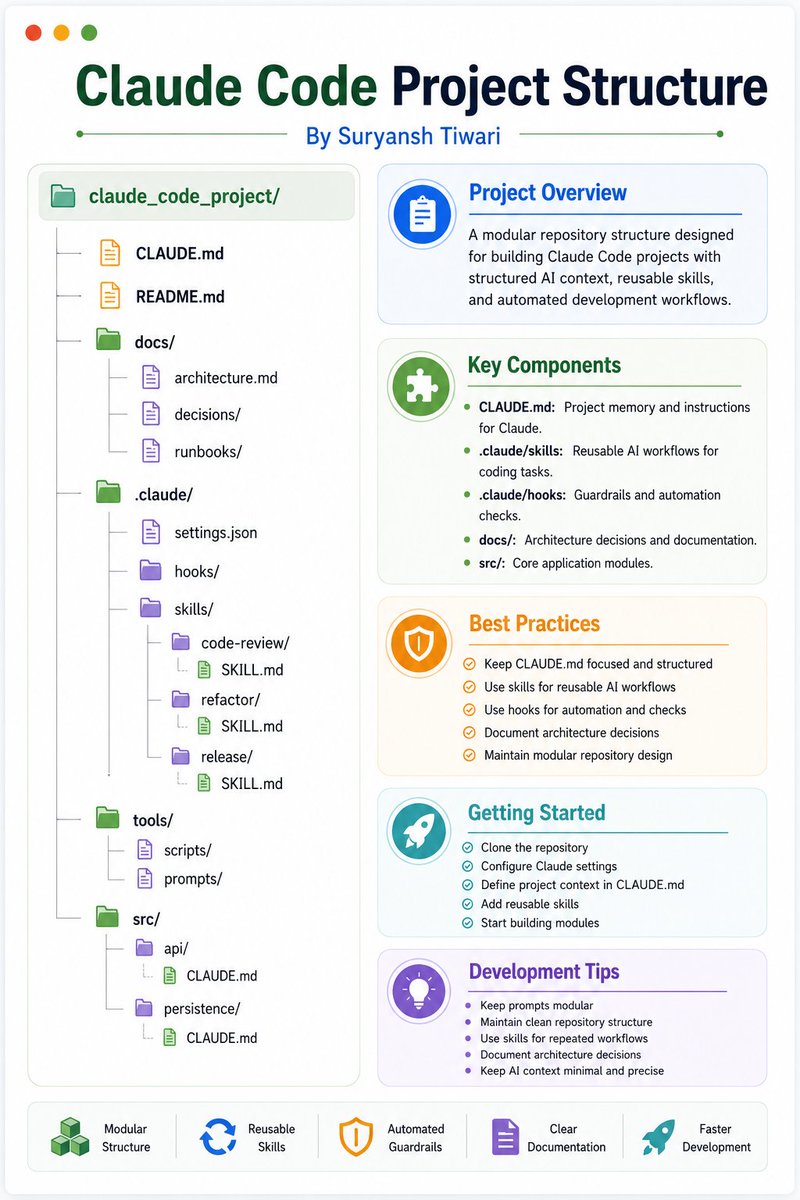
Most people think using Claude Code is about writing better prompts.
It’s not.
The real unlock is structuring your repository so Claude can think like an engineer.
If your repo is messy, Claude behaves like a chatbot.
If your repo is structured, Claude behaves like a developer living inside your codebase.
Your project only needs 4 things:
• the why → what the system does
• the map → where things live
• the rules → what’s allowed / forbidden
• the workflows → how work gets done
I call this:
The Anatomy of a Claude Code Project 👇
━━━━━━━━━━━━━━━
1️⃣ CLAUDE.md = Repo Memory (Keep it Short)
This file is the north star for Claude.
Not a massive document.
Just three things:
• Purpose → why the system exists
• Repo map → how the project is structured
• Rules + commands → how Claude should operate
If CLAUDE.md becomes too long, the model starts missing critical signals.
Clarity beats size.
━━━━━━━━━━━━━━━
2️⃣ .claude/skills/ = Reusable Expert Modes
Stop repeating instructions in prompts.
Turn common workflows into reusable skills.
Examples:
• code review checklist
• refactoring playbook
• debugging workflow
• release procedures
Now Claude can switch into specialized modes instantly.
Result:
More consistent outputs across sessions and teammates.
━━━━━━━━━━━━━━━
3️⃣ .claude/hooks/ = Guardrails
Models forget.
Hooks don’t.
Use hooks for things that must always happen automatically.
Examples:
• run formatters after edits
• trigger tests after core changes
• block sensitive directories (auth, billing, migrations)
Hooks turn AI workflows into reliable engineering systems.
━━━━━━━━━━━━━━━
4️⃣ docs/ = Progressive Context
Don’t overload prompts with information.
Instead, let Claude navigate your documentation.
Examples:
• architecture overview
• ADRs (engineering decisions)
• operational runbooks
Claude doesn’t need everything in memory.
It just needs to know where truth lives.
━━━━━━━━━━━━━━━
5️⃣ Local CLAUDE.md for Critical Modules
Some areas of your system have hidden complexity.
Add local context files there.
Example:
src/auth/CLAUDE.md
src/persistence/CLAUDE.md
infra/CLAUDE.md
Now Claude understands the danger zones exactly when it works in them.
This dramatically reduces mistakes.
━━━━━━━━━━━━━━━
Here’s the shift most people miss:
Prompting is temporary.
Structure is permanent.
Once your repository is designed for AI:
Claude stops acting like a chatbot...
…and starts behaving like a project-native engineer. 🚀
English

Claude Code ships with 5 architectural layers most engineers never open.
Not features. Not settings. Layers — each solving a distinct problem that LLMs alone can't solve. And four of them have nothing to do with prompting.
Here's the full Agent Development Kit:
Layer 1 — CLAUDE.md → The Memory Layer
Architecture rules, naming conventions, test expectations, repo map. Always loaded. Always active.
Two scopes:
• ~/.claude/CLAUDE.md → global
• .claude/CLAUDE.md → project
This isn't context you paste in before every session. It's context that never needs repeating. The agent's constitution.
Layer 2 — Skills → The Knowledge Layer
Each SKILL.md carries a description. Claude matches it at runtime and forks the skill into an isolated subagent. On-demand, never always-on.
Task-specific knowledge without inflating your main context window. Modular by design.
Layer 3 — Hooks → The Guardrail Layer
PreToolUse → PostToolUse → SessionStart → Stop → SubagentStop
This is the layer most teams skip. And the one they regret skipping first.
Hooks are NOT AI. They're deterministic event-driven shell commands.
• Auto-lint on every Write
• Hard-block on rm -rf
• Slack notification on Stop
Event fires → Matcher checks → Command runs
Quality enforced at the infrastructure level. Not the prompt level.
Layer 4 — Subagents → The Delegation Layer
Each subagent gets its own context window, model, tools, and permissions.
Main agent delegates down. Receives results up. That's it.
No infinite recursion — subagents can't spawn subagents. Main context stays clean. Hard boundaries by design.
Layer 5 — Plugins → The Distribution Layer
Bundle your skills + agents + hooks + commands into a plugin. One install. Whole team inherits the behavior.
Think npm packages — but for what your agent knows how to do.
Wrapping everything:
→ MCP Servers on the left (GitHub, databases, APIs, custom integrations)
→ Agent Teams on the right (parallel execution, message passing, shared permissions)
The 5-layer stack in one line:
CLAUDE.md sets rules → Skills provide expertise → Hooks enforce quality → Subagents delegate work → Plugins distribute to the team
Most production failures in agentic systems trace back to one missing layer.
Which one is the gap in your current setup?

English
Untapped Goldmine: YouTube Shorts
12 days 11.7M views. $16.7K in ad revenue
All I do? Cut trending long-form videos into short clips
AI handles editing + uploads
To get Simply:
1) Follow
2) Repost & Like
3) Comment "Shorts" that I can DM

English



This trader raked in a whopping $49,000 in profits in just two short weeks.
I've never seen a script on this level before.
His account balance is practically doubling every single day.
He started with just $500 in capital, plus a $20 Claude subscription.
I spent 10 hours completely breaking down his strategy:
He specializes in arbitrage plays on divergences between BTC spot prices and Polymarket odds,
then nails the precise close when the two converge back.
He doesn't need to predict the future at all—math formulas have already seen through everything.
He just reads the data accurately, then pockets the cash with ease.
One-click copy trading: t.me/PolyGunSniperB…
This system runs fully automated 7x24, pure passive earnings while you chill.
Giving This Free for 24 hours. To get it:
1. Comment the word 'Trade'
2. Like and Retweet this post
3. Follow me @hasan28d (so i can DM you)
English
How much YouTube pays you to start a faceless YouTube channel
1,000 views = $6
10,000 views = $60
100,000 views = $600
1,000,000 views = $6,000
10,000,000 views = $60,000
100,000,000 views = $600,000
To get it:
1. Follow (So I can DM You)
2. Like and Repost
3. Reply "Youtube"

English
48 Websites that'll pay you $200/hr for data entry jobs:
I have prepared a list of 48 Websites that'll pay you $200/hr for data entry jobs With Just a Smartphone or Laptop and Internet.
To get it for free :
1. Follow me ( So I can DM )
2. Like and Repost
3. Reply "Entry"

English
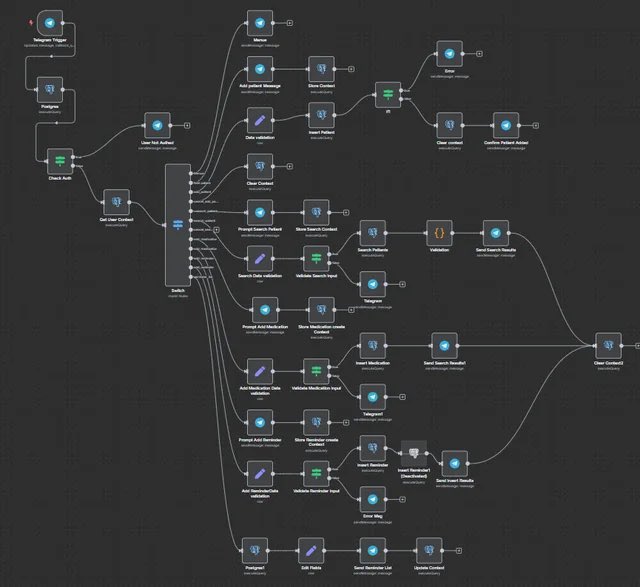
99% of the AI agent tutorials on YouTube are garbage.
I’ve built 47 agents with n8n and Claude.
Here are the 3 prompts that actually work (and make agent-building simple).
Bookmark this post
🔖
Bonus: comment "Agent: and I’ll DM you AI agent system prompt + full guide ↓
English
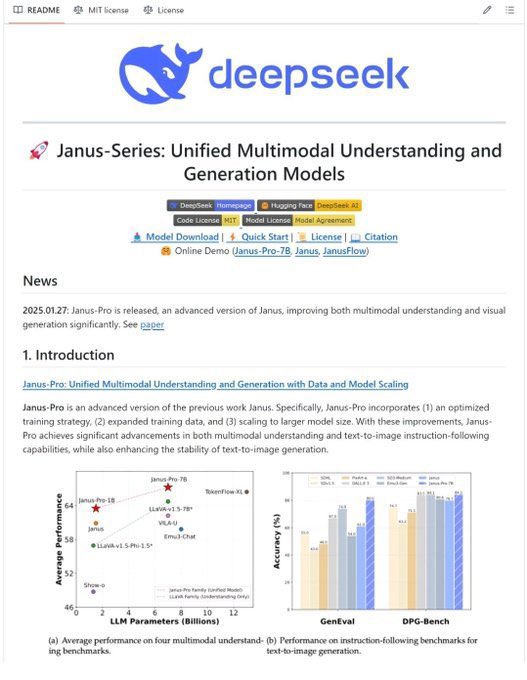
DeepSeek is a crypto money printer 🚨
I wrote a Bot, that's made me $35K from $100 last night.
This isn’t clickbait—just an AI Trading Bot powered by DeepSeek.
FREE for 24 hrs then deleted!
Simply,
1. RT
2. Like
3. Reply "DS" and Follow me and I'll send you a DM.
English
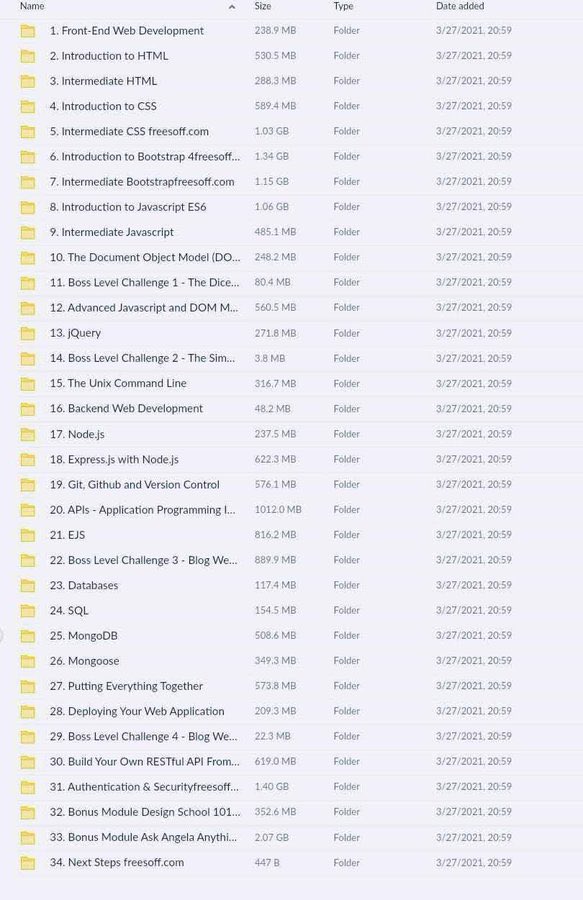
Full stack web development courses for free:
💻 HTML
💅 CSS
🚀 JavaScript
⚛️ React
💡 jQuery
🐙 Git & GitHub
🌐 APIs
⚙️ Node.js
📊 SQL
➕..and more!
To get it, just 48 Hours ⏰ -
1. Like & repost
2. Reply " COURSE "
3. Follow me (so that I can DM)
English