Laurent Michelon Officiel@LH_86_
The French atlanticist weekly Le Point, known for its editorial staff’s sinophobia, has been publishing biased articles for decades aimed at disparaging China.
This week, it published an article that combines accusatory inversion, ignorance of the history of China’s relations with the West and the Arab world, all delivered with its trademark lack of nuance, NATO-aligned bias, and Western condescension toward a country it still considers eternally indebted to the West.
China is accused by Le Point of “discrediting Europe and the United States” in the Arab media.
First, a remark on form: placing the blame for Arab criticism of Europe on China implies that Arab media are either incapable of formulating their own criticism or that they are under China’s thumb, just as Western media take their talking points from the Associated Press and Reuters/Bloomberg.
At its core, this accusation must be questioned: why would the Arab world need China to voice its discontent with Europe and its long list of collusions with the Anglo-American hegemon, of which it has become one of the most sinister lackeys? Defeaning silence on Palestine, on Lebanon, and on the plight of Christians in the region; co-belligerence in Ukraine; interventionism in Africa; the destruction of Libya and Syria; zealous participation in “coalitions of the willing”; complicity in Anglo-American adventurism in the South China Sea and Southeast Asia, etc.
The EU member states, having surrendered their foreign policy and diplomacy to Brussels, have discredited themselves by sacrificing their monetary, technological, and food sovereignty, and thus by fading from the challenges of the 21st century.
Negotiations on the future of the world involve China, the US and Russia. The EU waits for meeting minutes and pretends to want to propose a “Third Way,” to which the rapidly changing world no longer has time to devote.
The EU still believes it is living in a bipolar world, where a third way might be useful. But in a multipolar world, a third way is irrelevant. Sovereign states have to fight for a place at the table or end up on the menu.
Le Point laments that China’s image now enjoys a level of global popularity on par with that of the US, and attributes this success to “considerable efforts to nurture its soft power strategy [...] with quite spectacular results.”
Le Point and its NATO-affiliated researchers pretend not to understand what is behind Beijing’s public relations success: its BRI initiative, its neutrality in conflicts initiated by Washington and fanned by Brussels, its world-class diplomacy (to grasp the difference, listen to a speech by JN Barrot and Kaja Kallas, then another by Wang Yi), its total exemption from customs duties on products imported from Africa, and its visa-waiver policy (tourism and business) for a growing number of Western countries.
China has understood that the West would not let it exercise its Western-style soft power: Chinese cinema rendered almost invisible on Western screens, popular culture ignored, Confucius Institutes closed, etc.
So Beijing has come up with a soft power of its own : by throwing its doors wide open, China effortlessly dismantles the Disney-style narrative portrayed by Western media, and turns every tourist who returns home into an ambassador for China—or at the very least, into a debunker of Western media lies.
"But at what cost?", you may ask. Zero.
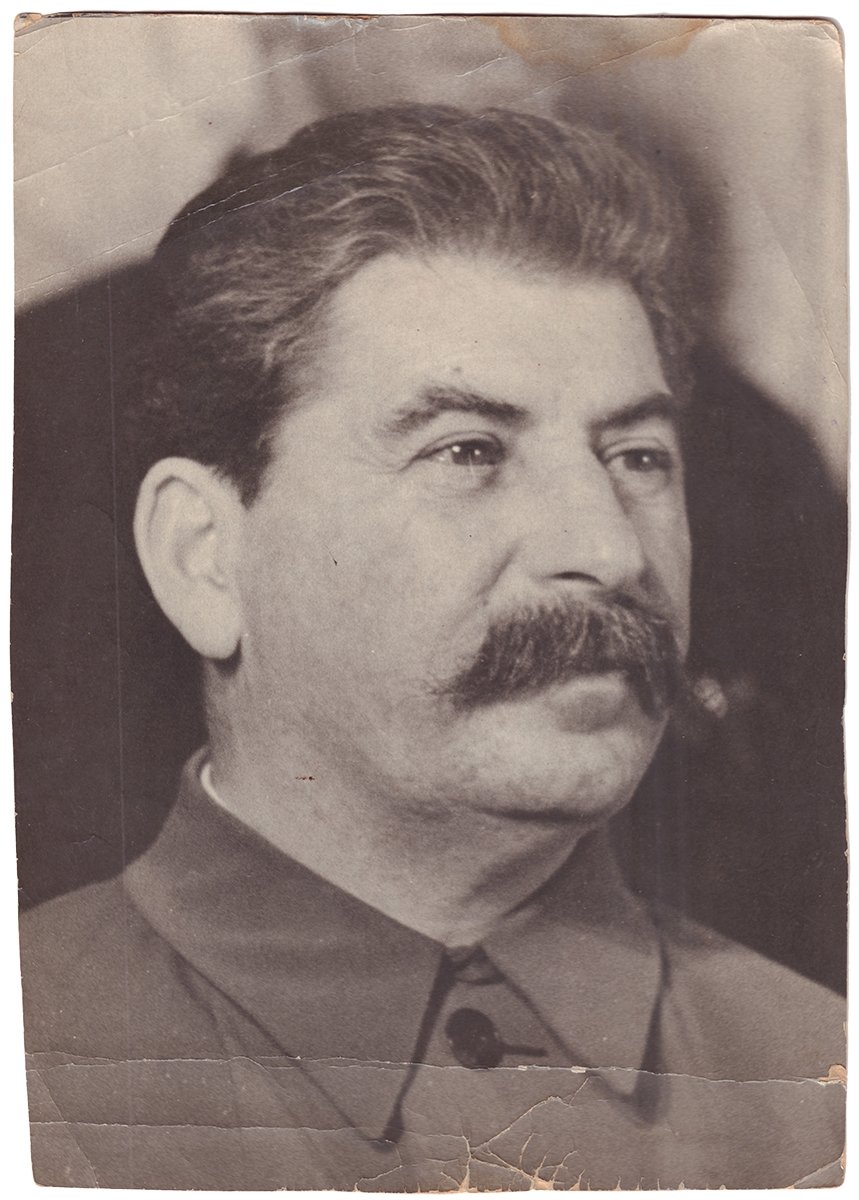
If the EU wants to counter the positive rise of China’s image among the European public a little more effectively, it should impose a travel ban on its citizens to China, thereby moving a little closer to the Soviet model it claimed to be fighting, but which it is in fact copying.