ARTistIXKO
289 posts

ARTistIXKO
@ARTistIXKO
Trying to convince you to stop scrolling and visit an art museum.
Katılım Ekim 2025
138 Takip Edilen45 Takipçiler
Sabitlenmiş Tweet

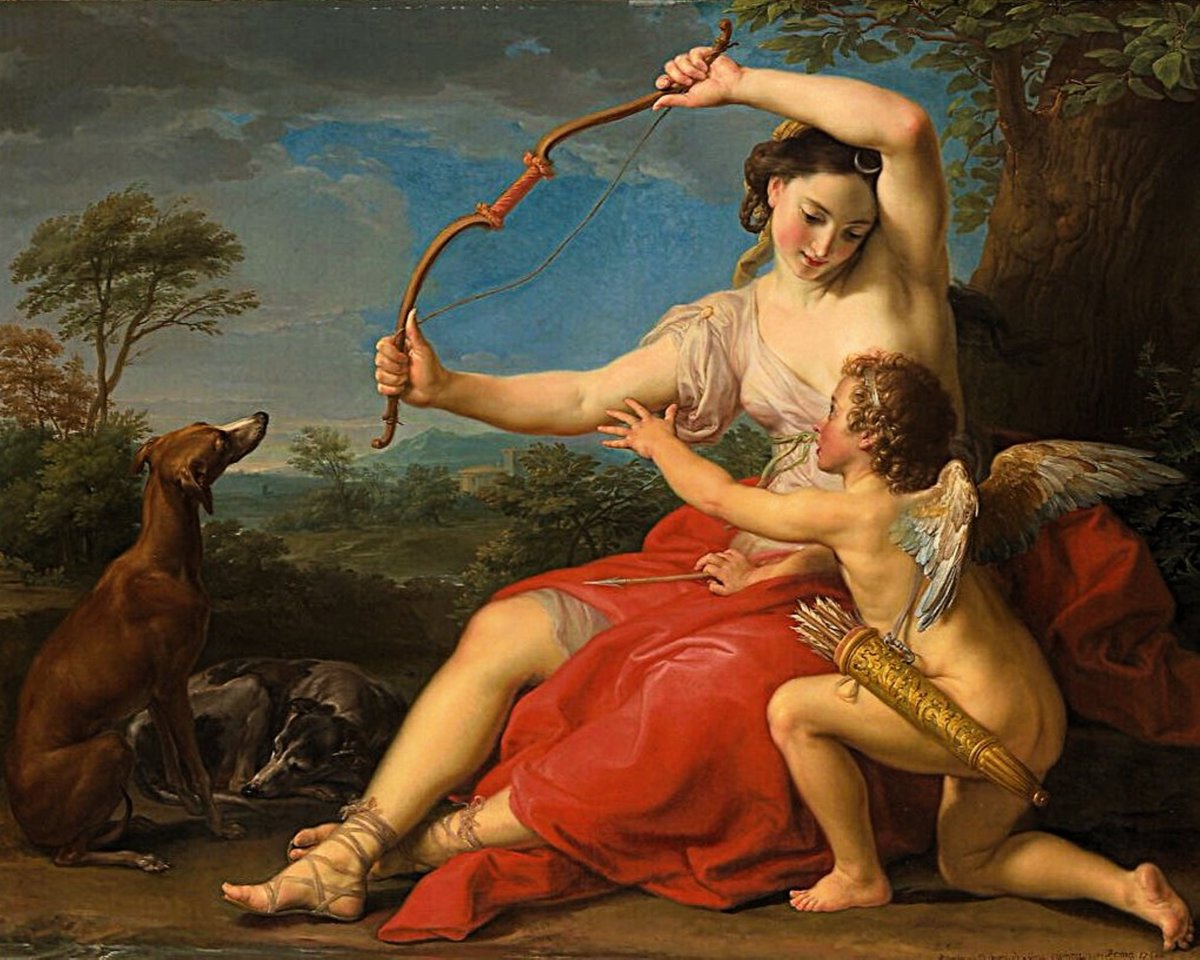
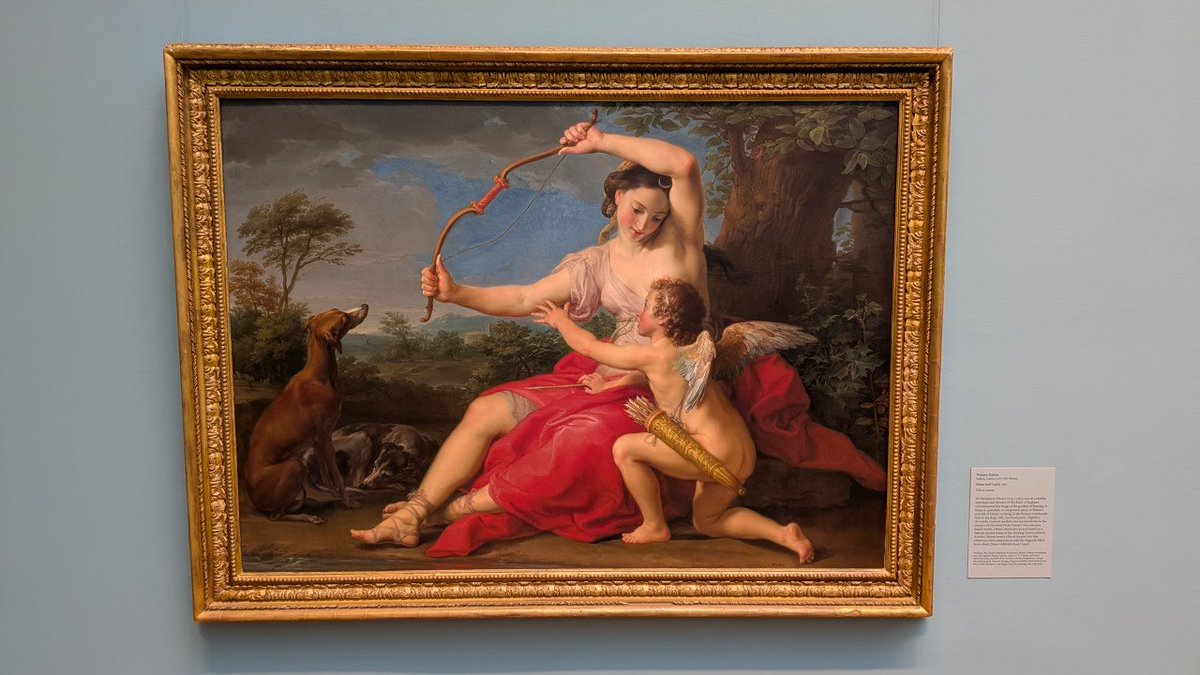
"Diana and Cupid", by Pompeo Batoni, 1761. Metropolitan Museum of Art, New York City @metmuseum metmuseum.org/art/collection… 🧵(2/2)

English

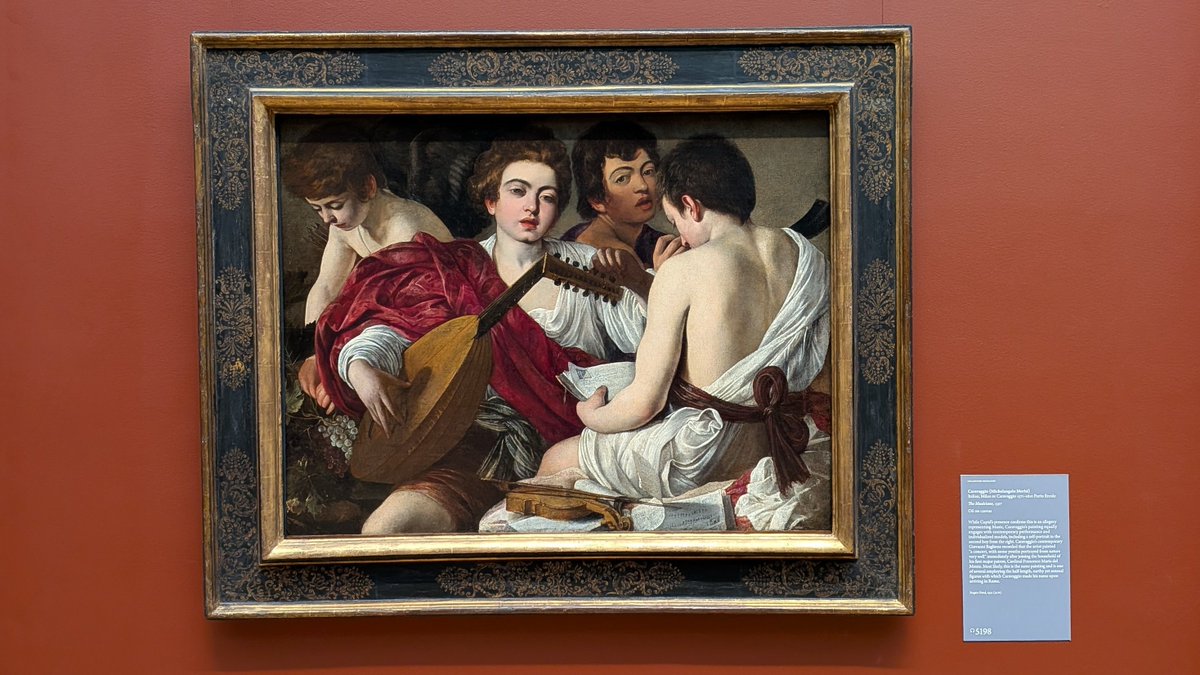
So amazing to think the level of history that comes out a single painting. Caravaggio, many times arrested for brawling, for writing offensive poems, for posession of illegal weapons, and senteced to death for killing someone, fleeing from Rome, and through all that becoming one of the finest painters the world has ever known. He painted himself on this painting, second from the right. He did the same on several more paintings throughout his life. "The Musicians" at one point belonged to Cardinal Antonio Barberini, and much later to Cardinal Richelieu. And now you can see this masterpiece at The Met. Do it. Do it now.

English


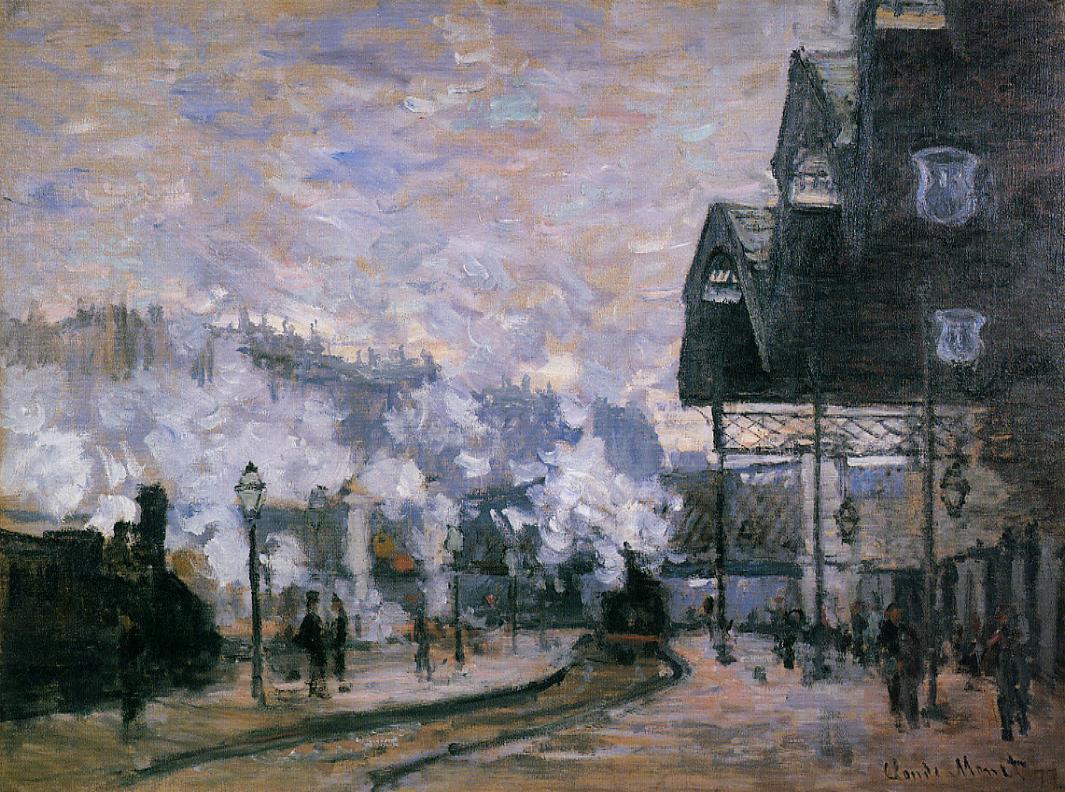
"Gare Saint-Lazare" was born 4 years after "Impression, Sunrise."
Monet moved to a tiny apartment in Paris to capture the modern, urban world.
But he was desperate.
The art market had crashed. Monet was drowned in debt and completely broke.
Behind the steam and iron, his personal world was collapsing.
His wife, Camille, was pregnant with their second child. She was also terminally ill, dying of cancer.
He painted the future of the world. While his own world was breaking apart


Impressions@impression_ists
"Impression, Sunrise" was born 3 years after "The Magpie." Monet was still broke. And the Paris Salon had rejected him for years. So he and a new generation of artists rebelled. They bypassed the elite system entirely. And launched their own independent exhibition. Critics mocked their raw style, dismissing the paintings as mere "impressions." Instead of backing down, they took it as a compliment. They proudly called themselves the Impressionists. The revolution exploded. The rest is history.
English

Shoes were an unusual subject to paint in Van Gogh’s time. 👞 Most artists painted elegant still lifes, often symbolising wealth. But Vincent was drawn to these objects that ‘bore the scars of life’. He even bought old work shoes at flea markets, walked through the mud in them, and only then considered them worthy of painting.
What do you see in this still life? Some see a disguised self-portrait. Others, a symbol of Van Gogh’s long journeys. Or perhaps he simply loved capturing their worn beauty.
🖼️ ‘A Pair of Shoes’, 1887 © Baltimore Museum of Art

English

@bijutsufan I had no idea this museum even existed until I found it by mistake when looking for the Harvard Museum of Natural History.


English

@alfredlanda @MuseeOrsay @PhillipsMuseum Que bueno que se te hizo verlo. Felicidades. Valió la pena la espera
Español

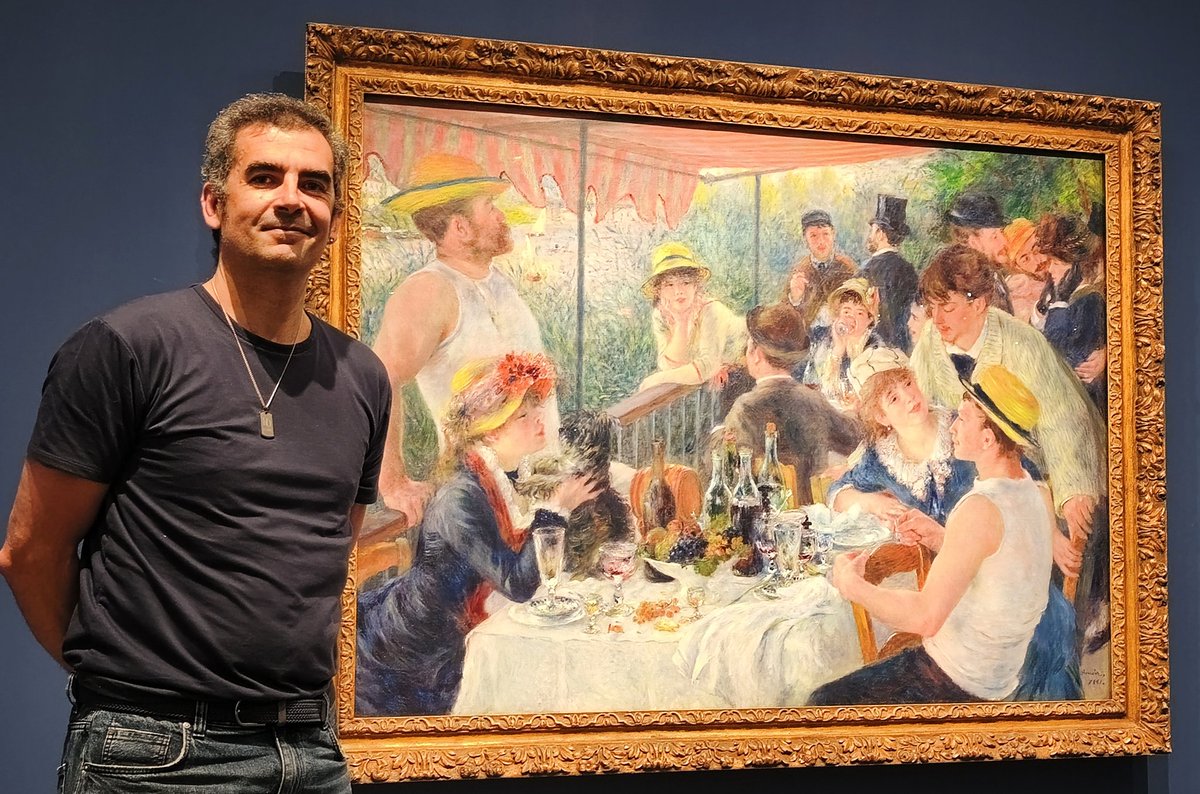
Por fin!!! Renoir en el @MuseeOrsay
El almuerzo de los remeros, 1881.
Procedente del @PhillipsMuseum de Washington👏👏👏👏👏👏

Español

@vangoghmuseum One of seven Van Gogh's on display at the Barnes. @the_barnes
English

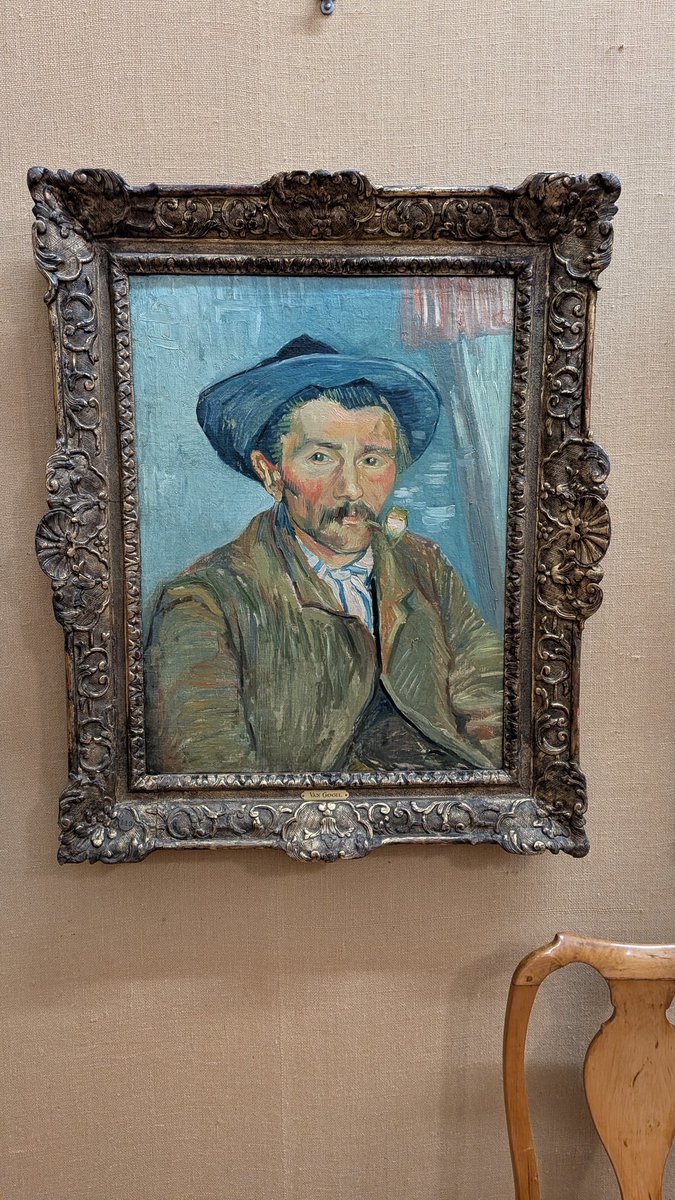
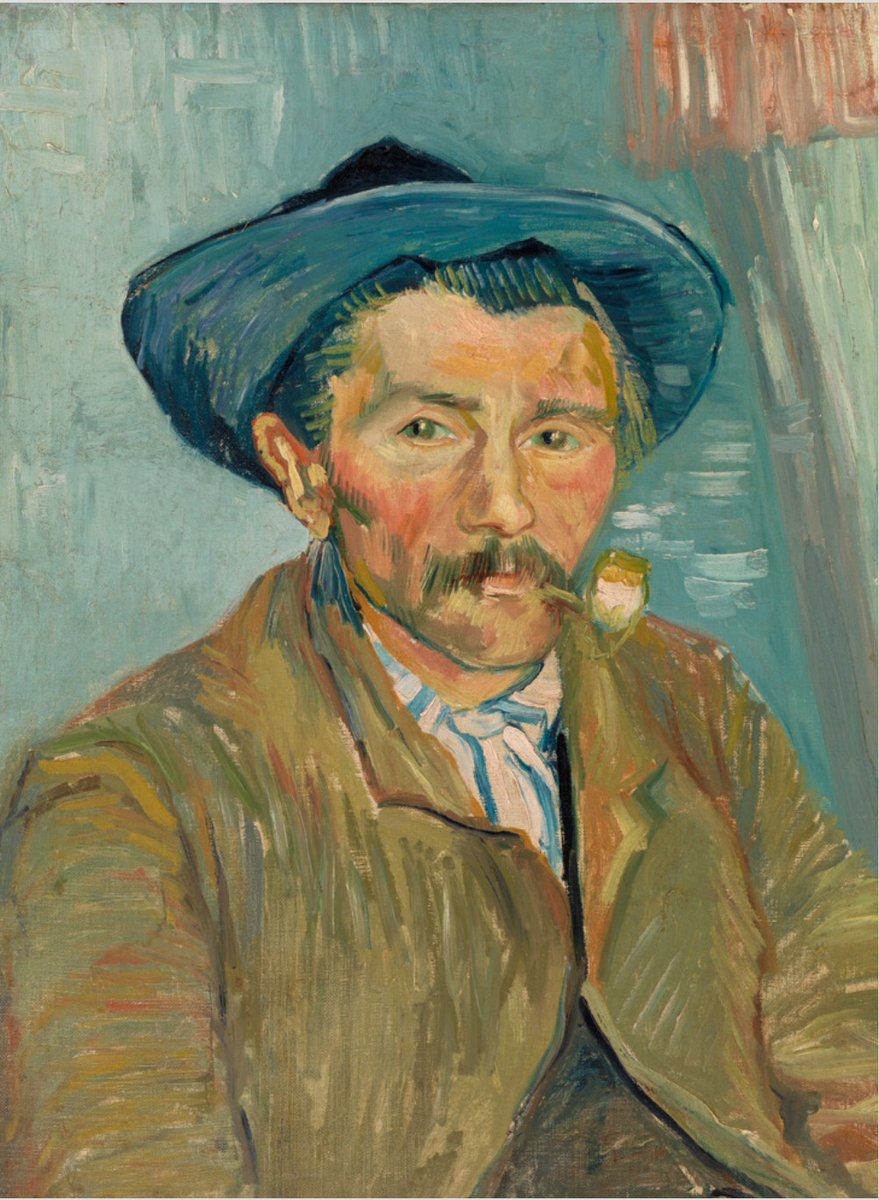
What do this painting and the weather have in common? Well... In this case, a red curtain!
Hanging in the top-right corner, the curtain likely wasn’t there for decoration. It was meant to keep the cold air out of the café. Even in Arles, in the South of France, winter still called for a bit of insulation.
🖼️ ‘The Smoker’, 1888 © The Barnes Foundation

English

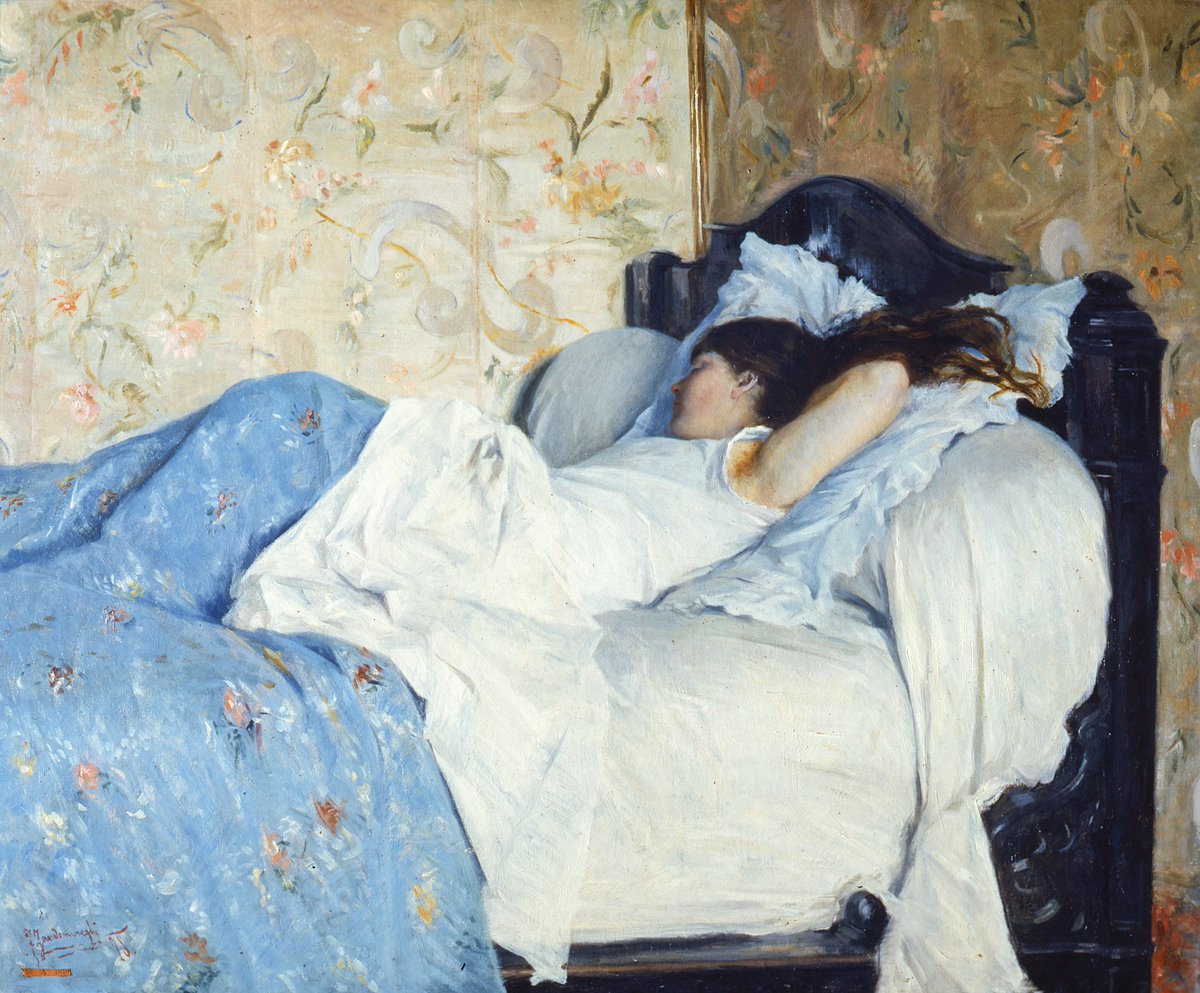
#Aprile dolce dormire.
È già giorno, eppure la fanciulla ritratta da Federico Zandomeneghi non vuole saperne di alzarsi dal letto. Lo suggerisce la posa pigra, propria di chi indugia ancora tra le braccia di Morfeo.
📷 A letto, 1878, Galleria d’Arte Moderna #PalazzoPitti

Italiano


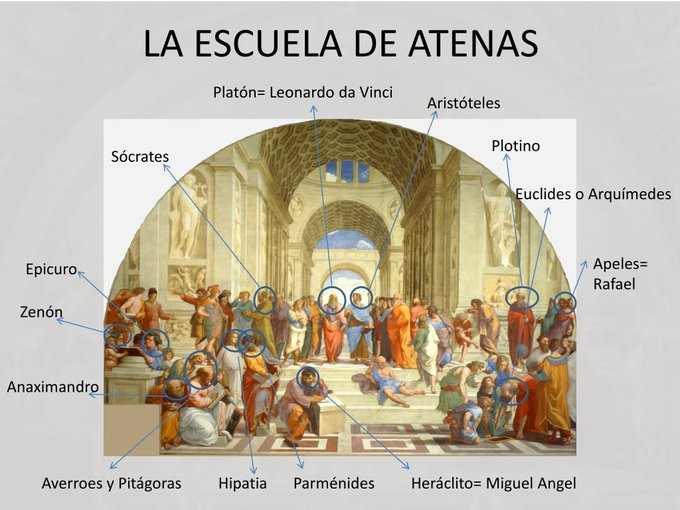
El "cartone" o dibujo que Rafael usó para la preparación de la pintura se encuentra en la Pinacoteca Ambrosiana, en Milan. Adquirido por el Cardenal Borromeo, se nota la ausencia de Heráclito, Rafael y Protógenes, así como el fondo arquitectónico. Compuesto por 210 piezas de papel pegadas, todas dibujadas por Rafael, y se usaba para calcar los dibujos en la pared. Cuando Napoleón Bonaparte entró a Milan en 1796, ordenó llevarse todas las obras de arte de valor, incluyendo ésta, al Louvre. Allá duró, hasta después de la derrota de Napoleón en Waterloo, y en 1816, se regresa esta obra a Milan.

Español


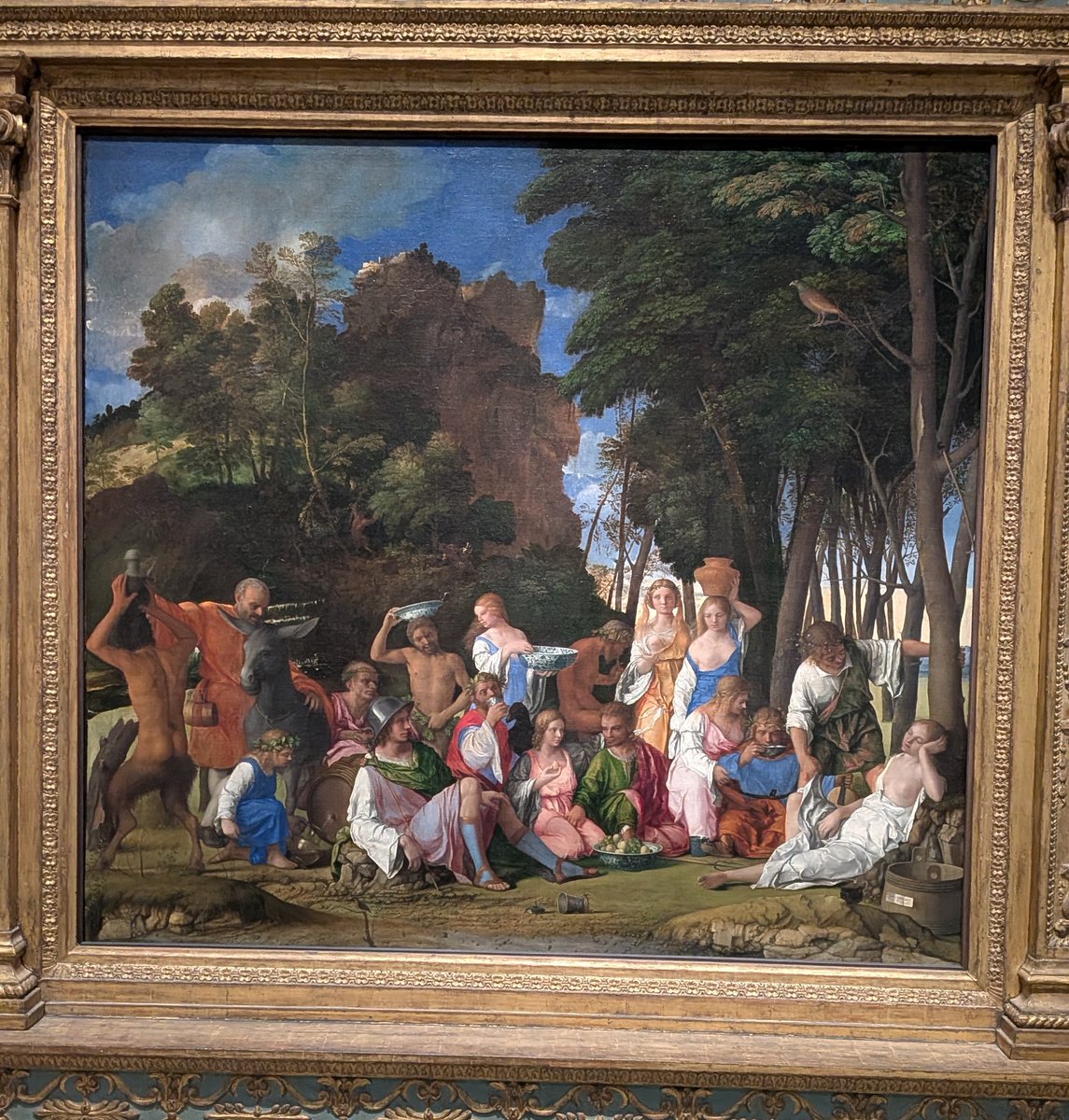
"The Feast of the Gods" or "Il Festino degli Dei" by Giovanni Bellini, 1514. At the National Gallery of Art, Washington D.C. @ngadc. Altered by Dosso Dossi and Titian after Bellini's death to better align with Titian's The Bacchanal of the Andrians at the Duke of Ferrara's camerini d'alabastro 🧵(2/2)
English