ASM

33.1K posts

ASM banner
ASM

ASM

@ASMicrobiology

Official account of the American Society for Microbiology. With over 38,000 members, ASM's mission is to promote & advance the microbial sciences.

Washington, DC Katılım Nisan 2011
281 Takip Edilen91.3K Takipçiler
ASM
ASM@ASMicrobiology·
Microbial communities at hydrothermal vents of the East Pacific Rise may form randomly, depending on which bacteria arrive first and the local environment. However, chemistry still plays a big role in shaping these communities. #JournalSpectrum: asm.social/2Rj
ASM tweet media
English
0
2
5
471
ASM
ASM@ASMicrobiology·
How can we design playgrounds with kids' microbiomes in mind? This #mSystems review synthesizes emerging research at the intersection of microbial ecology, child health and sustainable urban planning, with a focus on playgrounds. Read now: asm.social/2Ri
ASM tweet media
English
0
3
4
418
ASM
ASM@ASMicrobiology·
The S. aureus V8 serine protease is a master manipulator of the immune response. But what does it target? Using a high-efficiency N-Terminomic approach, researchers capture ~320 biologically relevant V8 targets in the human lung proteome. #IAIJournal: asm.social/2R9
ASM tweet media
English
1
5
20
1.4K
ASM
ASM@ASMicrobiology·
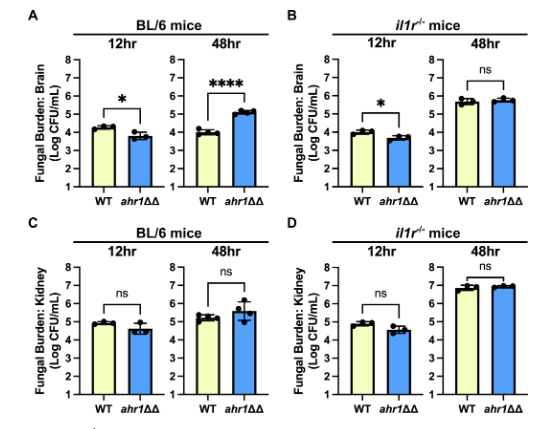
Certain chronic diseases can increase the risk of invasive fungal infections. However, how fungal infections contribute to the development or exacerbation of chronic diseases is less clear. This #ClinMicroReve article explores what we know: asm.social/2R8
ASM tweet media
English
0
24
41
2K
ASM
ASM@ASMicrobiology·
Although prokaryotic cells have complex cellular structures and behaviors and have had plenty of time to evolve complex multicellularity, they have never done so—why not? This article offers insights: asm.social/2R6
English
0
14
23
1.6K
ASM
ASM@ASMicrobiology·
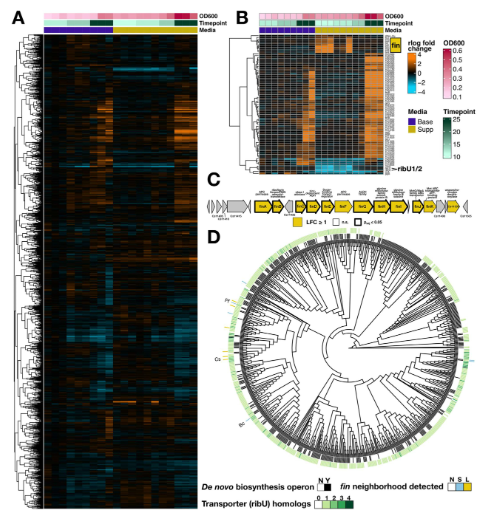
Ploidy is a key determinant of cellular physiology. This #JMBE article describes an upper-level undergraduate laboratory module in which students examine the relationship between ploidy and cell growth using high-throughput OD600 measurements. Read now: asm.social/2R5
ASM tweet media
English
0
2
5
730
ASM
ASM@ASMicrobiology·
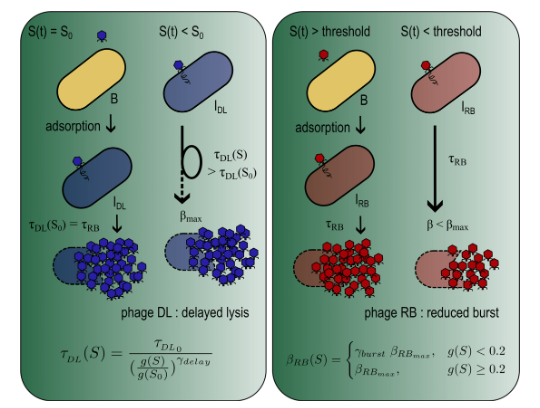
Dual membrane-spanning anti-sigma factor 1 (Dma1) increases OMV production in B. thetaiotaomicron. Meanwhile, Dma2 modulates vesiculation and the expression of select polysaccharide utilization loci targeting host-associated glycans. #JBacteriology: asm.social/2R4
ASM tweet media
English
0
2
7
687
ASM
ASM@ASMicrobiology·
Millions of women live with conditions like endometriosis, PCOS and fibroids—yet they remain widely overlooked. Advancing research, improving care and understanding the microbiome’s role are critical to closing the gap in women’s health. Read more! asm.social/2R1
English
0
3
7
613
ASM
ASM@ASMicrobiology·
While viral neutralization likely contributes to monoclonal antibody-mediated protection against herpes simplex virus, the ability for glycoprotein B-specific antibodies to mediate Fc domain-dependent effector functions is crucial. #JVirology: asm.social/2R0
ASM tweet media
English
1
3
8
849
ASM
ASM@ASMicrobiology·
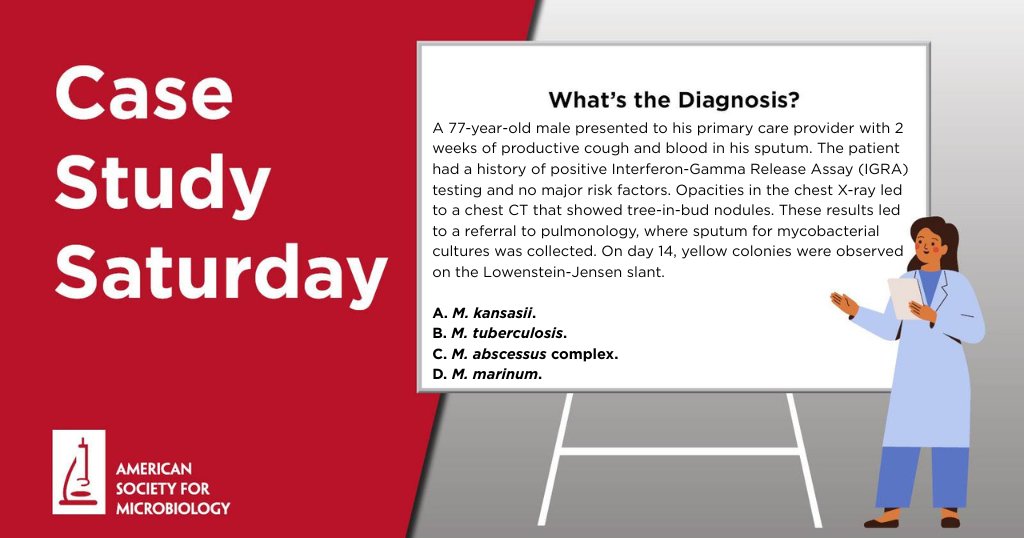
In #ASMCaseReports: a rare but severe presentation of systemic amyloid A (AA) amyloidosis occurring with pulmonary M. avium infection, suggesting a possible association between uncontrolled M. avium infection and systemic AA amyloidosis development. asm.social/2QZ
ASM tweet media
English
0
5
8
738
ASM
ASM@ASMicrobiology·
Postdocs and early-career researchers, this is for YOU! Join ASM’s FREE webinar, "Building Impact, Not Just CVs: Thriving with Limited Resources." 📅 April 7 | ⏰ 10–11 a.m. ET 💻 Virtual Register here: asm.social/2QY
ASM tweet media
English
1
6
15
1.3K
ASM
ASM@ASMicrobiology·
How do bacteria and fungi communicate? In #mBio, researchers we examine the intricate quorum sensing-based dialog between these 2 types of microbes, focusing on its role in microbial network assembly and ecosystem function. Read the review: asm.social/2QX
ASM tweet media
English
0
15
45
2.1K
ASM
ASM@ASMicrobiology·
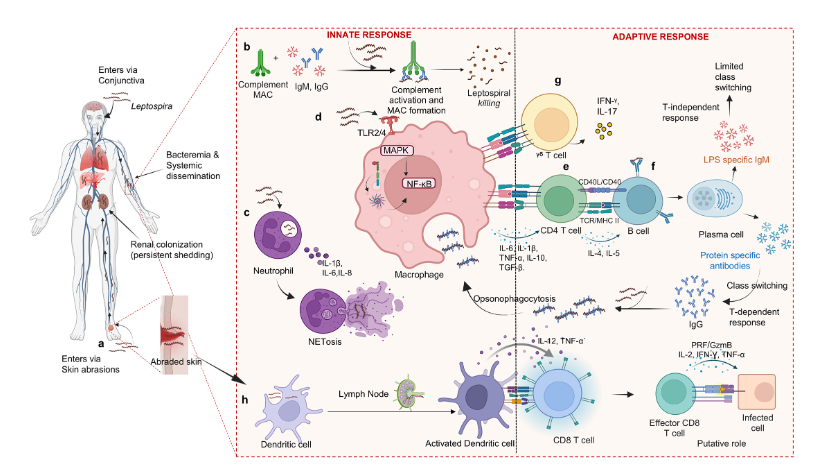
#MicrobiologyMonday: What does it mean to tolerate the microbiome?🦠 Researchers suggest that 3 different forms of tolerance can be recognized: 1️⃣Disease tolerance. 2️⃣Endotoxin tolerance. 3️⃣Immunological tolerance. Learn more in #mBio: asm.social/2QW
ASM tweet media
English
0
21
66
3.2K
ASM
ASM@ASMicrobiology·
Can coffee stunt your growth—or your microbiome? ☕️ Microbial Myths VI, 100-myth milestone! From lizard blood to gardening hacks and why you shouldn't wash raw chicken. See what’s science and what’s fiction! asm.social/2QU
English
0
4
6
944
ASM
ASM@ASMicrobiology·
Cell-free supernatant of Bifidobacterium longum FB1-4 disrupts MRSA’s antibiotic tolerance, biofilm formation and core metabolism in both food matrices and an in vivo model, highlighting its potential as a food preservative and therapeutic candidate. asm.social/2QS
ASM tweet media
English
0
2
11
1.1K
ASM
ASM@ASMicrobiology·
IrlS2-IrlR2, a previously uncharacterized 2-component system in Burkholderia pseudomallei, acts as a global regulator integrating biofilm formation, stress adaptation & virulence, highlighting its role in B. pseudomallei's pathogenic potential. #mSphere: asm.social/2QL
ASM tweet media
English
1
5
15
1.1K
ASM
ASM@ASMicrobiology·
Don’t miss the ASM Microbe 2026 Opening General Session—featuring Jennifer Doudna, Ph.D. and microbiome keynotes from Lawrence David, Ph.D., Joao Xavier, Ph.D. and Wendy Garrett. Register by March 18 to save up to $605 on registration. asm.social/2QJ #ASMicrobe
English
0
3
5
1.1K
ASM
ASM@ASMicrobiology·
📘Just published! "Pocket Guide to Clinical Microbiology, 5th Edition" by Christopher Doern and Alexandra Bryson is the go-to companion for clinical microbiology professionals. Order now from #ASMPress-Wiley: 🔗asm.social/2QG
ASM tweet media
English
0
2
10
975
ASM
ASM@ASMicrobiology·
While bacteria in nature experience flow, laboratory conditions typically omit flow. Using microfluidic technology, scientists discovered that flow sustains growth at glucose concentrations 1,000 times lower than traditionally observed. Read more in #mBio: asm.social/2QE
ASM tweet media
English
0
10
23
1.7K
ASM
ASM@ASMicrobiology·
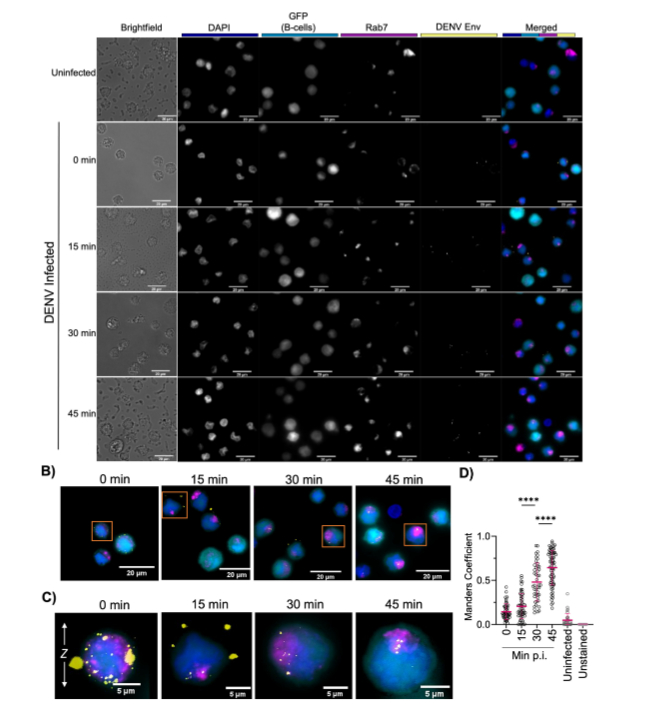
Many viruses exploit cell surface glycans, namely heparan sulfates & sialic acids, to enter host cells. These glycans are attractive targets for broad-spectrum antiviral strategies, but, as outlined in #JVirology, developing such therapies is challenging. asm.social/2QD
ASM tweet media
English
0
10
21
1.6K