ASYNSIS

23.5K posts

ASYNSIS banner
ASYNSIS

ASYNSIS

@ASYNSIS

Architect+Designer, Complexity Geometer, Sustainability Futurist, TEDx, #ASYNSIS: #FormFollowsFlow #SynPlexity #DesignToE - #MetaLoop #KatiThanda #TuvaluTenure

Sydney - Hong Kong - Shanghai - London Katılım Aralık 2011
5.1K Takip Edilen1.5K Takipçiler
ASYNSIS retweetledi
Amnesty International
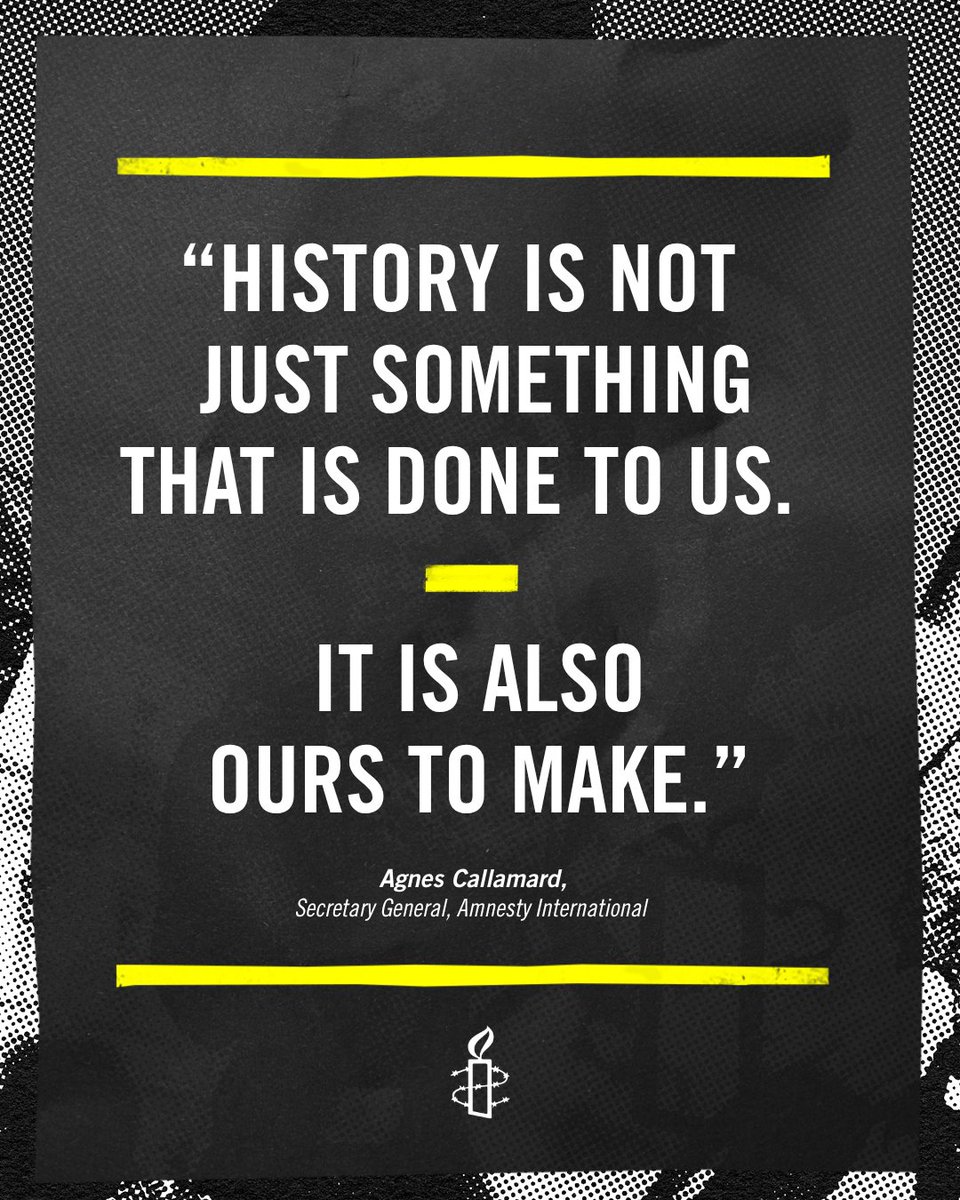
We’re entering a critical period for human rights. For years, Amnesty has warned about the erosion of protections around the world. What we’re seeing now goes further – a direct challenge to the foundations of the international system itself. The rules, institutions and legal frameworks designed to safeguard people are being weakened, and those who once championed them. But people are fighting back. We can and will resist. Our latest report examines what is driving this shift, and the consequences it is already having on people’s lives globally. #HumanityMustWin
Amnesty International tweet media
English
15
99
174
6.7K
ASYNSIS retweetledi
Ricardo
Ricardo@Ric_RTP·
OpenAI and Palantir are so terrified of this guy, they're spending millions to destroy him. There's a Democrat running for Congress in New York's 12th District named Alex Bores. Never heard of him? Well that's the point. 3 year state assemblyman. 30 bills passed. Co-author of the RAISE Act, the first real AI safety law in any major state. Soft bill. Basic transparency. Safety plans. Incident reporting. And for that, the AI industry has declared WAR on him. A Super PAC called Leading the Future has already dumped $2.5 million into destroying his campaign. Funded by Joe Lonsdale (Palantir co-founder), Greg Brockman (OpenAI co-founder), and Andreessen Horowitz. They've said they may spend up to $10 million. For a single House seat. But the money isn't the crazy part... The crazy part is what they've said OUT LOUD about why: They're trying to make him SUFFER so publicly that every future politician who even THINKS about regulating AI runs the other way. Bores' exact words: "They want to beat up on me so bad that when the idea of regulating AI comes up in the future, politicians run the other way." This is literally political deterrence. Terrorize one guy so brutally that Congress learns the lesson: Touch AI, end your career. Now here's where it gets really insane: Their main attack line is that Bores worked at Palantir "building ICE tech." And who funds the attacks? Joe Lonsdale. Palantir co-founder. The man who profits from ICE contracts is spending millions to attack a candidate for… once working at Palantir. But Bores QUIT Palantir in 2019 because executives refused to put anti-deportation guardrails into their ICE contracts after Trump's first election. He pushed internally. They said no. He walked. So the billionaire who funds deportation tech is spending millions to smear a candidate for working on deportation tech that the candidate actually tried to stop. You cannot make this up. And the question everyone should ask is: Why THIS guy? Bores isn't a radical. He's not anti-AI. Not Bernie Sanders. He's a moderate Democrat with a CS degree who passed the softest possible AI bill. Which is EXACTLY why Palantir and OpenAI are terrified of him. Because he proved something dangerous: You can actually pass AI regulation. It's not impossible. You just need one competent legislator who understands the tech and refuses to back down. Multiply that by 50 states and AI companies lose control forever. So they're not just attacking Bores the candidate. They're attacking the PROOF that AI regulation is possible. And they're doing it while OpenAI quietly publishes policy documents that ADMIT most of Bores' proposed regulations are reasonable. Third-party audits? They agree. Red-teaming? They agree. Kid safety provisions? They agree. They don't disagree with the substance. They disagree with the TIMING. They want regulation to come AFTER they've bought enough political power to write it themselves. That's what $2.5 million to destroy one assemblyman actually buys. Not an election. But a warning to every politician watching: If a first-term legislator with a soft bill can get buried under $10 million of attack ads, imagine what we'll do to you if you try to pass a real one. This is how industries capture democracy. With FEAR. And it's working. Members of Congress are already telling Bores in private: "We're watching this race. We want to see if this is an issue you can win on, or if money just swamps everything." Which basically means: Tell us if we're allowed to legislate on this. The crypto industry ran this exact playbook in 2024 through Fairshake. Hundreds of millions spent. Anti-crypto candidates destroyed. Congress rewritten. Now AI is running it at 10x the scale. Leading the Future: $125M raised. AI companies: $300M+ committed to the 2026 midterms. More than crypto spent in the ENTIRE 2024 cycle. All on one principle: Don't debate your critics. Destroy them so publicly nobody else dares become one. Palantir isn't scared of losing a House seat. OpenAI isn't scared of one guy's bill. They're scared of PRECEDENT. Because if Bores wins, the lesson Congress learns is that you CAN take on AI and survive. And that's the one lesson the industry can never afford them to learn. What's your take on this?
English
105
1.7K
2.8K
78.4K
ASYNSIS retweetledi
Kon Karapanagiotidis
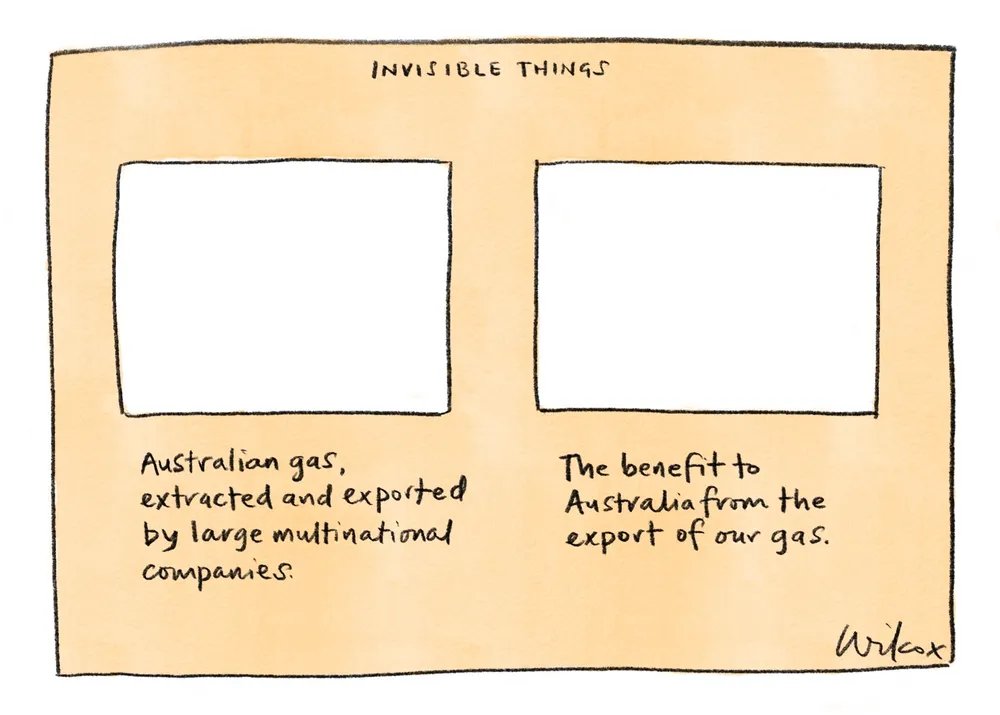
Utterly shameful, 160,000 Australians to be cut off the #NDIS, with $15 billion to be cut by 2030 from its annual projected budget. While we don’t tax foreign gas companies which would raise at least $17-$18 billion annually with a 25% levy. Help it make sense!
Kon Karapanagiotidis tweet media
English
491
124
333
32.3K
ASYNSIS retweetledi
Mr PitBull
Mr PitBull@MrPitbull07·
Every time a German Messerschmitt pilot wanted to escape a Spitfire on his tail, he did the same thing. He pushed the nose down. In a dive, the German engine kept running — it used fuel injection. The British Spitfire's engine cut out. For one and a half seconds the Merlin went dead, the aircraft shuddered, and by the time it caught again the German was gone. Worse: if a German was behind a British pilot and the British pilot dove to escape, the German could follow and keep shooting while the British engine was silent. Pilots were dying because of a carburetor. The engineers at Farnborough knew about the problem. They were working on a long-term solution — a redesigned carburetor that would take years to perfect and manufacture. A woman named Beatrice Shilling fixed it with a washer. She was born in Hampshire in 1909 and was the kind of child who spent her pocket money on Meccano sets and tools. At fourteen she bought her first motorbike. Her mother, with the inspired instinct of someone who understood what her daughter actually was, found the Women's Engineering Society and arranged an apprenticeship at an electrical firm. She went to Manchester University — one of the first two women ever to study engineering there — graduated with a degree in electrical engineering, stayed another year for a master's in mechanical engineering, and in 1936 joined the Royal Aircraft Establishment at Farnborough as a scientific officer. By the late 1930s she was one of the best carburetor engineers in Britain. She was also one of only three women to hold the British Motorcycle Racing Club's Gold Star — awarded for lapping the Brooklands racing circuit at over 100 miles per hour on a motorcycle. She had reportedly told her future husband, an engineer named George Naylor, that she wouldn't marry him until he earned his own Brooklands Gold Star first. He earned it. They married in 1938. The problem with the Merlin was specific and lethal. The SU carburetor used a float chamber to regulate fuel flow. Under negative g-forces — the forces experienced in a sudden dive — the fuel flooded to the top of the float chamber and starved the engine for 1.5 seconds. Just enough time for a German pilot to turn the tables entirely. The RAF had known about this since the Battle of France. The formal solution — a redesigned pressure carburetor — was in development but wouldn't be ready for years. Shilling was thirty-one years old, working in carburetor research, and she designed a fix in weeks. A brass thimble with a precisely calibrated hole in the center — later simplified to a flat washer — fitted inline in the fuel line just before the carburetor. It restricted maximum fuel flow to just enough to prevent flooding without cutting off power. The key breakthrough: it could be fitted without taking the aircraft out of service. No downtime. No factory return. The old guard at the RAE looked at it and called it a plumbing fix. They called her a plumber. The first batch of 5,000 units was made by a Birmingham firm that normally manufactured plumbing fixtures, which they found embarrassing. The RAF pilots who flew Spitfires with Messerschmitts on their tails called it something else. They called it Miss Shilling's Orifice. With deep affection. By March 1941 she had organized a small team and was personally touring RAF fighter stations across England — traveling between bases on her old racing motorcycle — fitting the device to every Merlin engine they could reach. Squadron leaders all over the country were demanding installations. The word spread faster than the official channels could keep up with. The Germans noticed. They couldn't explain why British fighter pilots had suddenly started following them into dives. They were baffled by the new aggression. They didn't know about the washer. (More story replies)
Mr PitBull tweet media
English
114
1.2K
6.3K
455.8K
ASYNSIS retweetledi
Niall Ferguson
Niall Ferguson@nfergus·
Let me walk you through the events of the war so far: 1. The United States and Israel tried regime change; it didn’t work. Or rather, they got regime change—Iran became an Islamic Revolutionary Guard Corps–led military dictatorship. That was not an improvement. 2. The U.S. won an overwhelming military victory with air and naval power and scarcely a boot on the ground. But it destroyed less of Iran’s missile- and drone-launching capabilities than at first appeared. 3. Then there was a hostage crisis. Iran took both the Gulfies and the Strait of Hormuz hostage. The result was a massive economic shock for the world that required a rapid resolution. 4. The choice was between 1) military escalation (boots on the ground or strikes on Iranian infrastructure), and 2) a diplomatic deal. Trump chose 2. 5. In Islamabad, the U.S proposed big economic concessions in return for some kind of change in the status of Iran’s enriched uranium stockpile, as well as the reopening of the strait. Contrary to the president’s social media feed, the Iranians did not accept. 6. In any case, the devil of any deal will be in the details, not the Truth headline. (When the small print finally comes out, every former Obama and Biden official will be ready to tell The New York Times that it’s worse than the 2015 Joint Comprehensive Plan of Action.) 7. Meanwhile, the Iranians have survived regime change and discovered that closing the strait is just as powerful a lever in economic warfare as they had always hoped. It’s not, despite the Russian quip, an “economic nuke,” because unlike a nuclear weapon you can use it. 8. Where we go from here is fairly predictable. I would be surprised if Trump now deploys ground forces. There will be more negotiation, so Islamabad, here we come. There may have to be more bombing, if the Iranians dust down the North Vietnamese playbook of stringing the U.S. negotiators along. And the final compromise will take longer to be agreed upon than Mr. Market currently believes. The consensus in prediction markets is this will be over by the end of May, but remember: It took Henry Kissinger more than four months to get the 1973–1974 oil embargo lifted.
English
577
797
4K
1.6M
ASYNSIS retweetledi
NASA History Office
NASA History Office@NASAhistory·
“We came all this way to explore the Moon, and the most important thing is that we discovered the Earth.” –Bill Anders When the Apollo 8 crew captured the Earthrise photo on Dec 24, 1968, we got to see our home from a new perspective: an oasis in the desolate vastness of space.
NASA History Office tweet media
English
62
686
4.5K
105.8K
ASYNSIS retweetledi
Larissa Waters
Larissa Waters@larissawaters·
Taking from disabled people to give to people in aged care is a cynical political exercise from Labor. Pitting people who genuinely need care against each other while leaving $17 billion in the pockets of gas corporations they’re too cowardly to tax is shameful.
English
115
364
1.1K
16.6K
ASYNSIS retweetledi
Keep it Real
Keep it Real@melaniedoak·
People with disabilities will be dying because these cunts don’t want to pay tax.
English
28
185
510
6.7K
ASYNSIS retweetledi
ASYNSIS retweetledi
Roshan Rinaldi
Roshan Rinaldi@Roshan_Rinaldi·
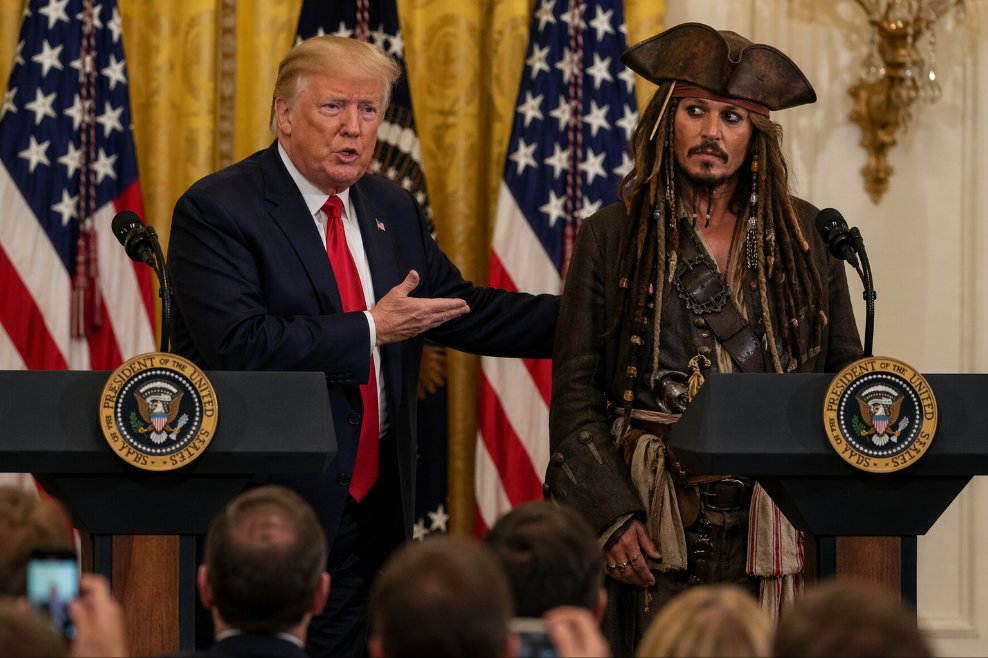
JUST IN: Trump announces alliance with Jack Sparrow to help blockade the blockade of the blockade of the Strait of Hormuz
Roshan Rinaldi tweet media
English
763
5.8K
29.7K
1.8M
ASYNSIS retweetledi
Larissa Waters
Larissa Waters@larissawaters·
Australians are sick of the government working for the 1% - including the greedy gas corporations who don’t pay their fair share. A 25% gas export tax could raise $17 billion a year to fund cost of living relief - that’s what we need to see in Labor’s Budget, not NDIS cuts.
English
300
699
2.2K
31.3K
ASYNSIS
ASYNSIS@ASYNSIS·
@NickBryantNY We are talking about ex-News Corpse, hand-me-down hacks here Nick.
English
0
0
0
74