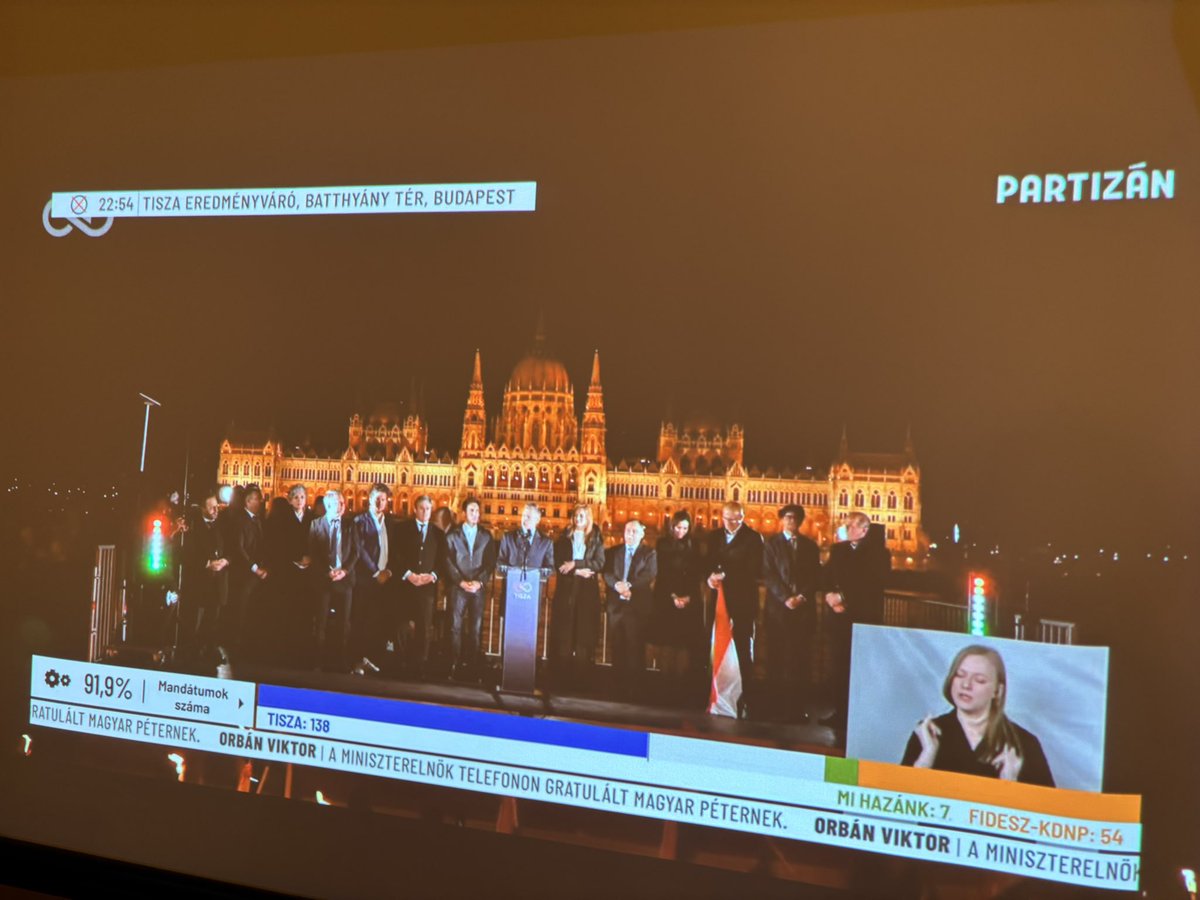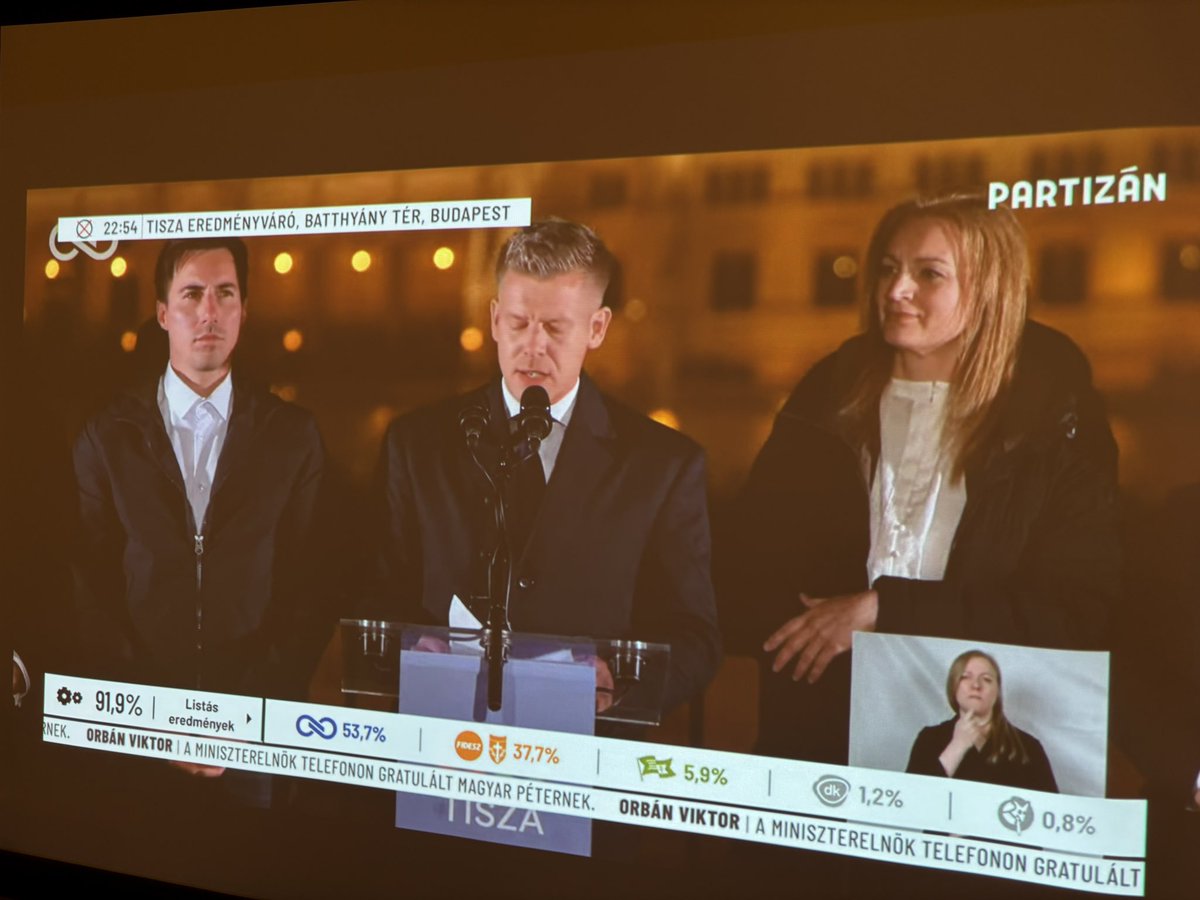
Die Ungarinnen und Ungarn haben für den politischen Wandel gestimmt und Tisza, Péter Magyar und seinem Team die Instrumente für die Umsetzung in die Hand gegeben. What a time to serve in 🇭🇺!
🌱 Gärtnern ohne Chemie – ganz einfach!
Die Broschüre „Naturnaher Hausgarten“ zeigt, wie #Garten, Balkon & Terrasse nachhaltig gepflegt werden können – mit natürlichen Methoden & Nützlingen. 🐝🌼
👉 Jetzt kostenlos downloaden: bit.ly/3Qezd5L#Artenvielfalt
Ende letzten Jahres ist der Germanist Helmut Göbel gestorben. Neben seinen Studien sind seine Kommentare in der Lessing-Ausgabe des Hanser-Verlags bis heute ungemein lesenswert. Er war auch ein wunderbarer Lehrer und Kollege. amor-und-die-buecher.de/wp-content/upl…
Am Sonntag wählt #Ungarn ein neues Parlament. Wir haben uns angesehen, wie die ungarische Community in Österreich seit dem EU-Beitritt gewachsen ist. ⤵️
Conosci l'Estense Digital Library?
📚I cataloghi sono strumenti fondamentali per musei, biblioteche e archivi: organizzano, raccontano e rendono accessibili collezioni preziose, fragili e per questo non sempre fruibili al pubblico. Oggi, grazie al digitale, questa barriera può essere superata: così nasce il progetto di digital humanities di Estense Digital Library, realizzato da Gallerie Estensi con il supporto di Fondazione Modena nell’ambito di AGO Modena Fabbriche Culturali.
L'obiettivo? Condividere online migliaia di opere - tra manoscritti, libri, mappe, lettere e disegni - molte delle quali normalmente non visibili perché conservate nei depositi.
Non si tratta solo una biblioteca digitale, ma di uno spazio aperto alla ricerca e alla collaborazione, dove anche i dati incompleti diventano un’opportunità per studiosi e appassionati di contribuire a nuove scoperte.
🔎 Con una semplice parola chiave puoi esplorare un catalogo unificato che riunisce fonti diverse e offre una fotografia aggiornata dello stato degli studi.
📖 Puoi sfogliare le opere pagina per pagina in alta definizione.
🌍 Grazie al protocollo IIIF, le collezioni dialogano con quelle di altre importanti biblioteche nel mondo.
Ad oggi sono disponibili oltre 125.000 opere della Biblioteca Estense Universitaria e, tra queste, anche l' Autografoteca Campori, raccolta di autografi formata dal marchese Giuseppe Campori nella seconda metà del XIX secolo.
👉Scoprile tutte sul sito di EDL!
edl.cultura.gov.it
Did you know that German soldiers and civilians wrote mainly in Kurrent script well into the 20th century? Here's a page from the notebook of Ludwig Wittmann, who was wounded on 4 October 1917 and taken prisoner. 🔍 Can you decipher this handwriting?
Next month sees the start of our Spring online lecture series, with a programme of top historians talking on aspects of the mind-1600s. Talks are held on Zoom and recorded for any ticket holders who can't watch live - more details at: cromwellmuseum.org/events/cromwel…
If you're 18, you can travel across Europe for free.
With DiscoverEU, young people can apply for a travel pass to explore Europe for up to 30 days.
8–22 April 2026 📅
Apply: youth.europa.eu/discovereu
🇭🇺 Készült egy búcsúvideót a NER-nek!
Nézzétek meg, mert zseniális! Én könnyesre röhögtem magam. Hatalmas pacsi a készítőnek! 😁👍👏 SZDJMK videója.
🇵🇱 Powstało wideo pożegnalne dla NER-u!
Obejrzyjcie je, bo jest genialne! Uśmiałem się do łez. Wielka piątka dla twórcy! Film od SZDJMK. 😁👏
#magyar2026#Tisza2026
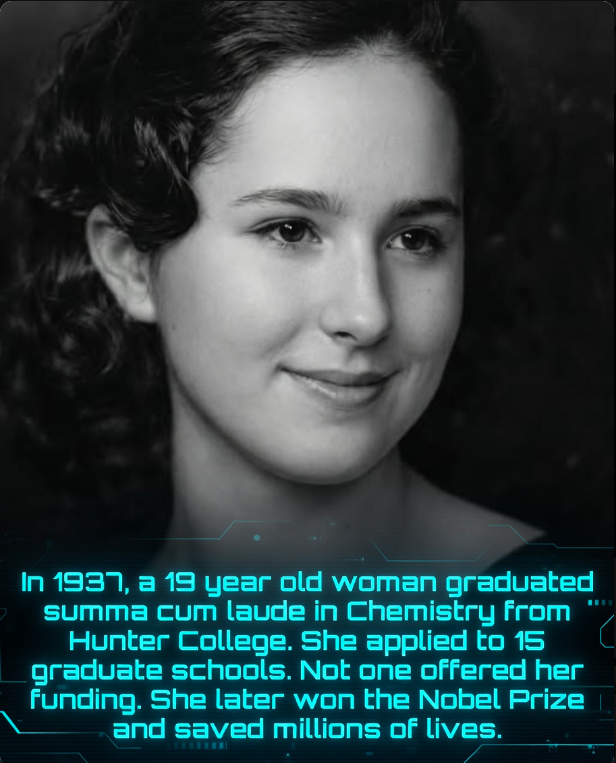
In 1937, at just 19 years old, Gertrude Belle Elion graduated summa cum laude in chemistry from Hunter College. Despite her outstanding academic record, she was rejected by all 15 graduate schools she applied to — simply because she was a woman. Laboratories at the time openly refused to hire or fund female researchers.
Motivated by the painful loss of her grandfather to cancer, Elion refused to give up. During World War II, she joined Burroughs Wellcome (now part of GSK), where she collaborated with George Hitchings to pioneer a revolutionary approach called rational drug design. Instead of relying on trial and error, they studied the biochemistry of diseased cells to create targeted, precision medicines.
When forced to choose between pursuing a traditional PhD or continuing her groundbreaking laboratory work, Elion chose the lab. She never earned a doctorate during her career.
Her persistence paid off in ways that transformed human health. Elion developed:
· 6-mercaptopurine (6-MP) — the first effective treatment for childhood leukemia
· Azathioprine (Imuran) — which made organ transplantation possible by suppressing immune rejection
· Acyclovir (Zovirax) — the first selective antiviral drug, proving viruses could be targeted specifically
Her research also laid the foundation for early HIV treatments. In 1988, Elion was awarded the Nobel Prize in Physiology or Medicine (shared with Hitchings and Sir James Black), becoming one of the few Nobel laureates to receive the honor without a PhD.
Gertrude Elion’s story is a powerful reminder that brilliance and determination can overcome systemic barriers — and one person’s refusal to be stopped can save millions of lives.