
ACT New Zealand

10.2K posts

ACT New Zealand banner
ACT New Zealand

ACT New Zealand

@actparty

Authorised by C Purves, 27 Gillies Ave, Auckland.

New Zealand Katılım Şubat 2009
744 Takip Edilen24.4K Takipçiler
Sabitlenmiş Tweet
ACT New Zealand
ACT New Zealand@actparty·
Confirmed: Election Day 2026 is 7 November. Our last two election results were ACT’s best ever, and we’re ready to do it again. We’re proud of our record, driving change in Government. This election we’ll be giving Kiwis a clear choice: Party Vote ACT to avoid the reds and greens, without settling for beige. As usual ACT will honestly and fearlessly tell it like it is. New Zealand is the most successful society in history, but we’re selling ourselves short. When we avoid hard issues in our polite Kiwi way, it’s the battlers who suffer. Kiwis are people who came to these islands for a better tomorrow. We are adventurous, pioneering people by nature, or we wouldn’t be out here. Bureaucracy, red tape, and identity politics are kryptonite to our ambitions. ACT has proven it can shrink Government waste, cut through red tape, and get better performance for the taxpayer dollar. We can also drive the hard conversations about who we are as a country. We’ve also proven we can work collegially and effectively with our partners in coalition. In everything from youth justice to medicines, we have delivered. ACT provides the full package for voters who rightly fear the Labour-Green-Māori menace, but also want faster action on waste, red tape, and pride in our country.

ACT New Zealand tweet media
English
170
22
271
10.7K
ACT New Zealand
ACT New Zealand@actparty·
𝗕𝘂𝘀𝘁𝗲𝗱: 𝗨𝗻𝗶𝗼𝗻 𝗻𝗮𝗿𝗿𝗮𝘁𝗶𝘃𝗲 𝗳𝗮𝗹𝗹𝘀 𝗮𝗽𝗮𝗿𝘁 𝗮𝘀 𝗰𝗵𝗮𝗿𝘁𝗲𝗿 𝘀𝗰𝗵𝗼𝗼𝗹 𝗲𝗻𝗿𝗼𝗹𝗺𝗲𝗻𝘁 𝗯𝗼𝗼𝗺𝘀 “New data on charter school enrolments confirms what many parents already knew, when you give families more choice, they take it,” says ACT Education spokesperson Laura McClure. “Rolls in the first seven charter schools have more than tripled. Across the network, 1,471 students are now enrolled in 16 schools. Families are actively choosing something different, and in many cases they’re joining waitlists to do so. “The unions’ claims about charter schools costing $90,000 per student per year have also been put to bed. “The Charter School Agency has modelled per-student costs using the same formula the Ministry of Education applies to state schools. On that basis, charter schools are cheaper. “In 2024, the average state primary school received $8,762 per student. A same sized charter primary school receives an estimated $8,278. For secondary students, state schools received $11,040 per student, while same sized charter secondary schools received an estimated $10,741. “Despite that, unions have been claiming charter schools are the world’s most expensive education. “Instead of fronting up to the facts, they’re muddying the waters with misleading claims. It seems like they’ll do anything to deny that charter schools are working. Even using their own flawed methodology, they’ve overstated per-student funding by 700%, ignoring roll growth and relying on outdated figures. “This debate should be about what works for students, but unions are busy defending their monopoly on how schooling is run. “The teachers’ unions’ biggest fear is that charter schools will succeed. They take a cut of teachers’ salaries to negotiate collective agreements, and they know charter schools sit outside those agreements. “That means charter schools can reward great teachers and move on from poor performance. For unions, that’s a direct threat. “They should just be honest about it. Their opposition isn’t about students, it’s about protecting membership fees and holding onto their grip over the education system. “Parents are voting with their feet because too many students haven’t thrived in a one-size-fits-all model. Charter schools give communities room to try something different, while still being held to clear expectations. “Charter schools have the freedom to run things differently, but they’re also expected to show results. If they fall short, there are consequences. “You can argue about the policy, but you can’t ignore what’s happening on the ground. Families are choosing environments that better suit their children, whether that’s more structure, a different culture, or a new approach to learning. Cherry-picked numbers won’t change that. “ACT wants an education system that works around students, not one that expects students to fit the system. That means backing parents, supporting new approaches, and focusing on what actually helps kids learn. “The growth we’re seeing is coming from communities themselves. The next step is making sure more families have access to options that work for their children.”
English
2
3
26
698
ACT New Zealand
ACT New Zealand@actparty·
The unions’ claims about charter schools costing $90,000 per student per year have been put to bed. In 2024, the average state primary school received $8,762 per student. A same sized charter primary school receives an estimated $8,278. Read the full release below 👇
ACT New Zealand tweet media
English
25
25
200
5K
ACT New Zealand
ACT New Zealand@actparty·
𝗪𝗮𝘆𝗻𝗲 𝗕𝗿𝗼𝘄𝗻 𝗰𝗮𝗻’𝘁 𝗯𝗹𝗼𝗰𝗸 𝗔𝘂𝗰𝗸𝗹𝗮𝗻𝗱’𝘀 𝗴𝗿𝗼𝘄𝘁𝗵 Auckland-based ACT MP Simon Court says the Government’s Auckland deal is a positive step, but the Mayor is wrong to suggest greenfields development can be ruled out. “This deal sets the direction for unlocking Auckland’s potential. ACT has been campaigning for regional deals like this since 2019, and it’s good to see progress on better coordination between central and local government,” says Court. “But let’s set things straight. No mayor should get to decide where New Zealanders are allowed to live. “Wayne Brown might not like the idea of Aucklanders living in new homes with big, beautiful backyards. But people should be able to build on greenfields whether he likes it or not, and that's why ACT is driving reform of Resource Management and infrastructure funding. “Auckland’s housing crisis has been driven by decades of planning rules that make it too hard to build. It’s often taken longer to get permission than to actually build. That has locked a generation out of home ownership and driven up costs across the city. “A resource management system that says ‘yes’ to development will provide far more flexibility about where development can occur, not just where central planners think people should live. “Changes to the Infrastructure Funding and Financing framework will also help. For years, a lack of pipes, roads, and basic infrastructure has been a handbrake on builders. Developers have been stuck waiting on councils that can’t or won’t deliver. “The improvements currently before select committee will mean developers are no longer reliant on councils to fund growth. That unlocks both greenfields and brownfields development. “Aucklanders want choice, including the ability to own a home with space. The next generation will have homes, and some will be apartments, yes, but many will be houses with backyards. It’s something people should be free to choose.”
English
16
2
41
2.7K
ACT New Zealand
ACT New Zealand@actparty·
Residency in New Zealand is a privilege, not a right. When that trust is seriously broken, consequences shouldn’t expire. The Government is strengthening the use of deportation as a consequence for crime. But it could go further: extend deportation liability beyond 20 years to an unlimited period for serious offenders on Resident Visas.
ACT New Zealand tweet media
English
154
99
937
16.4K
ACT New Zealand
ACT New Zealand@actparty·
"My grandad helped build the thing... I've worked there with almost every member of my extended family."
English
44
21
136
8.4K
ACT New Zealand
ACT New Zealand@actparty·
𝗖𝗼𝘂𝗻𝗰𝗶𝗹𝗹𝗼𝗿𝘀 𝘂𝗽 𝗮𝗻𝗱 𝗱𝗼𝘄𝗻 𝗡𝗭 𝗳𝗮𝗶𝗹𝗶𝗻𝗴 𝘁𝗼 𝗽𝘂𝘀𝗵 𝗯𝗮𝗰𝗸 𝗼𝗻 𝗰𝗼-𝗴𝗼𝘃𝗲𝗿𝗻𝗮𝗻𝗰𝗲 ACT is calling on local and regional councillors to push back against a proliferation of co-governance arrangements at the local level. “Up and down New Zealand, councils continue to advance arrangements that entrench iwi roles in governance structures and decision-making,” says ACT Local Government spokesperson Cameron Luxton. “Recently we’ve seen co-governance or special consultation proposals at Otago Regional Council, New Plymouth District Council, Tasman District Council, Taupō District Council, Kāpiti Coast District Council, and in the Central Districts Water governance framework. “We have seen some push-back – from ACT Local councillors. “At Otago Regional Council, councillor Robbie Byars stood up to oppose mana whenua membership in the proposed governance structure and argued voting membership should be confined to elected representatives. “At New Plymouth District Council, councillor Damon Fox pushed for scrutiny of the proposed Puketapu Hapū service level agreement and argued ratepayer-funded arrangements should be carefully tested. “ACT’s position is that democratic decision-making should remain accountable to voters. Councillors facing co-governance proposals should ask whether any proposed structure is legally required, legally permitted, or simply a policy choice. Where councils believe a proposal is required, they should identify the exact statutory provision. Where it is not required, they should be honest that it is a policy decision, motivated either by ideology or pressure campaigns from iwi. “Māori and mana whenua are already represented on councils via the standard democratic process. And councils are free to talk to iwi groups just as they can talk to any other interest groups – they don’t need to restructure themselves to give a privileged position to one group. “ACT continues to oppose voting rights for unelected local government appointees. I have drafted a member’s bill to make this position the law of the land under the Local Government Act. ACT would like to see this bill made Government policy."
English
82
102
494
7.1K
ACT New Zealand retweetledi
Simon Court
Simon Court@SimonCourtACT·
If we want real energy abundance, we need to be honest about renewables. For years we’ve been told wind, solar and hydro will power New Zealand’s future. These technologies absolutely have a role to play. But pretending they can do the job alone ignores a basic reality:
Simon Court tweet media
English
67
17
121
5.2K
ACT New Zealand
ACT New Zealand@actparty·
You do not need the same skin colour to represent someone well. Judging people by race is racism, and ACT will keep saying so.
English
54
65
548
7.8K
ACT New Zealand
ACT New Zealand@actparty·
𝗦𝗲𝗿𝗶𝗼𝘂𝘀 𝗼𝗳𝗳𝗲𝗻𝗱𝗲𝗿𝘀 𝘀𝗵𝗼𝘂𝗹𝗱𝗻’𝘁 𝗴𝗲𝘁 𝗮 𝘁𝗶𝗺𝗲 𝗹𝗶𝗺𝗶𝘁 𝗼𝗻 𝗱𝗲𝗽𝗼𝗿𝘁𝗮𝘁𝗶𝗼𝗻 ACT’s Immigration spokesperson Dr Parmjeet Parmar says while the Government is right to extend deportation liability, it should take it a step further and make it unlimited for serious offenders. “We support moves to strengthen the system, and it is encouraging to see progress in this area, but the proposed extension to 20 years still falls short of what’s needed to deal with serious offending.” says Dr Parmar. “Increasing the liability period from 10 to 20 years does not fully address the issue. When someone is granted the privilege of living in New Zealand, it comes with an expectation that they will respect our laws. When that trust is seriously breached, there must be meaningful consequences. “I wrote to the Minister outlining that deportation liability for serious offending should be extended to an unlimited period. This would reinforce accountability, strengthen public confidence in the immigration system, and better protect the safety and cohesion of our communities. “Residency is a privilege that must be maintained through ongoing respect for our laws and values. “New Zealanders expect an immigration system that is fair, but also firm. That means being clear that serious criminal offending will always have consequences, regardless of when it occurs.”
English
14
15
103
3.7K
ACT New Zealand
ACT New Zealand@actparty·
"The goal, considered ambitious and challenging at the time, was a 15 percent reduction by 2030. Now, we are possibly looking at achieving double that drop within the next 18 months." beehive.govt.nz/release/young-…
English
1
2
17
853
ACT New Zealand
ACT New Zealand@actparty·
The number of serious and persistent child and youth offenders is 25 percent lower than in 2023, reports Children's Minister @KarenChhour.
English
17
15
101
3.2K
ACT New Zealand
ACT New Zealand@actparty·
Easter Trading changes now have royal assent, meaning bars won't have to kick out patrons at midnight tonight. ACT was the only party to have all MPs supporting this bill.
English
42
7
61
9.2K
ACT New Zealand
ACT New Zealand@actparty·
𝗖𝗵𝗲𝗲𝗿𝘀 𝘁𝗼 𝘁𝗵𝗮𝘁: 𝗔𝗖𝗧 𝗰𝗲𝗹𝗲𝗯𝗿𝗮𝘁𝗲𝘀 𝗳𝗿𝗲𝗲𝗶𝗻𝗴 𝗵𝗼𝘀𝗽𝗼 𝗳𝗿𝗼𝗺 𝗘𝗮𝘀𝘁𝗲𝗿 𝗿𝗲𝗱 𝘁𝗮𝗽𝗲 ACT is celebrating the passage of a law change that will allow pubs and bars to operate normally over Easter and ANZAC Day, following an amendment from ACT MP and hospitality spokesperson Cameron Luxton. “New Zealand’s hospitality sector has been tied up in knots for years by outdated trading rules that simply don’t reflect how people live today,” says Mr Luxton. “From this weekend, no more forced 12am closures, no more confusion about what counts as a ‘substantial meal’, and no more telling customers they have to go home just as things are getting started. “I’ve heard from bar owners up and down the country who were dreading having to turn people away early over Easter and ANZAC Day, especially with major events like Christchurch’s new stadium opening bringing people together. “This change brings some much-needed common sense back into the law. If a venue is licensed and operating responsibly, it should be able to decide its own hours. “Hospitality businesses have had a tough few years with rising costs, staff shortages, and compliance burdens. The last thing they need is archaic rules making it harder to serve customers and turn a profit. “More flexibility means more customers, more sales, and more vibrant communities. It’s good for business and good for the people who just want to enjoy a night out with friends and family. “This is exactly what ACT is focused on – cutting dumb rules that get in the way of people earning a living and enjoying their lives.” Editor's note: The changes will take effect the day following Royal Assent, which will occur tomorrow – meaning this Easter weekend is covered by the changes. Kieran McAnulty's member's bill, as originally drafted, would have allowed businesses to sell alcohol under their normal licence conditions every day of the year – but only if their principal business is selling food (i.e. restaurants and cafes). Many bars and pubs don't fit this requirement and so would be forced to remain closed under separate Shop Trading Hours Act restrictions relating to alcohol. So, Cameron Luxton's amendment overrides the Shop Trading Hours Act restrictions in this situation.
English
9
3
38
2.1K
ACT New Zealand retweetledi
David Seymour
David Seymour@dbseymour·
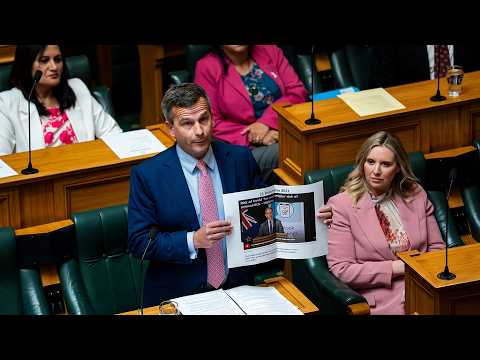
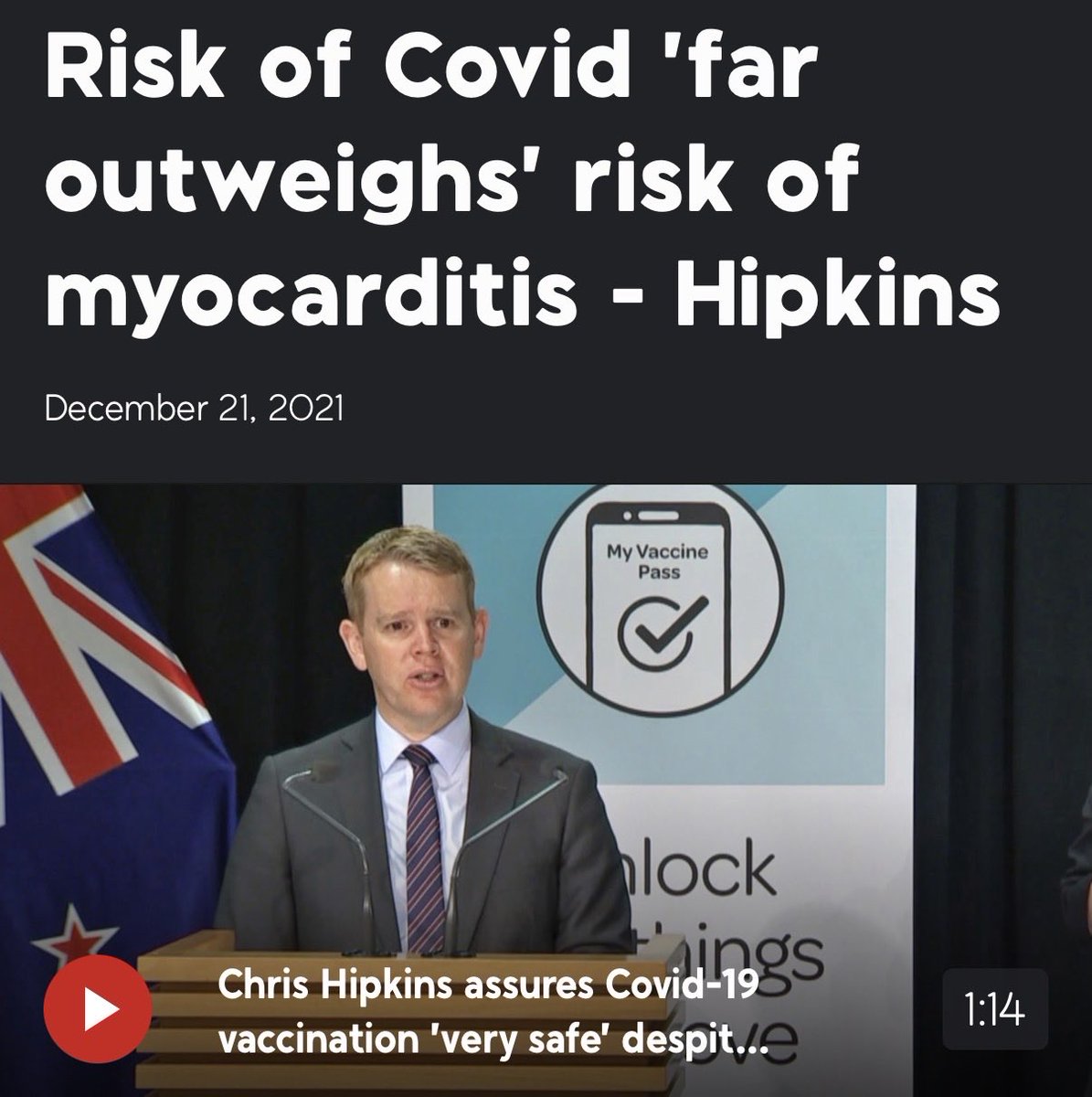
Trust Alert: Chris Hipkins would like you to believe that he can’t remember ever getting advice about the danger of COVID-19 and myocarditis. Nor did he ever give health advice, leaving it to the experts. But here he was on the 21st of December, 2021, talking about the death of a young man. This was 12 days after the paper he didn’t read, and three months before the second paper, he can’t remember either. Both papers raised the very matter he talked about, even though he didn’t know about it. See my full speech in Parliament today, linked in the comments.
David Seymour tweet media
English
226
232
1K
24.4K
ACT New Zealand
ACT New Zealand@actparty·
𝗙𝘂𝗲𝗹 𝗰𝗿𝗶𝘀𝗶𝘀 𝗺𝘂𝘀𝘁 𝗻𝗼𝘁 𝗿𝗲𝘃𝗶𝘃𝗲 𝗖𝗢𝗩𝗜𝗗-𝗲𝗿𝗮 𝘄𝗼𝗿𝗸𝗶𝗻𝗴 𝗳𝗿𝗼𝗺 𝗵𝗼𝗺𝗲 “The public service should have the same work-from-home expectations as the rest of New Zealand. We can’t allow unions to use the fuel crisis to drag the country back to COVID times,” says ACT Leader David Seymour. “When I saw the PSA saying it was fighting for public servants not to go to work, I hoped it was an April Fool’s joke. Sadly, it says everything about the unions that their biggest priority is campaigning for their members not to go to work. “We don’t need to think back far to remember Labour’s COVID legacy: dead Wellington streets, a ballooning public service, and declining public service performance all at the same time. A major part of the problem was public servants not going into the office. “The PSA says working from home is an essential right for workers. It is not. Flexible working should be a privilege, not a right, just as it is in every other business across New Zealand. “The Public Service is unique in that it is centered around Wellington where there are trains and busses most public servants use to get to work. Using the fuel crisis as an excuse for people who would have caught public transport anyway to not come into work makes no sense. “We can’t let today’s crisis erode our country’s future. With cool heads, we can respond to fuel shortages caused by the Iran war without repeating the knee-jerk mistakes made during COVID. “Public servants should be at work unless there is explicit agreement for them to work from home. In any other business, this would be common sense.”
English
77
13
134
5.2K
ACT New Zealand
ACT New Zealand@actparty·
𝗕𝗦𝗔 𝗽𝗼𝘄𝗲𝗿 𝗴𝗿𝗮𝗯: 𝗥𝗮𝗱𝗶𝗰𝗮𝗹 𝗯𝘂𝗿𝗲𝗮𝘂𝗰𝗿𝗮𝘁𝘀 𝗺𝗼𝘃𝗲 𝘁𝗼 𝗽𝗼𝗹𝗶𝗰𝗲 𝗼𝗻𝗹𝗶𝗻𝗲 𝘀𝗽𝗲𝗲𝗰𝗵 ACT MP Laura McClure says today’s Broadcasting Standards Authority ruling shows a regulator scrambling to stay relevant by grabbing power it was never meant to have. McClure is the sponsor of the Broadcasting (Disestablishment of Broadcasting Standards Authority) Amendment Bill. “The BSA has taken a law written for rabbit-ear TV and tried to stretch it over podcasts and livestreams on the internet. That’s not credible, and Kiwis won’t buy it. This decision makes it clear the BSA isn’t just out of date, it’s out of control. “The Authority is now claiming the internet counts as ‘broadcasting’. By that logic, anything online could be dragged into its net. That should concern anyone who values free speech. “Kiwis already vote with their feet. If you don’t like something, you switch it off. We don’t need a panel in Wellington deciding what people are allowed to hear. “What we’re seeing is a bureaucratic empire trying to expand because it knows its original job has disappeared. “The BSA openly says its role is to limit speech. Extending that mindset to the internet is a huge step in the wrong direction. “We already have laws for real harm like defamation and incitement. We do not need a taxpayer-funded taste police for online content. “Taxpayers and media are footing the bill for a regulator that no longer serves a purpose. “Millions in public money, plus levies on media outlets, all to fund a body now trying to regulate the internet. It’s hard to think of a clearer example of waste. “This is exactly why I’ve lodged a bill to scrap the BSA, and today I'm writing to the Broadcasting Minister urging him to adopt it as Government legislation. "The answer to a regulator that’s outlived its usefulness isn’t to give it more power. It’s to shut it down."
English
61
121
650
24.7K