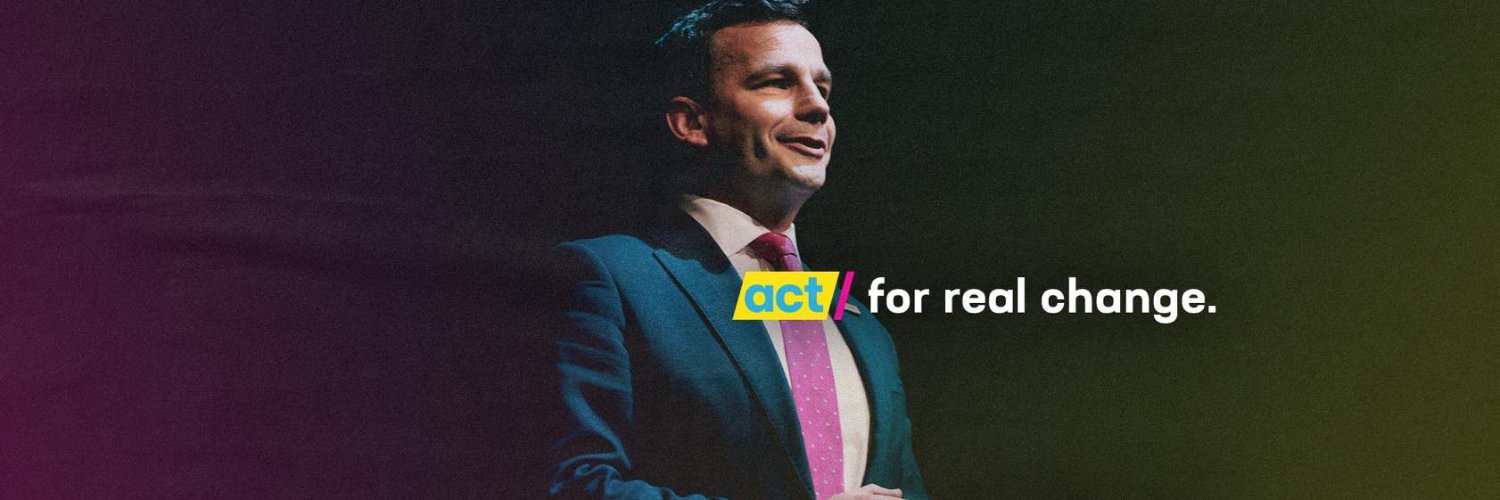
Paul Henry knows you don’t fix New Zealand by growing the bureaucracy while services stall, or by dividing people by identity. That’s why he chose ACT.
𝗛𝗶𝗽𝗸𝗶𝗻𝘀 𝗰𝗼𝗺𝗶𝗻𝗴 𝗮𝗽𝗮𝗿𝘁
“Chris Hipkins' extraordinary admission that he’d never pay his own capital gains tax on his bach because he’d never sell it beggars belief, this bloke is coming apart,” says ACT Leader David Seymour.
Appearing on Herald Now with Ryan Bridge this morning, Hipkins said he’d never sell the family bach held in his MP super scheme.
“The ignorance, or is it hypocrisy?... is breathtaking. Hipkins is happy to put a tax on people who can’t hold prime real estate forever, believing he will be too comfortable to face his own tax," says Mr Seymour.
“Other people find themselves in a variety of positions where they have to sell, and would need to pay Hipkins’ tax. Property is sold when relationships end, people get ill, businesses get short of working capital, or life requires them to move cities.
“It’s great that Hipkins thinks he can avoid these vagaries of life, but he’s either disingenuous or naïve. If he really believes he’ll avoid ever having to sell an asset, he is naïve. If he knows he might like most people, he is being disingenuous.
“Either way, ACT is here to tell the truth. A capital gains tax will hit people hard. It will not change house prices, it hasn’t done that anywhere. It will complicate our tax system and it will ensure assets are double taxed, once on the capital value when bought and sold, again on the income that capital asset produces.
“Perhaps worst of all is the message behind a capital gains tax. If you work hard, save, invest, and start to do ok, the Government will be there to take from you. It amounts to tall poppy syndrome in the tax code.
“It’s policies like this that form the reason why ACT is campaigning to Lock Labour Out, and Unlock New Zealand’s Potential."
𝗣𝗮𝘂𝗹 𝗛𝗲𝗻𝗿𝘆 𝘁𝗼 𝘀𝘁𝗮𝗻𝗱 𝗳𝗼𝗿 𝗔𝗖𝗧 𝗶𝗻 𝟮𝟬𝟮𝟲 𝗲𝗹𝗲𝗰𝘁𝗶𝗼𝗻
High profile broadcaster Paul Henry will stand as an ACT Party list candidate at this year’s general election.
“I’m standing for ACT because New Zealand has extraordinary potential, but we are not living up to it,” says ACT list candidate Paul Henry.
“We should be one of the most prosperous countries on Earth. Instead, too many New Zealanders are struggling to pay the bills, while young people leave in search of better opportunities overseas.
“My wife and I have ten grandchildren between us. Like every grandparent, I want them to grow up in a country that rewards success, values freedom, and gives people every opportunity to build a better life through their own efforts.
“I’ve spent decades speaking with New Zealanders and watching governments come and go. Over that time, our country has become weighed down by bigger government, more debt, more bureaucracy, and lower expectations.
“Six years of Labour, helped along by New Zealand First and the Greens, left New Zealand in the shit and up to its eyeballs in debt. Since 2023, things have been nudged in the right direction, but nowhere near hard or fast enough.
“ACT is the only party confronting the fundamental imbalance at the heart of New Zealand’s decline: our economy is too small and our bureaucracy is too big.
“We cannot borrow, tax, regulate, or divide our way to prosperity. Yet New Zealand is at risk of returning to the same failed ideas voters resoundingly rejected in 2023, this time made even worse by the extremism of the Greens and Te Pāti Māori.
“I am not prepared to sit back and accept that. We can do far better, and I want to help make it happen.”
ACT Leader David Seymour says Paul Henry will bring wit, intelligence, and a powerful voice to the ACT team.
“He is sharp, fearless, and an exceptional communicator. More importantly, he has a genuine love for New Zealand and a deep frustration at the opportunities we are wasting,” says Mr Seymour.
“Paul is not entering politics because he needs another career. He is standing because he refuses to sit back while New Zealand becomes poorer, less ambitious, and divided by race.
“He understands that higher wages, better public services, and greater opportunities all depend on a productive economy and a government that lives within its means.
“This election is about locking Labour out and unlocking New Zealand’s potential. Paul understands what is at stake, and I am delighted to welcome him as a formidable addition to ACT’s team.”
𝗙𝗶𝗼𝗿𝗱𝗹𝗮𝗻𝗱 𝘄𝗮𝗽𝗶𝘁𝗶 𝗯𝗲𝗰𝗼𝗺𝗲𝘀 𝗡𝗲𝘄 𝗭𝗲𝗮𝗹𝗮𝗻𝗱'𝘀 𝗳𝗶𝗿𝘀𝘁 𝗛𝗲𝗿𝗱 𝗼𝗳 𝗦𝗽𝗲𝗰𝗶𝗮𝗹 𝗜𝗻𝘁𝗲𝗿𝗲𝘀𝘁
ACT Conservation spokesperson and keen hunter Cameron Luxton has welcomed today's designation of Fiordland's wapiti as New Zealand's first Herd of Special Interest.
"This is recognition of something hunters have known for years, the best conservation often comes from the people who spend the most time in the bush," says Mr Luxton.
"The Fiordland Wapiti Foundation has spent decades looking after this herd and the surrounding environment. They've managed hunting access, maintained huts and tracks, controlled deer numbers, trapped predators, and protected native wildlife, all through the commitment of volunteers.
"Today's designation gives that work the formal backing it deserves. It puts herd management in the hands of the people who have already shown they can deliver better outcomes for both hunters and conservation.
"Healthy herds and a healthy environment go hand in hand. Managing deer numbers properly means less browsing pressure on native vegetation while preserving one of New Zealand's premier hunting opportunities for future generations.
"I also want to acknowledge Minister James Meager for seeing this process through. It's a practical decision that recognises conservation works best when government trusts local expertise instead of trying to do everything from Wellington.
"This shows that hunters aren't just users of the outdoors, they're some of its best custodians. That's something worth recognising, and today New Zealand has done exactly that."
Sometimes it’s better to watch what people do than what they say.
NZ First oppose the India FTA, while their own minister Mark Patterson is off to India promoting wool exports that will soon be tariff-free under it.
Go Mark, we wish you every success promoting the FTA!
When violent offenders threaten workers and shoppers, security guards shouldn’t be powerless bystanders. ACT will give properly trained guards the power to act with reasonable force where it’s needed.
𝗢𝗖𝗥 𝗵𝗶𝗸𝗲 𝘀𝗵𝗼𝘄𝘀 𝘄𝗲 𝗺𝘂𝘀𝘁 𝗰𝘂𝘁 𝘁𝗵𝗲 𝘄𝗮𝘀𝘁𝗲 𝘁𝗼 𝗴𝗿𝗼𝘄 𝘁𝗵𝗲 𝗰𝗼𝘂𝗻𝘁𝗿𝘆
“Today’s OCR increase to 2.50 percent is a reminder that Government spending competes with household budgets. The war on inflation is never won, and the price of affordable mortgages is eternal vigilance on Government spending,” says ACT Leader David Seymour.
“When Government borrows and spends too much, it competes with mortgage holders and pushes pressure through the economy. Borrowers end up paying the price.
“That is why careful Government spending matters. New Zealanders have had to manage their own finances carefully through tough times, and they deserve a Government that does the same.
“ACT can point to $14 billion of savings for the taxpayer. If petrol goes under $3 for a month and the Earned Income Tax Credit increase ends, ACT will have saved another $250 million.
“The answer is not more tax, more borrowing, and more bureaucracy. The answer is disciplined spending, less waste, and policies that let people invest, build, hire, and grow.
“To unlock New Zealand’s potential, we need a smaller, smarter Government that leaves more room for the firms, farms, and families who create prosperity.
“ACT will keep pushing to cut wasteful spending, reduce red tape, and restore the conditions for lower inflation, lower interest rates, and real growth.”
𝗔𝗖𝗧’𝘀 𝗰𝗼𝗺𝗺𝗶𝘁𝗺𝗲𝗻𝘁: 𝗧𝗵𝗿𝗲𝗲 𝗯𝘂𝗿𝗴𝗹𝗮𝗿𝗶𝗲𝘀? 𝗧𝗵𝗿𝗲𝗲 𝘆𝗲𝗮𝗿𝘀 𝗶𝗻 𝗽𝗿𝗶𝘀𝗼𝗻, 𝗺𝗶𝗻𝗶𝗺𝘂𝗺
ACT will take a Three Strikes for Burglary policy to the 2026 election, requiring a minimum three-year prison sentence with no parole for anyone convicted of burglary three times.
"Your home should be the one place where you feel safe," says ACT Deputy Leader Nicole McKee.
"It’s the place where you keep the things you've worked for, your family's memories, and the people you care about most. That sense of security should be absolute, but it’s undermined by every burglary in our neighbourhoods.
"In 2025, 184,000 New Zealanders were victims of burglary. Burglary is a recidivist crime, with the majority of people released from prison for burglary sent back to prison within two years. Nearly three-quarters are resentenced. Around one in four burglary victims have already been burgled before.
“Judges keep using their leeway to give burglars more chances, and the burglars keep reoffending.
"ACT says enough. If you keep breaking into people's homes, the warnings stop and real consequences kick in.”
ACT will create a new Three Strikes regime for burglary. Anyone convicted of burglary three times would receive a minimum sentence of three years in prison, with no parole, no home detention, and no early release.
The policy would apply both to someone facing their third conviction, or to someone facing a single conviction of three or more counts of burglary.
An aggravated burglary would trigger a strike under both this regime and the existing Three Strikes regime for violent crime.
The judge would still retain full discretion to impose any sentence between the three-year minimum and the 10-year maximum.
“This policy is not primarily about deterring crime. It is about preventing it. Imprisoning repeat burglars will protect New Zealanders from a small group of offenders who have shown, time after time, that they have no respect for other people's homes or property. They will not be able to victimise us from a jail cell.
"When someone does the right thing, gets up and goes to work to unlock their own potential, they shouldn’t have to worry about some deadbeat invading their home and taking their hard-earned property.
"ACT will unlock the potential of the justice system to protect victims, not make excuses for criminals.”
𝗠𝗼𝗿𝗲 𝗽𝗮𝘁𝗶𝗲𝗻𝘁𝘀 𝗰𝗵𝗼𝗼𝘀𝗶𝗻𝗴 𝗮𝘀𝘀𝗶𝘀𝘁𝗲𝗱 𝗱𝗲𝗮𝘁𝗵, 𝗯𝘂𝘁 𝗹𝗮𝘄 𝘀𝘁𝗶𝗹𝗹 𝘁𝗼𝗼 𝗿𝗲𝘀𝘁𝗿𝗶𝗰𝘁𝗶𝘃𝗲
ACT Party Leader David Seymour and ACT Party Health Spokesperson Todd Stephenson welcome the Registrar (assisted dying) Annual Report, which shows more people are choosing to live out their final days on their own terms, and with dignity.
“The End of Life Choice Act is one of the most significant human rights reforms in New Zealand's recent history. It recognises that the person living with a terminal illness is best placed to make decisions about their own care and their own dignity,” Mr Seymour says.
“Assisted deaths between 1 April 2025 and 31 March 2026 made up 1.3 per cent of all deaths in New Zealand during that period. Those Kiwis made the final decision on their death. For them and their families, it is a huge relief.
“The report also shows the safeguards in the Act are working. Last year over 300 people applied to access assisted dying but were deemed ineligible, showing that the checks are real and that protections for vulnerable New Zealanders remain robust.
“It also shows that choice is being respected right until the end. 42 patients chose to withdraw their application. For many, simply knowing the option is available brings comfort, control, and peace of mind at the most difficult time in their lives.”
“The End of Life Choice Act gave New Zealanders a precious right: to make decisions about their own death with dignity, compassion, and control. Almost 1,700 New Zealanders have chosen that path since the law came into force,” says Mr Stephenson.
“Last year I re-lodged my End of Life Choice Amendment Bill. My updated Bill strengthens that right by adopting all 25 recommendations from the Ministry’s independent review. That includes changes to improve safety, workforce capacity, and alignment with the wider health system. I’ve written to every MP to seek support on this basis.
“The updated Bill also restores the original intent of my earlier Member’s Bill by addressing the overly restrictive six-month prognosis requirement.
“This narrow threshold has excluded people with terminal diagnoses who are suffering intolerably, despite being in an irreversible decline. My Bill replaces that arbitrary cut-off with a test that reflects medical reality – recognising that death doesn’t always follow a calendar.”
“Since 2021 there have been over 4,070 applications, and almost 1,700 assisted deaths. Over half of the people applying for an assisted death are denied that opportunity. Many of those people are forced to continue to suffer intolerably because their terminal illness doesn’t align with the calendar. This is devastating for them and their families. That’s why the Government should adopt ACT MP Todd Stephenson’s End of Life Choice Amendment Bill,” Mr Seymour says.
"New Zealand should not be borrowing ideas from the authoritarian internet playbook. We should be defending the values that separate free countries from controlled ones."
𝗚𝗿𝗲𝗲𝗻𝘀' 𝗳𝗲𝗿𝘁𝗶𝗹𝗶𝘀𝗲𝗿 𝗯𝗮𝗻 𝘄𝗼𝘂𝗹𝗱 𝘀𝗲𝗻𝗱 𝗳𝗼𝗼𝗱 𝗽𝗿𝗶𝗰𝗲𝘀 𝘀𝗼𝗮𝗿𝗶𝗻𝗴
“The Green Party's latest push to ban synthetic fertiliser would drive up the price of everyday food at the checkout and slash New Zealand's export income.” ACT Agriculture spokesperson Andrew Hoggard says.
"During a cost of living crisis, the Greens want to make broccoli $9.
"When the Greens talk about getting rid of synthetic fertiliser, they seem to think farmers use the stuff for fun. It's bloody expensive, but it's also essential for growing the food New Zealand families rely on.
"It's pretty simple. Use less fertiliser, you grow less food. Reduce supply, prices go up. The New Zealand Institute of Economic Research found that squeezing farmers' use of nitrogen through tougher regulation could send the price of broccoli as high as $9 a head. I'm not sure that's much of a plan for helping with the cost of living.
"The Greens also seem to forget that agriculture pays New Zealand's bills. When you produce less, you export less. That means fewer export dollars flowing into the country, less economic activity, fewer jobs, and ultimately less revenue to pay for the public services New Zealanders rely on. Synthetic fertiliser has transformed modern agriculture.
"Farmers haven't stood still. New Zealand pioneered rotational grazing with electric fencing, and today technologies like Halter are taking productivity to another level.
"Producing more food from every hectare has also meant we can retire marginal land and protect more native bush. Better productivity means we don't need to clear more land to feed more people.
"The Greens want to throw all that progress away. A Labour-Green-TPM Government would take New Zealand backwards.
“Improving freshwater outcomes requires practical solutions, not blanket bans from Wellington. Farmers up and down the country are already doing great work protecting waterways.
"The best approach is for each farmer to understand the risks on their own farm, put practical mitigations in place, and work alongside their neighbours on catchment plans.
"That's how we improve water quality while keeping farms productive. It's a lot smarter than banning the tools that help feed the world."
𝗔𝗖𝗧 𝘄𝗶𝗹𝗹 𝘀𝘁𝗼𝗽 𝗮𝗻𝘆 𝗽𝗿𝗼𝗽𝗼𝘀𝗲𝗱 𝗩𝗣𝗡 𝗯𝗮𝗻
"ACT will prevent any ban on VPNs," says ACT Leader David Seymour.
"The Government is united in condemning China’s missile launch, and to be consistent it’s critical we don’t adopt Chinese-style intrusions into internet privacy.
"Speculation over a VPN ban exposes the problem with well-intentioned efforts to protect children from harm.
“Any ban strong enough to stop a motivated teenager is strong enough to violate all of our privacy. On the other hand, motivated teenagers will skirt anything weaker in an instant. The Australians have found this, with 80 per cent of teens ignoring the ban.
"If a teenager can bypass a social media ban with a VPN, then the ban isn't effective. If the Government responds by restricting VPNs, it is no longer regulating children's access to social media, it is regulating how every New Zealander uses the internet.
"VPNs are legitimate privacy and security tools. Businesses use them to protect commercial information. Journalists use them to protect sources. Ordinary New Zealanders use them to secure their personal information on public Wi-Fi. They are an essential part of modern cybersecurity.
"ACT was very clear on this point when we filed our differing view on the social media inquiry: 'The countries that have placed restrictions on VPNs include North Korea, China, Russia, Turkmenistan, and Iran. These countries use these restrictions to suppress their citizens' free speech, often in the name of protecting from online harm.'
"New Zealand should not be borrowing ideas from the authoritarian internet playbook. We should be defending the values that separate free countries from controlled ones.
"Social media harms for children are real, but any response must work for adults too. If making a ban work requires controlling the privacy tools used by ordinary people, then it's time admit the policy doesn't work and pursue better solutions."