Adec

1.4K posts

Adec banner
Adec

Adec

@Adecryptt

Rust developer | Degen! | Social Media Manager | 🛠️ Cryptomoney

BLOCKCHAIN Katılım Şubat 2022
624 Takip Edilen281 Takipçiler
Adec retweetledi
CryptoMoney
CryptoMoney@cryptomoney_x·
🗓 MAY 2026: KEY MARKET EVENTS 🔸 US JOLTS Report: May 5 A key labor market report showing job openings and hiring strength. Strong labor data can affect Fed rate expectations. 🔸 Consensus Miami 2026: May 5–7 One of the biggest global crypto conferences, bringing together major players across crypto, finance, policy, and Web3. 🔸 US Nonfarm Payrolls: May 8 The April jobs report. One of the biggest monthly macro releases for crypto, stocks, and rate expectations. 🔸 US CPI Inflation: May 12 One of the most important inflation releases. A hot CPI print can pressure Bitcoin, while softer inflation can boost risk assets. 🔸 US PPI Inflation: May 13 Producer-level inflation data showing upstream price pressure that can later feed into consumer inflation. 🔸 US Retail Sales: May 14 A key measure of consumer spending and economic momentum. Strong or weak spending can quickly shift market sentiment. 🔸 FOMC Minutes: May 20 Markets will study the Fed’s April meeting minutes for clues on inflation, rates, and liquidity direction. 🔸 US GDP Second Estimate: May 28 The second estimate of Q1 growth. Any major revision can affect recession expectations and risk sentiment. 🔸 US PCE Inflation: May 28 The Fed’s preferred inflation gauge. A major release for future rate expectations and crypto volatility. 🔸 BTC & ETH Monthly Options Expiry: May 29 Monthly options expiry can bring volatility as traders unwind, hedge, or roll positions into the next month. SUMMARY: May is packed with labor data, inflation reports, Fed minutes, and one of the biggest global crypto conferences. Expect volatility as markets reprice growth, inflation, and liquidity expectations.
CryptoMoney tweet mediaCryptoMoney tweet media
English
1
1
4
538
Adec retweetledi
CryptoMoney
CryptoMoney@cryptomoney_x·
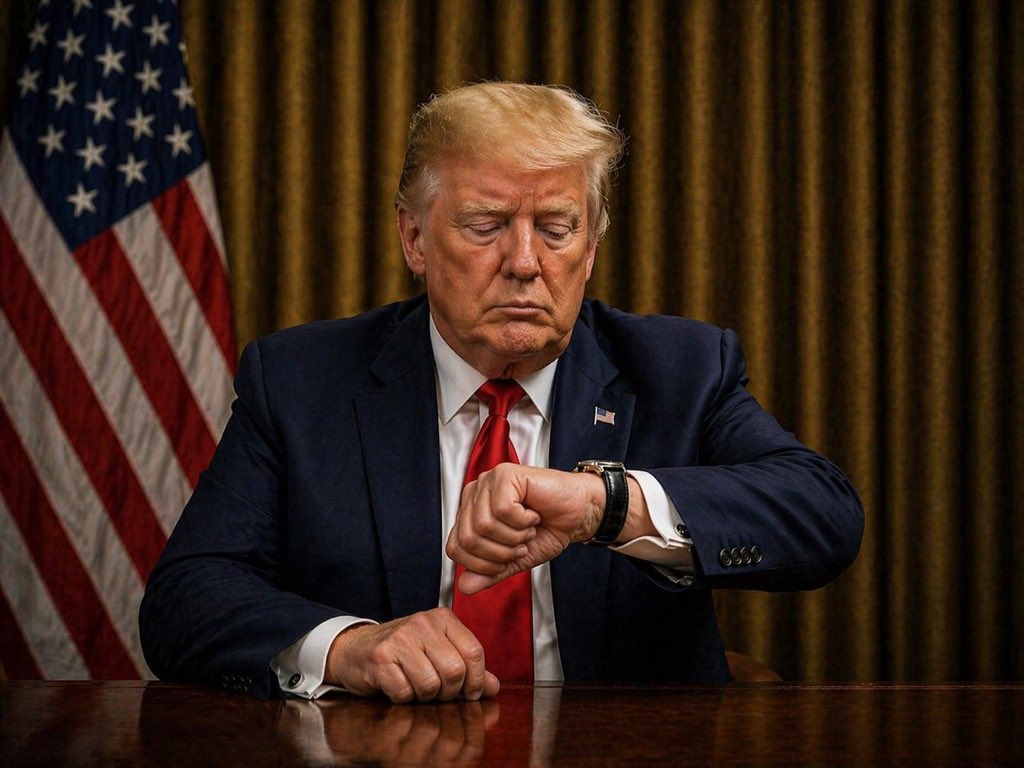
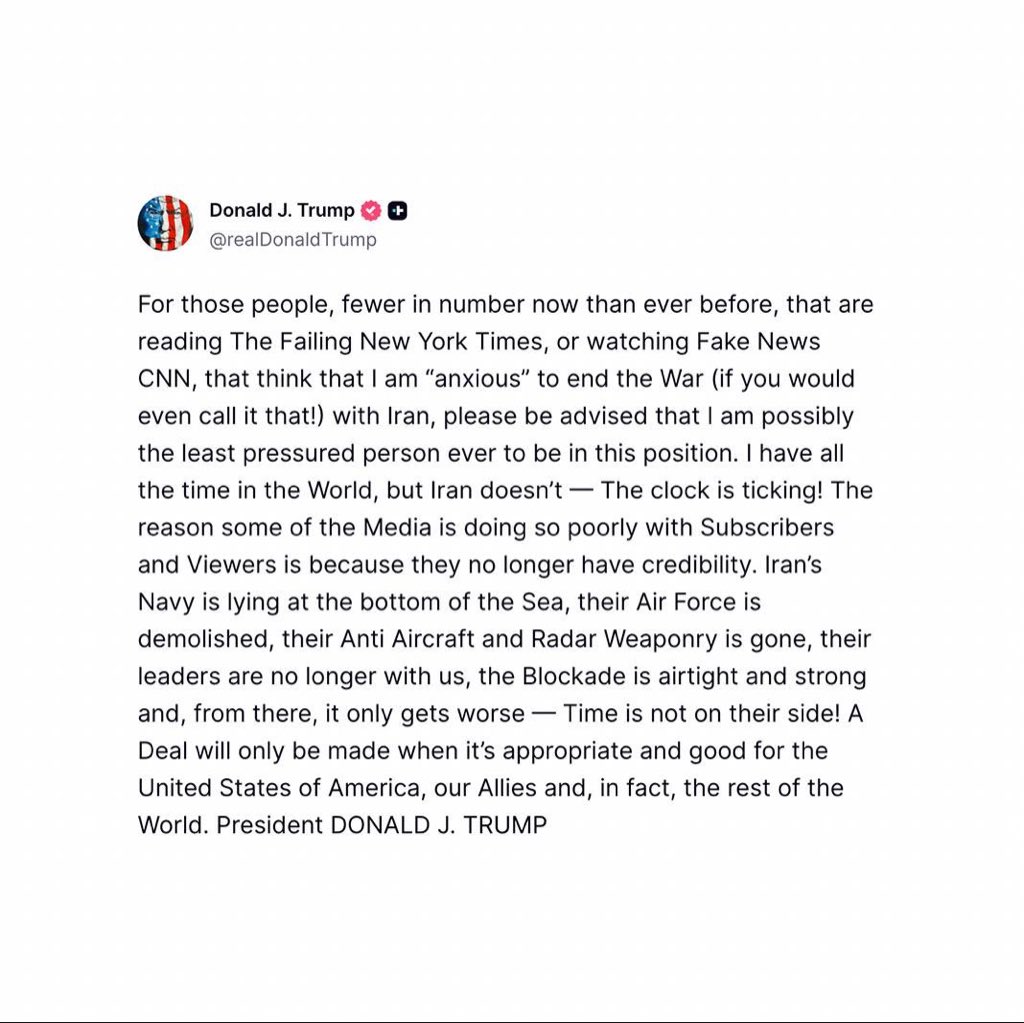
BREAKING: 🇺🇸🇮🇷 President Trump blasts “fake news” reports claiming he is anxious to end the war with Iran. He says he is the least pressured person involved and has all the time in the world. Trump warns Iran does not have time, saying “the clock is ticking” and “time is not on their side.” Trump adds Iran’s navy is destroyed, its Air Force demolished, the U.S. blockade remains airtight, and any deal will happen only when it benefits America and its allies.
CryptoMoney tweet mediaCryptoMoney tweet media
English
0
1
2
97
Crypto Fergani
Crypto Fergani@cryptofergani·
I am back as promised :) Time to start the $50 —> $10,000 challenge Last time it took me about 7 days, will try doing it faster this time If you want to follow want to follow along, comment below and I’ll send you an invite to the call group Gonna lock comments in 24 hours
Crypto Fergani tweet media
English
340
69
296
28.4K
Adec retweetledi
CryptoMoney
CryptoMoney@cryptomoney_x·
⚡️WASHINGTON IS COMING FOR PREDICTION MARKETS Prediction markets did not only forecast the Iran conflict. For many in Washington, it also became a profitable venture. And it is this difference that is now propelling the most significant legislative effort that this industry has ever faced. More than half a billion dollars were wagered on when US military strikes against Iran would happen. Accounts on Polymarket placed suspicious bets hours before strikes were publicly confirmed. One anonymous user won over $400,000 by correctly predicting that the US would invade Venezuela, a venture so secret that even the Secretary of State admitted that Congress had not been properly notified due to a fear of a leak. On Kalshi, bets on when Iran's Supreme Leader Ayatollah Ali Khamenei would be "out" by March or April 1 totaled $54 million. When Khamenei died on February 28, it was expected that users would start to collect on those bets. Instead, Kalshi froze the bets, claiming that it does not allow transactions that are "directly related to death." The freezing of bets prompted a class-action lawsuit and a discussion about whether or not prediction markets can change the rules after a forecast is confirmed. Congress took action quickly. On March 10, Senator Adam Schiff introduced the DEATH BETS Act, or Discouraging Exploitative Assassination, Tragedy, and Harm Betting in Event Trading Systems Act. It would amend the Commodity Exchange Act to prohibit any exchange registered with the CFTC from listing or clearing any contract referencing terrorism, assassination, war, or an individual’s death. Schiff’s bill directly opposes CFTC Chairman Mike Selig’s deregulatory efforts. In February, the CFTC withdrew its 2024 proposal to broadly ban political prediction markets. Chairman Selig said it was an overreach of regulations. Schiff’s bill would remove all discretion from the CFTC and make the bans law. A companion bill to Schiff’s legislation has been introduced by Senators Jeff Merkley and Amy Klobuchar: the End Prediction Market Corruption Act. It would ban the President, Vice President, and all members of Congress from entering prediction markets where they would have inside information. Today, prediction markets have over $13 billion in transactions per month. The industry has grown at a rapid rate, and now it is up to regulators to try and catch up. Senator Chris Murphy said, "There was a suspicious amount of new activity, people making a very specific bet on Friday that we would go to war with Iran on Saturday." The war markets may have been the tipping point. The bill is moving along, and the industry, which prides itself on being able to foresee the future, is suddenly facing a future it never saw coming.
CryptoMoney tweet media
CryptoMoney@cryptomoney_x

REGULATION: U.S. Lawmakers Introduce “DEATH BETS Act” Lawmakers in the United States have introduced the “DEATH BETS Act,” a proposal aimed at banning prediction markets that allow users to wager on events such as wars, assassinations, or the death of individuals. The bill seeks to restrict platforms that enable traders to speculate on violent or fatal outcomes.

English
0
1
1
112
Adec retweetledi
CryptoMoney
CryptoMoney@cryptomoney_x·
🚨 WALL STREET BACKS OKX 🇺🇸 Intercontinental Exchange (ICE), the parent company of the New York Stock Exchange, has invested in OKX at a $25 billion valuation as it expands into blockchain-based stock trading infrastructure. The move signals growing interest from traditional finance in integrating blockchain technology with capital markets.
CryptoMoney tweet media
English
0
5
12
2.3K
Adec retweetledi
CryptoMoney
CryptoMoney@cryptomoney_x·
⚡️RIPPLE CEO SAYS DOOR IS OPEN FOR BANK-CRYPTO COOPERATION The CLARITY Act has one sticking point left. Whether banks blink first determines what American crypto looks like for the next decade. Brad Garlinghouse made this quite clear this past weekend: “The door to a deal is wide open.” The Ripple CEO was not speaking in generalities. He was referring to the only issue holding up the most significant piece of crypto legislation the US has ever attempted, the Digital Asset Market Clarity Act, and speaking directly to banks: if you want a deal, you need to come to the table and negotiate. The question that is holding everything back is surprisingly simple: should stablecoin holders make money on their stablecoins? The Reason Why One Single Question is Stifling Everything Banks’ “yes” to “yield” on stablecoins means “no” to bank deposits. The banks’ argument, which has been persuasive enough to stall the bill for months, is that if crypto platforms can offer returns on dollar-pegged assets, money leaves savings accounts and goes to stablecoins. Wall Street banking lobbyists posed it as an existential threat to the deposit business and therefore to bank lending. The argument worked on enough lawmakers on both sides of the aisle to stall the bill. What makes this particularly sharp right now: 🔸The White House has announced that it has set a target date of March 1st for settling the stablecoin yield dispute. However, the deadline has expired without a resolution. 🔸The draft bill has already been rejected by Coinbase CEO Brian Armstrong, saying that it is worse than the current status quo. 🔸As 2026 is a midterm election year, the working calendar for the Senate essentially stops in July. Each week that goes by is a move closer to 2027. Garlinghouse's Position Garlinghouse is not claiming the bill is perfect. His claim is that he thinks clarity is better than chaos. He also thinks the industry should not wait for perfect language. He has already raised the odds of the bill being passed by the end of April by 90%, which is higher than the current prediction markets, which are at 70%. The institutional signals are already moving, irrespective of the bill. BNY Mellon is already holding RLUSD. Fidelity, Citi, and Franklin Templeton are already leaning into the space. Deutsche Bank has already gone public with their position. The crypto side has already made concessions on stablecoin yields to meet regulatory standards, according to White House AI and Crypto Czar David Sacks. If the banks hold firm and the Clarity Act fails in committee, the GENIUS Act remains the law of the land, and the OCC's interpretation of that act may prove to be even more draconian than anything the Clarity Act would have mandated. The banks may win the stablecoin yield issue but lose the overall battle. Garlinghouse knows this. He is counting on the banks to know this too, eventually.
CryptoMoney tweet media
English
0
1
3
100
Adec retweetledi
CryptoMoney
CryptoMoney@cryptomoney_x·
SpaceX MAY GO PUBLIC AT $1.75 TRILLION. THIS COULD BE HISTORIC. According to Bloomberg, Elon Musk’s SpaceX is preparing to file for an IPO as early as March 2026. The company is reported to be targeting a valuation around $1.75 trillion. If that happens, it would be one of the largest IPOs in history. So what’s going on? SpaceX was founded in 2002. For over 20 years, it has remained a private company. That means only early investors and wealthy funds could buy shares. Regular people could not. Over time, SpaceX became one of the most valuable private companies in the world. By late 2025, it was reportedly valued at around $800 billion in private markets. There were already rumours it could aim for $1.5 trillion if it ever went public. The company may confidentially file with the SEC in March, targeting a valuation above $1.75 trillion. SpaceX has not officially confirmed the plans. However, insiders say the company may want to raise as much as $50 billion from the public markets. Why now? Starlink is growing fast. It now has millions of subscribers worldwide, bringing in steady revenue from satellite internet. Starship development is accelerating. SpaceX is testing its next-generation rocket, designed for Mars missions, lunar transport, and large satellite launches. All of this requires serious funding. Going public would give SpaceX access to massive capital to scale faster. If SpaceX goes public, everyday investors could finally buy shares. No more private-only access. Starlink expansion could accelerate, potentially improving internet access in remote areas. But there are risks. A  $1.75 trillion valuation is extremely high. Investors would expect strong profits, not just growth and future promises. Starship still needs to prove long-term reliability. Space projects are expensive and risky. If SpaceX files in March and lists by mid-2026, it could reshape the public markets. It would instantly become one of the most valuable companies in the world. For the first time, regular investors could own a piece of a company aiming to colonise Mars.
CryptoMoney tweet media
Watcher.Guru@WatcherGuru

JUST IN: Elon Musk's SpaceX plans to file for IPO as soon as next month at $1.75 trillion valuation, Bloomberg reports.

English
0
1
1
313
Adec retweetledi
CryptoMoney
CryptoMoney@cryptomoney_x·
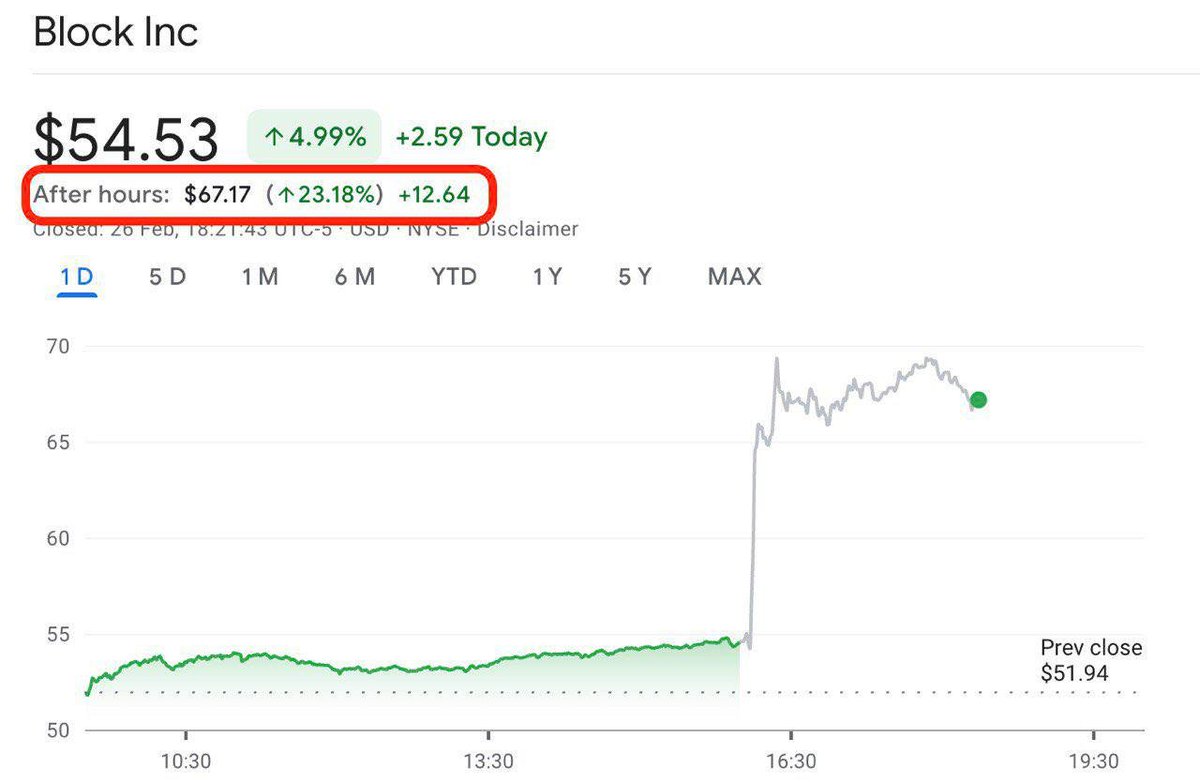
IS AI REALLY COMING FOR OUR JOBS? What if you wake up tomorrow and your job is gone because AI can now do it faster and cheaper? Recently, Jack Dorsey, co-founder of Twitter and CEO of Block Inc., cut about 4,000 employees, roughly 40% of his workforce. He said the company was going all in on artificial intelligence and smaller teams to promote efficiency. Block had expanded aggressively during COVID, growing from around 3,800 employees to more than 10,000. Dorsey later admitted the company had over-hired during the boom. Post-pandemic costs increased, while AI tools began handling coding, customer service, and data analysis more efficiently. Block concluded it could generate the same output with a smaller team. When the layoffs were announced, the market responded immediately. Block’s stock jumped more than 20%  in under an hour, adding billions to its valuation. The market’s reaction made one thing clear. Investors are favouring companies that use AI to reduce costs and increase productivity, even if it means cutting headcount. Dorsey wrote, “AI paired with smaller teams is enabling a new way of working. And that’s accelerating rapidly.” Public reaction was divided. Some saw progress. Others saw a warning sign. Even YouTube co-founder Chad Hurley added fuel to the debate, posting, “Hope everyone enjoys their last year of meaningful work.” The comment spread quickly and reflected a growing fear that AI may not just assist workers, but eventually replace them. The concern grows when you look beyond fintech. Leaders across tech are openly discussing how AI may assist with legal research, medical diagnostics, writing code, and complex analysis. This does not mean doctors and lawyers wouldn’t be needed tomorrow. But AI is no longer limited to repetitive factory tasks. It is moving into knowledge work. So the real question is: Is AI taking jobs, or simply changing them? Layoffs used to signal that a company was struggling but now they mean the company found better tools. Block was profitable and still chose to reduce its workforce because it believed stronger AI systems could replace layers of work. Investors supported that decision. When each worker can produce more with technology, companies often reduce staff. The focus should be on becoming someone who drives that output, not someone whose role can be automated. Most experts agree on one thing. AI will not eliminate all jobs. But it will reshape almost every job. Tasks that are repetitive, rules-based, and pattern-driven are most exposed. Tasks requiring judgement, trust, creativity, and real-world interaction are harder to replace. So what can people do? ➣ First, understand that AI is a tool. Nobody gets hired simply for knowing AI. People get hired for solving specific problems. AI helps them solve those problems faster. ➣ Second, build skills that combine human judgement with technology. Creativity, communication, leadership, strategy, and specialised expertise become more valuable as tools become widespread.| ➣ Third, adapt early. Workers who integrate AI into their workflow increase their value. Those who ignore it risk falling behind. AI will change how work gets done. It will automate repetitive tasks. It will speed up analysis. It will increase efficiency. But it cannot substitute the human qualities of trust, judgement, and accountability. The people who understand this shift early will have the advantage.
CryptoMoney tweet media
jack@jack

we're making @blocks smaller today. here's my note to the company. #### today we're making one of the hardest decisions in the history of our company: we're reducing our organization by nearly half, from over 10,000 people to just under 6,000. that means over 4,000 of you are being asked to leave or entering into consultation. i'll be straight about what's happening, why, and what it means for everyone. first off, if you're one of the people affected, you'll receive your salary for 20 weeks + 1 week per year of tenure, equity vested through the end of may, 6 months of health care, your corporate devices, and $5,000 to put toward whatever you need to help you in this transition (if you’re outside the U.S. you’ll receive similar support but exact details are going to vary based on local requirements). i want you to know that before anything else. everyone will be notified today, whether you're being asked to leave, entering consultation, or asked to stay. we're not making this decision because we're in trouble. our business is strong. gross profit continues to grow, we continue to serve more and more customers, and profitability is improving. but something has changed. we're already seeing that the intelligence tools we’re creating and using, paired with smaller and flatter teams, are enabling a new way of working which fundamentally changes what it means to build and run a company. and that's accelerating rapidly. i had two options: cut gradually over months or years as this shift plays out, or be honest about where we are and act on it now. i chose the latter. repeated rounds of cuts are destructive to morale, to focus, and to the trust that customers and shareholders place in our ability to lead. i'd rather take a hard, clear action now and build from a position we believe in than manage a slow reduction of people toward the same outcome. a smaller company also gives us the space to grow our business the right way, on our own terms, instead of constantly reacting to market pressures. a decision at this scale carries risk. but so does standing still. we've done a full review to determine the roles and people we require to reliably grow the business from here, and we've pressure-tested those decisions from multiple angles. i accept that we may have gotten some of them wrong, and we've built in flexibility to account for that, and do the right thing for our customers. we're not going to just disappear people from slack and email and pretend they were never here. communication channels will stay open through thursday evening (pacific) so everyone can say goodbye properly, and share whatever you wish. i'll also be hosting a live video session to thank everyone at 3:35pm pacific. i know doing it this way might feel awkward. i'd rather it feel awkward and human than efficient and cold. to those of you leaving…i’m grateful for you, and i’m sorry to put you through this. you built what this company is today. that's a fact that i'll honor forever. this decision is not a reflection of what you contributed. you will be a great contributor to any organization going forward. to those staying…i made this decision, and i'll own it. what i'm asking of you is to build with me. we're going to build this company with intelligence at the core of everything we do. how we work, how we create, how we serve our customers. our customers will feel this shift too, and we're going to help them navigate it: towards a future where they can build their own features directly, composed of our capabilities and served through our interfaces. that's what i'm focused on now. expect a note from me tomorrow. jack

English
0
2
1
191
Adec retweetledi
CryptoMoney
CryptoMoney@cryptomoney_x·
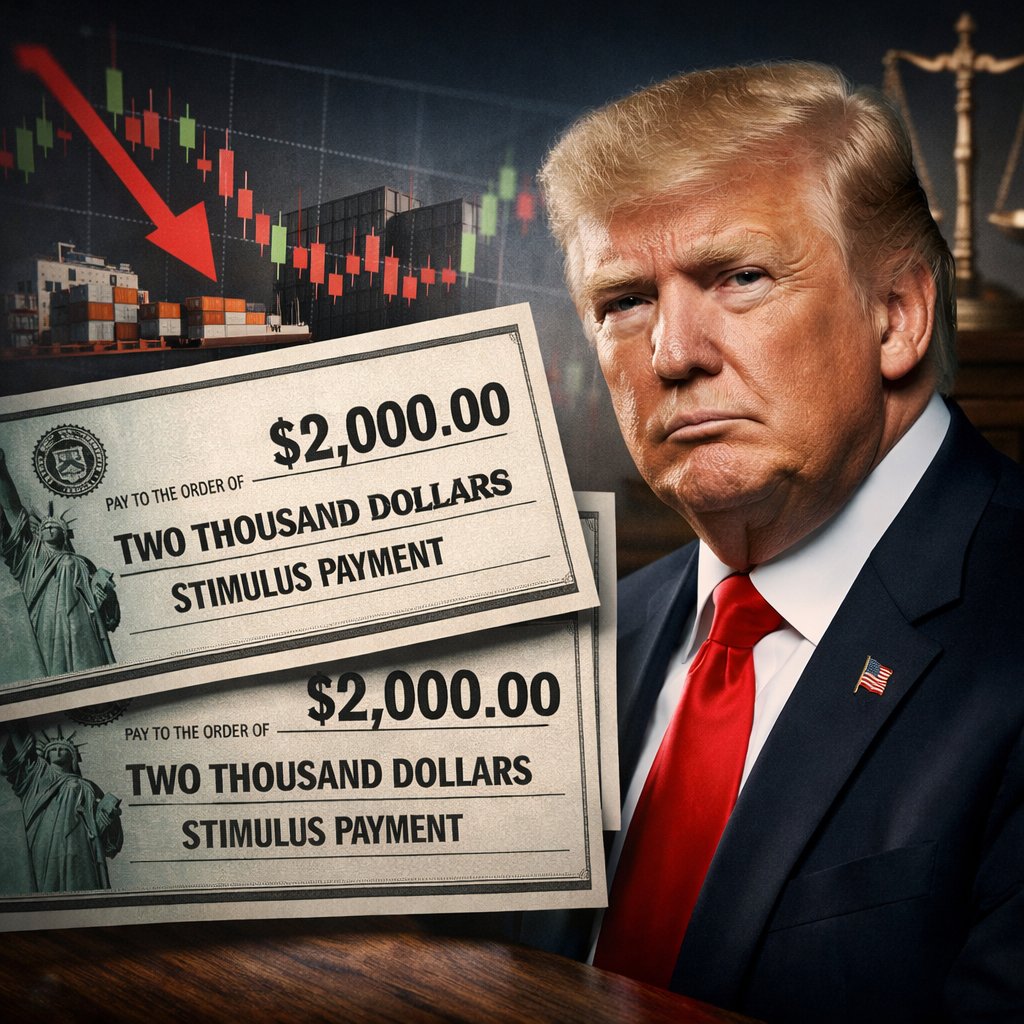
ARE AMERICANS STILL GETTING THE $2,000 STIMULUS IN 2026 OR NOT? During the 2024 campaign, President Trump promised what he called “tariff dividend” checks. He said money collected from tariffs on imported goods would be returned to Americans in the form of stimulus payments, potentially up to $2,000 per person. The idea was to tax foreign imports, collect billions and send some of it back to citizens. After winning the election, the promise continued. Trump said tariff revenue would help fund these payments. Here’s how it was supposed to work. Earlier, the administration introduced a 10% global tariff on many imports. Later, it signaled an increase to 15%, expecting higher federal revenue from those import taxes. Tariffs are taxes on goods entering the United States. Businesses pay them first, but most of the cost is usually passed down to consumers through higher prices on electronics, cars, and everyday products. To justify the move, the Trump administration relied on the 1977 International Emergency Economic Powers Act (IEEPA), arguing that trade imbalances and drug flows qualified as national emergencies. Critics disagreed, and lawsuits followed. The Supreme Court then ruled the tariffs illegal in a 6–3 decision, saying the Constitution gives Congress the authority to set tariffs, not the president acting alone. That ruling puts the entire funding source for the $2,000 stimulus in question. If the decision stands, companies that paid those tariffs could seek refunds estimated between $150 billion and $175 billion. And that is the revenue the administration expected to use. Studies also suggest that most of the tariff costs were absorbed by American businesses and consumers, not foreign exporters. In effect, tariffs functioned like a domestic tax. So what happens now? If tariffs are removed and refunded, businesses and consumers could benefit from lower costs over time, but the funding source for the $2,000 stimulus becomes uncertain. If the administration finds another legal way to impose tariffs or congress approves new tariffs, the stimulus idea could return. For now, no checks have been sent. The promise still exists. The money source does not.
CryptoMoney tweet media
English
0
1
1
80
Adec
Adec@Adecryptt·
This is serious..
CryptoMoney@cryptomoney_x

IRAN AND THE UNITED STATES ARE NEGOTIATING AND THREATENING EACH OTHER AT THE SAME TIME. In the last 24 hours, nuclear talks continued in Geneva while warship warnings and military drills raised global tension. Here’s what actually happened. First, the diplomacy. U.S. and Iranian representatives held roughly four hours of indirect nuclear talks in Switzerland, with Oman acting as mediator. No direct face-to-face meeting. The goal was to limit Iran’s nuclear program in exchange for easing U.S. sanctions. The U.S. wants stricter limits on enrichment and transparency. Iran insists its nuclear program is peaceful and says it will not give up what it calls its sovereign rights. Both sides later said there was progress. They agreed on basic “guiding principles” for what a potential deal could look like. Iran is expected to present more detailed proposals in about two weeks. But there is no deal yet. Now, outside the negotiating room, tension escalated. While talks were happening, Iran conducted live-fire military drills near the Strait of Hormuz, one of the most important oil shipping routes in the world. Roughly 20%  of global oil supply moves through that narrow passage. Even a temporary disruption sends signals to global energy markets. At the same time, the United States maintains a significant naval presence in the region, including aircraft carrier strike groups such as the USS Gerald R. Ford. Then came the rhetoric. Iran’s Supreme Leader, Ayatollah Ali Khamenei, posted a direct warning. He said that while an American aircraft carrier is a powerful tool, Iran has weapons capable of sending such a warship “to the bottom of the sea.” He also described U.S. demands in the negotiations as irrational and repeated that Iran will not back down from what it calls its rights. Khamenei has long hinted that if war were to start, it would not remain a limited Iran-U.S. clash, but could expand into a wider regional conflict. On the U.S. side, Vice President JD Vance said the talks went well “in some ways,” but acknowledged that Iran has not accepted certain red lines set by the Trump administration. Amid rising tensions, President Trump warned that he has “left instructions” for the U.S. to “obliterate” Iran if it attempts to assassinate him, while reaffirming efforts to block its oil sales and prevent it from obtaining nuclear weapons. Right now, diplomacy is active while military signaling intensifies. Negotiations continue, but both sides are projecting strength. Neither Iran nor the United States is publicly backing down. Why this matters beyond the region: The Strait of Hormuz is a global oil choke-point. Any serious disruption could push oil prices higher, which affects gasoline prices and inflation worldwide. Markets react not just to war, but to risk.

English
0
0
0
38
Adec retweetledi
CryptoMoney
CryptoMoney@cryptomoney_x·
🔔Tuesday Could Be a Pivotal Day for Crypto in the US. After weeks of stalled discussions, US cryptocurrency legislation talks are set to resume on Tuesday. According to journalist Eleanor Terrett, citing banking sources, a new White House meeting will focus on stablecoin yields and their interaction with the traditional banking system. This time, representatives from major banks and crypto industry trade groups will both be present, highlighting growing tensions between traditional finance and the crypto sector. The debate centers on the proposed Clarity Act, a broad market regulation bill that has divided policymakers and industry leaders. Concerns focus on stablecoin yield rewards, DeFi regulation, and how tokens are classified under securities law. Brian Armstrong, CEO of Coinbase, has publicly criticized the bill and withdrew his support for an earlier version last month. While no final decisions are expected, Tuesday’s talks could shape the future direction of crypto regulation in the US. Meanwhile, Bessent recently said that the Clarity Act must be signed into law.
CryptoMoney tweet mediaCryptoMoney tweet media
English
0
1
1
46
Adec retweetledi
Simeone
Simeone@0xsimeone·
The market has undeniably been quiet lately, with not so much exciting stuff going on. To bring back the fun, @bythenAI has launched the Bythen Treasure gamified campaign. So, If you've been looking for something worth jumping into, this is definitely it. The campaign has been designed to reward participants with NFT airdrops for completing simple tasks. The juicy part is that one of the featured NFT IPs to be airdropped, @Ultraman_AI, presently holds a floor price of about 0.25E. What do you do to earn NFTs? There are two ways to go about that: - Collect the 6 required items by opening treasure boxes - Hit the jackpot item directly. (you’ll need some crazy luck for that.) So, how do you get the Treasure boxes - through partnered communities - hold Bythen NFT collections - By engaging their X posts and other social tasks - You can as well purchase boxes directly for $2.99 each. So far, - 146,278 boxes opened - 600/888 ultraman NFT claimed, and - 1776/2500 of the Kappy collection claimed. Personally, I've opened 43 boxes and got 5 of the needed items; hopefully, I could get the remaining one before the end of the campaign. As you can see, guys, there is still plenty left to be won, therefore, don’t sleep on it. If you've already joined the campaign, what's your experience so far ?
Simeone tweet media
English
19
4
27
992
Adec retweetledi
CryptoMoney
CryptoMoney@cryptomoney_x·
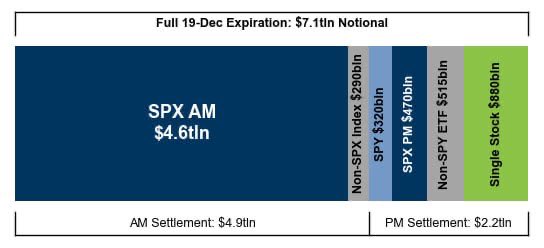
🚨 BREAKING: About $7.1 trillion worth of US stock and ETF options expire today, the largest options expiry ever. Here is what that means in simple terms: When options expire, traders usually do one of two things. Close the position They exit the trade completely. They either take profit or accept a loss. To do this, they often have to buy or sell the actual stock. A lot of buying or selling at once can push prices up or down quickly. Roll over the position They still want the trade. So they close the expiring option and open a new one with a later expiry date. This also creates heavy buying and selling in a short time. Because so many positions are being closed or rolled at once, we can see sharp and sudden price moves in the market. In short, too many big trades are hitting the market at the same time. Expect serious volatility today.
CryptoMoney tweet media
English
0
1
3
117
CryptoMoney
CryptoMoney@cryptomoney_x·
@WatcherGuru This is where the liquidity is going to come from. We are expecting the real retailers
English
2
1
5
64
Watcher.Guru
Watcher.Guru@WatcherGuru·
JUST IN: 🇺🇸 Treasury Secretary Bessent says individuals may receive $1,000–$2,000 tax refunds in Q1 2026.
English
532
730
7.2K
773.5K
Adec retweetledi
CryptoMoney
CryptoMoney@cryptomoney_x·
Did you know… In the U.S., the government taxes crypto like property, not money. That means if you buy Bitcoin for $10,000 and later use it to buy coffee when it’s worth $12,000, the IRS technically expects you to report that $2,000 gain as a taxable event. Yes, even buying coffee can trigger crypto taxes Good morning CT
CryptoMoney tweet media
English
18
3
21
341