@code4rena @MonetrixFinance If it is duplicate will I get the reward or not?
English
Aadesh Jadhav
30 posts
@Adijdhv
Learner Investor Hodler



Here’s a common mistake I see: 1. User approves 100 tokens to a dApp 2. Tries to change it to 50 3. Malicious contract front-runs the approval update and drains all 100 The fix? Reset approval to 0 before updating it. Yes, it’s annoying. But it’s safer.
Step 3: Actually transfers the tokens Don’t forget the Transfer event. Explorers like Etherscan rely on it to display token movements. Without it, your token might not even show up in someone’s wallet.
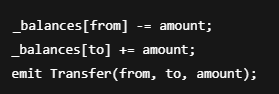
Step 2: Updates the allowance This update has to happen before the transfer. Why? Because if the transfer triggers an external call and it fails, you want to make sure the approval isn’t drained. It’s a subtle but important security detail.

Step 1: Checks the allowance If this check fails, the tx reverts. Most bugs I've seen around tokens start from bad assumptions about this line.

You’ve seen this signature a hundred times: But here’s the thing—this tiny function is the backbone of all token movements in DeFi. Let’s walk through what actually happens under the hood

What really happens inside transferFrom()? Hey folk I’m kicking off a 30-day series where I break down real smart contract internals. If you're learning Solidity or already building in DeFi, this is for you. let start with transferFrom() in ERC-20.