Sabitlenmiş Tweet
Ahmad Sheikh
1K posts

Ahmad Sheikh
@AhmadSheikh94
Chartered Accountant | Investor & Market Analyst Stocks | Crypto | Fundamentals | Technicals Financial Analyst | Economic Insights on Pakistan & Beyond
Pakistan Katılım Nisan 2022
1.1K Takip Edilen1K Takipçiler

@umardarazgondal @MohUmair87 Sugar mills have once again asked the govt to allow export of "surplus" sugar.
Classic Pakistan sugar mafia cycle:
Export surplus at cheap rates
Create artificial shortage
Import sugar
Get heavy govt subsidy
Sell back to Pakistanis at premium prices
Double profit, zero risk
English

چینی والے کہہ رہے ہیں اضافی چینی موجود ہے ہمیں برآمد کی اجازت دی جائے ۔ اگر مارکیٹ طلب سے چینی زیادہ موجود ہے تو چینی کی قیمت کم ہونی چاہیے کیونکہ کسانوں کے ساتھ تو یہی ہوتا اجناس کو لیکر اس بار آلو کی فصل ہی دیکھ لیں ۔
چینی برآمد ہوگی پھر قلت پیدا کی جائے گی پھر چینی درآمد کی جائے گی اور یہ فلم ہر سال چلتی ہے ۔
یہ فائدہ ہوتا اپنی شوگر ملیں اور پھر اپنی ہی حکومتیں ہونے کا
اردو

@ARNOfficiall Here r some ground realities:
Mostly importing copper scrap (motors etc), melting into ingots with very low value addition, then exporting.
Heavy reliance on EFS — FBR has conducted multiple raids due to widespread misuse (duty-free material diverted to local market).
English

#Iran-#USA deal will succeed this time & announced soon.
Key signs:
#Elon_Musk_IPO
#Trump mid-term election momentum
Trump China visit
USA declined Taiwan deal
#Pakistan Army Chief visit to Iran
.
Big changes ahead.
English

@SaleemFarrukh Pakistan has consistently brokered for the US in tough times, including the current Iran situation.
Now we must focus inward: strengthen justice, restore peace in KPK & Balochistan, improve ties with Afghanistan & India, and boost trade.
A stable Pakistan benefits the region.
English

@kschehzad The Zero Coupon criticism is valid.
1.Annual short-term loans could avoid such heavy 15-year compounding
2.Pakistan uses cash-based accounting — no annual outflow makes the budget look deceptively clean
3.Same govt, claiming fund shortages, but hikes parliamentarian allowances.
English

𝗥𝗲𝗮𝗹𝗶𝘁𝘆 𝗼𝗳 𝗭𝗲𝗿𝗼 𝗖𝗼𝘂𝗽𝗼𝗻 𝗕𝗼𝗻𝗱
Zero Coupon Bond issuance is being portrayed as if the government is taking Rs80 billion today and creating a massive burden of Rs512 billion after 15 years. In reality, the situation is much simpler and quite different from how it is being portrayed.
It can be understood through an everyday example.
Suppose a business owner knows that over the next 15 years he will gradually need a large amount of money - say around Rs500 billion.
One option is to go to the market every year and borrow Rs30–35 billion annually. But in that case, he would have to repeatedly return to the market every year, take fresh loans, pay interest every year, and also face the risk of rising interest rates. If rates go up, borrowing next year would become even more expensive. In other words, there would be fresh borrowing and fresh uncertainty every year.
Now imagine that today he gets the opportunity to raise the entire amount he may need over the next 15 years at today’s value. In that case, he may raise around Rs80 billion today and commit to repaying an agreed amount - for example Rs500 billion - after 15 years.
The key point is that during those 15 years he does not have to make annual interest payments, nor does he need to return to the market every year for new borrowing. It also reduces the risk of fluctuating interest rates.
In simple terms, it works like this:
a smaller amount is taken today,
no yearly payments are made in between, and the full amount is repaid at the end.
This is not “financial magic” or an “explosion of debt.” It is a standard financial principle known as the “time value of money,” on which debt markets around the world operate.
Countries such as the United States, United Kingdom, Japan and Russia have issued such instruments directly, while several emerging economies including Mexico, Brazil and Argentina have also used zero-coupon or deep-discount structures in sovereign debt management and restructuring exercises.
In Pakistan, zero-coupon bonds make up only around 5% of total government debt. They are issued for specific target market where these bonds are usually bought by insurance companies and pension funds because they have long-term future payment obligations. They invest money today in order to receive a larger amount in the future.
For governments, such bonds provide the flexibility to plan long-term projects more smoothly and use the funds for development work, infrastructure and investments without the pressure of annual repayments.
Therefore, simply saying that “Rs80 billion is being taken and Rs512 billion will be repaid” does not present the full picture. Financial instruments cannot be understood through headline numbers alone. They must be viewed in the context of time, interest rates, inflation, cash flows and overall market conditions.
Economic decisions should certainly be questioned and debated, but with complete facts and proper understanding so that the public gets an accurate picture rather than unnecessary fear or misleading impressions.
#DebtManagement #EconomicLiteracy
#PublicFinance
#FinancialEducation
#MacroEconomics
#DebtStrategy
@Financegovpk
NewsWise@NewsWiseDN
وزارت خزانہ نے زیرو کوپن بانڈ ایشو کیا ہے جس پر انہوں نے 80 ارب روپیہ اٹھایا ہے اور 15 سال بعد اس پر 512 ارب روپیہ دینا پڑے گا 15 سال بعد کی جنریشن کو ہم کیا دے کے جا رہے ہیں یہ کس طرح کی پالیسی ہے کہ 80 ارب سے آپ جو کچھ کریں واپس 512 ارب کرنے پڑیں گے @AliKhizar
English

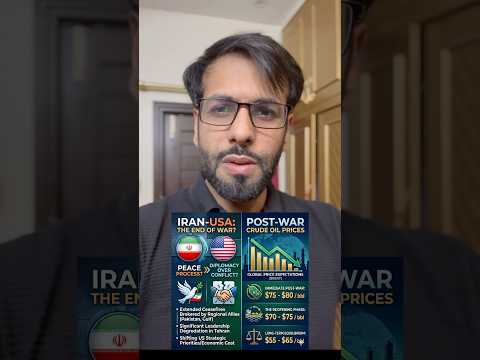
Why Crude Oil prices will NOT drop significantly even after the war ends .
.
Watch full video on given link:
youtube.com/shorts/aGwGl2D…

YouTube
English

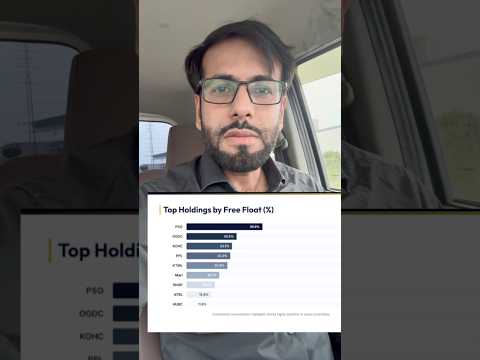
#Mutual_Fund holdings surge 9% MOM — now at a massive Rs.643 Billion! #PSX
🔹 63% of total AUM concentrated in just 30 stocks
full break-up on given YouTube link👇
youtube.com/shorts/BYQzv4P…
.
#MutualFunds #StockMarket #Investing #MFPortfolio

YouTube
English

Pakistan’s quarterly #GDP growth has stabilized around the 4% mark for three consecutive quarters (FY26P).
After the sharp volatility following FY22, this is the first sustained consistency we’ve seen after 4 years.
🇵🇰 #PakistanEconomy #GDP #Macroeconomics #Stock #investing

English

Relief for Taxpayers!
Sindh High court rules #Super_Tax u/s 4C cannot be imposed on capital gains from:
Immovable Property
Securities
Inheritance & Long-term holdings
Exempt transactions
#Positive impact on Real Estate, Stock Market & Investors.
#SuperTax #RealEstate #StockMarket
English

#Refineries_Upliftment –April 2026 (YoY)
• NRL ↑ 78%
• ATRL ↑ 32.7%
• Cnergy ↑ 29.9%
• PRL ↑ 18.1%
10 Months Cumulative (YoY):
• NRL ↑ 27.4%
• Cnergy ↑ 16.2%
• ATRL ↓ 1.5%
• PRL ↓ 0.2%
Cnergy and NRL are looking strong
#PSX #Refineries #PakistanStocks #NRL #Cnergy
English

#Dividend_Alert –
Today is the LAST DAY to Avail the following dividends:
• HUMNL → Rs. 0.50
• FFC → Rs. 8.50
• OGDC → Rs. 3.25
• NATF → Rs. 4.00
#PSX #Dividends #PakistanStocks #StockMarket
English

#MTL Update
Millat Tractors Ltd (#MTL) is working through one of its group companies to analyze the feasibility of entering #Electric_Motorbikes manufacturing in Pakistan.
This is still at a preliminary stage.
A potential #big_move for local EV manufacturing
#Psx #stockmaket
English

Big relief!
Federal Constitutional Court has struck down #Section7E of the Income Tax Ordinance. The 1% deemed income tax on immovable property is now unconstitutional and void.
#Positive for #real_estate_sector directly..
Indirectly positive for #Cement & #Steel.
English

@RaoKash29428598 Refineries are again in accumulation phase. Inshallah will break and target willbe 11. Next target will be decided later but looks like 16 to 18.
Stop loss is must . Overall Market sentiments should remain stable
English