laoban

4.1K posts

laoban banner
laoban

laoban

@Ahmeer151

Founder JateeX AI

People's Republic of China Katılım Aralık 2018
362 Takip Edilen318 Takipçiler
laoban retweetledi
DD Geopolitics
DD Geopolitics@DD_Geopolitics·
China built a $20 billion oil refinery in Nigeria, and Europe is furious. Nigeria, one of Africa's largest oil producers, had no refinery. For decades, it exported crude and imported gasoline at markup. China's Dangote Oil Refinery in Lagos changed that. Now Nigeria is exporting refined gasoline instead of just raw crude. The refinery is operating at 94% of its 650,000-barrel-per-day capacity, meeting domestic demand with surplus shipped abroad. In March, Nigeria exported approximately 44,000 barrels of gasoline per day. A single shipment of 317,000 barrels reached Mozambique—the first delivery to East Africa. Production is projected to reach 1.4 million barrels per day within three years, making it Africa's largest refinery. For decades, Western oil majors kept Nigeria dependent while extracting crude, refining it abroad, and selling it back at a premium. China built the infrastructure Europe refused to. Now Nigeria controls its own energy supply chain, and European refiners are losing a captive market. This is what economic sovereignty looks like. This shouldn’t surprise any of our subs, we covered this story back in November on DD Geopolitics.
English
285
2.1K
6K
192.1K
laoban retweetledi
Rohan Paul
Rohan Paul@rohanpaul_ai·
Larry Ellison: “My standard advice to entrepreneurs is you can’t be successful as a small company doing the same thing everyone else is doing… If you’re an entrepreneur, you have to find errors in conventional wisdom.”
English
40
243
1.8K
110.3K
laoban retweetledi
Rony
Rony@Ronycoder·
Instead of watching an hour of Netflix, watch this 2-hour MIT lecture on generational wealth. It will teach you more about money, ownership, and compounding than all the finance content you’ve scrolled past this year.
English
11
50
142
15.2K
laoban retweetledi
Dr. Banda Khalifa MD, MPH, MBA
A weak discussion section can make a solid study look intellectually shallow. A strong discussion section should do at least 5 things well: A lot of researchers think the discussion section is where you: → repeat the results → add a few references → mention limitations → write “more research is needed” That is not enough. The discussion section does something much more important: It tells the reader where we now are on the road of science because of this study. That is a much higher standard. A strong discussion section should do at least 5 things well: 1️⃣ Show what the study actually taught us Not what you hoped it would show. Not what sounds exciting. What did we genuinely learn? 2️⃣ Place the findings in context How do the results fit with: → past research → current evidence → the wider direction of the field? 3️⃣ Avoid two common traps The paper is clear about these: → overplaying significance → underplaying useful lessons Both weaken the credibility of the paper. 4️⃣ Help the reader understand the real contribution Most studies move knowledge forward only incrementally. That is fine. But the author must show how far the study moved the field, if at all. 5️⃣ Give grounded recommendations Not dramatic claims. Not casual leaps into practice. Recommendations should be realistic, justified, and proportionate to what the study actually did. That is what makes a discussion section strong. Helping the reader answer one serious question: What changed in our understanding because of this study? That, to me, is the real work of a discussion section. ⸻ 💬 What do you think weakens a discussion section faster: repeating results, overclaiming significance, or vague recommendations?
Dr. Banda Khalifa MD, MPH, MBA tweet media
English
4
50
181
7.4K
laoban retweetledi
Buregyeya Apollo, PhD
Buregyeya Apollo, PhD@ApolloBuregyeya·
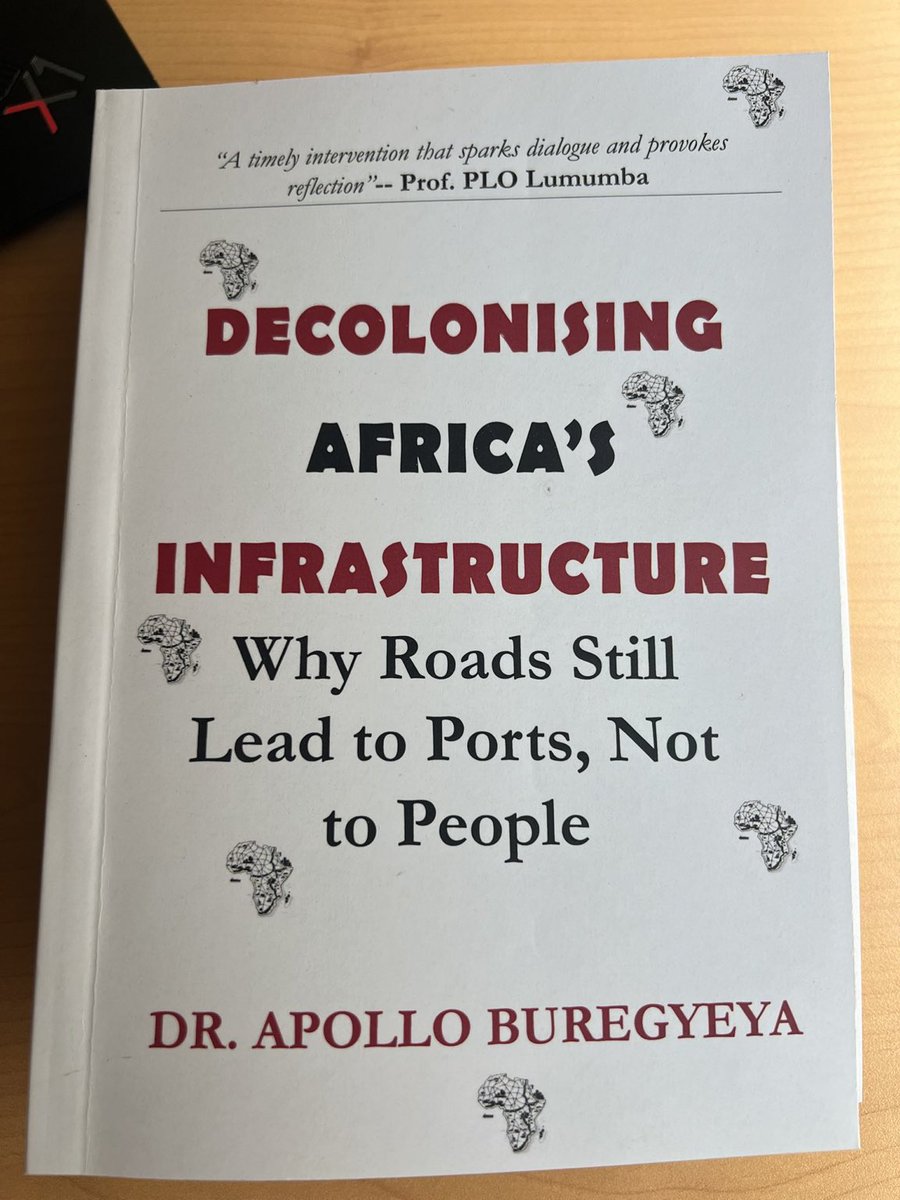
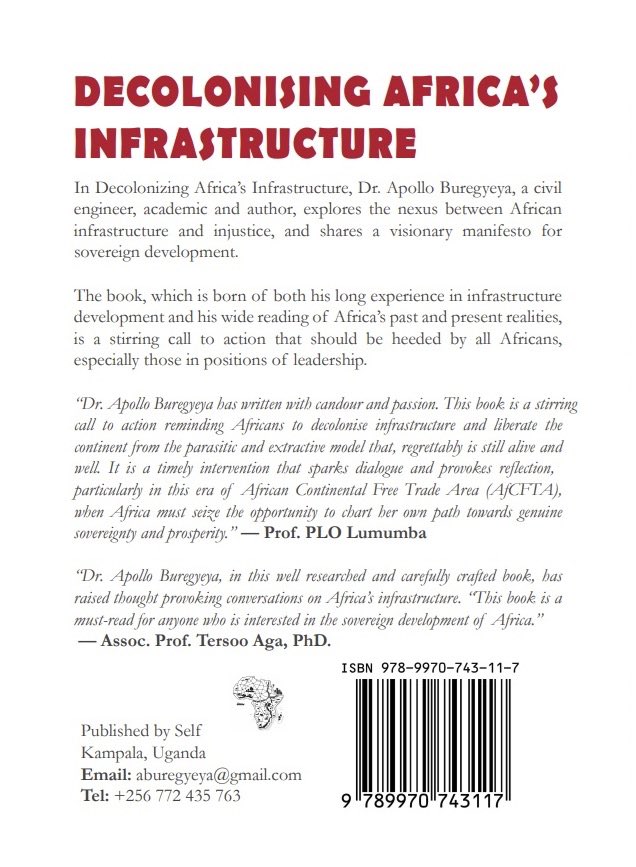
Carbon Markets: The Business of Buying Permission to Pollute. ====== There is deep dishonesty in the way carbon credits are now marketed to Africa. We are told they bring climate finance, reward conservation, and position us as partners in saving the planet. But in practice, they often allow high-emitting systems to continue polluting while paying poorer countries a fraction of the real carbon cost. Credits generated in the Global South often trade between $5 and $20 per ton of CO₂, while in Europe, carbon under the EU Emissions Trading System has recently ranged from about €60 to €90 per ton, with penalties above €100 per ton for non-compliance. That gap is not incidental. It is structural. Cheap carbon from Africa becomes a convenient offset for expensive emissions elsewhere. The pollution does not disappear. The accounting improves, the reporting looks cleaner, and the industrial systems that created the problem continue largely unchanged. But this system does not operate in a vacuum. It is enabled locally. It is enabled by policymakers eager to align with global narratives without interrogating their economic implications. It is amplified by technocrats who speak the language of sustainability but detach it from production, affordability, and industrial growth. It is sustained by institutions that prioritize visibility over measurable transformation. The result is a performance of sustainability rather than its substance. Frameworks are adopted, reports are produced, and commitments are announced, but the core questions remain unanswered. Does this reduce the cost of production? Does it expand access to infrastructure, housing, and industry? Does it strengthen local capacity? If it does not, then Africa must be honest with itself. Low-carbon pathways only make sense if they help us lower embodied energy, reduce costs, and build more accessible economies. If they instead reward restraint without enabling production, then they are not climate solutions for Africa. They are dependency, redesigned. This is exactly the pattern I unpack in Decolonising Africa’s Infrastructure: Why Roads Still Lead to Ports, Not to People. The systems may change names, but the structure of extraction often remains the same.
Buregyeya Apollo, PhD tweet mediaBuregyeya Apollo, PhD tweet media
English
8
148
547
17.1K
laoban retweetledi
Dr Asma Jabeen
Dr Asma Jabeen@DrasmaJabeen1·
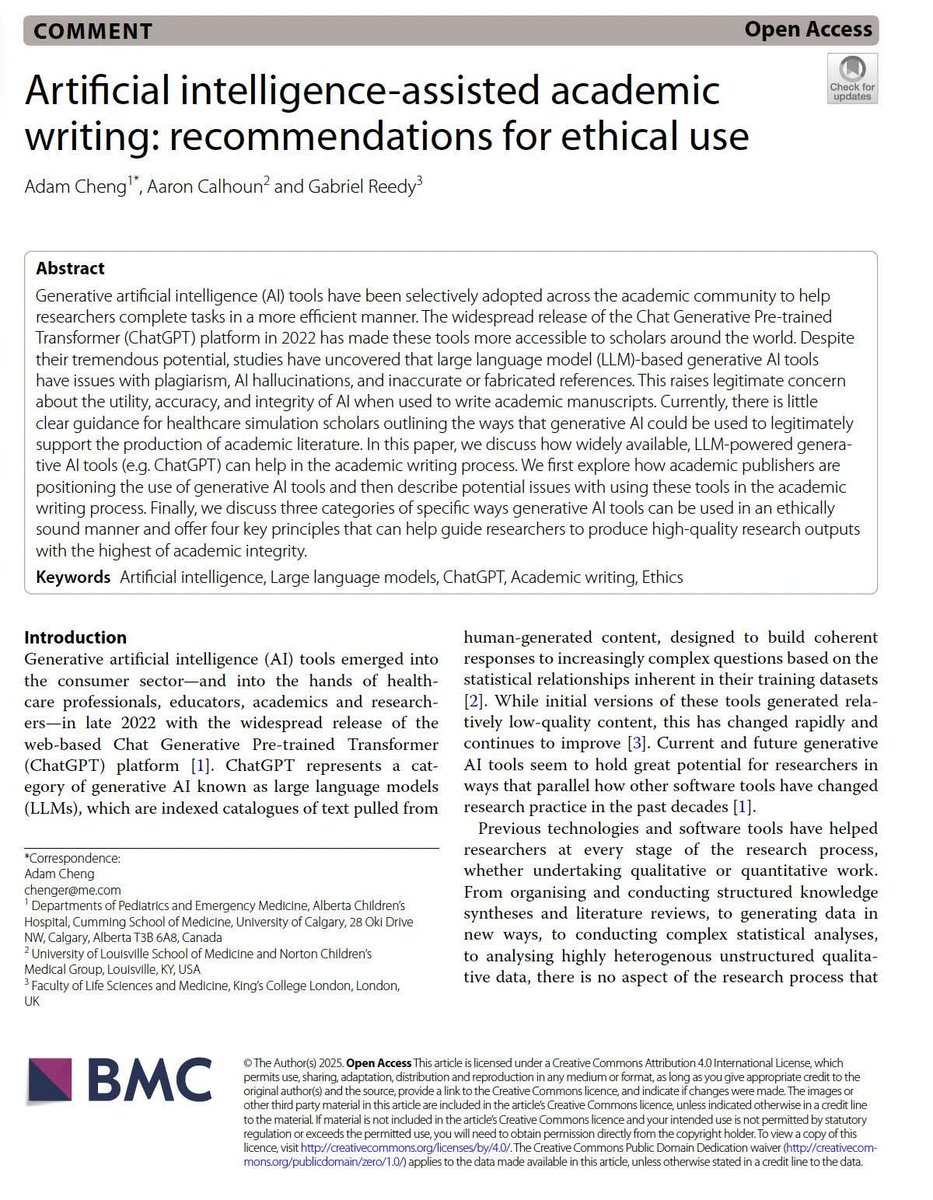
Artificial intelligence assisted Academic writing recommendations for ethical use
Dr Asma Jabeen tweet media
English
2
99
407
20.5K
laoban retweetledi
Julian Goldie SEO
Julian Goldie SEO@JulianGoldieSEO·
Google Gemini FULL COURSE 5 HOURS (Build & Automate Anything)
English
1
27
147
5.1K
laoban retweetledi
Vala Afshar
Vala Afshar@ValaAfshar·
MIT professor delivers a brilliant masterclass on how to effectively present your ideas with clarity, high impact and purpose
English
22
975
3.8K
749.3K
laoban retweetledi
Scholarship for PhD
Scholarship for PhD@ScholarshipfPhd·
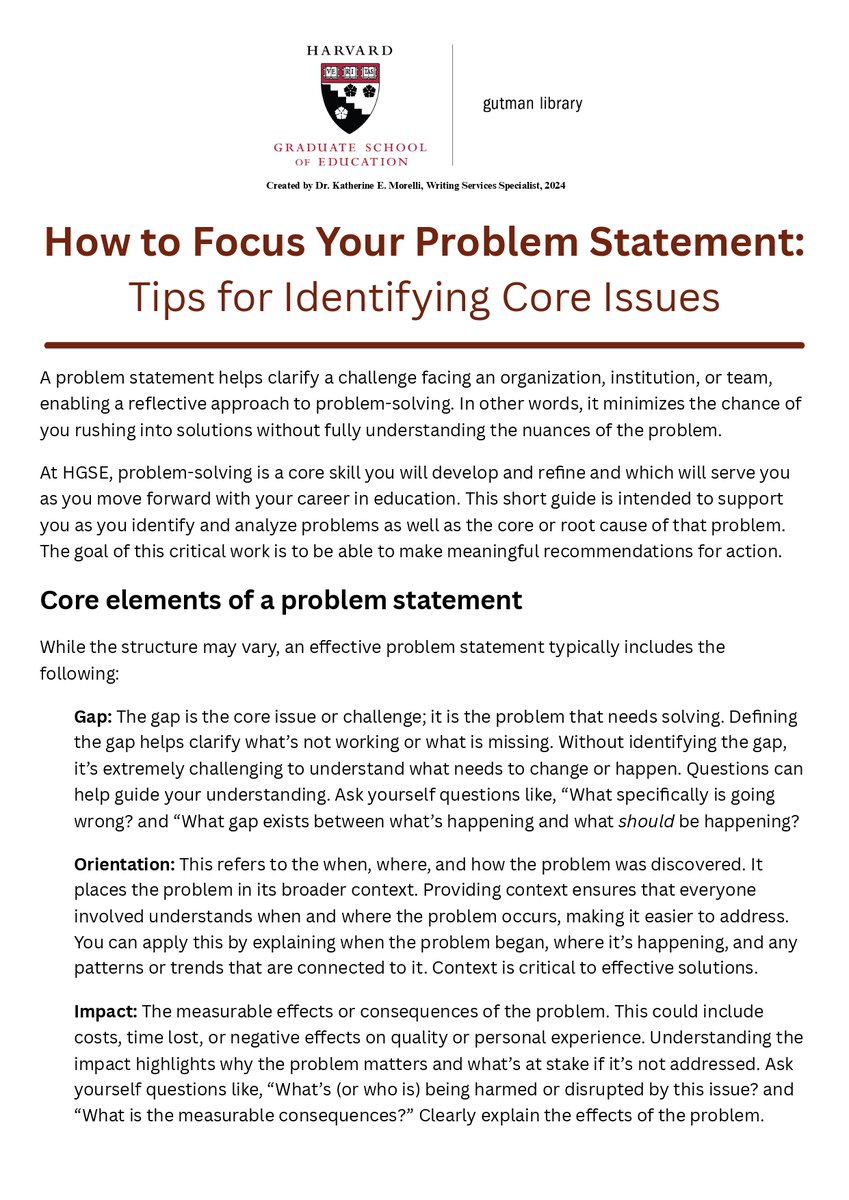
How to Focus Your Problem Statement: Tips for Identifying Core Issues
Scholarship for PhD tweet media
English
1
115
459
20.4K
laoban retweetledi
Movez
Movez@0xMovez·
This 1 hour lecture on "Probability Theory" from MIT will teach you more about prediction markets than 2 month internship at at a Wall Street Quant firm. Bookmark this & give it 1 hour today, no matter what. It’s the most productive start you can give your week. Then read post below.
Movez@0xMovez

The best Polymarket Quant bot for copy-trading with a 99.3% win rate. backtested strategy on 72M Polymarket/Kalshi trades to hit +$805K PnL on 27,000 predictions. bot doesn't gamble - it uses math and statistics in its algo to consistently hit 99% win rate. his algo decoded: 1. Mispricing formula based on 72M trades data, traders constantly overpay for cheap contracts (0.1¢–50¢) most of the edge sits in (80¢-99¢) contracts - that's the range where the bot mostly trades • formula: δ = actual win rate - implied probability bot applies this to every trade to find the edge. // 2. Expected value calculation EV tells you whether a bet is worth taking, regardless of the outcome of any single trade. • formula: EV = (P win × Payout) - (P lose × Cost) bot calculates it to understand if the trade is worth the risk. // 3. Kelly Criterion sizing most powerful position sizing formula ever discovered for gambling, trading and prediction markets it tells the algo what % of your portfolio to size into each bet to win long term. • formula: f* = (p * b - q) / b mispricing found → EV calced → kelly sizing → enter profile: polymarket.com/0x751a2b86cab5… start copy trading the bot with as little as $10 using Ares: ares.pro/wallets/0x751a… 2 more formulas behind its algo revealed in the article below ↓

English
97
2.5K
12.6K
1.8M
laoban
laoban@Ahmeer151·
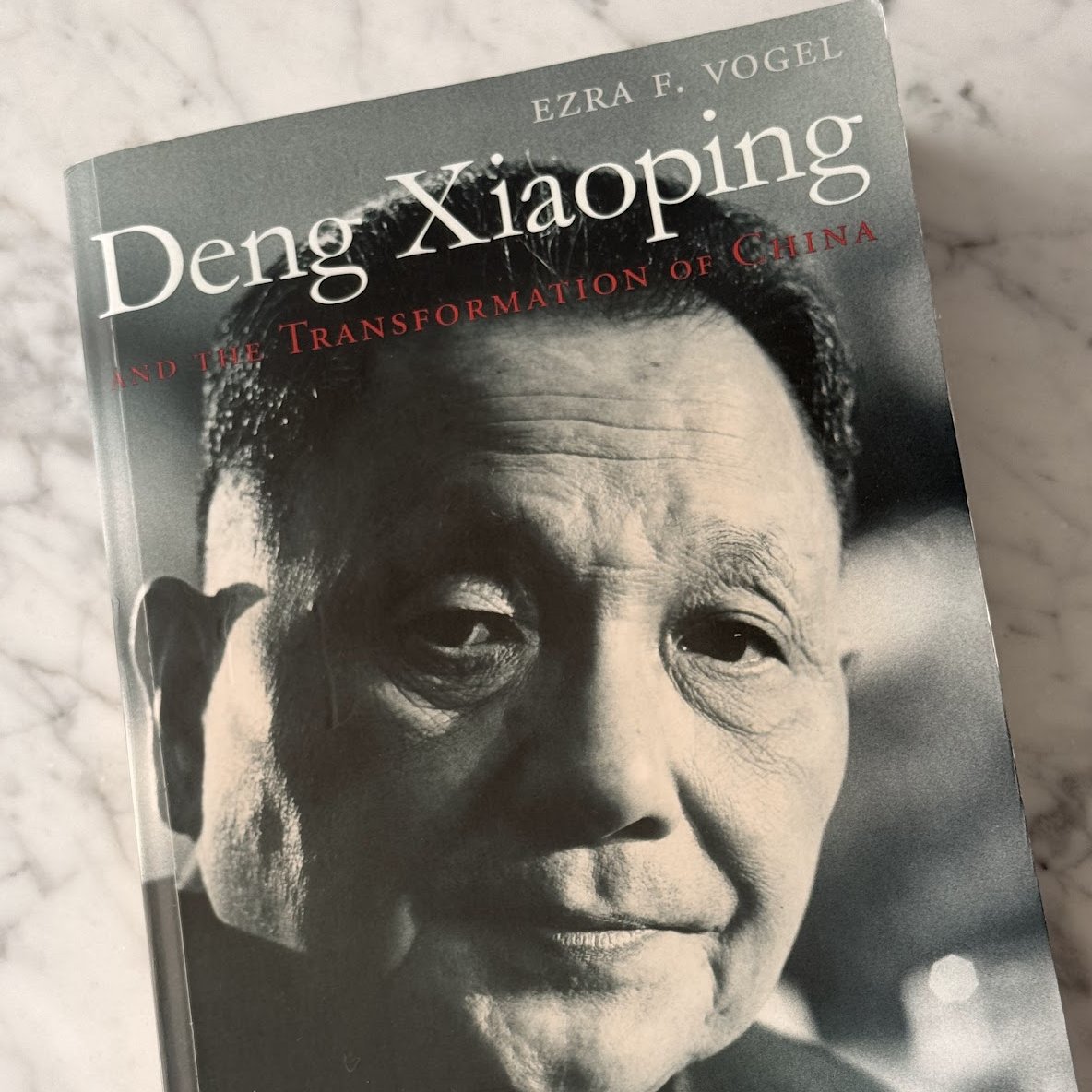
@dadiomov My industry mentor gifted me this book last year hahaha. It’s amazing
English
0
0
0
11
Dimitri Dadiomov
Dimitri Dadiomov@dadiomov·
1/ finished reading an amazing biography of Deng Xiaoping. I was looking for something as deeply researched as Robert Caro's biographies of a great leader and, though no one rises to Caro's level of research, this was a fantastic read on the greatest country pivot of all time
Dimitri Dadiomov tweet media
English
20
71
583
36.5K
laoban retweetledi
The Shift Journal
The Shift Journal@TheShiftJournal·
Ray Dalio gives a 39 minute master class on wealth creation.
English
6
699
2.6K
179.4K
laoban retweetledi
X Freeze
X Freeze@XFreeze·
Walter Isaacson explains exactly how Elon Musk uses first principles thinking to build rockets: When young Elon wanted to send people to space, he first tried buying used rockets from Russia. They jacked him around - it didn’t work So he went back to first principles. He asked: 
Exactly how much does each material in a rocket cost?
How much is the Inconel?
How much is the carbon fiber?
How much is the fuel? What’s the total cost of the raw materials compared to the price of a finished rocket? That’s first principles He realized: if he could cut manufacturing costs by a factor of 10, he could actually build affordable rockets Same mindset at Tesla: someone says “we need this patch of felt at the bottom of the car” and Elon replies, “Tell me the principles of physics that make that true” Isaacson notes: America used to be a nation of risk-takers. Now we have more referees, guardrails, and lawyers saying “that’s probably not a good idea” than people willing to shoot off a rocket Elon wants to calculate the risk and then actually take it This is why SpaceX exists.
This is how impossible things get done
English
253
736
3.7K
717.7K
laoban retweetledi
Julian Goldie SEO
Julian Goldie SEO@JulianGoldieSEO·
Claude AI FULL COURSE 5 HOURS (Build & Automate Anything)
English
4
253
1.3K
68.8K
laoban retweetledi
Neyazuddin Ansari
Neyazuddin Ansari@riyazz_ai·
Instead of watching 2 hours Netflix, Master Claude Code 27 minutes for Free.
English
8
119
779
43.6K
laoban retweetledi
Julian Goldie SEO
Julian Goldie SEO@JulianGoldieSEO·
NotebookLM FULL COURSE 4 HOURS (Build & Automate Anything) 2
English
1
84
338
13K
laoban retweetledi
Farhan
Farhan@mhdfaran·
R.I.P research essays. I'm going to share the mega prompt that writes better research than most PhD students. Any topic. Any depth. In minutes. Here's the exact prompt you can steal 👇
Farhan tweet media
English
7
84
459
46.7K
laoban retweetledi
Mohini Shewale
Mohini Shewale@s_mohinii·
Instead of watching 2 hours Netflix, learn @claudeai in 1 hours for Free.
English
7
279
1.5K
99.4K