Aivora

1.2K posts

Aivora banner
Aivora

Aivora

@Aivoraex

Aivora Official | AI-powered crypto exchange | Futures & Spot | Secure. Fast. Global. | #Aivora | https://t.co/CtvuwvETZW

Colorado, USA Katılım Aralık 2024
17 Takip Edilen10.7K Takipçiler
Aivora
Aivora@Aivoraex·
Why the Next Exchange Homepage Will Look Different The next trading homepage won’t be built around menus. It will be built around intent. Most exchange homepages still feel like static dashboards — prices, tabs, watchlists, charts, and buttons everywhere. They show information, but still leave the trader figuring out what to do next. The next evolution is an intent-driven control layer. Instead of forcing users to navigate screens, the homepage should instantly understand what they want to do and guide the next action. 🔹 Review account risk and exposure 🔹 Build a structured trade plan 🔹 Rebalance positions 🔹 Check open trades before the next move The homepage should no longer be a place to look. It should be a place to act. Better trading starts when the interface responds to intent, not navigation. Trade with structure on Aivora 👇 aivora.com #Aivora #CryptoTrading #TradingUX #AITrading #ProductVision #TradingTechnology

Aivora tweet media
English
5
0
1
1.1K
Aivora
Aivora@Aivoraex·
What Traders Really Need From AI Beyond Signals The next evolution of trading AI is not more signals. It’s better decisions. Most tools focus on finding entries. But better trading comes from how decisions are made around risk, not just where to enter. 🔹 Review total exposure across positions 🔹 Identify repeated mistakes like revenge trades 🔹 Improve discipline through structured risk checks AI should not just tell you where price might go. It should help you act with more clarity when it matters. Trade with structure on Aivora 👇 aivora.com #Aivora #CryptoTrading #AITrading #TradingPsychology #TradingDiscipline #CryptoEducation
Aivora tweet media
English
9
4
9
1.1K
Aivora
Aivora@Aivoraex·
Most Trading Mistakes Are Behavioral, Not Informational The market isn’t always the reason you lose. Sometimes your habits are. Most traders already have enough data. What hurts performance is repeating the same mistakes: chasing losses, taking profit too early, or sizing too big under emotion. 🔹 Revenge trades turn one loss into multiple losses 🔹 Early exits ruin your risk-to-reward 🔹 Oversizing increases pressure and weakens execution The real edge comes from fixing behavior, not adding more indicators. Consistency improves when you review your decisions, not just the chart. Trade with structure on Aivora 👇 aivora.com #Aivora #CryptoTrading #TradingPsychology #TradingDiscipline #CryptoEducation #Trading
Aivora tweet media
English
9
4
9
2.3K
Aivora
Aivora@Aivoraex·
Trade Starts With a Conversation What if the fastest way to trade was simply telling the system what you want? Most trading interfaces still make users work through layers of navigation before they can act. Tabs, charts, menus, and settings all sit between intention and execution. By the time a trader gets to the action, friction has already slowed the decision process. The better experience starts with intent. Instead of searching for the right screen, the interface should understand what the trader wants in that moment and move directly into action. 🔹 “Review my risk” → instant exposure and position scan 🔹 “Build a plan” → structured entry, stop, and risk logic 🔹 “Check exposure” → portfolio concentration and leverage overview The future of trading UX is not more screens. It is reducing the distance between thought and execution. Trade should begin with a conversation, where intent becomes action without forcing users to learn the system first. Trade with structure on Aivora 👇 aivora.com #Aivora #CryptoTrading #TradingUX #AITrading #ProductVision #TradingTechnology
Aivora tweet media
English
8
2
7
2.7K
Aivora
Aivora@Aivoraex·
Why AI Should Become the Interface, Not a Side Feature Most platforms still treat AI as an add-on, like a chatbot in the corner or a tool users open only when needed. That misses the bigger opportunity. AI should shape how users interact with the product. Instead of forcing users through menus and dashboards, the interface should become adaptive and intent-driven, surfacing the right action or insight at the right moment. 🔹 AI reduces decision friction 🔹 The interface becomes context-aware 🔹 Workflows feel faster and smarter 🔹 Users focus on outcomes, not navigation The future is not adding AI to the UI. It is building AI-first experiences where the interface responds to intent. Trade with structure on Aivora 👇 aivora.com #Aivora #CryptoTrading #TradingPsychology #TradingDiscipline #CryptoEducation #Trading
Aivora tweet media
English
0
1
11
1.6K
Aivora
Aivora@Aivoraex·
Why Price Often Returns to the Same Level Many traders think price “going back” to the same level means the breakout is weak or the market is moving randomly. In reality, retests are often one of the most normal parts of price behavior. After breaking a key level, the market frequently returns to that zone to revisit liquidity and test whether the breakout is valid. This retest helps confirm if previous resistance can now act as support, or if previous support turns into resistance. 🔹 Retests help validate the breakout 🔹 Price revisits liquidity before continuation 🔹 Broken levels often become reaction zones 🔹 Retest improves entry quality and risk control A retest is not weakness. It is often validation. Better traders wait for the market to confirm the level instead of chasing the first move. Trade with structure on Aivora 👇 aivora.com #Aivora #CryptoTrading #MarketBehavior #TradingBasics #CryptoEducation #Trading
Aivora tweet media
English
0
0
7
2.3K
Aivora
Aivora@Aivoraex·
Trade the Process, Not the Outcome One winning trade does not make a good trader, just like one losing trade does not make a bad one. The problem starts when traders judge every decision only by the result. Good trading is not about predicting every move correctly. It’s about following a repeatable process: clear setup, defined risk, planned exit, and disciplined execution. Outcomes will vary from trade to trade, but the process is what creates long-term consistency. 🔹 Focus on execution, not emotion 🔹 Judge trades by logic, not PnL 🔹 Repeatable rules build consistency 🔹 Discipline outperforms prediction At Aivora, trading is built around structure and process-first execution, helping traders focus on what they can control instead of chasing short-term results. Trade with structure on Aivora 👇 aivora.com #Aivora #CryptoTrading #TradingPsychology #TradingDiscipline #CryptoEducation #Trading
Aivora tweet media
English
0
0
4
3.4K
Aivora
Aivora@Aivoraex·
Why Most Traders Confuse Patience With Inaction Many traders feel like they always need to be doing something. Watching the chart without taking a trade can feel unproductive, almost like missing an opportunity. But in trading, patience is not inactivity. Waiting is part of execution. The market does not reward constant action. It rewards selective action. Entering too early because of FOMO often means forcing trades before the setup is fully formed. 🔹 No trade is often better than a low-quality trade 🔹 Waiting protects both capital and mental discipline 🔹 Patience improves entry quality and risk-to-reward 🔹 Selectivity builds long-term consistency The best traders know that staying out of the market is sometimes the highest-quality decision. Not taking a trade is still a strategic choice when conditions are not aligned. Trade with structure on Aivora 👇 aivora.com #Aivora #CryptoTrading #TradingPsychology #TradingDiscipline #CryptoEducation #Trading
Aivora tweet media
English
0
1
9
3.3K
Aivora
Aivora@Aivoraex·
What Is a Fakeout? A fakeout happens when price breaks through a key level, pulls traders into the move, and then quickly reverses back inside the range. It looks like a breakout, but the move lacks real follow-through. This is one of the most common traps in crypto trading. Many traders enter as soon as price breaks resistance or support, assuming momentum will continue. In reality, price often pushes through the level just enough to trigger breakout entries and stop losses before reversing. 🔹 A breakout without volume often lacks conviction 🔹 Quick rejection back into the range is a warning sign 🔹 Many fakeouts are liquidity traps 🔹 Confirmation matters more than the first break A real breakout usually shows strong continuation, retest support, and sustained momentum. The first break alone is not the signal. The reaction after the break is what tells the real story. Trade with structure on Aivora 👇 aivora.com #Aivora #CryptoTrading #TradingBasics #Fakeout #Liquidity #CryptoEducation
Aivora tweet media
English
0
0
5
1.3K
Aivora
Aivora@Aivoraex·
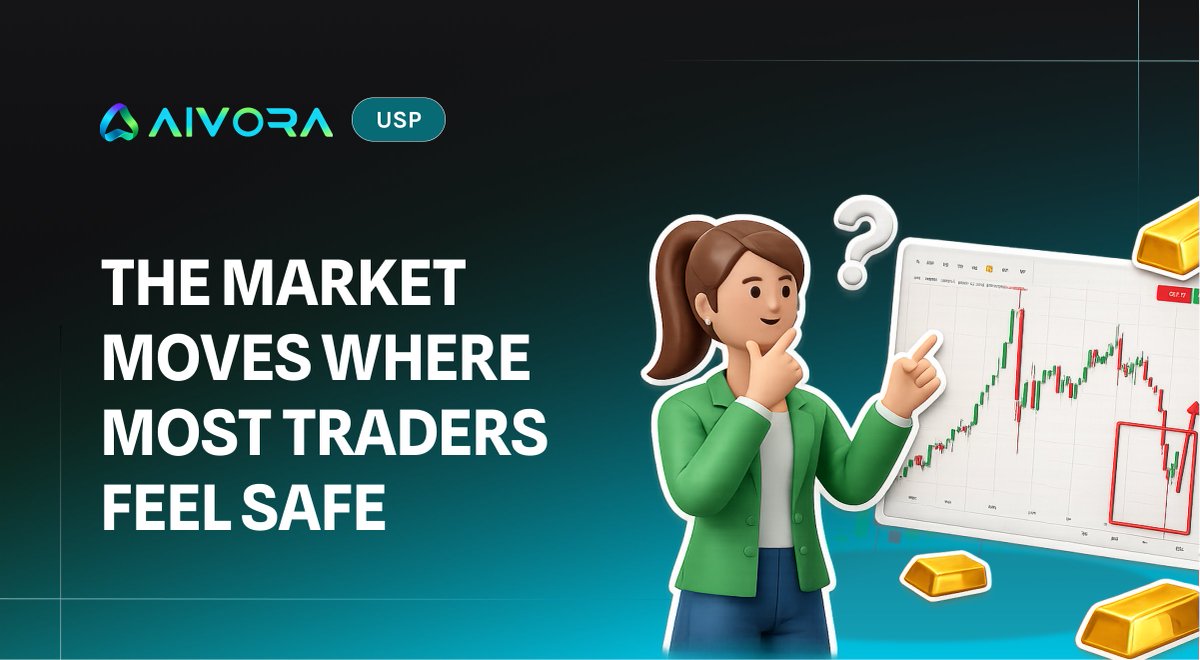
The Market Moves Where Most Traders Feel Safe The setups that look the cleanest are often the ones the market uses against retail traders. When a level looks too obvious, such as a perfect support bounce or a clean breakout line, many traders enter in the same zone and place stops in similar areas. That concentration creates liquidity, and the market is often drawn there first before making the real move. 🔹 Obvious entries attract crowded positioning 🔹 Crowded stops become liquidity zones 🔹 Price often moves through “safe” levels first 🔹 The real move usually comes after the trap What feels safe to most traders is often exactly where liquidity is sitting. Better execution comes from asking where the crowd is positioned, not where the chart looks the cleanest. Trade with structure on Aivora 👇 aivora.com #Aivora #CryptoTrading #MarketBehavior #TradingPsychology #Liquidity `````````````
Aivora tweet media
English
1
1
8
2.3K
Aivora
Aivora@Aivoraex·
Why Most Traders Exit Winning Trades Too Early One of the most common trading mistakes isn’t taking bad entries. It’s cutting good trades too soon. The moment a position goes into profit, many traders start thinking about protecting what they have instead of following the original plan. A small pullback feels like danger, so they close early, only to watch price continue moving exactly as expected. 🔹 Fear protects small gains but kills bigger moves 🔹 Early exits destroy your risk-to-reward 🔹 A few strong winners often drive overall profitability 🔹 Exits should follow structure, not emotion This usually comes from the fear of turning green into red. But trading consistency is built by letting quality setups reach their planned targets, not by reacting to every candle. Trade with structure on Aivora 👇 aivora.com #Aivora #CryptoTrading #TradingPsychology #RiskManagement #CryptoEducation #Trading
Aivora tweet media
English
0
1
4
1.9K
Aivora
Aivora@Aivoraex·
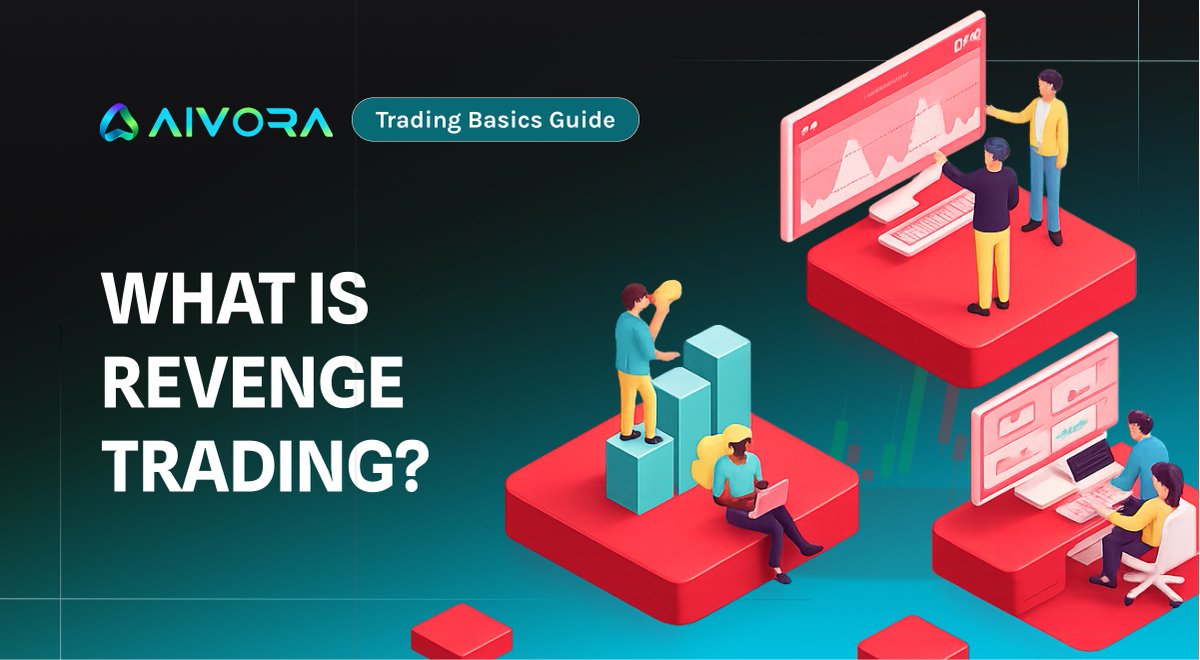
What Is Revenge Trading? Revenge trading starts the moment a loss stops being just a trade and turns into something emotional. Instead of accepting the setup failed, many traders immediately look for the next entry just to “win it back.” That’s where consistency breaks. The second trade is no longer based on market structure or timing. It’s driven by frustration, ego, and the need to recover quickly. One bad trade often becomes three or four because the focus shifts from execution to emotion. 🔹 The next trade is taken to recover, not because it’s valid 🔹 Position size often increases after a loss 🔹 Emotions replace structure and discipline 🔹 Small losses can quickly become account damage The market doesn’t know you need to make it back. Every trade must stand on its own logic. The moment you trade to erase a previous loss, you stop trading the market and start trading your emotions. Trade with structure on Aivora 👇 aivora.com #Aivora #CryptoTrading #TradingPsychology #RevengeTrading #CryptoEducation #Trading
Aivora tweet media
English
0
1
6
1.9K
Aivora
Aivora@Aivoraex·
Liquidity Moves First, Direction Comes Later One of the most frustrating experiences in trading is being right on direction but still getting stopped out. Price taps your stop, then immediately moves exactly where you expected. This happens because the market often looks for liquidity before making the real move. Areas around recent highs, lows, support, and resistance usually hold clusters of stop losses. Price is naturally drawn to these zones first before expanding in the intended direction. 🔹 Price often sweeps liquidity before trending 🔹 Obvious stops become fuel for the move 🔹 Direction usually comes after the sweep 🔹 Entry timing matters as much as bias Being right on direction is only half the trade. The real edge comes from understanding where liquidity sits and waiting for price to clear it first. Trade with structure on Aivora 👇 aivora.com #Aivora #CryptoTrading #MarketBehavior #Liquidity #TradingPsychology #CryptoEducation
Aivora tweet media
English
0
1
6
1.2K
Aivora
Aivora@Aivoraex·
Why Structured Trading Beats Emotional Trading Most trading mistakes don’t come from bad market analysis. They come from emotion. Fear makes traders exit too early, greed keeps them in too long, and FOMO pushes entries that were never part of the plan. Structured trading removes impulse from the decision-making process. Instead of reacting to every candle, traders follow predefined rules for entry, risk, and exit. That consistency is what turns random results into repeatable performance. 🔹 Logic defines the setup before the trade 🔹 Risk is planned before profit 🔹 Execution follows rules, not emotion 🔹 Discipline builds long-term consistency At Aivora, trading is built around structure, discipline, and clear execution logic, helping traders stay focused on process instead of emotion. Trade with structure on Aivora 👇 aivora.com #Aivora #CryptoTrading #TradingPsychology #TradingDiscipline #CryptoEducation
Aivora tweet media
English
0
0
4
3.4K
Aivora
Aivora@Aivoraex·
What Is a Liquidity Sweep? A liquidity sweep happens when price briefly moves into an obvious level, triggers stop losses and breakout entries, then quickly reverses. This is why many traders get stopped out first, only to watch the market move exactly in their original direction. It’s not random. The market needs liquidity to fuel the next move. Areas above recent highs and below recent lows usually hold clusters of stop losses, making them natural targets before real expansion begins. 🔹 Price often sweeps highs or lows first 🔹 Stop losses create liquidity zones 🔹 The real move usually starts after the sweep 🔹 Timing matters more than initial direction Instead of asking where price is going, ask where liquidity is sitting. Better entries often come after the sweep, not before it. Trade with structure on Aivora 👇 aivora.com #Aivora #CryptoTrading #Liquidity #TradingBasics #TradingEducation
Aivora tweet media
English
0
1
5
5.5K
Aivora
Aivora@Aivoraex·
The Market Doesn’t Reward Effort - It Rewards Timing Most traders think working harder means trading more. More screen time, more setups, more entries. But effort doesn’t translate to profit in this game. The market only pays when conditions align. If you’re forcing trades in between, you’re just feeding liquidity. Good trades are not frequent. They show up when the market is imbalanced, not when you feel like trading. 🔹 Most trades happen in noise, not opportunity 🔹 Overtrading is usually emotional, not logical 🔹 The best setups are obvious but rare 🔹 Waiting is part of execution, not inactivity You don’t need to be in the market all the time. You need to be there at the right time. That’s where the edge is. Trade with structure on Aivora 👇 aivora.com #Aivora #CryptoTrading #TradingPsychology #CryptoEducation #Trading
Aivora tweet media
English
0
3
6
27.9K
Aivora
Aivora@Aivoraex·
You Don’t Need More Trades - You Need Better Ones Most traders don’t have a strategy problem. They have a frequency problem. Taking more trades feels productive, but it usually comes from boredom, FOMO, or the need to make something happen. The market doesn’t pay you for activity. It pays you for precision. Every extra trade outside your plan adds noise, increases emotional decisions, and slowly erodes your edge. 🔹 Fewer trades, higher quality 🔹 Patience is edge 🔹 Selectivity builds consistency Consistency doesn’t come from being active all day. It comes from waiting for conditions that actually favor you, then executing without hesitation. Trade with structure on Aivora 👇 aivora.com #Aivora #CryptoTrading #TradingPsychology #CryptoEducation #Trading
Aivora tweet media
English
0
2
6
1.3K
Aivora
Aivora@Aivoraex·
Why You Keep Getting Stopped Out Most traders think the market is targeting them. Every entry gets stopped out, then price moves in their direction. It’s not personal. It’s positioning. Most stops sit in obvious places like below support or above resistance. When many traders place stops in the same zones, it creates liquidity the market can use. 🔹 Obvious stops get hunted 🔹 Market seeks liquidity before real moves 🔹 Stop placement matters more than direction You can be right on direction and still lose if your stop is predictable. Better traders don’t just ask where price is going. They ask where others will get stopped. Trade with structure on Aivora 👇 aivora.com #Aivora #CryptoTrading #RiskManagement #Liquidity #TradingEducation #TradingPsychology
Aivora tweet media
English
2
3
10
1.4K
Aivora
Aivora@Aivoraex·
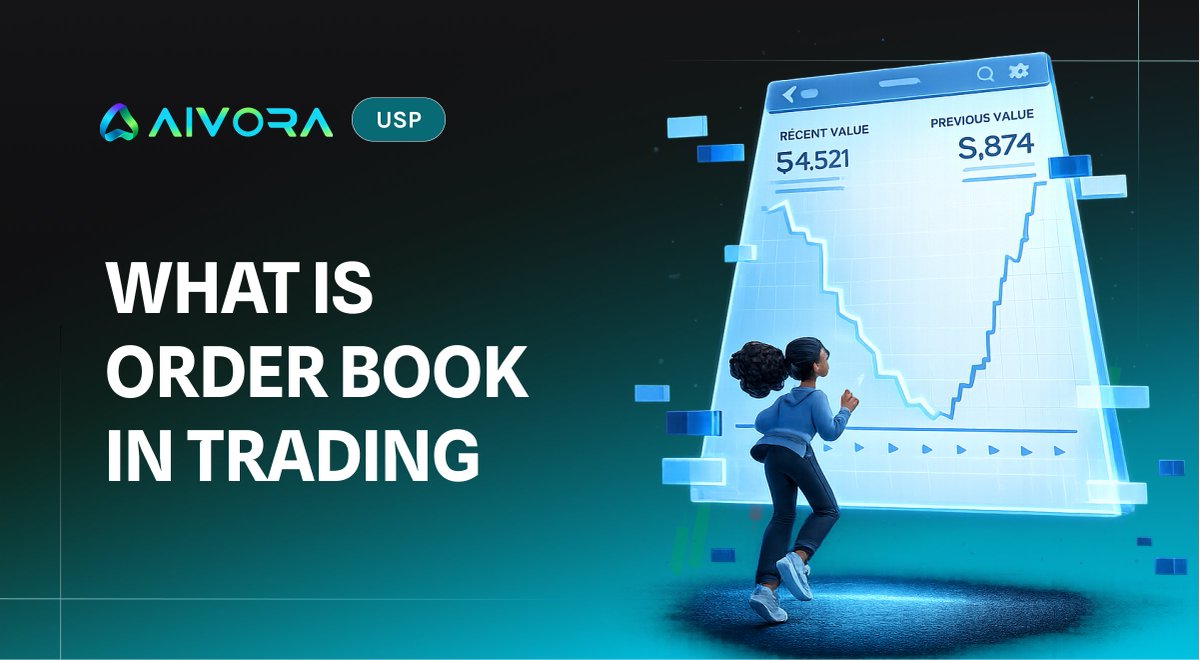
What Is Order Book? If you want to understand how the market really moves, you need to understand the order book. It’s where all buy and sell orders are placed — and where price is actually formed. The order book shows two sides: buyers and sellers. Prices move based on how these orders interact. When buy pressure is stronger, price moves up. When sell pressure dominates, price moves down. At the core of the order book are two key concepts: 🔹 Bid – buy orders waiting below current price 🔹 Ask – sell orders waiting above current price 🔹 Supply & Demand – imbalance between bids and asks moves price This is why the order book matters. It gives you a real-time view of where liquidity sits and how the market is positioned, not just what already happened on the chart. Understanding order flow starts here. Price is not random — it’s the result of buyers and sellers competing in the order book. Trade with structure on Aivora 👇 aivora.com #Aivora #CryptoEducation #OrderBook #TradingBasics #CryptoTrading #MarketMechanics
Aivora tweet media
English
19
4
24
3.4K
Aivora
Aivora@Aivoraex·
Why Price Moves Before News Many traders wait for news before entering, thinking it’s safer. But by the time news is released, the move is often already done. Markets move on expectations, not reactions. Big players position early, while news mostly confirms what’s already priced in. This is why retail traders often enter too late - chasing after the move. What really happens: 🔹 Smart money positions early 🔹 News confirms the move, not creates it 🔹 Retail reacts late Instead of chasing news, better traders focus on positioning before the crowd. Trade with structure on Aivora 👇 aivora.com #Aivora #CryptoTrading #MarketBehavior #TradingPsychology #CryptoEducation
Aivora tweet media
English
26
3
29
4.6K