naz
7.7K posts

naz
@AlgorithmicBot
self studying math: done: hammack, spivak, lay & lay LA, colley vector calc now: diffy qs (lebl) & hirsch de 1ed next: blitzstein, abbott, wasserman

monte carlo Katılım Haziran 2018
4.1K Takip Edilen8K Takipçiler
Sabitlenmiş Tweet

Implication, necessary and sufficient conditions are usually taught inadequately
Here is how I would teach these concepts: blog.naz.ooo
English
naz retweetledi

I think I finally figured out how to use AI at scale
of course, the fact Fable is good is part of it. but I also changed how I work, and it all comes down to one key realization: you don't need to audit the code, but you NEED to audit the *choices* it made. if you just do that, things will work out, and you'll never lose a codebase to chaos. with Fable at least, the following seems to hold:
if I give it a good decision:
Fable implements it PERFECTLY
if I let it decide instead:
Fable may make some bad choices
that's how I see Fable: as a perfect execution machine capable of converting good decisions into good codebases, no matter how large. given a concrete plan, it lands its implementation. but when anything is underspecified, it can, and will, make bad choices. that's what you must audit.
"while working on this, which choices did you make that you're not confident of? list all."
then, you just review that. not the git diff, not 1000's of lines of code. just the choices it made along the way.
below is a fresh example. overnight, I asked Fable to fix an issue related to MatMul parallelizing worse than expected. it tracked the culprit with perfection, and landed a solution that DID work. but the solution was not general. it just doubled a buffer, which coincidently fixed the program at hands, but the underlying issue was still present.
when it completed the job, it declared success. if I just merged it blindly, the issue would still be dormant. that's the main mistake one can do with AI. instead, I asked it to spell out all decisions it made, spotted the bad one, corrected its course, and now the codebase is clean, correct and the issue is gone for good
I really think that if you do that religiously - i.e., NEVER merge without this "which decisions you made?" audit - you can go VERY far without ever reading a single line of code. at least on Bend, this is working incredibly well. despite heavy use of AI to implement an ungodly amount of features I could never dream of, the codebase is still in a superb state, with no signs of degradation
fresh example below ↓

English

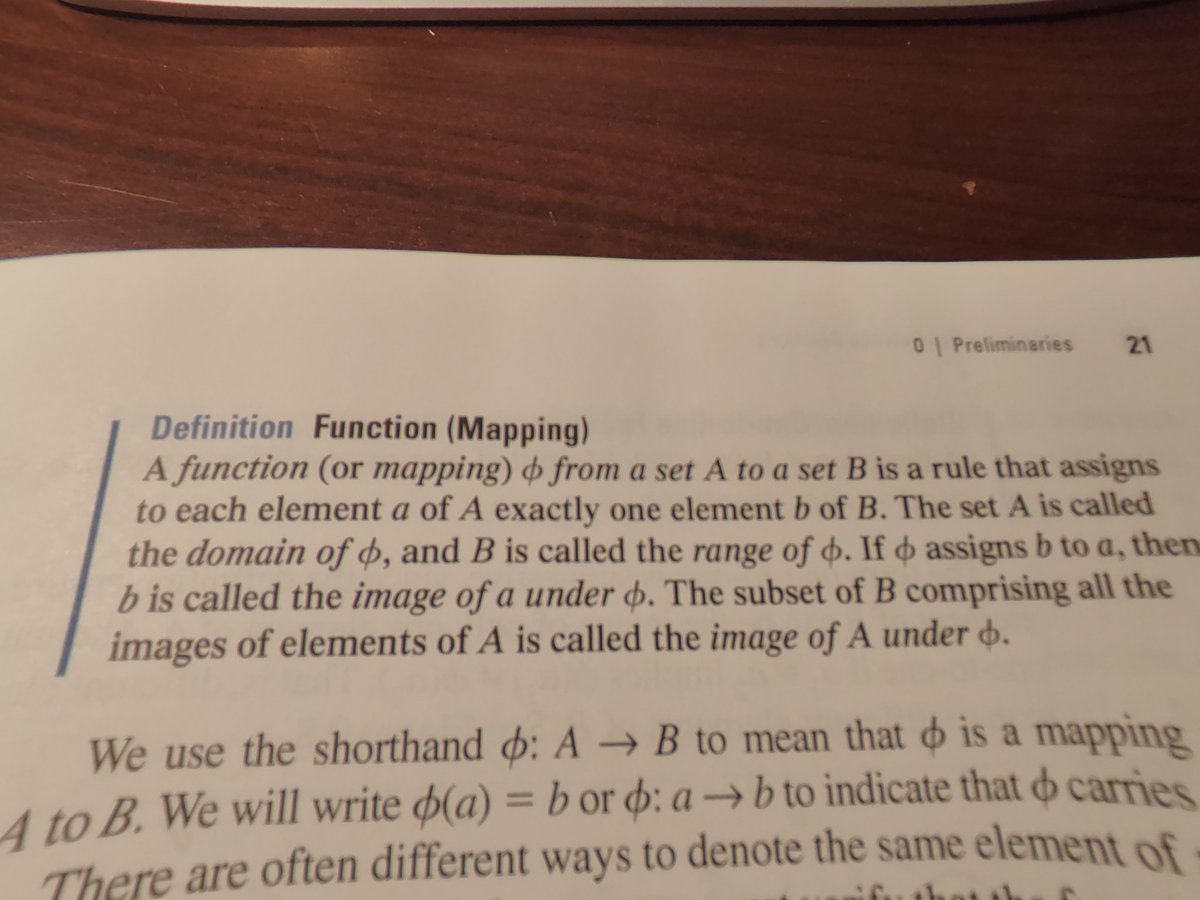
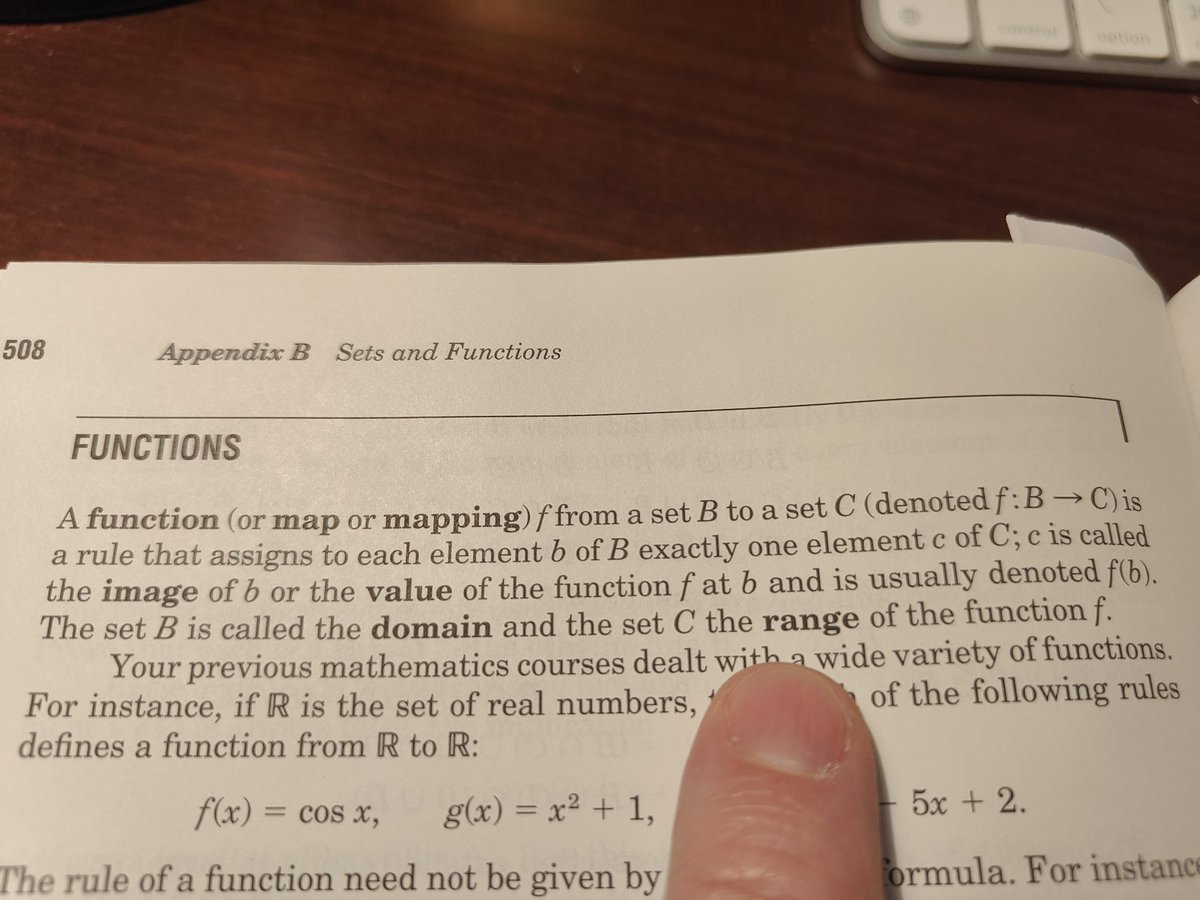
@martinmrmar interesting, thought the one that calls B the range was the older one
English


We are literally governed by communists now.
The worst people of our society have been granted power with no election and no mandate.
Britain is a banana republic. Bond market, please do your thing. Burn it all to the ground so that something better may rise from the ashes.
GB Politics@GBPolitcs
🚨NEW: Alison Phillips, currently a member of the board at Hope Not Hate, has been confirmed to join Andy Burnham's No 10 as Director of Transition
English

@CutMyTaxUK @Telegraph correct. and 150k isn't even that high of a salary...
English

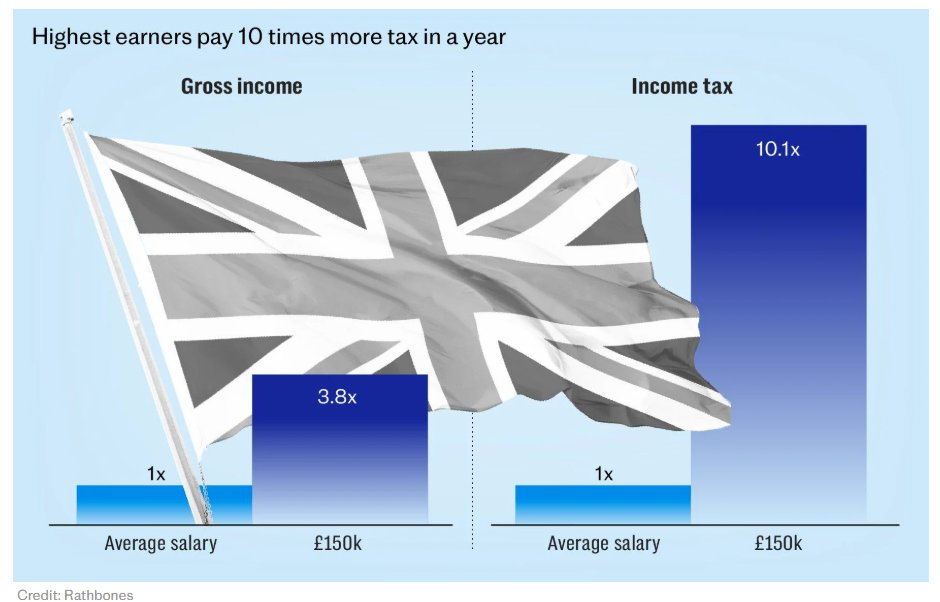
Someone earning £150,000 will pay over 10 times as much income tax as someone on the average salary while earning less than four times as much, notes @Telegraph
That worker earning £150,000 a year will pay the same amount of income tax in just four years as an average earner will during their entire working life, an analysis by wealth management firm Rathbones has found.
Nimesh Shah, of accountancy firm Blick Rothenberg, said: “There is a disincentive to work & progress & develop to earn more.
“Put bluntly, this is how our tax system works.”

English
naz retweetledi

@gdb for chatting with frontier level model - I agree. But ChatGPT somehow feels less strong when it comes to remembering very simple instructions. Like it does not always action on its memory items, even within a single chat session context - and that makes it hard to use.
English

our models are built to provide the best price for any given task.
if you're able to get better price/perf on any workload, would love to hear the details and look at it together — gdb@openai.com.
English

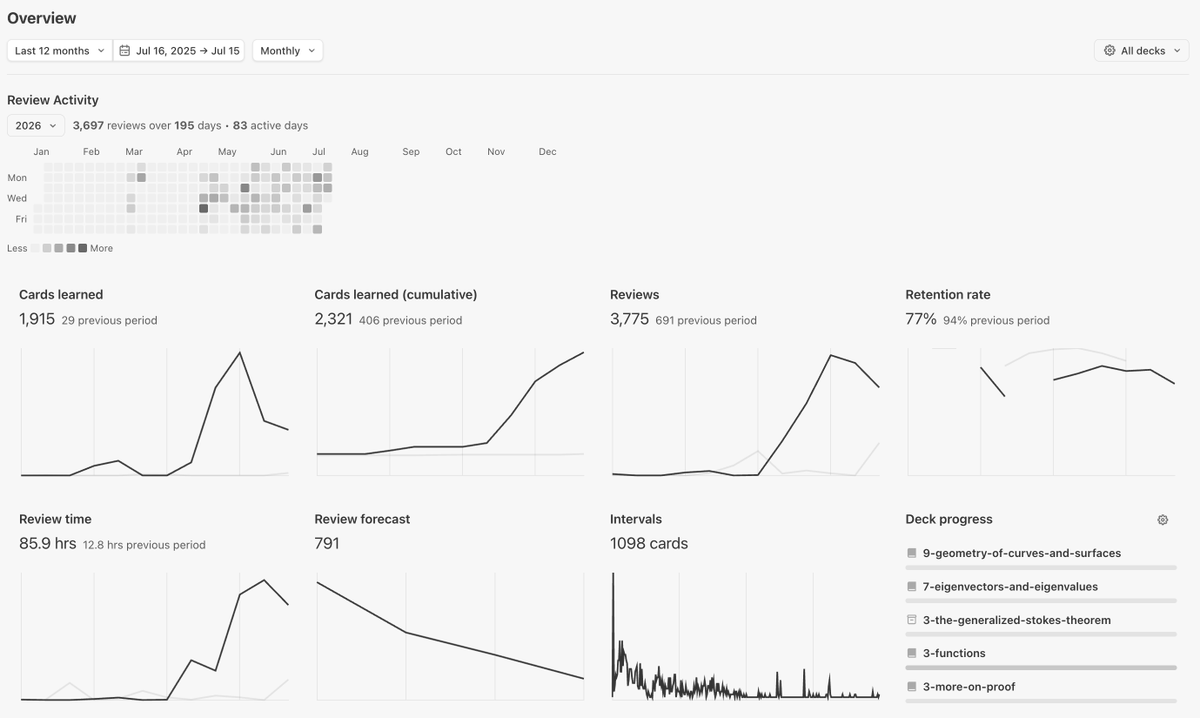
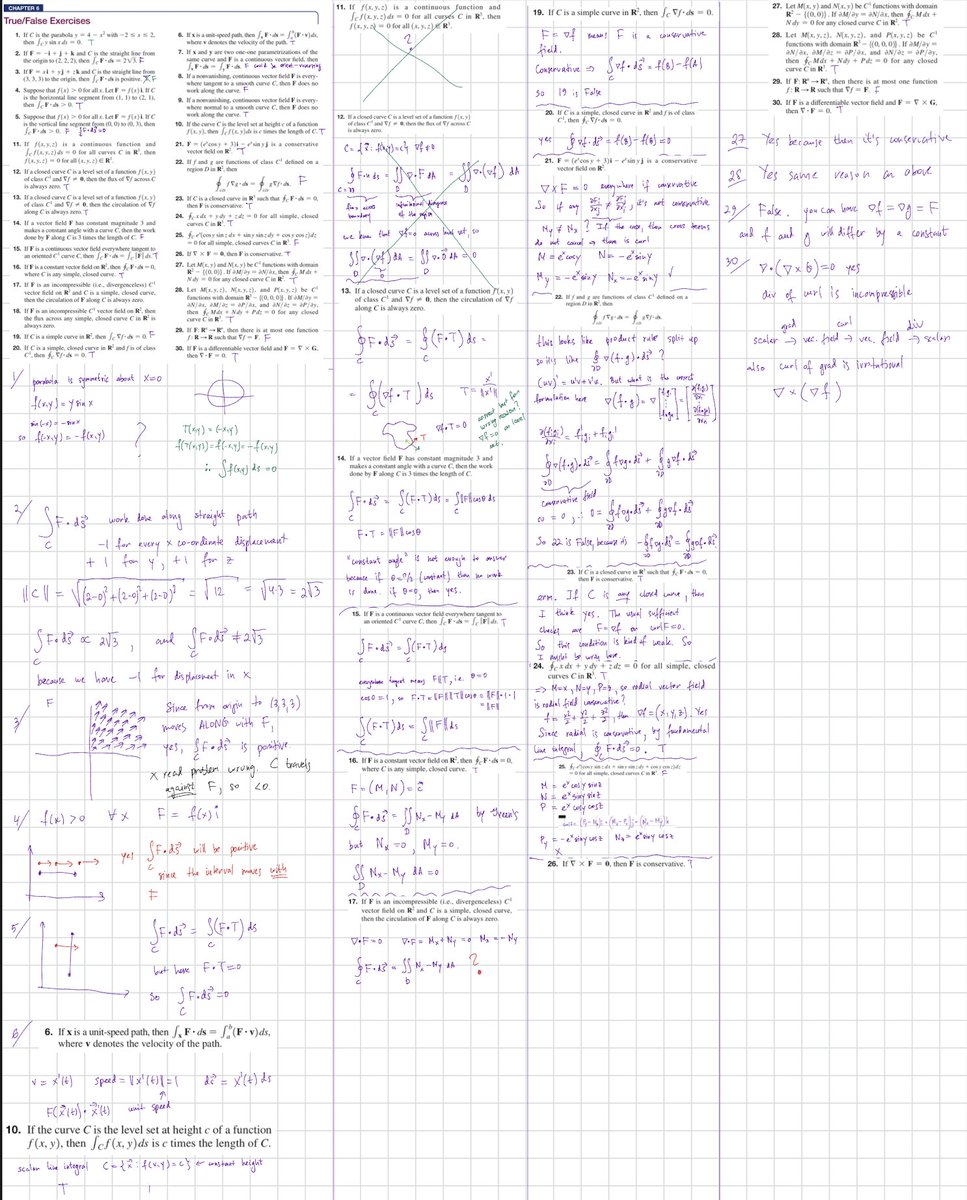
Vector Calculus by Susan Colley - completed 🎉
I hadn't studied any vector calc before this book, so I went in quite Green (got it?). The original plan was Hubbard's Vector Calculus, but it would have taken far longer to get through, so I switched a few days in. My first impressions of Colley were mixed - mostly down to notation abuse in the early chapters. Thankfully that turned out to be a very localised inconvenience: the rest of the book is fantastic. Tons of interesting exercises, and a lot of things I'd seen in machine learning finally clicked - the gradient as the direction of steepest ascent/descent, for example. Hubbard has plenty of material I find genuinely interesting, but my goal was to get up to speed with standard vector calc as fast as possible, and Colley does that very well.
The big meta lesson from this run: spend more time picking the right book. I already use AI heavily in my studying, so why not use it to work out what needs learning in the first place - and which books, or even which chapters and sections, are relevant to you? Never in the history of humankind has an individual had a personal professor and domain expert in every subject within such close reach, permanently "on call". This is technology that empowers every individual. Use these tools to your advantage - don't outsource your thinking to them, make them make you smarter!
I had Claude and ChatGPT produce a roadmap of the areas of math I need for my specific goals. You can go a step further and have these tools rate different books along multiple axes against your end goal, so that even the book you pick up is specifically tailored to you! More than that: share a table of contents and they'll tell you which chapters are core and which are optional. My next goal is differential equations - looks like around 6 weeks. For that one, I had Claude build a section-by-section reading roadmap, including some optional material my primary book doesn't cover, pulled from a second book.
All of this to say: you can now learn whatever you want, and quite rapidly. There's a prevailing opinion that drilling exercises is overwhelmingly superior to picking up a book. Drilling per se isn't the problem - the problem is being handed a paragraph of context and then 100 copies of the same exercise in different flavours. That turns you into a machine that has acquired a bag of cookbook recipes. Personally, I find it far more enjoyable to take a strong book and crunch through it. And use AI here too: have it pick out which of the book's exercises actually deserve your attention - the ones that align with your end goals and each test a genuinely different area of your knowledge. That way you study on your own terms: you decide what's worth your time, instead of being spoon-fed and relying on someone else's judgment. Like, go beat Spivak's Calculus with sheer number crunching.
naz@AlgorithmicBot
linear algebra by lay and lay done took me just under 6 weeks, produced around ~1000 flashcards will write a blog post about how I self study math soon next on: hubbard's vector calclus. this one is going to likely take longer. but seems first 4 chapters overlap a ton with linear algebra anyway

English

@littmath i am not on pro, but it can't follow simple instructions like wrapping certain symbols with \text command when writing latex.
no matter how many times you repeat this, it will continue to commit the same mistake. no such problem with claude.
but i like sol's content better
English

@UKDecline i suspect some london dpd depots do the same thing
for example, look at london docklands dpd google reviews
English

@thsottiaux @ClaudeDevs exactly how I imagined the two companies taking us to the promised land would interact
English
naz retweetledi

Binance is arguably the world's largest crypto exchange.
Feb 2026: Polymarket lists a small 5-minute Bitcoin contract. Since then, Binance order flow spikes in the final seconds before settlement; prices revert soon after.
New paper with David Dai and Shihao Yu ( @ShihaoY ): Settlement Manipulation in Prediction Markets (papers.ssrn.com/sol3/papers.cf…)🧵
The finding, up front:
Traders push Bitcoin's price in the final seconds to decide the contract. That push makes the price less informative, yet Bitcoin's market more liquid. Market makers are largely insulated; ordinary traders lose $7.6M in two months.

English