
Sabitlenmiş Tweet

Tomorrow marks 100 years since the end of WW1, like many in this world our family suffered a mysterious tragedy that stayed till today unsolved, my great grandfather, Ali Hashem, went to the war and never returned

English
Ali Hashem علي هاشم
54.6K posts
@Alihashem
🇱🇧|🇸🇱 @AJEnglish | Founder @darhashembooks & @aljadahmedia | bylines @AlMonitor @AmwajMedia @foreignpolicy| MA Politics & IR (#Iran) @RoyalHolloway

An Iranian official source told me Tehran has warned Washington that any Israeli attacks on Beirut or the southern suburbs would seriously jeopardize ongoing efforts to end the war, and could derail the diplomatic track altogether.
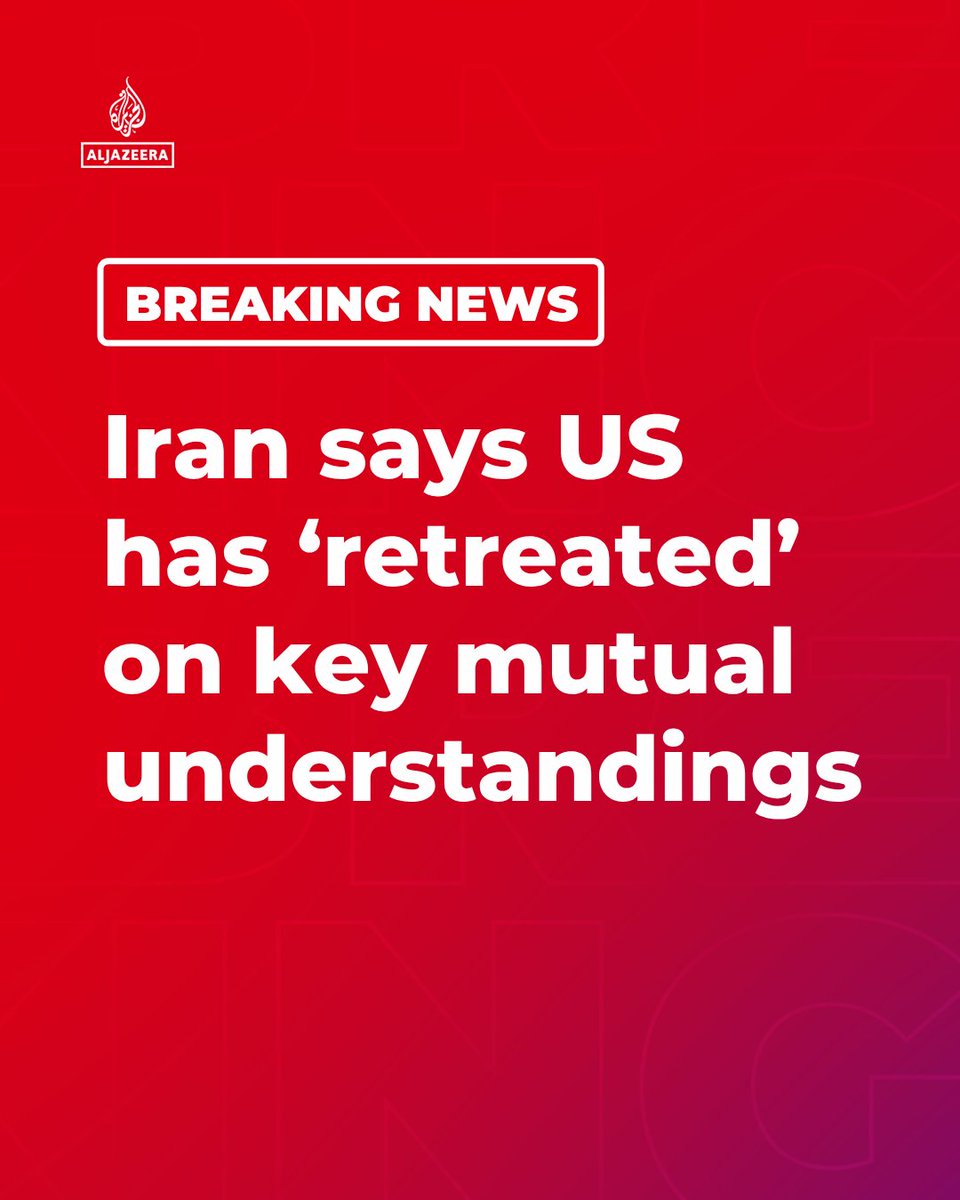
Less than 24 hours after optimism emerged around a possible Iran-US memorandum, negative vibes are already surfacing. A well-informed Iranian source tells me there are signs of U.S. retreat on two central issues: the mechanism for unfreezing Iranian assets, and the scope of a ceasefire in Lebanon. According to the source, the memorandum includes a Lebanon ceasefire framework, but Israel is reportedly uncomfortable with the arrangement and is pushing Washington to include language allowing it to carry out military operations in Lebanon under the justification of responding to “any threat.” Iran is rejecting that formulation and insisting on a sustainable and lasting ceasefire. Tehran has informed all mediators, including Pakistan, that it will not sign the memorandum unless all clauses are fully agreed and guaranteed. Pakistan reportedly suggested moving forward with agreed sections while postponing contentious points, but Iran rejected that approach, insisting the disputed clauses are fundamental and non-negotiable. The overall picture suggests Tehran increasingly views Washington as backing away from earlier understandings reached through mediators.

On whether Israel can sabotage the current understanding, a regional source told me: “The train of an agreement is moving faster than Israel. Everyone in the region wants to avoid another war, and President Trump understands the danger of playing with fire with Iran once again.” Still, negotiations remain fluid and ongoing. As another regional official described it, the process resembles a game of snakes and ladders, progress can suddenly give way to setbacks, and until the very last moment, the possibility of failure always remains.
According to my sources, the draft proposal that’s supposed to be finalised include: -End of war on all fronts including Lebanon -Freeing several billion dollars of Iran's blocked funds -Lifting the U.S. naval blockade and opening the strait of Hormuz -Withdrawal of American forces from the immediate vicinity of Iran After this, the parties will have 30 days to agree on the nuclear issue. These 30 days can be extended by mutual agreement. During these thirty days, passage will be facilitated through the strait. According to Iran, management of the Strait of Hormuz will be an Iranian-Omani issue, and is being negotiated with Muscat.

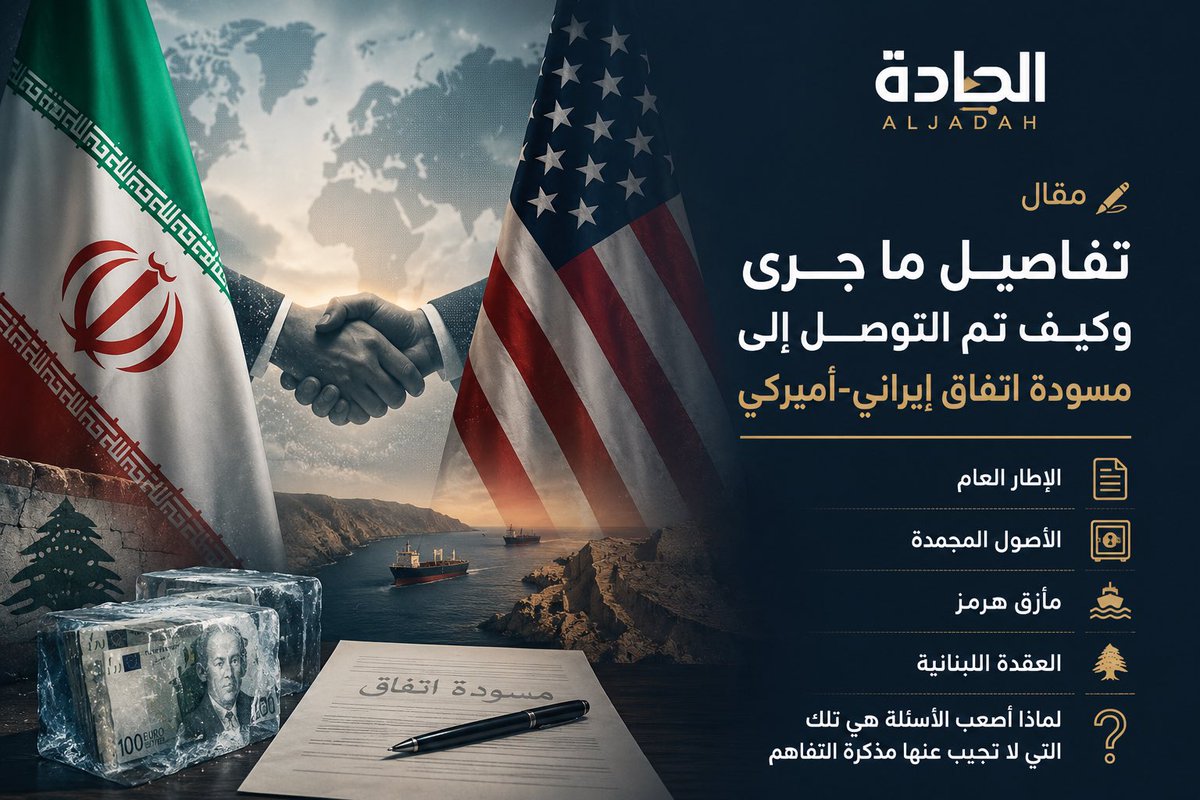

My earlier tweet on the draft Iran-U.S. deal has now become a full piece for @AmwajMedia. The framework, the unfrozen assets angle, the Hormuz impasse, the Lebanon knot, and why the hardest questions are the ones the current MOU can’t answer. amwaj.media/en/article/ins…

My earlier tweet on the draft Iran-U.S. deal has now become a full piece for @AmwajMedia. The framework, the unfrozen assets angle, the Hormuz impasse, the Lebanon knot, and why the hardest questions are the ones the current MOU can’t answer. amwaj.media/en/article/ins…
My earlier tweet on the draft Iran-U.S. deal has now become a full piece for @AmwajMedia. The framework, the unfrozen assets angle, the Hormuz impasse, the Lebanon knot, and why the hardest questions are the ones the current MOU can’t answer. amwaj.media/en/article/ins…

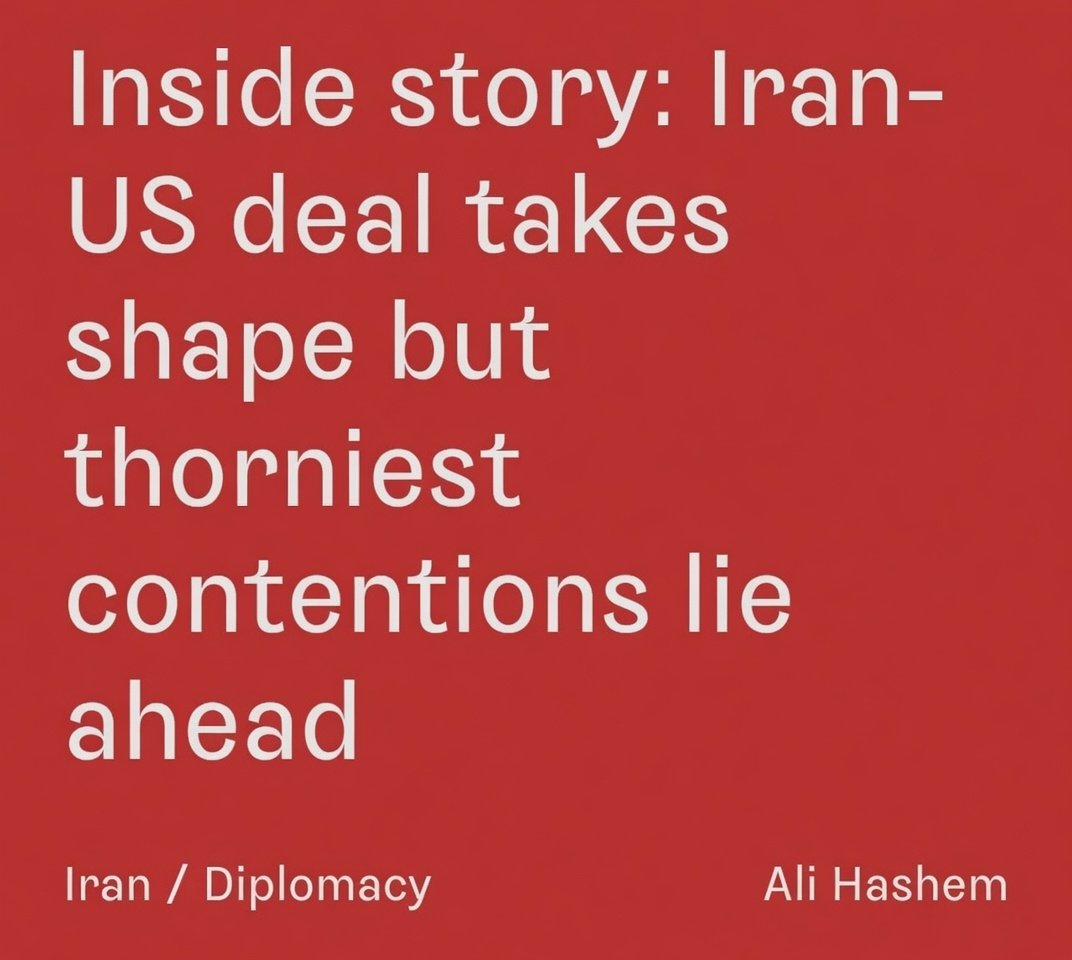
My earlier tweet on the draft Iran-U.S. deal has now become a full piece for @AmwajMedia. The framework, the unfrozen assets angle, the Hormuz impasse, the Lebanon knot, and why the hardest questions are the ones the current MOU can’t answer. amwaj.media/en/article/ins…

