

Mr King
44 posts

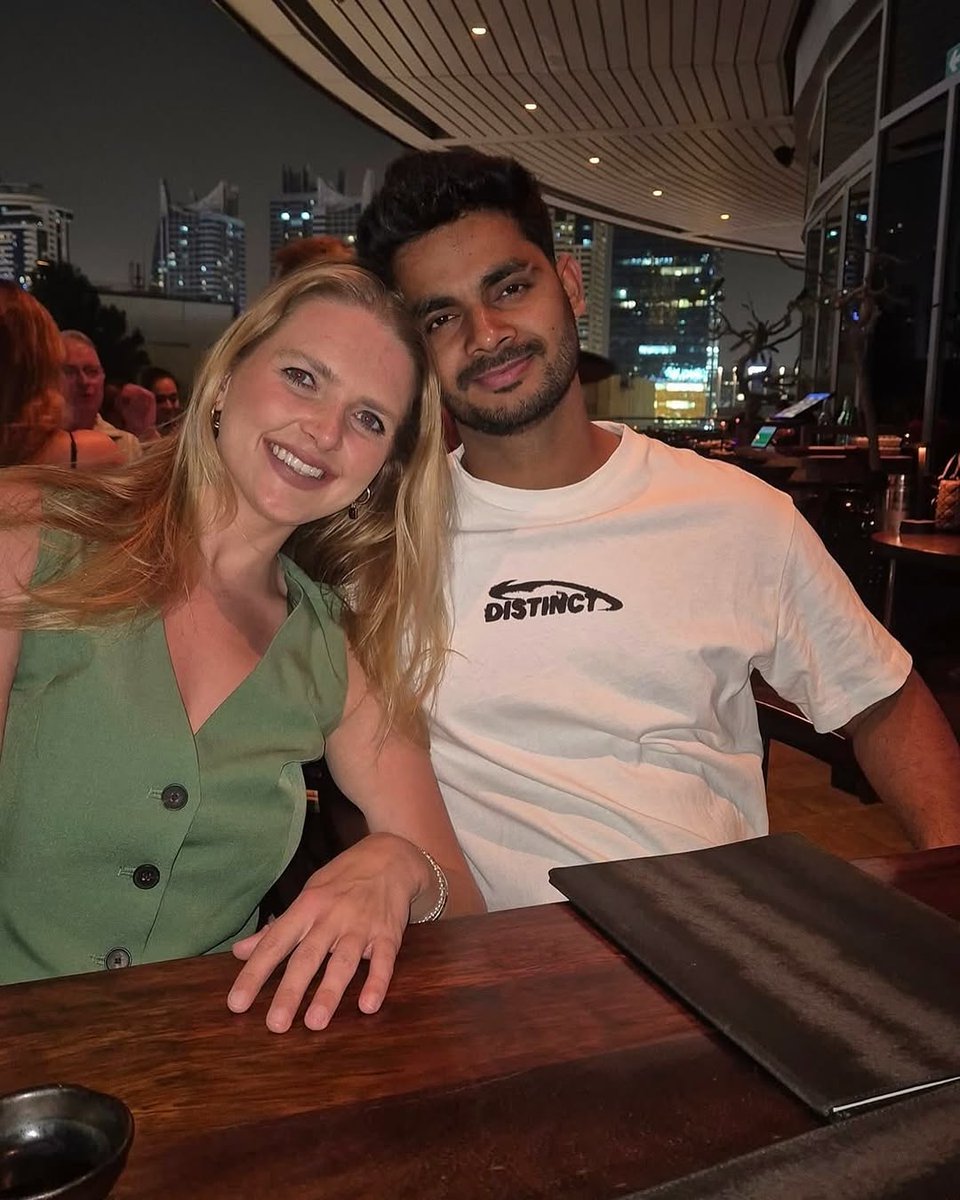
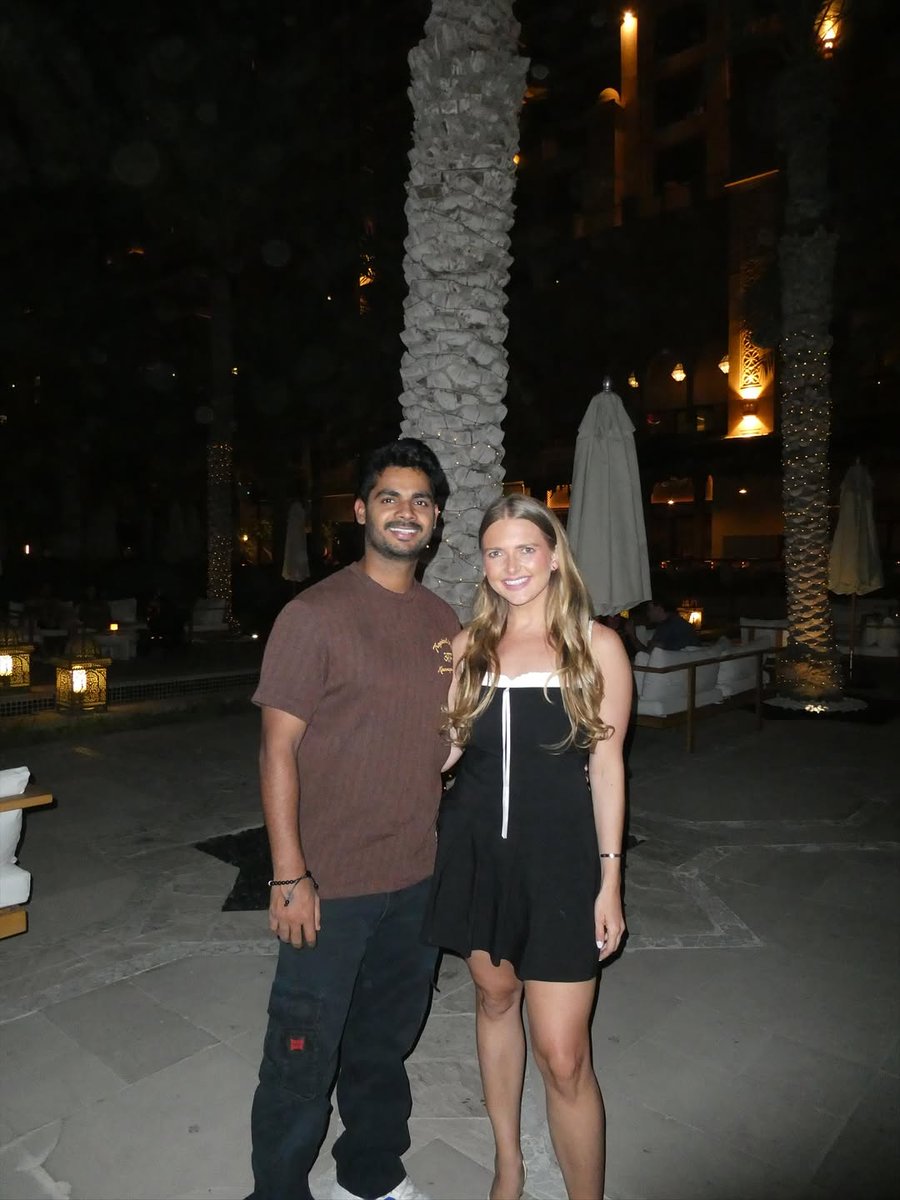
100% Indian Boy Scouts in Frisco Texas tonight.
We are INVADED and all anyone wants to do is go to foreign wars instead of DEFENDING America on our own soil.

English



@1stclassclips @TuckerCarlson Rather listen to a seasoned academic , than an idiotic twink
English

Professor Jiang Xueqin on how this war is likely to go and what happens to the world.
(0:00) How Will the Iran War Be Resolved?
(7:33) The 3 Major Trends We Will See Due to This War
(11:28) Will Japan Become a Nuclear-Armed Power?
(16:06) The Future of South Korea
(20:12) The Energy Crisis
(25:23) The Future of the GCC and Iran
(29:57) The Greater Israel Project
(35:11) How US Ground Troops Will Change the War
(36:46) Prof. Xueqin’s Advice to Donald Trump
(38:49) Is It Possible for the US to Get Israel Under Control?
(45:03) What Role Does Trump Play in All This?
(48:21) The Future of North America
(54:59) Are We Seeing the End of Europe?
(1:00:58) How Many Americans Truly Understand What’s Happening in the World?
(1:03:50) The Effort to Destroy Western Civilization
English

@buperac It feels much higher than 2.12%. Probably closer to 12.12%.
English

Holy shit, only 2.12% of people are able to turn an entire country into an Izzat shithole?
Good lord if this gets past 3% it’s fucking over.
ɢᴜʀᴘʀᴇᴇᴛ ꜱɪɴɢʜ ᴍᴀᴀɴ@iamgurpreetmaan
Countries with Sikh Population. 🇨🇦 Canada 2.12% 🇮🇳 India 1.72% 🇳🇿 New Zealand 1.07% 🇬🇧 United Kingdom 0.85% 🇦🇺 Australia 0.83% 🇴🇲 Oman 0.75% 🇦🇪 United Arab Emirates 0.56% 🇮🇹 Italy 0.37% 🇰🇼 Kuwait 0.35% 🇸🇬 Singapore 0.35% 🇵🇹 Portugal 0.34% 🇫🇯 Fiji 0.31% 🇲🇾 Malaysia 0.30% 🇨🇾 Cyprus 0.24% 🇬🇷 Greece 0.19% 🇭🇰 Hong Kong 0.16% 🇧🇭 Bahrain 0.11% 🇹🇭 Thailand 0.10% 🇧🇪 Belgium 0.09% 🇺🇸 United States 0.08% 🇳🇱 Netherlands 0.08% 🇳🇴 Norway 0.08% 🇩🇰 Denmark 0.07% 🇪🇸 Spain 0.05% 🇫🇷 France 0.04% 🇦🇹 Austria 0.04% 🇮🇪 Ireland 0.04% 🇸🇪 Sweden 0.04% 🇵🇭 Philippines 0.03% 🇮🇸 Iceland 0.03% 🇩🇪 Germany 0.03% 🇿🇦 South Africa 0.02% 🇸🇦 Saudi Arabia 0.02% 🇧🇩 Bangladesh 0.01% 🇬🇪 Georgia 0.01% 🇮🇩 Indonesia 0.01% 🇰🇪 Kenya 0.01% 🇲🇽 Mexico 0.01% 🇵🇰 Pakistan 0.01% 🇵🇦 Panama 0.01% 🇹🇹 Trinidad and Tobago 0.01% 🇺🇬 Uganda 0.01% 🇦🇫 Afghanistan 0.00% 🇦🇷 Argentina 0.00% 🇧🇷 Brazil 0.00% 🇮🇷 Iran 0.00% 🇳🇵 Nepal 0.00%
English

Imagine going on vacation to Banff in Canada and this is what you see
English

@IrishmanIRL Wealth extraction.
Parasitic behaviour. Doesn't benefit the host nation in any way. It actually impoverishes us.
English


@mrsunshinebaby @razibkhan Crazy. Are Sikhs generally thought of as good citizens in Canada? They have good reputation in rural California for the most part
English
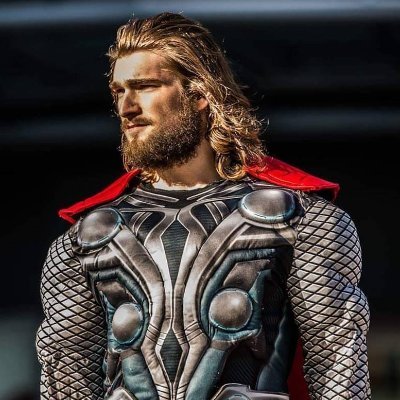
There is a greater percentage of Sikhs in Canada than there are in India…
🇨🇦 Canada 2.12%
🇮🇳 India 1.72%
English
@writesaket @visegrad24 India is a shit 3rd world country because of the people in it
English
@visegrad24 that's outright vile and racist, wealth is only pretense here!
English

We don't aim to become India, we aim to become Switzerland...
It's better for us to be 9 million rich Quebecers than 15 million poor Quebecers,
says Jean Francois Roberge, the Immigration Minister of Québec, as he defends his latest immigration cut. 🇨🇦

English
@valdombre Thats how it was even in the early 2000s, nanas, high school girls and some Pino ladies thats it not Jinders N J33ts
English

I miss when Tim Hortons hired Canadians and it was staffed by old ladies and teenagers.
English


English
@5chstereoAI @ThatchEffendi He doesn’t look remotely ponjabi insane cope
English

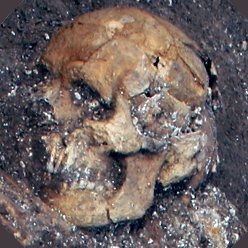
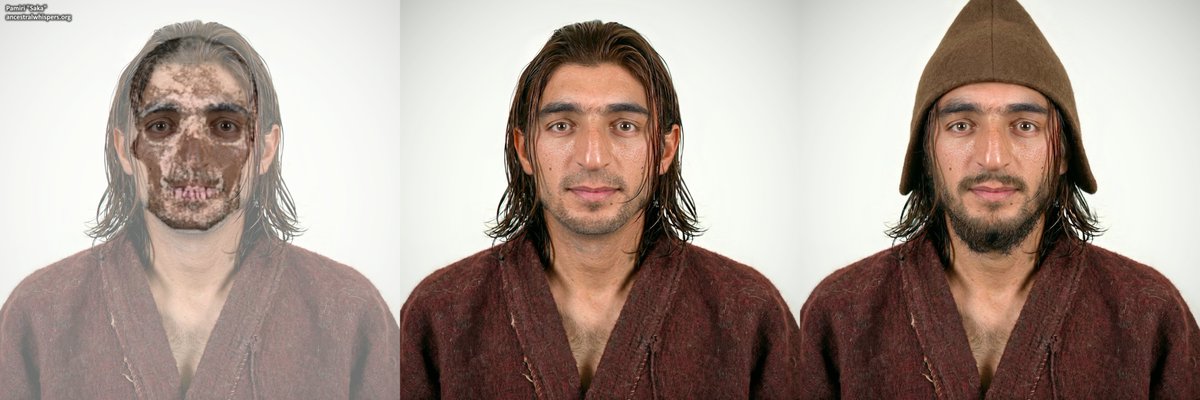
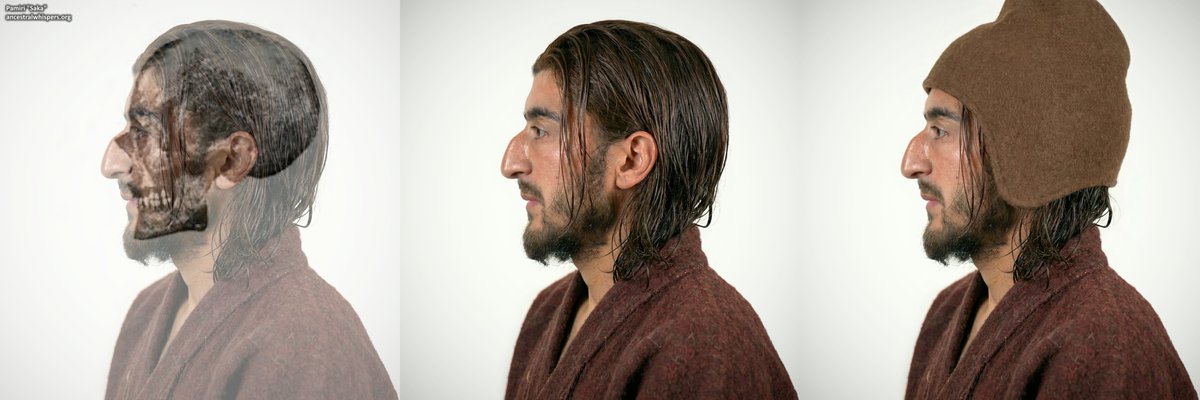
Facial reconstruction of a 2,500-year-old Pamiri "Saka" from Ak-Beit, Gorno-Badakhshan, Tajikistan
The material culture of the so-called Pamiri Saka is poorly studied, with most data deriving from excavations conducted in the mid-20th century. They are generally dated to between the 7th and 3rd centuries BC and are concentrated in the southeastern Eastern Pamirs.
Anthropologically, this population differs from typical Saka, showing affinities with southern Central Asia and even groups from the Swat Valley, rather than the Andronovo-like or Mongolid-mixed Andronovo morphology of the Saka proper.
Genetically, the Pamiri “Saka” were likely a mixture of south Central Asian farmers, Aigyrzhal-like populations, and Steppe_MLBA ancestry, making them more reminiscent of modern Pamiris and distinct from the Saka/Scythians proper.
Aleksandr Bernshtam linked them to the Saka based on kurgan burials, Scythian animal motifs, and the absence of settlements. Boris Litvinsky later associated them specifically with the Saka Haumavarga, proposing broader connections with South Asia, though early Indic sources do not clearly support such long-term interaction.
Earlier interpretations emphasized nomadism due to the lack of settlements, but more recent Central Asian archaeology suggests that such conclusions often overestimated pastoral mobility. Evidence from sites such as Xiangbaobao indicates both burial diversity (cremation and inhumation) and the presence of agriculture and permanent habitation.
Although the material assemblage appears Saka-like, notable differences exist: simpler metallurgy, less elaborate kurgans, and frequent flexed burials, unlike the supine burials typical of Saka groups in the Tian Shan. These features suggest continuity with earlier traditions, particularly the Andronovo culture, which practiced kurgan burials, flexed inhumations, and cremation in some variants. Both the domestic architecture and grave-type of the Andronovans survived among the Pamir Saka. In Tegirman-say, Kyzyl-Rabat and Vorukh people buried the dead within stone circles that enclosed stone cists, which were set in a pit and covered by stone slabs (Litvinsky 1972: 134-135). This rite is preserved in some districts of Afghanistan, in Ishkashim, Vahan, Darvaz and in Yagnob among Iranian peoples of the mountainous regions of Tajikistan (Andreev 1927: 53; Andreev and Polovtsev 1911: 17-18; Rakhimov 1956: 69).
The identification of these groups with the Saka Haumavarga remains uncertain. Historical evidence places the Haumavarga near the Achaemenid Empire, where they became vassals under Cyrus the Great - a scenario unlikely for the Eastern Pamirs. Thus, the attribution of these populations as “Saka” rests primarily on archaeological similarity rather than firm historical evidence. The material may instead reflect local adoption of Saka cultural elements, particularly among elites. Scythian-style warrior ideology and symbolism could have spread without large-scale migration.
It's possible that they were the Parama Kambojas of Indian epic literature. Many scholars have placed this warlike group of Kambojas in the Gorno-Badakhshan region. Later on Greek historians called the peoples which inhabit the mountainous regions of Sogdiana and Asian Scythia Komedes or Komroi. The later fate of these populations is unclear. Their final phases overlap with the period of Alexander the Great and the Greco-Bactrian Kingdom, after which the archaeological record becomes sparse. The region was later incorporated into the Kushan Empire and subsequently influenced by the Hephthalites.
English
@JUN1984NOV @Tablesalt13 @MattamyWatch @Concern70732755 That does not justify a woman being murdered for her views , this is a western society you fucking diaperhead jesus christ, it sets a dangerous precedence
English
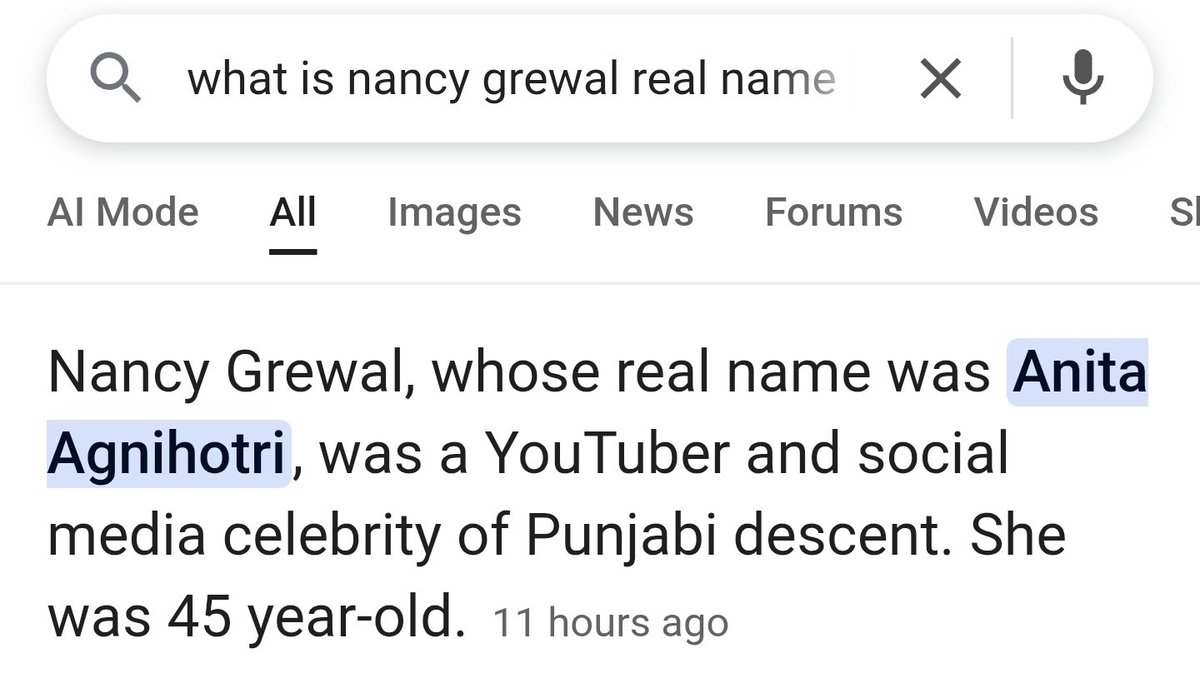
@Tablesalt13 @MattamyWatch She was an Indian plant and Bishnoi group eliminated her. Read below for her real name.
Why would a hindu ha e a Sikh name on social media @Concern70732755
English

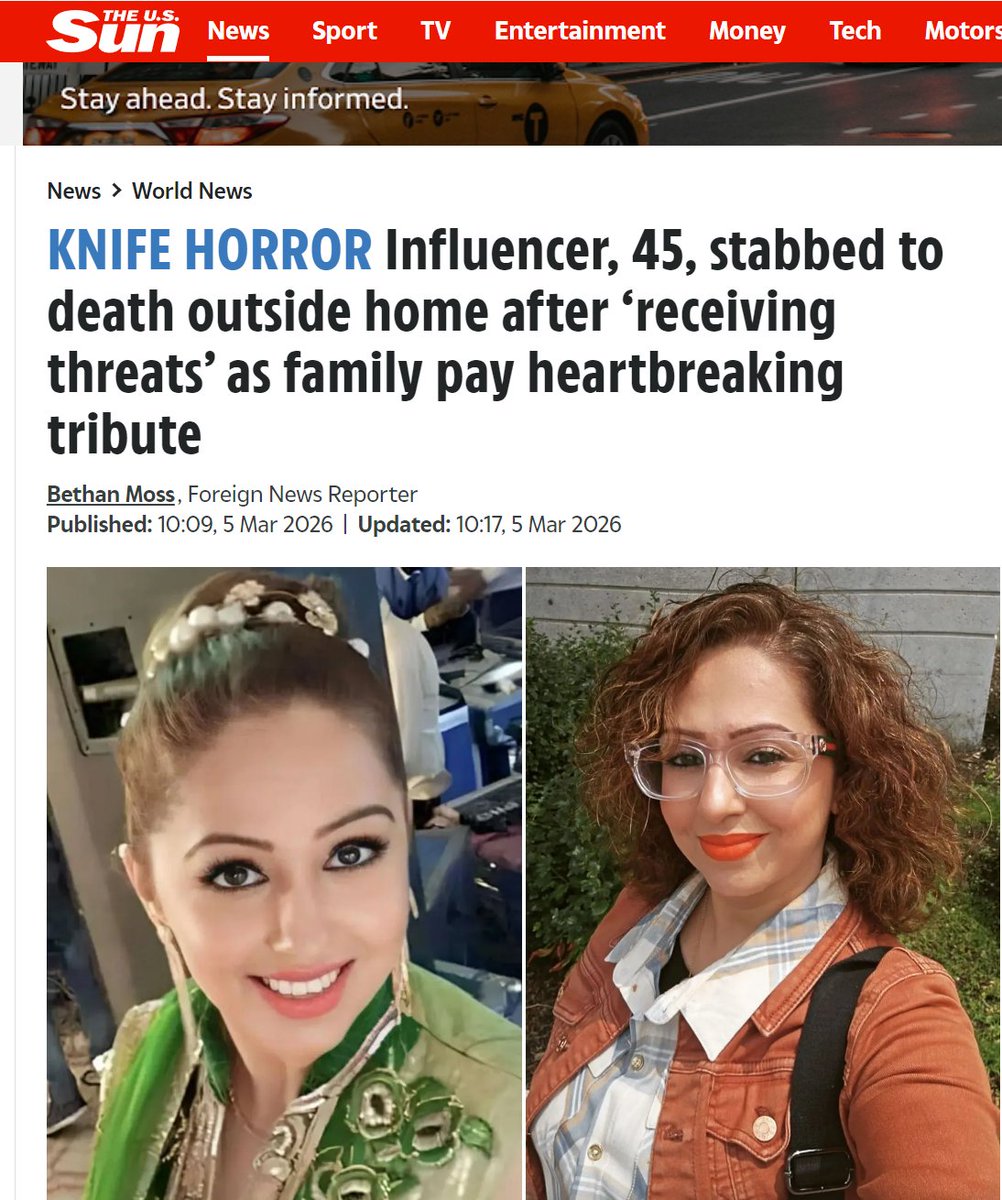
🚨MAJOR BREAKING
Canadian influencer, Nancy Grewal, 45, who had over 100,000 followers
and who was critical of Khalistani separatists
has been STABBED to death outside her Windsor home.
Her mother says she was stabbed EIGHTEEN TIMES!
English

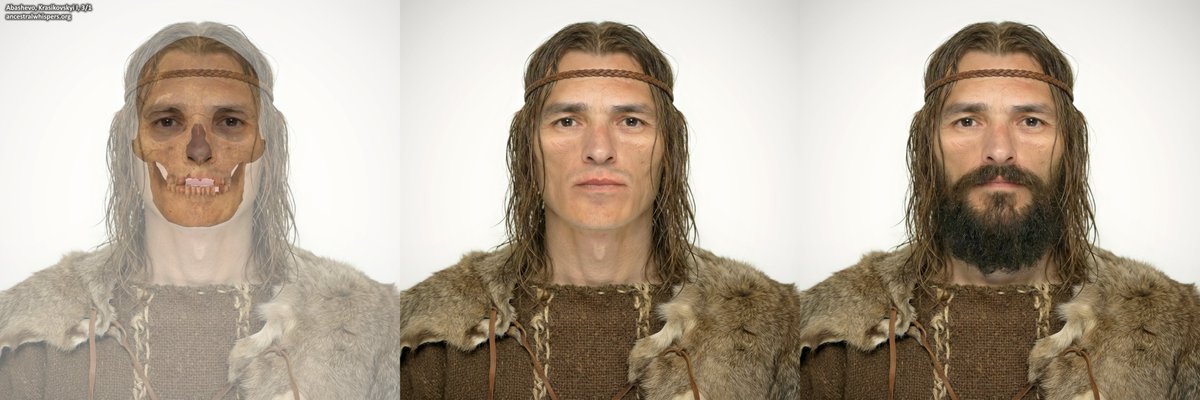
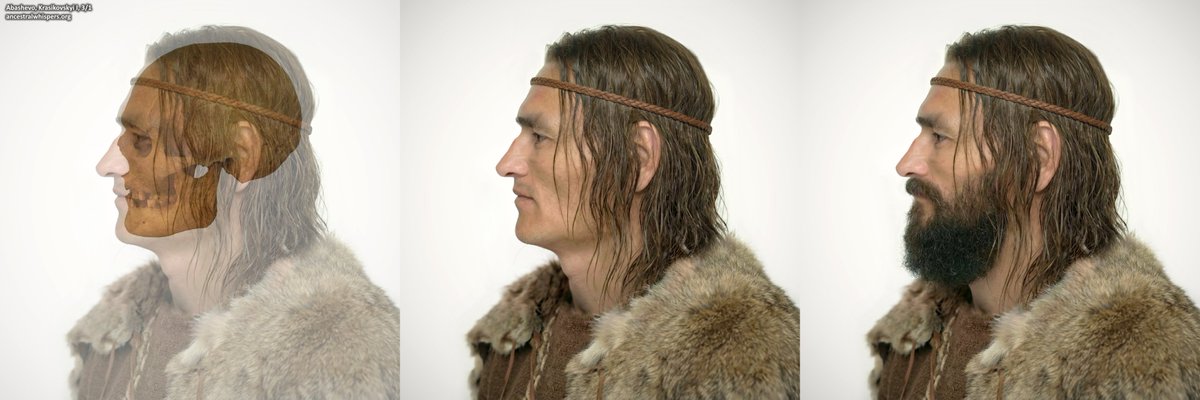
Facial reconstruction of a 4,000-year-old Proto-Aryan
He belonged to the Volga–Ural group of the Proto-Indo-Iranic Abashevo culture, which included previously known materials from the Samara Trans-Volga region and the forest-steppe Cis-Urals (the cemeteries of Syezzhee I, Churakaevsky, and the more recently discovered Malo-Yuldashevo I, Krasikovo I, and Imangulovo-2e II). Ground burials at Mount Berezovaya (Bulanovo I) in the Orenburg Cis-Urals have also been tentatively attributed to this group, where rituals and artifacts characteristic simultaneously of the Abashevo, Sintashta, and Seima-Turbino populations were recorded (A.A. Khokhlov, A.P. Grigoriev).
Excavations of Kurgan Cemetery I near the village of Krasikovo in the Krasnogvardeysky District of Orenburg Oblast were carried out by the Orenburg Archaeological Expedition of Orenburg State Pedagogical University. The site was discovered in 1977 by N. L. Gabelko (Morgunova). The cemetery is located north of Krasikovo, on the steep left bank of the Tok River (a right tributary of the Samara River), and consists of six earthen kurgans measuring 13–40 m in diameter and 0.25–2 m in height. In 2015, two kurgans (Nos. 1 and 3), situated in the southern and central parts of the cemetery, were investigated.
Kurgan 3 was excavated manually; its diameter was 18 m and its height 0.25–0.3 m. The mound was constructed on a level platform; no surrounding ditch was identified. Stratigraphy: turf layer; mound fill (dark-gray humified sandy loam, 10–50 cm thick); buried soil (brown humified sandy loam, 30–50 cm thick); subsoil (brown loam). Within the mound fill and at the level of the buried soil, human bones (from the destroyed Burial 2), animal bones, a rounded stone artifact, and fragments of a single pot-jar–shaped vessel were found. The ornamentation of the vessel consisted of fingernail impressions beneath the rim and cord impressions forming a “herringbone” pattern.
Four burials were identified in the kurgan: two intrusive burials (Nos. 1 and 2) at the level of the buried soil, one of which (Burial 2) was completely destroyed, and a complex consisting of Burials 3 and 4, over which the mound was constructed.
In intrusive Burial 1, the skeleton lay extended on its back, head oriented to the southeast, and was accompanied by small fragments of resin. To the right of the skull stood a handmade pot-shaped vessel with a carination in the upper third of its height, an everted rim, and a pronounced internal ridge. The rim was decorated with zigzag lines; the body from the rim to the ridge was ornamented with horizontal fluting; below the ridge, a band of slanted lines was applied, underlined at the bottom by a double zigzag. The ornament was made with a toothed stamp, whose comb impressions covered the lower part of the vessel. In the upper part beneath the rim, the vessel had been repaired with two bronze clamps. Based on the vessel, Burial 1 of Kurgan 3 dates to the Sintashta period (Evgenyev A.A., Morgunova N.L., Kryukova E.A., Kharlamov P.V.).
The individual (Krasikovo I, 3/1) had a large cranial length of 194 mm, a medium-large cranial breadth of 146 mm, and a large cheekbone breadth of 145 mm.
English
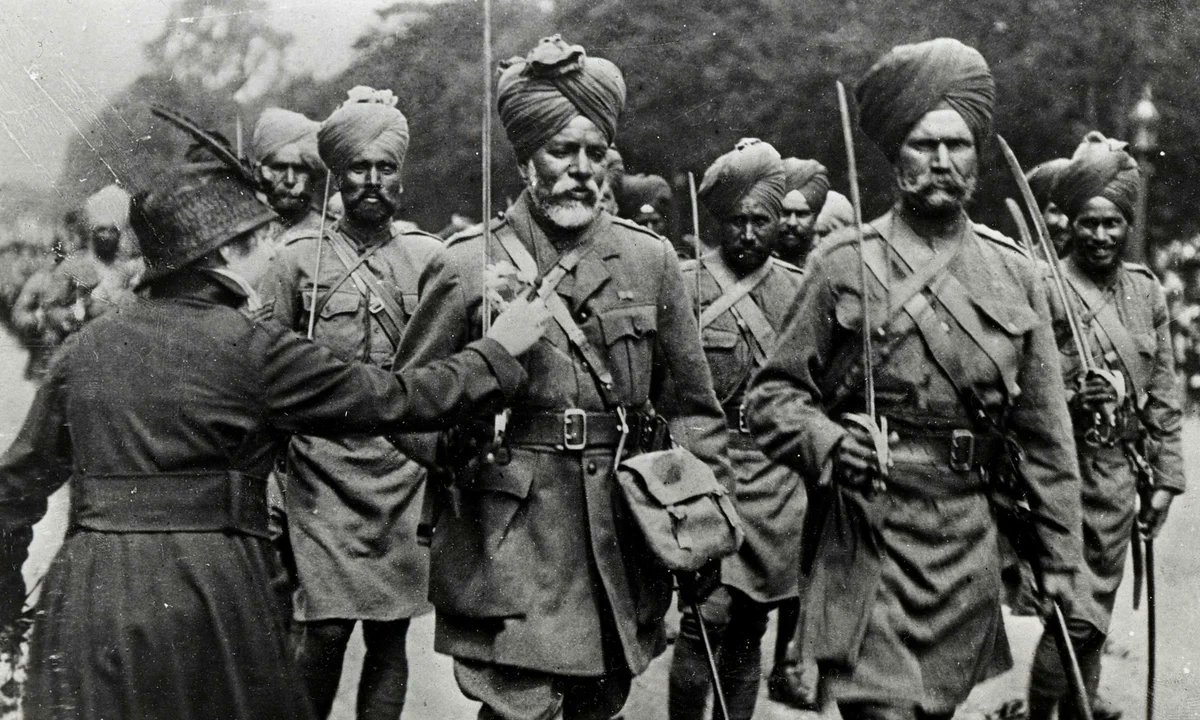
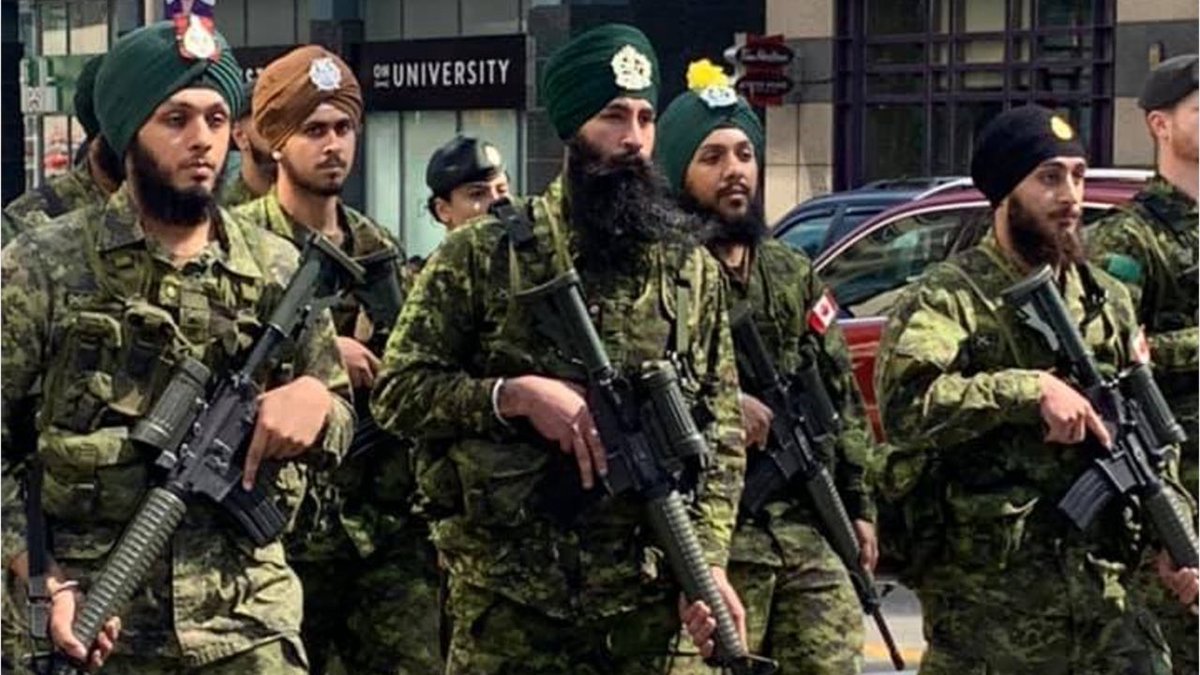
@EndCasteFriend @bruce_barrett These are coolie soldiers with British colonial overlords the ones in Canada want to take the power away from Canadians and create a Khalistan in Canada so sybau
English

@spunk_k7423 @info_maiden Date joined
January 2026
Account based in
Sri Lanka
Connected via
Sri Lanka Android App STFU
English

@Americanking776 @info_maiden Mexicans are way worse they committed crime, drugs here
English

Frisco used to be 75% White. Now? 45% and falling.
Visa loopholes and endless importation have turned neighborhood streets into this.
Happening block by block. If this isn’t stopped, there won't be any Texas left for actual Americans.
English
