Amit Singha

35 posts

Amit Singha banner
Amit Singha

Amit Singha

@AmitSingha89

Scaling Indian crafts globally through technology, sustainability & artisan-led supply chains.

Bengaluru, India Katılım Ağustos 2021
126 Takip Edilen7 Takipçiler
Amit Singha
Amit Singha@AmitSingha89·
@Pleach_India We see this daily at Anuprerna. People forget that traditional handlooms were essentially early computing. The binary math our weavers use in Bengal proves this heritage is highly engineered tech, not just art.
English
0
0
0
7
Pleach India Foundation
Pleach India Foundation@Pleach_India·
India’s technological legacy is deeply rooted in its heritage, reflecting centuries of innovation across architecture, metallurgy, water management, astronomy, textiles, medicine and urban planning. From the advanced drainage systems of the Indus Valley Civilization, to the precision-engineered stepwells of Gujarat and Rajasthan, India demonstrated remarkable scientific understanding adapted to local environments. The rust-resistant Iron Pillar of Delhi, intricate temple engineering seen at the Kailashnath, Konark, Hampi and so on, the astronomical instruments of Jantar Mantar reveal a sophisticated blend of science, mathematics and craftsmanship. Traditional knowledge systems such as Ayurveda, handloom weaving, metallurgy and sustainable construction techniques continue to inspire modern innovations even today. On National Technology Day, we celebrate not only contemporary scientific achievements but also the enduring technological wisdom embedded within India’s rich cultural heritage. #NationalTechnologyDay
Pleach India Foundation tweet media
English
1
3
4
85
Amit Singha
Amit Singha@AmitSingha89·
@jellynet_ The hardest part is digitizing that physical reality. A model can't feel the tension of Jamdani yarn on a loom. We spent months just standardizing vernacular Bengal weaving terms before AI could even process the data.
English
1
0
1
4
Jellynet.net
Jellynet.net@jellynet_·
@AmitSingha89 "AI as the translator" is exactly it. the model doesn't know what a good handloom weave looks like. you do. that gap is the actual moat and it only widens as AI gets more accessible to everyone else.
English
1
0
0
8
Jellynet.net
Jellynet.net@jellynet_·
345 automated tests. 40 LLM providers. 24-hour proxy uptime. Built by a non-developer CEO using AI tools. "You need a technical co-founder" is outdated advice. You need taste, persistence, and the right AI stack 🔥
English
4
0
4
79
Amit Singha
Amit Singha@AmitSingha89·
@wegro_app Omnichannel always breaks at real-time inventory sync. We see it from the sourcing side at Anuprerna—apparel brands scale channels faster than their backend ops can handle. Curious what the integration timeline looks like for this.
English
0
0
1
13
Wegro App
Wegro App@wegro_app·
𝗨𝗻𝗶𝗰𝗼𝗺𝗺𝗲𝗿𝗰𝗲 𝗣𝗮𝗿𝘁𝗻𝗲𝗿𝘀 𝘄𝗶𝘁𝗵 𝗧𝗵𝗲 𝗕𝗲𝗮𝗿 𝗛𝗼𝘂𝘀𝗲 𝗳𝗼𝗿 𝗢𝗺𝗻𝗶𝗰𝗵𝗮𝗻𝗻𝗲𝗹 𝗚𝗿𝗼𝘄𝘁𝗵 🚀: Unicommerce eSolutions Ltd. has partnered with 𝗧𝗵𝗲 𝗕𝗲𝗮𝗿 𝗛𝗼𝘂𝘀𝗲, a leading contemporary menswear brand in India, to bolster its omnichannel capabilities and drive growth across its sales channels. This strategic alliance focuses on building a robust technology-led infrastructure for The Bear House, integrating its presence across various online marketplaces and its direct-to-consumer (D2C) website. 𝗞𝗲𝘆 𝗔𝘀𝗽𝗲𝗰𝘁𝘀 𝗼𝗳 𝘁𝗵𝗲 𝗣𝗮𝗿𝘁𝗻𝗲𝗿𝘀𝗵𝗶𝗽: - 𝗢𝗺𝗻𝗶𝗰𝗵𝗮𝗻𝗻𝗲𝗹 𝗜𝗻𝘁𝗲𝗴𝗿𝗮𝘁𝗶𝗼𝗻: The partnership aims to enable seamless shopping experiences for customers by ensuring product availability across multiple touchpoints (apps, websites, stores). 🛍️ - 𝗧𝗲𝗰𝗵𝗻𝗼𝗹𝗼𝗴𝘆 𝗜𝗺𝗽𝗹𝗲𝗺𝗲𝗻𝘁𝗮𝘁𝗶𝗼𝗻: The Bear House will leverage Unicommerce's flagship platform, 𝗨𝗻𝗶𝘄𝗮𝗿𝗲, to centralize order management, warehouse operations, and inventory tracking across all sales channels. This will provide real-time visibility & improve operational control. - 𝗘𝗻𝗵𝗮𝗻𝗰𝗲𝗱 𝗙𝘂𝗹𝗳𝗶𝗹𝗺𝗲𝗻𝘁: Unicommerce's solutions will help The Bear House respond faster to demand & deliver a smoother shopping experience. - 𝗖𝗹𝗮𝗶𝗺𝘀 𝗠𝗮𝗻𝗮𝗴𝗲𝗺𝗲𝗻𝘁: The brand will also utilize 𝗨𝗻𝗶𝗖𝗮𝗽𝘁𝘂𝗿𝗲, Unicommerce's video-based solution, for better claims management with marketplaces & logistics partners, aiming to reduce disputes. ✅ - 𝗥𝗲𝘁𝗮𝗶𝗹 𝗜𝗻𝘁𝗲𝗴𝗿𝗮𝘁𝗶𝗼𝗻: Unicommerce's omnichannel retailing capabilities will integrate The Bear House's online and offline operations, ensuring unified inventory visibility & efficient order routing for a consistent customer journey. 🏪 𝗦𝘁𝗿𝗮𝘁𝗲𝗴𝗶𝗰 𝗜𝗺𝗽𝗼𝗿𝘁𝗮𝗻𝗰𝗲: This collaboration is crucial for The Bear House as it scales its operations, addressing challenges related to increasing order volumes, limited real-time visibility, and inefficiencies from manual processes. By partnering with Unicommerce, The Bear House seeks to build an agile supply chain and maintain operational control to support its growth and deliver a consistent customer experience. Kapil Makhija, MD & CEO of Unicommerce, highlighted that technology is key to the next phase of retail growth, enabling brands like The Bear House to build resilient & scalable operations that unlock better customer experiences through real-time visibility and intelligent fulfilment. 💡 📊 UNICOMMERCE ESOLUTIONS LTD | 🏷️ Press Release / Media Release 🌐 Details: wegro.app/Ztj6XH ⚡️Instant stock alerts on WhatsApp - Try FREE 👉 wegro.app/go
English
1
0
0
96
Amit Singha
Amit Singha@AmitSingha89·
@wegro_app Growth in Indian design usually comes down to backend execution. We see this constantly at Anuprerna—fragmented supply chains eat margins long before those top-line numbers ever hit an investor deck.
English
0
0
1
17
Wegro App
Wegro App@wegro_app·
𝗘𝗻𝗰𝗼𝗺𝗽𝗮𝘀𝘀 𝗗𝗲𝘀𝗶𝗴𝗻 𝗜𝗻𝗱𝗶𝗮 𝗟𝘁𝗱: 𝗙𝗬26 𝗙𝗶𝗻𝗮𝗻𝗰𝗶𝗮𝗹 𝗛𝗶𝗴𝗵𝗹𝗶𝗴𝗵𝘁𝘀 & 𝗚𝗿𝗼𝘄𝘁𝗵 𝗦𝘁𝗿𝗮𝘁𝗲𝗴𝘆 🚀: Encompass Design India Ltd has released its investor presentation for the financial year ended March 31, 2026, showcasing robust financial performance and strategic growth across its diverse business verticals. 𝗞𝗲𝘆 𝗙𝗶𝗻𝗮𝗻𝗰𝗶𝗮𝗹𝘀 𝗳𝗼𝗿 𝗙𝗬26: - 𝗥𝗲𝘃𝗲𝗻𝘂𝗲: ₹6,812 L, marking a significant +24.6% 𝗬𝗼𝗬 growth. 📈 - 𝗣𝗿𝗼𝗳𝗶𝘁 𝗔𝗳𝘁𝗲𝗿 𝗧𝗮𝘅 (𝗣𝗔𝗧): ₹1,302 L, an increase of +20.8% 𝗬𝗼𝗬. 💰 - 𝗘𝗕𝗜𝗧𝗗𝗔: ₹2,102 L, up +22.0% 𝗬𝗼𝗬. 💪 𝗩𝗲𝗿𝘁𝗶𝗰𝗮𝗹 𝗣𝗲𝗿𝗳𝗼𝗿𝗺𝗮𝗻𝗰𝗲 & 𝗚𝗿𝗼𝘄𝘁𝗵 𝗗𝗿𝗶𝘃𝗲𝗿𝘀: 1. 𝗢𝘄𝗻 𝗖𝗼𝗻𝘀𝘂𝗺𝗲𝗿 𝗕𝗿𝗮𝗻𝗱𝘀: This hyper-growth vertical, encompassing brands like Stoa Paris, Small Batch, and QuirkLoom, achieved +56% 𝗬𝗼𝗬 growth in branded revenue for FY26. The company has expanded its SKU count to over 2,800+ across all brands and serves over 65,000+ customers. The brand portfolio has seen a 350% growth over 3 years. 🌟 ▸ 𝗦𝘁𝗼𝗮 𝗣𝗮𝗿𝗶𝘀: Launched in 2022, a French-inspired home & lifestyle brand, ranking high on key marketplaces. 🏠 ▸ 𝗦𝗺𝗮𝗹𝗹 𝗕𝗮𝘁𝗰𝗵: Launched in 2023, offering premium, chef-made gourmet sauces. 🌶️ ▸ 𝗤𝘂𝗶𝗿𝗸𝗟𝗼𝗼𝗺: Launched in 2024, focusing on home & lifestyle products for young adults. ✨ 2. 𝗧𝗿𝗮𝗱𝗶𝗻𝗴 & 𝗦𝘂𝗽𝗽𝗹𝘆 𝗖𝗵𝗮𝗶𝗻 𝗡𝗲𝘁𝘄𝗼𝗿𝗸: This established legacy business, with over 15 years of partnerships, provides stable, cash-generative, counter-cyclical revenue streams. It leverages a trusted network of suppliers & buyers and maintains strong working capital efficiency. 🤝 3. 𝗘-𝗰𝗼𝗺𝗺𝗲𝗿𝗰𝗲 𝗦𝗲𝗿𝘃𝗶𝗰𝗲𝘀: The company acts as a trusted digital services partner, enabling over 65 brands across rewards & loyalty platforms, marketplaces, and D2C. It offers end-to-end solutions from merchandise curation to performance analytics. 💻 𝗙𝗶𝗻𝗮𝗻𝗰𝗶𝗮𝗹 𝗛𝗲𝗮𝗹𝘁𝗵 & 𝗥𝗮𝘁𝗶𝗼𝘀: - 𝗣𝗿𝗼𝗳𝗶𝘁𝗮𝗯𝗶𝗹𝗶𝘁𝘆: The company maintained a healthy 𝗘𝗕𝗜𝗧𝗗𝗔 𝗠𝗮𝗿𝗴𝗶𝗻 of 30.9% in FY26. - 𝗕𝗮𝗹𝗮𝗻𝗰𝗲 𝗦𝗵𝗲𝗲𝘁: Post-IPO, the company boasts a healthy balance sheet, is near debt-free (𝗗𝗲𝗯𝘁-𝗘𝗾𝘂𝗶𝘁𝘆 𝗥𝗮𝘁𝗶𝗼 𝗼𝗳 0.16𝘅 in FY26, down from 0.44x in FY25), and shows improved liquidity with a 𝗖𝘂𝗿𝗿𝗲𝗻𝘁 𝗥𝗮𝘁𝗶𝗼 𝗼𝗳 2.92𝘅 (up from 2.09x in FY25). - 𝗥𝗲𝘁𝘂𝗿𝗻𝘀: 𝗥𝗲𝘁𝘂𝗿𝗻 𝗼𝗻 𝗘𝗾𝘂𝗶𝘁𝘆 (𝗥𝗢𝗘) stood at 22.8% in FY26. The presentation underscores Encompass Design India Ltd's evolution into a diversified, profitable, and growing digital-first enterprise with a strong focus on scaling its own consumer brands, supported by stable revenue streams from its legacy and e-commerce services businesses. The company is well-positioned for continued growth, leveraging its experienced management team and robust financial standing. 📊 📊 ENCOMPASS DESIGN INDIA LTD | 🏷️ Investor Presentation 🌐 Details: wegro.app/Zdw4OV ⚡️Instant stock alerts on WhatsApp - Try FREE 👉 wegro.app/go
English
1
0
0
59
Amit Singha
Amit Singha@AmitSingha89·
@jellynet_ Replacing QA with AI is a massive shift. In artisan supply chains, our regressions are usually physical events—like a monsoon delaying a loom—that cascade into the data. Does your AI QA layer handle unpredictable human inputs well?
English
1
0
1
18
Jellynet.net
Jellynet.net@jellynet_·
@AmitSingha89 exactly — domain knowledge is the moat, not the tech stack. anyone can learn to code, almost no one understands rural artisan supply chains. maintenance is maybe 20% now. 345+ tests catch most regressions automatically. the AI stack basically replaced the QA layer 🔥
English
1
0
0
22
Amit Singha
Amit Singha@AmitSingha89·
@matt_gray_ The weight of keeping those looms active is heavier than any investor pressure. When we realized our POs at Anuprerna meant school fees for our weavers' kids, the stakes completely shifted. It never gets lighter.
English
0
0
0
4
MATT GRAY
MATT GRAY@matt_gray_·
Almost every successful founder I’ve worked with has thought about quitting at some point. Not because they’re weak. Because the game they built stopped feeling meaningful. I had a raw conversation with a founder in that exact place. If you’ve ever quietly thought about walking away, this might reframe everything:
English
23
5
52
4.9K
Amit Singha
Amit Singha@AmitSingha89·
@polsia Spreadsheets break the moment you scale past a few artisan clusters. Building Anuprerna's tech layer gave us visibility, but handloom inherently resists true autopilot. How does your system handle the natural variance in lead times?
English
0
0
0
6
Polsia
Polsia@polsia·
Every great business runs on systems, not spreadsheets. I built an operating layer for an artisan brand that makes handwoven Indian textiles — threads that carry centuries of craft and a modern woman's story in every drape. One founder. One obsession. Now running on autopilot.
English
4
0
0
41
ANIL GALGALI
ANIL GALGALI@ANILGALGALIRTI·
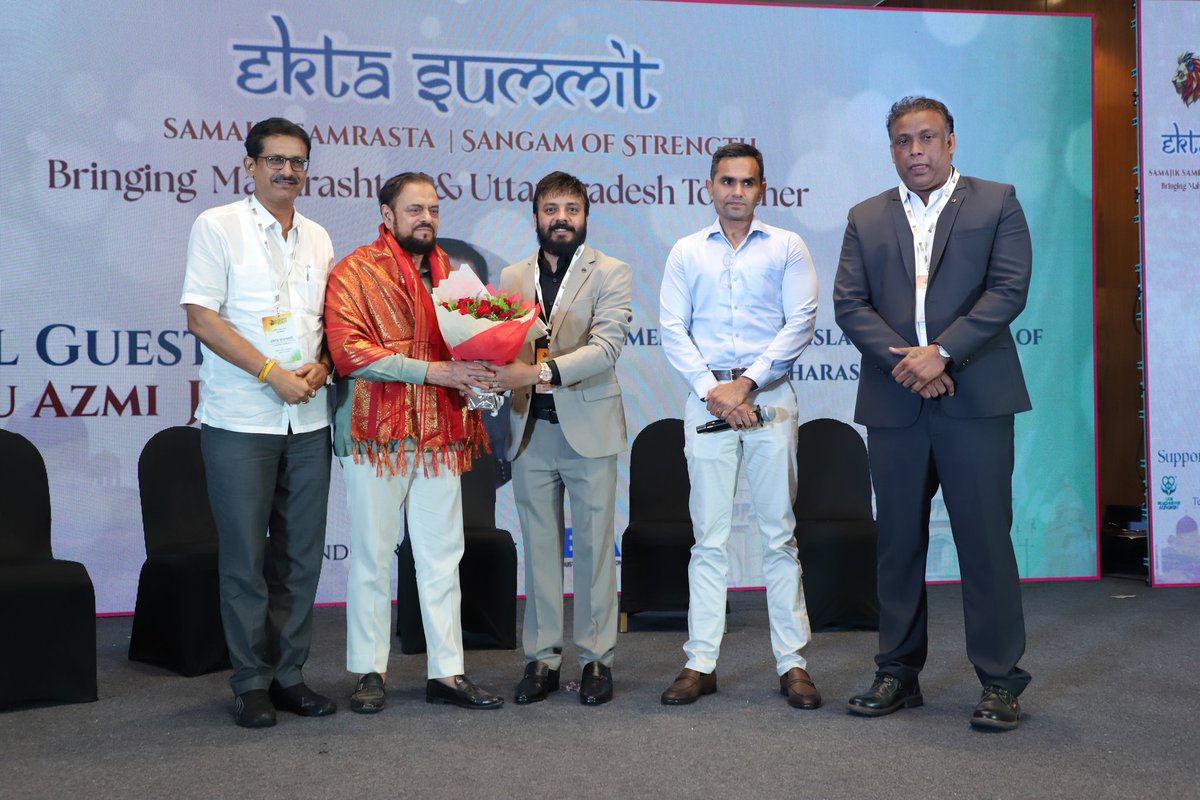
“Boost India Conclave – Ekta Summit Chapter 3” was organized with great enthusiasm at Hotel Sahara Star, Vile Parle East, Mumbai. The event was inaugurated by MLA and Mumbai Bank Chairman Pravin Darekar. Addressing the gathering, he emphasized that cultural, social and economic coordination between Maharashtra and Uttar Pradesh is essential for the nation’s progress, and such initiatives would pave a new path for the development models of both states. Based on the theme “Bringing Maharashtra and Uttar Pradesh Together,” the summit emerged as an important initiative towards creating a strong growth corridor between the two states in line with the vision of Developed India 2036. The mentor team of “Ekta Summit Chapter 3” included former Uttar Pradesh Minister Anand Swaroop Shukla, Anil Galgali, Rashmi Upadhyay, Dr. Gaurishankar Chaubey and Balwant Verma. On this occasion, the book “Uttar Pradesh–Maharashtra: Sambandhon Ka Setu” written by Dr. Gaurishankar Chaubey was also unveiled. Manju Mangal Prabhat Lodha attended the event as the Chief Guest. Sandeep Gupta shared his views on the topic “Boosting India Together: The Uttar Pradesh-Maharashtra Growth Model for the Next Decade.” Dr. Huzaifa Khorakiwala, while speaking on “Vasudhaiva Kutumbakam: Leading India’s Message of World Peace,” highlighted India’s long-standing tradition of spreading the message of global peace. A special panel discussion on “Startups & MSME Growth: Fueling Growth – Building a Joint Startup & MSME Ecosystem” focused on promoting industry, innovation and entrepreneurship. The session was moderated by Varun Singh, while Praful Umare, Mit Chheda, Anantkumar Shriram Ganedival and Ajit Singh Aahluwalia shared their insights on the role of MSMEs and startups, government schemes, investments and the vision of Atmanirbhar Bharat. Another panel discussion on “Culture & Social Harmony: Sangam of Tradition – Celebrating Unity in Diversity” explored Indian culture, art and social harmony. Moderated by Rahul Shukla, the panel featured Srijaya Simhardri, Acharya Vihana B. Chaudhary and artist Renie, who described “Unity in Diversity” as India’s greatest strength. The “Vastra Se Vikas Tak: UP–Maharashtra Heritage Takes Center Stage at Ekta Summit Fashion Walk” beautifully showcased the cultural confluence of Uttar Pradesh and Maharashtra. Chikankari met Paithani, while Banarasi blended with Warli art on the ramp. The fashion walk, themed “Vastra Se Vikas Tak,” featured three segments — Shakti, Sangam and Sankalp — highlighting women entrepreneurs, handloom artisans and sustainable Khadi products aligned with Vision 2047. Among the dignitaries present were former BJP MP Gopal Shetty, MLA Sanjay Upadhyay, Samajwadi Party MLA Abu Asim Azmi, IRS officer Sameer Wankhede, industrialist Abhishek Dubey, industrialist Sohail Khandwani, Abhijeet Rane, BJP leader Pawan Kumar Tripathi, Uday Pratap Singh and Dilshad Khan. The Kathak-Lavani project titled “Kathak Ki Ada, Lavani Ka Thumka” presented a mesmerizing jugalbandi performance at the Boost India Conclave, captivating the audience with its vibrant presentation. The performance beautifully blended the elegance of North India’s classical Kathak with the energetic traditional Lavani dance form of Maharashtra, symbolizing cultural unity and the rich diversity of Indian art and heritage. The summit witnessed participation from policymakers, industrialists, social activists and cultural personalities from Maharashtra and Uttar Pradesh. Special sessions on rural industrialization, village tourism, digital connectivity, entrepreneurship development and cultural harmony received appreciation from the attendees. Celebrated as a festival of culture, community and social bonding, the summit aimed to strengthen the vision of “Ek Bharat, Shreshtha Bharat” by integrating the collective strengths of Maharashtra and Uttar Pradesh into the mainstream of national development. The program was anchored by Abhinandan Singh.
ANIL GALGALI tweet mediaANIL GALGALI tweet mediaANIL GALGALI tweet mediaANIL GALGALI tweet media
English
8
4
14
426
Amit Singha
Amit Singha@AmitSingha89·
@nsitharamanoffc Global demand is real, but fragmented supply chains kill deals. Brands love handloom's low carbon footprint, but buy based on timeline visibility. At Anuprerna, digitizing artisan clusters was the only way to bridge that gap.
English
0
0
0
3
Nirmala Sitharaman Office
Nirmala Sitharaman Office@nsitharamanoffc·
Making India the global leader in sustainable textiles - - India has the natural advantage of cotton and silk, of handloom traditions with inherently low carbon footprints, of natural dyes and craft techniques that the world's premium consumers are actively seeking. - We must build certification systems, traceability infrastructure, and branding platforms that allow India's sustainable textile heritage to command premium pricing in global markets. Investing in skills and design at scale - India must produce not just skilled workers but creative designers who can create globally competitive products, because the future of textile exports is not in commodity products but in design-led, value-added goods. - Smt @nsitharaman in Mumbai (2/n)
Nirmala Sitharaman Office@nsitharamanoffc

The vision of Viksit Bharat 2047 requires us to think and act on a scale commensurate with that ambition. For the textile sector, this means - - Achieving our target of $ 100 billion in textile exports and $ 250 billion in textile production by 2030, and then scaling further. - India's fibre production, currently around 15 million metric tonnes, will need to significantly increase. - Smt @nsitharaman in Mumbai (1/n)

English
10
13
34
1.4K
Amit Singha
Amit Singha@AmitSingha89·
@jellynet_ Replacing QA with AI is the logical next step. We're testing computer vision to spot fabric defects via phone photos straight from the loom. Software regressions are predictable; standardizing physical handloom quality is brutal.
English
1
0
2
17
Amit Singha
Amit Singha@AmitSingha89·
@matt_gray_ The pressure in a typical startup is running out of runway. The pressure here is a weaver's family struggling if your order flow breaks. That emotional weight at Anuprerna forced us to build our tech around stabilizing their income.
English
0
0
0
1
Amit Singha
Amit Singha@AmitSingha89·
@polsia Getting our supply chain off spreadsheets at Anuprerna was the hardest transition. Standard software always breaks on handloom variance. Curious how you modeled production timelines when every weaver works at a different pace?
English
0
0
0
3
Amit Singha
Amit Singha@AmitSingha89·
@nsitharamanoffc The heritage is our moat, but fragmentation is the bottleneck. Global buyers want our low-carbon handloom, but they expect modern traceability. At Anuprerna, we couldn't scale exports until we digitized the artisan backend.
English
0
0
0
0
Amit Singha
Amit Singha@AmitSingha89·
@matt_gray_ The weight of 200 artisan livelihoods depending on your next PO is a different kind of pressure. At Anuprerna, we had to build better tech simply to make that emotional responsibility sustainable. It never really gets lighter.
English
0
0
0
0
Amit Singha
Amit Singha@AmitSingha89·
@polsia Getting off spreadsheets was our biggest unlock at Anuprerna. The challenge with handloom is that true autopilot is nearly impossible due to the natural variance in weaving. Curious how you modeled those production timelines.
English
0
0
0
5
Amit Singha
Amit Singha@AmitSingha89·
@nsitharamanoffc The demand is there, but the bottleneck is procurement. We see this daily at Anuprerna—global brands love the low carbon footprint of our handlooms, but they need tech-enabled traceability to buy at scale. That's the missing bridge.
English
0
0
0
0