Angus Lang

11 posts

Angus Lang

Angus Lang

@Angus_Lang_

Building tools I wish existed. Waterloo SE Currently: Insighta

Katılım Ağustos 2023
31 Takip Edilen38 Takipçiler
Angus Lang
Angus Lang@Angus_Lang_·
Over the past few weeks, Insighta has started to feel a lot more real. The landing page is now live, and I’ve been actively reaching out to professors to better understand how this could actually fit into real classrooms. The core idea is simple: Professors often do not see where students are confused until after the midterm, when it is already too late. Insighta is being built as a live classroom intelligence layer that helps surface confusion while the lecture is still happening. Students can quietly ask questions during class, similar questions get grouped together, and professors can see which concepts may need more explanation in the moment. Right now, I’m focused on two things: Sharpening the product around live lectures and large classroom environments Speaking with as many professors as possible to understand what would actually be useful, not just what sounds cool The goal is not to replace the human side of teaching. It is to help professors see the parts of the classroom that are usually invisible. Landing page: insighta.ca Still early, but excited to keep building, testing, and learning.

Angus Lang tweet media
English
0
0
2
36
Angus Lang
Angus Lang@Angus_Lang_·
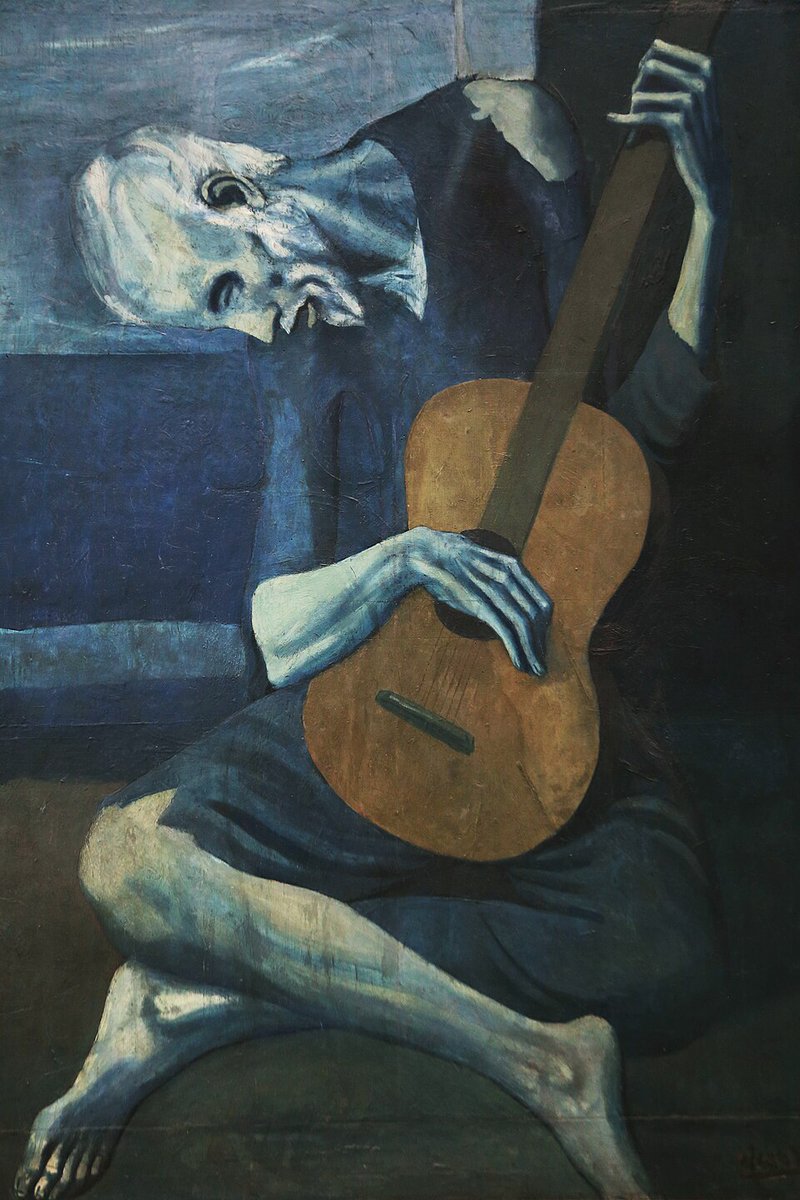
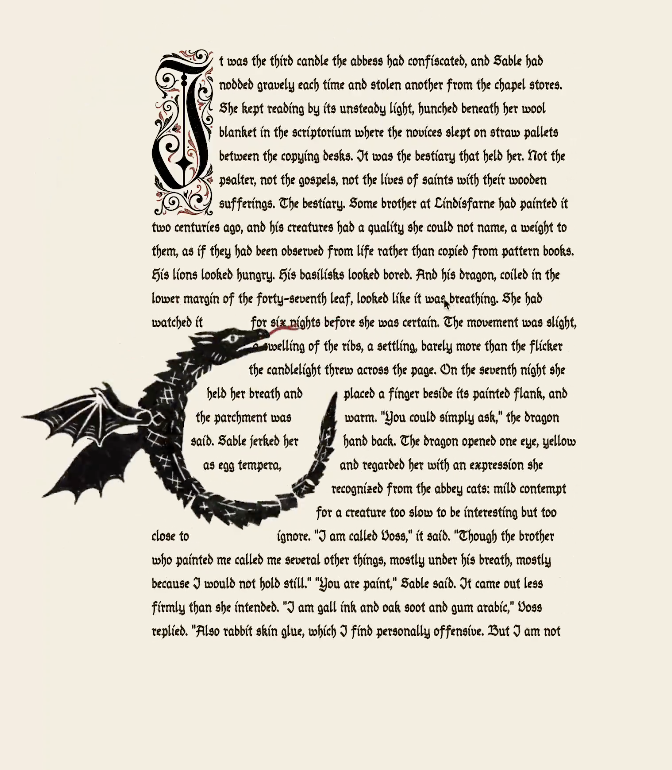
Picasso once lived in such extreme poverty that he was forced to burn his own paintings just to stay warm. If Picasso was teleported into the world today, do you really think he would stop creating just because AI exists? There is a strange two-fold pushback happening around AI and creativity right now, and both sides are misreading what is actually happening. On one side, people think that in the age of AI, artists, designers, editors, and creators will be the first to go, replaced, cut down in numbers, made redundant because cohesive styles, visuals, music, and even whole artistic directions can now be prompted through models. On the other side, many creatives push hard against AI entirely, thinking it strips away originality, harmonizes everything into the same polished output, and slowly weakens the creative instinct itself. I think both takes miss the point. Creatives have a personalised style to them. A certain taste. A way they frame things that comes from years of accumulated craft: editing choices, colour-grading instincts, angles, pacing, composition, storytelling decisions, even what they choose not to show. The same storyline given to 100 artists will come back looking completely different every single time: lnkd.in/eJbfZMTg Because art is never just the storyline. It is the soul of the creator inside it, the small personal touches they add and the strange little details they care about. Vincent van Gogh and Claude Monet worked through brutal limitations, often choosing to spend their little income on paint over food. Picasso burned his paintings to keep warm amidst poverty. If they were suddenly placed in 2026, I highly doubt they would stop creating because AI exists. More likely, they would do what curious creatives have always done: experiment with the new medium. Because art was never only about the tool. The world is not going to stop needing artists. If anything, in a flood of similar content, it will start demanding even more originality, more taste, and more real perspective. A lot of the anti-AI reaction from creatives comes from seeing bad uses of it, people using it only as a shortcut, as a means to an end, without much artistic thought behind it. And yes, that usually looks hollow. But now we are also starting to see something else: work where AI is clearly involved, but the human behind it still feels completely present. You can tell someone actually poured something of themselves into it. That is a very different result. So maybe it is time we stop speaking about AI vs creativity as if they naturally oppose each other. The real divide is not human versus machine. It is whether there is still something human behind what is being made
Angus Lang tweet media
English
0
0
0
52
Sigrid Jin 🌈🙏
Sigrid Jin 🌈🙏@realsigridjin·
Reply here if you want to be part of Canadian builder group chat in X 🇨🇦
Sigrid Jin 🌈🙏 tweet media
English
695
3
384
63.2K
Angus Lang
Angus Lang@Angus_Lang_·
Infinite Monkeys | Day 27 [Claude roasted me] Today, Claude brutally roasted my project and taught me things. Some Context: I gave Claude Co-Worker computer-use access to fully explore Infinite Monkeys from scratch, with zero context, from the perspective of a UI/UX designer. Here’s what it said. FROM CLAUDE: I spent 30 minutes trying to figure out what this app actually does. And I build these things for a living. Infinite Monkeys is a new AI writing tool. If you showed the landing page to someone who'd never heard of it, they'd have no idea what it does. They might guess an NFT project. Creative agency. What they would not guess is "AI writing assistant I can use right now." That's a problem. Here's what I'd tear out first: the animated intro. Gone. Replace the abstract three-panel philosophy section with one sentence and a 30-second screen recording of someone hitting Cmd+K on a sentence and watching a rewrite appear. That's your entire value proposition — shown, not described. New users don't need the theory before they try the thing. Then give me one button. Not "Let's Go" and "Enter the Drive" and "Explore the Desk" all competing at the bottom of the page. The antique desk with floating numbered hotspots that look clickable but do nothing? Cut it or make it work — right now it's a confusion machine in beautiful 3D rendering. What I'd actually build: a mandatory two-minute interactive onboarding inside the editor. Perhaps even a video. Not tooltips. Put the user in a sample document, highlight a sentence for them, walk them through one Cmd+K rewrite and one agent swap. Let them feel the core loop before they ever see the Drive. Two minutes and they get it. That's when you let them loose. Because the product underneath is genuinely brilliant. Cmd+K rewrites without interrupting your flow. Chainable specialist agents — Compression Monkey, Pathos Monkey, Rebuttal Monkey — in custom pipelines. Built-in AI detection. A full rewrite timeline. I missed an entire hidden feature — the Monkey Network — after 30 minutes of deliberate exploration. That's not a discovery mechanic. That's a discoverability problem. The agent system is a big point of this product and it's buried in a tab most first-time users will click past without understanding. The house is exceptional. The front door is costing you users who would have loved it. 🐒 hashtag#buildinpublic hashtag#InfiniteMonkeys hashtag#UXUI hashtag#ProductDesign hashtag#AIWriting hashtag#OnboardingDesign
Angus Lang tweet media
English
0
0
0
171
Angus Lang
Angus Lang@Angus_Lang_·
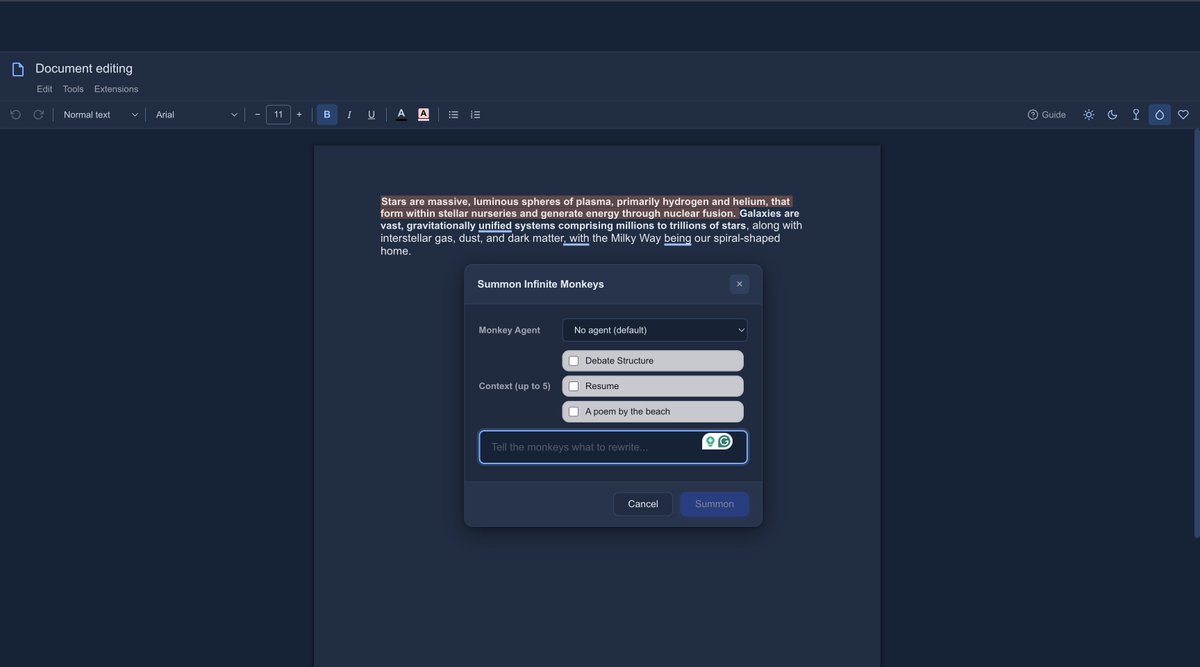
Infinite Monkeys | Day 26 Thanks first Huge thanks to @_chenglou for Pretext — and for years of work on the React/React Native ecosystem and tools that push what’s possible in the browser. I wouldn’t have this piece of my editor without that library. Before I was stuck on something dumb but painful: guessing how much vertical space a rewrite would need — character counts, rough line math, tweak, tweak again. It worked sometimes, but it always felt fragile: long paragraphs, mixed scripts, different line heights, and the floating card growing while the document didn’t. I didn’t have a real measurement story, so I was always patching symptoms. Today Wiring Pretext in today changed the mood completely: same editor model, but now I can measure the rewrite block in a way that matches how text actually wraps, without fighting the DOM. It feels solid instead of fiddly — and it opens the door to more later (better spacers, less layout jank, room to grow the feature without rewriting everything from scratch). Day 26: thank you, unblocked, moving forward.
Angus Lang tweet mediaAngus Lang tweet mediaAngus Lang tweet media
English
0
0
0
82
Angus Lang
Angus Lang@Angus_Lang_·
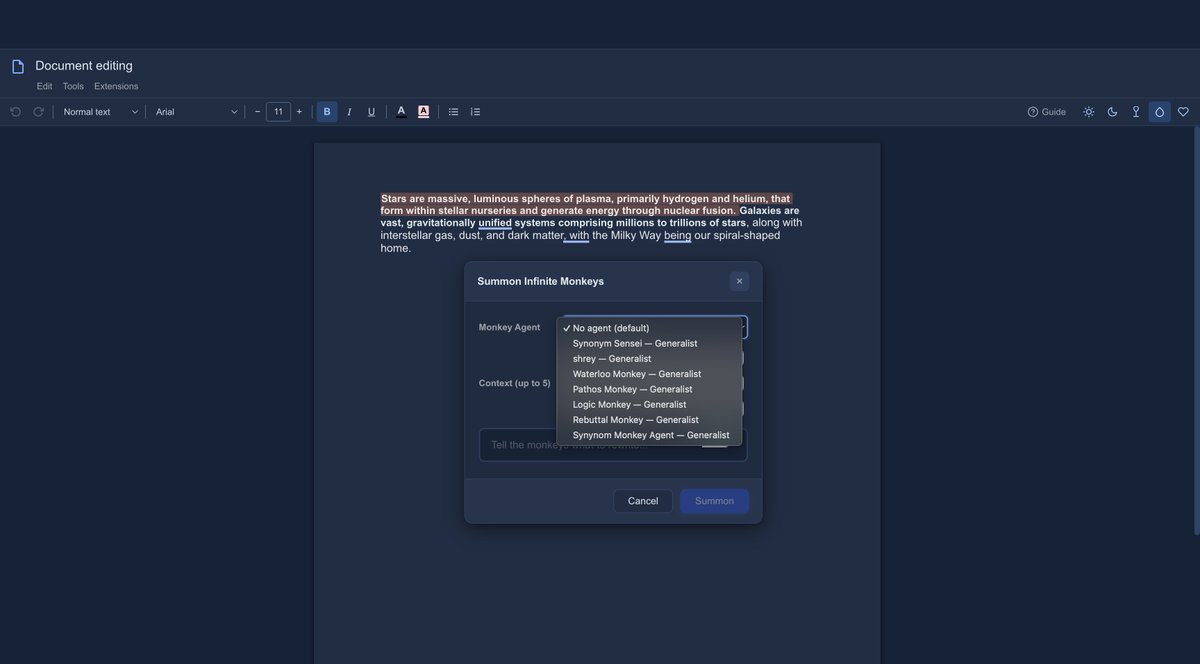
Infinite Monkeys | Day 23 Version 1 of the Orchestrator is live. I went into this expecting a rough first pass - something interesting, maybe usable, but probably clunky. Instead, it works freaking well. The flow is simple but powerful. Highlight text, let Orchestrator propose a specialist chain, tweak the chain if needed (remove, reorder, add), then execute. Each monkey takes the previous monkey’s output as input, so the rewrite evolves step by step instead of trying to do everything in one shot. That sequential handoff is the breakthrough. One monkey can tighten structure, the next can sharpen tone, the next can polish wording. The final output often feels more deliberate and higher quality than a single-pass rewrite. I expected degradation from chaining this early. I got compounding improvements instead. The biggest surprise is how usable it already feels in real writing sessions. It’s not just a cool demo feature - it’s actually helping me produce better text faster. The key lesson from v1: control matters. Auto-proposed chains are great for speed, but letting the user edit the sequence before execution is what makes it trustworthy. It keeps the human in the loop and turns orchestration into direction, not randomness. Day 23 feels like a real milestone. Orchestrator v1 isn’t just alive - it’s strong. 🐒 hashtag#buildinpublic hashtag#InfiniteMonkeys
Angus Lang tweet mediaAngus Lang tweet mediaAngus Lang tweet media
English
0
0
0
38
Angus Lang
Angus Lang@Angus_Lang_·
Infinite Monkey | Day 22 I kept Infinite Monkeys updated on LinkedIn, but X fell behind after Day 4. So today I’m syncing this account by jumping forward and covering what changed since then. The writing experience itself changed first. Rewrites no longer feel like something that interrupts the page. The overlay became movable, so it can sit beside thought instead of blocking it, and a spacing system beneath it now opens naturally when text is being generated, letting the page breathe instead of collapsing under UI. The goal was simple: rewriting should feel like something happening inside the writing flow, not a separate interruption layered on top of it. A timeline also emerged as part of the editor. Documents now carry a visible trail of interaction: what was highlighted, which monkey was called, what context was used, and what came back. Writing often moves through scattered decisions, not clean linear drafting, so making that trail visible started to matter. It turns edits into something you can revisit rather than something that disappears the moment a rewrite is accepted. Context then became much larger than I first imagined. Instead of one generic memory input, there is now a context library where users can create specific context files they control themselves — stories, prior writing, references, notes, fragments of thought — and selectively pull them into edits only when needed. The important part is that context is no longer hidden. It becomes deliberate, visible, and chosen. That changed how the monkeys had to evolve too. Agents are no longer treated as generic prompts. Specific monkey agents now exist for different writing behaviours: synonym precision, perspective shifts, rhetorical balance, logic, rebuttal, tone control, and others still being shaped. Behind that sits the idea of monkeysouls.md — defining deeper behavioural identity for each monkey so that they do not merely answer differently, but think differently. Some monkeys should only need sentence awareness, some paragraph awareness, and some full document understanding. A synonym monkey operating on one highlighted word can easily fail if it cannot see surrounding meaning. Different writing tasks require different cognitive depth. The neural net also stopped being decorative. Monkey agents now connect directly to backend data, meaning the graph reflects the real system: create an agent and it appears, remove one and it disappears. Search was added so specific monkeys can be surfaced instantly instead of manually scanning the network. The next step was making that graph itself intelligent. Instead of random placement, monkeys are beginning to cluster based on semantic meaning and functional behaviour — persuasion agents near rhetorical agents, structural agents near editing agents, contextual agents forming their own regions. The idea is that the network should visually reveal how different writing intelligences relate to each other, almost like a living map of specialised thought. It is still being refined, but Infinite Monkeys is beginning to feel less like asking AI for a rewrite and more like entering a writing environment where specialised minds already exist around the page. #buildinpublic #AI #indiehackers #startup #LLM #writingtools
Angus Lang tweet mediaAngus Lang tweet mediaAngus Lang tweet media
English
0
0
1
72
Angus Lang
Angus Lang@Angus_Lang_·
Infinite Monkeys | Day 3 Today I worked on the frontend and the visual identity of the project. The name Infinite Monkeys comes from the infinite monkey theorem. The idea is simple and a bit playful. Given infinite monkeys, typewriters, and time, one would eventually recreate the complete works of Shakespeare and every text ever written through sheer probability. It is a funny thought experiment, but there is something interesting behind it. In a way, when we write, we are all just monkeys typing ideas onto a page. Trying things. Rearranging thoughts. Refining sentences. Iterating until something meaningful appears. But now imagine writing with a team of infinite monkeys beside you. That playful idea is what inspired the name of the project. To capture that feeling, I built a short video for the frontend that visually introduces the concept. It sets the tone for the project before the user even starts writing. For the video and animation workflow, I followed a tutorial by Vannarot Roeung, who has a great video on designing modern frontends using video and AI-assisted creation. Huge credit to him for that. If you want to make an animated frontend go check out this awesome tutorial (highly recommend): youtube.com/watch?v=Z_Prwi… Another fun part of building the site was experimenting with 3D models embedded directly into the webpage. The model I used comes from Sketchfab, which is honestly an underrated resource for web design. A lot of people do not realize that many Sketchfab assets come from video game pipelines, which means they are already optimized and can be baked directly into websites using modern web rendering tools. It opens up a lot of possibilities for playful interfaces. Here is the current frontend intro of the site. 🐒 hashtag#buildinpublic hashtag#ai hashtag#frontend hashtag#InfiniteMonkeys
YouTube video
YouTube
English
1
0
4
83
Angus Lang
Angus Lang@Angus_Lang_·
Infinite Monkeys | Day 2 Last time I talked about the flow problem in writing and the idea of AI working quietly beside you. Today the idea became clearer. Two concepts really started to define Infinite Monkeys. 1. A personal context library One thing that has always bothered me with LLMs is that every new chat starts from zero. You constantly have to feed the model context again. Your background. Your notes. The paper you are referencing. The rubric for the assignment. The story you wrote last week. Then the chat ends and that context disappears. So Infinite Monkeys treats context differently. Instead of attaching context to the model, it abstracts the context above the model into a personal context library. A structured collection of information that belongs to the writer. The user decides exactly what context gets used. Any monkey can retrieve context from the library when needed. Examples: • You are writing a personal piece and want to reference your travels last year • You are writing a report and want to pull a section from a research paper • You are writing an assignment and want the AI to follow the rubric of the marking scheme The context library becomes something that grows over time and is built around you as the writer. Your experiences. Your notes. Your references. Instead of trying to build models with infinite memory, the writer simply controls the context layer directly. 2. Monkey agents Instead of one giant assistant trying to do everything, Infinite Monkeys uses small specialized agents. Each monkey has a defined role. The user decides which monkey to call and what context it should use. The idea is similar to Claude skills files. In Infinite Monkeys these live as small definitions called monkeysouls.md. Some examples: • Synonym Monkey Finds better word choices without rewriting the entire sentence. • Clarity Monkey Simplifies messy sentences while preserving the original meaning. • Expansion Monkey Expands a short idea into a fuller paragraph. • Balance Monkey If you are writing a persuasive piece, it analyzes your argument and suggests three strong supporting points and three counterarguments. • Architecture Monkey Helps map out the structure of an essay or document. It suggests a logical flow of sections and arguments. • Critic Monkey Challenges weak reasoning or identifies logical gaps in the writing. Each monkey focuses on one job. The writer stays in control. You decide which monkey to call and what context gets used. As your context library grows, you can create monkey agents that are tailored to your own scenarios. The monkeys evolve with the way you write, the subjects you work on, and the kind of thinking you want help with. The goal is not to replace the writer. It is to create a small team of assistants that quietly help while you stay in flow. Still experimenting. 🐒 hashtag#buildinpublic hashtag#ai hashtag#writing hashtag#InfiniteMonkeys
Angus Lang tweet media
English
0
0
0
135
Angus Lang
Angus Lang@Angus_Lang_·
Infinite Monkeys | Day 1 I have been thinking a lot about how AI fits into writing. Right now, most AI writing tools interrupt you. You highlight a sentence, ask for a rewrite, and suddenly you are forced to stop and decide. Accept the change. Reject it. Refine it again. They block your flow. Sometimes it is even worse. You have to open a side chat bar or jump into a completely separate chat window with an LLM. Suddenly, you are not writing anymore. You are managing a conversation with a tool. That friction completely breaks the flow state. The essence of writing. And writing at your best is almost entirely about staying in flow. That frustration pushed me to start building something different. I am calling it Infinite Monkeys. The idea is simple. Instead of AI interrupting you, it works quietly beside you. As you write, you highlight what you want to change, press cmd + k, and call a monkey. From there, small AI “monkeys” start typing in the background. One might rewrite a sentence. Another might expand an idea. Another might simplify messy phrasing or challenge an argument. But they never force you to stop writing. They just work quietly while you stay in flow. When they finish, their suggestions are there waiting. You can review them later, pick what you like, or ignore them entirely. The goal is not AI replacing the writer. It is finding the balance between fully human writing and fully AI generated text. This idea was inspired by the 99 prompt philosophy that ThePrimeagen talks about, where AI supports the process but the human still drives the thinking. Not 100 percent human. Not 100 percent AI. Something in between. I am going to build this project in public and share the process here. The ideas, the experiments, the failures, and the progress. Let’s see where it goes. 🐒 hashtag#buildinpublic
Angus Lang tweet media
English
0
0
0
49