
Dr. Anmol Kapoor
11.9K posts

Dr. Anmol Kapoor
@AnmolMD
Chairman & CEO, Kapoor Wealth Partners Awards: Immigrant of Distinction, Compelling Calgarian, Global Icon, Hind Rattan, ScaleUp Calgary, BioAlberta, ASTech,..


Food rationing, panic-buying, planes grounded and an economic hammer blow far worse than Covid: Economists explain nightmare scenario that could be just weeks away due to Iran war trib.al/9iRgMp7


The new Canada Groceries and Essentials Benefit puts money back in the pockets of more than 12 million Canadians. That’s up to $1900 this year to help you with everyday costs.


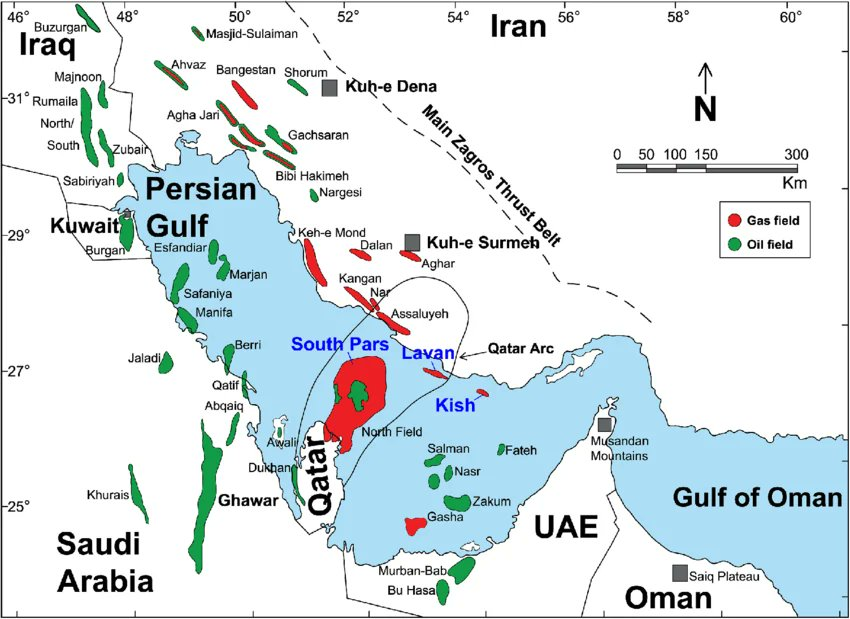
BREAKING: They just hit the factory. Israeli strikes set fire to Phase 14 processing facilities at South Pars today. Iran’s oil ministry and Tasnim confirmed the blaze. Partial production suspension. An estimated 12 million cubic metres per day of gas output affected. South Pars is the largest gas field on Earth. It produces 70 to 80 percent of Iran’s total gas output. That gas is not just fuel. It is the hydrogen feedstock for the Haber-Bosch process that synthesises ammonia, which becomes urea, which becomes the nitrogen that half the planet’s agriculture depends on. South Pars gas feeds Iranian fertiliser production at its molecular root. The Hormuz permissioned chokepoint was already blocking the shipping route. Now the strikes are hitting the production source. The war is attacking the nitrogen supply chain at both ends simultaneously. This is the escalation that collapses every remaining optimistic scenario. The hopeful case for the global food system was always: the strait reopens, fertiliser flows resume, planting windows are partially salvaged. South Pars burning removes even that. If the strait reopened tomorrow morning and every provincial command stood down and every insurer reinstated cover by afternoon, the gas field that feeds the feedstock that feeds the ammonia that feeds the urea is on fire. The molecule cannot ship because the strait is blocked. The molecule cannot be produced because the factory is burning. Two chokepoints on the same supply chain. Both compromised on the same day of the same war. South Pars shares its geological reservoir with Qatar’s North Dome field. Qatar’s output is steady. Qatar’s fertiliser production is unaffected. But Qatar’s exports also transit through Hormuz. Qatar’s urea also requires passage through the permissioned chokepoint that the Mosaic Doctrine’s 31 provincial commands control via sealed packets and VHF radio. The world’s two largest producers of the gas that becomes the nitrogen that grows the food are now compromised at different points on the same chain: Iran at the source, Qatar at the route. Nineteen days. The Supreme Leader killed. The intelligence minister reportedly eliminated. The diplomatic negotiator and Basij commander dead. Over 2,000 targets. Missile production degraded 90 to 95 percent. Bushehr confirmed zero radiation by the IAEA. And now the gas field that anchors the nitrogen feedstock chain is burning. NOLA urea is $683. It will not go down. It may go up. Because the market just learned that the war is not only blocking the molecule from reaching the ship. It is destroying the facility that creates the molecule in the first place. The Mosaic provincial commands do not need South Pars to run the strait. They need radio handsets and sealed orders. But the world needed South Pars at full capacity for the day the strait eventually reopened. That day just became worth less. The post-war recovery that commodity desks were pricing as a sharp rebound now has a damaged gas field sitting between the ceasefire and the molecule. The strikes are justified. The nuclear programme that threatened ten bombs is gone. The military degradation is historic. But the same war that eliminated the nuclear threat is now eliminating the agricultural feedstock that the post-war world will need to recover. The molecule is trapped behind a doctrine at sea and burning on land. The soil waits for nitrogen. The nitrogen waits for gas. The gas field is on fire. And the strait is still closed. Full analysis: open.substack.com/pub/shanakaans…

Qatar asked the United States to finish Iran. Israel struck South Pars. Qatar now condemns the strike as a threat to global energy security. That is not hypocrisy. It is geology. South Pars and Qatar’s North Field are the same reservoir. The largest gas deposit on Earth, split by a maritime border. Iran produces from one side. Qatar produces from the other. When Israeli bombs hit Phase 14 processing facilities on the Iranian side, they did not just damage Iranian gas production. They introduced risk to the reservoir pressure dynamics that govern Qatar’s $130 billion annual LNG export machine. Qatar is the world’s largest LNG exporter. Its entire economic model rests on the North Field. The expansion to North Field East and North Field South, hundreds of billions in committed investment, depends on stable reservoir conditions across the shared geology. A sustained strike campaign on Iranian extraction infrastructure could alter pressure gradients, force production adjustments, or trigger precautionary shutdowns on the Qatari side. The physics does not recognise the border. Qatar lobbied alongside Saudi Arabia and the UAE for full Iranian military neutralisation. Reuters confirmed it. All six GCC states pressed Washington not to stop short. Qatar wanted Iran’s missile capability destroyed. Qatar wanted the nuclear threat eliminated. Qatar wanted the drones stopped. What Qatar did not want was bombs landing on the gas field that funds its sovereignty. This is the trap that precision warfare creates when the target shares geology with the ally. Now layer the oil forecast. Citi raised its Brent base case to $110 to $120 per barrel in the coming days, with a bull scenario of $150 to $200 if Iran targets more energy infrastructure or the strait stays closed longer. Bear case: $65 to $70 if a deal reopens flows. Brent settled near $109 on March 18, already inside the base range. The bull case is not a forecast. It is a warning. Citi simultaneously raised its aluminium target to $3,600 per tonne with a bull case of $4,000, citing Gulf force majeure and shipping disruptions. The metals market is now pricing what the oil market has not yet fully absorbed: this is not a crude shock. It is a multi-input industrial shock. At $150 oil, the fertiliser transmission into American agriculture accelerates catastrophically. Natural gas is the feedstock for urea. Higher gas prices mean higher nitrogen costs on top of the Hormuz blockade premium. The farmer in Iowa who is already choosing soybeans at $610 urea would face nitrogen economics that make corn unplantable at any margin. The corn-to-soy shift currently projected at 4.8 million acres could double. Qatar’s condemnation will not stop the strikes. Israel’s targeting circle policy authorises elimination of any Iranian official without additional approval. The IRGC published satellite images of Ras Laffan and Mesaieed, both Qatari facilities, as imminent strike targets. Qatar condemns the attack on the field it shares with Iran while Iran threatens the facilities Qatar operates on its own soil. The world’s largest LNG exporter is caught between the ally that bombed its geology and the enemy that is targeting its infrastructure. Both sides are hitting Qatar’s gas. Neither side is asking permission. The reservoir does not care about diplomacy. The urea price does not care about condemnations. And the planting season does not care about either. open.substack.com/pub/shanakaans…

President Trump’s decision to take the war to Kharg Island - the crown jewel of Iran’s oil and gas economy - was necessary, bold and in my view, highly effective. This will help shorten the war.