Apple Explorer
10.6K posts


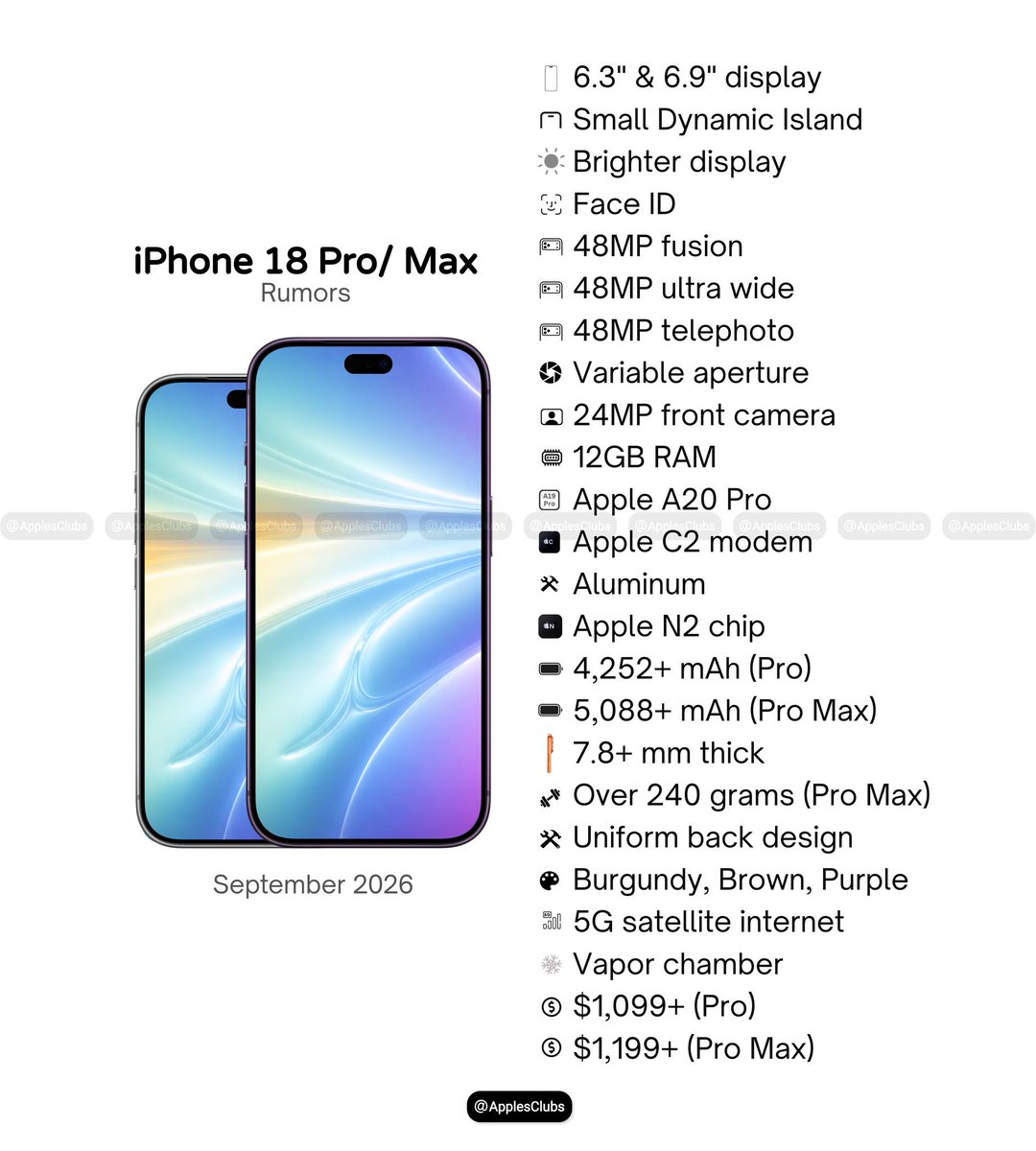
iPhone 18 Pro/Max leaks are getting wild 👀
Triple 48MP setup, 12GB RAM, bigger batteries, and even satellite internet… Apple is clearly pushing “Pro” to another level this time.
But let’s be real — the real question is:
innovation or just better specs on paper? 🤔
September 2026 can’t come soon enough.
img: Apple Club

English

Everyone wants a “new iPhone.”
But most people don’t actually need one.
—
The iPhone 18 will likely bring:
• 120Hz ProMotion finally on the base model
• Smaller Dynamic Island
• 24MP front camera upgrade
• New A20 chip (more power, better efficiency)
Sounds exciting, right?
Not really.
—
Because nothing here changes how you use your phone.
You’ll still:
Scroll the same apps
Take similar photos
Use the same features daily
Just… slightly smoother.
—
This is Apple’s real strategy:
Don’t disrupt.
Refine.
Make the experience better by 10%
So millions upgrade without thinking twice.
—
The design staying the same?
That’s not laziness.
That’s control.
—
Big changes create risk.
Small improvements create revenue.
—
If you’re waiting for a “revolutionary” iPhone…
You might be waiting forever.
—
The real upgrade isn’t the phone.
It’s how Apple makes you feel about needing one.
—
Would you upgrade for this?
Or skip another year? 👇
Apple Club@ApplesClubs
iPhone 18 — what to expect 6.3” OLED with 120Hz ProMotion, smaller Dynamic Island, 24MP front camera, and the new A20 chip. Same design, but more power and new colors. Expected Spring 2027 📱
English

The MacBook Neo isn’t for everyone.
And that’s the whole point.
Some people are saying:
“It can’t handle editing.”
“Gaming won’t work.”
They’re right.
But they’re also missing the point.
This device was never made for heavy editors or gamers.
It’s built for a very specific group of users
— and for them, it fits perfectly.
If you’re judging it by what it *can’t* do,
you’re not the target audience.
Simple.

English

Your brand is not your logo.
But one change can break everything.
From a simple bird in 2006
to the bold “X” in 2023…
Same platform.
Completely different perception.
That’s the power of branding.
Most founders think:
“Let’s just redesign the logo.”
But they ignore what actually matters 👇
Context:
Your audience doesn’t remember pixels.
They remember feelings.
Twitter wasn’t just a bird.
It was simplicity, conversations, identity.
When that changed…
people didn’t just see a new logo.
They felt a different product.
Value:
If you’re thinking of rebranding, ask:
1.What emotion are we changing?
2.What identity are we replacing?
3.Will users feel confused or excited?
4.Are we solving a problem or chasing trends?
Because design is surface-level.
Perception is everything.

English

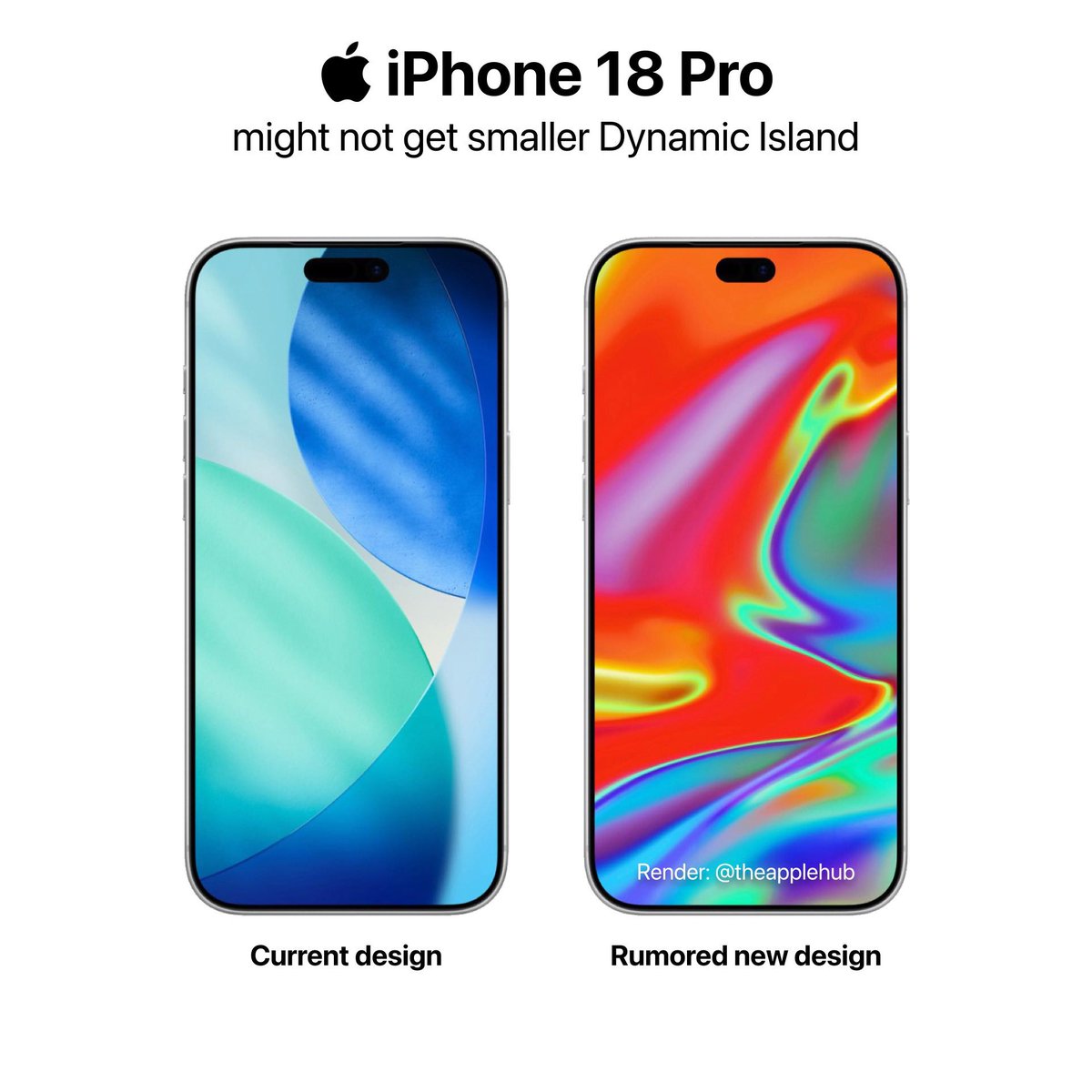
Everyone expects Apple to kill the Dynamic Island.
But what if it stays?
Leaks suggest the iPhone 18 Pro
might still keep the same front design.
Yes… even after all the hype.
Here’s the reality most people ignore:
Apple doesn’t chase “new.”
They chase “controlled evolution.”
If the current design still:
• Works reliably
• Scales in production
• Keeps margins high
They won’t rush to change it.
This is the same company that:
Refined the notch for years
Stretched Lightning longer than needed
Iterated instead of reinventing
And honestly… it works.
Because users say they want “revolution”
But they upgrade for stability.
Big redesigns sound exciting.
But small improvements ship faster.
So if Dynamic Island stays…
It’s not laziness.
It’s strategy.
The real question isn’t:
“Why no change?”
It’s:
“Does change even matter to users?”
Most people won’t care.
What do you think —
Should Apple redesign every year or play it safe?

English

This MacBook could change Apple’s game.
But nothing is confirmed yet.
What you’re seeing are expectations.
And they tell a bigger story.
Leaks suggest a budget MacBook:
13” LCD
60Hz display
A-series chip (likely A19 Pro)
12GB RAM
Starting around $599
Again — not confirmed.
But look at the direction.
Apple might not be chasing power here.
They might be chasing volume.
Think about it:
Most people don’t need Pro performance.
They need:
• Smooth browsing
• Good battery
• Reliable experience
If Apple nails the price…
This could become the new entry point.
Students.
First-time Mac users.
Switchers from Windows.
And once they enter the ecosystem…
Upselling becomes easy.
AirPods.
iPhone.
iCloud.
That’s where the real money is.
So don’t judge this by specs.
Watch the positioning.
Because if these expectations are true…
Apple isn’t building a laptop.
They’re building a funnel.
What’s your take — hype or smart strategy?

English

Everyone is hyped about iOS 27.
But almost no one is asking this…
Do we actually need all these features?
WWDC leaks look exciting:
AI health agents
Satellite features
Smarter Siri
Foldable-style multitasking
Sounds futuristic.
But here’s the uncomfortable truth:
More features ≠ better experience.
Most users:
Don’t use 80% of new features
Don’t explore settings after week one
Just want their phone to feel fast and simple
Apple knows this.
That’s why you’ll notice something subtle:
“Focused on performance & stability”
That line matters more than all the flashy stuff.
Because real retention doesn’t come from hype.
It comes from:
Smooth experience
Reliable battery
Zero friction
The best products don’t overwhelm you.
They quietly become part of your life.
And that’s Apple’s real strategy.
Not innovation.
Refinement.
What’s one feature you actually use daily on your phone?

English

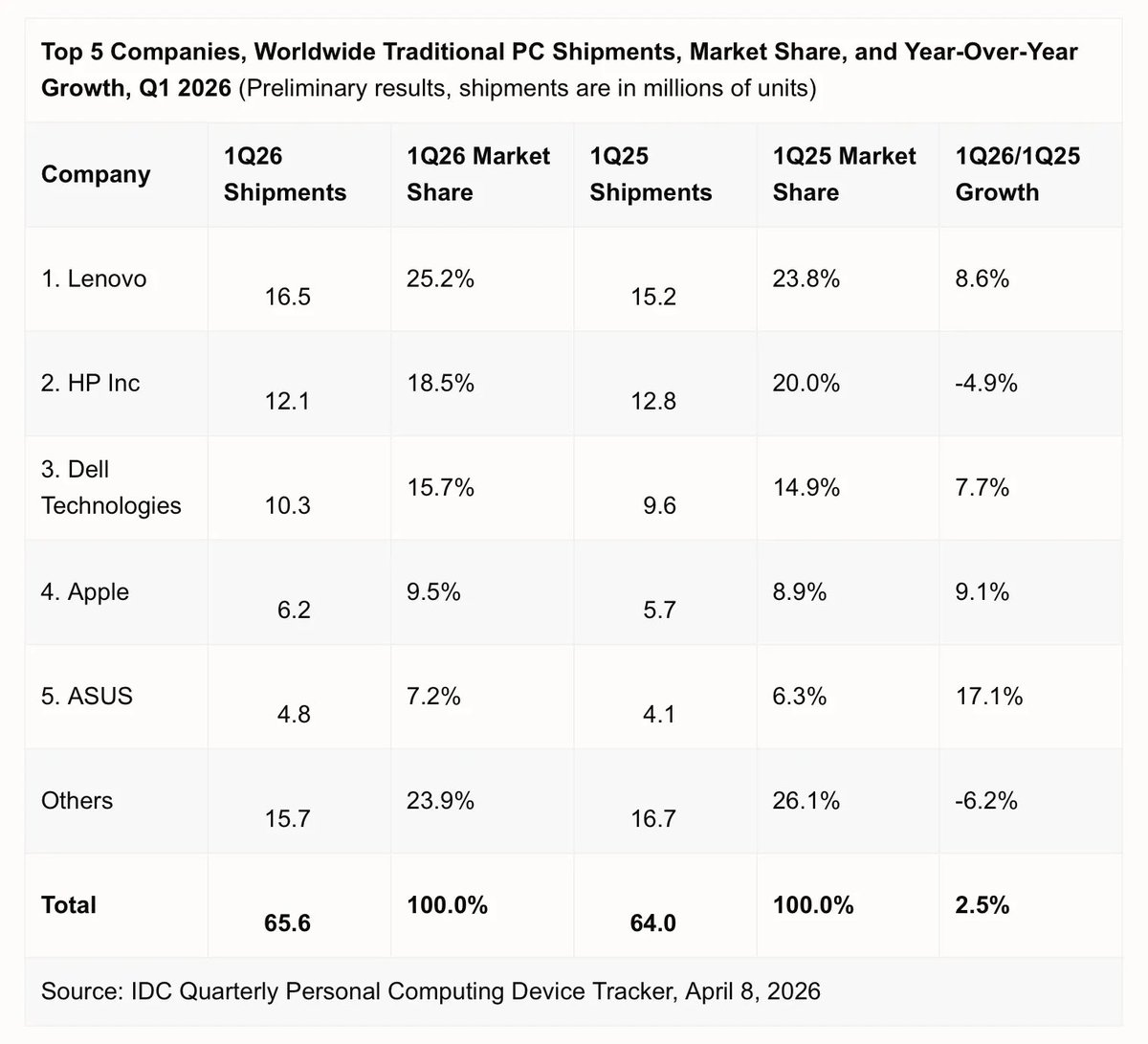
Apple grew 9% in a slowing market.
But that’s not the real story.
The PC market is barely growing.
Only 2.5% YoY.
And still…
Apple is gaining share.
Why?
Most brands compete on specs.
Apple competes on experience.
While others fight price wars,
Apple builds demand.
Look closer:
→ Lenovo leads with volume
→ HP is declining
→ ASUS is growing fastest
→ Apple quietly climbs
This tells you something important:
Growth isn’t about being the biggest.
It’s about being different.
Apple shipped fewer units than leaders.
But increased market share anyway.
That means one thing:
People are choosing Apple
—not settling for it.
Even with:
Higher prices
Limited availability
Long waiting times
They still win demand.
That’s brand power.
And most founders ignore this.
They chase more content,
more features,
more noise.
Instead of building something
people actually want.
The real lesson:
You don’t need to dominate the market.
You need to dominate perception.
That’s how you grow in slow markets.
What do you think matters more—
price or perception?

English

iOS updates don’t matter…
until they break your daily life.
If your iPhone felt “off” recently,
you’re not imagining it.
iOS 26.4 quietly messed up
one of the most important things:
Sync.
Passwords not updating.
Apps lagging behind.
Random delays across devices.
Small issues on paper.
Huge frustration in real life.
Now iOS 26.4.1 fixes it.
• Passwords sync properly again
• Real-time CloudKit is back
• Third-party apps behave normally
• No more weird sync delays
This isn’t a “feature update.”
It’s a stability reset.
And honestly—this is what Apple gets wrong sometimes.
They chase new features…
but forget the basics that actually matter.
Because users don’t notice new features daily.
They notice when things break.
If your device felt unreliable lately,
update now.
This one actually matters.
Have you faced sync issues recently?

English

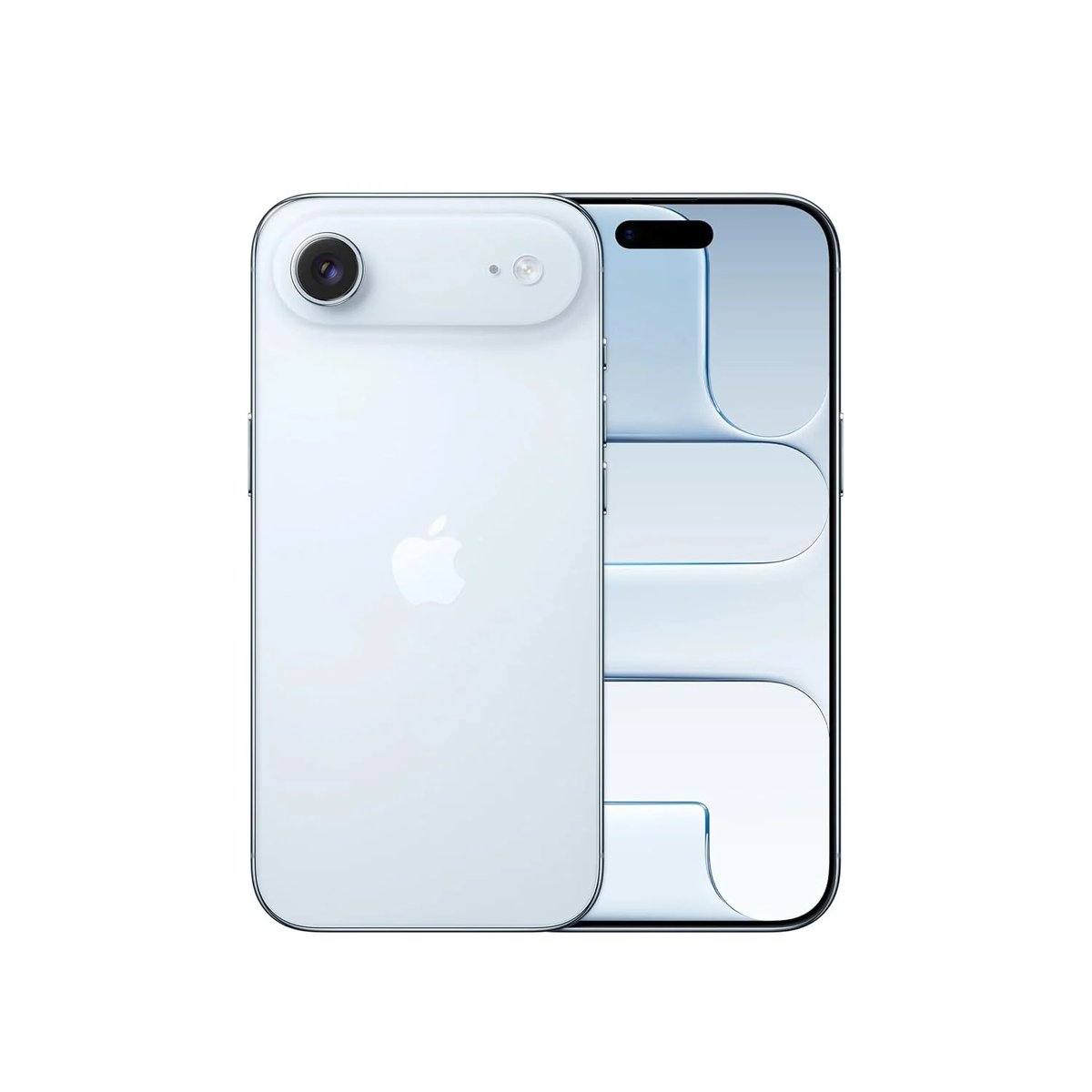
Apple won’t kill a failed product.
It will double down on it.
That’s exactly what’s happening with the iPhone Air.
Despite weak demand…
Production cuts…
And almost zero market pull…
Apple is still pushing for Air 2.
Why?
Because big companies don’t think in quarters.
They think in cycles.
The first version tests the market.
The second fixes the mistakes.
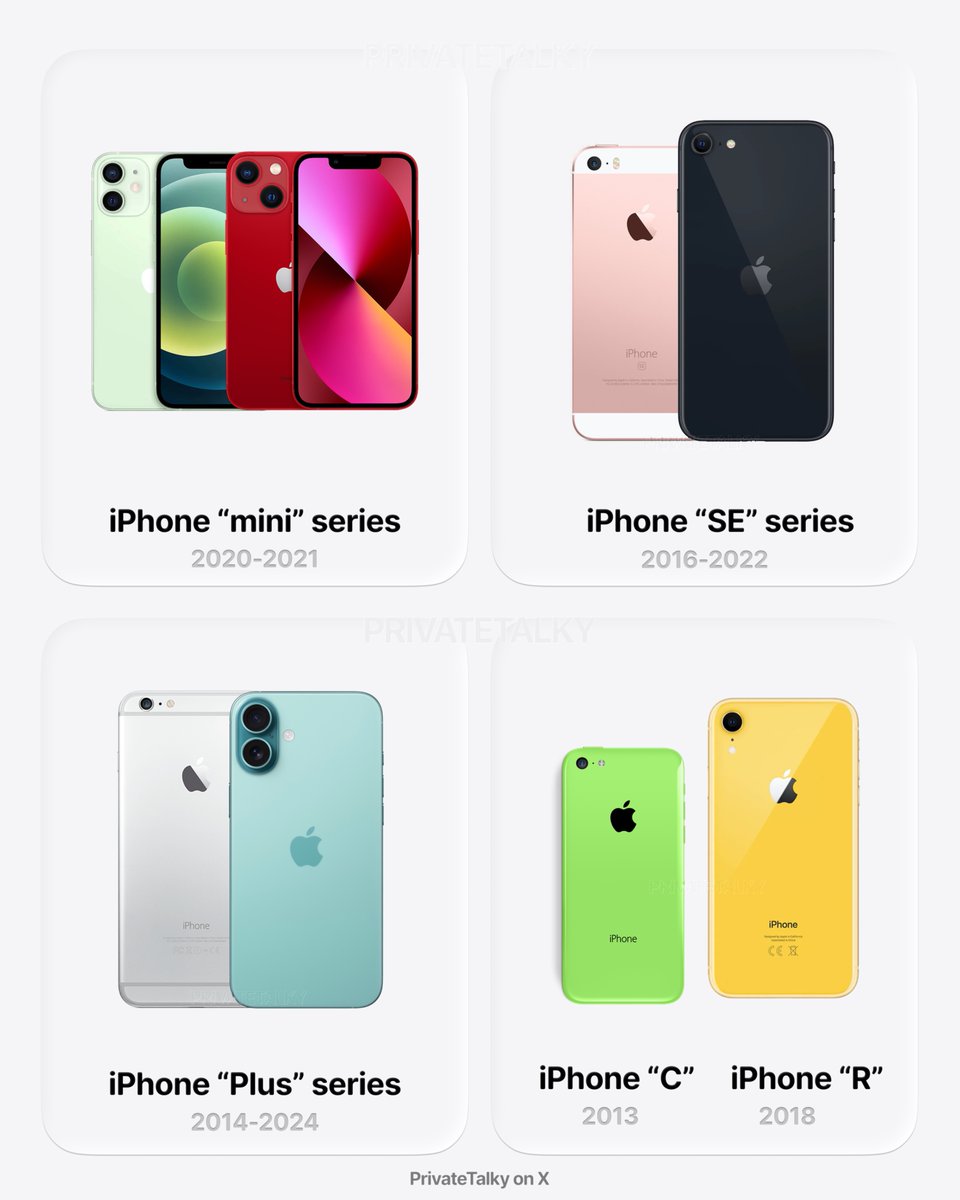
iPhone mini failed.
Plus models struggled.
But Apple still gave them multiple chances.
Same playbook again.
Meanwhile…
The standard iPhone 18?
Almost no design changes.
That tells you something important:
Apple isn’t chasing excitement every year.
They’re balancing risk.
One safe product.
One experimental bet.
Air is the bet.
Base model is the cash flow.
Smart? Yes.
Exciting? Not really.
But this is how trillion-dollar companies operate.
Not by guessing.
By iterating.
If you’re building anything—
Content, product, or business—
Stop expecting instant success.
Version 1 is data.
Version 2 is strategy.
That’s where real growth starts.
What do you think—
Should Apple kill Air or fix it?

English

Apple made a smart move.
Now it might cost them.
They underestimated demand for the MacBook Neo.
And that’s a problem.
Not because it failed…
But because it succeeded too much.
Here’s what’s really happening:
Apple used binned A18 Pro chips
(chips that didn’t make it into iPhones)
Smart move.
Lower cost.
High margins.
Premium feel.
Win-win.
But they only had ~5–6 million of these chips.
Now demand is higher than supply.
And suddenly, the “smart strategy” becomes a constraint.
Now Apple has 3 options:
1.Restart A18 Pro production
→ Higher cost
→ Lower margins
2.Stop selling Neo
→ Kill momentum
→ Lose market buzz
3.Launch A19 Pro Neo early
→ Risk repeating the same mistake
This is a classic scaling problem.
What works at small scale
breaks at high demand.
The real lesson?
Optimization ≠ sustainability.
Short-term efficiency can kill long-term flexibility.
Most creators and founders make the same mistake:
They optimize for today.
Then get stuck tomorrow.
Build systems that scale.
Not hacks that work once.
What do you think Apple will do next?

English

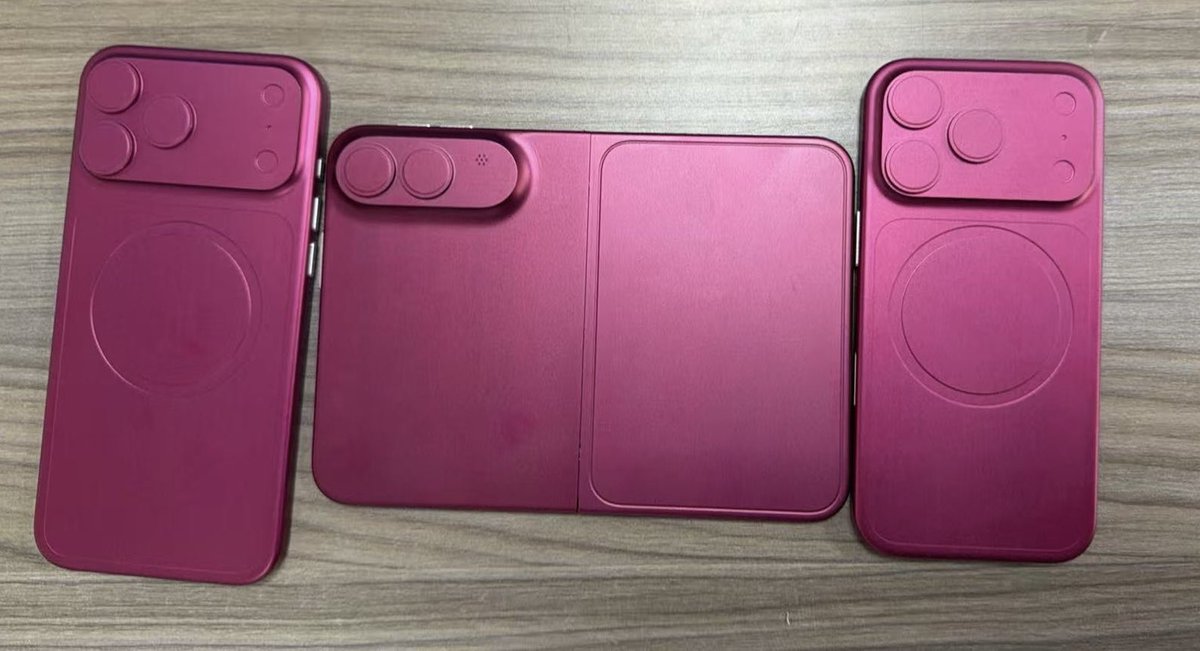
Nobody agrees on the iPhone Fold launch.
And that’s exactly the signal.
Right now, leaks are fighting each other.
Some say delay.
Some say December.
Now Gurman says: September launch is still on.
Here’s the truth most people miss:
This confusion is normal.
Not a red flag.
When a product is this new,
even insiders don’t have full clarity.
Why?
Because Apple is solving hard problems:
– Foldable display durability
– Crease visibility
– Scratch resistance
– Mass production at scale
One small issue = months of delay.
And here’s the real insight 👇
Apple is not racing to be first.
They are obsessed with being right.
That’s why:
Others launched foldables years ago
But Apple is still waiting
They’d rather be late
Than launch something average
So what should you expect?
Most likely scenario:
– Announcement in September
– Limited or delayed shipments
Classic Apple move.
Big reveal first
Scale later
Punchline:
Leaks create noise.
Patterns create clarity.
Follow Apple’s pattern
Not random rumors
What do you think—
Will Apple nail foldables on first try?

English

iOS updates don’t excite people anymore.
And Apple knows it.
“iOS 27 is coming in 2 months…”
But here’s the real question:
Will anyone actually care?
For years, updates meant something:
New design
Big features
Real change
Now?
Most updates feel like:
• Small tweaks
• Hidden features
• Marketing noise
And users notice it.
Because today,
people don’t want more features
They want:
Better battery
Smoother performance
Less bugs
And yes…
Apple Intelligence that actually feels useful.
Not just demos.
Not just hype.
Real upgrades like:
• Smarter Siri (that finally understands context)
• AI that works inside apps, not outside
• Features you use daily — not once
Right now, Apple Intelligence feels early.
But expectations are huge.
If iOS 27 doesn’t level this up,
people will lose interest fast.
Apple isn’t competing on features anymore.
They’re competing on experience + intelligence.
And this time,
AI has to deliver.
Because users won’t accept
“almost good” again.
If iOS 27 nails performance + AI,
it wins — easily.
If not… it’s just another update.
What do you think?
Do you care more about AI upgrades
or just a smoother iPhone?

English