Arbinger

5.3K posts

Arbinger banner
Arbinger

Arbinger

@Arbinger

Breakthrough results are only possible through a change in mindset. We change mindset.

Global Katılım Haziran 2009
10 Takip Edilen3.4K Takipçiler

Arbinger
Arbinger@Arbinger·
Real conflict resolution begins when at least one person steps out of defensiveness and into reflection, not to surrender their position, but to examine their way of being. When someone is willing to ask, “How might I be wrong?” possibilities opens.
Arbinger tweet media
English
0
2
1
51
Arbinger
Arbinger@Arbinger·
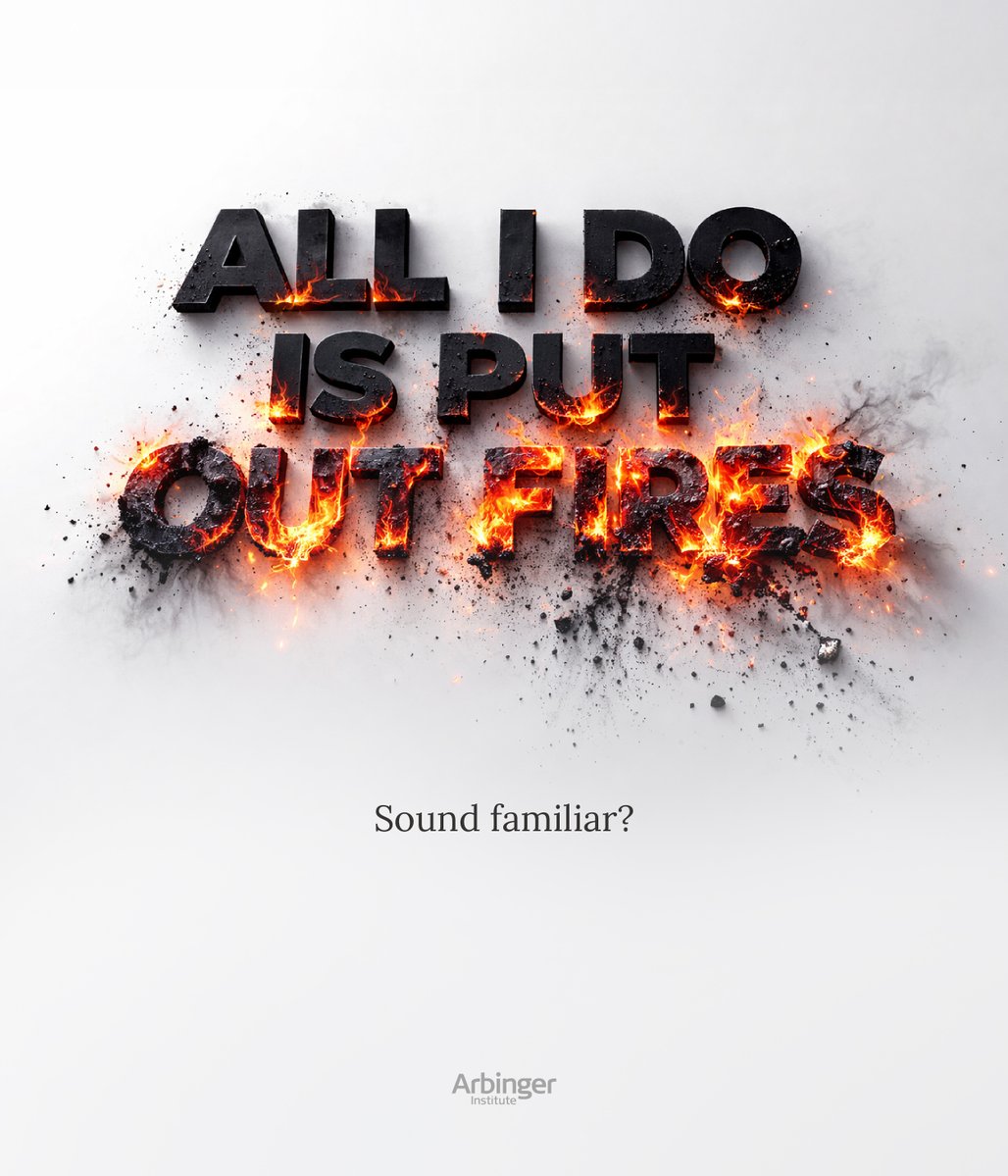
Workplace fires don’t just “happen.” They’re fueled by how we see and treat each other. When people feel unseen or reduced to tasks, friction builds. When we strengthen relationships and clarify expectations, fewer fires start in the first place. That’s the shift.
Arbinger tweet media
English
0
1
1
50
Arbinger
Arbinger@Arbinger·
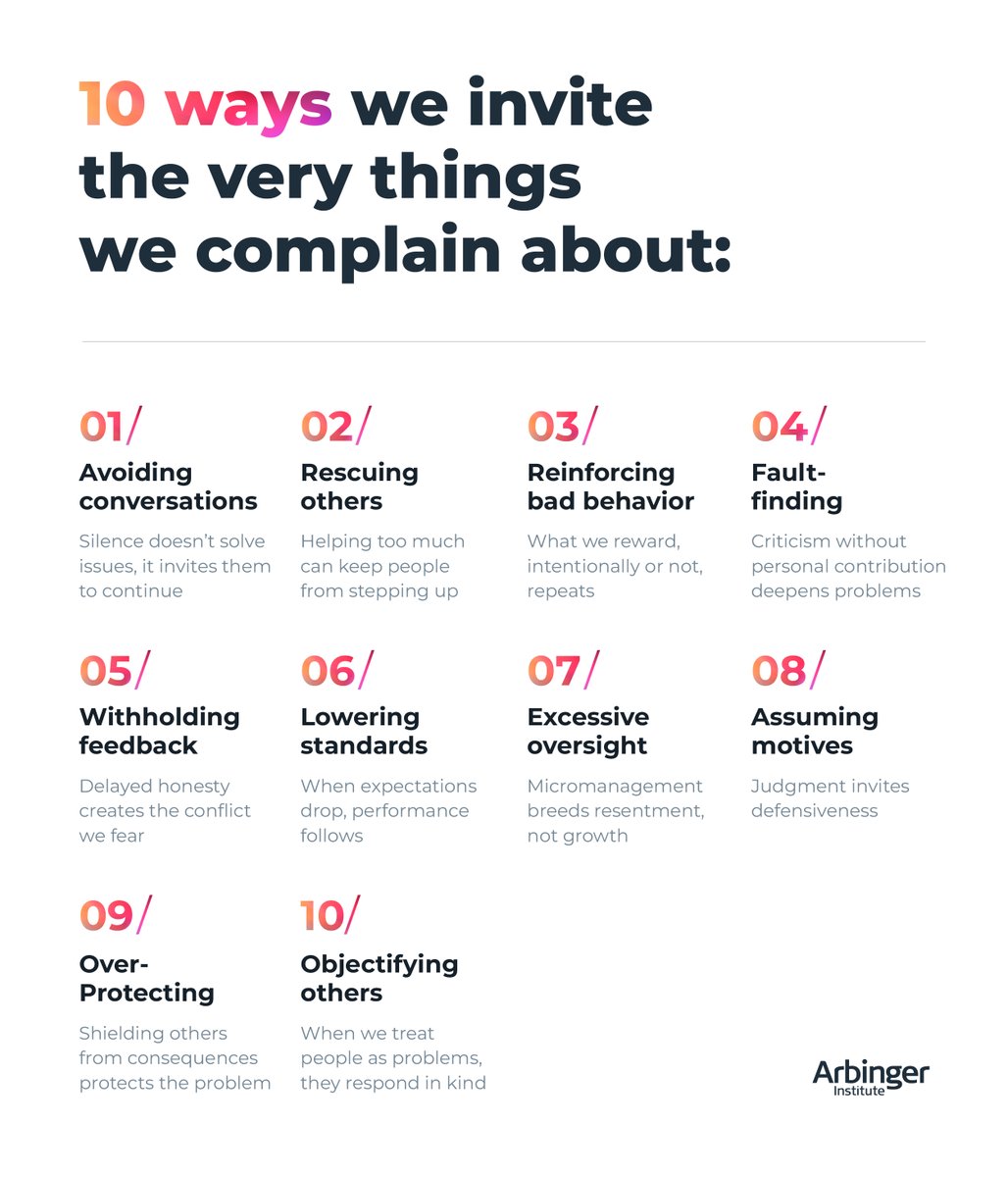
Workplace problems are brutal. We think they start with what others do. But they’re fueled by how we see. Someone does something I don’t like. I create a story about why. I react from that story. They react to me. And I've invited the behavior I don't want.
Arbinger tweet media
English
0
0
1
50
Arbinger
Arbinger@Arbinger·
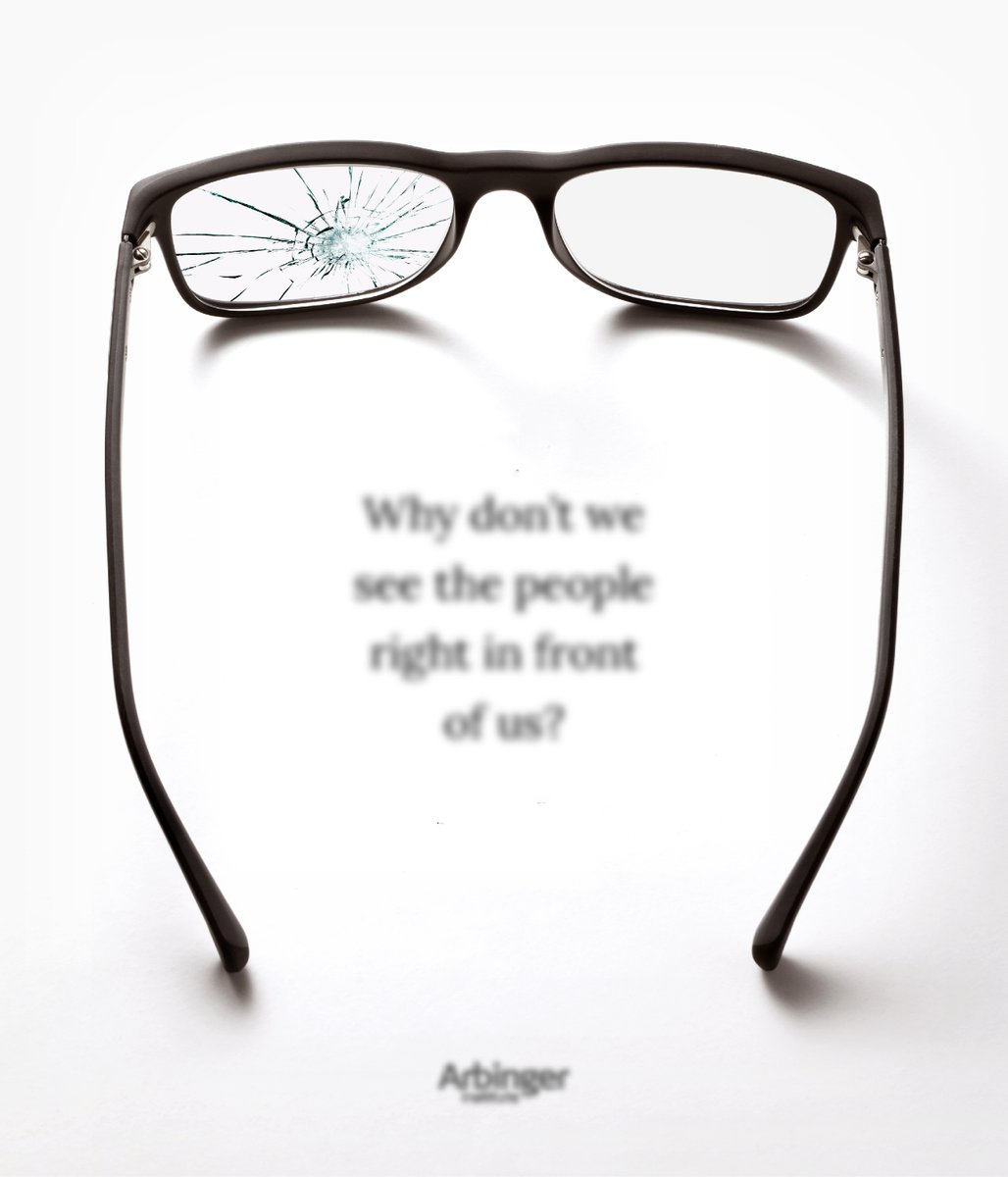
We can’t see people around us because we’re busy… Protecting ourselves. Proving a point. Managing appearances. When we turn inward, our vision blurs—and people fade. The solution isn’t to look harder. It’s to look outward.
Arbinger tweet media
English
0
0
2
26
Arbinger
Arbinger@Arbinger·
Ever notice how two groups can face the same challenge but get different results? Why? Mindset. How we see a situation (mindset) shapes how we act (behavior). And how we act impacts the final results. Mindset → Behavior → Results. It’s simple. But it changes everything.
Arbinger tweet media
English
0
0
0
28
Arbinger
Arbinger@Arbinger·
Join us for an upcoming webinar. We’ll explore how a shift in mindset changes the way you respond to others—helping you reduce friction and build better working relationships. Tuesday, February 24th 10:00 AM MST Live online webinar Registration link in the comments
Arbinger tweet media
English
0
0
0
24
Arbinger
Arbinger@Arbinger·
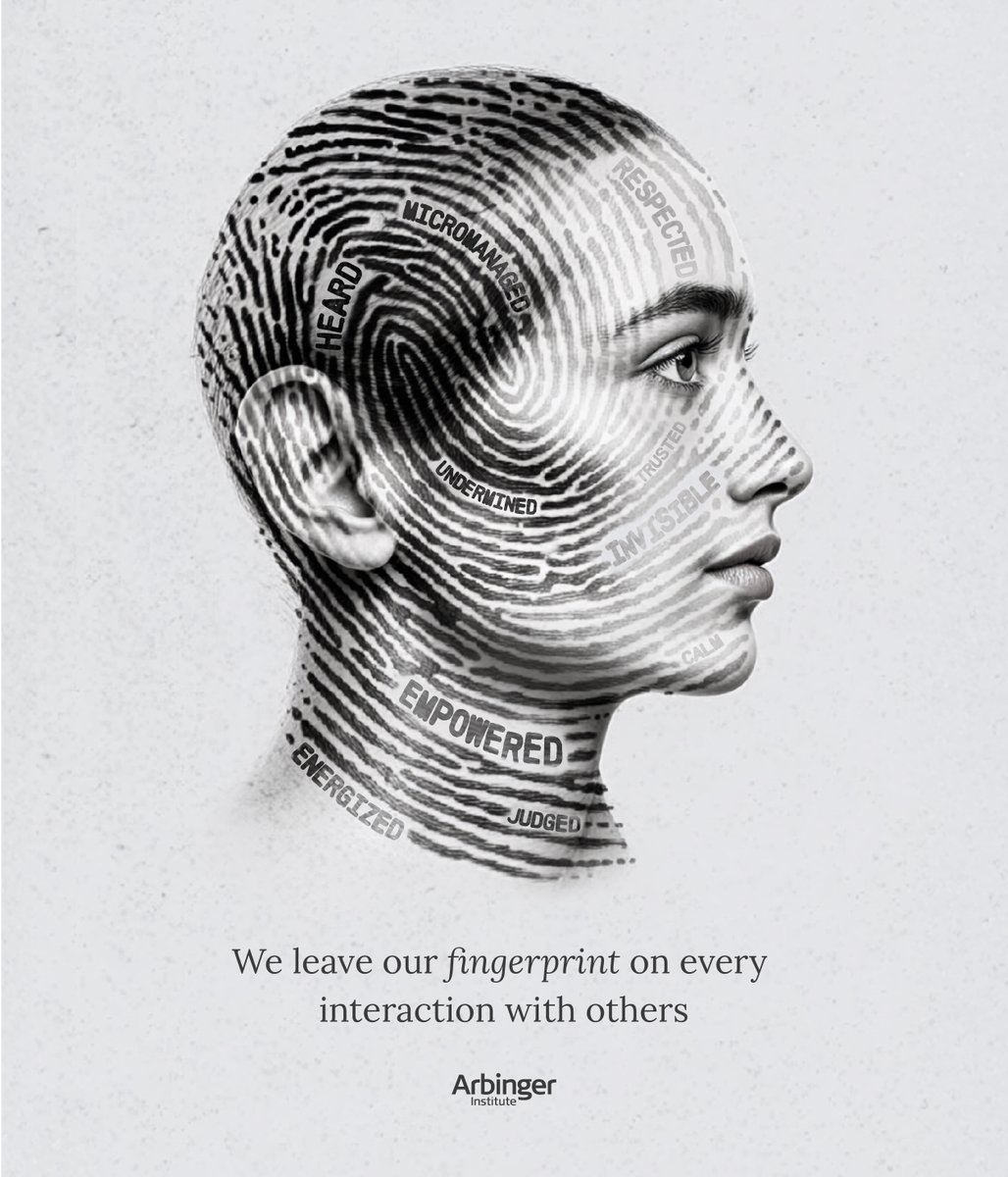
Every interaction leaves a fingerprint. The question isn’t if—it’s what people carry with them after. Long after the meeting ends, people remember how they felt with you. Be intentional about the mark you leave.
Arbinger tweet media
English
0
0
0
28
Arbinger
Arbinger@Arbinger·
The moment we feel called to do what’s right but refuse, we fracture. Then we justify, blame, and defend. That’s self-betrayal. Soon the world feels hostile. But it didn’t start with others. It began inside us. Our refusal lit the fire. Freedom begins when the betrayal ends.
Arbinger tweet media
English
0
0
1
60
Arbinger
Arbinger@Arbinger·
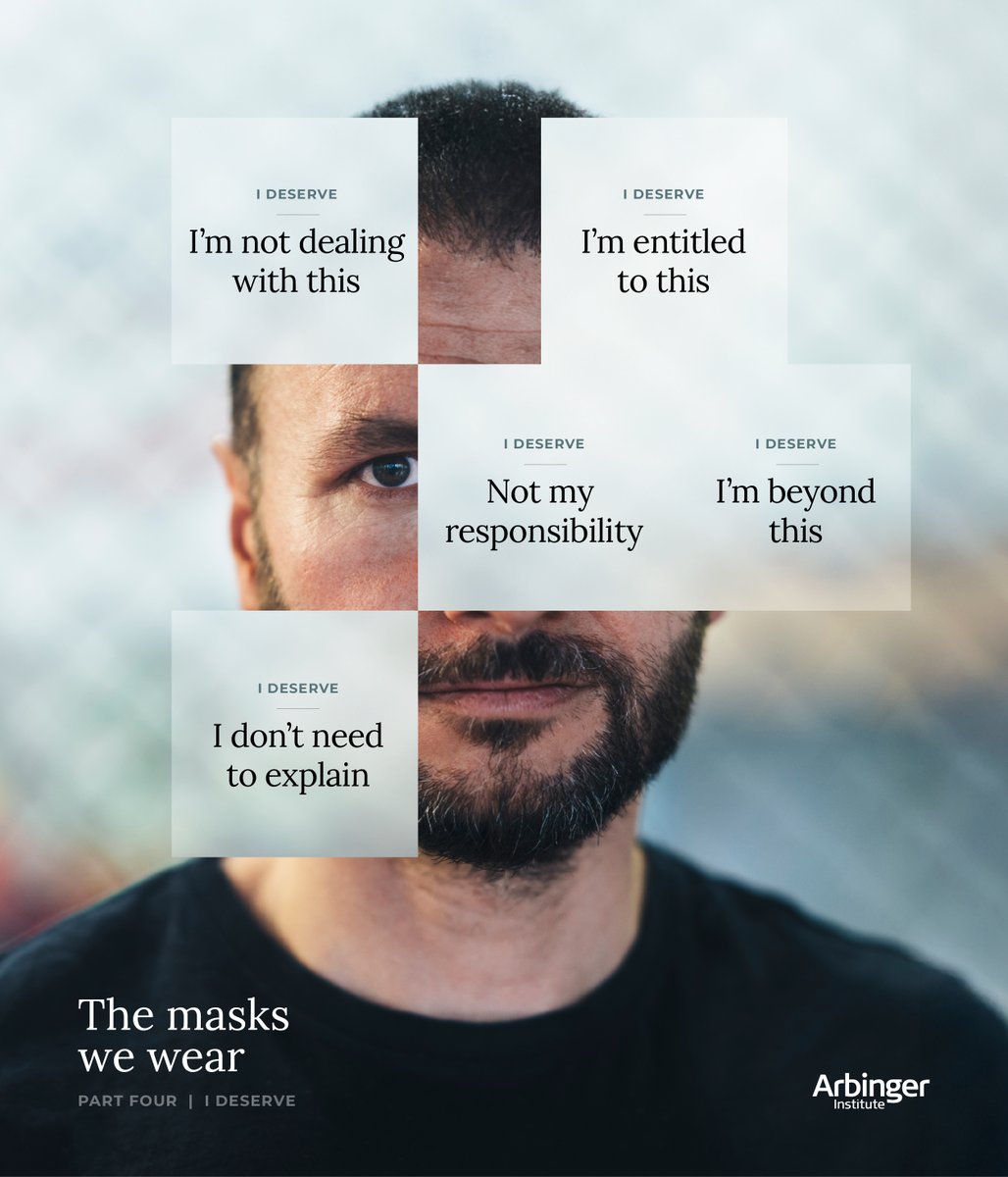
“I’m entitled.” “Not my responsibility.” “I don’t need to explain.” The “I Deserve” mask feels justified—but it turns people into obstacles. Accountability fades. Trust erodes. And trust is the real currency of leadership.
Arbinger tweet media
English
0
0
0
39
Arbinger
Arbinger@Arbinger·
“In control.” “Confident.” “Not bothered.” The “Need to Be Seen As” mask is exhausting. Keeping up appearances replaces truth, help, and growth. We start performing instead of connecting. Real leadership isn’t about image—it’s about how we see others.
Arbinger tweet media
English
0
0
0
28
Arbinger
Arbinger@Arbinger·
“I’m right.” “I’m more capable.” “I’m ahead.” This mask looks like confidence—but it creates distance. Collaboration fades, feedback feels threatening, and others’ ideas stop mattering. Being right feels good. Being effective takes more.
Arbinger tweet media
English
1
0
1
166
Arbinger
Arbinger@Arbinger·
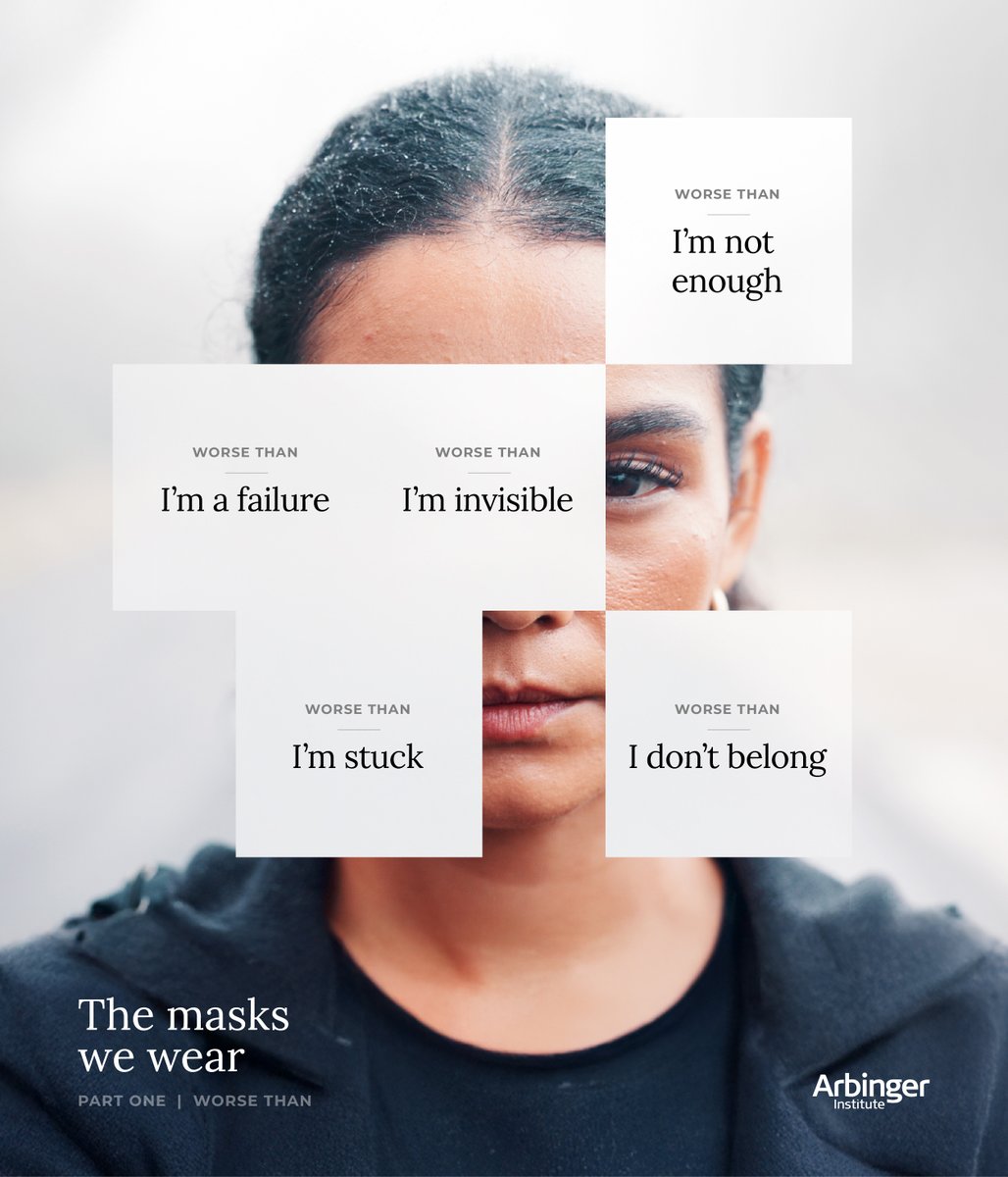
“I’m not enough.” “I’m a failure.” “I don’t belong.” These aren’t facts. They’re masks. When we see ourselves as worse than others, we shrink, stop contributing, and stop speaking up. Teams and cultures pay the price.
Arbinger tweet media
English
0
0
2
56
Arbinger
Arbinger@Arbinger·
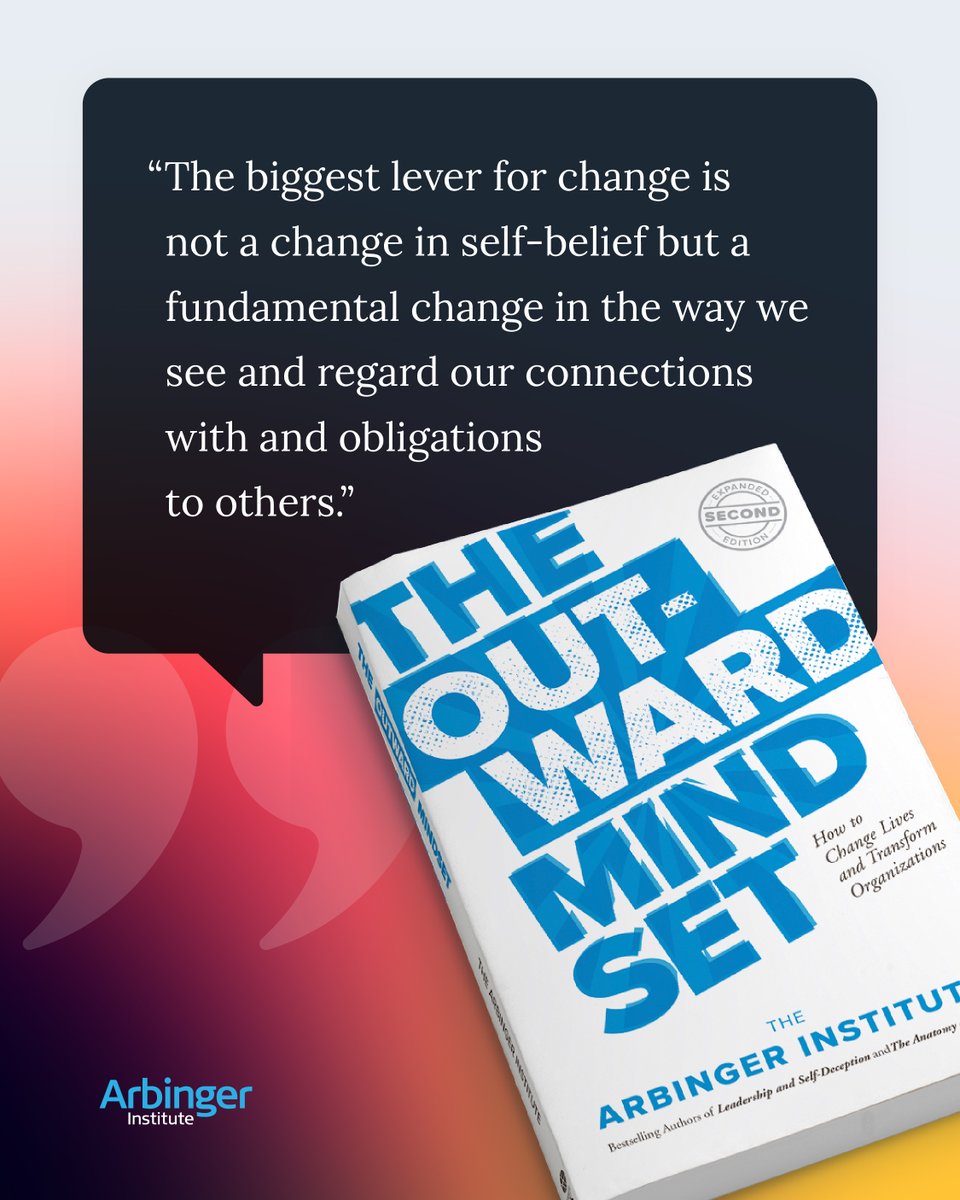
Hot take: We spend a lot of time telling people to “believe in themselves.” But the real lever for lasting change is connection. When we stop treating people as obstacles, resources, or problems—and see them as people—everything shifts. That’s the outward mindset.
Arbinger tweet media
English
0
0
0
533
Arbinger
Arbinger@Arbinger·
Niceness. Harmony. Good intentions. These are often mistaken for an outward mindset. But none of them are the point. An outward mindset is about seeing the humanity of others and how that shapes what we do next. Which misconception on the list do you struggle with most?
Arbinger tweet media
English
0
0
0
31
Arbinger
Arbinger@Arbinger·
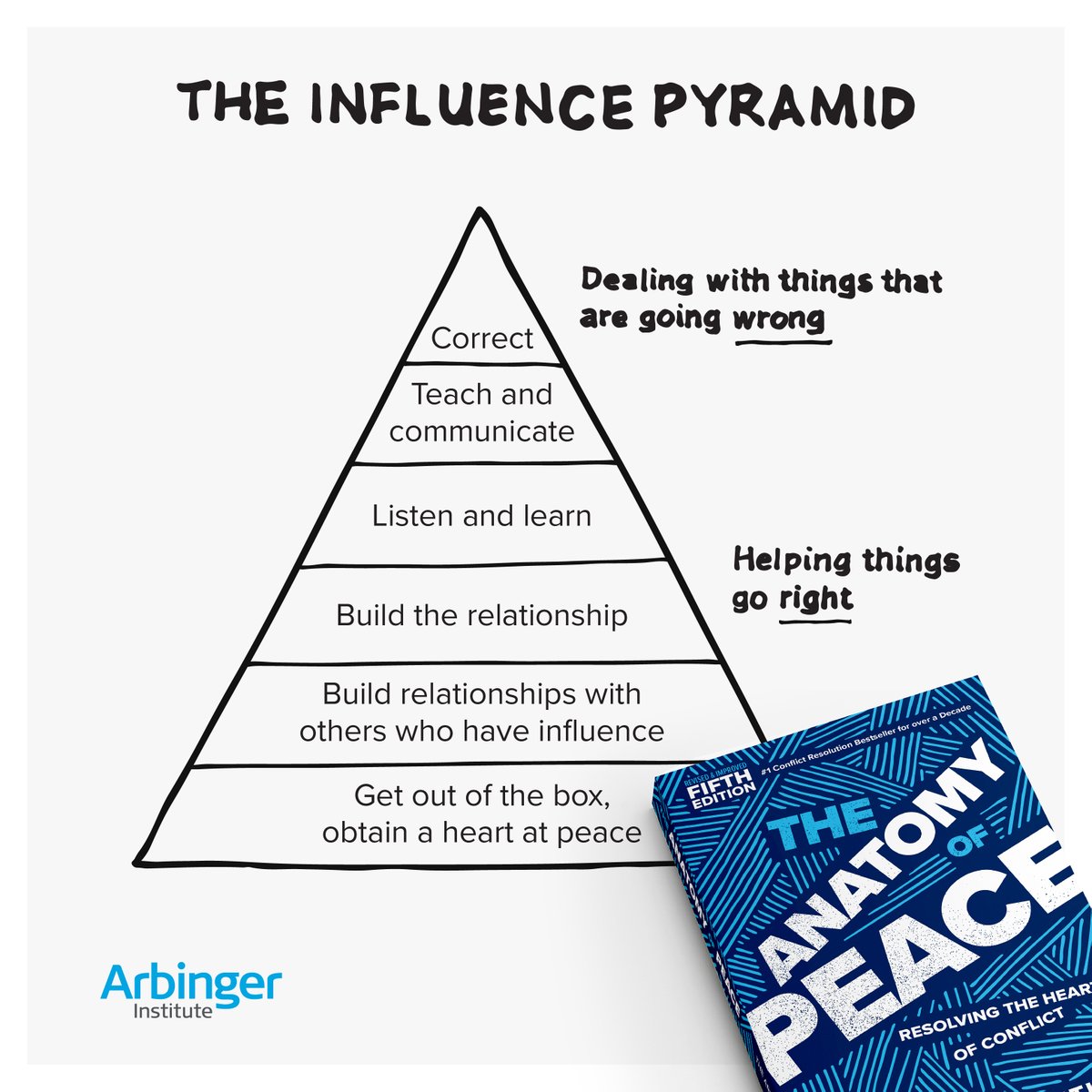
When influence fails, we try harder instead of deeper. We correct. Push. Explain (again). Then wonder why nothing changes. Real influence doesn’t start with fixing behavior—it starts with who we’re being. If it’s not working, don’t go higher. Go lower.
Arbinger tweet media
English
0
0
0
41
Arbinger
Arbinger@Arbinger·
Isolation is the myth. Connection is the truth.
Arbinger tweet media
English
0
0
1
32
Arbinger
Arbinger@Arbinger·
We spend a lot of time trying to fix weaknesses, but there’s real power in celebrating what people do well. When strengths are recognized, trust grows—and engagement follows naturally. Valuing contribution over perfection makes all the difference.
English
0
0
1
32
Arbinger
Arbinger@Arbinger·
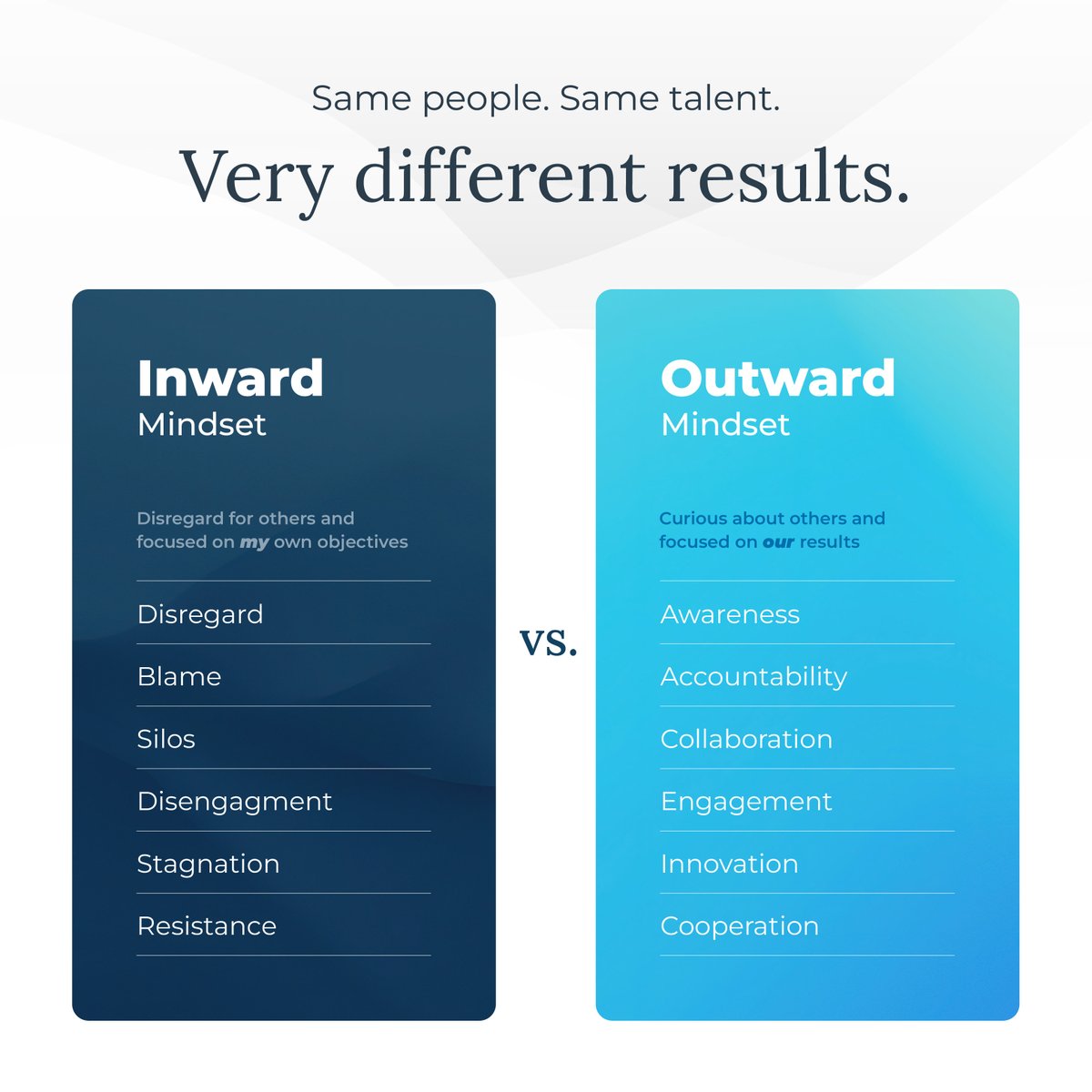
Same people. Same talent. Very different results. Inward: “Not my problem.” “I hit my numbers.” → silos, blame, disengagement. Outward: “How does this affect you?” “What do you need to win?” → collaboration, accountability, better results.
Arbinger tweet media
English
0
0
0
23
Arbinger
Arbinger@Arbinger·
Self-deception doesn’t announce itself. It feels like certainty. When our perception favors us, we justify our actions, defend our positions, and unknowingly contribute to the very problems we’re trying to solve.
Arbinger tweet media
English
0
0
1
32
Arbinger
Arbinger@Arbinger·
Shift from “What can I get?” to “How can I help?” When people feel understood, they contribute more—vision, energy, ownership. Alignment gets easier and innovation rises. Start by asking: “What are you trying to achieve, and how can I help?”
English
0
0
0
27