Archaeolife retweetledi
Archaeolife
6.3K posts

Archaeolife
@Archaeolife_IM
Irene Minerva Muñoz Fernández, PhD. Historian & Archaeologist. Diehard humanist. Ancient Food lover. Grant holder at Unseen University (Ankh-Morpork).
Spain Katılım Mayıs 2011
1.3K Takip Edilen562 Takipçiler
Archaeolife retweetledi

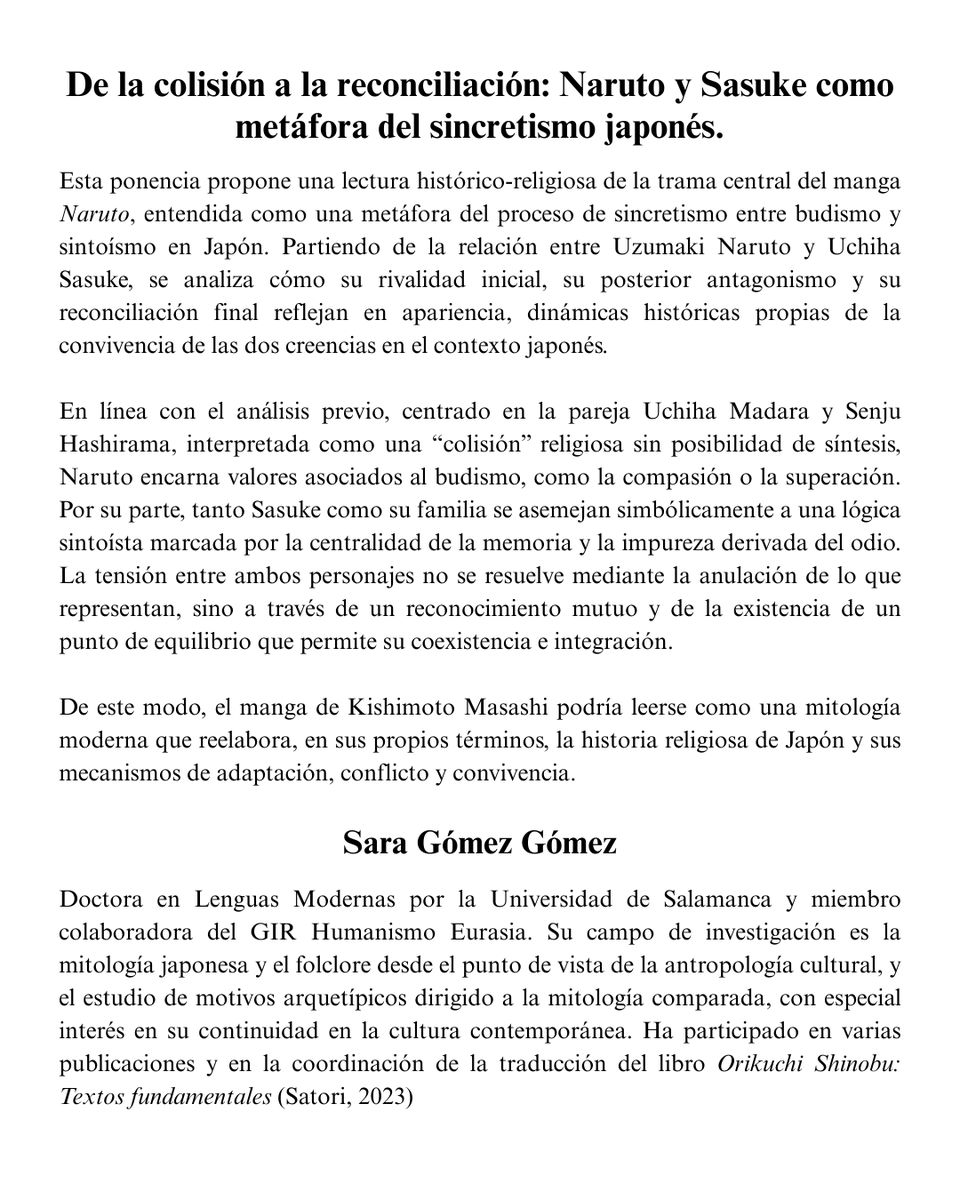
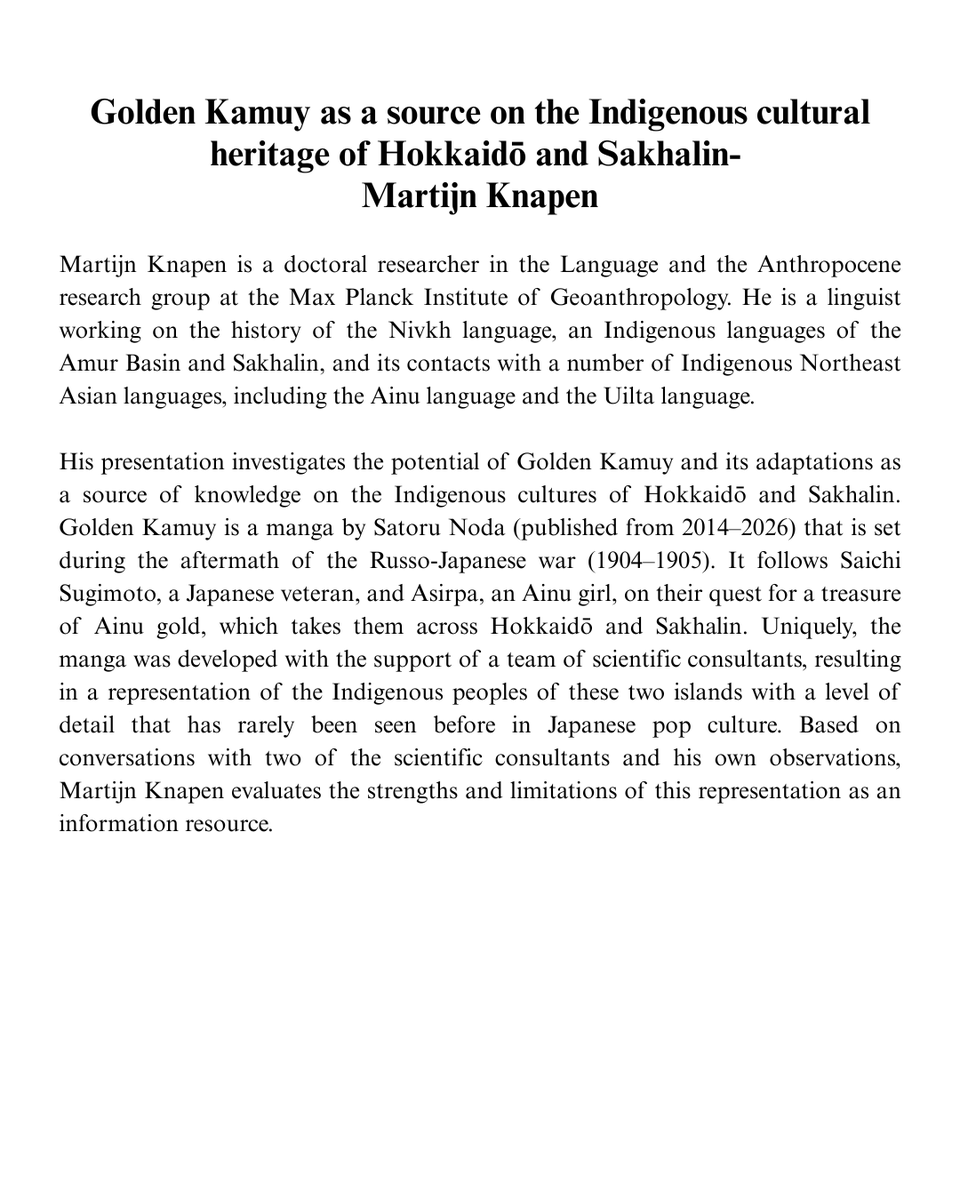
V Seminario Internacional de Mitología china y japonesa. Programa, inscripciones y más información en --> ucm.es/estudiosasiaor…

Español
Archaeolife retweetledi

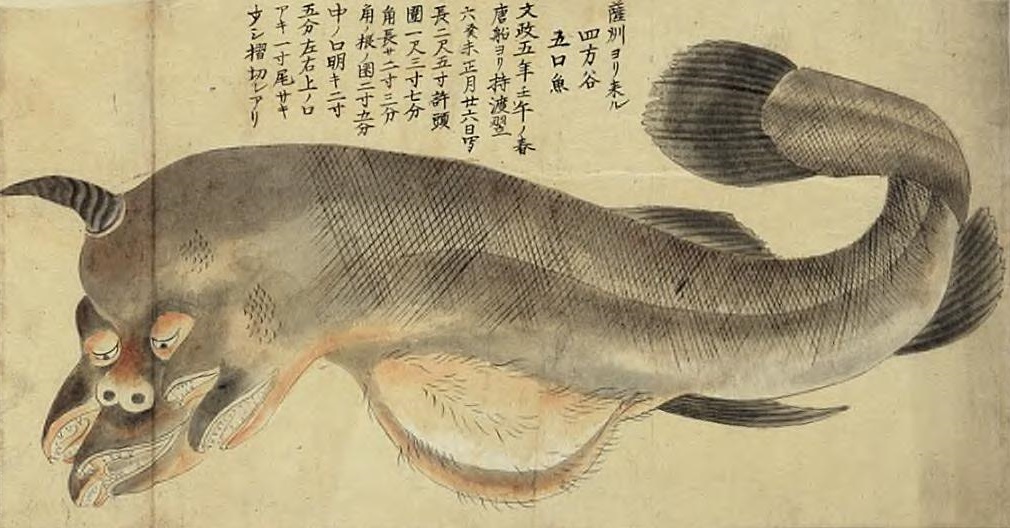
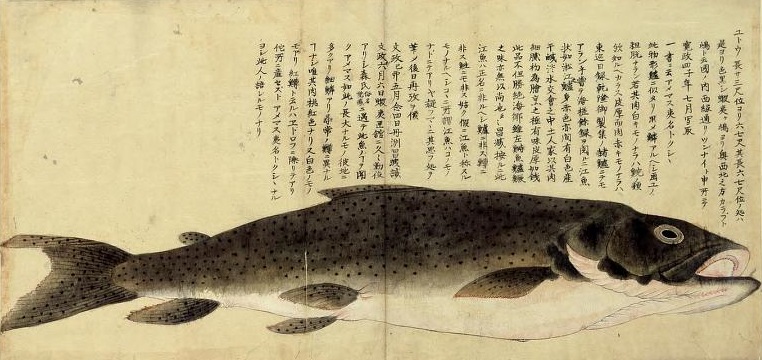
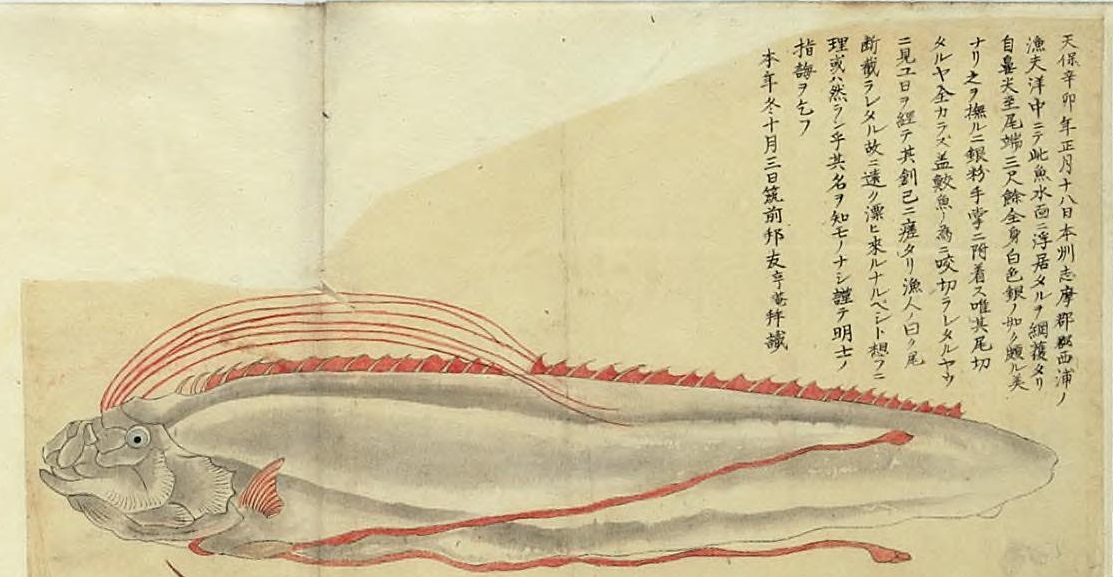
Have you ever seen such unique fish? These drawings from Igyo Zusan were made by Kurimoto Tanshu (1756-1834), who served the Edo Shogunate as a doctor. #ndldigital dl.ndl.go.jp/info:ndljp/pid…


English

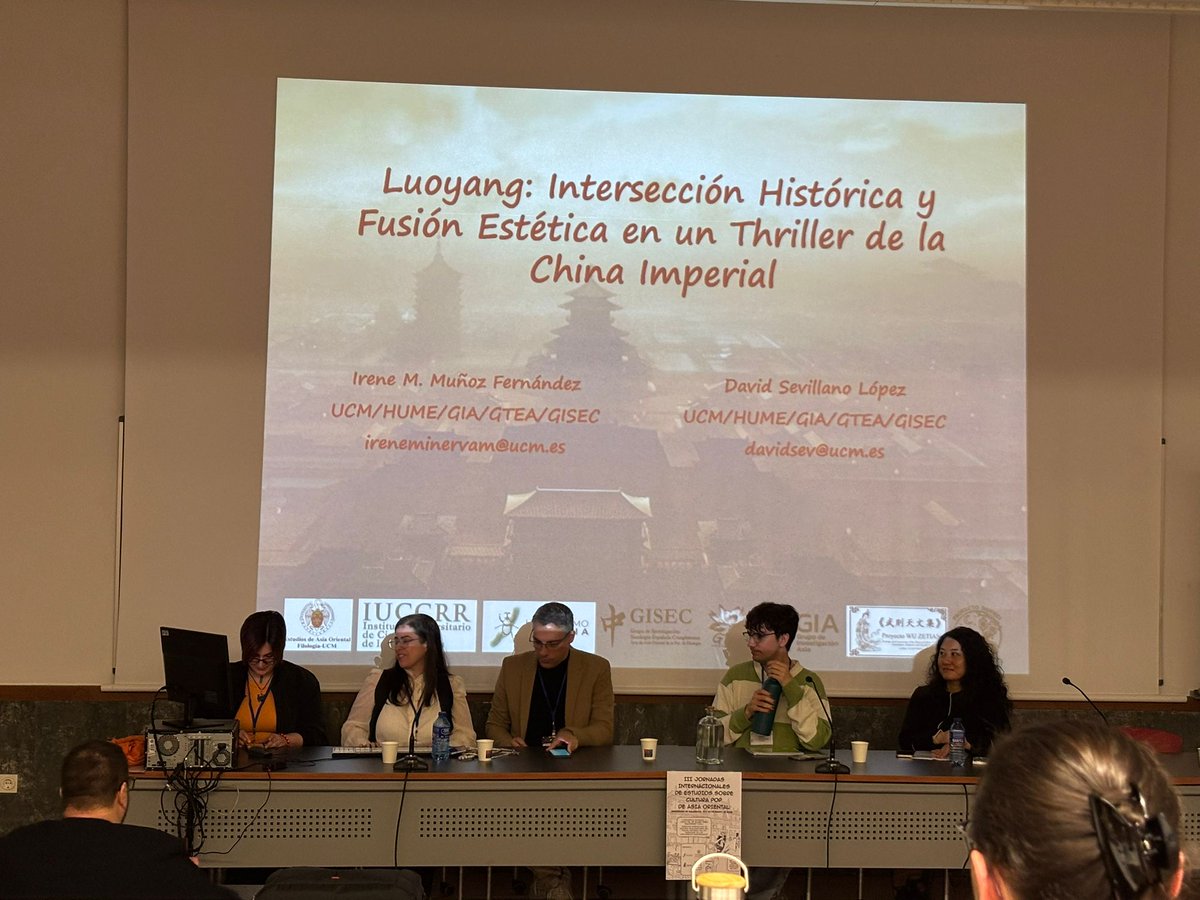
La semana pasada pudimos compartir con nuestros amigos de @HumanismoE unos fantásticos días en las III Jornadas Internacionales de Estudios sobre Cultura Pop de Asia Oriental. Mil gracias por la impecable organización y por ayudar a crear un espacio de debate e intercambio

Humanismo Eurasia@HumanismoE
Este viernes en la mesa Narrativa 2, Irene M. Muñoz Fernández y David Sevillano López expondrán su ponencia: "Luoyang: Intersección Histórica y Fusión Estética en un Thriller de la China Imperial". @Archaeolife_IM @AsiaCongreso
Español
Archaeolife retweetledi

¡Muchísimas gracias a todos lo que participasteis en las Jornadas! Todas las ponencias fueron muy interesantes y pasamos un muy buen rato. ¡Esperamos veros el año que viene!
instagram.com/p/DWOrCuuiIWo/
Español
Archaeolife retweetledi

Comic Bats (Yatsuatari dōke kōmori). Artist: Utagawa Kuniyoshi, circa 1846. Medium: Polychrome woodblock print. Source / Collection: Richard Kruml - JapanesePrints-London.
In the early 1840s, the Tokugawa shogunate passed strict censorship laws known as the Tenpō Reforms to stop luxury spending in society. The government banned ukiyo-e artists from drawing popular kabuki theater actors. Artists who broke these rules faced heavy penalties, including the destruction of their woodblocks. To get around the censorship, Kuniyoshi found a solution in humor. He began drawing the banned actors as cats, frogs, and bats. The people of Edo instantly recognized their favorite actors from the clothes and specific patterns these human-like animals wore.
The artwork I'm sharing is a parody of Sukeroku Yukari no Edo Zakura, one of the most famous kabuki plays of its time. The cherry blossoms in the background serve as a visual nod to the phrase "Edo Cherry Blossoms" in the play's title. The bat on the left, with its purple headband and black appearance, plays the main character, Sukeroku. The white-bearded figure on the right takes on the role of the story's main villain, the old samurai Ikyu. In the original play, Sukeroku tries to provoke Ikyu into drawing his sword, hoping to find his stolen family heirloom sword. To anger him, he deliberately holds his pipe between his toes and offers it to him.
In Japanese culture, it's an unacceptable insult to offer someone an object with your foot. The bat presenting the smoking accessory with its foot captures that iconic moment of provocation from the stage. The artist used his artistic cleverness to bypass the government bans and continued sharing the era's beloved theater scenes with the public.

Română
Archaeolife retweetledi

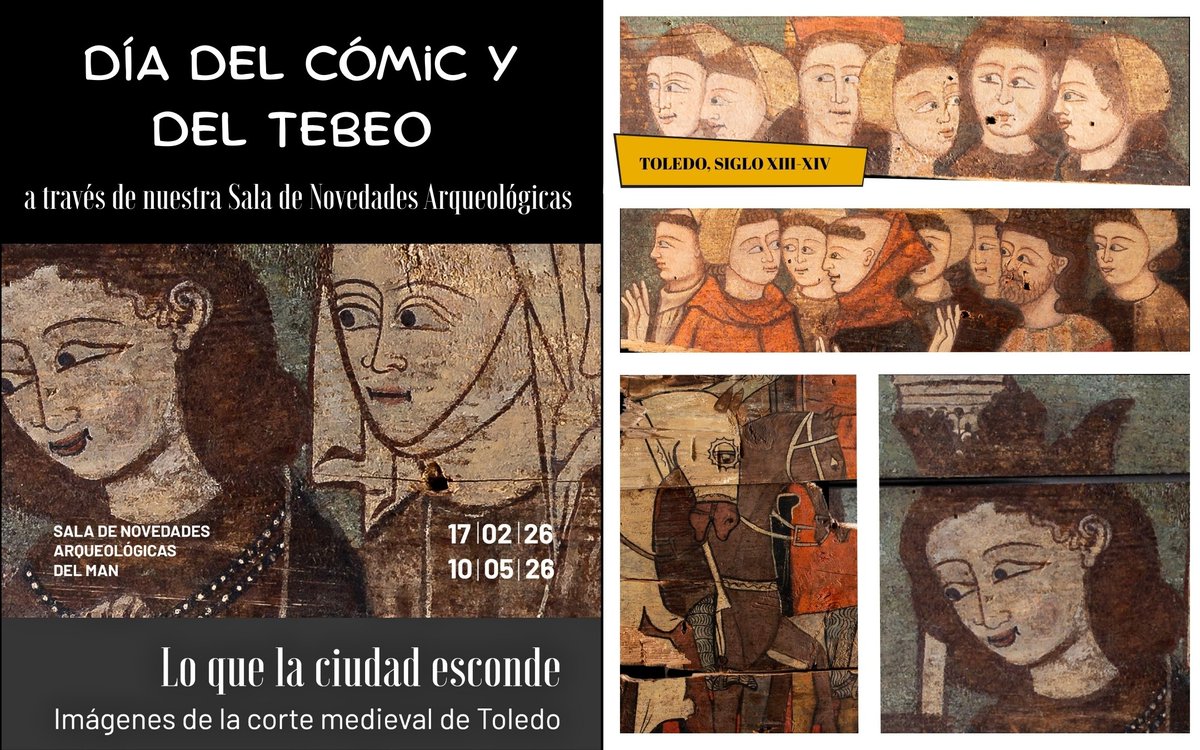
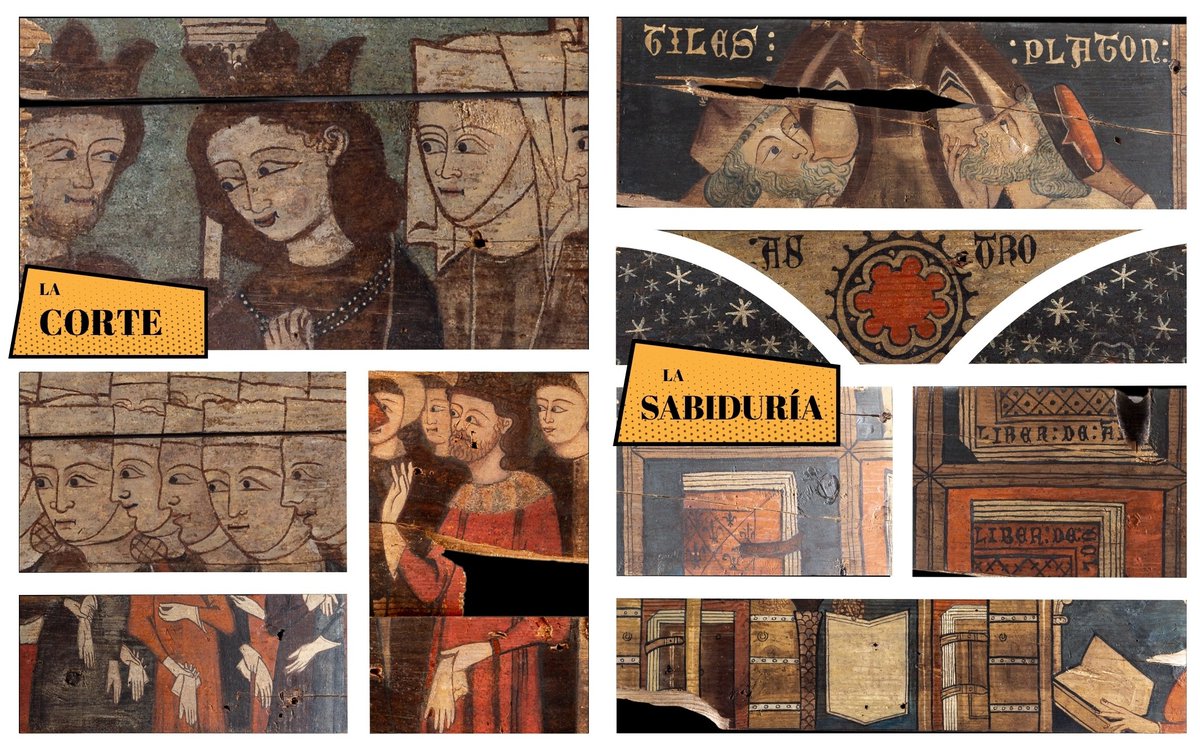
¡Hoy celebramos el #DíaDelCómicYDelTebeo! Para este día tan especial, os presentamos de una manera diferente a lo habitual el conjunto de tablas policromadas de #NovedadesMAN_Toledo. ¡En formato cómic!
¡No pierdas la oportunidad de verlas en persona!


Español
Archaeolife retweetledi

📍Confirman que este gas inducía los trances del Oráculo de Delfos: "Un cóctel natural capaz de alterar la conciencia" ver.historiang.es/odihe2
Español
Archaeolife retweetledi

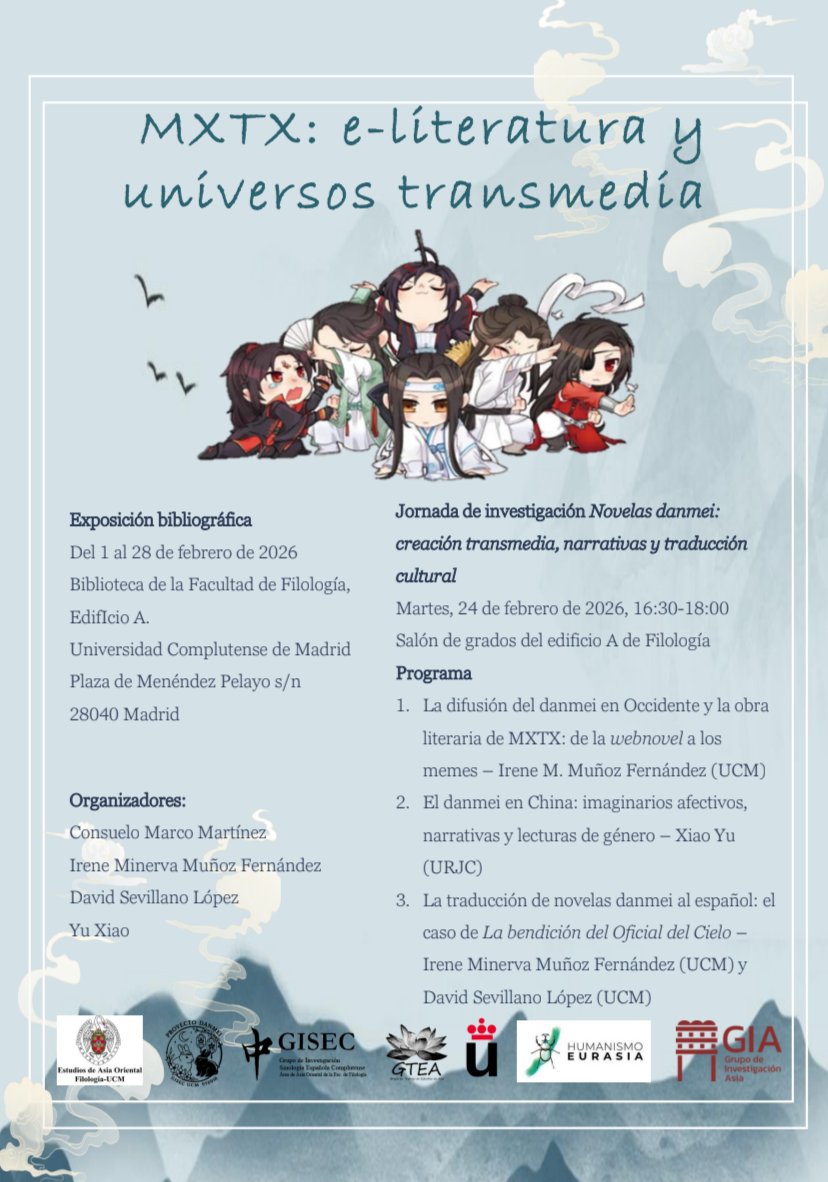
Exposición y conferencias sobre la obra de MXTX y la literatura danmei. Más información: ucm.es/sinologiaespan…

Español
Archaeolife retweetledi

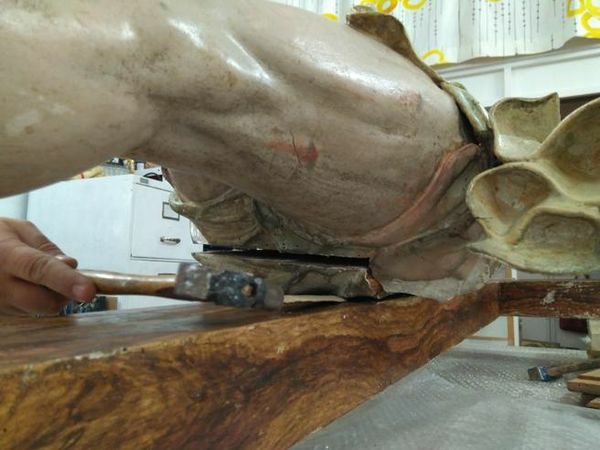
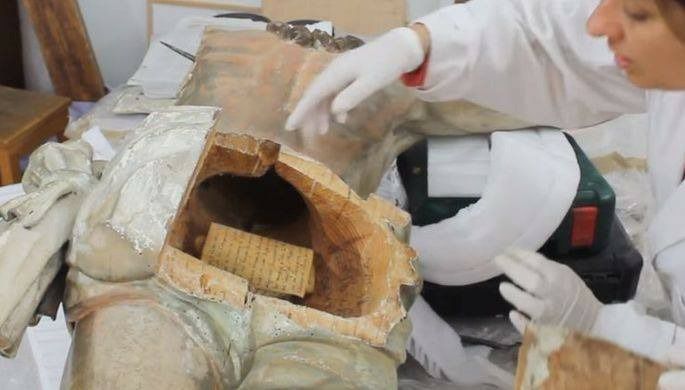
Una “cápsula del tiempo” en el interior de una talla de Cristo. Se trata de dos pergaminos escritos por las dos caras en los que un capellán describió, en 1777, cómo vivía la gente de la época. El descubrimiento tuvo lugar en una iglesia de la localidad burgalesa de Sotillo de la Ribera (Castilla y León, España).
El documento, escrito con pulcra caligrafía, se extrajo del interior de las nalgas de la talla de un Cristo del siglo XVIII y está firmado por el capellán de la catedral de Burgo de Osma (Soria), Joaquín Mínguez. Las responsables del hallazgo son dos restauradoras de la empresa Da Vinci Restauro, que bajaron la imagen del Cristo del altar y retiraron un paño que protegía la parte trasera de la talla. Explican a la prensa que los pergaminos contienen información económica, política, religiosa y cultural.


Español
Archaeolife retweetledi

Hallada en Indonesia la pintura rupestre más antigua de la humanidad
elpais.com/ciencia/2026-0…
vía @el_pais
Español
Archaeolife retweetledi

Descubierta en Indonesia la pintura rupestre más antigua del mundo: tiene 67.800 años y cuenta una historia dozz.es/_b9e52
Español

@Correos @CorreosAtiende , ¿Me puede alguien explicar por qué en vuestra web dice que se me notificó que podía recoger en las oficinas mi paquete, cuando es absolutamente mentira y nadie me ha notificado nada? (en diciembre pasó exactamente lo mismo y el paquete fue devuelto)

Español
Archaeolife retweetledi

¿Aún no conoces #ExpoMAN_México? 🇲🇽
Ven a descubrir la mujer en el México indígena a través del ámbito humano, una exposición con más de doscientas piezas de todo el país americano, una oportunidad única.
🎟️Entrada gratuita, en la planta -1 del #MAN.
Español