Jacob and the Stone

801 posts

Jacob and the Stone banner
Jacob and the Stone

Jacob and the Stone

@ArchytasTaras

Architecture, History & Art

Katılım Haziran 2025
36 Takip Edilen57 Takipçiler
Jacob and the Stone
Jacob and the Stone@ArchytasTaras·
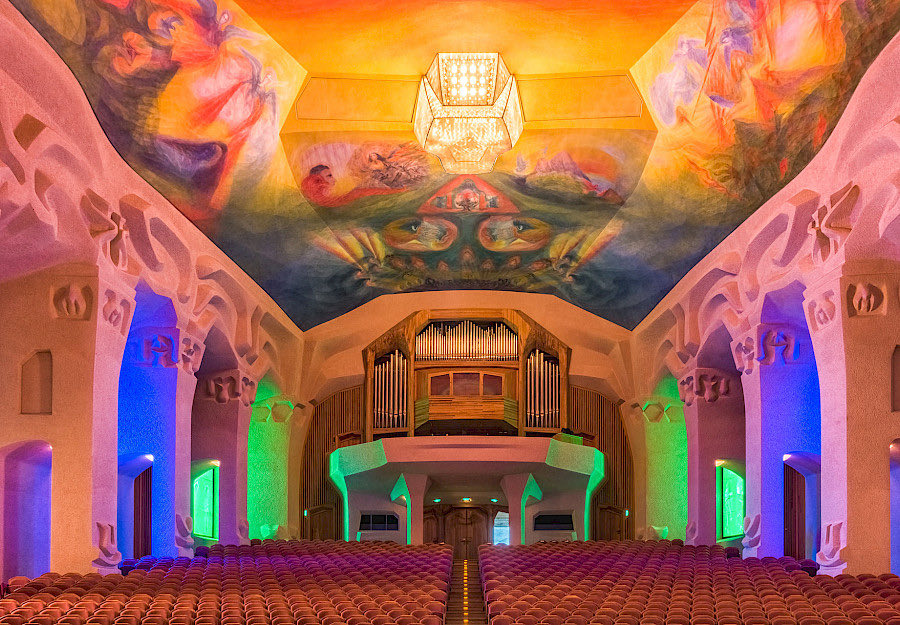
In an age of clashing grand ideas and redefining values, a temple of “spiritual science” rose in Dornach, Switzerland. Designed by Rudolf Steiner and completed in 1928, the Goetheanum embraced organic Expressionist forms. Does science deserve temples?
Jacob and the Stone tweet mediaJacob and the Stone tweet media
English
0
0
1
36
Jacob and the Stone
Jacob and the Stone@ArchytasTaras·
Grosses Schauspielhaus in Berlin designed by Hans Poelzig and completed in 1919. A spectacle of stalactites, surely creating a certain tension among the audience. Simply being inside the space already felt like an encounter with art itself.
Jacob and the Stone tweet media
English
2
80
692
12.9K
Jacob and the Stone
Jacob and the Stone@ArchytasTaras·
Hoover Building, completed in 1933, remains one of the defining icons of British Art Deco. Now adapted into luxury apartments, its dynamic lines and bold curves still embody a modernity that wasn’t afraid of itself and never felt the need to apologize.
Jacob and the Stone tweet media
English
0
1
8
214
Sci-Fi Archives
Sci-Fi Archives@SciFiArchives·
Dowgate Fire Station, London.
Sci-Fi Archives tweet media
English
8
68
949
19.5K
Jacob and the Stone
Jacob and the Stone@ArchytasTaras·
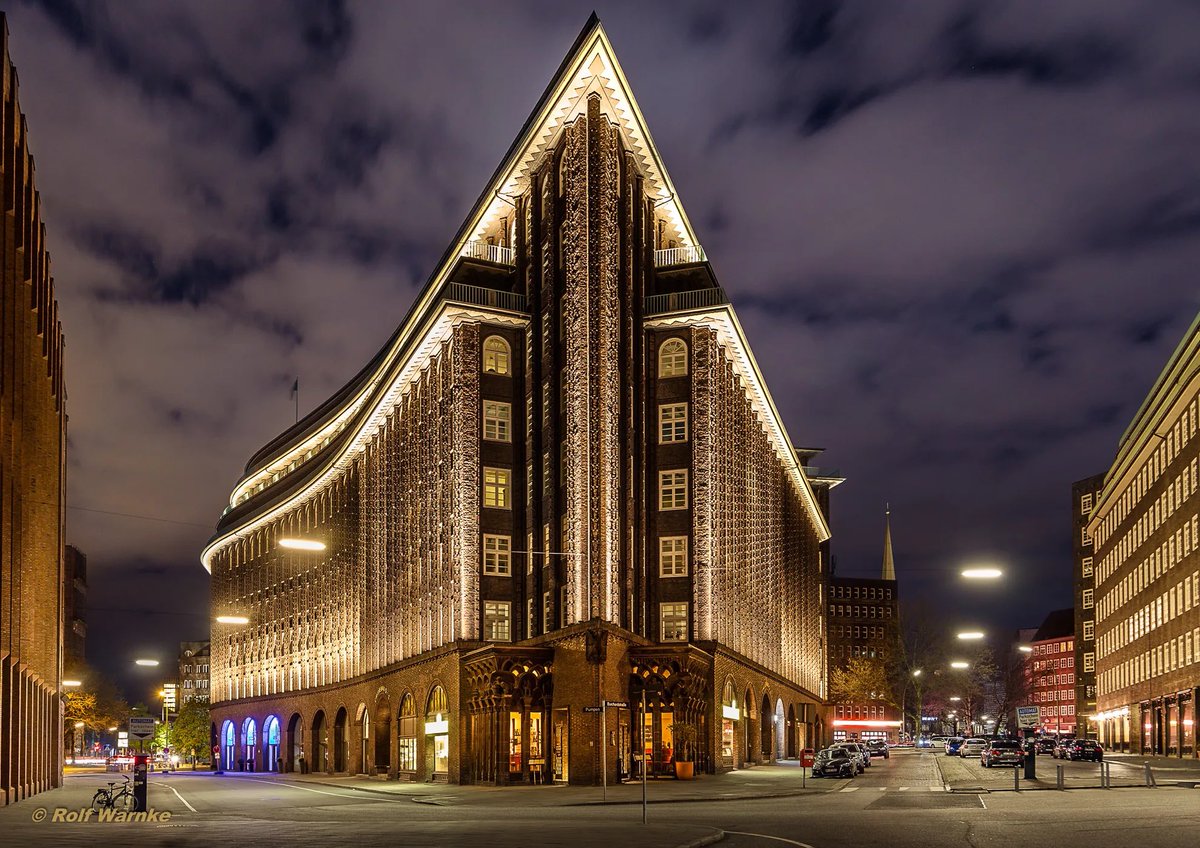
Completed in 1924 and designed by Fritz Höger, the Chilehaus rises like the prow of a ship. Modern architecture still filled with emotion, ambition, and dreams.
Jacob and the Stone tweet media
English
0
1
12
237
Jacob and the Stone
Jacob and the Stone@ArchytasTaras·
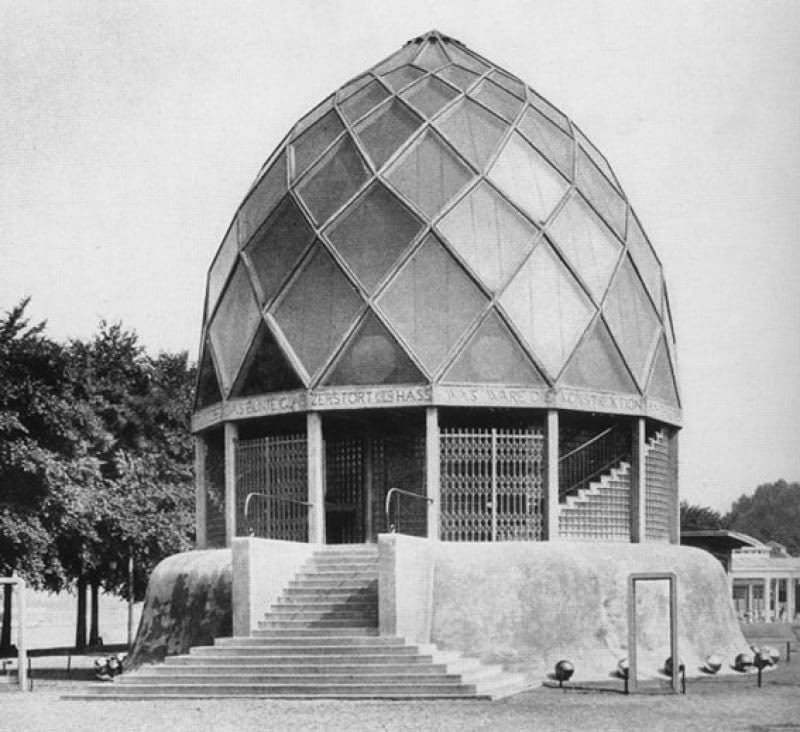
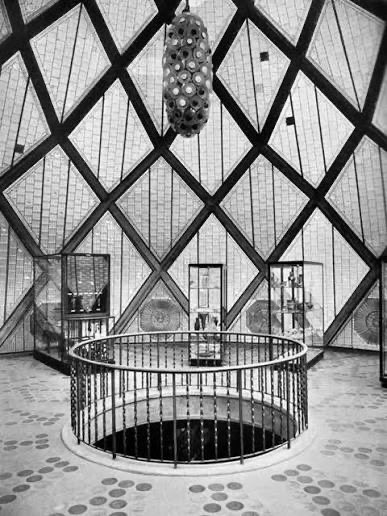
The Glass House (1914), designed by Bruno Taut, proves that Modernism doesn’t have to be soulless. Pioneer of German Expressionist architecture, Taut turned light into the main form of expression - streaming through the colored glass panels of the dome.
Jacob and the Stone tweet mediaJacob and the Stone tweet media
English
0
0
0
63
Saher
Saher@sahersourouri·
New housing project planned in Oslo. 17 homes and cornerstore/café. Developer: K14 Utvikling Architect: Predio
Saher tweet media
English
27
37
733
44.5K
Jacob and the Stone retweetledi
Elle Lookbook
Elle Lookbook@EvaLovesDesign·
Samuel-Novarro House, Los Feliz, California Designed in 1928 by Lloyd Wright
Elle Lookbook tweet media
English
20
181
1.9K
65.9K
Jacob and the Stone retweetledi
Damian Chávez - Artist
Damian Chávez - Artist@DamianChavezArt·
Bring back gilded relief details
Damian Chávez - Artist tweet mediaDamian Chávez - Artist tweet mediaDamian Chávez - Artist tweet media
English
6
53
594
9.8K
Sci-Fi Archives
Sci-Fi Archives@SciFiArchives·
The headquarters of the Union of Romanian Architects, Bucharest
Sci-Fi Archives tweet media
English

37
66
996
46.8K
Art Deco SJ
Art Deco SJ@SonjaJo82306956·
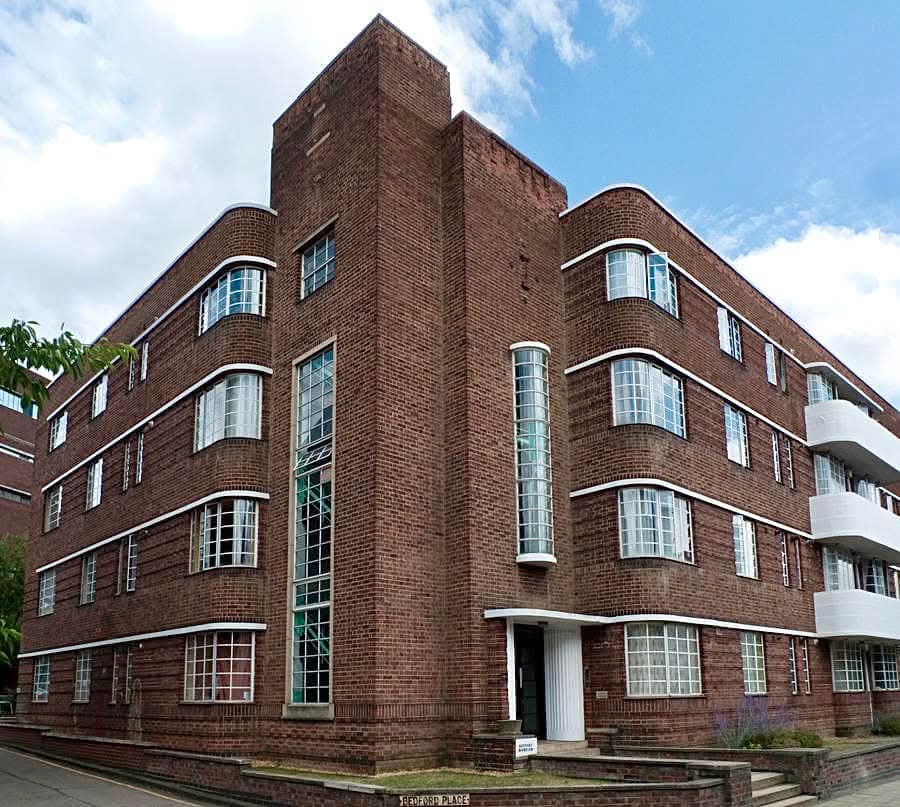
BEDFORD MANSIONS, 1935, Derngate, Northampton, West Northamptonshire, England, UK 🇬🇧 Architects: Sir John Brown and A.E. Henson of Northampton Constructed in 1935 by T.W. Wilson & Sons (Photo courtesy: by Lazy-Photon, deviantart)
Art Deco SJ tweet media
English
3
5
71
1.1K
Damian Chávez - Artist
Damian Chávez - Artist@DamianChavezArt·
Modernism is taught today as rejecting beauty, narrative, and even *formalism* because the standard academic narrative has shifted from celebrating Modernism’s formalist (design) achievements during the early 20th century towards analyzing its alleged disruptive effects from the degenerates, the anti-aesthetes, the cultural marxists & their supporters. Artistic value for the postmodernist is always the 'discourse', the criticism, the shock, the litany that encircles the work- always external, its never about anything artistic, material & aesthetic about the work itself (art managed by cultural marxist ideologues) For the earlier modernists, formalism was a quest for a visual universal "Esperanto" that transcended individual cultures. Their intent was expanding beauty, even difficult beauty, through emphasising *significant form*, yet without discarding representing 'things'. Essentially the best early modernists *affirmed art's decorative qualities as serious* & worthy by itself, 'art for arts sake' (autotelic), against art's moral, didactic, narrative aspects. The postmodernist hates this formal visual *design* emphasis as hiding 'criticality', social justice, etc. If it isnt disruptive against "affirmative culture" then it isnt worthy. They hate beauty, even modernist beauty, but views the latter as at least disrupting the older standards. A fundamental postmodernist belief is *discarding all meta-narratives* stories which explain the world - everything except apparently ***its meta-narrative*** that views art history since the late 1800s as progessing towards its ultimate inevitability.
Damian Chávez - Artist tweet media
English
2
2
11
870
Veronica, Collagen Scientist
Veronica, Collagen Scientist@celestialbe1ng·
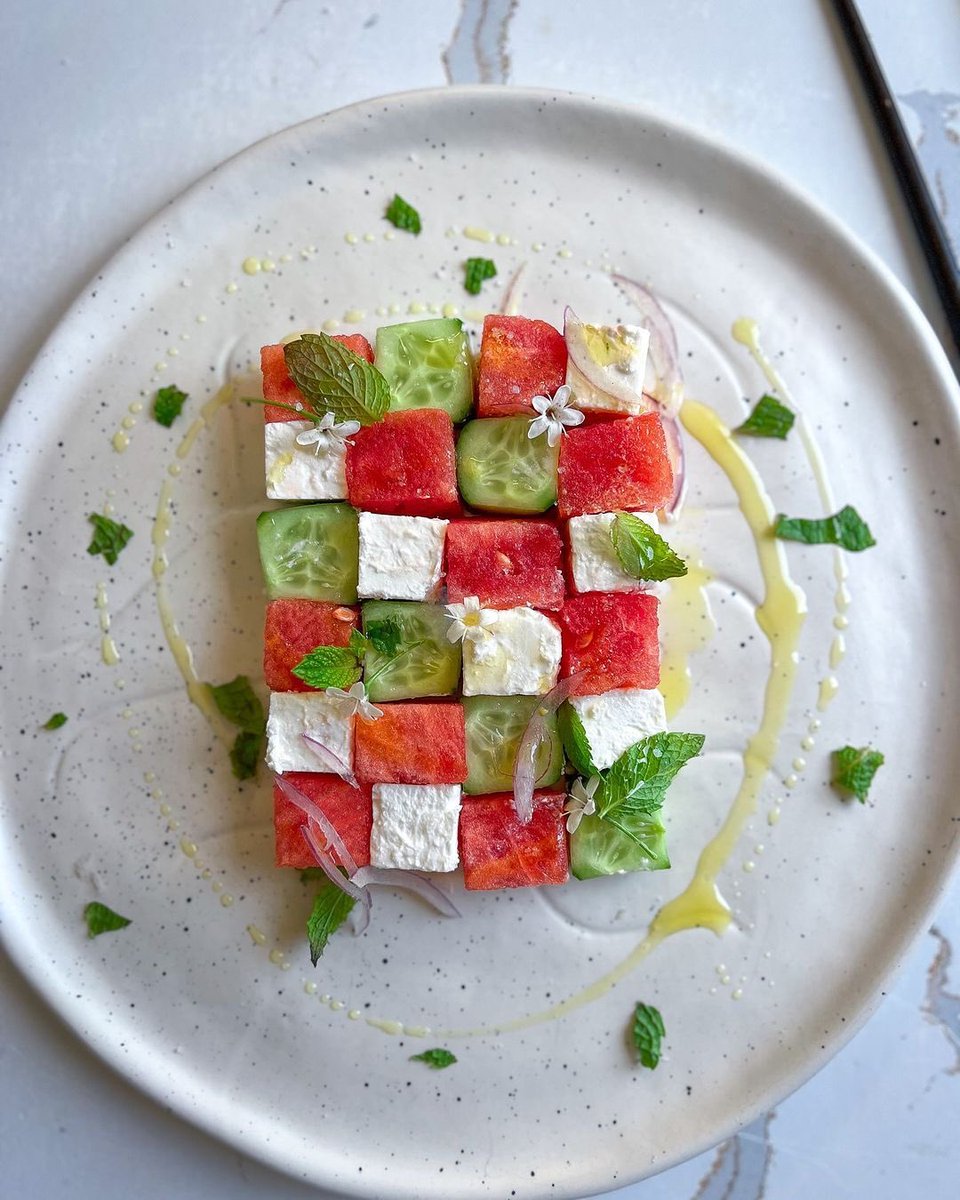
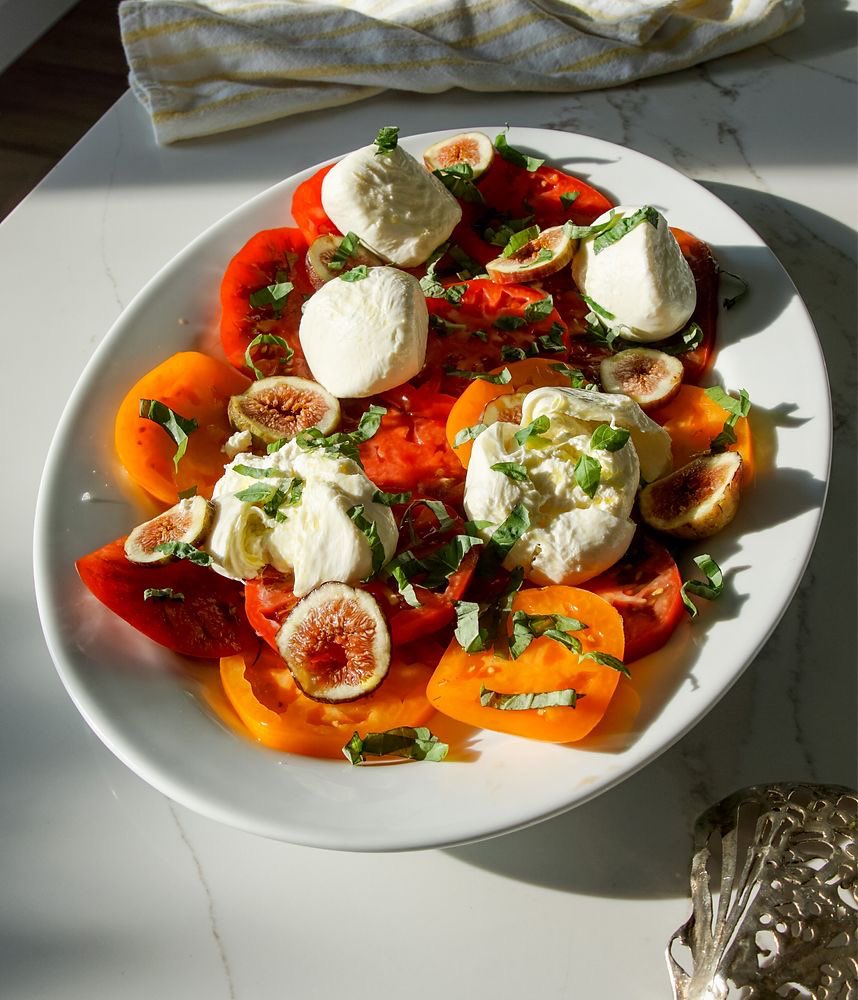
Health Twitter will tell you salads are evil and that you should eat steak for every meal but personally I cannot wait to live off burrata-fig-heritage tomato and watermelon-feta-cucumber salads from now until October. You can keep your steak till then.
Veronica, Collagen Scientist tweet mediaVeronica, Collagen Scientist tweet mediaVeronica, Collagen Scientist tweet mediaVeronica, Collagen Scientist tweet media
English
50
54
1.3K
64.1K
Jacob and the Stone
Jacob and the Stone@ArchytasTaras·
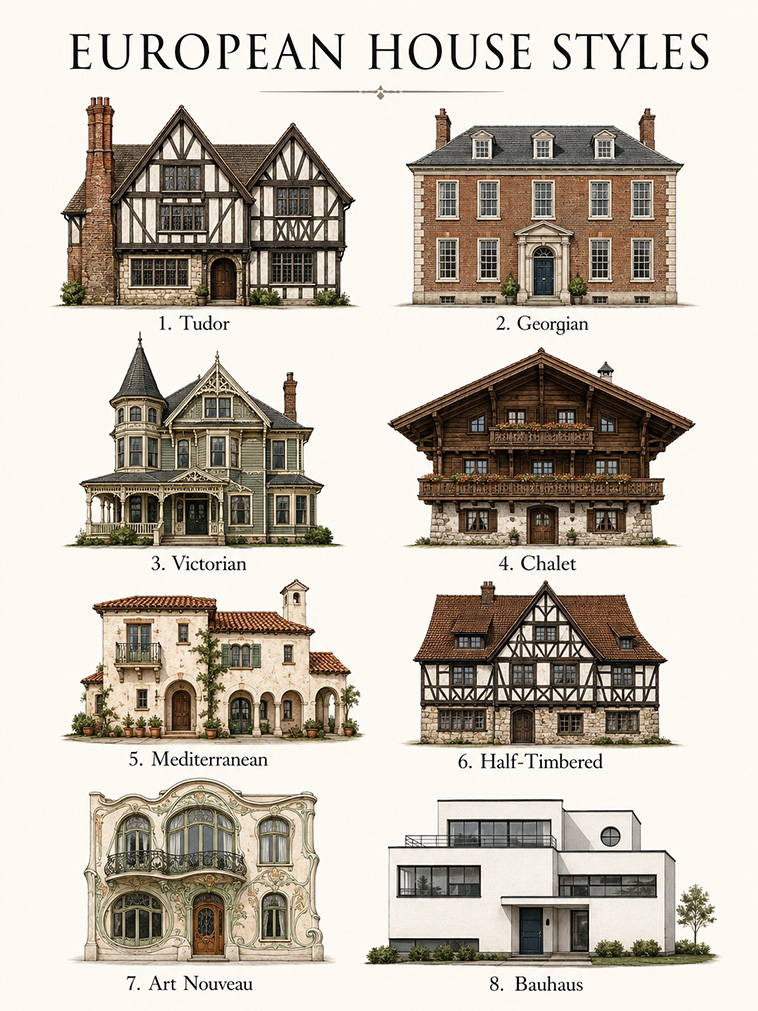
@archpng Comfort over looks, so for me - Bauhaus. And for the neighbors - other styles, because they look nice from the street.
English
0
0
0
450
Architecture Hub
Architecture Hub@archpng·
Which one would you choose to live in? Each style has its own visual language: symmetry, ornament, structure, materials, or simplicity. From Tudor timber frames to Bauhaus geometry, European house styles show how architecture can reflect climate, craft, history, and changing ideas of home.
Architecture Hub tweet media
English
201
665
4.6K
204.7K
Jacob and the Stone retweetledi
ArtNouveauDeco
ArtNouveauDeco@NouveauDeco·
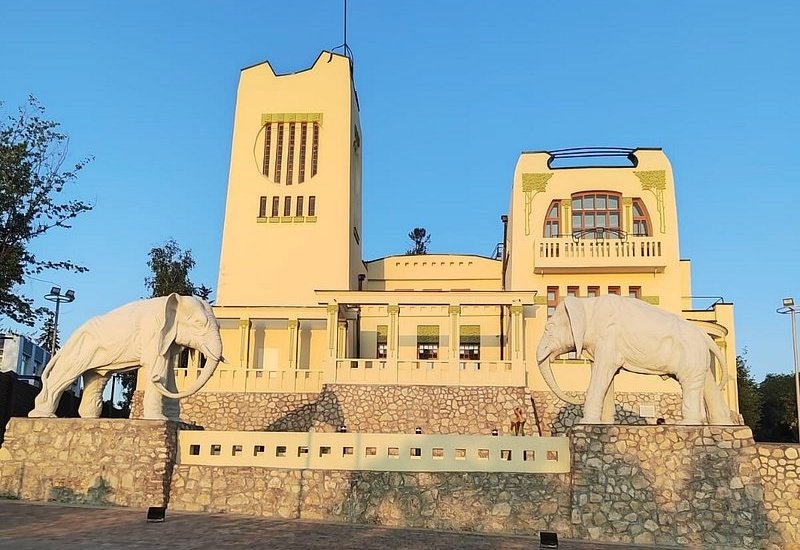
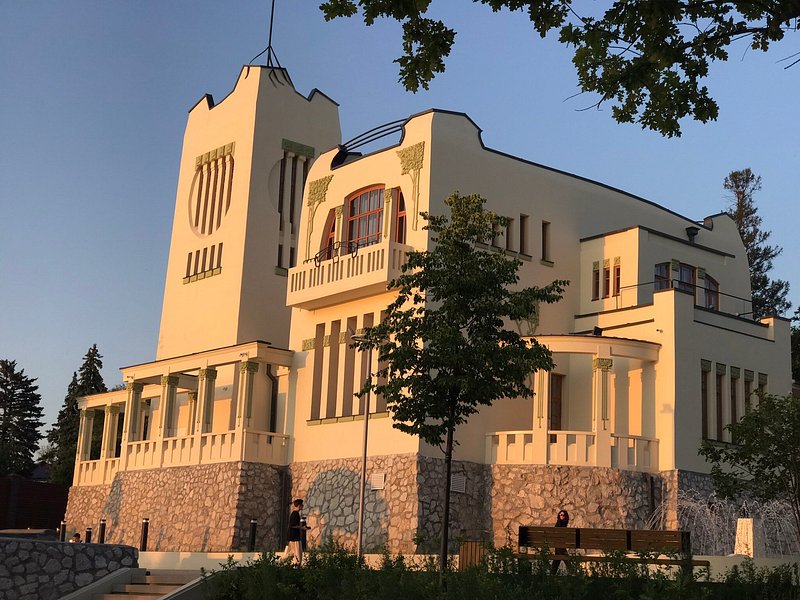
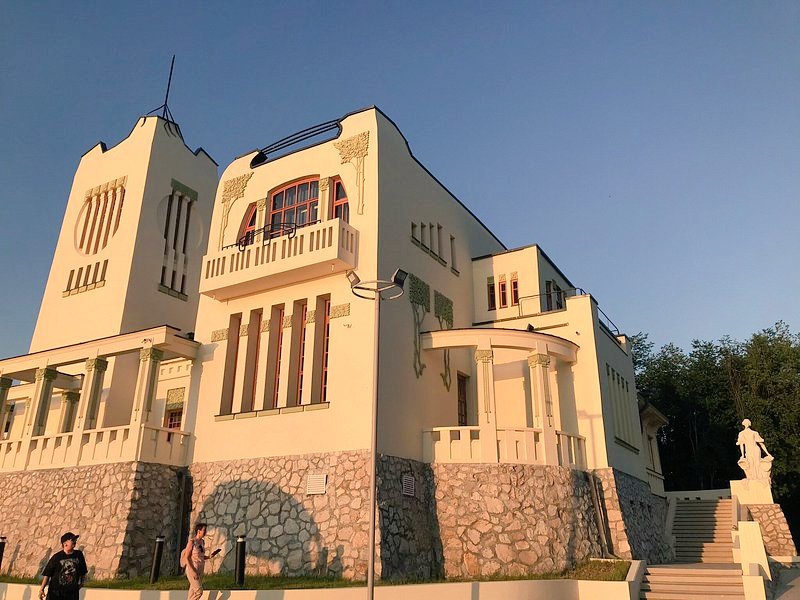
The Elephant House is an unorthodox Art Nouveau residential mansion from 1908 in Samara, Russia. The building was designed and constructed by Konstantin Golovkin. It is marked by modernist influences, linked to the style of the Vienna Secession. Photos: Pablo Schreiber
ArtNouveauDeco tweet mediaArtNouveauDeco tweet mediaArtNouveauDeco tweet mediaArtNouveauDeco tweet media
English
3
66
542
20.2K
Jacob and the Stone
Jacob and the Stone@ArchytasTaras·
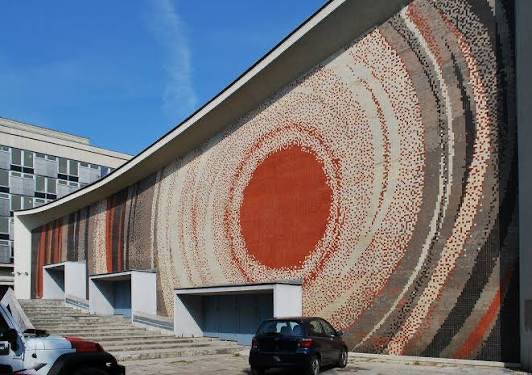
@CiaKids Probably the largest mosaic in Poland on a office building from the 1960s, in Krakow.
Jacob and the Stone tweet media
English
1
0
1
35
Jacob and the Stone retweetledi
German Catholic Aesthetics
German Catholic Aesthetics@GerCathAes·
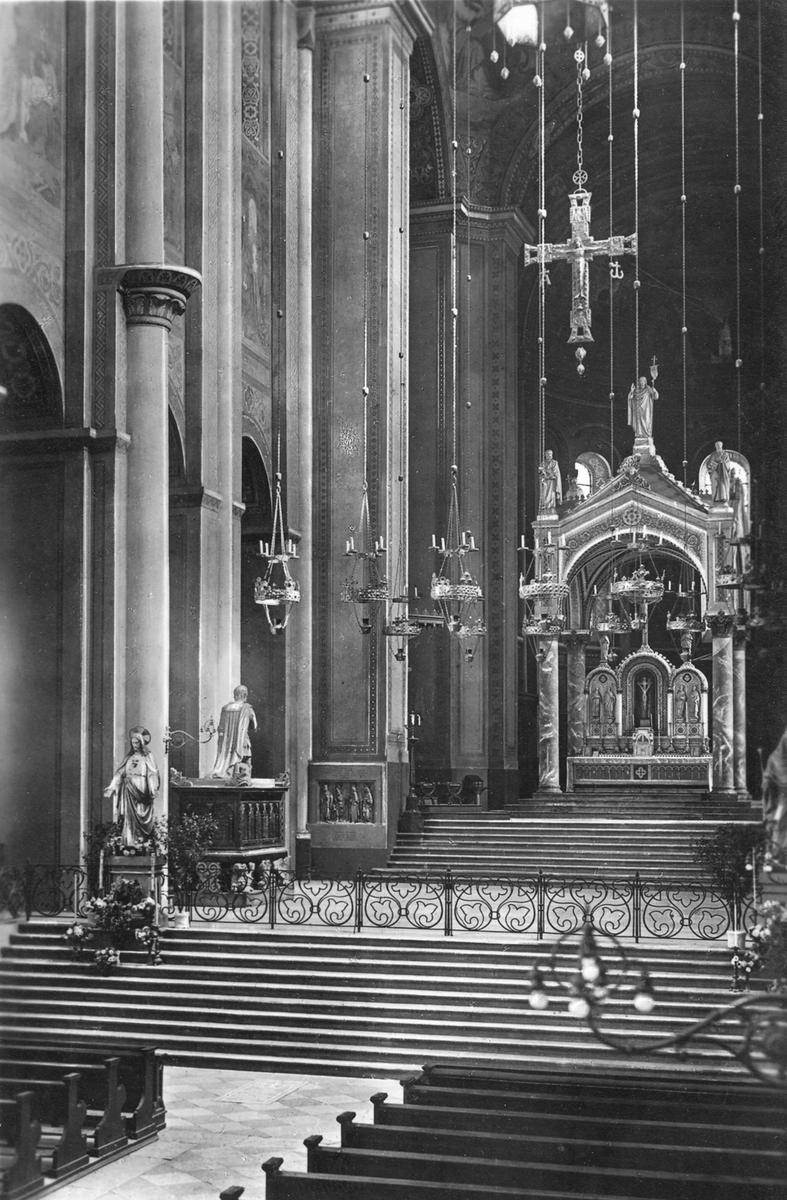
The Speyer Cathedral dates back to the 11th century. It is one of three Imperial Cathedrals from the Holy Roman Empire. Pius XI declared the Church to be a Basilica minor in 1925. Today it is the biggest Church built in the Romanesque era. Altar today and in the 1920s.
German Catholic Aesthetics tweet mediaGerman Catholic Aesthetics tweet mediaGerman Catholic Aesthetics tweet media
English
11
44
461
19.6K
Jacob and the Stone
Jacob and the Stone@ArchytasTaras·
@SamaHoole @dont_diversify Well, ask arguably the best insulin expert, @BenBikmanPhD. His stance on seed oils is that there's no evidence they affect insulin sensitivity, while over-consumption of carbs causes insulin resistance.
English
4
0
2
216
Sama Hoole
Sama Hoole@SamaHoole·
@dont_diversify A high carb intake isn't really the problem. It's insulin resistance that's the issue. And guess what causes insulin resistance? Seed oils.
English
7
4
36
2.3K
Sama Hoole
Sama Hoole@SamaHoole·
"Carbs and fats together overload the system and make you fat." Have you heard? There is a revolutionary new idea doing the rounds. It is called Peating, or, for the more bookish faction, the Randle Cycle. It involves a great deal of fancy biochemistry. Glucose-fatty acid competition. Pyruvate dehydrogenase. Cellular substrate selection. Words long enough to fill an entire substack post and short enough to keep the sugar addicts paying attention. The argument, stripped of jargon, is that the human body cannot handle eating fat and carbohydrate at the same meal without breaking. The mitochondria get confused. The system overloads. You get fat. You get sick. You die. Probably soon. Have a fruit bowl with your honey. Now. The French exist. The French have been combining saturated fat and carbohydrate at every meal since the invention of bread. Butter on the baguette. Cream in the sauce. Cheese after the pasta. Pastry made of eighty percent butter and twenty percent flour, eaten standing up, at 7am, with a coffee. They have been doing this for centuries with the determined enthusiasm of a people who consider a meal without fat a kind of national insult. They are not, on the whole, dying of metabolic syndrome. The Italians are doing it too. Carbonara is egg yolk and pork fat poured onto pasta. Risotto is rice cooked in butter and finished with parmesan. Tiramisu is mascarpone, cream, sugar, and espresso, layered with sponge. The Italians ate this for a thousand years and produced, on balance, fewer heart attacks per capita than the country currently telling them to stop. The body, it turns out, is fairly clever about this. Some cells preferentially use glucose. Some cells preferentially use fat. The whole system is built to handle both at the same meal, because for most of human history every meal contained both. Meat and tubers. Fish and rice. Cheese and bread. The Randle Cycle is a real biochemical observation, but it describes a regulatory mechanism, not a cataclysm. The cataclysm, when it does arrive, is wearing a different uniform. Linoleic acid. Industrial seed oils. The PUFA load that has gone from under two percent of daily calories in 1909 to as high as ten percent today, embedded in every restaurant chip, every packet of biscuits, every supposedly healthy granola bar. These oils oxidise readily, generate compounds called OXLAMs that the body has no graceful way to deal with, and degrade cardiolipin in the inner mitochondrial membrane until the electron transport chain stops working properly. They are the actual reason the modern metabolism cannot cope with a croissant. The Peaters have correctly identified that something is wrong. They have then incorrectly identified what. It is fairly enabling, mind you, to be told that the answer is more orange juice and white sugar and that fat is the problem. It removes the difficult conversation about the canola oil in everything and replaces it with a permission slip to eat ice cream while reading about cortisol. The biochemistry is genuinely impressive. The conclusion is genuinely silly. The French ate butter on bread and lived. The mechanism is in the menu, not the metabolism.
Sama Hoole tweet media
English
39
91
516
72.3K