

Arenas
956 posts


宋徽宗死后遭遇了金兵的特殊对待。金兵将他火化,烧到一半突然停下,接着往尸体注水,随后金兵排着队用器皿装从尸体渗出的油脂,甚至有人点火尝试。
宋徽宗在位时无心朝政,一心钻研艺术,还宠信蔡京、童贯等 “六贼”。他大肆搜刮民脂民膏,推行 “花石纲”,导致民怨沸腾,方腊、宋江等农民起义不断,北宋统治摇摇欲坠。
此时,北方女真族崛起建立金国,势力渐强。宋徽宗为夺回燕云十六州,盲目与金签订 “海上之盟”,联手灭辽,却引狼入室。
宣和七年,金兵以宋朝违背盟约、藏匿辽朝叛将张觉为由,分两路南下伐宋。东路军由完颜宗望率领,直逼开封;西路军由完颜宗翰率领,围攻太原。北宋军队不堪一击,节节败退。宋徽宗为逃避罪责,匆忙将皇位禅让给儿子宋钦宗,自己逃往南方。
靖康二年,金兵攻破开封,掳走宋徽宗、宋钦宗及皇室宗亲、宫女、大臣等三千多人,还抢走宫中奇珍异宝、书籍字画,北宋灭亡,史称 “靖康之耻”。
这些俘虏被押往北方,一路上受尽折磨,衣衫褴褛、食不果腹,还遭金兵打骂羞辱。宋徽宗被囚禁在五国城,暗无天日,思念故土与亲人却无能为力,在绝望中度过八年,最终于 1135 年病逝。
据南宋野史《南烬纪闻》记载,金兵未按中原帝王丧葬礼仪安葬宋徽宗,而是架柴焚烧其遗体。烧到一半停止,浇水后尸体渗出油脂,金兵争抢着用器皿装油脂,还点火取乐,宋钦宗目睹此景却只能忍气吞声。野史称金兵此举是为炼灯油羞辱北宋皇室。
然而,这段记载真实性存疑。结合《宋史》《金史》等正史,金人有火葬习俗,焚烧宋徽宗遗体或许是按传统处理,并非刻意辱尸。南宋文人因亡国之恨,常夸张抹黑金兵,“焚尸取油” 可能是艺术加工。
后来宋金和议,金国送回宋徽宗和郑皇后灵柩。宋高宗赵构按帝王规格将其安葬在永佑陵,并追加尊谥。但有史料推测,金国送回的灵柩可能是空的或只有少量骨灰,永佑陵可能只是衣冠冢。
如今,宋徽宗的瘦金体和字画惊艳世人,成为艺术瑰宝,可他的身后事充满争议。有人信野史,认为是对北宋皇室的羞辱;有人觉得是后世杜撰。但无论真相如何,宋徽宗的悲剧源于他的昏庸无能,也是北宋腐朽衰败的结果。
Fa Ham, Thailand 🇹🇭 中文

@VeejayKrr 这些人被称为:三和大神。
这是他们自己选择的生活方式。不乞讨,不租房,不偷盗,不抢劫,只靠打零工生活。工作一天,玩三天。关键是,这些人其实在家乡有房子。
政府拿他们也没办法,将他们送回家乡进行职业培训,但他们压根就不想做任何一份长期工作,觉得那样的生活没有意义,继续跑到这里扎堆。
中文

This is from Shenzhen. The road is full of homeless people, while China often claims it has provided housing to 100% of its population. So maybe they are just outside enjoying some fresh air.
Disclaimer: I am not anti-China. In fact, I admire China's progress and development. This post is only for those ₹2 trolls who constantly mock India by saying China is living in 2070 while India is far behind.
China has done remarkably well and transformed many of its cities, no doubt about that. But trolling India is foolish. Travel a few hundred kilometers beyond the major Chinese cities and you will find many underdeveloped areas as well. China is working to reduce those problems, and India is doing the same.
There is no need for this endless India vs China comparison. Both countries have their own strengths, challenges, and development journeys.
#China #India
English
@Debian010 照片中的小男孩,现在应该三十岁了吧。
如果印度想工业化,也必将陷入中国曾经面临的问题,无法避免;当然,以目前的印度工业发展的状况,想走到这一步还需要很多年。
中文

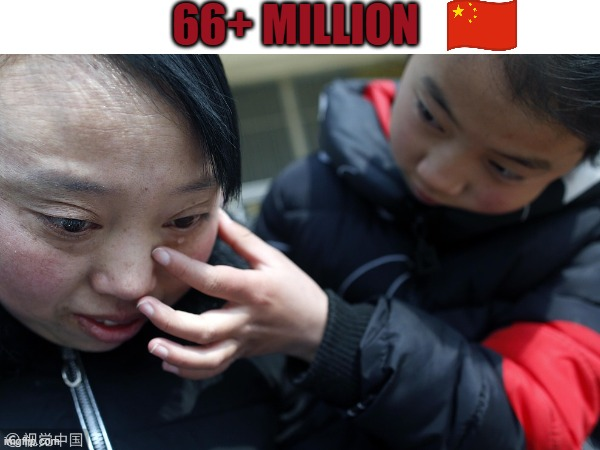
Millions became migrants without crossing a border. Same country, different rights. Economic miracle above; childhoods left buffering in villages below. 🇨🇳
- The story of Left-behind children" (留守儿童, liúshǒu értóng) , CHINA
Details : news.cgtn.com/news/3d3d414e3…
English





@TheEmissaryCo 然而,哈梅内伊主动求死那天。很多中国人也已经预料到,伊朗这次不会败了。理由如下:哈梅内伊之死,既是殉职、也是殉国、更是殉道,原本伊朗国内的亲美投降派直接被噤声了,各自为政的军头从此有了同一个目标。加上伊朗多山有纵深,美国绝不会出动地面部队。一旦出动地面部队,就是沼泽深陷。

中文
@TheEmissaryCo 历史久远就有一点好,即便是现在正发生的事,都能找到先例。就譬如:叙利亚沦陷时,伊朗绥靖。中国的很多农民都在抖音上预料到了伊朗接下来的命运,并且直接引用了历史上对袁绍的评价“色厉胆薄,好谋无断,做大事而惜身,见小利而忘义”

中文
Wanted to understand of the truth of the "Chinese Caste System" beyond the satire.
While it is basically irrelevant now (Hukou system is something else I'd say), there seems to be a myth of individual mobility being available to all.
While any male, regardless of birth, could take the exam in theory, actual practice meant:
-10-20 years of full-time study of Confucian classics
-The ability to write in classical Chinese
-Mastery of the 8-Legged Essay, a highly rigid composition with formal structural requirements
-Various other scholarly stipulations that most likely could not be afforded to 95%+ of Chinese males
This was all supposed to either self-taught or of course more commonly at the feet of an expensive tutor.
What about rich merchants at the bottom? Prior to the Ming Dynasty (1368-1644), they were banned from even participating.
So who actually took the exam?
In Benjamin Elman's book, Civil Examinations & meritocracy in Late Imperial China, he notes that while millions would gather every 2-3 years outside official exam compounds, only 1% of candidates actually completed the academic regimen to earn them a post in the imperial administrative bureaucracy.
During the Tang Dynasty (618-907), examinations were mostly concentrated amongst aristocratic families with 6,688 (or 20 individuals per year) breaking through the most prestigious ranks of jinshi.
The opposite end of this is the Qing Dynasty (1644-1912), where 37-45% of top degree holders came from families with no prior official lineage for 3 generations. This is mobility, but it can also mean from gentry, not simply a poor peasant farmer. Nonetheless, only 26,840 achieved top ranks of jinshi (102 per year).
My point being, the idea of individual mobility is EXTREMELY overrated & on a societal level is essentially non-existent.
And that is actually fine. Most pre-industrial societies had low mobility in general.

English
@TheEmissaryCo 在中国,一个朝代的建立必须有法统(政权的合法性)和道统(道德和思想的合法性)。而中国共产党属于既得到了法统,也得到了道统,所以绝大多数中国人骨子里是支持的。扫除腐败不堪的国民党政权、扫除各地的土匪和军阀,朝鲜战争在国境之外对抗十六国联军,这就是法统;
中文
@TheEmissaryCo 有些考试一年一次,有些考试三年两次。乡试(录取成为举人的考试)和会试(录取成为进士的考试)都是三年一次,偶尔,皇帝也会因为政治需要增加考试次数。
除此之外,还有其他方式改变自己的阶层。当然,如果上升渠道被堵死,土地兼并严重,中国人立马就会造反,推翻整个王朝。
中文
