A neurosurgeon's take on stuff... Grow a bit smarter every day...
Best Selling Nonfiction Author...
Award Winning Fiction Author...
https://t.co/vNeuBiw4os
Omega-3: The Brain Shield Against Air Pollution
Your brain is taking a daily hit from something you can’t even see: PM2.5 air pollution. These tiny particles are 30x smaller than a human hair and can cross the blood-brain barrier, triggering inflammation and hippocampal shrinkage. But there is a powerful way to fight back.
As a neurosurgeon, I’m breaking down the latest 2024 and 2025 data showing how Omega-3 fatty acids act as a "biological shield," preserving brain volume and white matter integrity even in polluted environments.
#Omega3#BrainHealth#Neuroscience#AirPollution#Neuroprotection#DementiaPrevention#Neurosurgeon#HealthyAging#TheMindUnlocked#BrainVolume
! #TikToktiktok.com/t/ZTkCjMjBK/
AI Digital Twin Brains
Description:
We are moving from "one-size-fits-all" medicine to a world where your surgeon can test a procedure on a digital version of your brain before you ever enter the OR. As a neurosurgeon, I am fascinated by the shift from reactive treatment to precise prediction.
In this video, we explore the rise of AI Digital Twins in neuroscience. We’ll look at a groundbreaking Stanford study that demonstrates how digital biology is creating personalized "avatars" of the human brain to predict disease progression and optimize individual care. This isn't science fiction—it’s the new frontier of precision medicine.
Inside this video:
0:00 - The Shift to Precise Prediction
0:45 - What is a Brain "Digital Twin"?
1:20 - The Stanford Study: Breaking Down the Data
2:00 - From Reactive to Proactive Neurocare
2:45 - Future Implications for Brain Health
Featured Research:
Stanford University: Digital Twins in Personalized Medicine & Biology
Follow for more on the mind-tech frontier:
Substack: @marcarginteanu" target="_blank" rel="nofollow noopener">substack.com/@marcarginteanu
Medical Disclaimer:
This video is for educational and informational purposes only and does not constitute medical advice or a provider-patient relationship. Always seek the advice of your physician or other qualified health provider with any questions regarding a medical condition.
#DigitalTwin#BrainAI#Neuroscience#AIDigitalBiology#Neurosurgeon#PrecisionMedicine#TheMindUnlocked#StanfordScience#HealthTech
long-term exposure to air pollution was tied to shrinkage in the hippocampus — the part of your brain you really need for memory — plus atrophy in the white matter that helps everything in your head communicate properly.
The Agony and the Ecstasy of MDMA: latest research
As someone who’s spent years digging into neuroscience, psychiatry, and the messy realities of substance use, I keep coming back to the same truth about MDMA (street names “Molly” and “Ecstasy”): it’s not inherently good or bad. It’s a tool whose effects hinge entirely on dose, purity, frequency, and context. Street MDMA can quietly erode memory and brain health over time. Yet in tightly controlled clinical settings, the very same molecule—paired with therapy—shows remarkable promise for healing trauma.
The latest research sharpens this divide. Below I break it down into two parts: the clear dangers of recreational use and the emerging therapeutic boon for PTSD and related conditions. I’ve pulled directly from peer-reviewed sources. No hype—just the data.
Dangers of Recreational Use
Recreational MDMA—often taken at higher, repeated doses in uncontrolled settings—carries measurable risks to memory and cognition, especially in still developing brains. Two recent analyses stand out.
First, in 2025, Australian scientists embarked on a systematic review and meta-analysis, which examined long-term neurocognitive effects in people who had abstained from MDMA for at least six months. The team analyzed multiple studies and found consistent evidence that both current and former recreational users performed worse on learning and memory tasks than MDMA-naïve controls. Critically, there was no meaningful difference between current and previous users who were abstinent, and longer abstinence did not predict recovery. Evidence for deficits in other domains (executive function, attention) was weaker or inconsistent, but the memory findings held up across the data. The researchers rated the overall evidence quality as low, largely due to observational designs and polydrug confounding—yet the signal on memory is hard to ignore.
Second, adolescent brains appear especially vulnerable. A 2025 review by an Italian research team synthesized human and animal data on MDMA exposure during the teenage years. Key takeaways: early use correlates with higher rates of depressive and anxious symptoms, suicidal ideation, and neuropsychological deficits in memory, attention, and executive function. Neuroimaging points to disrupted serotonergic pathways (including reduced serotonin transporter binding) and abnormal hippocampal activity during memory tasks. Because adolescence is a period of heightened neuroplasticity, the authors argue that MDMA’s impact on serotonin and dopamine systems may produce more persistent changes than in adults. Small samples and polydrug use remain limitations, but the pattern is concerning enough to warrant strong prevention messaging for teens.
Taken together, these studies reinforce what harm-reduction advocates have long said: street Molly is unpredictable, often adulterated, and repeated recreational use can leave lasting cognitive footprints—especially if started young.
Boon for PTSD (and Other Psychiatric) Treatment
Flip the script to clinical MDMA-assisted therapy (MDMA-AT)—typically 80–120 mg doses given 2–3 times, weeks apart, within structured psychotherapy—and the picture shifts from risk to potential benefit.
In a 2025 study, California based researchers used brain scans to see how a single dose of MDMA affects adults with past trauma. They focused on folks whose "fear center"—the amygdala—was naturally stuck in overdrive. For these patients, MDMA calmed down the amygdala, which acts like a smoke detector for threats, and the subgenual anterior cingulate cortex (sgACC), an area that processes deep-seated emotions. It also helped these two regions communicate better, which made people feel less overwhelmed by scary or negative facial expressions. Essentially, the drug didn’t damage the brain; instead, it seemed to "reset" the circuits responsible for negative emotions, helping the plumbing of the brain handle fear more efficiently.
On the purely clinical side, a big 2024 review performed by a multi-national group of researchers looked at nine solid studies with 297 people who had full-blown PTSD. They tested MDMA-assisted therapy against control groups that got either a tiny dose of MDMA or a placebo, plus regular therapy. The people who got the real MDMA therapy saw a really big drop in their PTSD symptoms. More of them responded well to treatment, and more than twice as many actually got rid of their PTSD compared to the control groups. Safety-wise, it looked good—no big jump in side effects, serious problems, or thoughts of suicide. The researchers said it even worked well for people who hadn’t gotten better with other treatments before
These findings align with broader mechanistic hypotheses—MDMA may temporarily dampen fear responses, boost empathy and emotional openness, and create a therapeutic window for processing trauma. Importantly, the doses, spacing, and psychotherapy framework used in trials differ dramatically from recreational patterns.
Bottom Line
MDMA is neither miracle drug nor universal toxin. Recreational Molly, especially in adolescents or with repeated high doses, carries documented risks to memory and brain development. In contrast, regulated MDMA-assisted therapy for PTSD appears safe and efficacious in the latest controlled research, with neuroimaging support for beneficial circuit-level changes.
We still need longer-term data, active-control trials, and more diverse populations. But the evidence gap between street use and clinical use has never been clearer. If you or someone you know is struggling with trauma, evidence-based therapies exist today—and MDMA-AT may soon expand those options under medical supervision. For recreational users, testing kits, dose awareness, and harm-reduction resources remain essential.
Stay curious, stay safe, and let the data guide the conversation.
Nicotine: Your Brain’s Frenemy
I’ve heard it said—and I agree—in terms of your health, smoking cigarettes is like jumping from the roof of a seven-storey building. Vaping is like jumping from a slightly lower roof. How low? No one yet knows. Chewing tobacco is not a stroll in the park either. It wrecks your health in myriad ways. Nicotine pouches probably are less bad still. But as far as the panoply of ill effects that might accrue from stuffing pouches full of nicotine in your piehole, the jury is still out. Anyway, I’m not going to debate all that. As a neurosurgeon, I'd like to focus today’s discussion on the effects of nicotine on the brain.
The good news
Recent peer-reviewed studies suggest that nicotine isn't a one-hundred-percent villain—sometimes it plays the hero, at least in the short term or under specific conditions. Nicotine primarily targets nicotinic acetylcholine receptors (nAChRs) in the brain, tweaking dopamine release, boosting brain-derived neurotrophic factor (BDNF—a key player in neural growth and plasticity), dialing down inflammation, and sharpening certain cognitive edges.
Take a 2025 paper published by a group of Chinese scientists. They looked at folks using tobacco products and found improved working memory performance, paired with higher plasma BDNF levels. In rat models, nicotine ramped up BDNF in the serum and hippocampus in a dose-dependent way, via the α7 nAChR pathway, leading to better memory scores on Y-maze tests. Block the receptor or withdraw long enough, and those gains vanish. So, mechanistically, nicotine can juice BDNF to support working memory—potentially explaining why some smokers report sharper focus when they light up.
Similarly, in 2024, Australian scientists reviewed studies on acute e-cig use with nicotine in regular smokers. Short-term hits showed minimal to positive effects on memory (recall, prospective memory) and attention (sustained focus, concentration—especially in females). The nicotine itself seemed to drive this, not the device; nicotine-free versions did less or nothing. Older work, still referenced in recent reviews, points to patches helping attention and memory in people with mild cognitive impairment, though that's not a green light for the general population.
These benefits tend to be acute, low-dose, or in controlled settings—like therapeutic patches for those with deficits—and often in dependent users where withdrawal fog lifts. In the right context, nicotine can act like a temporary cognitive tune-up.
The bad news
Your intellect may disappear in a puff of smoke.
The downsides hit harder and last longer, especially when the brain is still wiring up. Prenatal exposure, adolescence, and young adulthood are danger zones—nicotine disrupts developing circuits, alters structure, ramps up addiction risk, and leaves lasting scars on cognition and behavior.
In 2023, Dutch scientists systematically reviewed human and animal data: Adolescents are way more vulnerable than adults to nicotine's effects on fear learning, anxiety behaviors, reward processing, craving, receptor upregulation, dopamine, and serotonin systems. Learning, memory, and executive functions take bigger hits in teens; prefrontal and reward circuits mature during this window, making them prime targets for disruption.
In 2024, Californian researchers scanned 16–22-year-olds (mostly e-cig users, some with cannabis co-use). More cumulative nicotine/tobacco exposure over months predicted larger bilateral hippocampal volumes on MRI—but the usual link flipped: bigger left hippocampus meant better episodic/verbal memory in never-users, yet worse memory in users. Early exposure warps the brain-memory relationship.
In 2025, West Virginian scientists used a rat model of in utero e-cig exposure. Nicotine specifically drove neurocognitive woes in adult offspring: short-term memory deficits, neuronal damage, astrocyte changes, oxidative stress, inflammation, senescence signals (like reduced sirtuin-1), and messed-up clock/antioxidant genes persisting to 12 months. Prenatal vaping doesn't just affect the fetus—it programs adult brain harm.
Supporting reviews hammer this home. In 2023, Californian scientists detailed how gestational/adolescent nicotine derails neural development, causing enduring deficits in learning, executive function, reward wiring, and behaviors—plus epigenetic changes that echo across generations. Addiction mechanisms (Jiang et al., 2025) show nicotine hijacks midbrain dopamine, biasing decisions toward less exploration and more compulsion.
Chronic use builds tolerance, withdrawal crashes cognition, and addiction locks in. Emerging 2025 data even tie higher nicotine exposure to increased Alzheimer's risk via oxidative stress and pathology biomarkers. For developing brains, e-cigs deliver nicotine efficiently—often matching or beating smoking's risks.
The bottom line
Nicotine is your brain’s frenemy: a quick ally for acute focus in some scenarios, but a sneaky saboteur over time—especially if you're young, pregnant, or a chronic user. The "good" is narrow, context-bound, and often overshadowed by addiction's grip and developmental wreckage. The "bad" dominates the story for most real-world use.
If you're chasing cognitive perks, talk to a doctor about regulated options (patches for specific conditions)—but steer clear of recreational delivery systems. Nicotine is potently addictive, and the brain pays the price long after the buzz fades. As a neurosurgeon, I've seen enough brains to know: sometimes the smartest move is avoiding the roof altogether.
It’s tough to kick a habit. Relaxing by a crackling fire and reading a good book helps. Check out my Amazon Author page for non-fiction brain stuff as well as my fiction stuff (sci-fi, medical drama, and medical mystery) amzn.to/46KoAgK
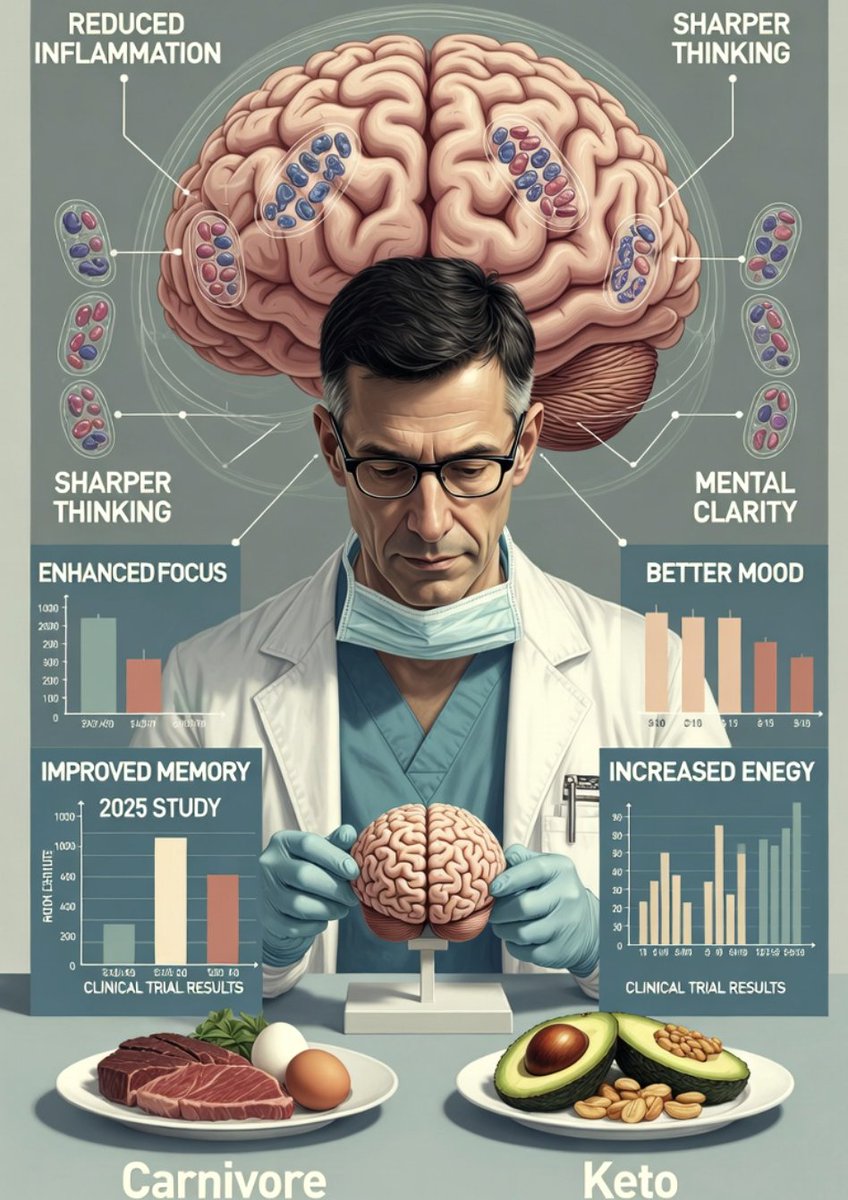
What Sets Carnivore and Keto Apart?
Both diets flip the script on our carb-heavy modern eating habits, pushing the body into ketosis—a state where fat becomes the primary fuel source, producing ketones that the brain loves
brain2mind.substack.com/p/carnivore-or…
A Color-Charged Art Tour for a Buff Brain,
You've probably heard that a walk in nature can clear your head. But what if I told you that a big part of the magic is the colors you typically encounter—specifically green, blue, and red? Vivid hues target crucial brain networks.
open.substack.com/pub/brain2mind…
Brain Boosting Sunday Brunch
Another great weekend is upon us. Make it special with a delicious meal that’s great for your brain.
Spice it up with an omelet
The centerpiece of the brainy brunch is a spicy omelet.
You may ask, “Why Spicy?”
Well, it turns out that capsaicin (the spicy component of chili peppers) reduces toxic protein (amyloid-beta) buildup in the brain. Amyloid-beta peptides are the main component of the amyloid plaques found in the brains of people with Alzheimer's disease. So, adding some heat to your omelet may help reduce Alzheimer's disease and improve cognitive deficits. If you’d like to learn whether you’re at risk of Alzheimer’s disease, please read brain2mind.substack.com/p/predicting-a…
You don’t need to go berserk and add ghost peppers, which clock in at one million on the Scoville spiciness scale. You can get the same brain benefits from a milder chili.
Scramble up some eggs
The incredible edible egg provides some of the highest quantities of choline of any food. Choline is an essential nutrient that is required for normal development and function of the brain. Choline promotes brain health in several ways including the maintenance of structural integrity of cell membranes and the regulation of signals that pass between neurons (brain cells). Choline also may function through epigenetics (how your environment can change the way genes work) by chemically altering DNA (methylation) and changing the expression of neuronal genes.
Not getting enough choline in your diet may have adverse effects on brain health. Dysregulated genes may contribute to some neurodegenerative disorders (such as amyotrophic lateral sclerosis (Lou Gherig’s disease), multiple sclerosis, Parkinson's disease, Alzheimer's disease, Huntington's disease). It may also contribute to the etiology of stress-related disorders and age-related decline in memory later in life.
In fact, getting plenty of choline early in life enhances performance in memory-related tasks during adulthood. And maintaining adequate choline intake throughout life may act as a neuroprotectant that may mitigate some of the adverse effects of neurodegenerative disorders.
Toss in some mushrooms
There is evidence that mushrooms may enhance cognitive function (thinking and memory). Mushrooms are rich in ergothioneine, a unique antioxidant and anti-inflammatory, that may provide brain benefits.
Slice and dice some onions
Onions are bad for your breath, but good for your brain. Japanese researchers discovered that people suffering from memory loss who added onions to their diets reported improvements in their ability to recall. Onions may be helpful to the hippocampus, a part of the brain that is involved in processing emotions as well as memory. Onions contain a flavonoid called quercetin (also found red wine, green tea, apples, berries, Ginkgo biloba, St. John's wort, American elder and buckwheat tea). One antioxidant found in onions binds with harmful toxins in the brain and flushes them out of the body. The sulphur-containing compound, which has been shown to slow down the deterioration of memory usually associated with ageing, is also found in garlic, scallion, shallot, leek, and chives.
Color cheers up your morning
Bell peppers do not have much capsaicin, but they may contribute to brain health by decreasing brain inflammation. Brightly colored vegetables reduce inflammatory substances in the blood and may help clear away brain toxins and harmful proteins. A brain with lower inflammation is at lower risk of a stroke and is more resistant to brain damage following injury or stroke. Bell peppers and other similar vegetables have also been reported to reduce the risk of Parkinson's disease, depression, Alzheimer's disease and cognitive decline (memory or thinking problems).
Cool it down with yogurt
Between bites of that delicious, spicy omelette, you’ll probably want a few spoons of cool, creamy yogurt to put out the fire on your tongue. Make sure you pick a yogurt that is chock full of live active cultures. If you’ve chosen wisely, that cup of yogurt may have billions of probiotics.
Probiotics are living microorganisms that may provide health benefits that go beyond basic nutrition. It is well known that probiotics maintain a balanced gut microbiota (the panoply of microorganisms (bacteria, fungi, virus, etc.) including their genetic material that naturally exist within your body). It is also well established that this balance supports gut health. But, science has revealed that probiotics can also benefit the rest of the body, including the brain.
About 40 trillion bacteria are living inside your body. Most of them reside in your gut and don’t cause any health problems. You are composed of roughly 30 trillion human cells. Based on widely accepted democratic principles, if each cell in your body were given a vote, a bacteria would be elected president.
You should strive to minimize the number of bad bacteria inside your body while fostering the good bacteria (probiotics). The good bacteria (live microorganisms) that live in your gut may be essential to physical health and may benefit your brain and mental health. The uber probiotics belong to the bacteria families of Lactobacillus and Bifidobacteria. Runners up include certain types of Streptococcus and Lactococcus.
The intestines and brain are chemically connected by what is called the brain gut axis. The gut communicates with the brain through your gut microbes, which produce molecules that carry information to the brain. Each of these bacteria produce different substances that may affect the brain. These include bacterial genetic material, short-chain fatty acids, neurotransmitters and amino acids. Gut bacteria can also influence the brain and central nervous system by controlling inflammation and hormone production.
Several researchers have found that people with certain mental health conditions (clinically diagnosed depression, anxiety and psychological distress) also have an altered microbiota. It is still unknown whether the imbalance of gut bacteria contributed to the mental health conditions or whether it is merely coincidental (diet and lifestyle may have caused the gut imbalance independent from the mental condition). An emerging field of research studies probiotics that benefit mental health. This family of probiotics has been termed psychobiotics. Bifidobacteria, Streptococcus, Lactobacillus, and Lactococcus have all been used as psychobiotics. Scientists have administered psychobiotics to both patients and healthy volunteers and have reported some interesting findings. Psychobiotics may affect the brain regions that control emotion and sensation. In various studies, scientists have reported that probiotics may reduce symptoms of depression, reduce negative thoughts associated with a sad mood and increase feelings of well-being.
Other studies have demonstrated that probiotics lower levels of inflammatory markers in the blood. Some researchers, citing the salutary benefits of reduced central nervous system inflammation, have reported that probiotics may reduce some symptoms of multiple sclerosis and schizophrenia. If you’d like to learn more about the brain-gut axis, please read brain2mind.substack.com/p/poop-transpl…
Rest and digest with a cup of joe.
To get the full brainy brunch benefit, savor a cup of rich mocaccino at the end of your meal. The two main ingredients of mocaccino (coffee and chocolate) may improve brain health. Coffee and chocolate are both rich in methylxanthines, which make your brain more resilient. Scientists have lauded the benefits of methylxanthines, research suggests this class of chemicals improves neuronal network activity, sustains cognitive performance (thinking, memory and language function). Methylxanthines may also offer you protection from stroke, Alzheimer's disease and Parkinson's disease.
Fresh ground coffee
Enjoying coffee on a daily basis may benefit the brain. One potentially brain boosting chemical, phenylindanes, is present in both caffeinated and decaffeinated coffee. Darker roasts of coffee have more of the healthful phenylindanes than lighter roasts. Researchers have reported that phenylindanes may prevent the brain buildup of toxic proteins (tau and beta-amyloid), which are associated with Alzheimer's and Parkinson's diseases. If you’d like to learn the latest about treatment of Parkinson’s please read brain2mind.substack.com/p/parkinsons-d…
The caffeine in coffee, when taken in moderation, may also be beneficial for your brain. Scientists have discovered that caffeine is active in the adenosine receptors of certain neurons (brain cells). By changing the activity of these neurons, coffee may improve mood, memory, alertness, reaction time and mental performance.
Make that a mochachino
Chocolate, especially dark chocolate, is rich in several substances that may benefit your brain. You probably will want to make enough mocaccino for two, because chocolate is rich in phenylethylamine, a chemical which transmits feelings of love in your brain (think afternoon delight)
Chocolate boasts several beneficial phytochemicals (ubiquitous plant chemicals). Cocoa flavinols and other polyphenols have been reported to have multiple brain benefits. Red wine is famous for its polyphenol content, but it is not alone. Besides chocolate, polyphenols are present in many foods including the skin of grapes, pomegranate and plums.
Polyphenols and flavinols have been reported to increase cerebral blood flow and improve brain metabolism. On this basis, scientists believe chocolate may help prevent stroke, or if a stroke occurs, make your brain more resistant to damage from stroke. These chemicals may protect you from dementia and age related cognitive decline. Other benefits may include protection against mood disorders.