Asco retweetledi

You just had to be there😭


Pop Base@PopBase
Twitter turns 20. What is your favorite tweet of all time?
English
Asco
162 posts


Twitter turns 20. What is your favorite tweet of all time?

The main manifestation of terrorism !!! Spreading a statement in the name of Fano, saying that we will kill the people of Ethiopia, who peacefully go to political elections and contest elections with their right to citizenship, is a complete manifestation of terrorism.



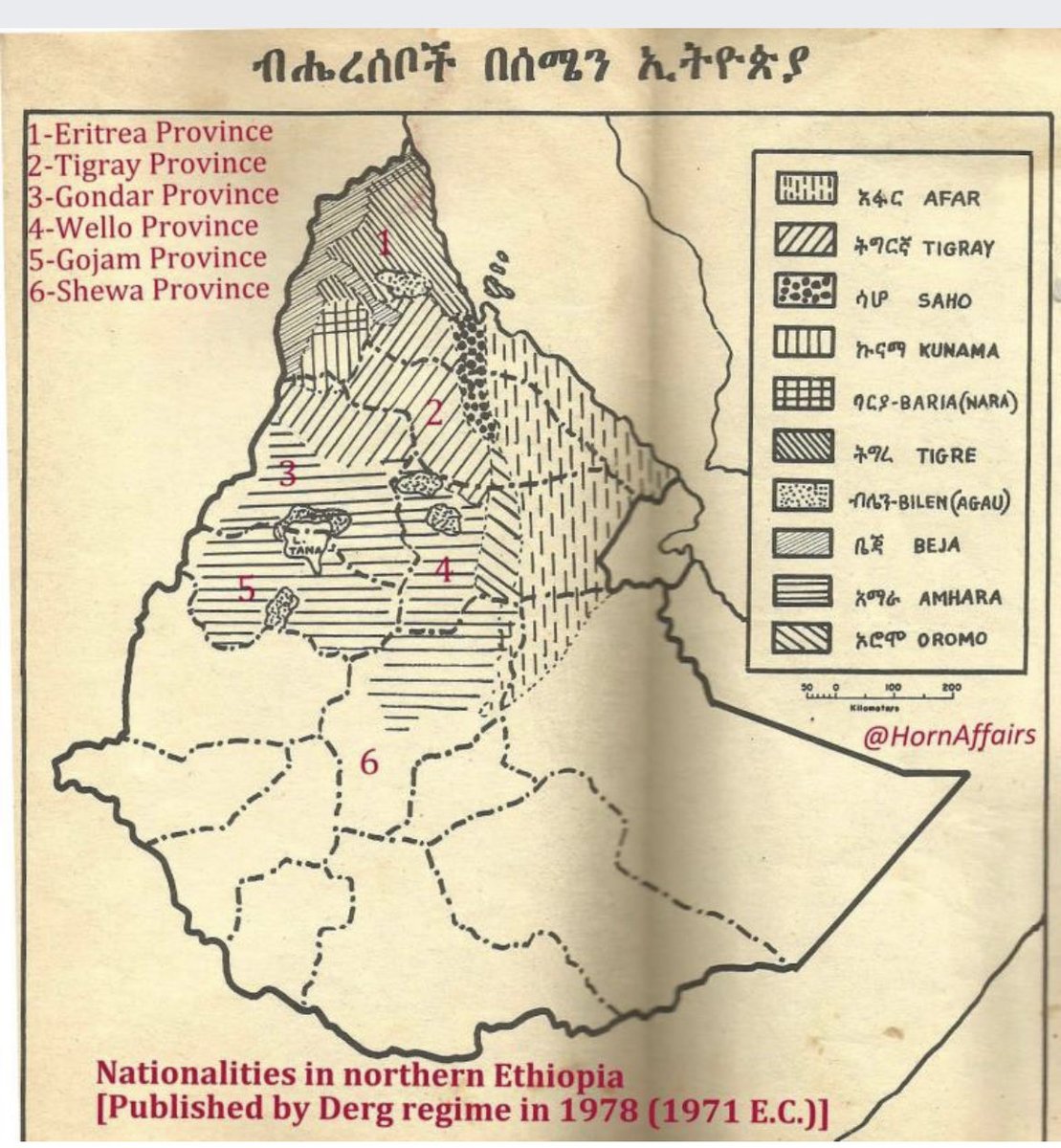
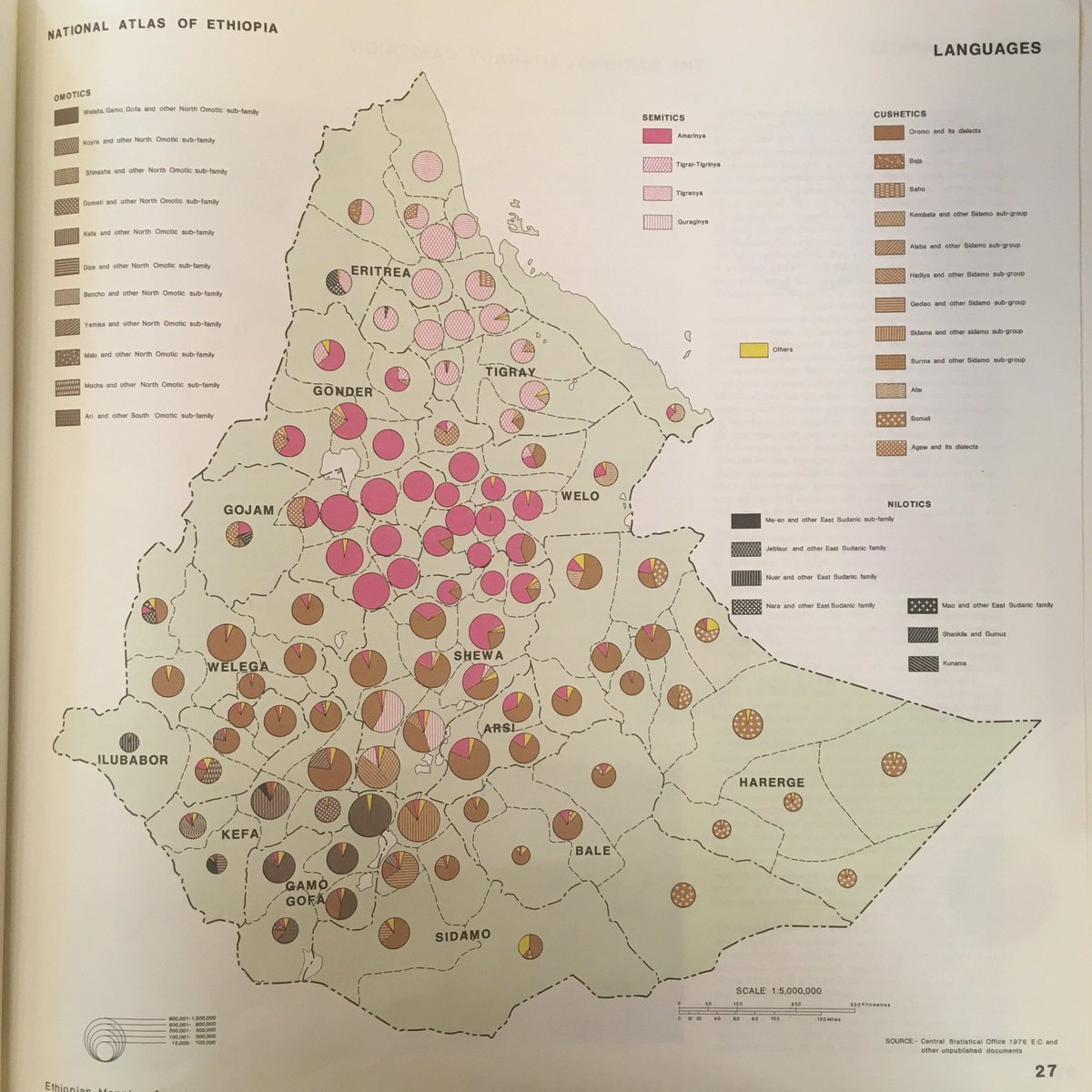
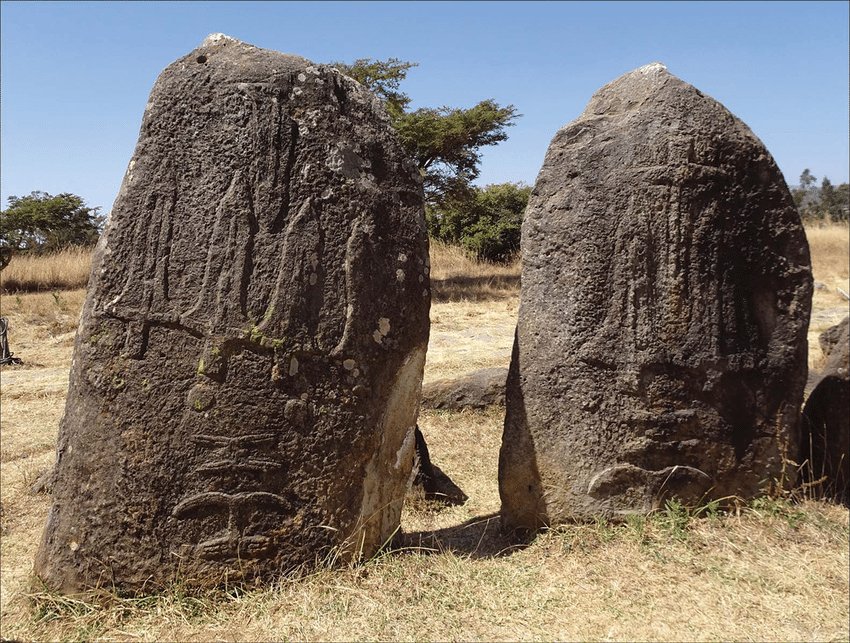
🔴How the Myth of Ethiopia as “Africa’s First Christian Nation” Erases the History of Christian Nubia in Sudan This Popular Mechanics article on Old Dongola matters because it forces Sudan’s buried Christian history back into view. Archaeologists uncovered a late 16th- or early 17th-century document tied to King Qashqash at Old Dongola, the former capital of Makuria, one of the major Christian Nubian kingdoms. That find matters not because it proves Sudan was simply “first,” but because it exposes how thoroughly Sudan’s Christian Nubian past has been minimized, sidelined, and often erased from the way African Christian history is publicly remembered. Christian Nubia was not a footnote. It was one of the major centers of African Christian civilization, with its own kingdoms, political institutions, religious life, and historical depth. Yet in popular memory, and even in many Black and African political spaces, that history is too often pushed into the background or ignored altogether. Ancient Aksum Empire (c. 1st century CE–8th century CE) ≠ Abyssinian Kingdom (c. 1270–19th century) Abyssinian Kingdom (c. 1270–19th century) ≠ Modern Ethiopia (late 19th century–present) That erasure is reinforced by the slogan that “Ethiopia is Africa’s first Christian country,” repeated across the Black diaspora and the continent as if the history were simple, settled, and politically innocent. The facts are more complicated. Aksum did adopt Christianity in the 4th century under Ezana, and that should not be denied. But Orthodox or Coptic Christianity in Africa should not be reduced to a triumphalist modern Ethiopian nationalist slogan. Orthodox Christianity in Africa is not reducible to Ethiopia, nor is it the exclusive property of any later Ethiopian nationalist narrative. It is part of a much wider African Christian history that includes indigenous African communities and long-standing Christian traditions spread across North Africa and the Nile Valley, including Christian Nubia in what is now Sudan. Aksum was an ancient empire centered in present-day Eritrea and Tigray, not a modern Ethiopian nation-state, while Christian Nubia was also a major, long-lasting, and historically consequential center of African Christian civilization. Once the entire story is filtered through the slogan of “first Christian country,” the wider regional record is distorted, Sudan’s place in that history is pushed aside, and indigenous African ties to Orthodox and eastern Christian traditions are erased in favor of a much narrower nationalist narrative. The deeper problem is that this timeline, terminology, and historical memory have been hijacked by pro-feudal Abyssinian propaganda and later nationalist storytelling. Aksum was not “Ethiopia” in the modern nation-state sense. Ancient “Aithiopia” was a shifting label, not the exclusive historical property of the modern Ethiopian state, and certainly not something that can be retroactively monopolized as a seamless inheritance. Later traditions turned that unstable and contested name into a much more exclusive continuity claim than the evidence can support. In the process, they swallowed up histories that were never theirs alone to monopolize, folded distinct political formations into one myth of uninterrupted continuity, and elevated one later narrative at the expense of others. That is how Sudan’s Christian Nubian past gets pushed into the background while a broader regional inheritance is recast as the sole legacy of one later political project. The serious historical point, then, is not to deny Aksum’s Christianity, but to reject the political use of that fact to obscure other African Christian histories. Aksum’s conversion is real, but so is the long Christian history of Nubia. Sudan’s Makuria and other Nubian Christian formations should be studied in their own right, on their own historical terms, not left permanently overshadowed by a modern slogan that compresses distinct histories into one nationalist myth. A more honest account of African Christian history would place Sudan’s Christian Nubian past back into the picture, not as an afterthought, but as one of its central chapters.

Happy birthday, Theo 🥳