Astrobitica

6.9K posts

Astrobitica banner
Astrobitica

Astrobitica

@Astrobitica

Curated Space News website

Katılım Aralık 2024
64 Takip Edilen48 Takipçiler
Astrobitica
Astrobitica@Astrobitica·
For the first time in more than 50 years, humans have traveled beyond low Earth orbit once again. During Artemis II, astronauts journeyed farther from Earth than any human mission since the Apollo era. Low Earth orbit—where the International Space Station operates—is only about 400 km above our planet. Beyond that lies deep space, where missions become far more complex and demanding. The last time humans ventured this far was during Apollo Program in the early 1970s. Now, with Artemis, humanity is taking its first steps back—testing systems that will enable future lunar landings and eventually missions to Mars. This isn’t just a return. It’s the beginning of a new chapter in human space exploration. #ArtemisII #NASA #SpaceExploration #DeepSpace #LowEarthOrbit #BackToTheMoon #SpaceHistory #AstronomyFacts #CosmicPerspective #FutureOfSpace #STEMContent #UniverseExplained #Astrobitica #ScienceFacts #SpaceMission
Astrobitica tweet media
English
0
0
0
4
Astrobitica
Astrobitica@Astrobitica·
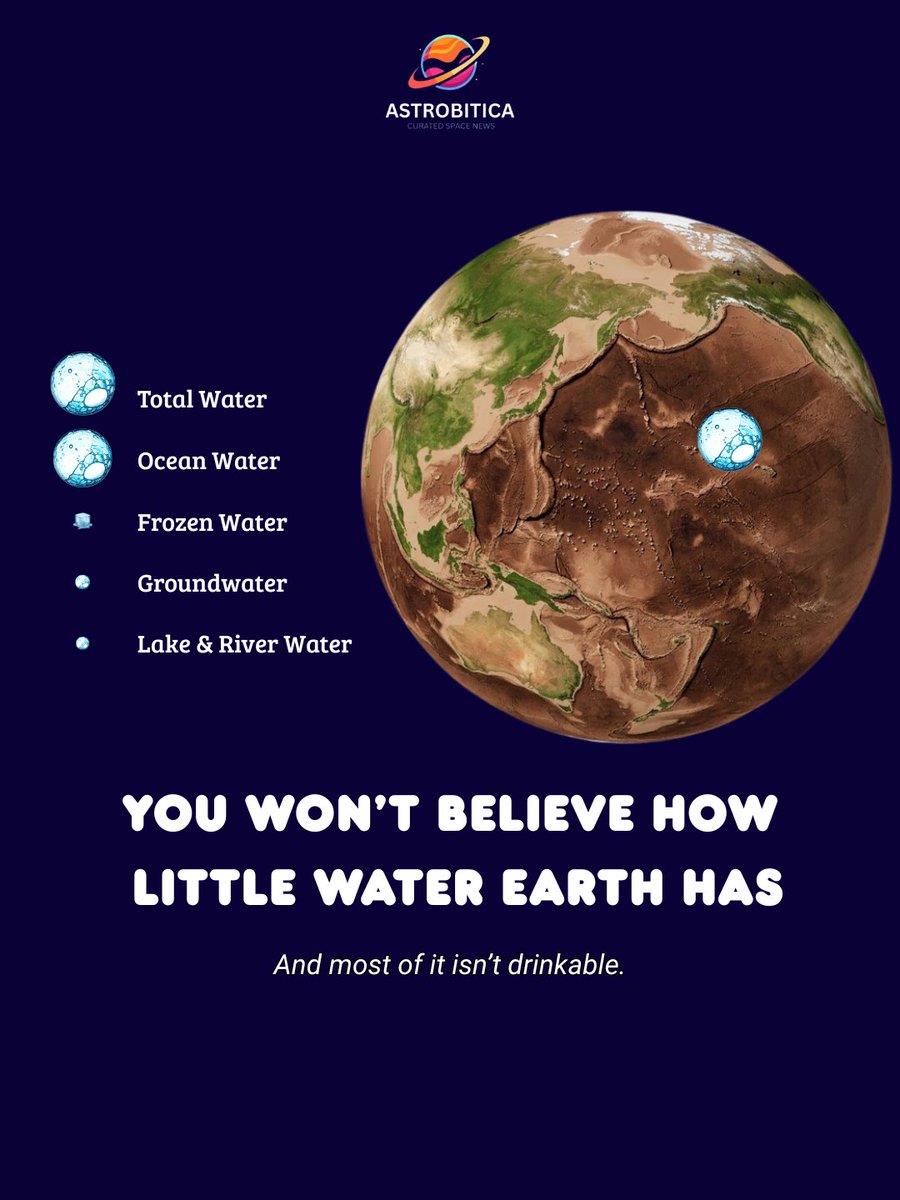
Earth is often called the “blue planet”—but how much water does it actually have? If you gathered all the water on Earth—from oceans, rivers, lakes, ice, and even the atmosphere—and formed it into a single sphere, it would look surprisingly small compared to the entire planet. Even more surprising: About 97% of Earth’s water is saltwater Only ~3% is freshwater And most freshwater is locked in ice or underground That means the water we can easily use—found in rivers and lakes—is just a tiny fraction of the total. So while Earth looks full of water… the part we rely on is incredibly limited. Protect what’s limited. #EarthFacts #WaterOnEarth #DidYouKnow #ScienceFacts #GeographyFacts #STEMContent #LearnScience #PlanetEarth #EnvironmentalAwareness #ClimateFacts #CosmicPerspective #EducationalContent #Astrobitica #FunFacts #EarthScience
Astrobitica tweet media
English
0
0
0
10
Astrobitica
Astrobitica@Astrobitica·
Artemis II just changed space travel again Humans are going back to deep space — and this changes everything. For the first time in over 50 years, a crewed mission is traveling beyond low Earth orbit. Astronauts will journey around the Moon, testing the systems that will take us: 🌕 Back to the lunar surface 🚀 And eventually… to Mars This isn’t just another launch. It’s the return of human deep-space exploration — and the beginning of a new era. 📌 Save this historic shift 💬 Where should humans go next? 🌌 Follow Astrobitica for real-time space updates #ArtemisII #NASA #SpaceExploration #MoonMission #DeepSpace #HumanSpaceflight #FutureOfSpace #Astrobitica
English
0
0
0
14
Astrobitica
Astrobitica@Astrobitica·
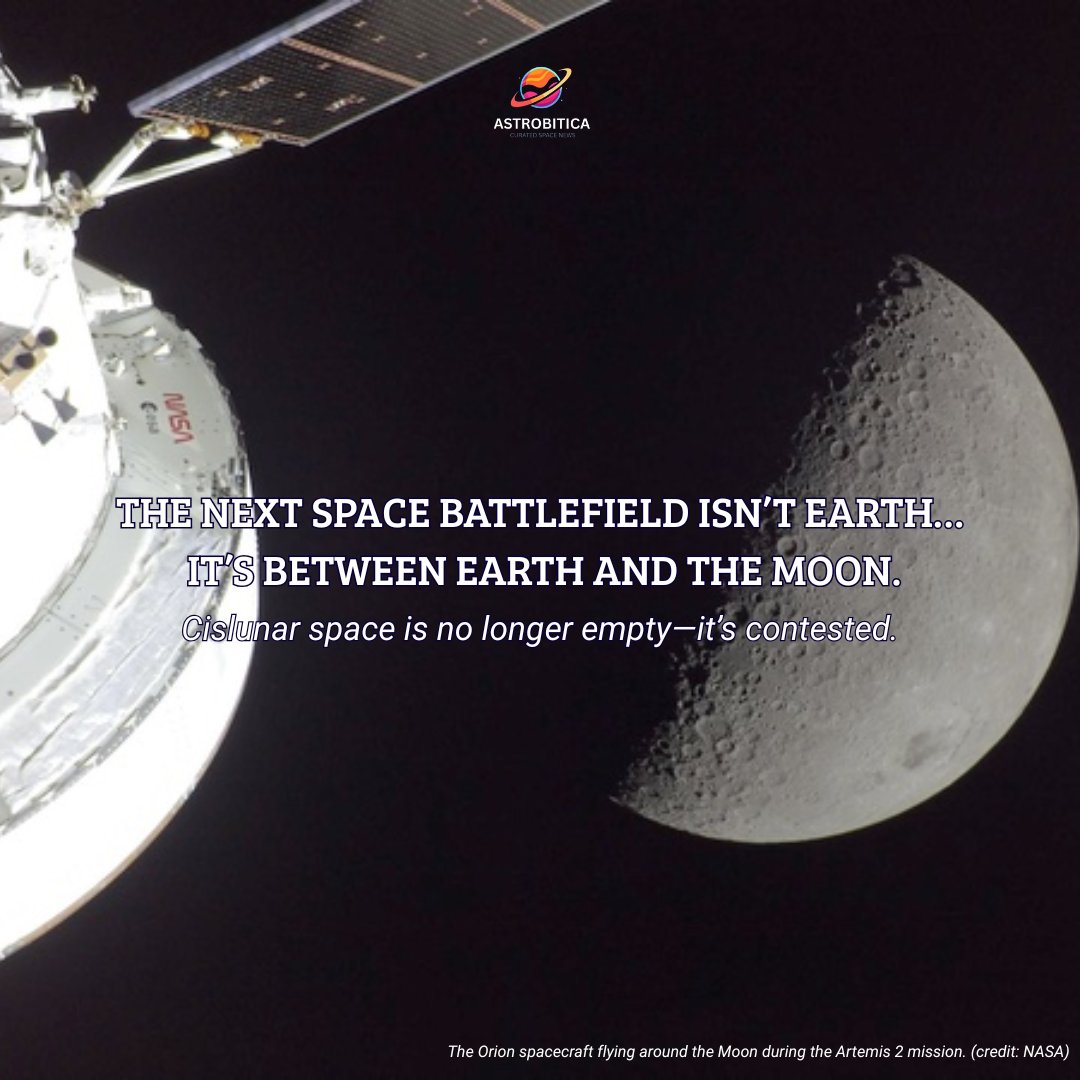
Cislunar space—the vast region between Earth and the Moon—is quietly becoming one of the most strategic zones in modern space exploration. With missions like Artemis II and growing global lunar programs, this once “empty corridor” is turning into a space filled with satellites, surveillance, and competing interests. But here’s the problem: We can’t fully see what’s happening there. A single untracked maneuver… A lost signal behind the Moon… An unexpected trajectory change… That’s all it takes to create uncertainty—and in space, uncertainty can escalate fast. That’s where the concept of “Fortress Moon” comes in. Instead of one massive base, it proposes a network of interconnected satellites and sensors across Earth and lunar space—designed to: 🔭 Increase visibility 🛰️ Track movements in real-time ⚖️ Prevent surprise actions 🧩 Connect fragmented space systems into one coherent picture Because in the future of space… 👉 Awareness is power. 👉 Visibility is security. 📖 Want the full breakdown of this concept? Read the full article here: 👉 [INSERT YOUR LINK HERE] #SpaceStrategy #CislunarSpace #ArtemisII #SpaceSecurity #FutureOfSpace #MoonMission #SpaceExploration #Astrobitica #NewSpaceEra #SpaceAwareness #OrbitalDefense #LunarOrbit #SpaceTech #CosmicInsights #NextFrontier
Astrobitica tweet media
English
0
0
0
15
Astrobitica
Astrobitica@Astrobitica·
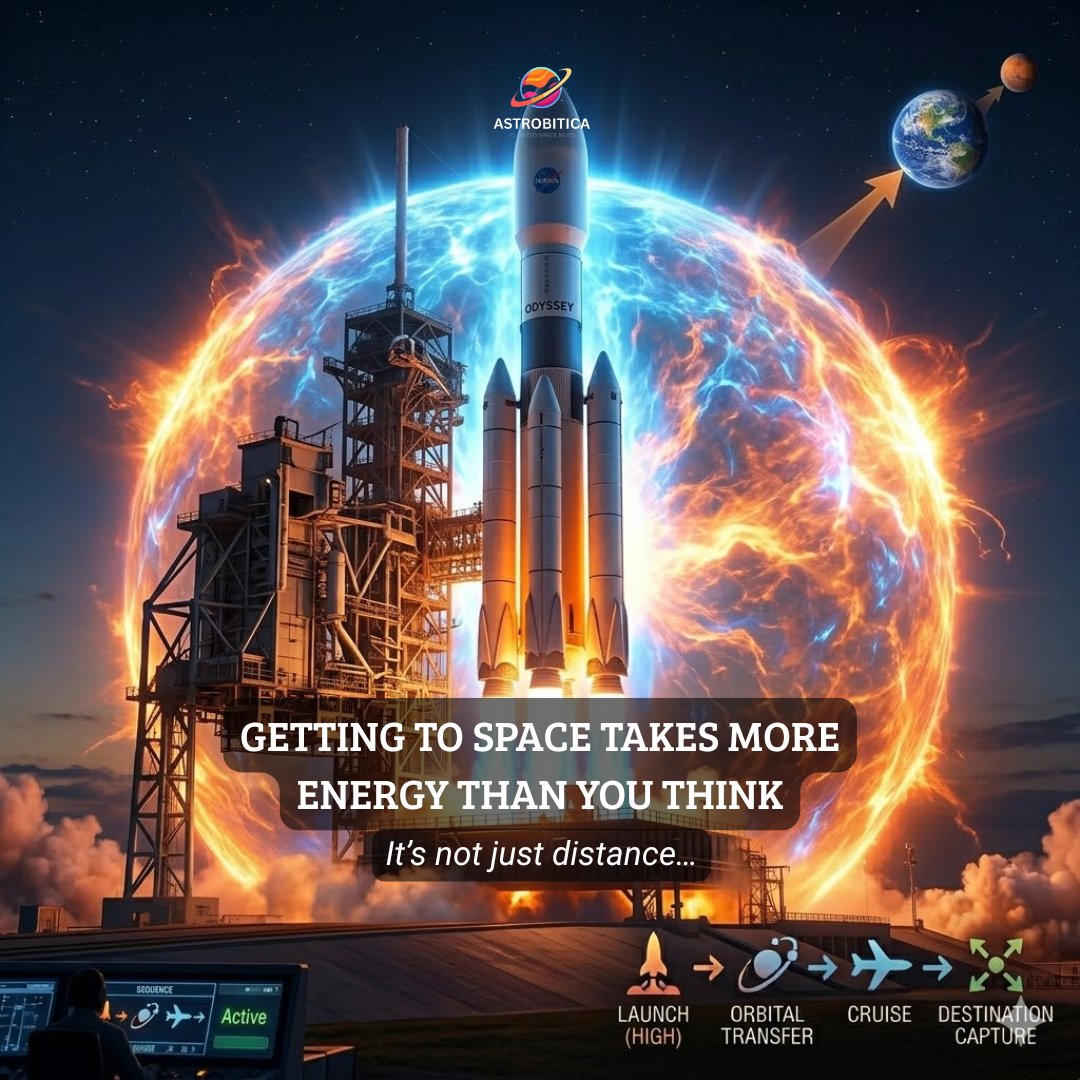
Every journey in space begins with one challenge: energy. To launch from Earth, a spacecraft must generate enough force to overcome gravity and reach extreme speeds. This requires burning massive amounts of fuel in a very short time. But energy isn’t just needed for launch. Changing direction, increasing speed, slowing down for landing—each step requires additional energy. Even small adjustments in velocity can demand significant fuel because of how motion works in space. This is why spacecraft are carefully planned and optimized—every maneuver is calculated to use as little energy as possible. In the end, how far we can go isn’t just about technology— it’s about how efficiently we can use energy. #SpaceTravel #RocketScience #PhysicsFacts #SpaceExploration #AstronomyContent #ScienceExplained #CosmicPerspective #SpaceTechnology #STEMContent #FutureOfSpace #UniverseExplained #Astrobitica #DidYouKnow #LearnScience #SpaceFacts
Astrobitica tweet media
English
0
0
0
2
Astrobitica
Astrobitica@Astrobitica·
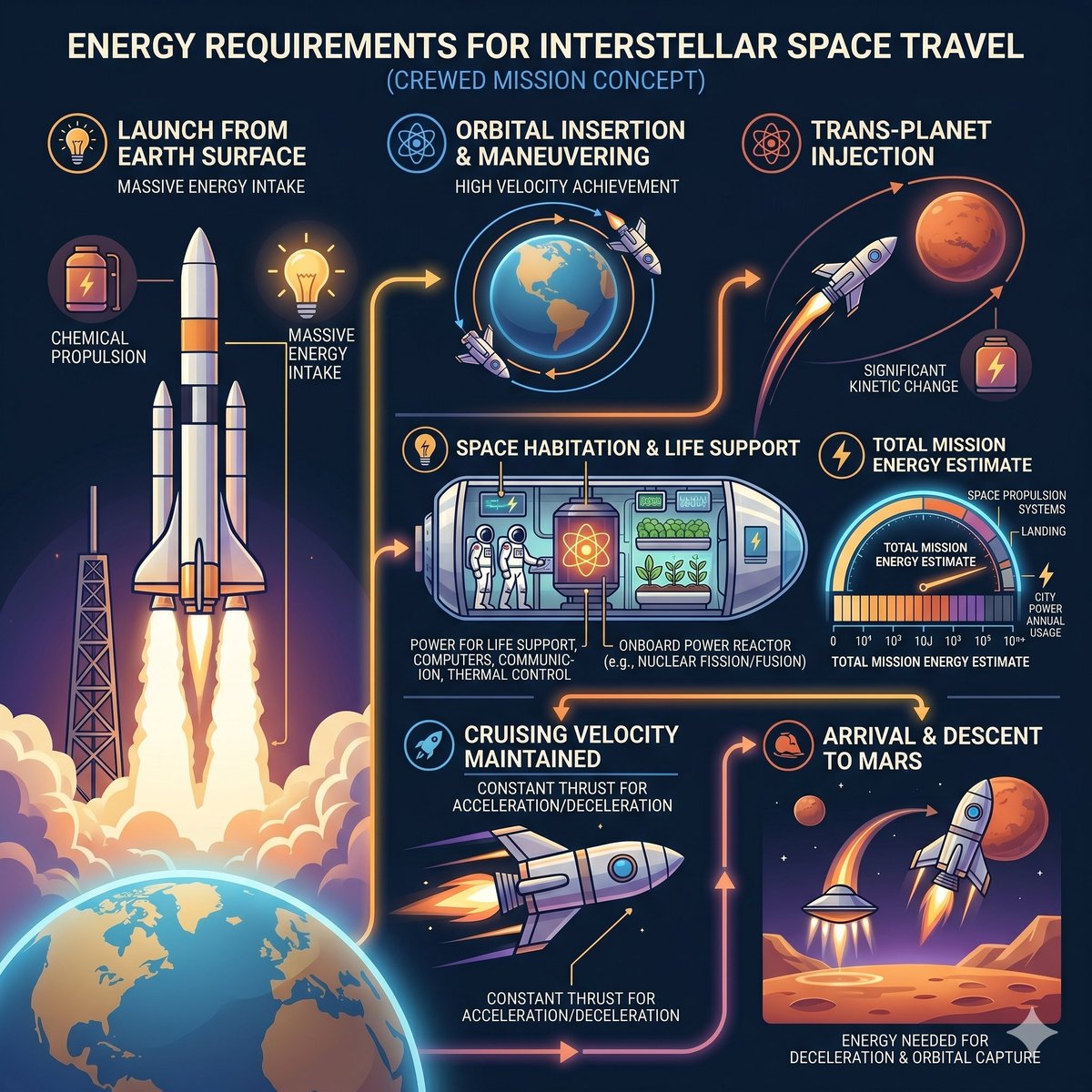
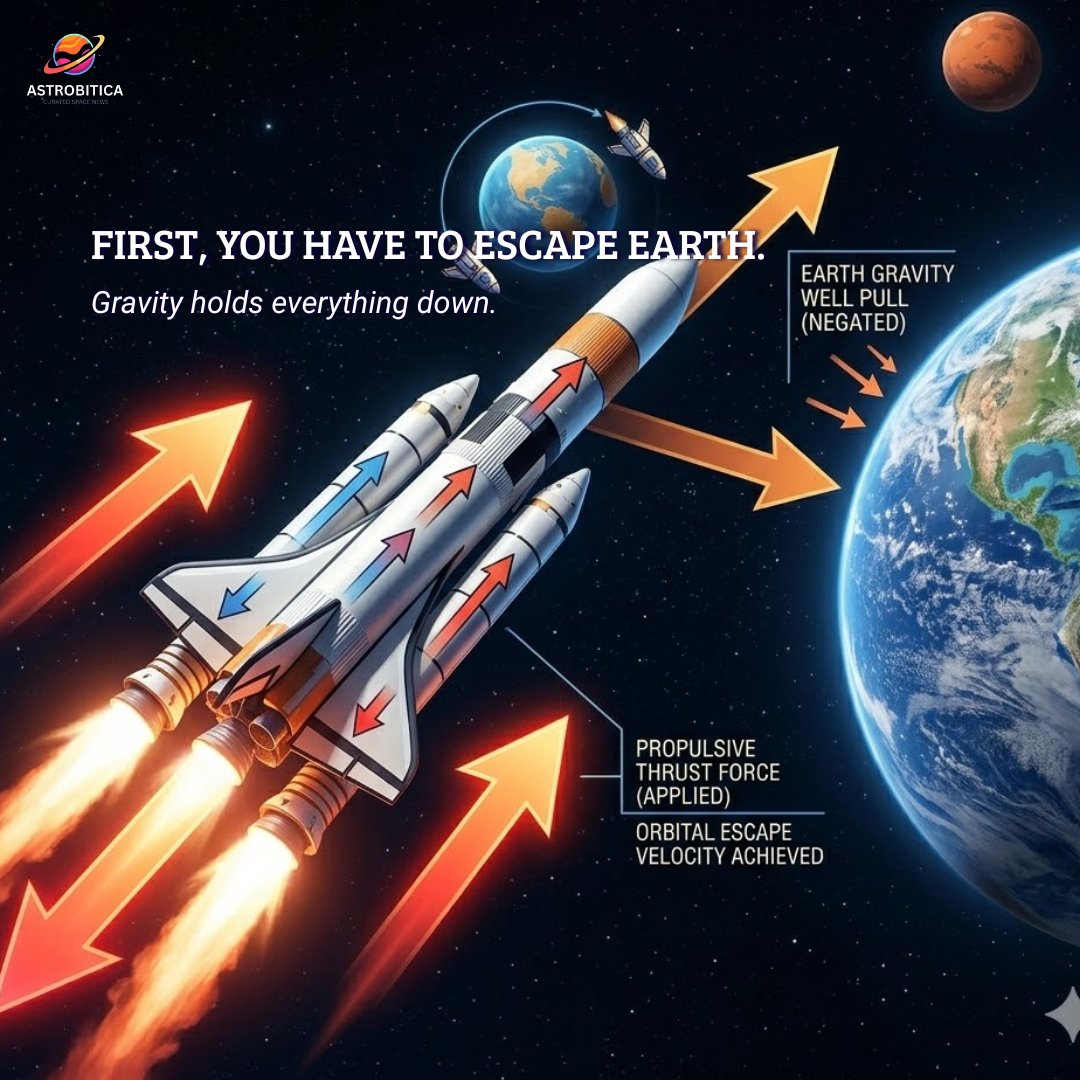
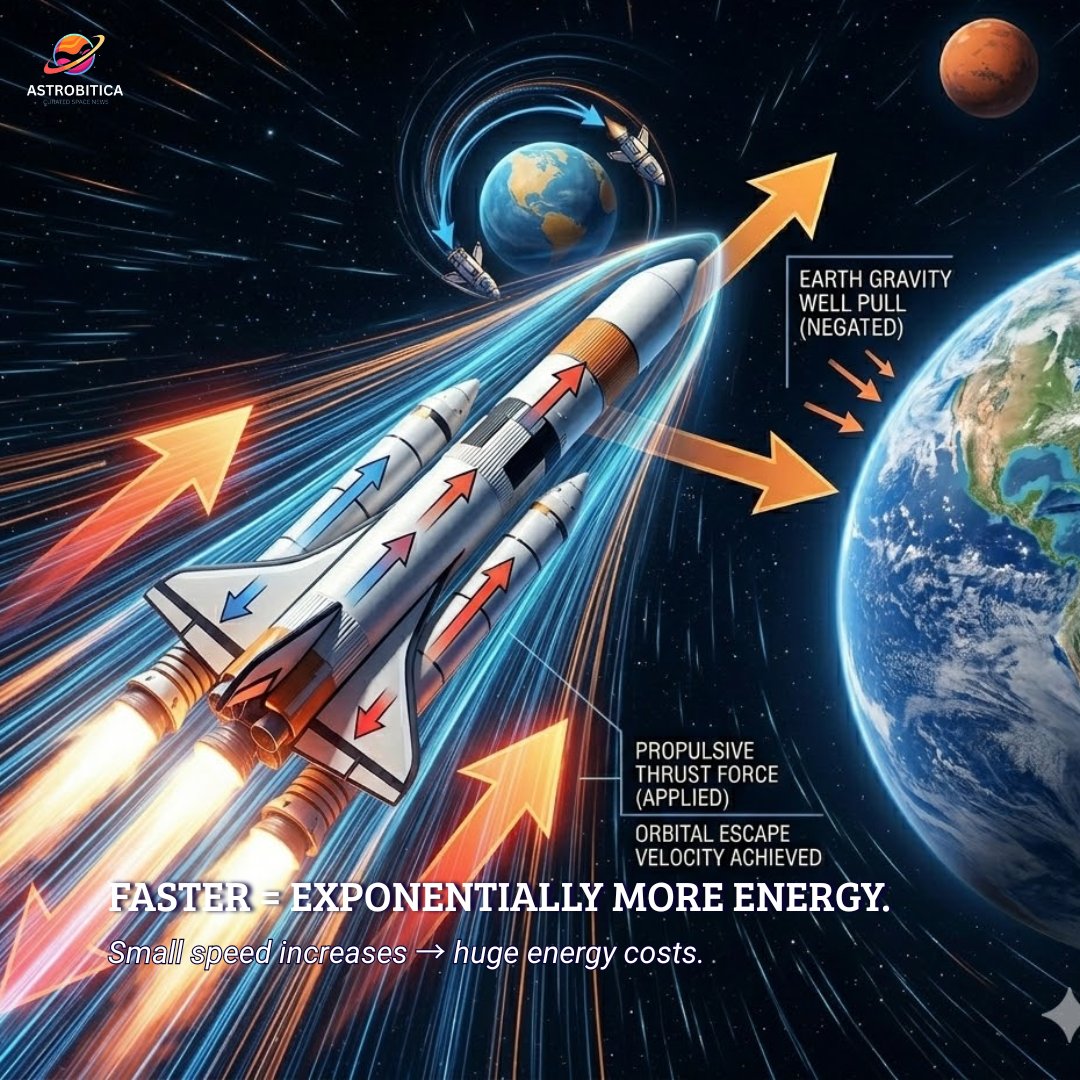
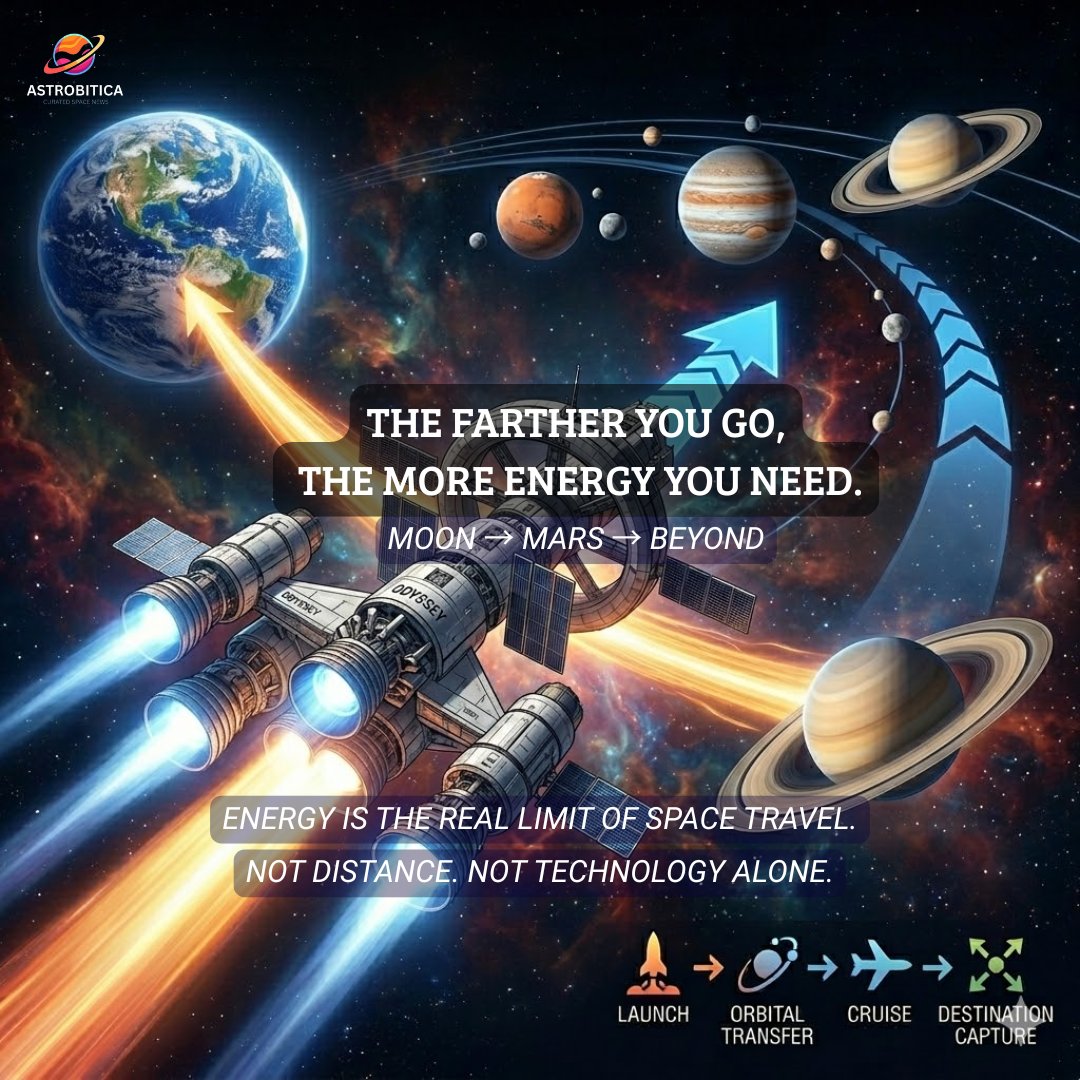
Space travel is fundamentally a problem of energy. To leave Earth, a spacecraft must overcome gravity by reaching escape velocity—about 11.2 km/s. Achieving this speed requires an enormous amount of fuel and energy. But getting to space is only the beginning. The energy required to move increases with speed. In physics, kinetic energy depends on velocity squared—meaning even small increases in speed require significantly more energy. Traveling farther distances, like going from the Moon to Mars, adds even more energy demands—not just for acceleration, but also for navigation, braking, and return missions. This is why rockets carry massive amounts of fuel—and why advancing propulsion systems is key to future exploration. In space travel, energy isn’t just a requirement— it’s the limiting factor. #SpaceTravel #RocketScience #PhysicsFacts #SpaceExploration #AstronomyFacts #ScienceExplained #CosmicPerspective #STEMContent #UniverseExplained #SpaceTechnology #FutureOfSpace #Astrobitica #DidYouKnow #Physics #SpaceScience
Astrobitica tweet mediaAstrobitica tweet mediaAstrobitica tweet mediaAstrobitica tweet media
English
0
0
0
3
Astrobitica
Astrobitica@Astrobitica·
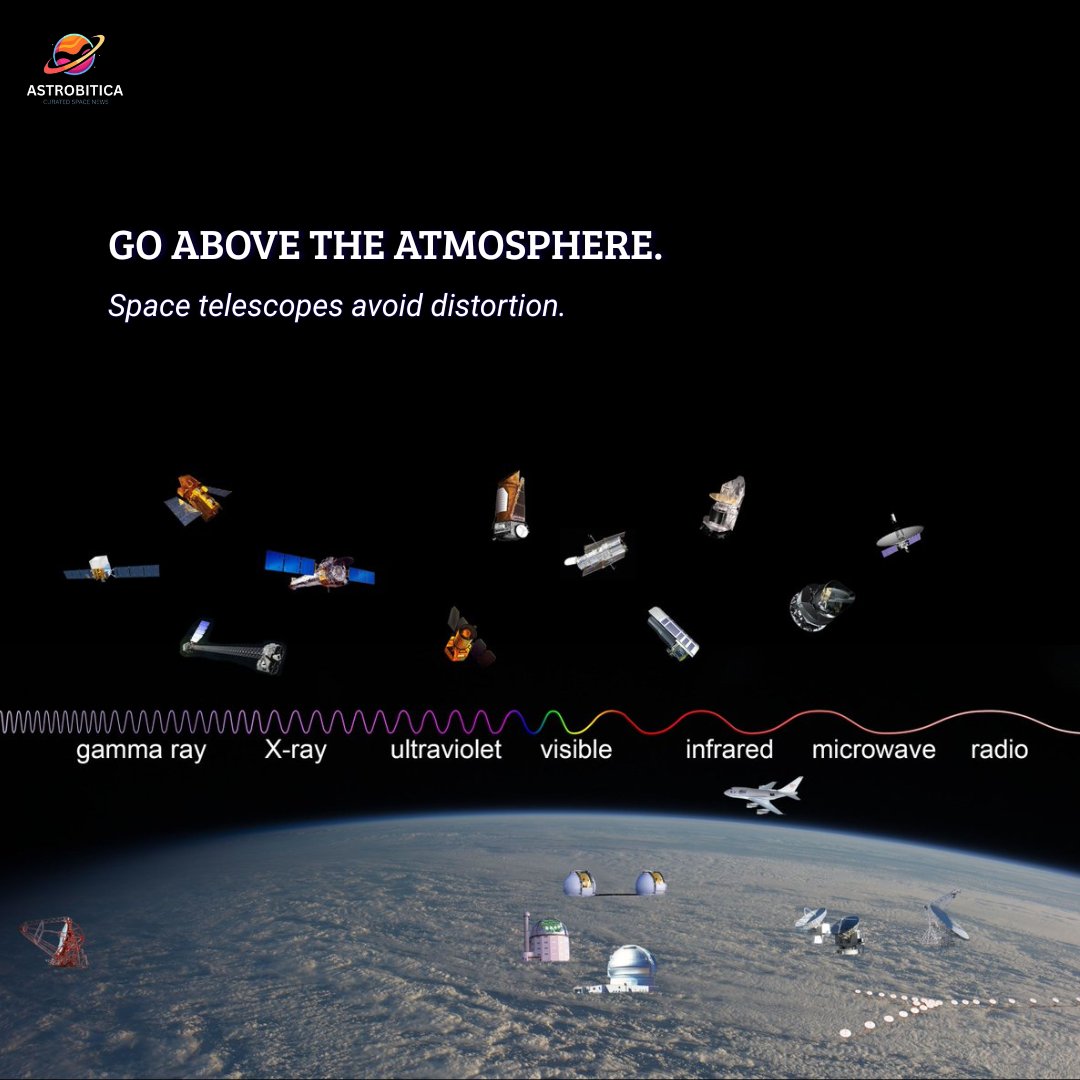
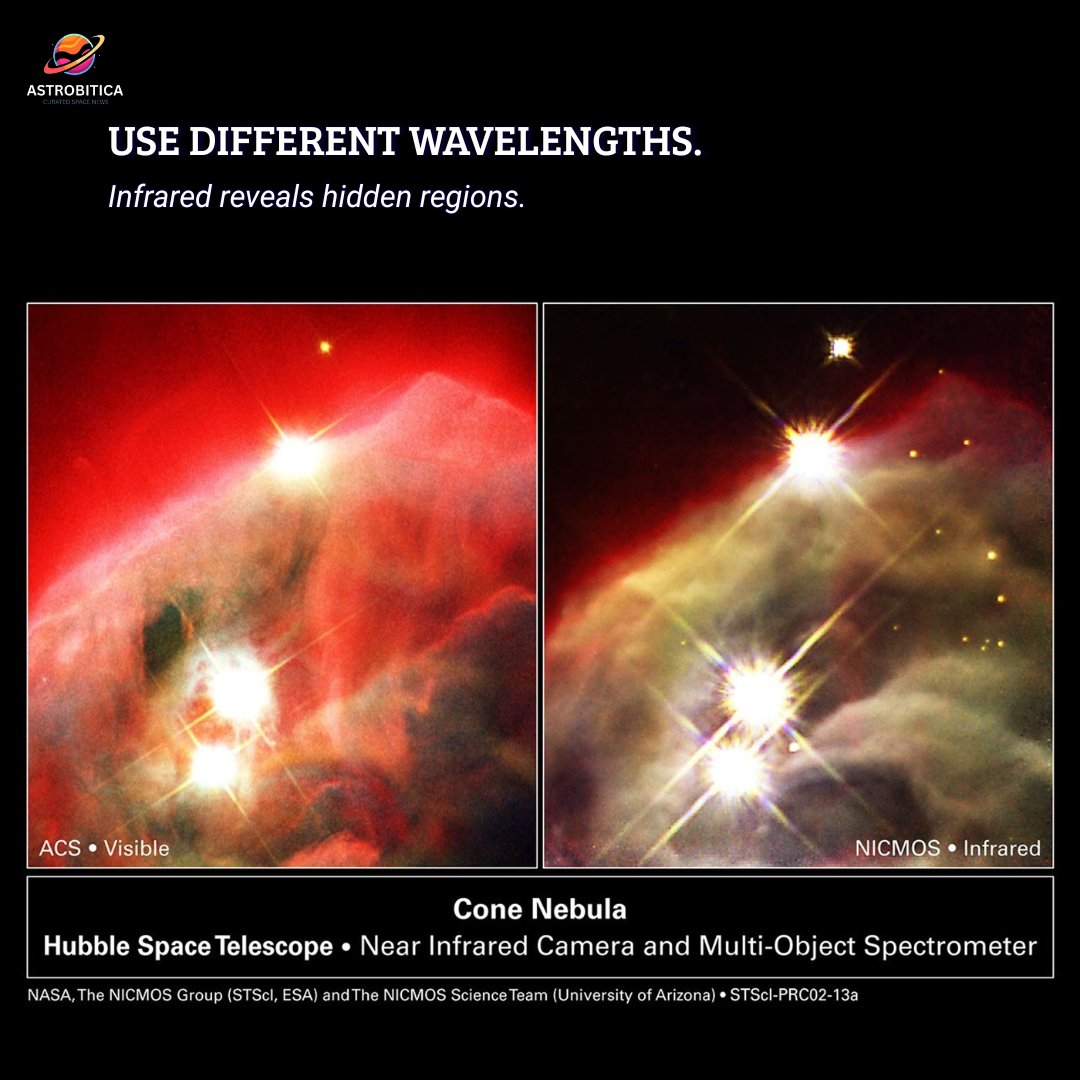
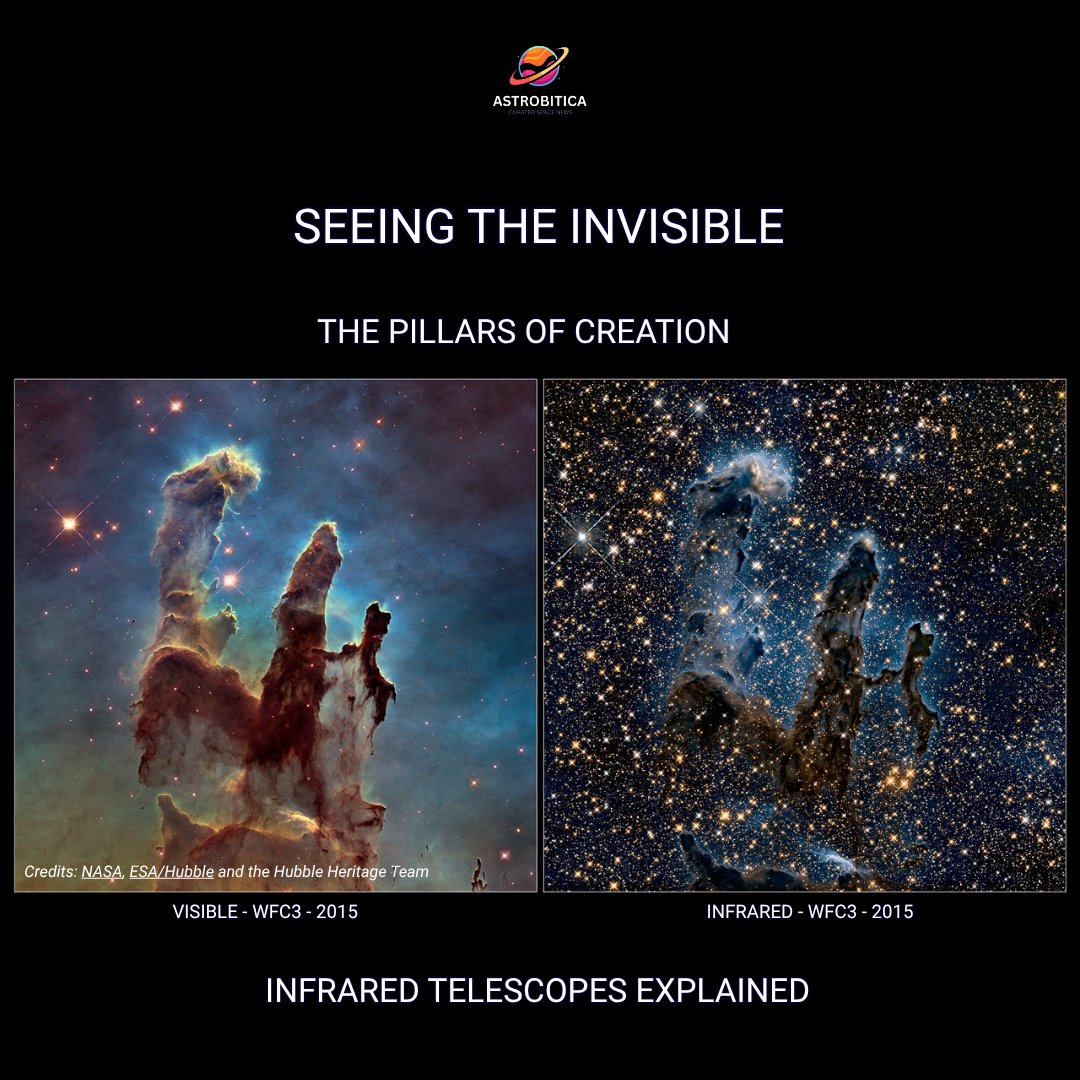
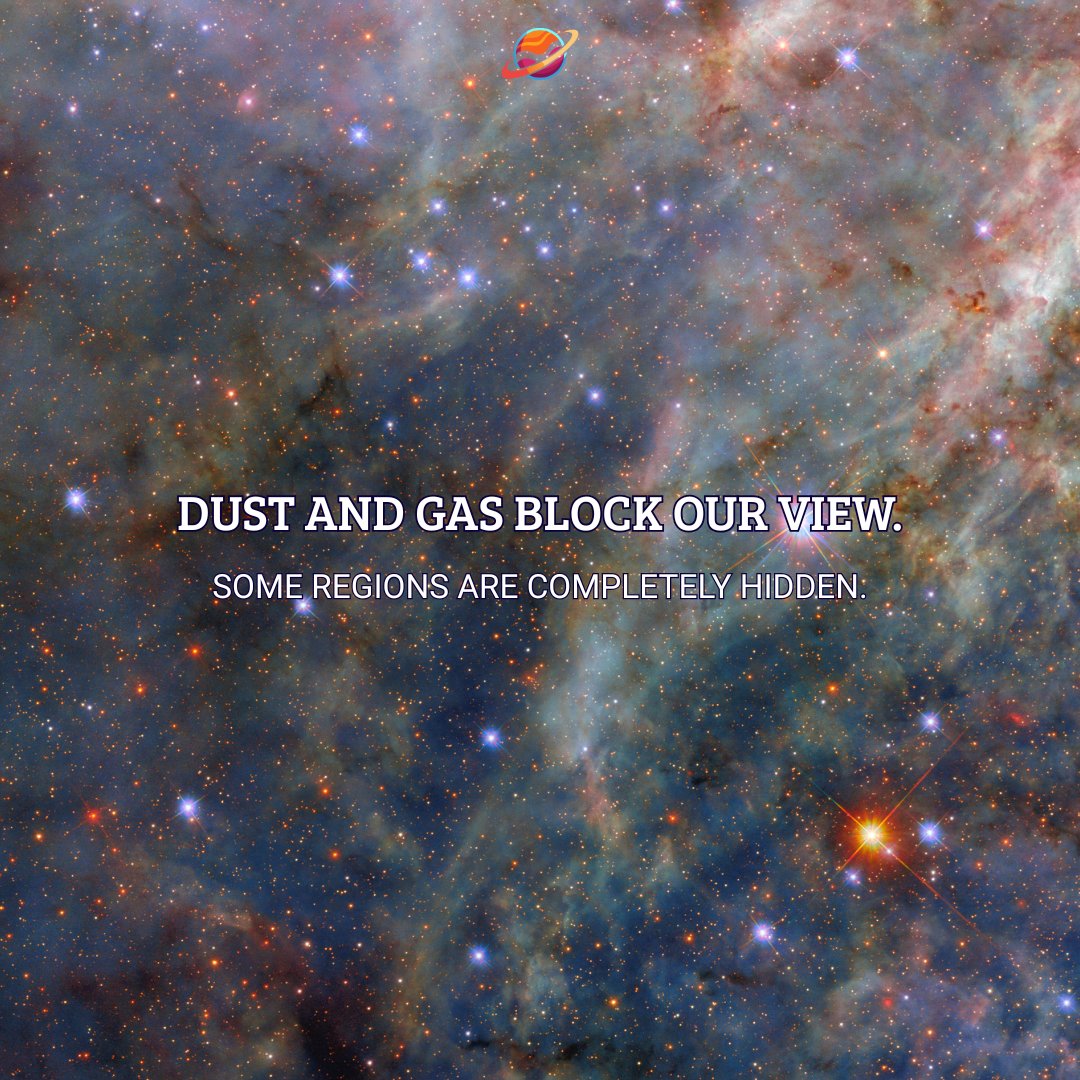
Even though telescopes have limits, scientists have developed ways to overcome them. One solution is placing telescopes in space. Above Earth’s atmosphere, they can capture clearer, undistorted light. Another is observing different wavelengths. Infrared light, for example, can pass through cosmic dust—revealing regions that are hidden in visible light. This is why telescopes like the James Webb Space Telescope can see structures that the Hubble Space Telescope cannot. Scientists also combine data from multiple telescopes to build a more complete picture of the universe. Each method solves part of the problem—bringing us closer to seeing what was once invisible. #SpaceTelescopes #JamesWebb #Hubble #AstronomyFacts #SpaceScience #ScienceExplained #UniverseExplained #CosmicPerspective #STEMContent #SpaceEducation #DidYouKnow #AstroLearning #SpaceContent #Astrobitica #PhysicsFacts
Astrobitica tweet mediaAstrobitica tweet mediaAstrobitica tweet mediaAstrobitica tweet media
English
0
0
0
3
Astrobitica
Astrobitica@Astrobitica·
Not everything in space is visible to the human eye. Many regions of the universe are hidden behind thick clouds of gas and dust that block visible light. To us—and to optical telescopes—these areas can appear dark or completely obscured. Infrared telescopes work differently. They detect infrared light, which has longer wavelengths than visible light and can pass through dust more easily. This allows scientists to observe what’s happening inside star-forming regions, behind nebulae, and in distant galaxies. For example, the James Webb Space Telescope is designed to capture infrared light, revealing structures that are invisible to telescopes like the Hubble Space Telescope. By observing the universe in infrared, we’re not just seeing farther— we’re seeing what was always there, but hidden from view. #Infrared #JamesWebb #SpaceTelescopes #AstronomyFacts #SpaceScience #UniverseExplained #CosmicPerspective #ScienceExplained #STEMContent #SpaceEducation #DidYouKnow #AstroLearning #SpaceContent #Astrobitica #PhysicsFacts
Astrobitica tweet media
English
0
0
0
3
Astrobitica
Astrobitica@Astrobitica·
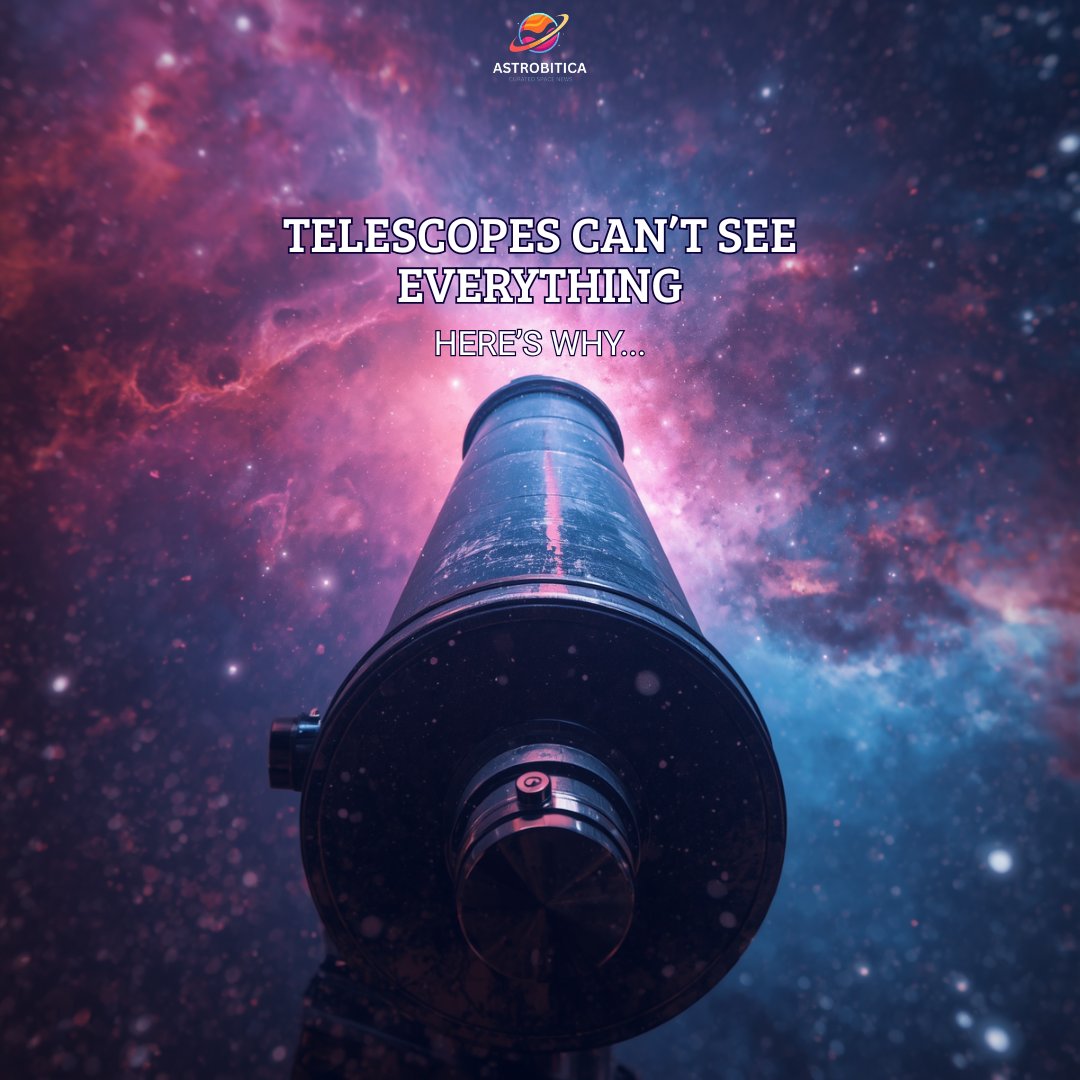
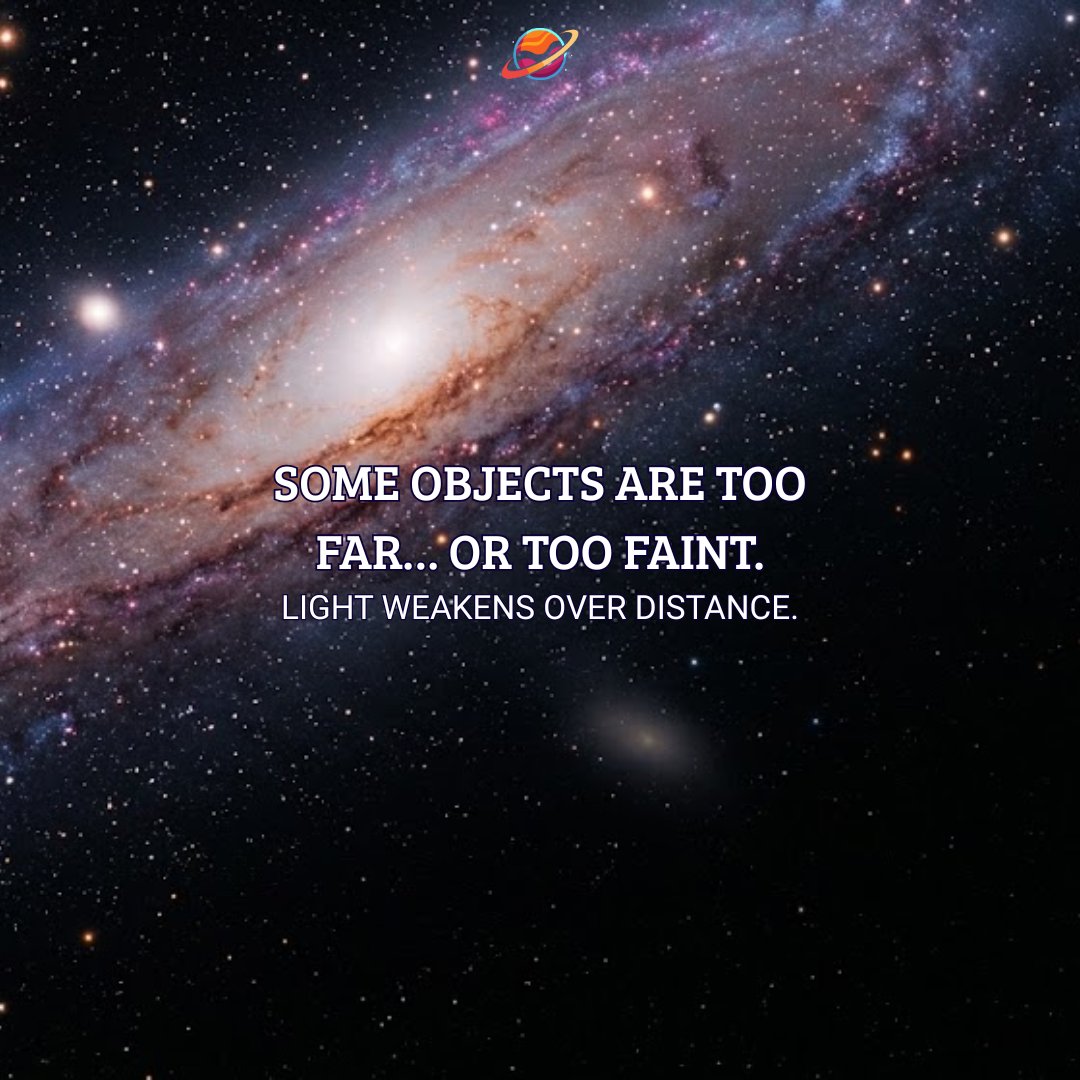
Telescopes have transformed how we observe the universe—but they don’t show us everything. One limitation is distance. As light travels across vast space, it becomes fainter and harder to detect. Another is obstruction. Clouds of gas and dust can block visible light, hiding entire regions of space. There’s also a limit based on wavelength. Each telescope is designed to detect specific types of light, such as visible, infrared, or X-rays. No single instrument can capture the full picture. For example, the Hubble Space Telescope observes mainly visible light, while the James Webb Space Telescope detects infrared—allowing it to see through cosmic dust. Understanding these limits helps scientists design better tools—and get closer to uncovering what’s still hidden. #SpaceTelescopes #AstronomyFacts #JamesWebb #Hubble #SpaceScience #UniverseExplained #CosmicPerspective #ScienceExplained #STEMContent #SpaceEducation #DidYouKnow #AstroLearning #SpaceContent #Astrobitica #PhysicsFacts
Astrobitica tweet mediaAstrobitica tweet mediaAstrobitica tweet mediaAstrobitica tweet media
English
0
0
0
6
Astrobitica
Astrobitica@Astrobitica·
A dying star is revealing one of space’s strangest mysteries. Using the James Webb Space Telescope, scientists observed a planetary nebula known as Tc 1, located about 10,000 light-years away. This glowing cloud of gas contains unusual carbon molecules called buckyballs—hollow, spherical structures made of 60 carbon atoms, shaped like a soccer ball. These molecules were first discovered in space decades ago, but their origin has remained unclear. Webb’s mid-infrared instruments revealed new, detailed structures within the nebula—including a strange, question mark–like formation that scientists still don’t fully understand. The colors in the image represent different temperatures: Blue = hotter gas Red = cooler material As the star sheds its outer layers, it creates the conditions for complex chemistry—possibly forming these carbon spheres in ways we’re only beginning to study. Even now, the discovery raises as many questions as answers. #JamesWebb #JWST #SpaceNews #AstronomyFacts #Buckyballs #CosmicMystery #SpaceDiscovery #ScienceExplained #UniverseExplained #DeepSpace #STEMContent #SpaceExploration #Astrobitica #DidYouKnow #NASA
Astrobitica tweet media
English
0
0
0
3
Astrobitica
Astrobitica@Astrobitica·
Most exoplanets—planets outside our solar system—are too distant and faint to be seen directly. So how do scientists find them? One of the most common methods is the transit method. When a planet passes in front of its star, it blocks a small amount of light. This creates a tiny, measurable dip in the star’s brightness. Another method is called radial velocity, or the “wobble method.” As a planet orbits, its gravity slightly pulls on its star, causing the star to move back and forth. Scientists detect this motion through changes in the star’s light. Missions like the Kepler Space Telescope have used these techniques to discover thousands of exoplanets. We may not see these worlds directly— but we can detect the signals they leave behind. #Exoplanets #SpaceScience #AstronomyFacts #Kepler #SpaceExploration #ScienceExplained #CosmicPerspective #UniverseExplained #AstroLearning #STEMContent #DidYouKnow #SpaceContent #Astrobitica #PlanetDiscovery #SpaceFacts
Astrobitica tweet media
English
0
0
0
9
Astrobitica
Astrobitica@Astrobitica·
With the success of Artemis II, humanity has taken its first step back toward deep space exploration. But Artemis II is just a flyby mission—so what comes next? The next major milestone is Artemis III, which aims to land astronauts on the Moon for the first time since 1972. This time, the goal is different. Instead of short visits like the Apollo era, the Artemis Program is designed to establish a long-term human presence on the Moon—especially near the lunar south pole, where water ice may exist. Future missions will focus on: Building sustainable habitats Testing technologies for Mars exploration Expanding human activity beyond Earth The Moon is no longer the final destination— it’s the next step. #ArtemisII #ArtemisIII #NASA #MoonMission #BackToTheMoon #SpaceExploration #FutureOfSpace #LunarBase #AstronomyFacts #CosmicFuture #STEMContent #UniverseExplained #SpaceGoals #Astrobitica #ScienceFacts
Astrobitica tweet media
English
0
0
0
9
Astrobitica
Astrobitica@Astrobitica·
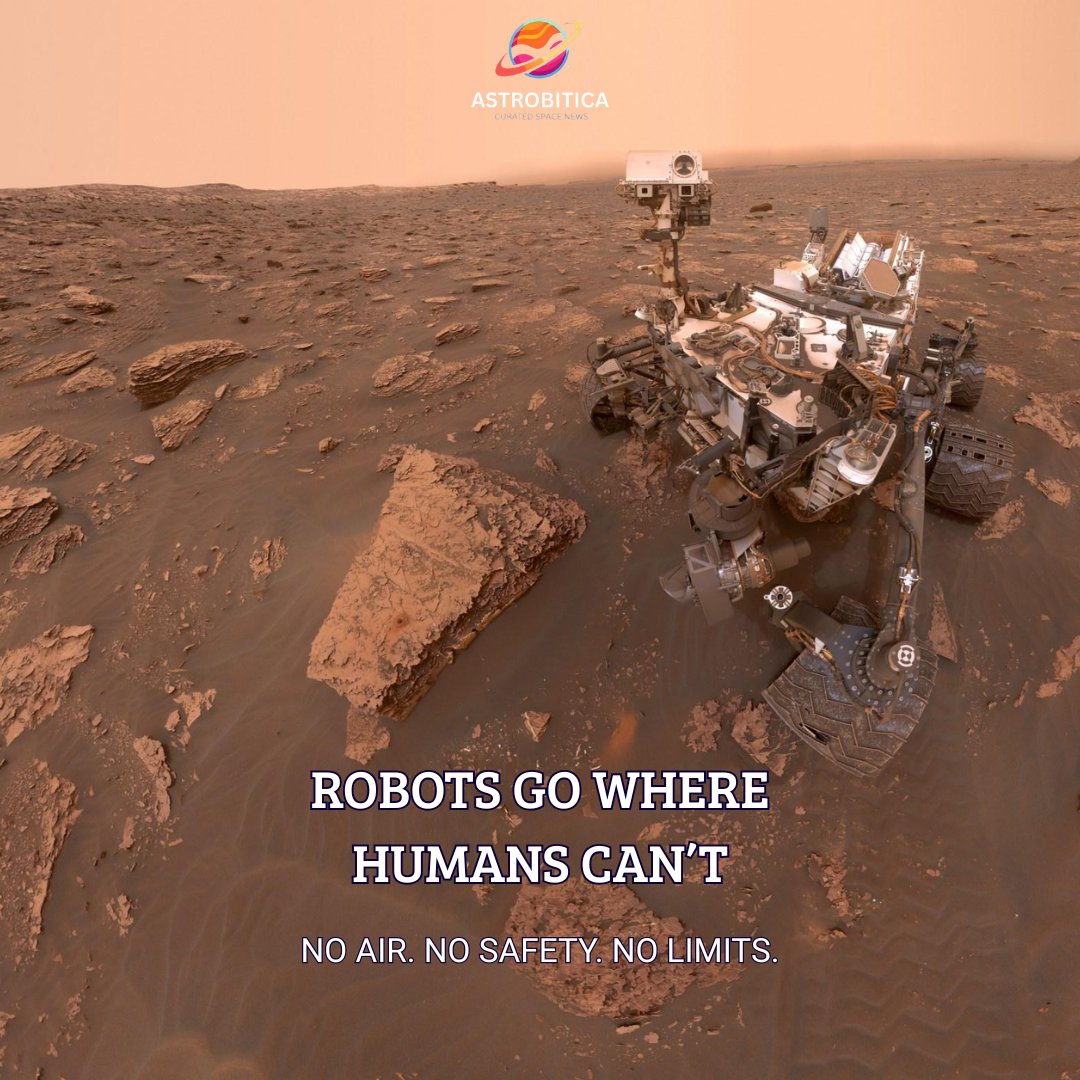
Space is not designed for humans. Extreme heat, crushing pressure, intense radiation, and the absence of air make many environments in our solar system impossible for human survival. That’s why robotic missions lead the way. On Mars, rovers like Perseverance Rover can operate in dust-filled, freezing conditions for years. On Venus, past missions like Venera 7 survived surface temperatures hot enough to melt lead—something no human could endure. And in deep space, probes like Voyager 1 continue traveling billions of kilometers away from Earth, far beyond any possible human mission today. Robots don’t need air, food, or protection from the same limits we face. They go first—exploring the environments we can’t survive… yet.2 #SpaceExploration #Robotics #MarsRover #Voyager1 #VenusExploration #AstronomyFacts #ScienceExplained #SpaceTechnology #FutureOfSpace #CosmicPerspective #STEMContent #UniverseExplained #Astrobitica #DidYouKnow #SpaceScience
Astrobitica tweet media
English
0
0
0
12
Astrobitica
Astrobitica@Astrobitica·
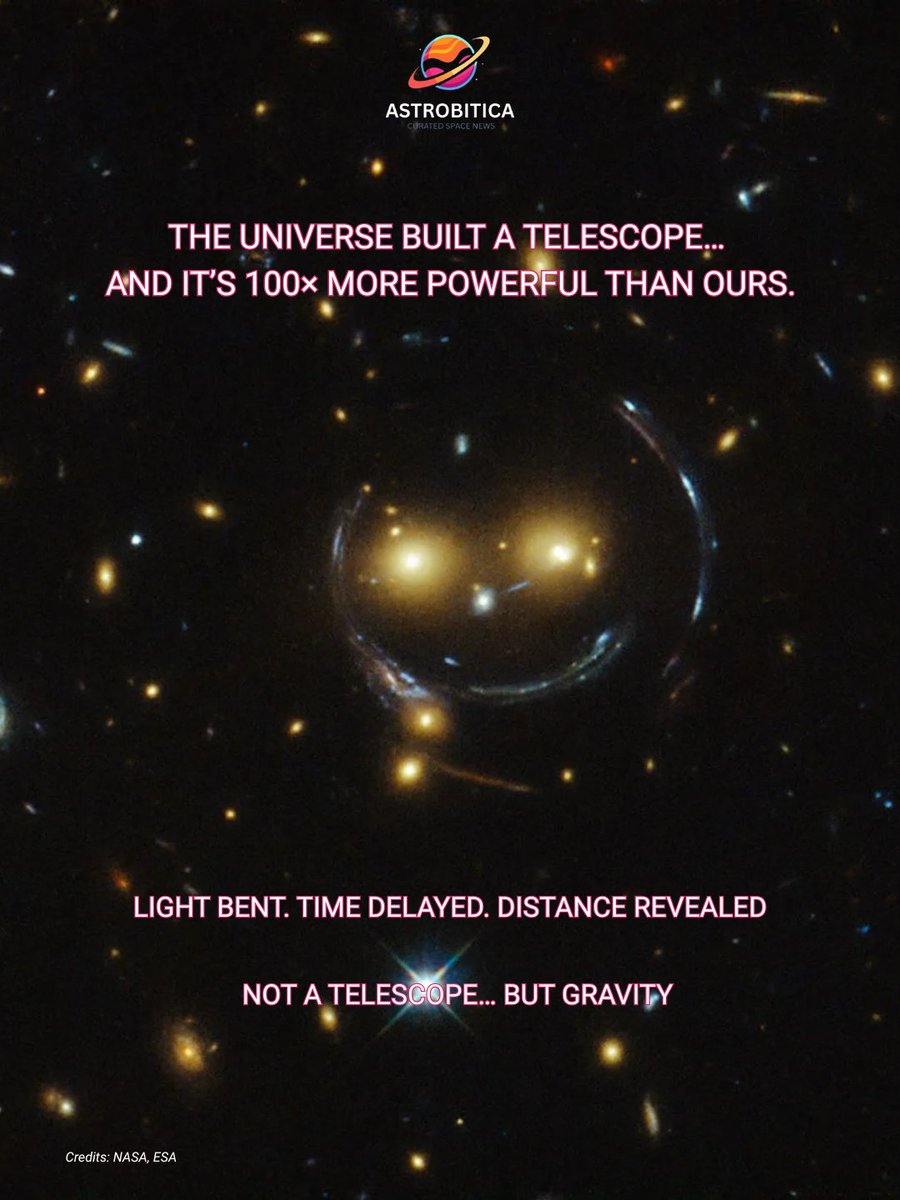
What if the most powerful telescope… isn’t man-made? 🔭 A dying star exploded 9 billion light-years away—far too distant to study. But something incredible happened. A massive galaxy sitting in front of it warped spacetime, bending and amplifying the light like a natural cosmic lens. This effect—called gravitational lensing—boosted the brightness of the supernova by up to 100×. Suddenly, the impossible became visible. Even more mind-blowing? We’re not seeing just one image… We’re seeing multiple versions of the same explosion, arriving at different times due to how gravity bends both light and time. This single event could help scientists measure how fast the universe is expanding. A star died billions of years ago… And it’s still teaching us how the universe works today. 🌌 #SpaceFacts #Cosmology #GravitationalLensing #JWST #NASA #UniverseExplained #AstroPhysics #SpaceDiscovery #DeepSpace #ScienceContent #DidYouKnow #CosmicWonder #ExploreSpace
Astrobitica tweet media
English
0
0
0
7
Astrobitica
Astrobitica@Astrobitica·
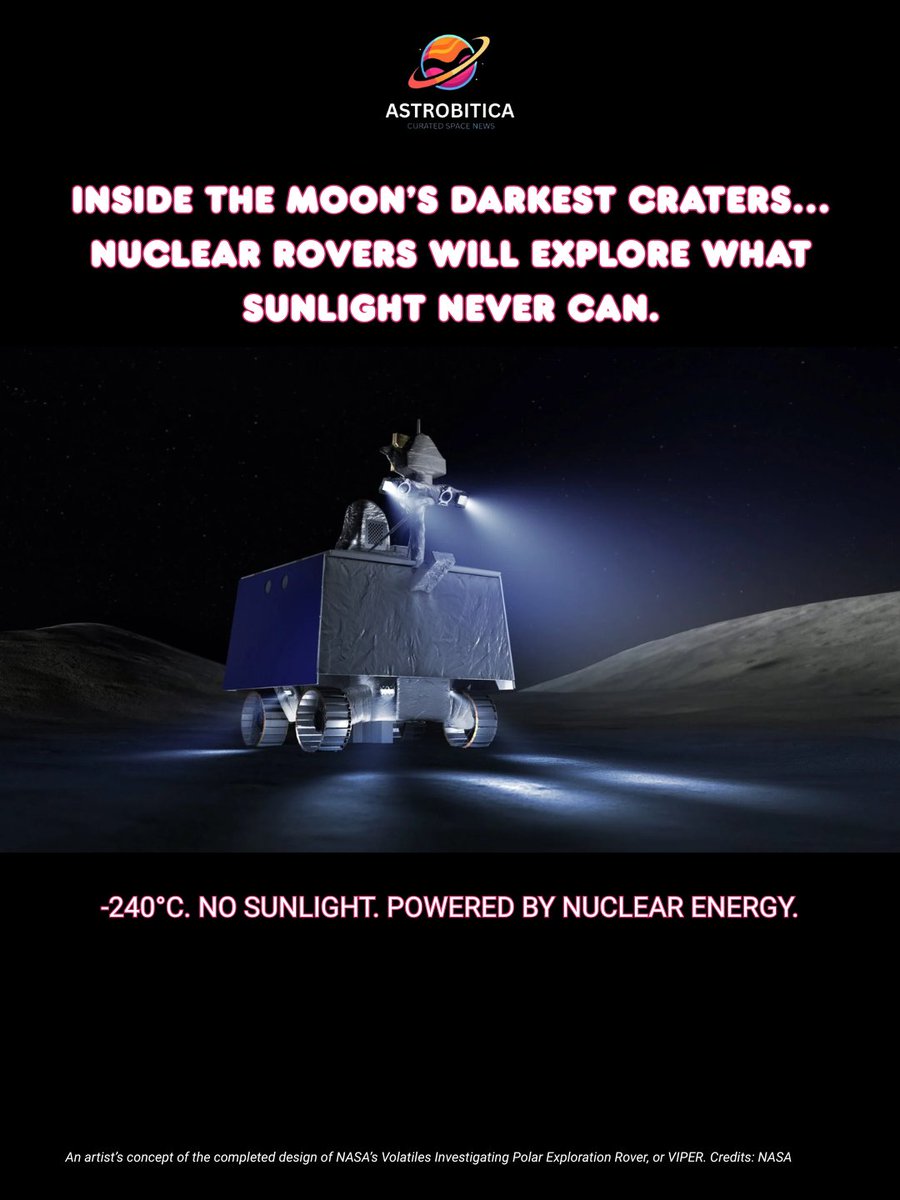
What if the Moon’s most valuable secrets are hidden… in total darkness? 🌑 Deep inside lunar craters that never see sunlight, temperatures drop below -240°C—cold enough to freeze time itself. These regions may hold ancient water ice and untouched records of the early Solar System. But there’s a problem: ☀️ No sunlight = no solar power 📡 Limited communication ❄️ Extreme cold that kills most tech So how do we explore them? The answer: nuclear-powered rovers. Using radioisotope energy systems, future missions could land directly inside these shadowy craters—unlocking resources for long-term lunar living and rewriting what we know about space history. This isn’t just exploration. This is preparation for humanity’s future on the Moon. 🚀 #SpaceExploration #MoonMission #NASA #ArtemisProgram #SpaceTechnology #FutureOfSpace #LunarExploration #AstroFacts #ScienceExplained #CosmicCuriosity #SpaceContent #DidYouKnow #ExploreTheUnknown
Astrobitica tweet media
English
0
0
0
4
Astrobitica
Astrobitica@Astrobitica·
🌍✨ What you see from Earth isn’t the true universe… It’s the universe through our atmosphere. Air currents constantly bend and scatter light, causing: • Stars to twinkle • Images to blur • Details to fade That’s why distant objects don’t look as sharp as they really are. Our atmosphere protects us… but it also distorts our view. 📌 Save this simple truth 💬 Did you know twinkling is caused by Earth’s air? 🚀 Follow Astrobitica for space truths made simple #Atmosphere #Astronomy #SpaceFacts #ScienceExplained #Stargazing #CosmicPerspective #UniverseExplained #Astrobitica
English
0
0
0
6
Astrobitica
Astrobitica@Astrobitica·
🔭 Ground vs space telescopes — same universe, different clarity Both are built to explore the cosmos… but they don’t see it the same way. On Earth: • Light passes through the atmosphere • Images get blurred and distorted • Some wavelengths are blocked completely In space: • No atmosphere • Sharper, clearer, more detailed images • Access to more types of light But there’s a trade-off: • Ground telescopes = easier to build and upgrade • Space telescopes = harder to launch, but far more powerful Same universe. Completely different view. 📌 Save this comparison 💬 Which would you choose to look through? 🚀 Follow Astrobitica for space clarity that changes how you see the cosmos #SpaceTelescopes #Astronomy #SpaceFacts #ScienceExplained #CosmicPerspective #UniverseExplained #Astrobitica
English
0
0
0
4
Astrobitica
Astrobitica@Astrobitica·
What if you could see what’s hidden in space? Infrared telescopes can. Instead of visible light, they detect heat — infrared radiation emitted by objects. That means they can: • See through dust clouds that block normal telescopes • Reveal newborn stars and hidden galaxies • Detect cooler objects that don’t shine in visible light Infrared doesn’t just show more… It shows what was invisible. 📌 Save this if this changed how you see space 💬 Would you rather see visible light or infrared? 🚀 Follow Astrobitica for discovery methods that reveal the unseen #Infrared #SpaceTelescopes #Astronomy #SpaceFacts #ScienceExplained #CosmicPerspective #UniverseExplained #Astrobitica
English
0
0
0
7
Astrobitica
Astrobitica@Astrobitica·
🔭 Why put telescopes in space? Because Earth gets in the way. Our atmosphere blurs, blocks, and distorts light, limiting what we can see. Space telescopes orbit above it all, giving us: • Sharper images • Deeper views of the universe • Access to infrared, ultraviolet, and other invisible light No atmosphere. No distortion. Just a clear view of the cosmos. That’s how we see distant galaxies, newborn stars, and the early universe. 📌 Save this for perspective 💬 Did you know Earth blocks parts of the universe from us? 🚀 Follow Astrobitica for space clarity that changes how you see the cosmos #SpaceTelescopes #Astronomy #SpaceFacts #ScienceExplained #CosmicPerspective #UniverseExplained #Astrobitica
English
0
0
0
6