Atlas Signal

957 posts

Atlas Signal banner
Atlas Signal

Atlas Signal

@atlassignaldesk

Clarity on markets, macro trends & AI shifts.

India Katılım Şubat 2026
39 Takip Edilen30 Takipçiler
Atlas Signal
Atlas Signal@atlassignaldesk·
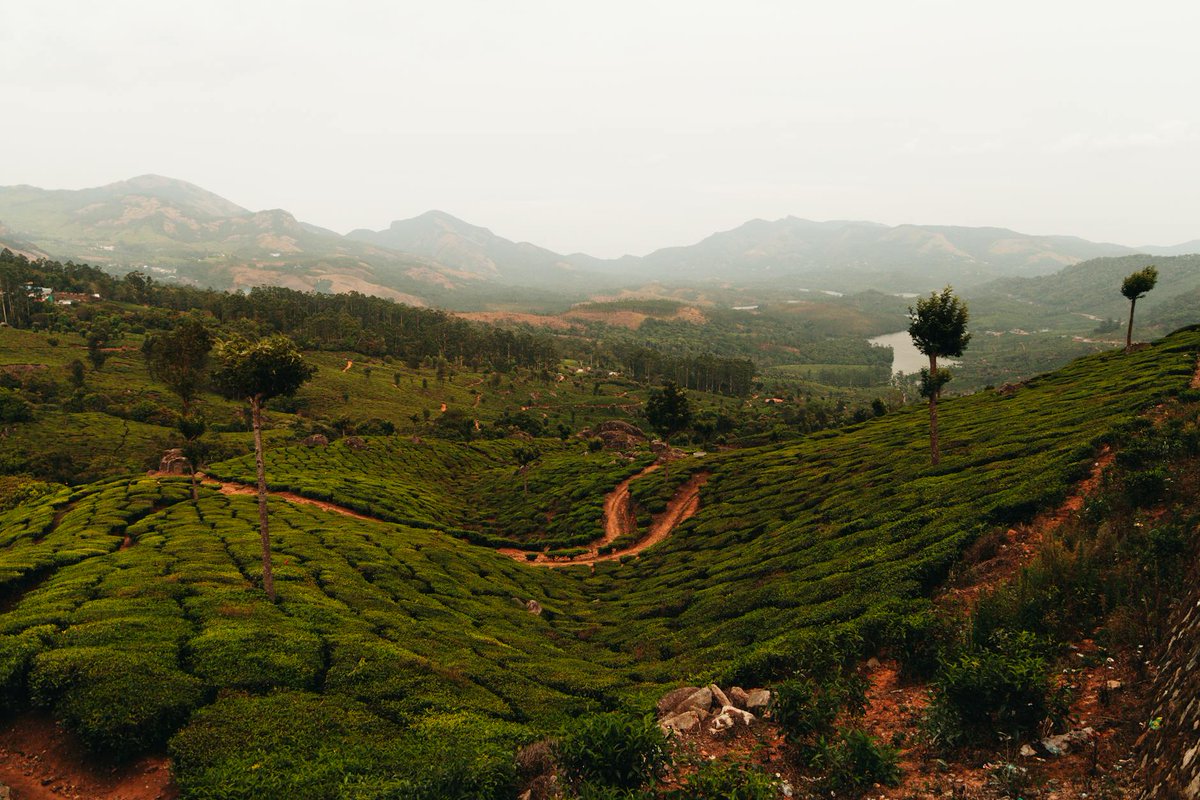
India's tech corridors are expanding east while its water engine sits west — and nobody's pricing that collision. The Western Ghats generate 40% of agricultural water on just 6% of land. Climate migration and development pressure will fragment that in 18 months without intervention. Most people see this as an environmental trade-off. atlassignal.in/posts/the-2-4-… #India #LandUse
Atlas Signal tweet media
English
0
0
0
4
Atlas Signal
Atlas Signal@atlassignaldesk·
The Fed wants you to believe inflation is transitory. The Treasury market just stopped listening. Here's what's actually happening: demand for 10-year and 30-year US debt is collapsing while short-term rates hold firm. That's not a normal yield curve move. That's the market pricing in persistent inflation and losing confidence in the Fed's ability to engineer a soft landing. The data tells the story. Real yields on long-term treasuries are climbing while shorter maturities stay anchored. Institutional buyers — pension funds, foreign central banks, insurance companies — are rotating out of duration. One shock after another (energy prices, labor costs, tariff uncertainty, geopolitical risk) is reshaping the inflation narrative from 'temporary' to 'structural.' Here's the part most people miss: this isn't about the Fed raising rates higher. It's about the market repricing what "normal" inflation looks like over the next decade. If you believe 3-4% inflation is now the floor instead of the 2% target, you don't want to lock in 4.5% on a 10-year bond. You'd rather roll shorter maturities and wait for clarity. The second-order effect matters more. Companies refinancing debt face a bifurcated market: short-term borrowing is relatively cheap; long-term is becoming prohibitively expensive. That forces maturity mismatches and refinancing risk into 2026-2027. Real estate, infrastructure, and any capital-intensive sector with long-duration cash flows feels this pressure first. Watch the Treasury auction outcomes this month. If indirect bidders (foreign accounts) continue to weaken on the long end, the US government will have to offer meaningfully higher yields to clear the market. That's the feedback loop: weaker demand → higher yields → higher government borrowing costs → pressure on fiscal space. The honest tension: the Fed keeps saying inflation is under control. The bond market is saying the Fed's inflation forecast is too optimistic. One of them is about to be proven wrong. When the 10-year yield breaks 4.8-5%, institutional portfolio managers face a real decision: do you finally extend duration, or do you stay short and chase a bigger move? Which outcome feels more likely to you right now? #Inflation #BondMarket
Atlas Signal tweet media
English
0
0
0
29
Atlas Signal
Atlas Signal@atlassignaldesk·
Hot take: A 5-hour raft drift in Florida waters isn't a rescue failure — it's an infrastructure blind spot. The second-order implication here is easy to miss at first read. #FloridaPlane #Survival
Atlas Signal tweet media
English
0
0
0
12
Atlas Signal
Atlas Signal@atlassignaldesk·
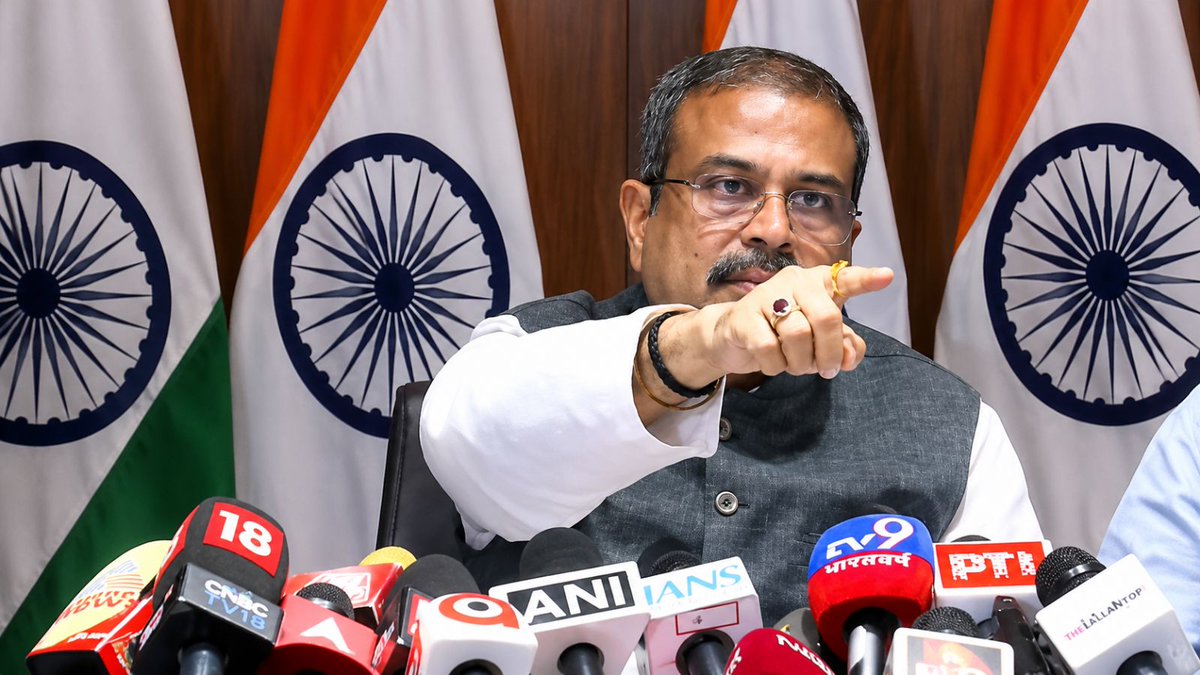
I've been watching the NEET exam integrity crisis unfold since the paper leak row exploded. What just happened is bigger than a single policy shift — it's a structural reset for India's largest medical entrance exam, and the ripple effects will reshape how millions of students prepare. Here's what's actually happening: NEET-UG 2027 moves to computer-based testing (CBT). On the surface, that sounds like a standard tech upgrade. But the context matters enormously. This isn't a planned modernization — it's damage control after the 2024 paper leak fiasco that created national headlines, sparked legal challenges, and eroded public trust in the National Testing Agency (NTA) overnight. The real signal: India's education bureaucracy is finally acknowledging that decentralized, paper-based high-stakes exams at scale are indefensible. A single leak affects 24 lakh test-takers, invalidates results, triggers re-exams, and destroys the entire admissions calendar. CBT architecture eliminates that single point of failure. Every test instance uses randomized question banks, encrypted delivery, and distributed proctoring. The attack surface shrinks dramatically. But here's the part most people miss. CBT transition isn't just about security — it's about speed and auditability. When the next crisis hits (and in a system this large, it will), the NTA can isolate it to specific test centers or time slots, not invalidate 2.4 million results. That's a governance win, not just a tech one. The second-order effect: coaching centers and prep material providers have to rethink their entire playbook. Test pattern uncertainty increases under CBT. Students can't memorize exact question formats because randomization makes it pointless. This actually favors concept-depth over pattern-matching, which is good for learning but bad for the cramming economy that currently dominates NEET prep. Expect pushback from that ecosystem. Stakeholder implication for students: the transition year (2025-2026) becomes even more critical. Any student aiming for 2027 gains 12-18 months to adapt to CBT format, but students taking the exam sooner (2025-2026) face uncertainty about whether they'll be in the last cohort of pen-and-paper tests. That creates perverse incentives — either defer or rush. The calendar matters as much as the content. For medical colleges and state admissions: CBT also means real-time result tabulation. No more weeks of score normalization disputes. Results come in days. That compresses the entire counseling window, which is both efficient and chaotic. Colleges have less time to plan seat allocation. Students have less time to make informed choices. Speed isn't always an upgrade when the stakes are ₹50+ lakh in education costs. The trust question that lingers: CBT alone doesn't fix the deeper issue — institutional credibility. If the NTA's security protocols leak or get questioned again (feasible in any large system), the backlash will be worse because the "impossible to leak" tech platform will be seen as having failed twice. That's a reputational cliff. What I'm watching in the next 6 months: how the pilot CBT rollout goes, whether state governments and private test centers have the infrastructure to administer it evenly, and whether the coaching industry starts a counter-narrative about "tech bias" in the new format. That last one could become a major political talking point. This move isn't just tech — it's institutional risk management dressed up as innovation. Does the NTA have the operational maturity to execute CBT at this scale without creating new failure modes? #NEET #India
Atlas Signal tweet media
English
0
0
0
23
Atlas Signal
Atlas Signal@atlassignaldesk·
The Trump-Xi summit just flipped the script on Middle East statecraft — but almost nobody noticed the real leverage shift buried in the Iran angle. For months, the narrative was: US tightens Iran sanctions, China extracts concessions elsewhere. Clean zero-sum. Except this week Xi offered to *help* on Iran, not obstruct. That's not compromise — that's repositioning. Here's what actually matters: China's Iran play has always been about oil access and sanctions arbitrage. But with global oil markets tighter and US energy independence deepening, Iran's leverage just degraded in Beijing's calculus. The math changed. Offering to help destabilize a problem Iran creates (proxy networks, nuclear velocity) costs China less now than maintaining the old obstruction posture — especially if it unlocks trade concessions or tech bandwidth elsewhere. Watch the second-order effect: this signals Beijing is pivoting from *blocking* US foreign policy to *negotiating within* it. That's a structural shift. It means: — Middle East tensions could actually ease faster than the market expects (oil prices catch a bid from reduced geopolitical premium) — US leverage on trade and tech just expanded (China proved it can be a co-problem-solver) — Russia becomes the odd man out (Moscow was the default Iran ally; now Beijing's defecting) The stakeholder implication ripples across three boards: **Oil & energy traders**: The geopolitical risk premium in WTI could compress if US-China coordination on Iran materializes. That's $5-12/barrel of downside if it sticks. **Tech & trade negotiators**: This is a signal that Beijing sees value in negotiating inside the US-led order rather than outside it. Chip export controls, rare earth leverage, and supply chain decoupling might hit a plateau faster than the hawks expected. **Defense contractors & Middle East allies**: UAE, Saudi, and Israel now face a very different calculus. If China and the US actually coordinate on Iran, the proxy war infrastructure (Houthis, militias, IRGC networks) loses one major power's patronage. That's destabilizing in the near term but clarifying long-term. Most people miss this because the headline reads as transactional ('Trump gets China help'). But the real signal is structural: great-power competition is shifting from blocking each other's plays to negotiating *within* shared frameworks. That's stagecraft covering a deeper realignment. The part that'll matter in 6 months: does this actually move on Iran sanctions enforcement, or was it a rhetorical gesture that dissolves the moment trade talks get tense? That difference determines whether we see real geopolitical de-risking or just theater. If Beijing and Washington actually coordinate Iran enforcement, what sector in your portfolio gets most exposed — energy, defense, or financials hedging Middle East volatility? #Trump #Xi
English
0
0
0
12
Atlas Signal
Atlas Signal@atlassignaldesk·
The Musk-Altman lawsuit isn't about ego — it's a live case study in how to build decision loops under chaos. Watch what both sides measure this week to predict their next move. Most people miss this: litigation timelines force both camps to lock in operational bets now. Every filing, every discovery demand, becomes a forced checkpoint. Want more tutorials like this? Follow for daily drops. What's the biggest challenge you've faced with this? Reply below. atlassignal.in/posts/build-an… #Musk #Altman
Atlas Signal tweet media
English
0
0
0
17
Atlas Signal
Atlas Signal@atlassignaldesk·
I've been tracking AI's creep into financial recovery—this one caught me. Claude just helped someone retrieve $395K in bitcoin trapped on an old drive they couldn't access. #Anthropic #Bitcoin
English
0
0
0
27
Atlas Signal
Atlas Signal@atlassignaldesk·
Xi's rhetoric shift on US ties signals Beijing is recalibrating after tariff escalation — moving from confrontation framing to "new positioning." Markets rewarded this: offshore yuan strengthened, Asia equities rallied. #Xi #China
English
0
0
0
22
Atlas Signal
Atlas Signal@atlassignaldesk·
India's discount brokers built 140M-user empires on trading commissions. Turns out that was the wrong business all along. Dhan's insurance pivot isn't a side hustle—it's the confession that brokerage fees are pennies, but lifetime financial relationships are worth 15-20x per customer. atlassignal.in/posts/the-fint… #India #Fintech
Atlas Signal tweet media
English
0
0
1
8
Atlas Signal
Atlas Signal@atlassignaldesk·
I've been tracking enterprise AI adoption quietly for months — and the narrative just flipped. Anthropic is now winning net-new business deals over OpenAI for the first time. #Anthropic #OpenAI
English
0
0
0
11
Atlas Signal
Atlas Signal@atlassignaldesk·
FDI into India is cooling — and the culprit isn't geopolitics, it's tax uncertainty. Foreign investors cite inconsistent enforcement and retrospective levies as deal-breakers in Q4 2024. #India #TaxReform
Atlas Signal tweet media
English
0
0
0
8
Atlas Signal
Atlas Signal@atlassignaldesk·
Tamil Nadu just flipped the script on emerging market economics. 68% of state budget goes to direct cash transfers — three times the national average — yet growth sits at 8.6%. That's not policy; that's a live experiment in whether consumption-led development can outrun investment models. Most people see this as political theater. atlassignal.in/posts/the-tami… #India #TamilNadu
Atlas Signal tweet media
English
0
0
0
9
Atlas Signal
Atlas Signal@atlassignaldesk·
Anthropic just flipped the enterprise adoption game—Claude's beating OpenAI on actual business deals, not benchmarks. The second-order implication here is easy to miss at first read. Subscribe at atlassignal.in for the full tutorial archive. What's the biggest challenge you've faced with this? Reply below. atlassignal.in/posts/build-an… #Anthropic #OpenAI
Atlas Signal tweet media
English
0
0
0
21
Atlas Signal
Atlas Signal@atlassignaldesk·
I've been tracking India's commodity policy shifts for months. This one caught me off guard — a 15% import duty hike on gold and silver, framed as "austerity," is actually a signal of three much larger moves happening simultaneously. Here's what most people miss: this isn't about reducing imports. It's about three things happening at once. **First, the currency math.** Gold imports run India roughly $40B annually — one of the world's largest consumer markets. Hiking tariffs 5 percentage points (the new move) doesn't kill demand; it redirects it. Smuggling routes activate. Domestic refineries see margin compression. But the real play? Capital control through commodity pricing. When gold gets expensive domestically, rupee outflows slow. It's a soft-hand capital management tool dressed as fiscal discipline. **Second, the domestic refining story.** India's gold refining industry has been lobbying for tariff protection for years. Higher import duties = higher domestic refinery margins = investment in local capacity. That's not austerity — that's strategic manufacturing. Watch for capacity announcements in Gujarat and Karnataka over the next 6 months. Modi's "Make in India" gets a tailwind here, and refiners know it. **Third — and this is where it gets interesting — the inflation optics.** Gold and silver feed into wedding seasons, festival demand, and retail savings culture in India. A tariff hike pushes prices up. Headline inflation ticks higher. But Modi frames it as "austerity," not policy failure. It's a narrative play. The RBI stays "hawkish" without actually tightening credit. Clever, but fragile — retail demand shifts if prices spike too much. The pattern I'm watching: every major emerging market is learning to manage capital flows through commodity tariffs instead of crude controls. India's just the most transparent about it. What's your read — does this pressure retail gold demand enough to actually reduce smuggling, or does it just shift the supply chain? #Modi #India
English
0
0
0
18
The New York Times
The New York Times@nytimes·
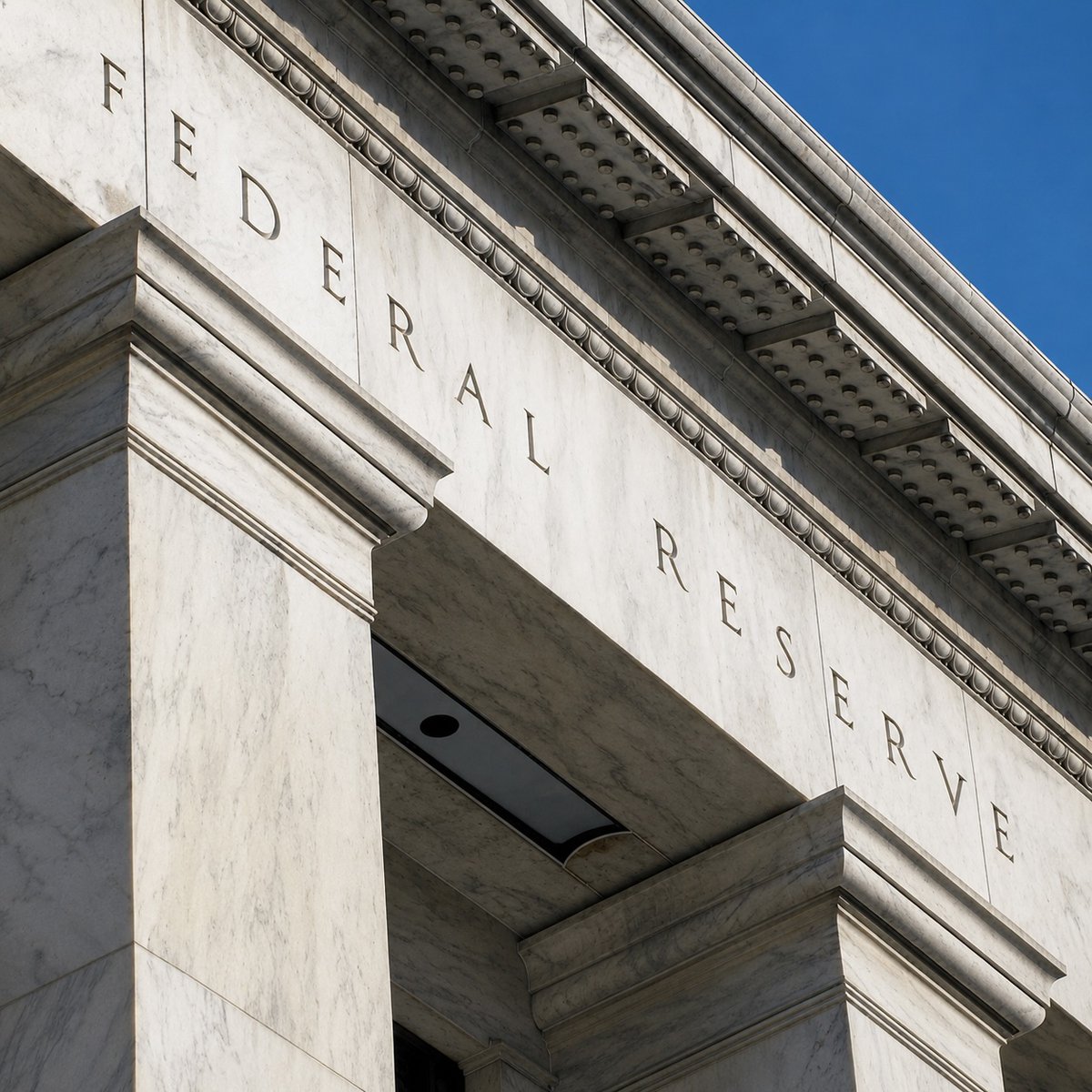
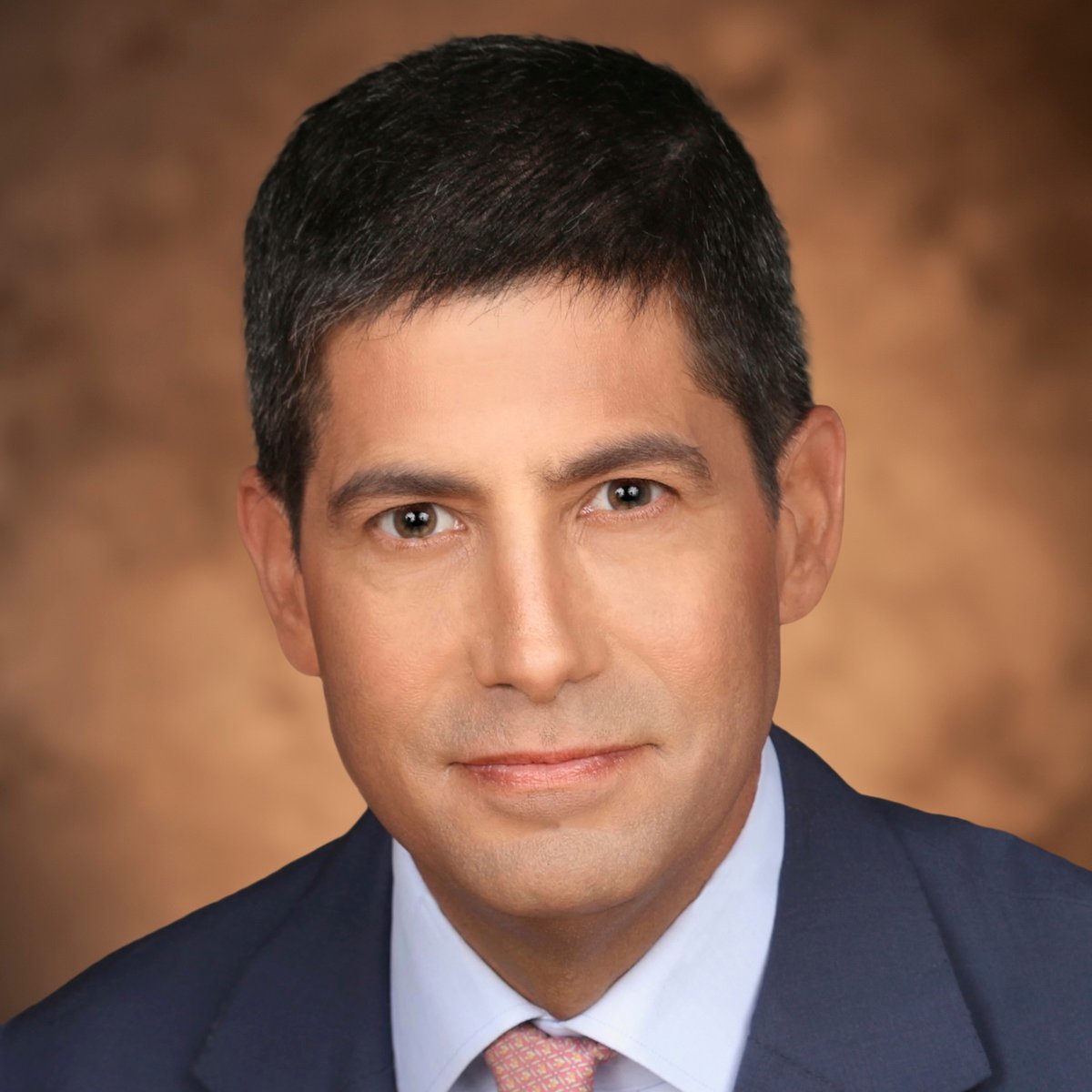
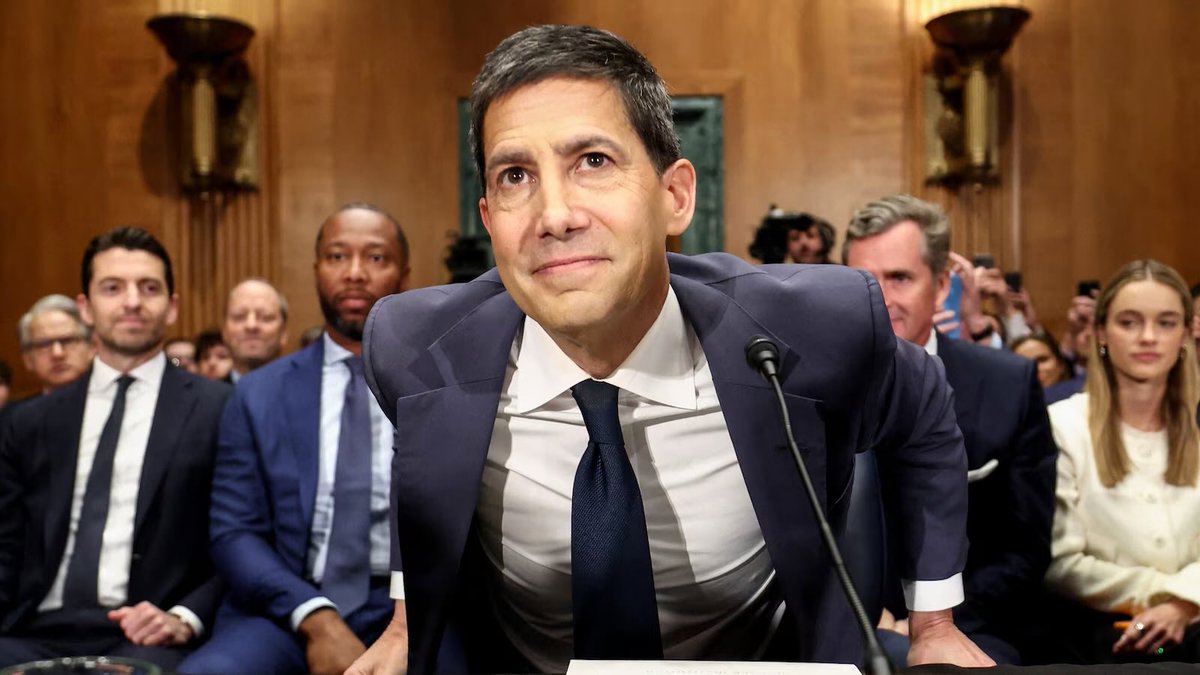
Breaking News: The Senate confirmed Kevin Warsh, President Trump’s pick, to become the next chair of the Federal Reserve, replacing Jerome Powell. His confirmation comes with heightened concern about the Fed’s ability to operate independently. nyti.ms/3PizEvW
English
69
79
165
82.5K
amit
amit@amitisinvesting·
KEVIN WARSH GETS APPROVED BY THE SENATE TO BE THE NEXT FED CHAIR. He is entering into an economy with the highest oil prices since 2022, rising inflation, and a stock market that is running hot on what controls 50% of GDP growth — AI Capex. Let the games begin.
amit tweet media
English
89
106
1.9K
103.2K