
Augusto Del Noce
3.3K posts
Augusto Del Noce
@AugustoDelNoce
Italian Catholic philosopher (1910-1989).
Katılım Nisan 2019
1 Takip Edilen3.7K Takipçiler
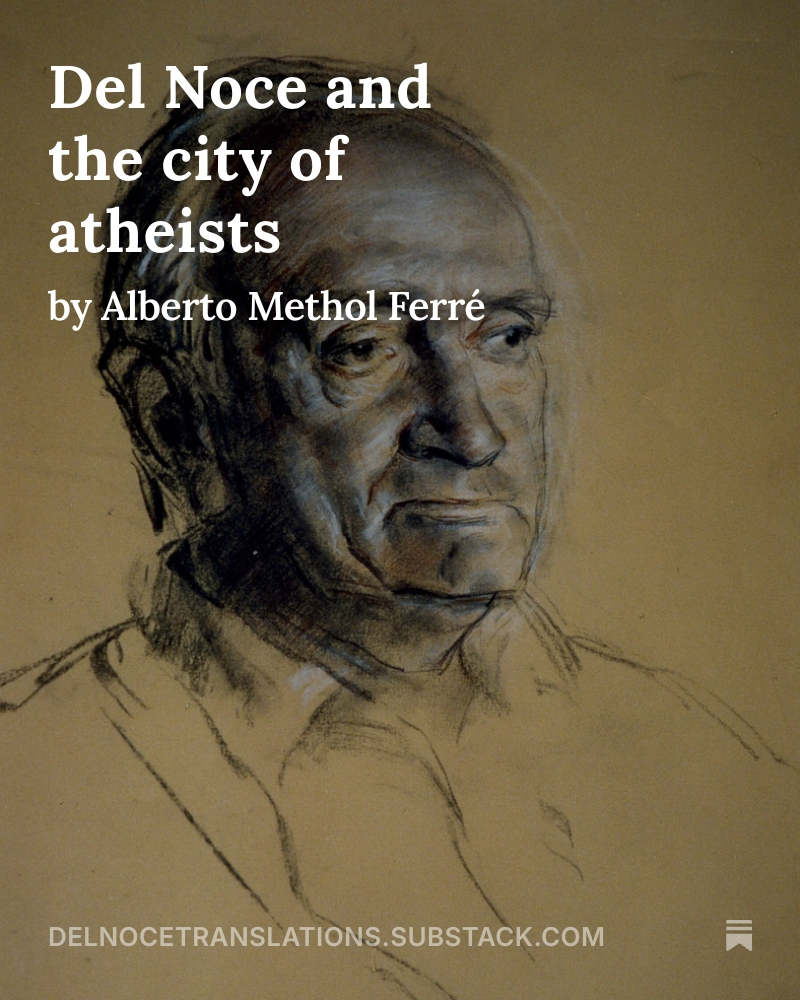
[Note from the editor: a new Substack dedicated to translations of Del Noce is now available. Please see the link below. About sixteen otherwise untranslated excerpts by or related to Del Noce are available, including this intellectual appreciation by one of his disciples.]
English
European civilization rose on the principle of a world of universal and eternal truths, in which all men participate—on the principle of the Logos, in other words.

English
The first condition for the eclipse of traditional values to end and for Catholicism to come out of its crisis is that the Church take up again its function, which is not to conform to the world but to oppose it.
English
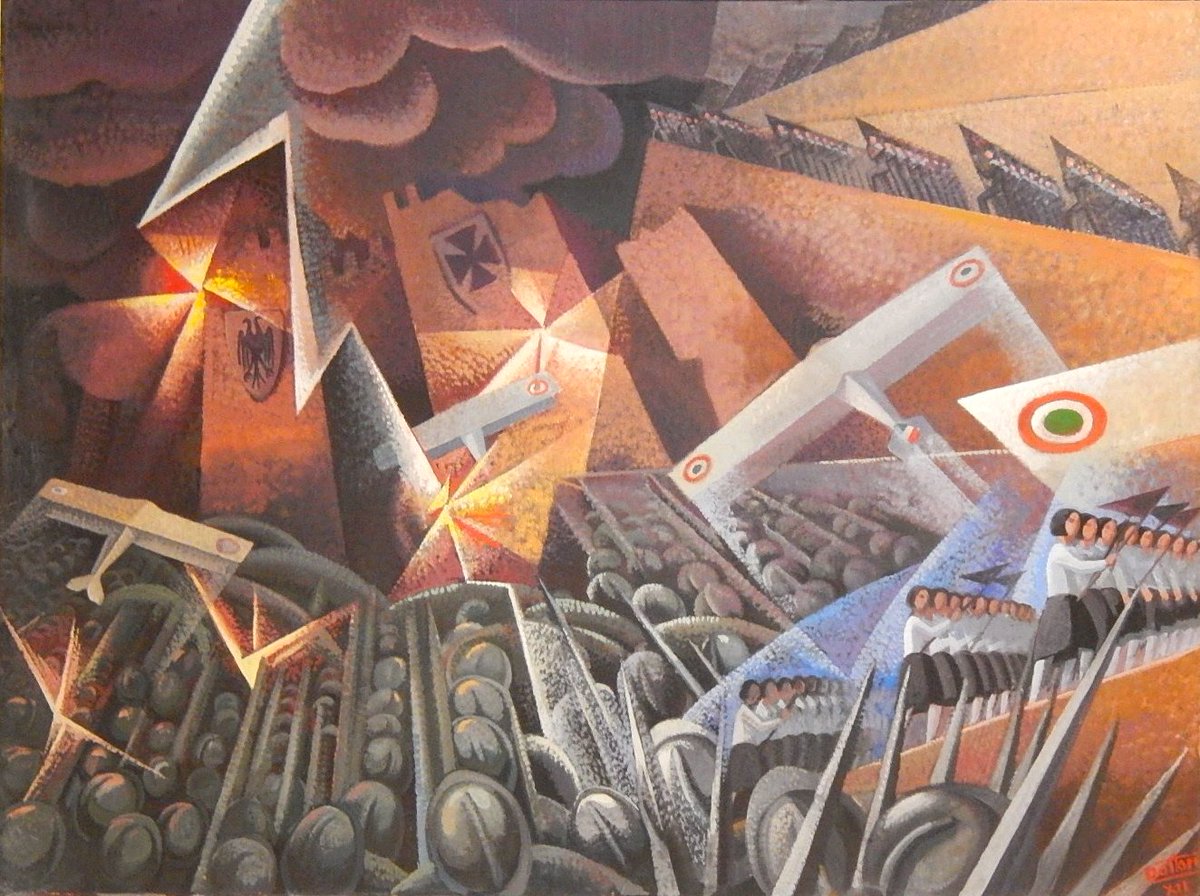
The First World War was understood, especially in Italy, as a war against the remnants of the Middle Ages, the Habsburg Empire and at the same time, even if indirectly, against the Catholic Church.
English
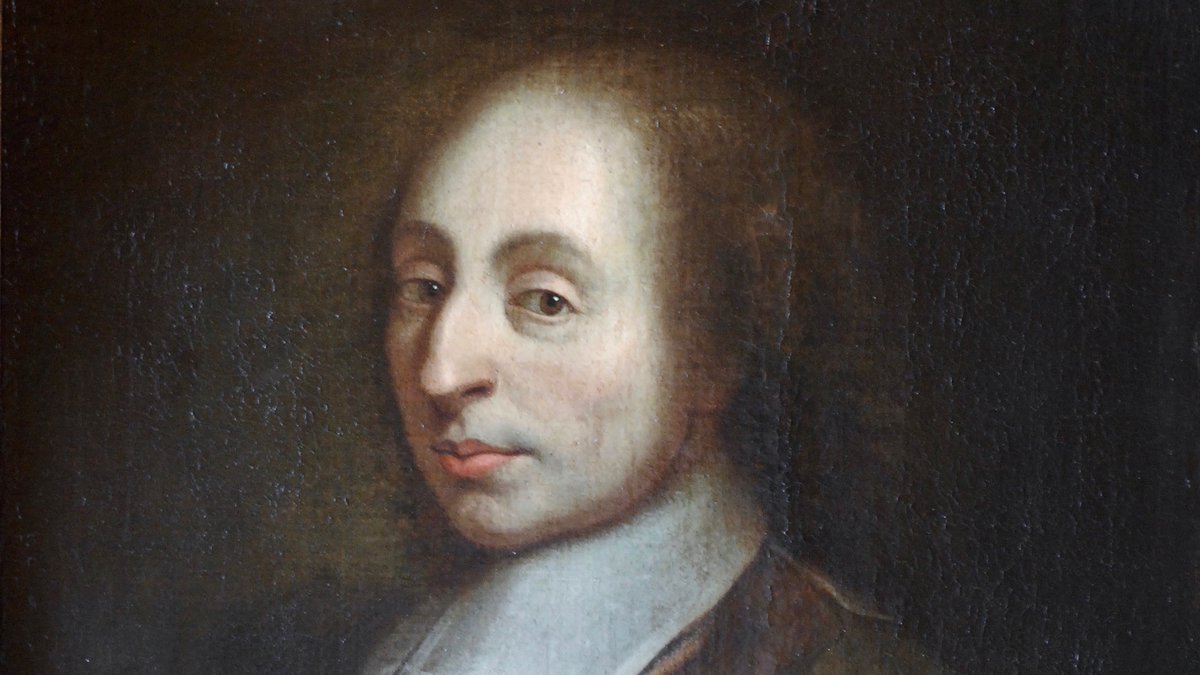
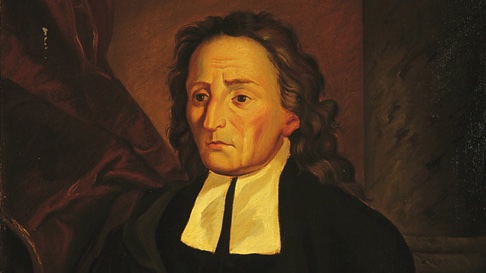
Four philosophers of the first rank belong by their faith to the Catholic Reformation while also being ascribed to modern philosophy: Descartes, Pascal, Malebranche and Vico.


English
Negative atheism has an aristocratic character. It gives rise to the formation of narrow groups, of sects; in the extreme case we have individualism as criminalism in de Sade.
English
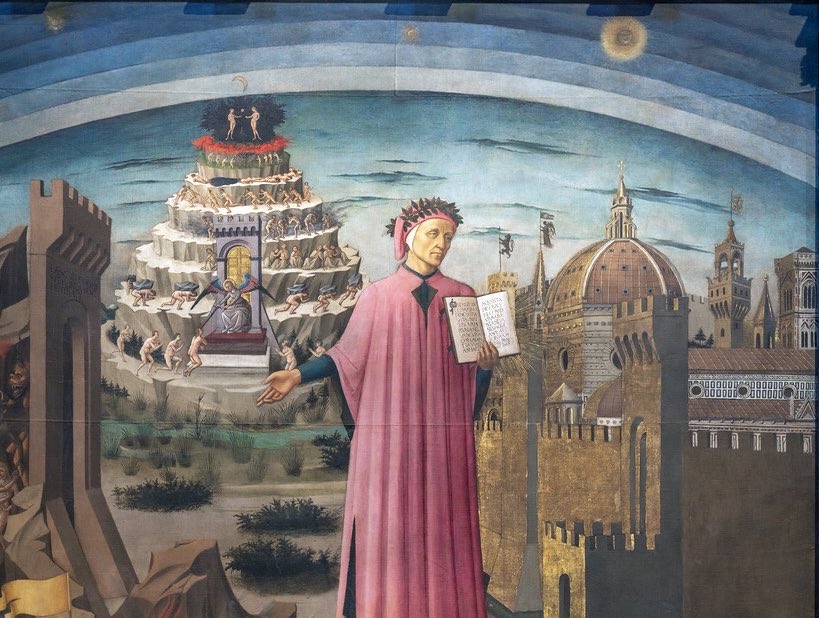
What else is Dante’s 𝘊𝘰𝘮𝘦𝘥𝘺 if not the poem of order viewed as the immanent form of the universe?
English
“When a society starts pursuing an effeminate ideal, ‘women’ and ‘men’ themselves gradually abandon the leading elites, and take refuge among the common people. The field is taken over by ‘males’ and ‘females’, by pederasts and lesbians.” (Noventa)
English
“As soon as men know that they can kill without fear of punishment or blame, they kill; or at least they encourage killing with approving smiles.” (Simone Weil to Georges Bernanos)
English
The physical tortures of Sade’s novels, which have not coincidentally become idols of our time—a sort of Divine Comedy appropriate to the new civilization—will be seen as symbols of spiritual torture.
English
If we read the main encyclicals of Leo XIII in the logical and non-chronological order in which he himself arranged them in his apostolic letter ‘Vigesimo quinto anno’, one realizes that he was “the greatest Christian philosopher of the nineteenth century” (Gilson).

English
Vico arrived at a conception of Providence that fully agrees with that of St Thomas, in the sense that it affirms both the most intimate presence of Providence at every moment of nature and human history and the freedom of will as full autonomy and responsibility of human action.
English
“Even if it is not a divinity, Rome is a vehicle or an instrument of the divine. It is the only political form that coincides with the divine structure of the world. It establishes political peace. It turns plurality into unity.” (Pelayo)
English
For Descartes the characteristic of error is to replace the illumination of truth with one’s own voluntary preferences.
English
Descartes did not dedicate himself to philosophy because of a particular taste or because he felt a moral obligation to do so, but because in the real conditions of his existence he could not do without it, if he even wanted to give his life a meaning.
English
For Descartes mathematical knowledge has above all an exemplary value, the example of a rigorous science; it serves to prove that the human spirit has the capacity to reach the truth, and to free us, therefore, from skepticism.
English
The plurality and apparent irreconcilability of philosophical systems—the history of philosophy, in short—may seem to be proof that it is a vain science. The truth can only be one and philosophies are many; therefore what do they amount to if not opinions?
English