Jago J Awang

1.3K posts

Jago J Awang banner
Jago J Awang

Jago J Awang

@AwangBoi

Founder of Juba Notes Publications Writer,Poet,Novelist,Translator, and Medical Doctor by Profession. believe in better 🇸🇸❤

Juba-south Sudan Katılım Ocak 2019
385 Takip Edilen1.1K Takipçiler
Jago J Awang
Jago J Awang@AwangBoi·
Trying same scenario and waiting for deferent results is completely an act of mindkruptcy. It seems like Post Garang'SPLM learned nothing during CPA apart from NCP tactics, which also experienced and yielded nothing but collapsed of Sudan itself...it's SPLMNCP era #ssox
English
0
1
0
31
Jago J Awang
Jago J Awang@AwangBoi·
Such a Love Can't stop admiring Uncle Prof Peter Nyaba for this unwavering support to Mam Abuk political career, especially in this critical time which requires nothing more than wisdom and continues support. massive congratulations to Rt.Hon Mama Abuk wishes her all the best
English
0
0
0
34
Jago J Awang
Jago J Awang@AwangBoi·
"no nation bound to survive can be built and maintained on illusions" 1965-voice-of-southern-sudan #ssox
English
0
0
3
122
Jago J Awang
Jago J Awang@AwangBoi·
"Failure of leadership" is Called " Laziness of Citizens" in SPLM dictionary what a painful joke 🥹
English
0
0
1
22
Jago J Awang
Jago J Awang@AwangBoi·
"no nation bound to survive can be built and maintained on illusions" 1965-voice-of-southern-sudan
English
0
0
1
39
Jago J Awang
Jago J Awang@AwangBoi·
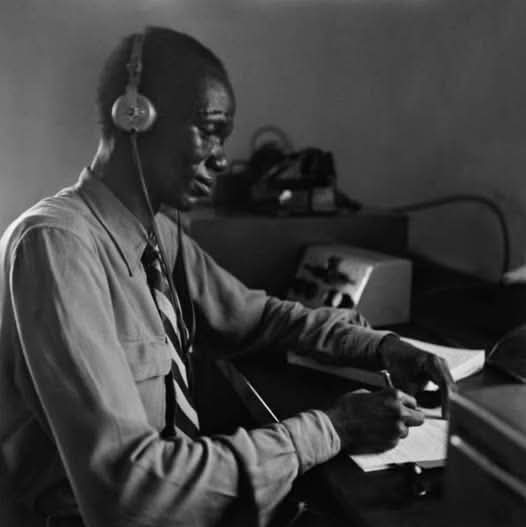
Radio signal worker in Malakal Airport 1955 #ssox
Jago J Awang tweet media
English
0
0
2
137
Jago J Awang
Jago J Awang@AwangBoi·
What agood news 😊 I can't afford tolerating those choose to celebrate their winning by dishonesting Lumumba'Memory Thanks Adamz Thanks Nigeria 🇳🇬
Jago J Awang tweet media
English
0
0
0
43
Jago J Awang
Jago J Awang@AwangBoi·
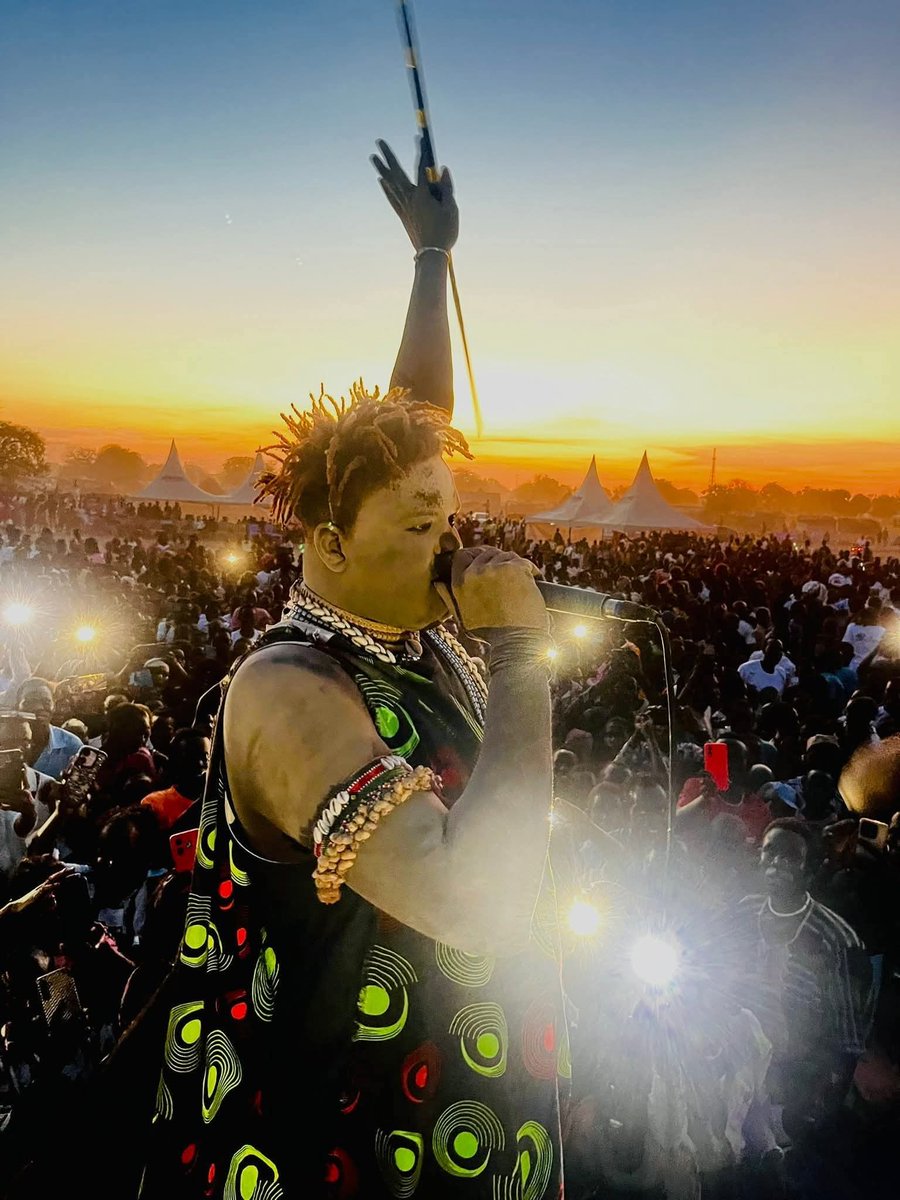
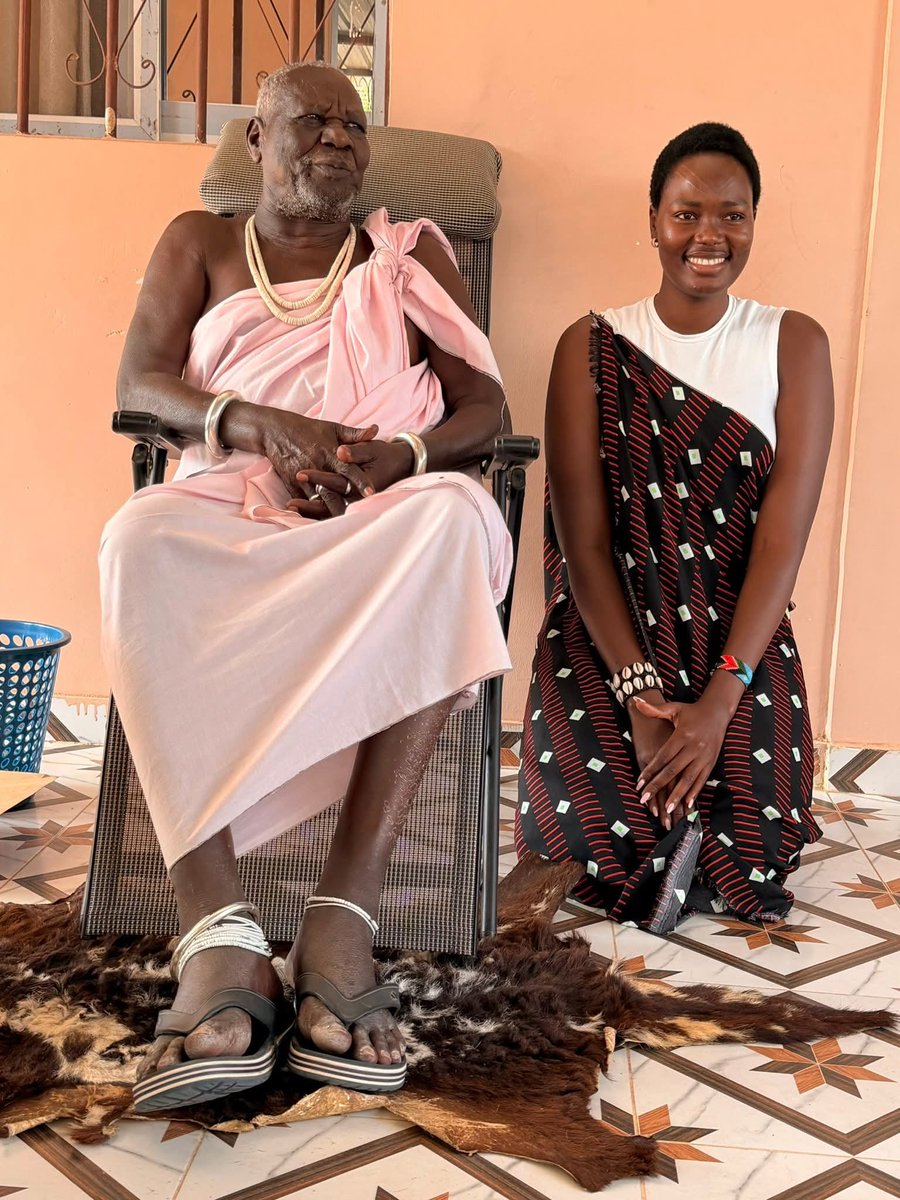
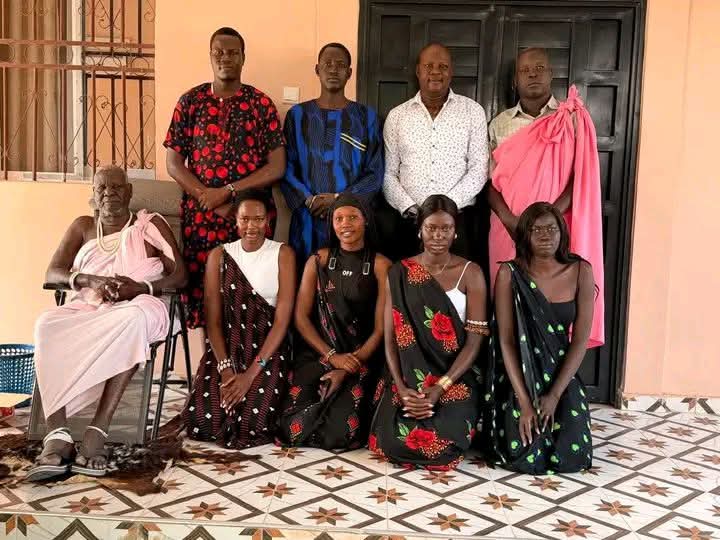
#Mundari_Cultural_Festival The High Committee of the Mundari Cultural Festival, led by Bush Buse, paid a courtesy visit to His Majesty, Reth Kwongo, the King of the Collo Kingdom (Shilluk), to extend an invitation to His Majesty and the Collo people. His Majesty graciously accepted the invitation and instructed his subjects to prepare and join the Mundari Cultural Festival in Terekeka. He emphasized that we are one people of God and urged everyone to embrace each other. Additionally, he called for intermarriages and the fostering of friendships beyond tribal boundaries. #ssox
Jago J Awang tweet mediaJago J Awang tweet mediaJago J Awang tweet media
English
0
0
0
54
Jago J Awang
Jago J Awang@AwangBoi·
Know Mundari People The Mundari are a subset of the Karo people, one of the Karo ethnic groups. They are known for being cattle-herders and agriculturalists, alongside other Karo people such as the Bari, Pojulu, Kakwa, Kuku, and Nyagwara. Mundari Language: The Mundari language, Kutuk Na Mundari, is similar to Kutuk na Kuku, Kutuk na Kakwa, Kutuk na Pojulu, Kutuk na Bari, and Kutuk na Nyangwara. Mundariland: Trerkeka, Gemeiza, Mangalla, Muni, Tindilo, Yali, Rego, Tijor, Rijor, Koweri, and Nyori are located north of Juba and are centered around the town of Terekeka in the state of Central Equatoria. They are bordered to the north by the Bor Dinka of Pariak and to the south by the Bari of Juba, near Gwerkek, north of Peiti, based on the 1956 British Colonial boundaries. Their lands extend east to the White Nile and west to Laka Ma’di in Western Equatoria State. Mundari men sometimes bathe their hair in cow urine; the uric acid gives the hair a red, yellow, or orange color, which they consider beautiful. The Mundari are located between the largely pastoral Atuot and Aliab Dinka, Bor Dinka, and the agricultural Moru. They have many dialects and are flanked by the Bari-speaking Nyangwara. Historical immigrants gradually established powerful chiefdoms among the Mundari. A Mundari hereditary chief, named after the place where he holds sway, along with other chiefs linked to the shade of a meeting place, rain rites performers, protectors of Shea nut trees, elders, and cattle camp leaders, all have influence. Wider society is organized along male lines, with marriage outside the clan. A landowning lineage of fifteen to twenty men lives in a chain of hamlets, each occupied by an elder, his married sons, their direct dependents, and maternal relatives who have settled with them. Hamlets may or may not form a residential unit called a village. Big Mundari villages have their own water and grazing lands, while smaller ones share resources among minor lineages or small landowning clans. Society is connected through social events in the hamlets and cattle camps, with daily tasks forming new social bonds. The closest ties are with next of kin left behind in the old hamlets, who are the first to be approached in times of need. Individuals are respected and revered for their generosity among the Mundari, with sanctions against greed or parsimony. Unsociable behaviors in prominent elders, like habitually eating at home instead of sharing food in the hamlet or cattle kraal, invite criticism. Sharing is emphasized in Mundari upbringing, with the young learning to be generous through exchanges and passing on items they don't need. Songs and physical arts, like weaponry and body art, are used to correct misconduct in society. The Mundari raise cattle, sheep, and goats, animals with spiritual significance connecting this world to the world of the gods. They are highly religious, believing that God, or Ngun, hears everything people say and assesses their deeds, shaping their lives and social behaviors. The third edition of the Mundari Festival will be held in Terekeka town on January 16th, 17th, and 18th, 2026. __________________ 1- Photos Source; official Page of Mundari Cultural Festival third Edition Jan 2026. 2- Information Source: *Oral History from Terekeka *Ustaz Joseph Abuk One of Mundari Elder *Wikipedia * A shared struggle; the people & culture of South Sudan Copied from Derik Cultural Festival #ssox
Jago J Awang tweet media
English
0
0
0
49
Jago J Awang
Jago J Awang@AwangBoi·
Couldn't be more happy than seeing our Professor #Peter_Marko being finally got recognized and honored by South Sudan Pediatric Association SSPA though has come late it still commendable step taken by SSPA. dedicating his entire life to children's health care and working tirelessly in vulnerable conditions saving lives and training health professionals Prof Peter is living example of humanity in every sanes of word;many parents,Children,caregivers owing him thanks for saving lives in difficult circumstances just to mention to he's using his own money to pay his patients medication #ssox
Jago J Awang tweet mediaJago J Awang tweet mediaJago J Awang tweet media
English
0
0
1
188
Jago J Awang
Jago J Awang@AwangBoi·
National Geographic published 👇 "this image from our Pictures of the Year 2025, Nat Geo photographer Marcus Westberg used a drone to record the planet’s largest land migration—an estimated six million antelope crossing the eastern plains of South Sudan. He called it a "symbol of hope" for a region that has experienced years of civil unrest. National Geographic photographers ventured to places far and wide to capture the year’s most fascinating images. Out of hundreds of thousands of photos, 25 were selected as our Pictures of the Year." See them all here: on.natgeo.com/4oezBwp
Jago J Awang tweet media
English
0
0
1
71
Jago J Awang
Jago J Awang@AwangBoi·
JUBA NOTE'S Publication is not about printing books but enlightening people. That's simply the mission of my upcoming printing house #ssox
Jago J Awang tweet media
English
0
0
1
60
Jago J Awang
Jago J Awang@AwangBoi·
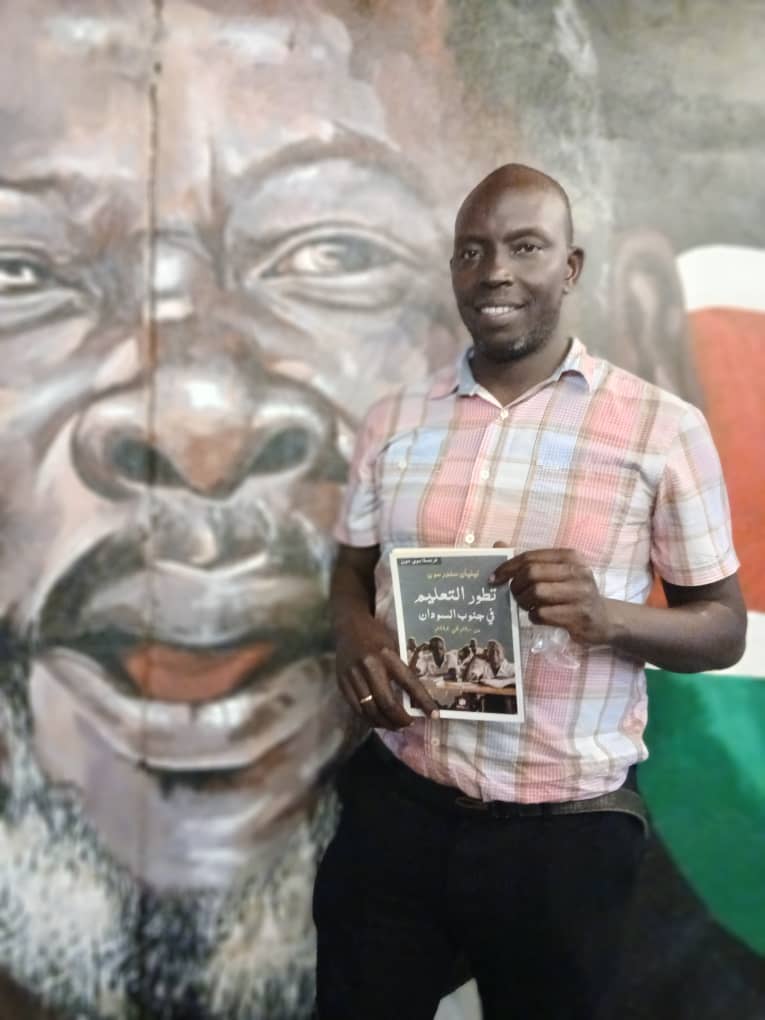
This is what Dr.Gawar Isaac wrote on his timeline about my new translation " Congratulations to my brother, Dr. Jago John Awang on this great achievement. Your translation of this important book demonstrates strong professional skills and a genuine commitment to making knowledge accessible to a wider audience. I encourage you and all translators to continue translating books and important materials, especially in South Sudan, where translation plays a vital role in expanding access to information and promoting a culture of reading in Arabic. Keep up the excellent work." it's worth mentioning that the book is a study by Lilian Sanderson first published in "Sudan Notes and Records " #ssox
Jago J Awang tweet media
English
0
0
0
45