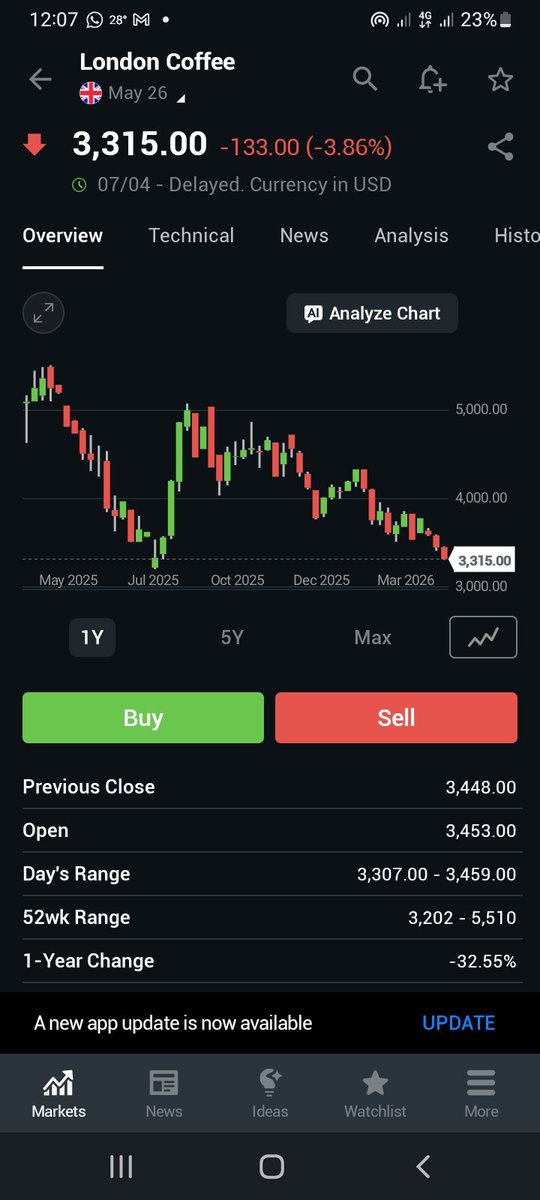
Update on coffee prices: An analysis from the London Stock Exchange shows that a kg of FAQ should be selling at between UGX 11,500 to UGX12,500, while Kiboko should go for between UGX 5,500 to UGX 6,500.
#CoffeeIsTheThing
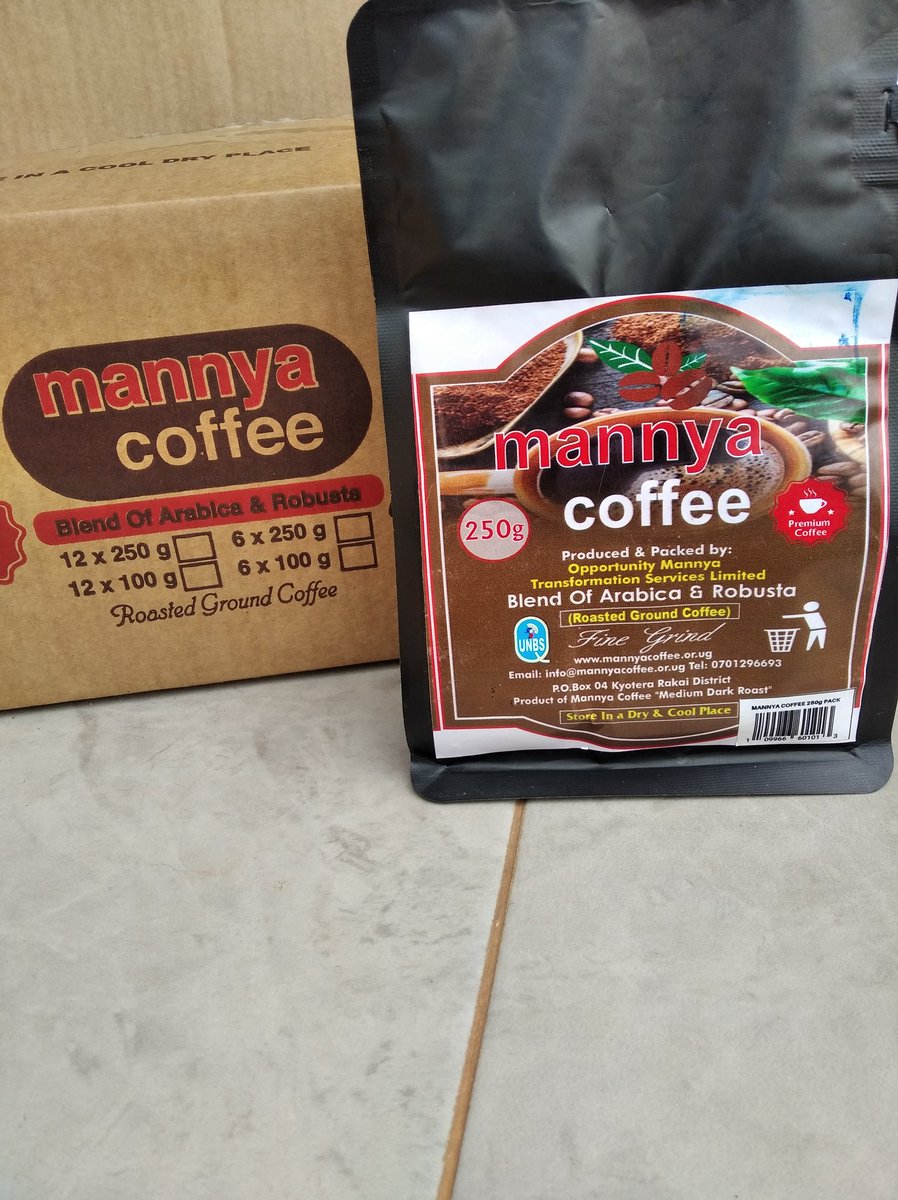
@JackieAkampwera Find MANNYA COFFEE in kampala packaged in 100g, 250g and 500g at unbeatable prices.
Mega standard supermarket Aponye Mall opposite Old Taxi Park
For bulk orders call 0701296693 #CoffeeTime#CoffeeLover#coffee#ugandacoffee
@wekesa_amos@RwenzoriMarathn Find MANNYA COFFEE in kampala packaged in 100g, 250g and 500g at unbeatable prices.
Mega standard supermarket Aponye Mall opposite Old Taxi Park
For bulk orders call 0701296693 #CoffeeTime#CoffeeLover#coffee
FRIDAY MARKET DAY.
Your potential customer(s) might be on my timeline. Showcase your services and products in the comment section!
#FridayMarketDay
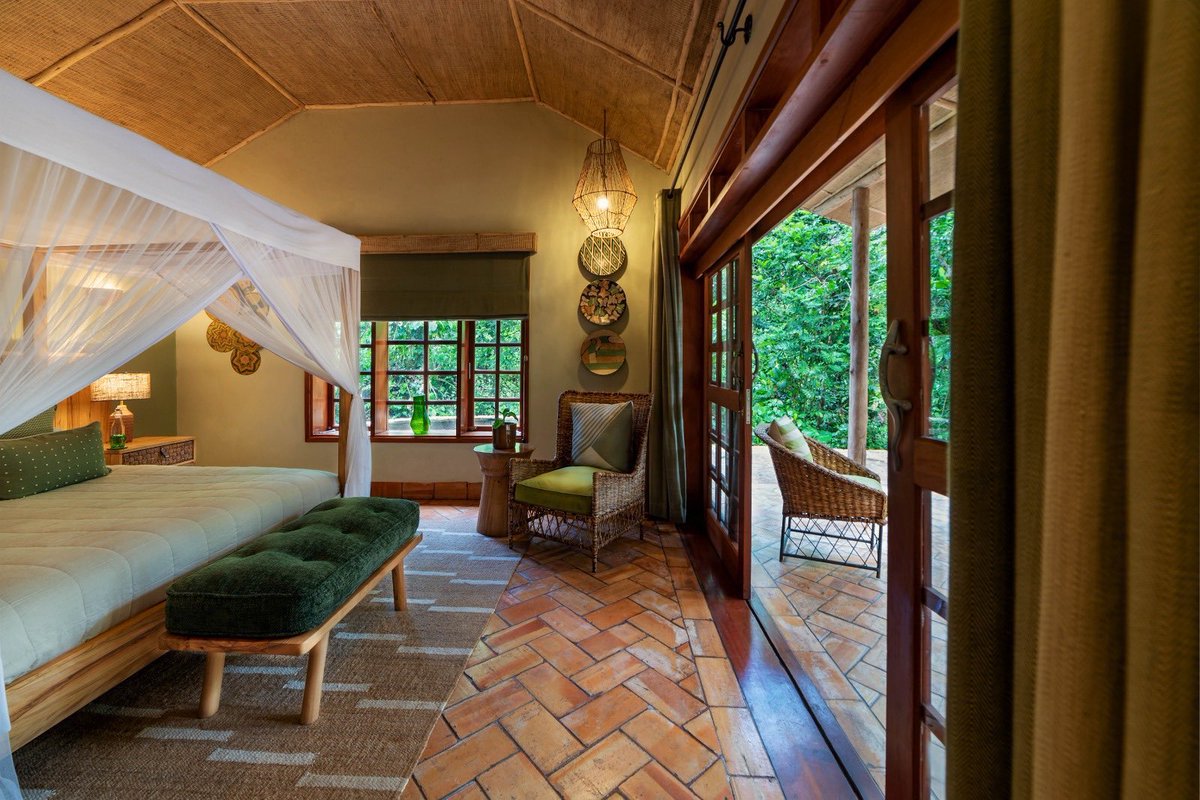
BOOK PRIMATE LODGE KIBALE , part of (@_GL_Collection )
+256 772426368
@UgBerlinEmbassy Excellent initiative by @UgBerlinEmbassy! As a coffee professional actively working on sustainable value chains here at home(Uganda), I know how vital European market access is for our sector's growth. Proud to see our premium coffee on the global stage. ☕🌍
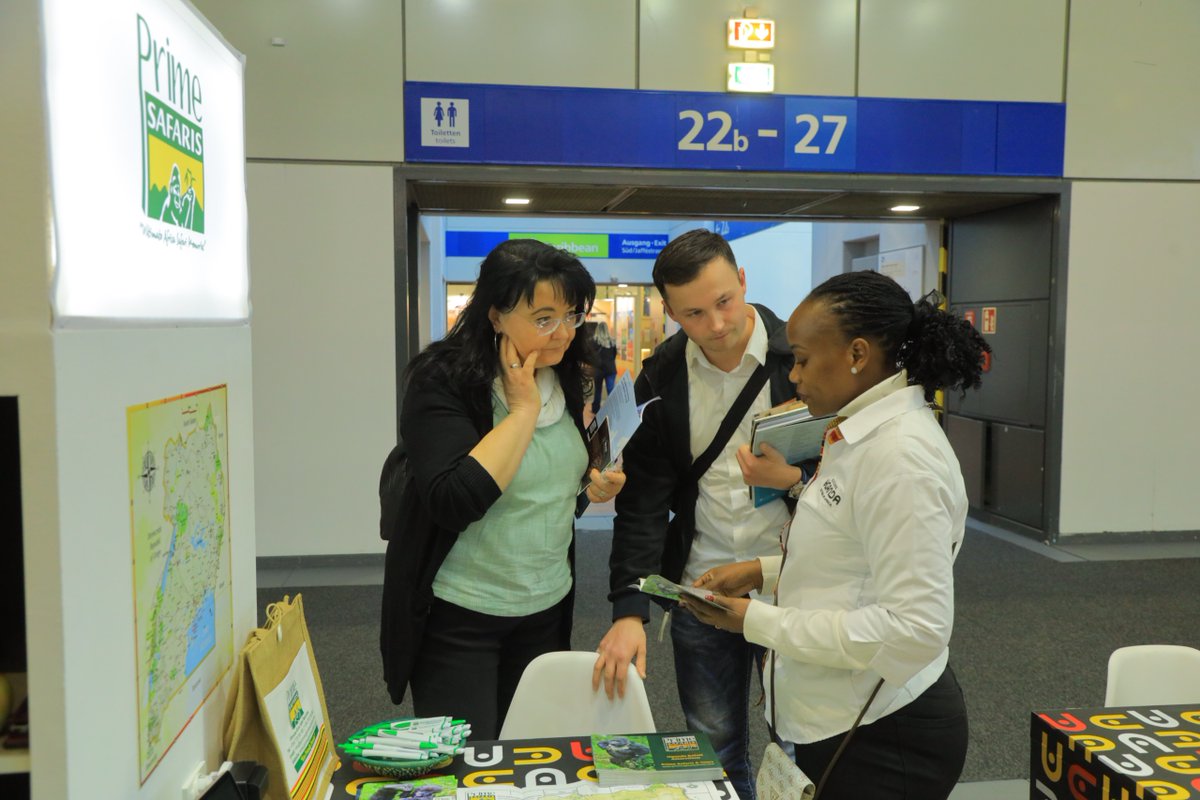
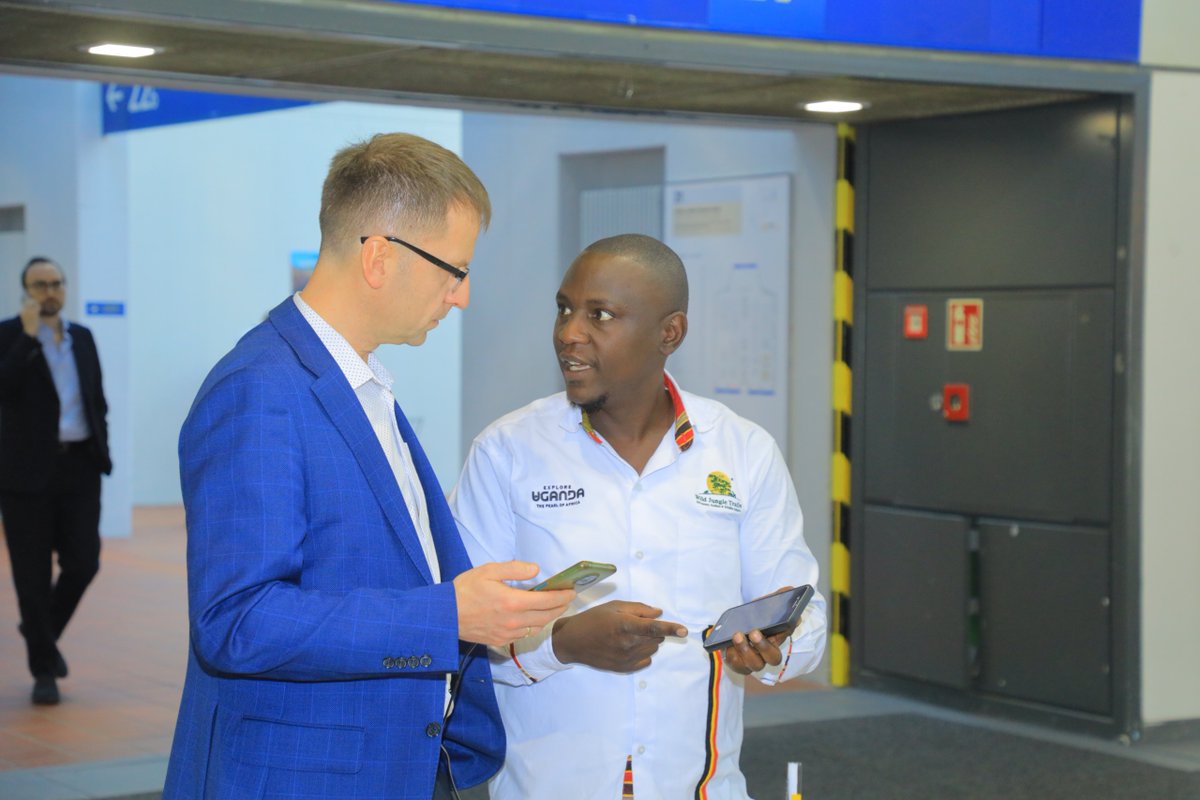
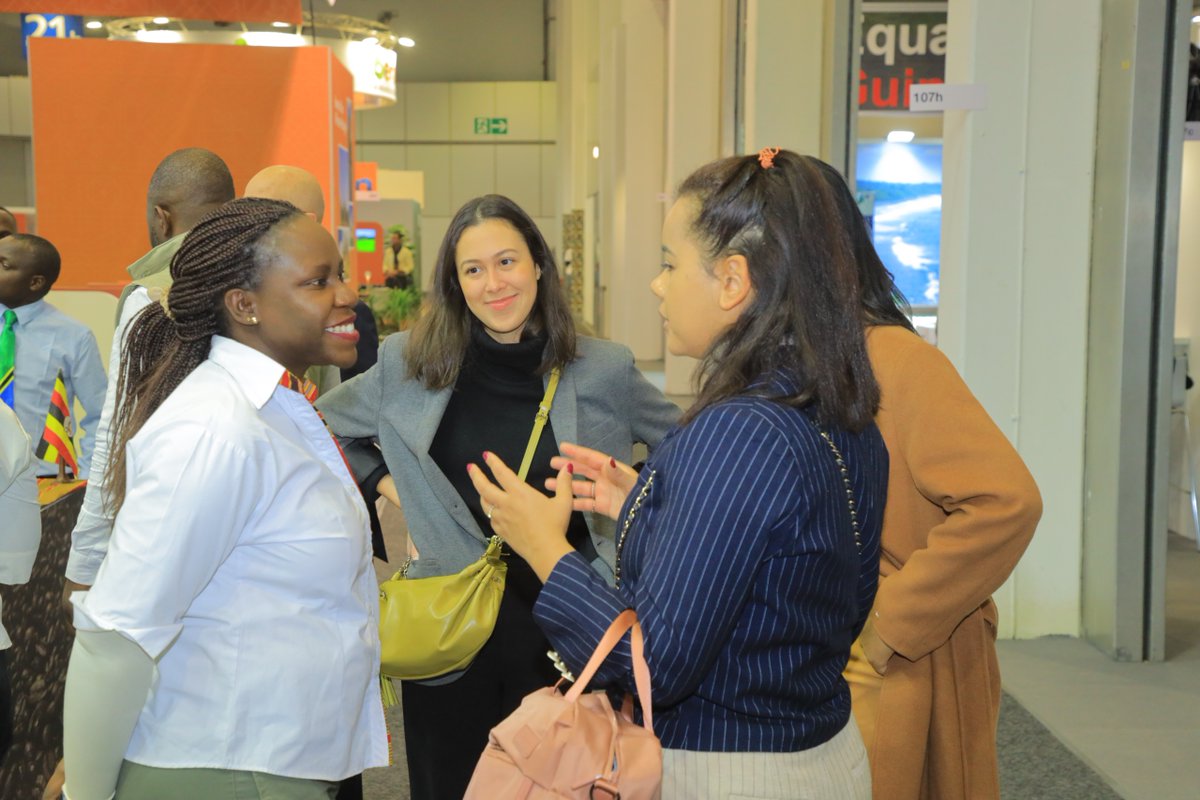
🇺🇬🌍🇩🇪 Uganda is live at ITB Berlin 2026, reinforcing its footprint in Europe’s largest outbound travel market. Over the next three days, we spotlight sustainable tourism, premium coffee & high-value partnerships. #ExploreUganda#PearlofAfrica. #ITBBerlin2026#PearlOfAfrica#ECD
🇺🇬☕🦍 A strong public–private delegation is engaging global buyers through curated B2B sessions—showcasing Uganda’s wildlife heritage, adventure portfolio & export-ready coffee value chain. Tourism and agriculture advancing together. #ExploreUganda#PearlofAfrica. #ITBBerlin2026
@mugagga51@shaaka777 Since 2014 we have so far skilled and deployed 2780 coffee baristas and a large force of them headed to the gulf and some remained in Ugandan restaurants, cafes and hotels yes @shaaka777 🤝 todate
Ugandan restaurants are increasingly buying coffee machines, a good thing. But without barista skills, many use them like microwaves. The quick win is teaching them basics, roast & grind, H2O temp, brew time, pressure, & consistent dosing. Small skills → massive taste upgrade.
@Rna_b2@rkabushenga Coffee farming requires proper financial management backed by technical management skills. Yes that amount is Ok but how many trees do you plan to look after?
@rkabushenga What would you advise someone with $$30k, wishing to invest in coffee growing ? Half for land purchase half for managing the whole process of water, land fertilizer, buying seedlings etc.
This Week in Ugandan Coffee
Day Four & Five
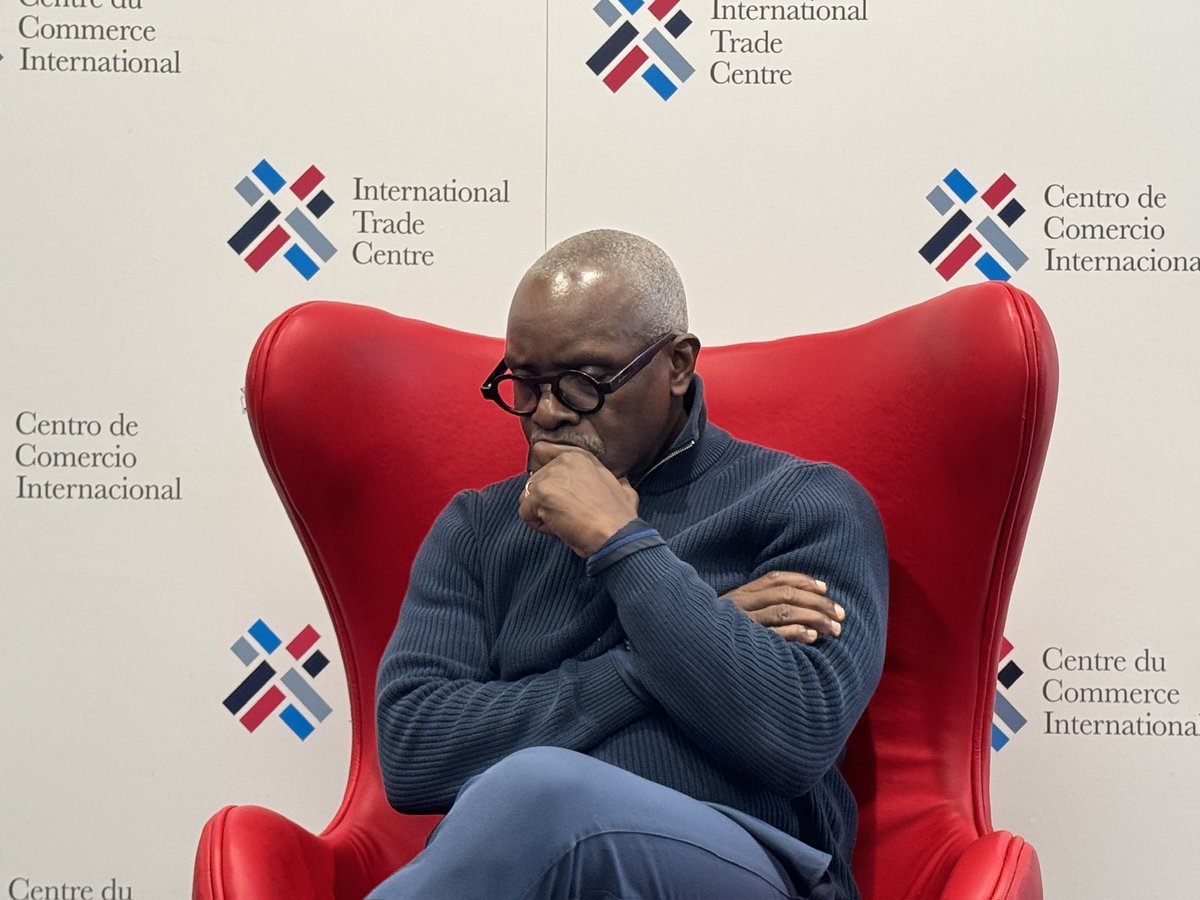
It took me coming to Geneva to learn a business model that has been hiding in plain sight back home in Uganda. I call this The Alchemist Effect. After the book by Brazilian writer, Paulo Coelho. The point he makes in the book is that we travel long distances in search of answers that are within us. This I learnt from listening to my colleagues @jamesmuhangi and @KukundakwePison who manage huge and hugely successful coffee cooperatives in south western Uganda. It turns out that @RubangaCoffee@CoRubanga and @acpcu_ltd have the business model that delivers value to the boards majority of the coffee sector players-the farmer and leaves something for the trader as well.
There is one thing I need to make abundantly clear. The Ugandan farmer who is the producer and owner of the coffee has only one opportunity to extract the most value-at the farm gate. This is it. At this point the farmer receives the financial value of their produce. If they are to command higher value that is further downstream means they have to invest in aggregation, processing, packaging, marketing and distribution. This requires immense upfront financial outlays long before the value can be recouped. What this means is that the only factors a farmer can control are the on his farm. It is here that they can determine the kind of product and quantity they can bring to market. This therefore means that the farmer has to understand the market for which they should produce. Enter the James/Pison lightbulb moment from yesterday and the training about specialty coffee at @ITCnews.
When you are at the farm and dealing with local traders, they are at once the buyer and the market. But they don’t need to be. It turns out that the two cooperatives have gone out of their way to craft a production process and do their own local aggregation with a view to selling in the lucrative specialty market. Listening to them and to our facilitator about this unique market I reached a conclusion about what producers like me in Uganda need to do in order to get more value for their effort.
We need to decide which market we are producing for. To do so, we must know exactly what they want. So if you are looking at the speciality market, quality and unique ways of crafting the profile of the beans is central. If however you choose the commercial volumes route, then you put your money where you are going to get more quantity out of the trees. These deliberate choices puts the coffee farmer in a stronger bargaining position. It is what we should focus on. The support we would need is agronomy, working capital and market access initiatives. This is where higher authorities should invest public funds and time if the coffee is to benefit the many and the country. The rest is distractive noise
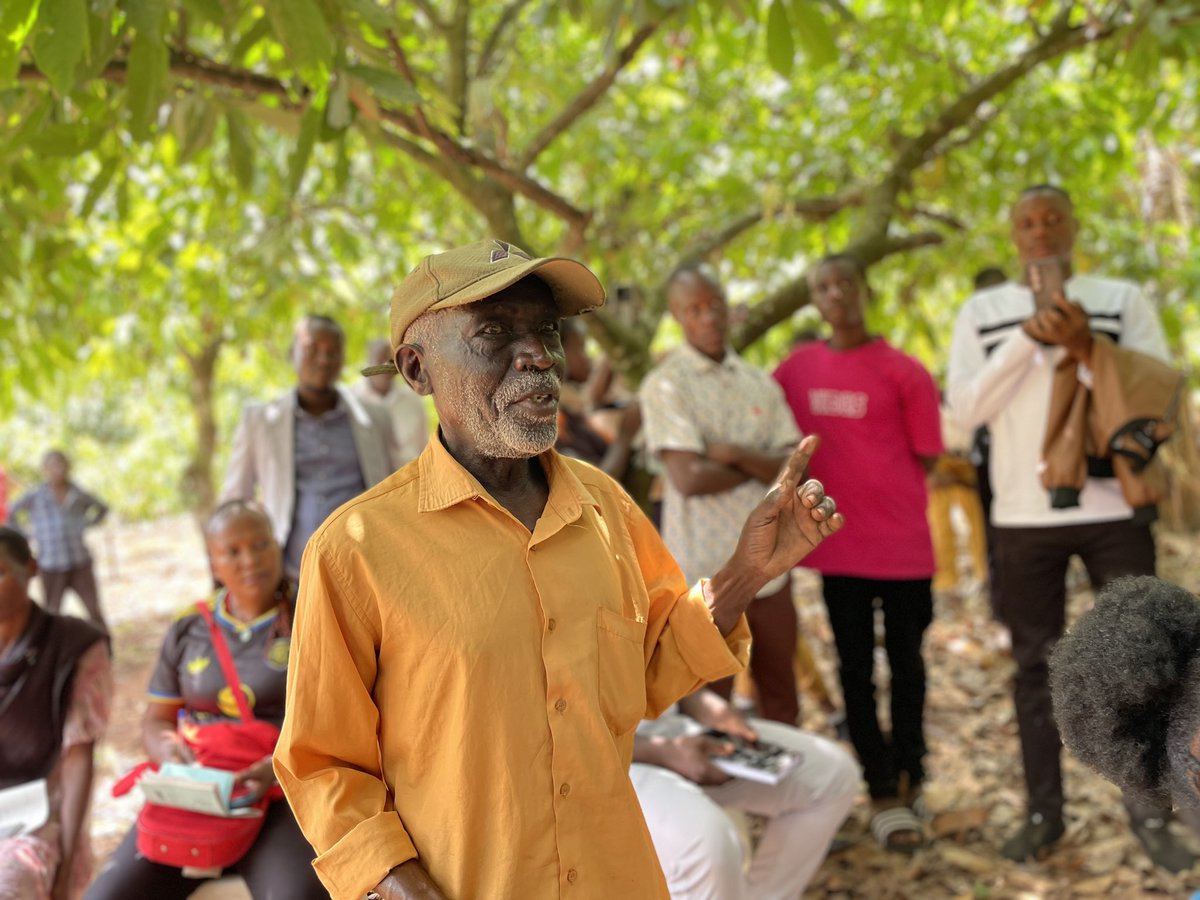
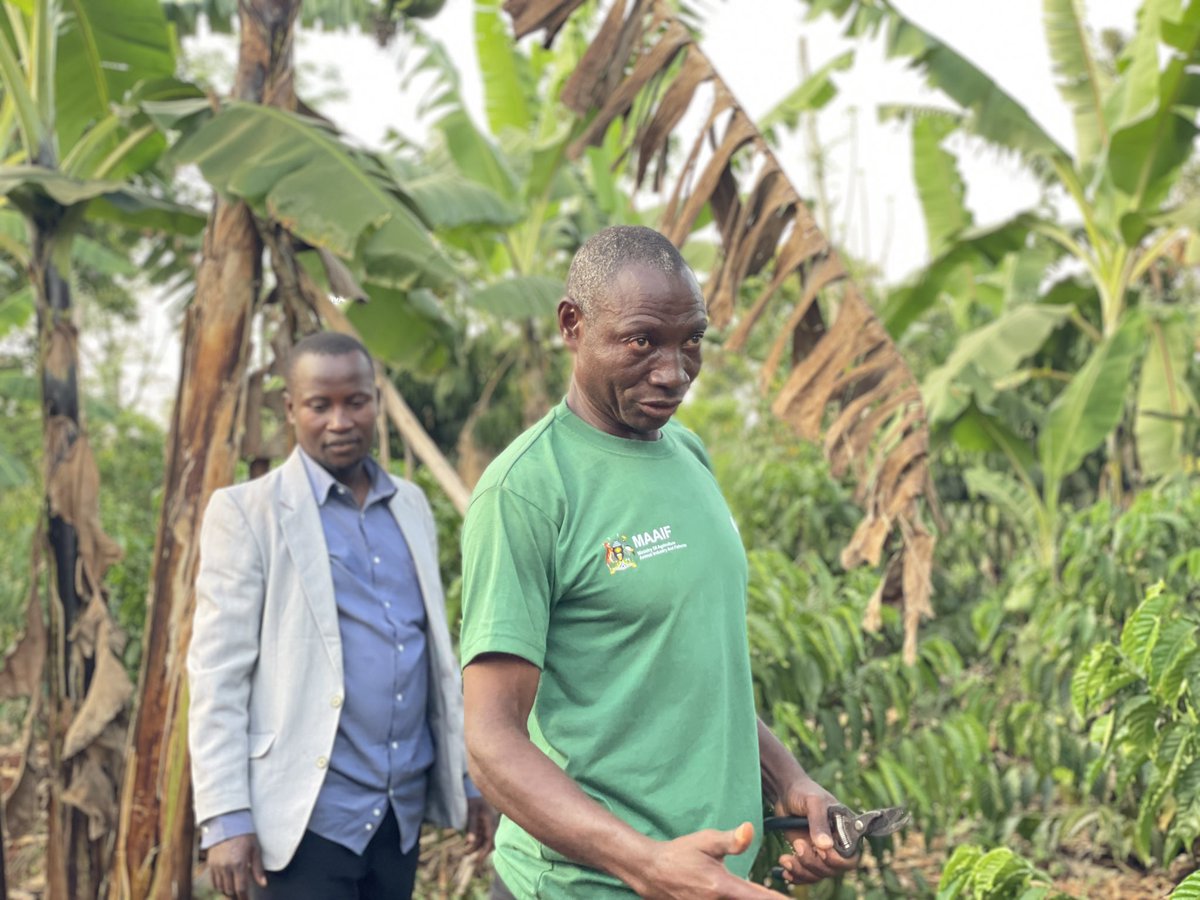
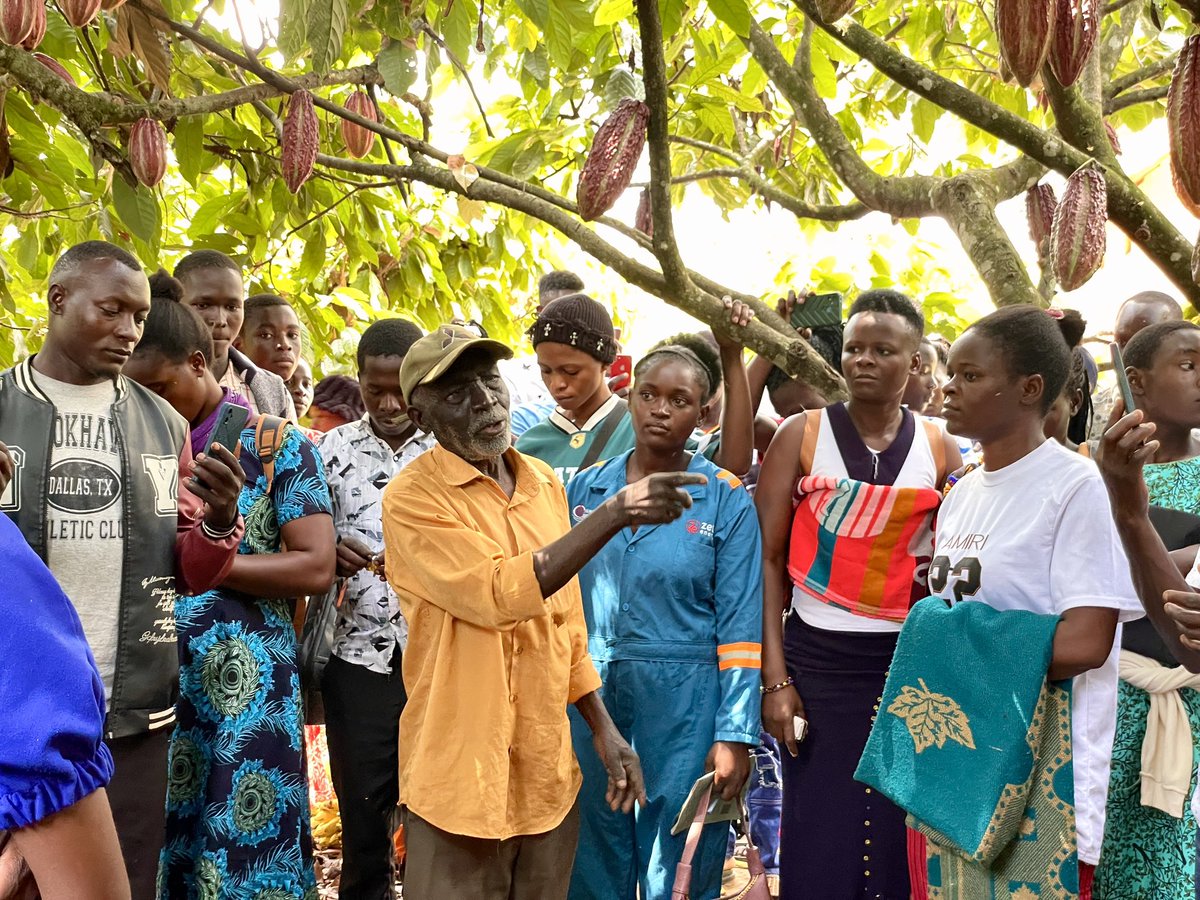
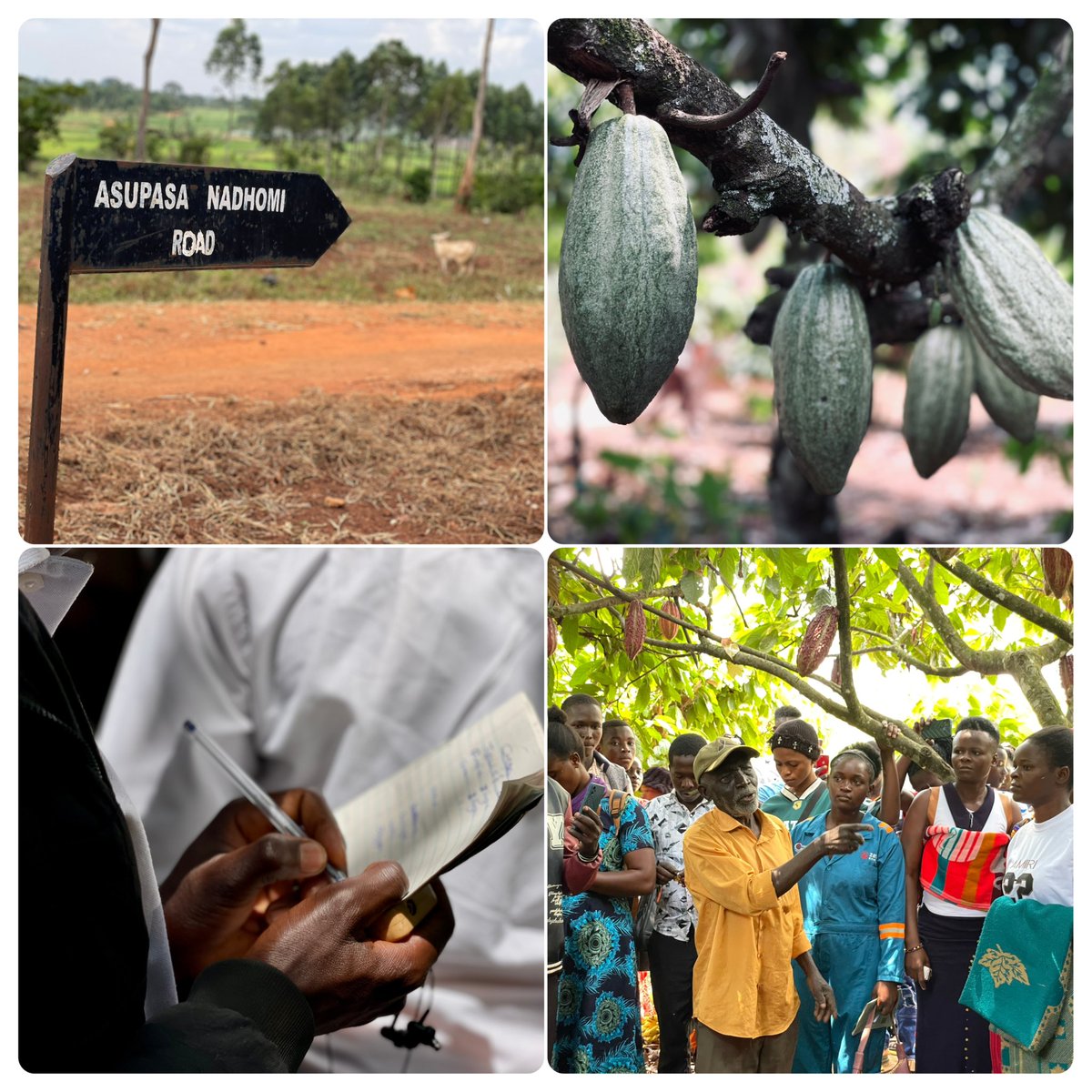
Asupasa Nadhomi, a seasoned cocoa farmer from Bupadhengo, Bugobi, and the Publicity Secretary of Kamuli District Farmers Association was one of the hosts for this team.
With over 22 years of experience in cocoa farming, he shared his journey & practical lessons with the youth.
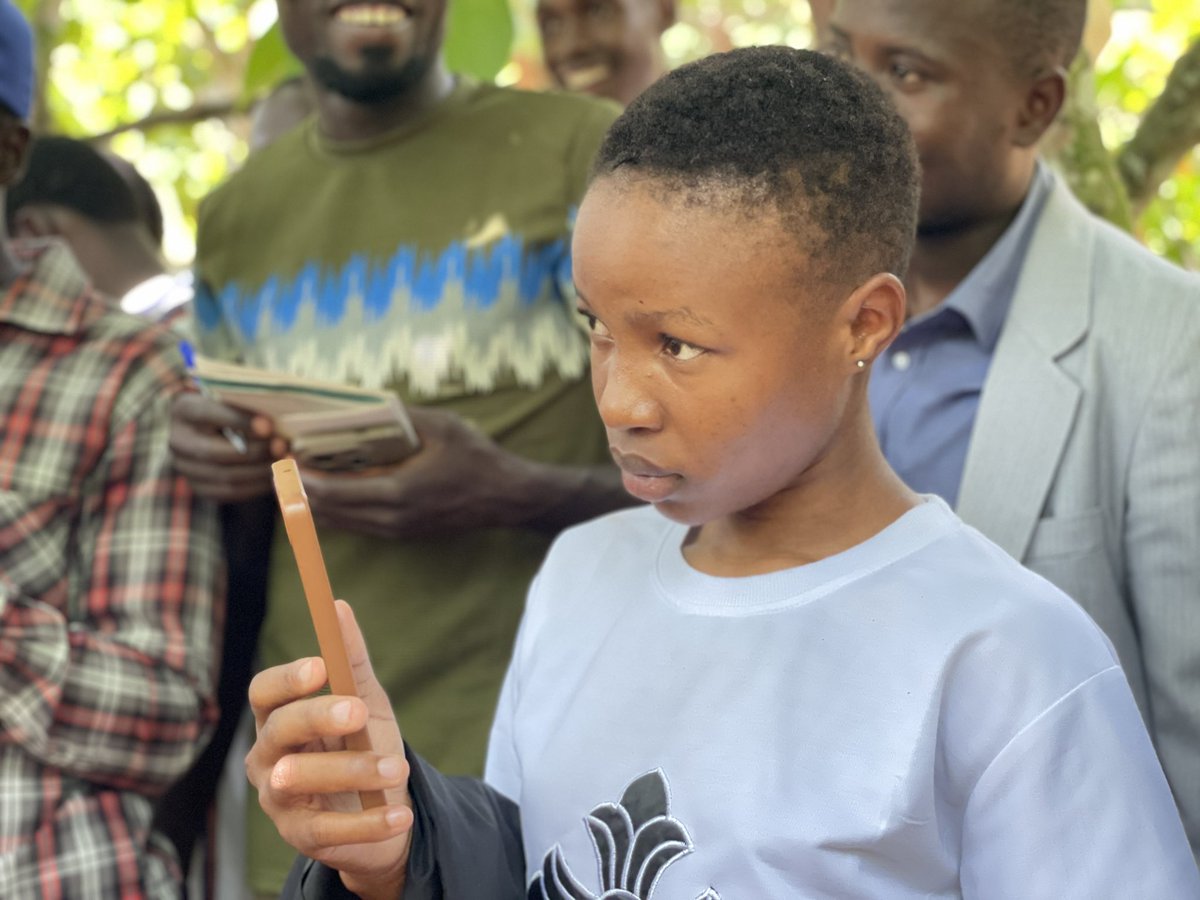
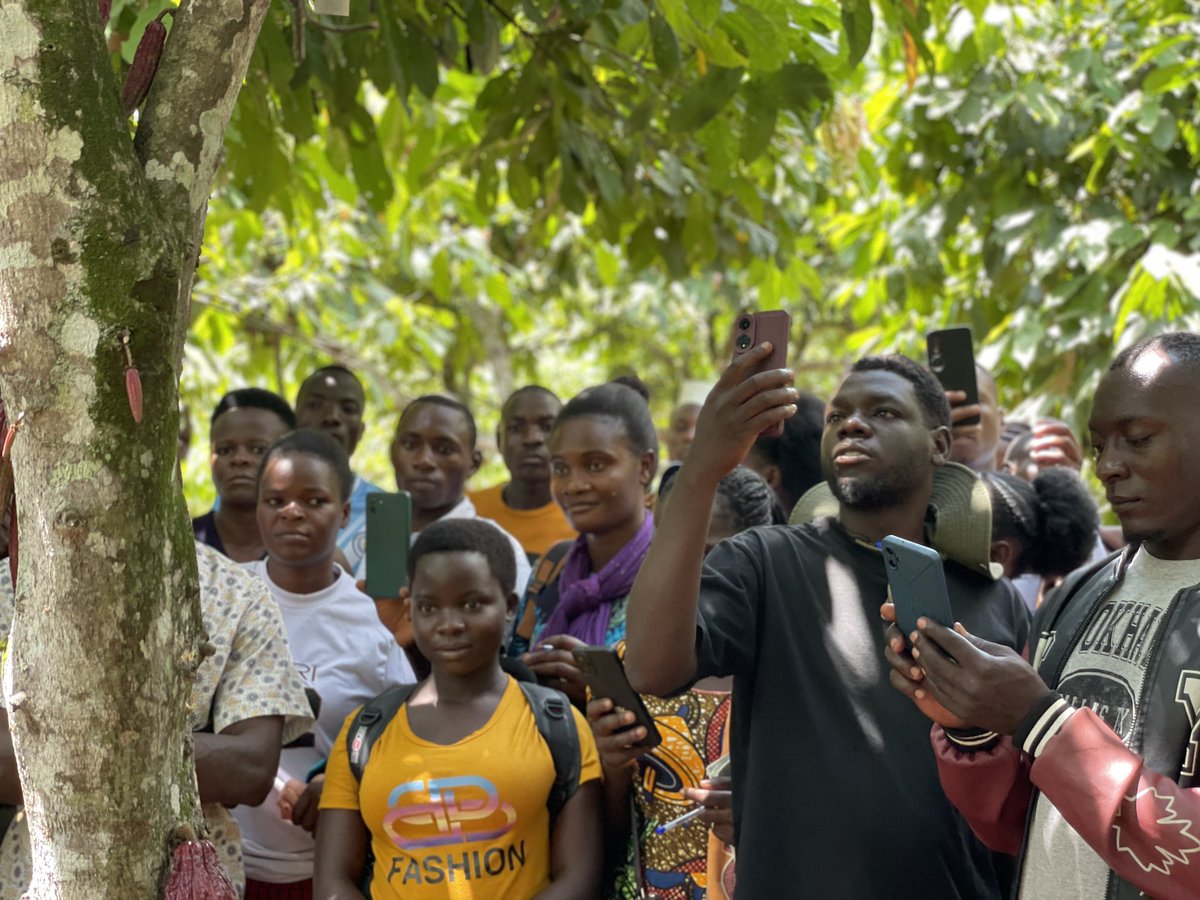
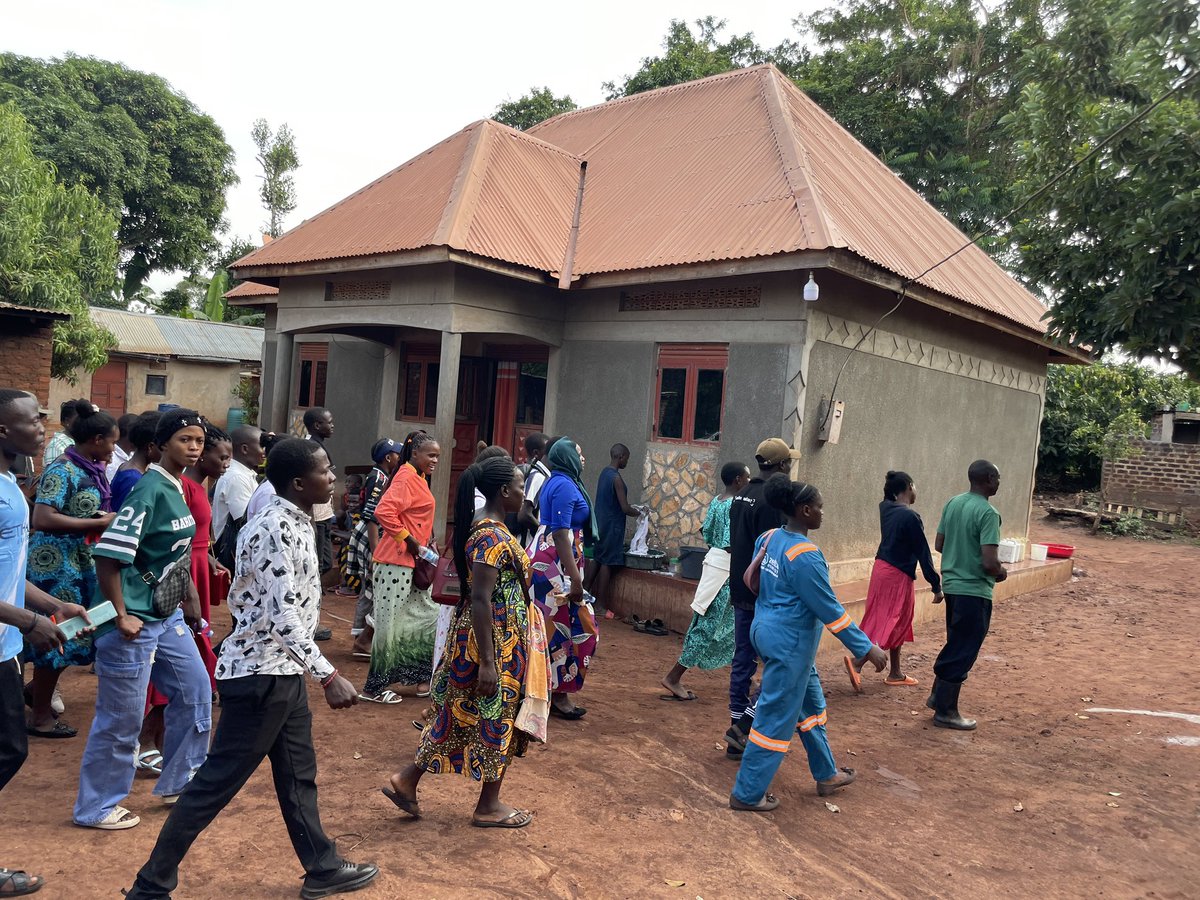
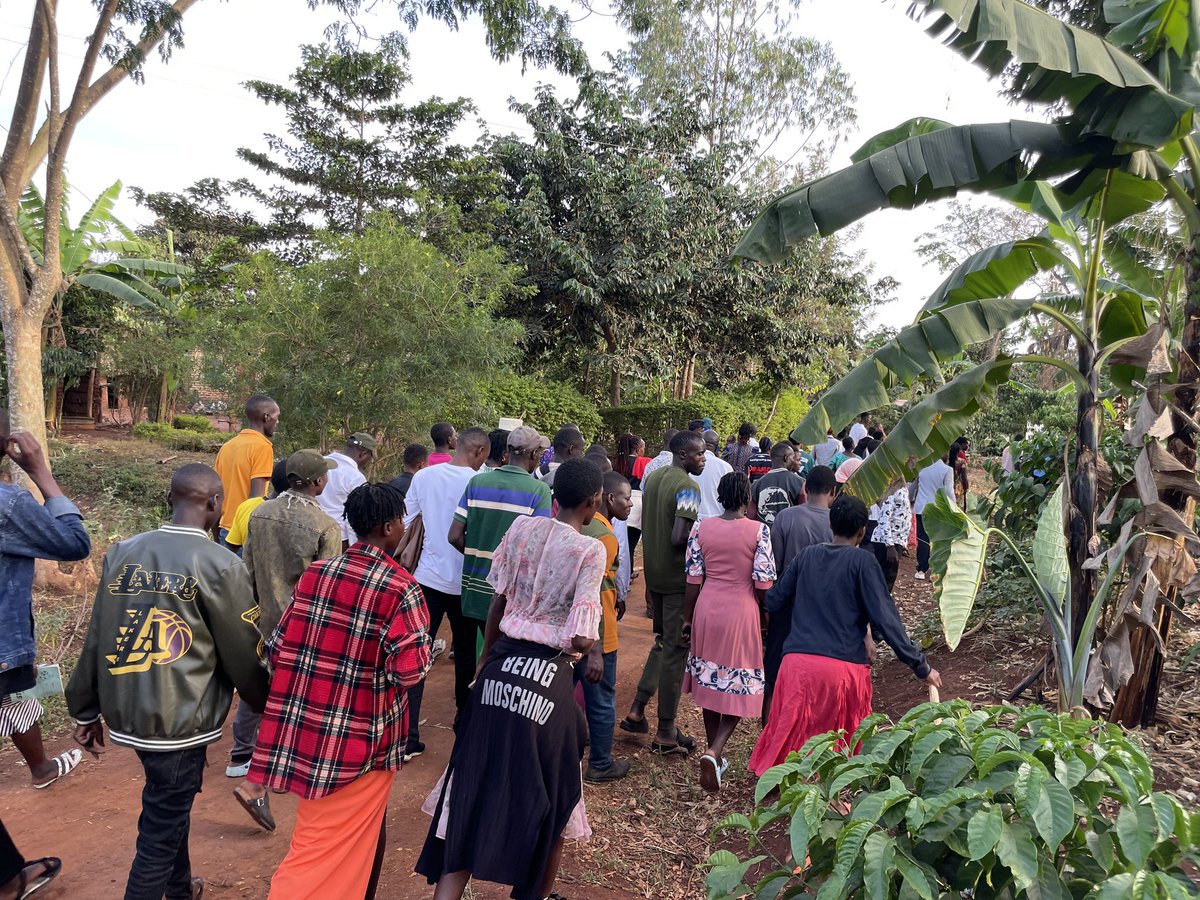
85 young farmers in #coffee & #cocoa value chains from Jinja in Buwenge, Busedde, Butagaya & Namagera subcounties participate in a learning exchange visit in kamuli.
This aimed at enhancing skills & knowledge of these youths in order to improve their production & productivity.
The tours were conducted at Nadhomi's cocoa farm and Muwereza Mixed Farm under the WeWork Green and Decent Jobs for Youth Project implemented by UNYFA in partnership with Kamuli DFA Trias Uganda and supported by @EnabelinUganda
Ten years together, we gave Dancehall lovers pure eargazims on @97fmRadiocity . It was an honor to host the biggest Dancehall and Reggae show this land has ever seen, alongside you. Baseline was complete with you.
Rest easy, my brother. DJ CIZA, “THE REAL CROWD PLEASER!”
Uganda exported 8.7 million bags of coffee from Dec 2024 to Dec 2025. That’s about US$ 2.4 billion-UGX8.8 Trillion. Average price was US$ 4.84 per kilogram. Uganda maintains the its position as the No.1 exporter of Coffee in Africa.
The SCA/Q score will probably disappear. Is it a good or is it a bad news ?
For 20+ years, we treated a single number as the ultimate truth about coffee quality.
86.25 vs 87.00 as if the second coffee is “objectively better”.
But in sensory science, a score is not a truth. It’s a measurement. Every measurement has uncertainty and these uncertainties are never communicated. In sensory science, we use statistics to validate an hypothesis. Multiple measurements create an average, median and standard deviation. A score without standard deviation says NOTHING !
Why the “one score” model is reaching its limits
1) Reliability is often weaker than we admit
Different cuppers, different contexts, different expectations = different numbers. This is not “bad cuppers”. It’s the nature of human perception:
- anchoring effects (first sample sets the scale)
- contrast effects (coffee A changes how coffee B is perceived)
- semantic bias (words shape perception)
- fatigue and adaptation
- calibration/alignement drift over time
When the measurement error is larger than the “difference” you’re pricing… the number becomes fragile.
2) We confuse “measurement” with “value”
A score mixes:
- sensory performance (what’s in the cup)
- preference (what I like)
- market narratives (what is trendy)
- rarity and social proof (what wins competitions)
Then we pretend it’s one objective axis. It isn’t.
3) Scores influence money at origin — sometimes unfairly
This is where it becomes uncomfortable.
When price is strongly tied to a number, producers are pushed to optimize for the scoring system, not necessarily for:
- long-term agronomy
- risk management
- climate resilience
- local sensory identity
- realistic processing constraints
What comes next (and why it’s better)
I don’t think we’ll stop evaluating coffee quality. I think we’ll stop pretending that a single number is the best way to do it.
The future looks like:
- Multi-dimensional assessment (descriptive + affective + functional)
- Confidence ranges, not fake precision (e.g., “86 ± 1”)
- Clear sensory evidence + traceable data (digital forms, better training loops)
- Fit-for-purpose grading (espresso vs filter vs blend vs cold brew)
- Contracts that combine specs + sensory profile, instead of worshipping one score
The score won’t vanish overnight, but its monopoly will as nobody will continue to teach the 2004 Q form with scores. Will CVA replace the scoring system ? Probably yes, but I think we need to wait for 1-2 years feedback from the big players of the industry. It will need to be adapted to better fit the reality of coffee trading.
And honestly? That’s healthier—for producers, traders, roasters… and for sensory science.
Hot question for all of you :
If tomorrow we removed the 100-point score, what would you use to trade coffee fairly and transparently? All @SpecialtyCoffee@volcanocoffee1
@GKatabazi I will comfortably trade using AI tools because Im looking at accuracy and removing the bias cupping is created by humans. AI also helps those who don't understand cupping to have the ability to understand the description analysis from their coffee.
Some people believe you can know what your future will be after drinking coffee!
In Turkey, after drinking coffee, coffee grounds remains at the bottom of the cup. Many people believe that you can read the future from these coffee grounds. This practice of “coffee reading” (Turkish: “Fal”) is still widespread, especially at social gatherings or as a fun ritual among friends.
#UgandaCoffee
@MoWT_Uganda We need bullet trains to operate country wide! How can you travel on the road distance of 210 Kms in 6 hours?? Its so stressful, bullet trains reduce time to less than an hour! So a modern rail network would be one of the best gifts for Uganda.
Good morning, Uganda 🇺🇬!
As we step into a new year, what is your boldest transport infrastructure dream for our country?
An expressway, a modern rail network, safer roads, modern ferries or smarter public transport?
Share your vision. Let’s imagine it together!
Happy New Year!
[📷Ai]
The Specialty Green Coffee Market is anticipated to record consistent growth from 2026 to 2034, with its valuation projected to grow from the 2025 baseline and progress through a sustained expansion until the end of the forecast period.
This trend reflects a favorable market outlook driven by evolving industry requirements and ongoing technological advancements.