BYU PASCAL

492 posts

BYU PASCAL banner
BYU PASCAL

BYU PASCAL

@BYU_PASCAL

Twitter account for the @BYU Physics and Aerospace Student-Centered Acoustics Laboratory, advised by @KentLGee and housed in @BYUPhysAstro.

Provo, Utah Katılım Mart 2022
113 Takip Edilen123 Takipçiler
BYU PASCAL retweetledi
Kent Gee
Kent Gee@KentLGee·
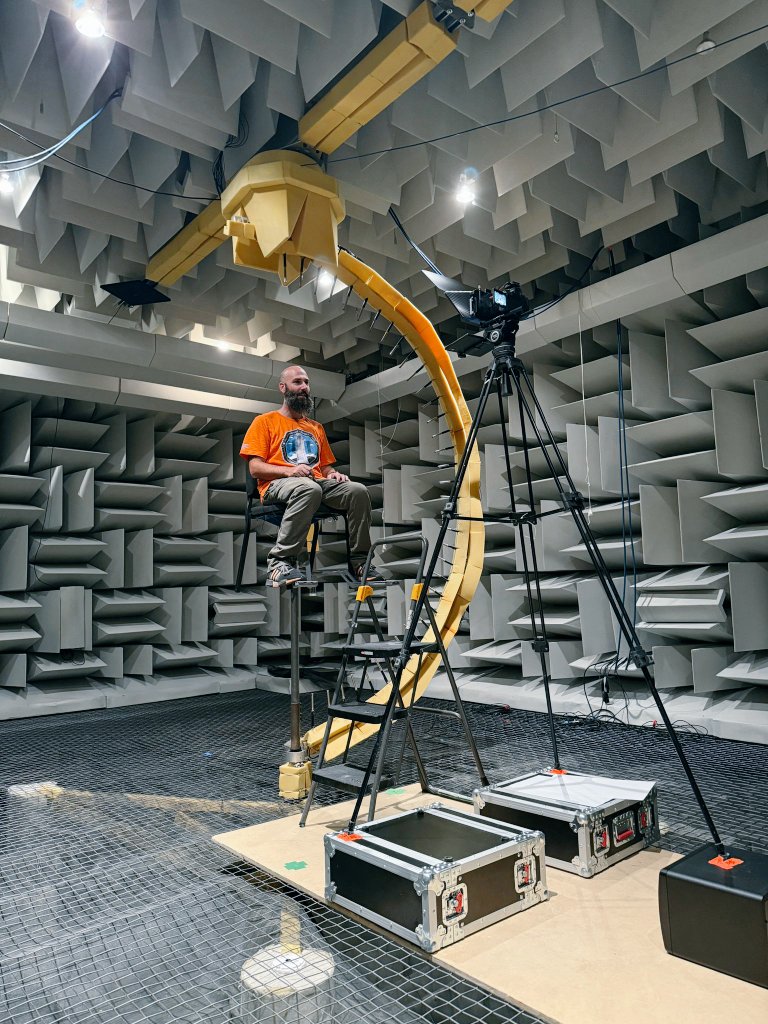
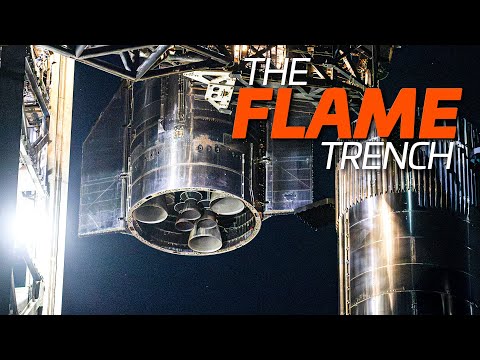
You guys! @thejackbeyer from @NASASpaceflight is in the @BYU anechoic chamber recording his weekly Starbase update. Be sure to watch the video when it drops on Monday!
Kent Gee tweet media
English
24
41
677
124.2K
BYU PASCAL retweetledi
Kent Gee
Kent Gee@KentLGee·
Anechoic chamber details. Anaerobic: no oxygen. Anechoic: no echoes. The wedges are 3 ft deep fiberglass batting covered with perforated sheet metal that absorb sound up between 80 and 20,000 Hz. And that is a 65 yr old wire mesh floor with wedges below. Other Qs?
Kent Gee@KentLGee

You guys! @thejackbeyer from @NASASpaceflight is in the @BYU anechoic chamber recording his weekly Starbase update. Be sure to watch the video when it drops on Monday!

English
3
4
100
12.7K
BYU PASCAL retweetledi
Mark Anderson
Mark Anderson@AerospaceMark·
Why does the Falcon-9 booster make a triple sonic boom? New research by myself and @KentLGee explains why this happens! Go check it out! doi.org/10.1121/10.003… Here are the three shocks: 1. Comes from the bottom of the booster near the engines. All supersonic objects make a front (or “bow”) shock. Because the rocket is falling engines first, the engine section is considered the front of the vehicle. 2. Comes from a combination of a rarefaction wave produced near the bottom of the booster (including, but not limited to, the folded landing legs) and a compression wave produced by the extended grid fins. These two waves merge and form a single shock in the middle of the sonic boom (actually, about 2/3 of the way through the boom in measurements). 3. Comes from just behind the top of the booster, where the air returns to ambient. If you like science like this and want to support this type of research, go ahead and open the link and download the paper. That helps show that people are interested! Rockets are awesome! Also thankful to @BYU and @BYU_PhysAstro, along with other sponsors and our friend @LaunchPhoto who let us use his photograph, for enabling this research! Some community members that we think would be extra interested in this include: @DJSnM @KSpaceAcademy @NASASpaceflight @Erdayastronaut @SciGuySpace @thejackbeyer @dwisecinema @MarcusHouse @TSHamiltonAstro
Mark Anderson tweet media
English
12
75
634
56.1K
BYU PASCAL retweetledi
Kent Gee
Kent Gee@KentLGee·
@SpaceX This analysis might provide launch viewers useful information about what to expect from the liftoff noise: doi.org/10.1121/10.003… Have a great test flight!
English
0
2
4
282
BYU PASCAL retweetledi
Kent Gee
Kent Gee@KentLGee·
And it's published. doi.org/10.1121/10.003… Thankful to the anonymous peer reviewers who made excellent comments. Happy to answer questions.
Kent Gee@KentLGee

I learned that tomorrow, our comparison between Starship's Flights 5 & 6 launch noise will publish in @ASA_JASAEL. Hopefully it'll be an interesting read and be a useful addition to the conversation about noise. (And, no, I wasn't at Flight 7 and won't be at Flight 8! 😢)

English
0
3
7
144
BYU PASCAL retweetledi
Kent Gee
Kent Gee@KentLGee·
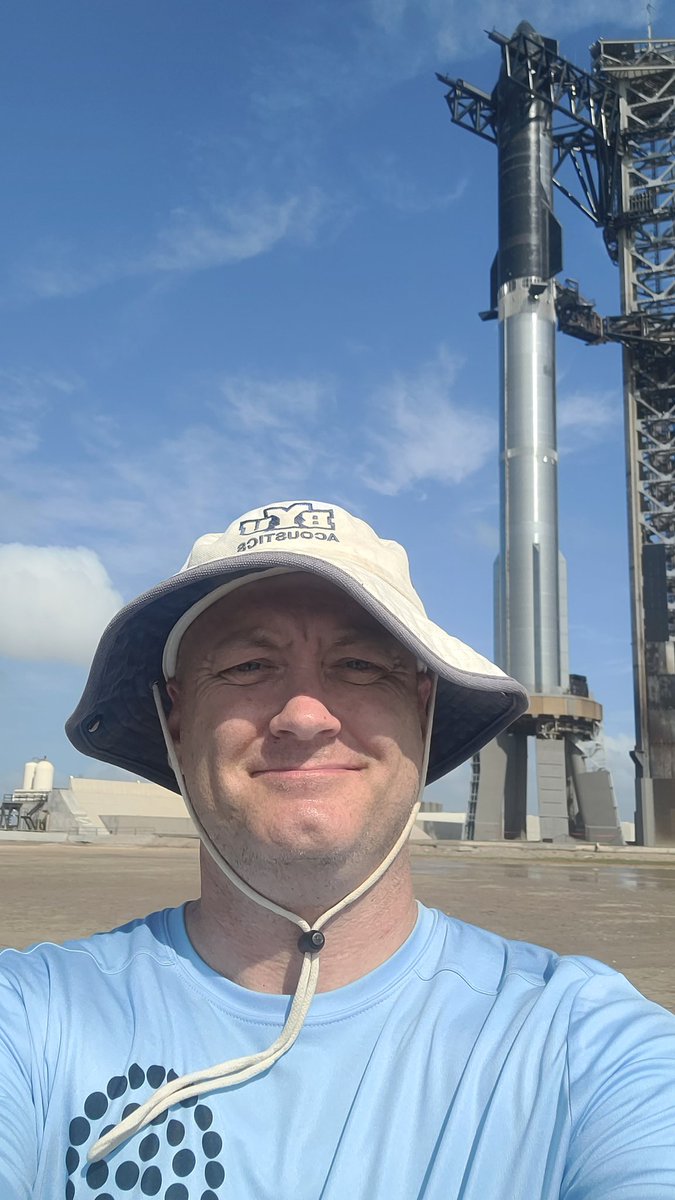
Well... that was a crazy trip. Our Flight 5 paper dropped, met so many people, got interviewed by @NASASpaceflight and multiple other media outlets...all while trying to conduct measurements with our @BYU_PASCAL team. Success...
Kent Gee tweet mediaKent Gee tweet media
English
0
1
23
327
BYU PASCAL retweetledi
Kent Gee
Kent Gee@KentLGee·
You may have read our Starship acoustics article by now. If not, please read & share: doi.org/10.1121/10.003… (Tag me & I'll repost.) @BYU_PASCAL does a lot more. Gotta focus on teaching & admin today, but reply if you'd like a 🧵on our other rocket acoustics studies.
English
0
2
7
133
BYU PASCAL retweetledi
Kent Gee
Kent Gee@KentLGee·
@BYU_PASCAL has been developing hardware and analysis techniques in support of @NASA's #Quesst. Here is @AerospaceMark's paper on reducing impact of contaminating noise on sonic boom metrics: doi.org/10.1121/10.002…
NASA Aeronautics@NASAaero

NASA's Shaped Sonic Boom Demonstrator aircraft, proved that reshaping aircraft could minimize sonic booms. Today NASA's #Quesst mission aims to make quiet supersonic air travel a reality w/the X-59✨ #NationalAviationHistoryMonth More @NASAhistory at go.nasa.gov/3AVBko2

English
0
2
3
152
CLURT
CLURT@CLURT1847·
@BYU @BYU_PASCAL From all of the academic gobbledygook that I have had to trudge through through the years, there is one common theme: every academic believes their work is groundbreaking and novel research! Good Job, @BYU, for keeping up with them! @JWhitebread1 is this accurate?
English
1
0
0
42
BYU
BYU@BYU·
BYU is the only university extensively studying rocket noise & its impact on communities and the environment. Today the BYU Physics & Aerospace Student-Centered Acoustics Laboratory is on-scene for the latest Starship launch at 3 p.m. MST @BYU_PASCAL news.byu.edu/intellect/soun…
English
2
8
72
2.7K
BYU PASCAL retweetledi
Kent Gee
Kent Gee@KentLGee·
Apparently 60k viewers trying to download our Starship acoustics paper from the link on the @NASASpaceflight livestream yesterday was too much for the platform. Whoops! 😂 Not to worry. You can read it here: doi.org/10.1121/10.003…
English
3
13
117
5.4K
BYU PASCAL retweetledi
Kent Gee
Kent Gee@KentLGee·
Wanna hear about the acoustics of the largest rocket ever built? I'm about to be interviewed live on @NASASpaceflight...
Kerbal Space Academy@KSpaceAcademy

Join @NASASpaceflight in about 15 minutes to discuss Starship Super Heavy Acoustics! 🔊 New research by @KentLGee and his team from @BYU_PhysAstro released today. We'll cover the data gathered during Starship Flight 5 and their plans to learn more on 6 ➡️youtube.com/live/Vuxjvb-8V…

English
3
6
65
7K
BYU PASCAL
BYU PASCAL@BYU_PASCAL·
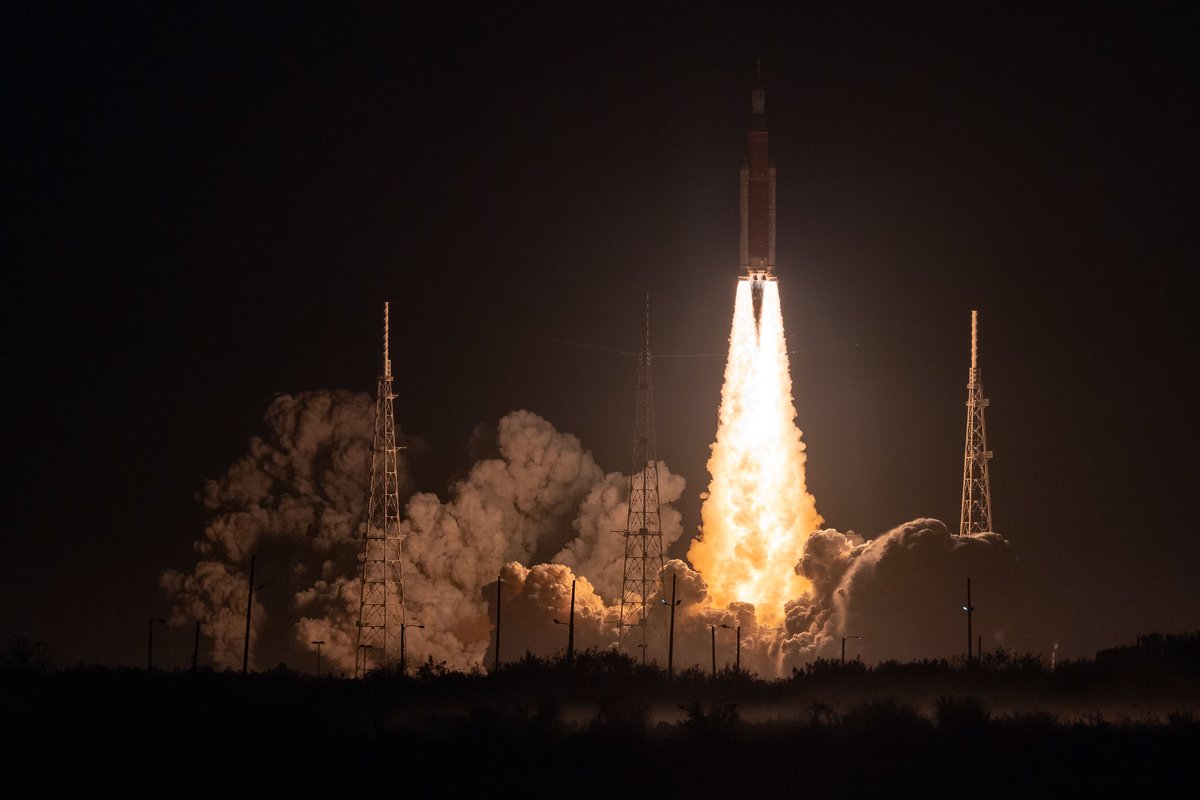
We are proud to have supported this mission by making acoustical measurements. For example, we showed that SLS is a relatively quiet rocket for its thrust. Saturn V produced more sound power. Free to download! doi.org/10.1121/10.002…
NASA@NASA

Two years ago, we launched the #Artemis I mission to the Moon and back. Since then, we selected the Artemis II astronauts, who are training for the first crewed launch of @NASA_Orion, landed commercial payloads on the Moon, and continue to progress with our partners.

English
0
1
1
147
BYU PASCAL retweetledi
📸Trevor Mahlmann🚀
📸Trevor Mahlmann🚀@TrevorMahlmann·
two year anniversary of a loud and bright night on the space coast of Florida.
📸Trevor Mahlmann🚀 tweet media📸Trevor Mahlmann🚀 tweet media📸Trevor Mahlmann🚀 tweet media📸Trevor Mahlmann🚀 tweet media
English
4
16
199
6.7K