This isn’t Africa—it’s San Basilio de Palenque, Colombia 🇨🇴. This is how a traditional wedding is celebrated, similar to those in most African countries.
Akinyele Umoja
5.7K posts

@BabaAk
Akinyele Umoja is a scholar-activist and author of We Will Shoot Back (NYU Press, 2013) and co-editor of the BLACK POWER ENCYCLOPEDIA (Greenwood 2018)

This isn’t Africa—it’s San Basilio de Palenque, Colombia 🇨🇴. This is how a traditional wedding is celebrated, similar to those in most African countries.

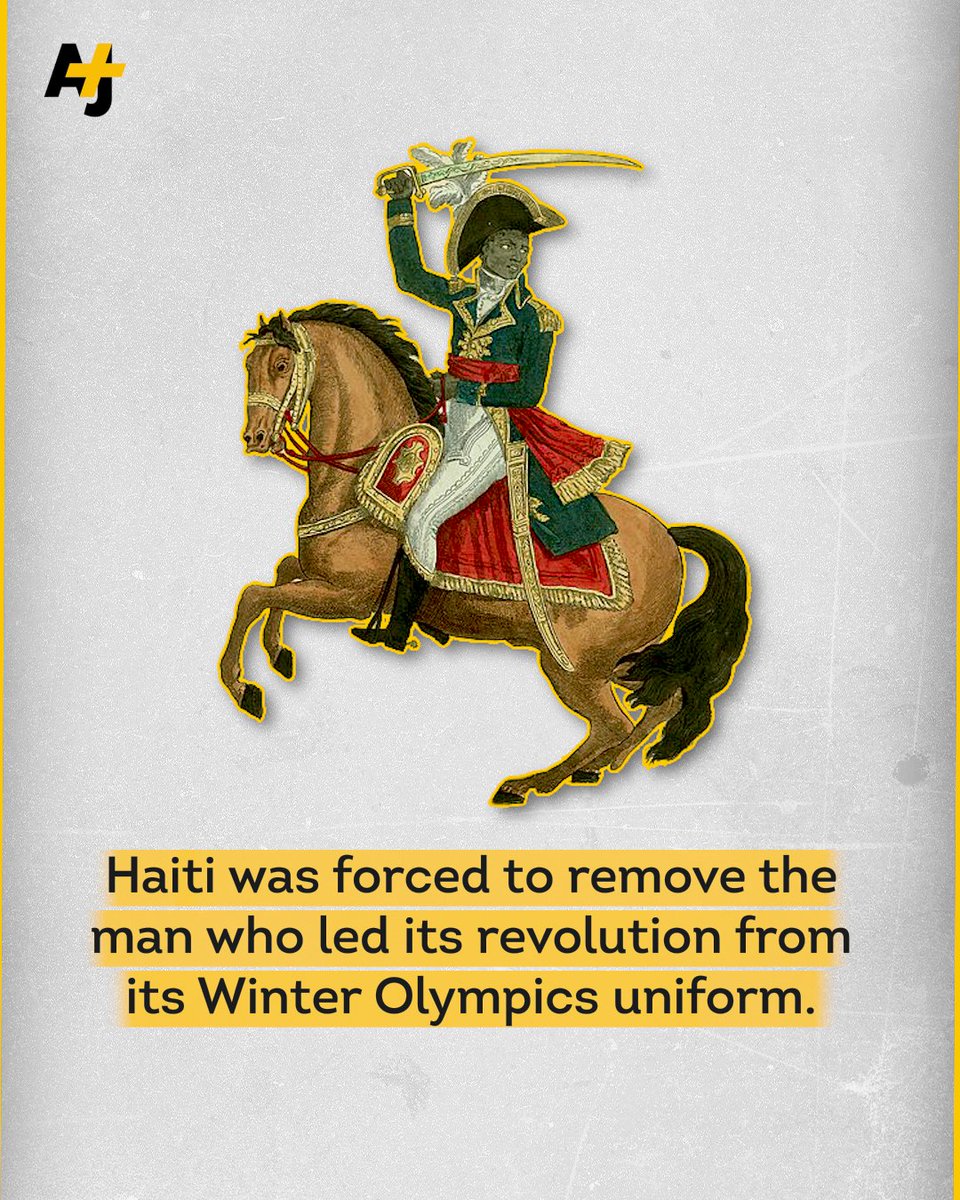
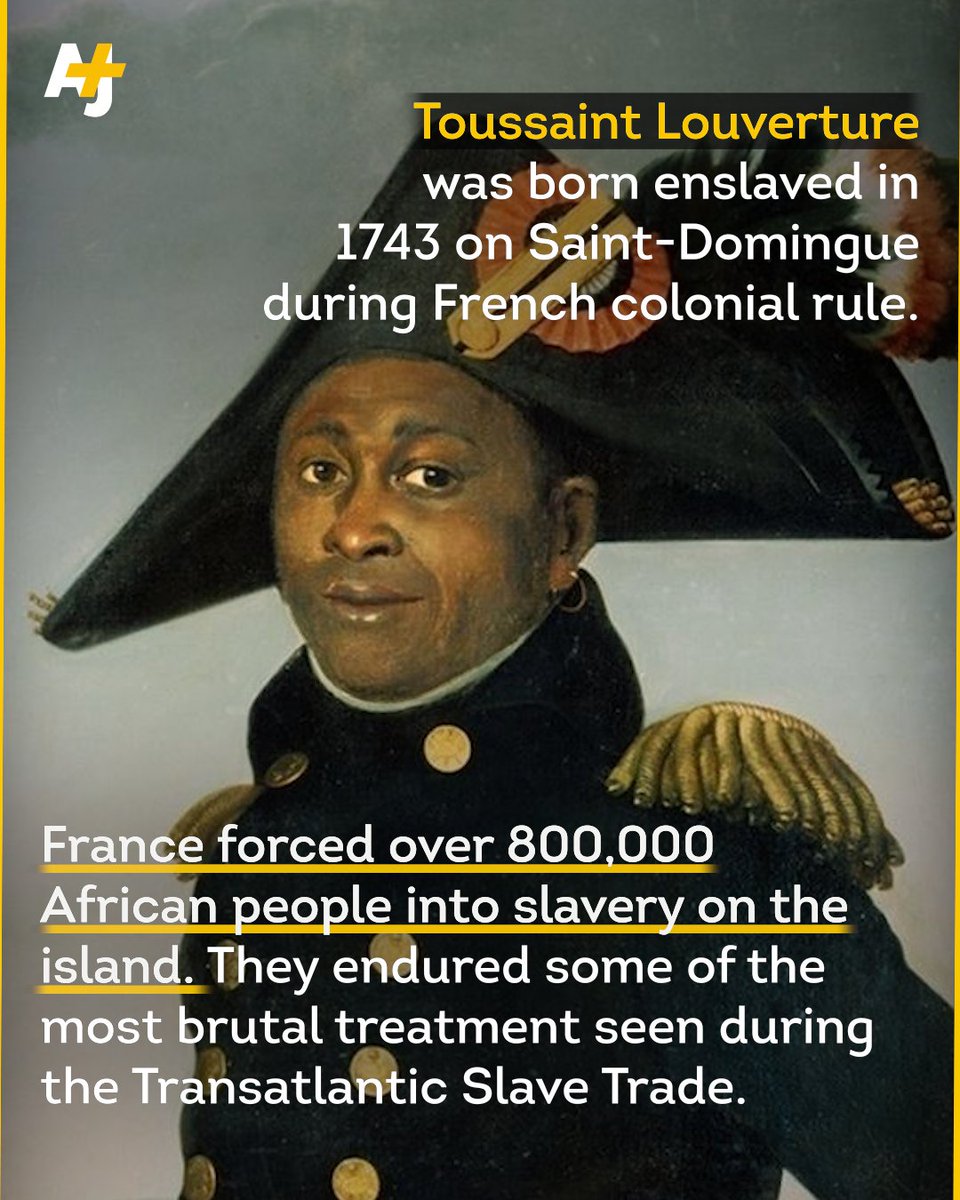
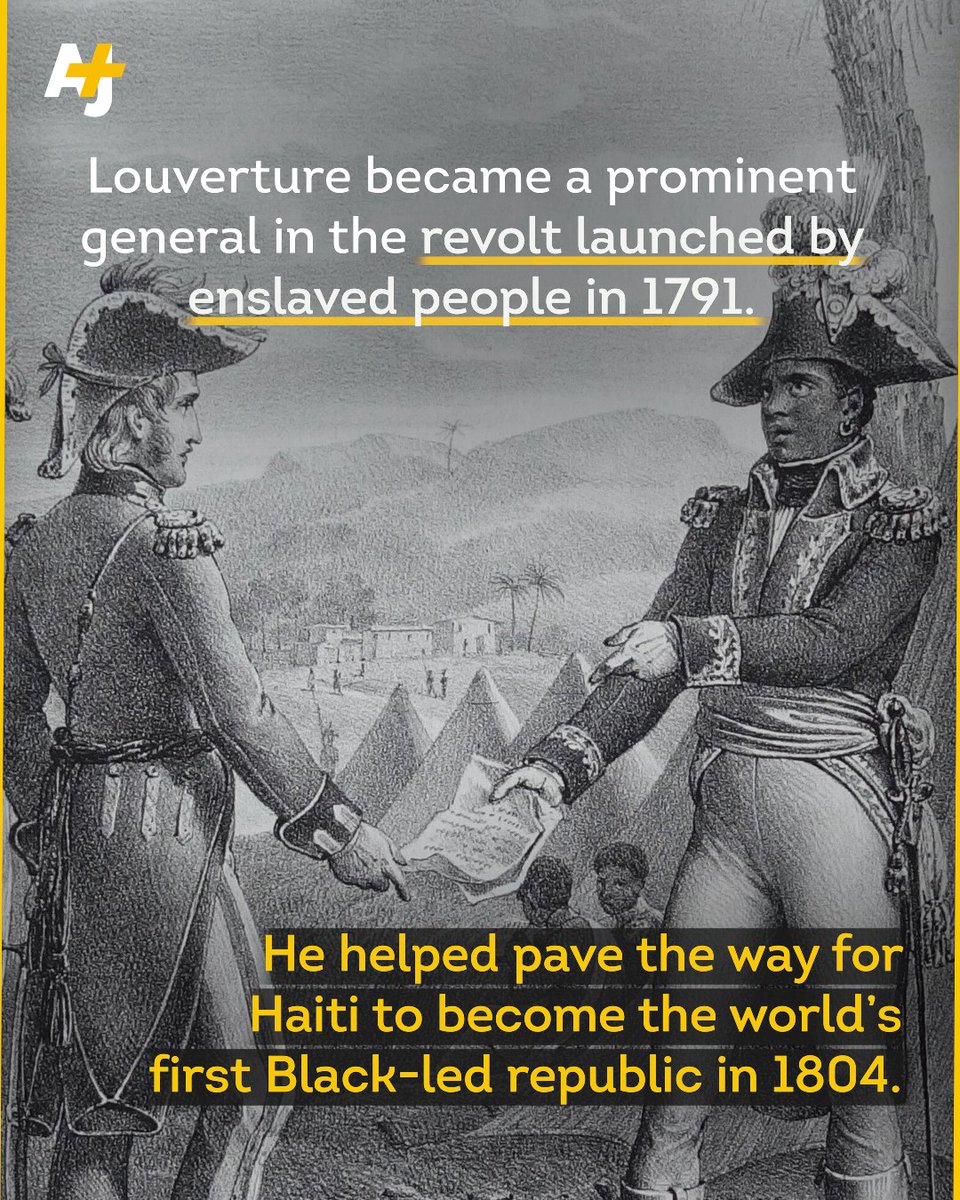
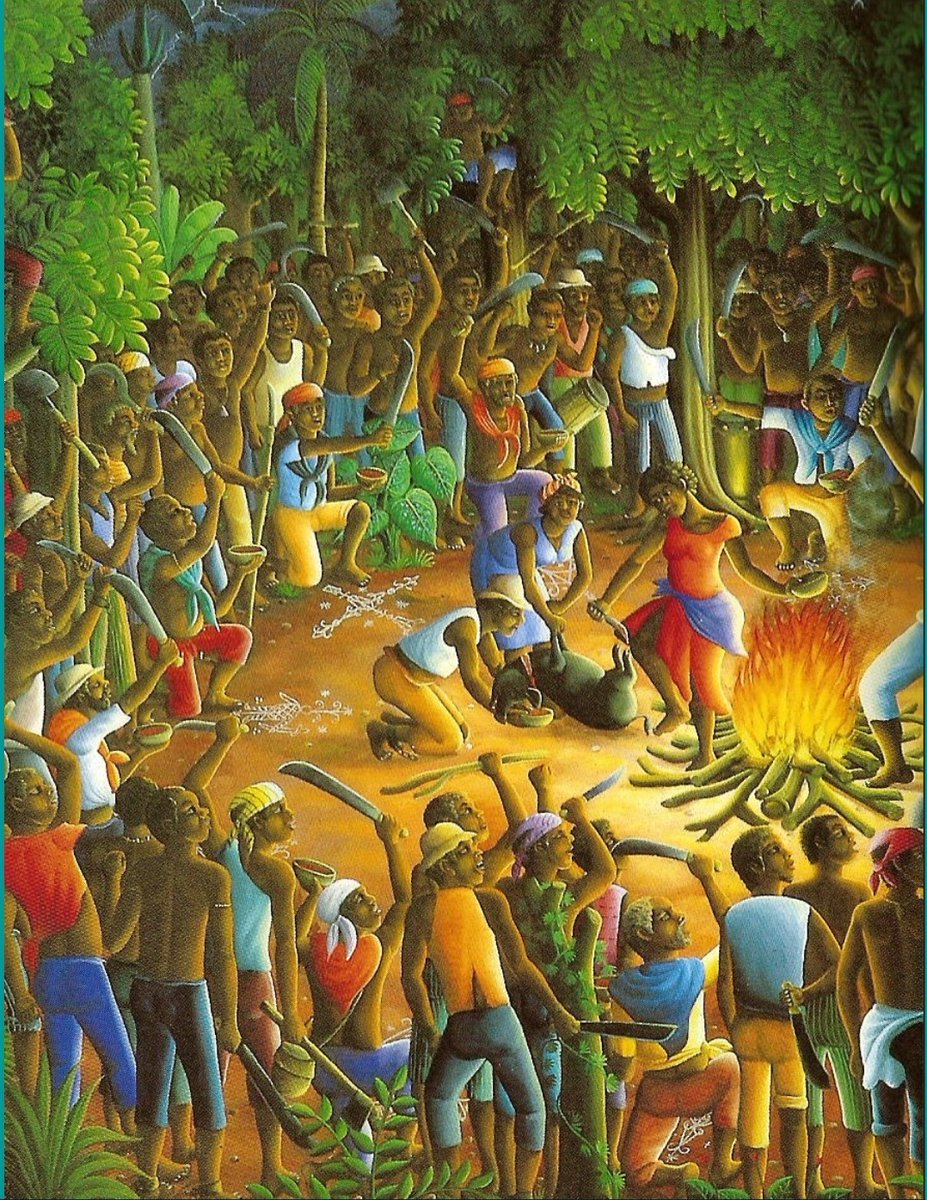
Haiti Team Forced To Remove Image Of Revolutionary Leader From Uniform Design By Olympics Committee When Haiti’s Winter Olympics team takes the stage this year in Italy, it will be doing so in style… but not quite the style it intended. The Caribbean nation was forced by the International Olympic Committee (IOC) to remove an image of Toussaint Louverture, one of its founding fathers, from its team's uniform design. The IOC cited the image’s “political symbolism” as the reason for the ban, but the regulatory body’s claimed “political neutrality” has drawn criticism, with many pointing out inconsistencies, double standards and a clear Western bias. Toussaint Louverture led the Haitian Revolution from its insurgence in 1791 until its victory in 1804. Waged by enslaved Africans in what was then the French colony of Saint-Domingue, and inspired by African spirituality, the Revolution ended with Haiti’s independence from French colonial rule, and the birth of the modern world’s first black republic. But France never got over its defeat, and two decades later, armed with superior gunships, imposed a crippling financial debt on Haiti under the pain of annihilation. It would take Haiti 140 years to pay off this debt, and the country has limped from one Western-imposed crisis to another ever since.