You need to look no further than this list to understand why our governments are not fit for purpose. All these people know is the political game.
Sam Taylor@staylorish
Remarkable.
English
BadLadDiverOne
7.9K posts
@BadladDiverOne
Lifelong engineer, 10y Commercial Diver (Uk and EU North Sea, Middle East etc. ) 21y Public Safety support services. Retired having made a difference.
Remarkable.



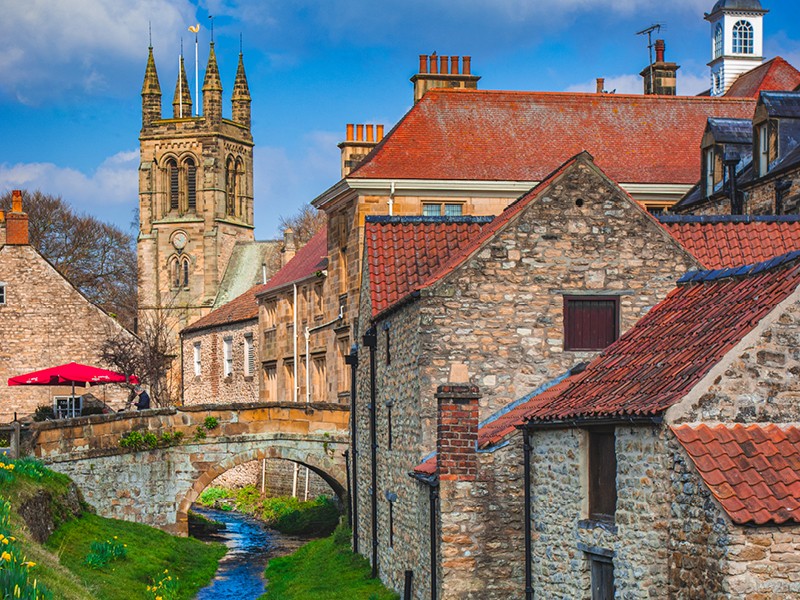
There is a new belief taking hold among Britain's institutions, and it is as dangerous as it is dishonest. The countryside, we are told, is "too white." Not green. Not rural. Not historic. White. And therefore a problem to be fixed. This is not satire. It is official policy. Government-commissioned reports now describe England's hills, fields, pubs and footpaths as a "white environment" that risks becoming "irrelevant" unless it is reshaped to reflect a "multicultural nation." Rural authorities are instructed to attract specific ethnic groups, redesign access, rewrite interpretation, adjust behaviour, and rebrand culture itself. All paid for by the taxpayer. This is not about access to nature. No one is barred from walking in the countryside. There are no gates marked by race. What is being objected to is not exclusion, but presence. The wrong people, in the wrong numbers, in the wrong place. Solitude is suspect. Pubs are "problematic." Dogs are a "barrier." Englishness itself is quietly reframed as a form of hostility. Once again, the pattern is familiar. First the language. Then the targets. Then the money. Culture is recast as a flaw. Continuity becomes "dominance." History is reduced to optics. And the group that built, sustained and preserved these places is told – politely, bureaucratically – that it must adapt or move aside. What makes this moment different is that the countryside was never in crisis. Cities were transformed by pressure, density, and policy failure. The countryside was stable. Rooted. That stability is precisely why it is now being targeted. It stands as a rebuke to the idea that constant demographic churn is inevitable or desirable. So it must be corrected. This is demographic engineering, not conservation. The state has decided that England's national landscape reflects the wrong story, and that story must be rewritten. Marketing is altered to show the "right" faces. Outreach is targeted at the "right" groups. Behaviour norms are revised. The land remains, but the meaning is changed. We are told this is because "we all pay for it." But that argument collapses on contact with reality. If something truly belongs to everyone, you do not single out one group as a problem and instruct it to change. You do not racialise shared space. You do not treat existing culture as a barrier to be dismantled. That is not inclusion. It is displacement by policy. The same logic now runs through housing, planning and migration. New towns dropped onto villages. Farmland sacrificed. Infrastructure ignored. Numbers driving everything, consent nowhere. The countryside is no longer a living inheritance but a blank surface onto which officials project social outcomes. And notice the asymmetry. One group must always adapt. One culture must always soften, explain itself, dilute itself. The others are affirmed, accommodated, reassured. That alone tells you this is not about fairness. It is about power. Once you accept that England itself is a racial problem, nothing is safe. Not villages. Not landscapes. Not history. What survives only does so until the next report declares it "unrepresentative." The countryside does not need re-education. It does not need racial quotas, rewritten customs, or academic lectures about who belongs. It needs defending because when the state decides a country's heartland is "too white," it has already decided the country itself must change. And once continuity is broken, it does not return. "The wrong people, in the wrong numbers, in the wrong place. Solitude is suspect. Pubs are "problematic." Dogs are a "barrier." Englishness itself is quietly reframed as a form of hostility."