Baseball Biographies

85 posts

Baseball Biographies banner
Baseball Biographies

Baseball Biographies

@BallplayerBios

The one constant through all the years has been Baseball

Everywhere they played Katılım Ocak 2025
5 Takip Edilen37 Takipçiler
Baseball Biographies
Baseball Biographies@BallplayerBios·
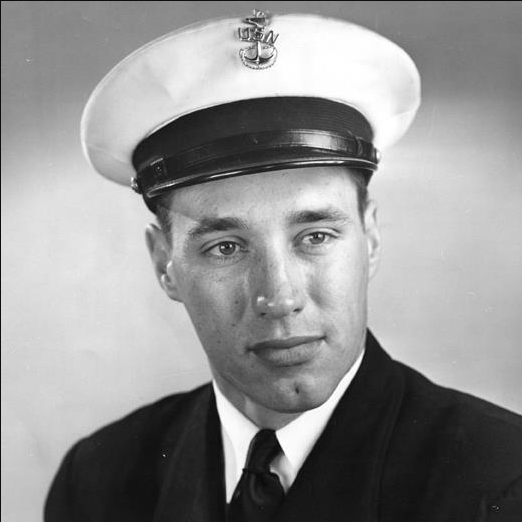
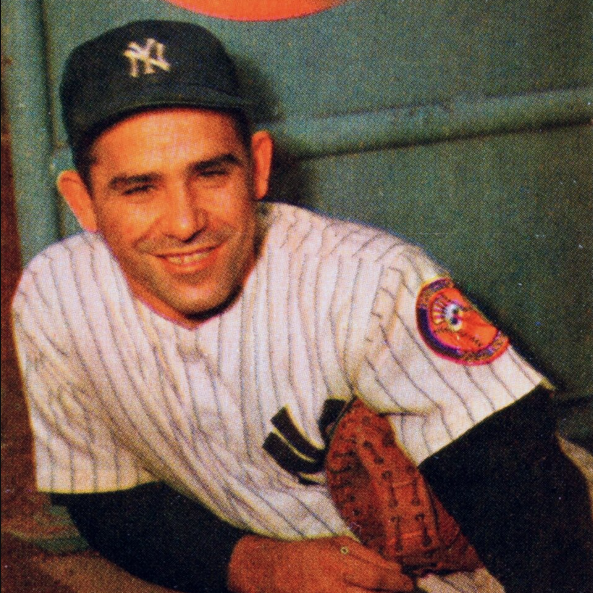
Yogi Berra was built like a fire hydrant, got teased his whole career for his looks, and turned out to be one of the greatest catchers who ever crouched behind a plate. Ten World Series rings, more than any player in the history of the sport. Eighteen All Star teams. Three MVPs. He caught the only perfect game in World Series history and jumped into the pitcher's arms like a kid. But Yogi became immortal for the way he talked. He had a gift for saying things that made no sense and perfect sense at the same time. It ain't over till it's over. When you come to a fork in the road, take it. Nobody goes there anymore, it's too crowded. Baseball is ninety percent mental and the other half is physical. You can observe a lot just by watching. The future ain't what it used to be. When people finally started writing all of it down, he shrugged and delivered the most perfect line of all: I really didn't say everything I said. He was beloved, quoted in boardrooms and classrooms, and a cartoon bear was even named after him. Easy to picture him as a lovable goofball and nothing more. So here is the kicker. On June 6, 1944, a nineteen year old Lawrence Berra was crouched not behind a plate but behind a machine gun on a Navy rocket boat a few hundred yards off Omaha Beach, firing at the coastline to cover the first waves of men storming ashore on D-Day. The man who said the future ain't what it used to be helped make sure there was one.
Baseball Biographies tweet media
English
0
0
1
48
Baseball Biographies
Baseball Biographies@BallplayerBios·
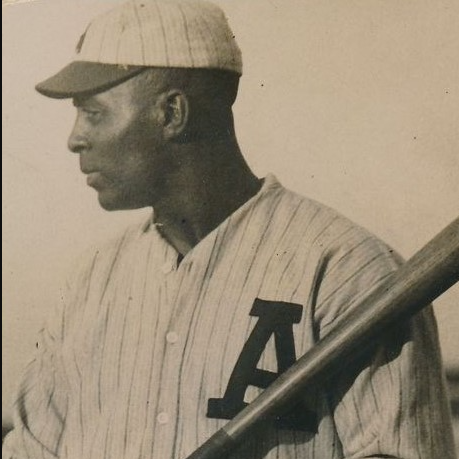
Oscar Charleston is the best baseball player most people have never heard of. Ask the men who actually watched him and they run out of comparisons. He had Ty Cobb's meanness on the bases, Tris Speaker's range in center field, and something close to Babe Ruth's power at the plate, all inside one body. Buck O'Neil, who spent a lifetime around the game and saw nearly everyone, would say flatly that Charleston was the greatest player he ever laid eyes on. He played a center field so shallow it was almost second base, daring hitters to drive the ball over his head, then running it down anyway. He was fearless to the point of recklessness. The stories about his temper are legendary, including one told for decades about Charleston walking up to a hooded Klansman and calmly pulling the hood clean off his head, just to see who was underneath. Nobody moved. He hit for average and power for a quarter century, then managed the fabled Pittsburgh Crawfords of the 1930s, the team that stacked Josh Gibson, Cool Papa Bell, and Satchel Paige on one roster, which is a little like being handed the keys to a Ferrari that also happens to be on fire. Here is the kicker. When the historian Bill James sat down decades later to rank the hundred greatest players in the history of baseball, Major Leagues included, he placed Oscar Charleston fourth. Ahead of Cobb. Ahead of Mantle, Aaron, and Williams. A man barred from the big leagues his entire life, rated the fourth best who ever played.
Baseball Biographies tweet media
English
0
0
1
47
Baseball Biographies
Baseball Biographies@BallplayerBios·
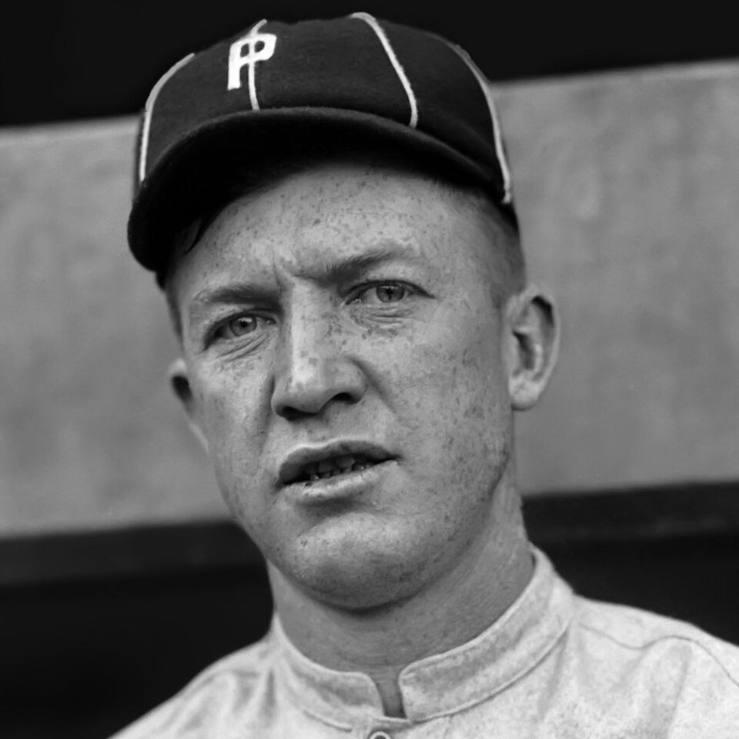
Grover Cleveland Alexander was named after a president and pitched like he was trying to outrank him. For three straight years with the Phillies he won more than thirty games each season, and in 1916 he threw sixteen shutouts, a single season record that has stood for over a century and that no living pitcher will ever touch. Then the Army sent him to France in 1918. He served on an artillery crew near the front, and the constant shellfire left him partially deaf, triggered epileptic seizures, and deepened a drinking problem that shadowed him the rest of his life. He came home a different man, prone to collapsing on the field from seizures that strangers assumed were simply drunkenness. Which brings us to the most famous inning of his life. 1926 World Series, seventh game, Cardinals clinging to a one run lead over the Yankees. Bases loaded, two outs, rookie Tony Lazzeri at the plate, and the Cardinals waved in their thirty nine year old starter, who had pitched and won the day before and was, by most accounts, in no condition to pitch again. Old Pete shuffled in from the bullpen, squinted at Lazzeri, and struck him out. Then he set the Yankees down the rest of the way and won the championship. He finished with 373 wins, the third most in the history of the sport. He died broke and mostly forgotten in a rented room in 1950. The kicker: two years later Hollywood made a movie about his life called The Winning Team. The actor they hired to play him was a fellow named Ronald Reagan, who went on to a second career you may have heard about.
Baseball Biographies tweet media
English
0
0
0
45
Baseball Biographies
Baseball Biographies@BallplayerBios·
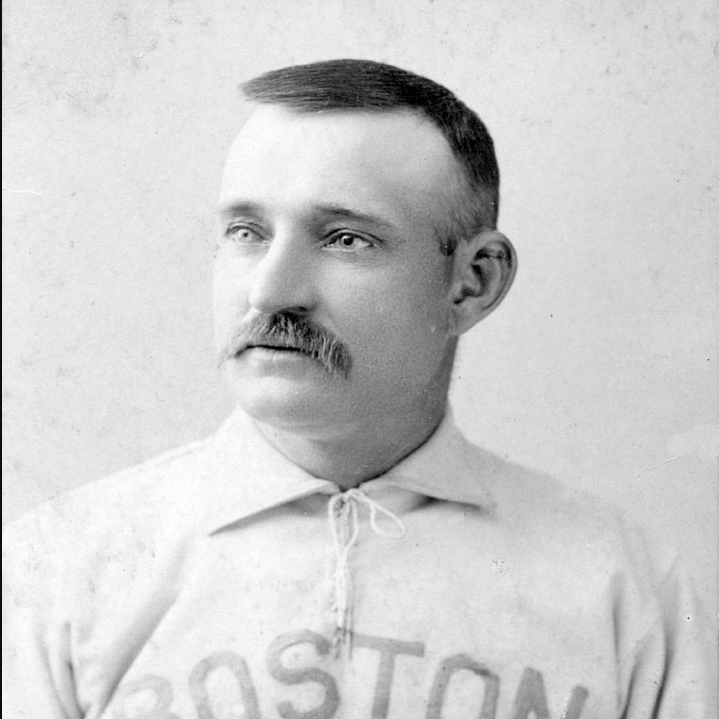
Charles Radbourn went by Old Hoss because a hoss was exactly what his team worked him like. In 1884 the Providence Grays lost their only other pitcher midseason, and rather than fold, Radbourn made his manager a deal: he would pitch essentially every remaining game himself, and in return they would tear up his contract and let him leave a free man at season's end. They shook on it. Then he went out and won fifty nine games. He started so many times down the stretch that his arm no longer worked like an arm. Some mornings he could not lift it high enough to comb his own hair. So he invented his own warmup. He would arrive early and begin tossing a ball a few feet, then back up step by step across the outfield over the better part of an hour until the shoulder finally loosened enough to throw from sixty feet. Then he would go pitch a complete game. He threw nearly seven hundred innings that season, a number no human being will ever approach again. Providence won the pennant, and Radbourn won all three games of the first World Series himself, a clean sweep of the New York Metropolitans. Here is the part almost nobody knows. Two years later, posing for a team photograph beside the New York Giants, Old Hoss looked into the camera and casually extended his middle finger at the photographer. The picture survives. It is the earliest known photograph of a human being flipping the bird, and the man who did it won fifty nine games in a year and pitched until his arm nearly quit on him. Somehow that feels exactly right.
Baseball Biographies tweet media
English
0
0
1
27
Baseball Biographies
Baseball Biographies@BallplayerBios·
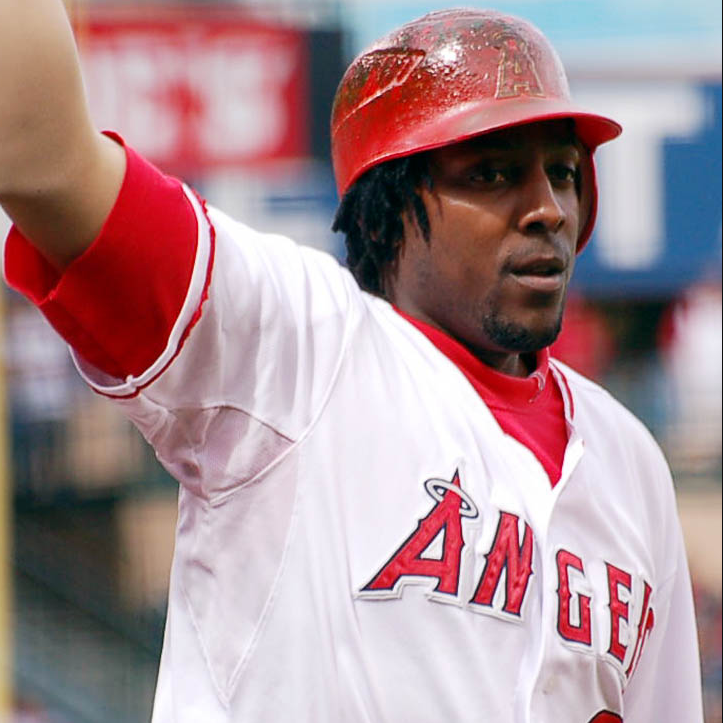
Vladimir Guerrero did not believe in the strike zone. Pitchers would bounce a ball in the dirt or sail one over his head, certain it could not be touched, and Vlad would reach out and drive it 400 feet anyway. He hit home runs off pitches that bounced before they ever reached the plate. Scouts liked to say his strike zone ran from the grass to the clouds, because there was simply no location on earth that was safe from him. He did all of it bare handed, no batting gloves, swinging a bat and wearing a helmet both caked black with pine tar and dirt, looking less like a modern athlete than a man who had wandered in off a sandlot and refused to leave. And when he was not tormenting pitchers he was tormenting baserunners, because the arm in right field was a cannon, one of the best anyone ever saw, that could cut a man down at home plate from the deepest corner of the yard. He grew up poor in the Dominican Republic and hit .318 for his career with 449 home runs, won a Most Valuable Player award dragging the Angels down the stretch in 2004, and made the whole thing look like the easiest and most joyful job in the world. Years later his son Vladimir Junior would grow into a star of his own. But there has still never been anyone who played it quite like the father, a free swinging genius who treated every single pitch, good or bad, as a personal invitation.
Baseball Biographies tweet media
English
0
0
1
202
Baseball Biographies
Baseball Biographies@BallplayerBios·
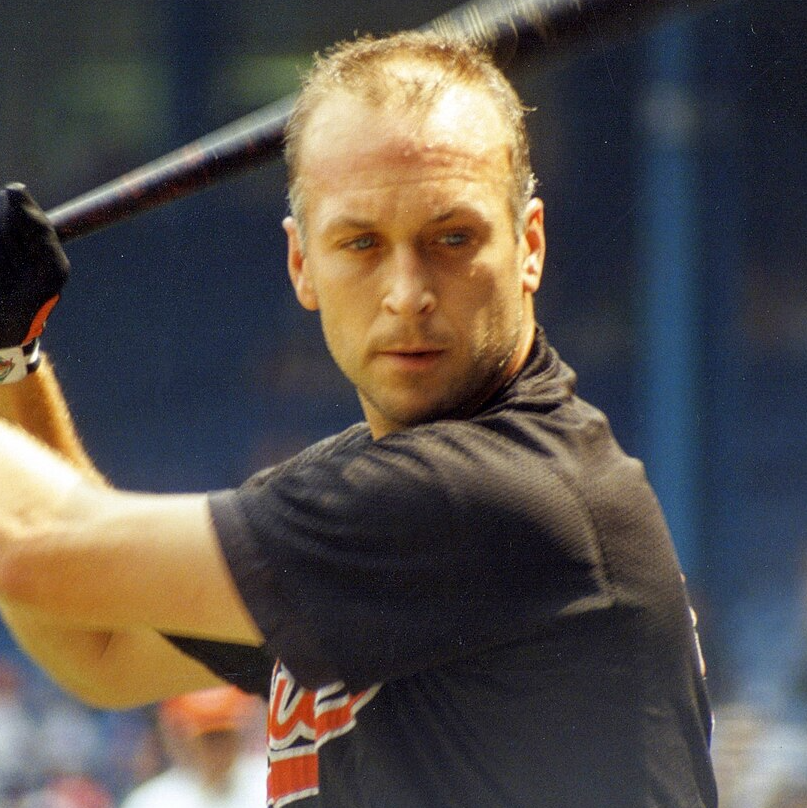
Cal Ripken Jr. showed up for work 2,632 days in a row. From the spring of 1982 to the fall of 1998 he did not miss a single game for the Baltimore Orioles, playing through slumps and sore backs and jammed fingers and every ordinary reason a man ever has to take a day off. He broke a record set by Lou Gehrig that everyone in baseball had assumed no human being would ever touch again. The night he passed it, September 6th of 1995, the number on the warehouse wall behind Camden Yards flipped to 2,131 and the whole stadium simply refused to stop cheering. For twenty two minutes they stood and roared, until his own teammates finally shoved him out of the dugout and he took a slow lap around the field, reaching into the seats to shake every hand he could find. It came barely a year after a players strike had wiped out the World Series and left fans furious at the sport. A shortstop who just kept showing up handed the game back its heart. He was far more than the streak. He was a two time most valuable player who reinvented what a shortstop could be, a big man with real power at a position built for small ones, and he did all of it in one uniform, for one city, for his entire life. When the Hall of Fame called, nearly every voter in the country wrote his name down. Cal Ripken had taught them something simple and easy to forget. Half of greatness is just deciding, every single day, to be there.
Baseball Biographies tweet media
English
0
0
0
61
Baseball Biographies
Baseball Biographies@BallplayerBios·
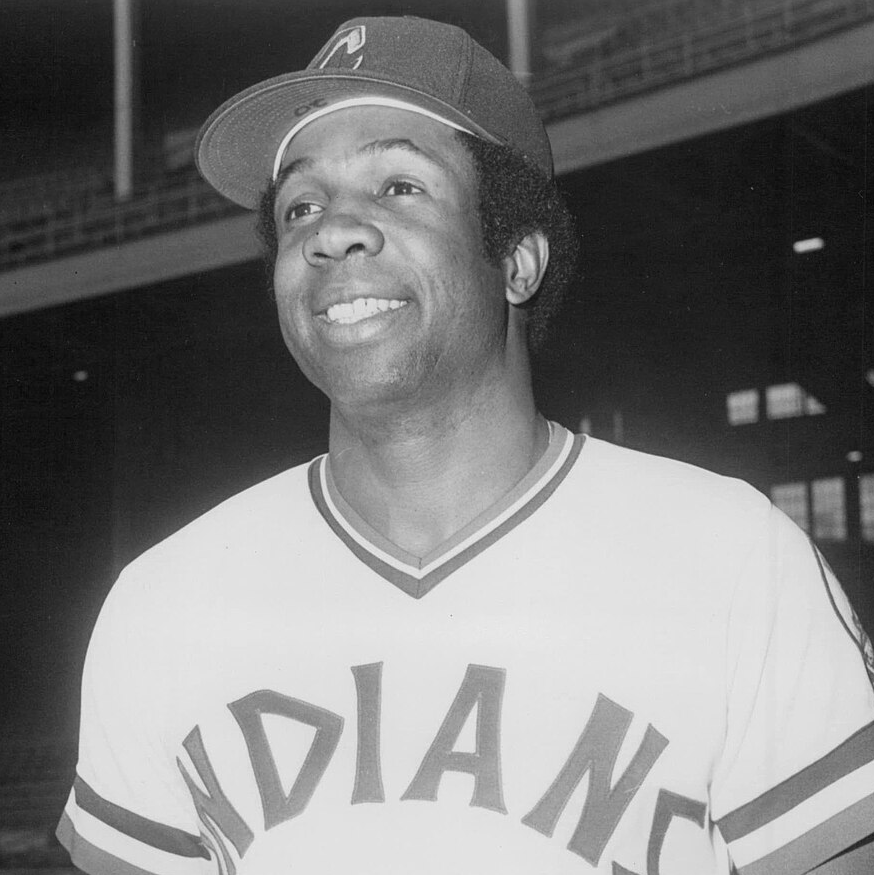
Frank Robinson played the game like he had something to prove, and for most of his life he did. He crowded the plate until pitchers had no room to work, wore the bruises from getting hit without ever backing up an inch, and hit 586 home runs doing it. In 1961 he was the most valuable player in the National League. Then his own team traded him away, and the general manager explained the deal by calling him an old thirty. The old thirty year old went to Baltimore in 1966 and won the Triple Crown, the Most Valuable Player award, and the World Series, all in the same season. He is still the only man ever named MVP in both leagues. It may be the single greatest act of spite in baseball history. But the moment that outlives even the numbers came in 1975. That spring the Cleveland Indians made Frank Robinson their manager, the first Black man ever to run a major league club. On Opening Day he penciled his own name into the lineup as player manager, stepped to the plate in the first inning, and hit a home run. Of course he did. He spent the rest of his life opening doors, managing four different teams and working in the commissioner's office, a hard man with a long memory who used every bit of it to make the game fairer than he found it.
Baseball Biographies tweet media
English
0
0
0
23
Baseball Biographies
Baseball Biographies@BallplayerBios·
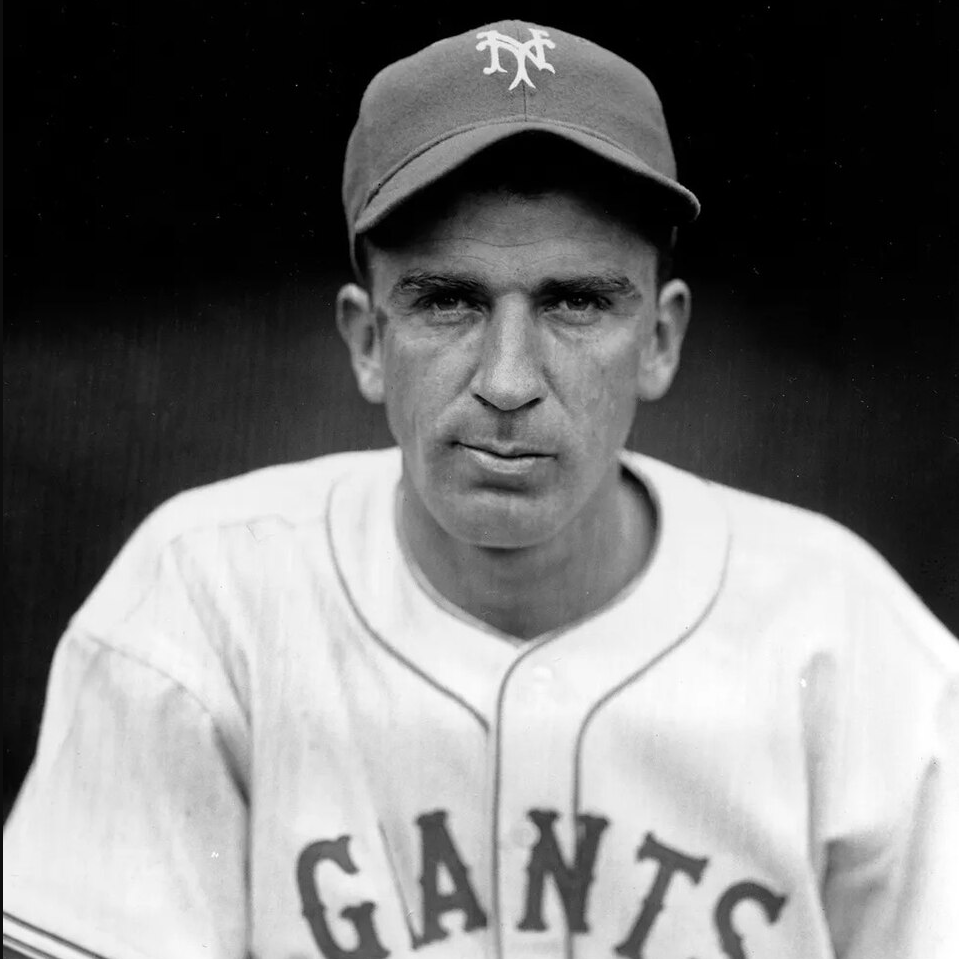
Carl Hubbell got a baseball to do something it was not supposed to do. His pitch was the screwball, a curve that broke the wrong way, in toward a right handed hitter instead of away, and he threw it so often and twisted his arm so hard doing it that his left hand eventually settled palm out even when he just let it hang at his side. That was the price of being unhittable. For the New York Giants they called him the Meal Ticket, because when the season was on the line he was the man they handed the ball to. He won two most valuable player awards, once reeled off twenty four straight victories across two seasons, and once threw eighteen scoreless innings in a single game without ever seeming to break a sweat. But it is one warm afternoon in 1934 that carried his name into legend. In the All Star Game at the Polo Grounds, Hubbell walked to the mound and faced about the most frightening lineup ever assembled. One after another he struck out Babe Ruth, then Lou Gehrig, then Jimmie Foxx, then Al Simmons, then Joe Cronin. Five hitters, five strikeouts, five men who would all wind up in the Hall of Fame, sat down in a row by a quiet lefty and his impossible pitch. Ruth reportedly wandered back to the dugout just shaking his head. Nobody had ever made those five look ordinary before, and after Carl Hubbell, nobody ever quite would again.
Baseball Biographies tweet media
English
0
0
0
27
Baseball Biographies
Baseball Biographies@BallplayerBios·
Bob Feller threw a baseball faster than almost anyone had ever seen, and he did it first as a seventeen year old fresh off his father's Iowa farm. They called him Rapid Robert. In one of his earliest starts he struck out seventeen men, matching the record, and he was still young enough that he had to go back home afterward to finish high school. His graduation was carried on national radio. For Cleveland he threw three no hitters, including the only one ever tossed on Opening Day, along with a dozen one hitters, and he led the league in strikeouts seven times. And then, at the very peak of all of it, he walked away. Two days after Pearl Harbor, with the best years of his career still in front of him, Feller enlisted in the Navy. He did not take a safe assignment. He became a gun captain on the battleship Alabama, fought in the Atlantic and the Pacific, and earned eight battle stars over nearly four years at sea. He was the first big leaguer to volunteer, and he gave up almost four full seasons of his prime to do it. He never once counted the wins it cost him. He waved off the word hero entirely. The real heroes, he said, were the ones who did not come home. Bob Feller came home, picked the ball back up, and threw a no hitter the very next year, as if the world had simply been holding its breath while he was gone.
Baseball Biographies tweet media
English
0
0
1
36
Baseball Biographies
Baseball Biographies@BallplayerBios·
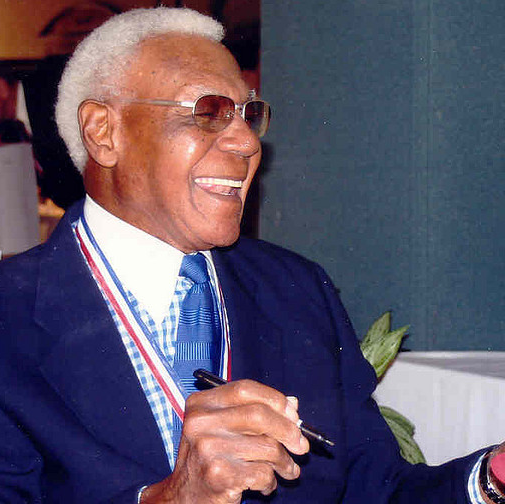
Buck O'Neil could have been one of the angriest men in baseball. Instead he became its warmest soul. He was a slick fielding first baseman and a batting champion for the Kansas City Monarchs, then their manager, and in 1962 he broke another barrier by becoming the first Black coach in major league history. As a scout he found Ernie Banks and Lou Brock. He was good at every single job the game ever handed him. What he was best at was refusing to be bitter. Born too soon to play in the white majors, he waved the grievance away every time it came up. Waste no tears for me, he liked to say. I was not born too early. I was right on time. Late in life he became famous all over again, telling stories in Ken Burns's documentary with a twinkle that made millions of strangers feel like old friends. He built the Negro Leagues Baseball Museum in Kansas City so the men he played with would never be forgotten. In 2006 the Hall of Fame held a special election, inducted seventeen Negro Leagues figures, and left Buck O'Neil off the list by a single vote. He was ninety four years old. He showed up anyway, gave the induction speech for the men who made it, then asked the whole crowd to hold hands and sing along with him. He died a few months later. It took the Hall of Fame until 2022 to finally put him where he had always belonged. Buck O'Neil never once said he was owed it. He was just glad he got to be there for all of it.
Baseball Biographies tweet media
English
0
0
1
35
Baseball Biographies
Baseball Biographies@BallplayerBios·
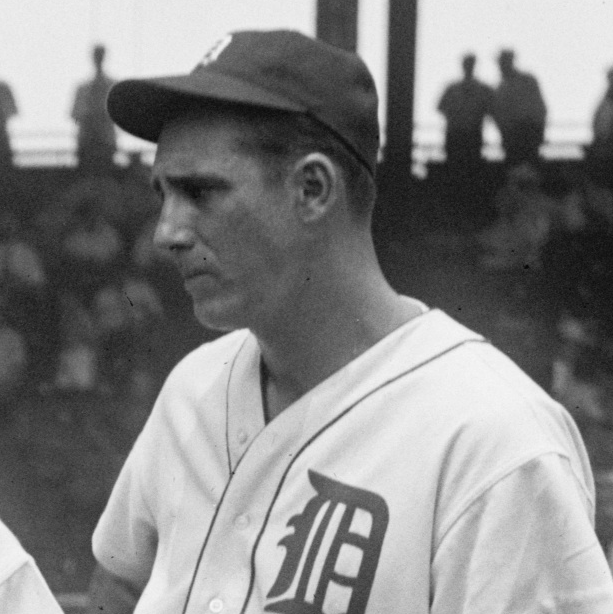
Hank Greenberg was the first great Jewish star in American sports, and he carried that on his back every single day he played. Opposing dugouts rode him with slurs. In 1938, while he chased Babe Ruth's home run record, pitchers seemed to find the corners a little too carefully, and he finished with 58, two short of 60. He mostly let his bat do the answering. Twice most valuable player, four times a home run champion, he once drove in 183 runs in a season, a number only one American Leaguer has ever beaten. The moment people still tell about came in 1934. The Tigers were fighting for the pennant when the Jewish High Holy Days arrived. Greenberg played on Rosh Hashanah, hit two home runs, and won the game. But on Yom Kippur, the holiest day of the year, he walked into synagogue instead of the ballpark and sat the game out. A Detroit poet wrote that the team would miss him in the lineup, but that he was true to his religion, and I honor him for that. A city that was not his own took him to heart. Then he gave the game away for a while. Greenberg lost nearly four and a half seasons to World War Two, more than any other star, and returned in 1945 to hit a pennant winning grand slam on the final day of the season, as if he had never left. In his last year as a player he watched a rookie named Jackie Robinson take the same kind of abuse he once had. After the two collided at first base, Greenberg made a point of encouraging him and telling him to keep his head up. He knew, better than almost anyone in the game, exactly what the young man was carrying.
Baseball Biographies tweet media
English
0
0
1
42
Baseball Biographies
Baseball Biographies@BallplayerBios·
Dizzy Dean talked as fast as he threw, which is saying something. Before the 1934 season he announced that he and his little brother Paul would win forty five games between them for the St. Louis Cardinals. They won forty nine. Dizzy took thirty of those himself, the last National League pitcher ever to win thirty in a season, then beat the Tigers in the World Series and was named MVP. When someone accused him of bragging, he shrugged. It ain't bragging, he said, if you can back it up. He backed it up with a fastball and a grin, the ace and the ringleader of the rowdy, tobacco stained Gashouse Gang. He once summed himself up this way. The Good Lord was good to me. He gave me a strong body, a good right arm, and a weak mind. The arm did not last. A line drive off Earl Averill's bat broke his toe in the 1937 All Star Game, and when a doctor told him the toe was fractured Dizzy fired back, fractured, hell, the thing is broken. He came back too soon, changed his motion to spare the toe, wrecked his shoulder, and was mostly finished as a pitcher before he was thirty. So he went up to the broadcast booth and got even more famous. He told listeners that runners slud into third and stood on their respectable bases, and when teachers complained he was ruining children's grammar he answered that a lot of folks who ain't sayin ain't, ain't eatin. In 1947, bored and heckling the awful St. Louis Browns, he bragged he could pitch better than they could. They called his bluff and let him start the last game of the year. Thirty seven years old and six years retired, Dizzy Dean threw four shutout innings, then pulled a muscle legging out a base hit and laughed his way back to the microphone where he belonged.
Baseball Biographies tweet media
English
0
0
0
74
Baseball Biographies
Baseball Biographies@BallplayerBios·
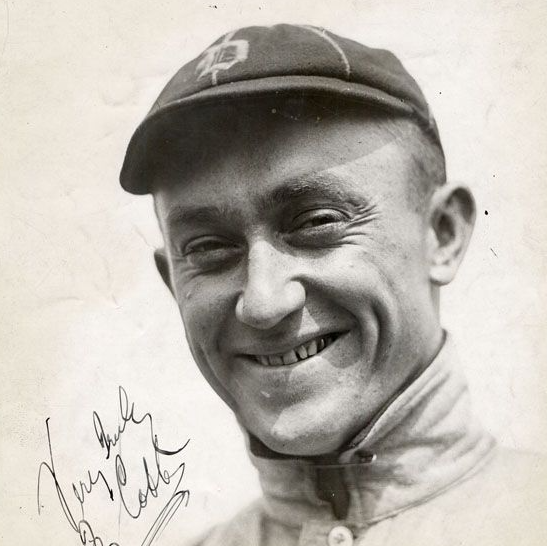
Ty Cobb hit .366 across twenty four seasons, and more than a hundred years later nobody has ever hit higher. He piled up 4,189 hits, stole 897 bases, won a dozen batting titles, and when the Hall of Fame held its first election in 1936 he appeared on more ballots than Babe Ruth. As a pure player, the case that he was the greatest of the deadball era is barely a case at all. He was also the most feared and least loved man in the game. Cobb played baseball like a war he intended to win by any means. He went into bases spikes high, needled opponents until they lost their heads, and treated a single lost game like a personal insult. Just weeks before his major league debut his mother shot and killed his father, and something in that grief seemed to harden into the fury he carried onto the field for the rest of his life. He said it plainly. He had a fire in his belly, and he never could stand losing. The full picture of Cobb has only grown more complicated with time. He was capable of real cruelty and real generosity inside the same lifetime. He got rich early on Coca Cola and General Motors stock, then quietly poured much of that fortune into a hospital in his small Georgia hometown and a foundation that put poor kids through college for decades after he was gone. He wanted, above everything else, to be remembered as the best who ever lived. He may well have been. He just made sure nobody enjoyed watching him prove it.
Baseball Biographies tweet media
English
0
0
0
32
Baseball Biographies
Baseball Biographies@BallplayerBios·
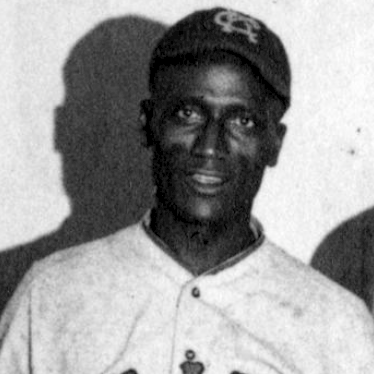
Norman Stearnes got the nickname Turkey as a boy, some say for the way he ran with his arms flapping like a bird about to take off, and it stuck to one of the greatest hitters almost nobody has heard of. For the Detroit Stars and a handful of other Negro Leagues clubs across the 1920s and 1930s, he hit home runs in bunches, led his league in them again and again, and paired that power with a high average and real speed. By most careful reckonings he is one of the finest all around hitters the Black leagues ever produced. He was also a wonderful oddball. Turkey loved his bats the way a violinist loves an instrument. He gave them names, talked to them, kept them in cases so nothing would happen to them, and was known to bring them to bed. He hit out of a stance with his front toe pointed almost straight up at the sky until the pitch came. Modesty was the other half of him. When people asked how he stacked up against the famous names, he shrugged it off. After his playing days he went to work in a Detroit auto foundry and lived quietly, a legend hiding in plain sight in a factory town. It took until the year 2000, more than twenty years after he died, for the Hall of Fame to finally open its doors to him. Turkey Stearnes had been that good the whole time. The world just took a very long while to notice.
Baseball Biographies tweet media
English
0
0
1
29
Baseball Biographies
Baseball Biographies@BallplayerBios·
Big Ed Delahanty hit a baseball as hard as anyone alive in the 1890s. He batted .346 for his career, a mark still among the highest anyone has ever posted, and he is one of the very few men to win a batting title in both the National League and the American League. In 1896 he hit four home runs in a single game, at a time when four home runs in a week was a lot. Pitchers did not so much pitch to him as pray. He was the oldest and best of five Delahanty brothers who all reached the majors, a strapping son of Irish Cleveland with a swing that scared infielders half to death. Fans came out early just to watch him take batting practice. Then, on a summer night in 1903, he walked off into American folklore. Delahanty was aboard a train rolling east, drinking, agitated, tangled up in a contract fight. The conductor put him off near the International Bridge over the Niagara River. In the dark he started across the bridge on foot, got into a scuffle with a night watchman, and went into the water. His body was pulled out days later below the falls. Nobody has ever known for certain what happened out there in the dark. Accident, despair, or something worse, the river never said. One of the greatest hitters who ever lived stepped off into the night at thirty five and simply did not come back.
Baseball Biographies tweet media
English
0
0
0
35
Baseball Biographies
Baseball Biographies@BallplayerBios·
Rube Waddell might have been the most talented and least manageable man who ever threw a baseball. He was a left hander with a fastball that hummed and a curve that fell off the table, and for six straight seasons he led the American League in strikeouts. In 1904 he struck out 349 hitters, a number nobody in the league would touch again for almost seventy years. He was also, to put it kindly, a distraction. Rube loved fire engines, and if one clanged past the ballpark he was known to leave the mound in the middle of an inning and go chasing after it. Opposing benches learned to bring puppies and shiny windup toys to the game, because a waved puppy could pull his attention off the plate entirely. In the winter he wrestled alligators. He tended bar, marched at the head of parades, played marbles with kids under the grandstand, and once, the story goes, waved his own outfielders in to sit down behind the mound and then struck out the side to prove he could. His catcher and roommate Ossee Schreckengost supposedly had a clause written into his own contract forbidding Rube from eating crackers in bed. Connie Mack, who spent years trying to keep him pointed in the right direction, simply said Waddell had more sheer stuff than any pitcher he ever saw. The ending is the part people forget. In 1912 Rube stood chest deep in freezing floodwater in Hickman, Kentucky, stacking sandbags for hours to save the town. He caught a chill that never really left him, and he died two years later at thirty seven. The wildest arm in baseball spent one of its last great efforts holding back a river for strangers.
Baseball Biographies tweet media
English
0
0
0
37
Baseball Biographies
Baseball Biographies@BallplayerBios·
John Henry Lloyd was a shortstop so smooth that Cubans gave him a nickname of pure affection. They called him El Cuchara, the scoop, because his enormous hands raked ground balls out of the infield dirt like a man digging for treasure. For a quarter century, from 1906 into the 1930s, he was the finest shortstop in Black baseball, and plenty who saw him swore he was the finest anywhere. The comparison that followed him everywhere was to Honus Wagner. People started calling Lloyd the Black Wagner, and when Wagner heard it he did not bristle. He said he was honored to have his name spoken next to Lloyd's. Connie Mack, asked to name the greatest player he had ever seen, could not separate the two. Put Wagner and Lloyd in a bag together, he said, and whichever one you pulled out you could not go wrong. Lloyd never got to play in the major leagues. The color line saw to that, and by the time Jackie Robinson broke it Lloyd was an old man coaching kids in Atlantic City. He could have been bitter. He was not. Asked whether he felt he had been born at the wrong time, he said he had been born at exactly the right time. He had gotten his chance to prove what his people could do on a ball field, and in doing it he helped pry the door open for everyone who followed. They named the ballpark in Atlantic City after him. Pop Lloyd, the man with a scoop for a nickname and a shortstop's hands that history could never quite bury.
Baseball Biographies tweet media
English
1
0
3
101
Baseball Biographies
Baseball Biographies@BallplayerBios·
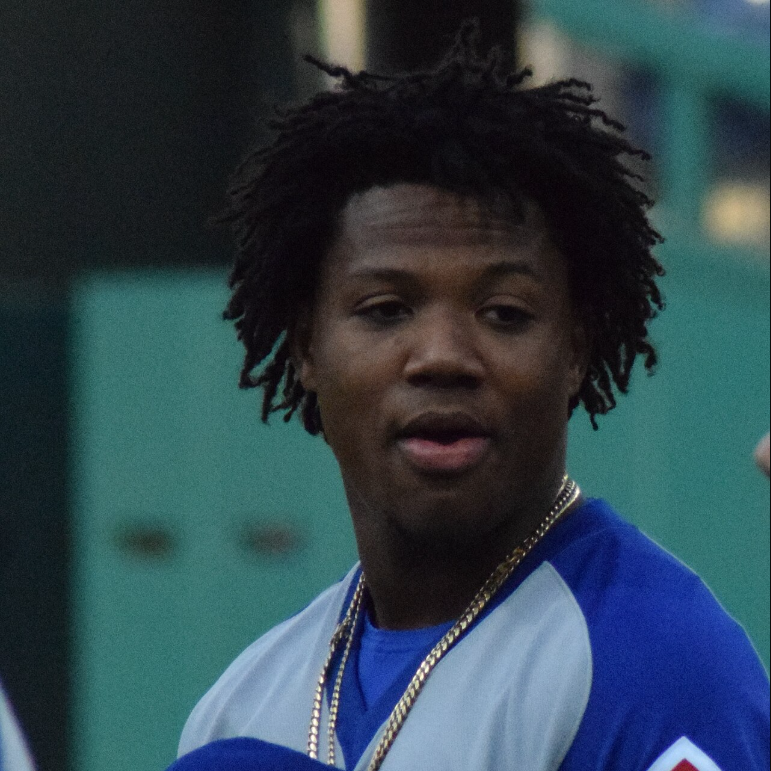
In 2023 Ronald Acuna Jr did something no human being had ever done. He hit 41 home runs and stole 73 bases in the same season. Not 40 and 40, a feat only a handful of players have ever pulled off. Forty and seventy. He invented a category that year and then ran off with it, unanimous National League MVP, the only member of a club he built himself. He grew up in La Guaira, Venezuela, the son and nephew of professional ballplayers, and he showed up in Atlanta at 20 years old already looking like the future of the sport: a leadoff hitter with 40 home run power and the top speed of a track sprinter, playing the game at a volume everyone around him could feel. The only thing that has been able to stop him is his own knees. He has torn the same ligament twice, in 2021 and again in 2024, each time in a single instant, each time costing him the better part of a year. And each time he has come back. When Acuna is healthy and on the field, there is a real argument that no one alive is more fun to watch, and there is no argument at all about the ceiling. He is 28 years old. The best of it may still be in front of him.
Baseball Biographies tweet media
English
0
0
0
45
Baseball Biographies
Baseball Biographies@BallplayerBios·
Derek Jeter played twenty seasons of shortstop for the New York Yankees and not a single inning for anyone else. He arrived in 1996, won Rookie of the Year, and by the end of that October the Yankees were world champions. It was the first of five rings. He would collect 3,465 hits, sixth most in the history of the game, and he did all of it in the largest and harshest spotlight in American sports without ever once embarrassing the uniform. He had a gift for the enormous moment. In the 2001 playoffs, on a play he had no business being anywhere near, he sprinted clear across the first base line, grabbed an errant throw, and shoveled a backhand flip to his catcher to nail a runner at the plate. Weeks later, in a World Series game that ran past midnight into November, he homered to win it, and a nickname was born on the spot: Mr. November. The ending read like pure fiction, except it actually happened. In his final game at Yankee Stadium, tie score, bottom of the ninth, the captain came up one last time and lined a single into right field to win it. The whole ballpark knew exactly what it had just seen. Some players spend an entire career chasing one moment like that. Jeter spent twenty years making them look routine.
Baseball Biographies tweet media
English
0
0
1
23
Baseball Biographies
Baseball Biographies@BallplayerBios·
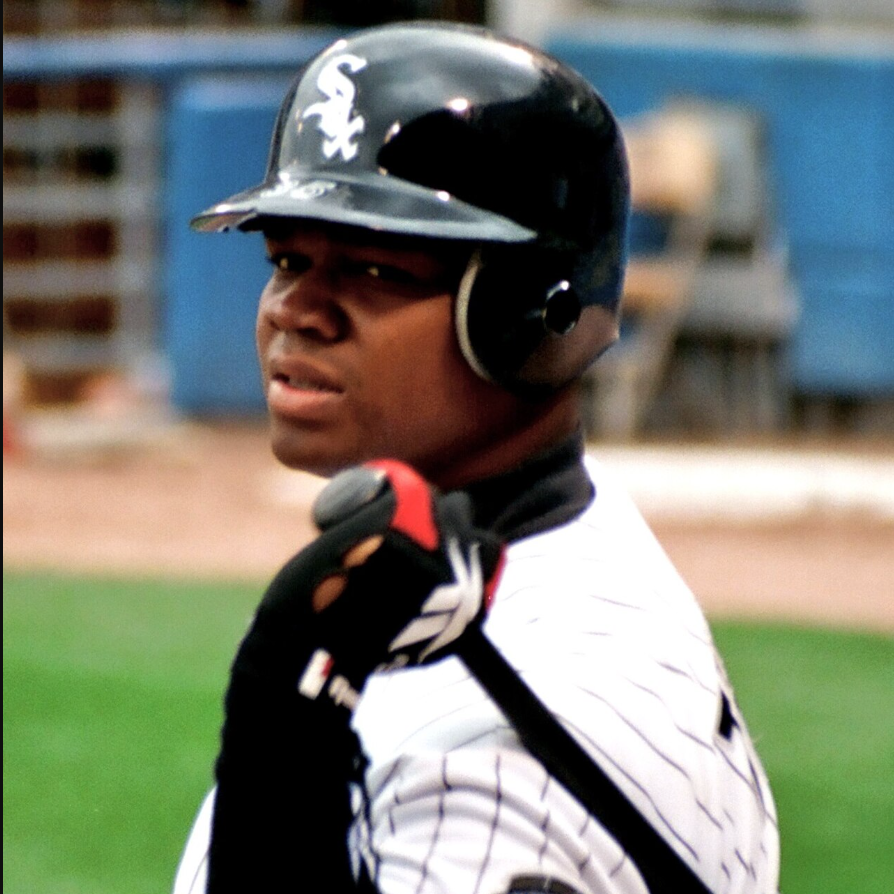
Frank Thomas stood six feet five inches tall and was listed at 270 pounds, and pitchers in the 1990s regarded him roughly the way you would regard a landslide. They called him the Big Hurt. He won back to back MVP awards in 1993 and 1994, and for a decade he did something almost nobody that size does: he married enormous power to an almost fussy patience, walking more than a hundred times a year, refusing to chase, waiting on the one pitch he would then hit 450 feet. The numbers put him in absurd company. He finished with 521 home runs and a .301 average, and he is one of only a small handful of players in history, alongside Ruth, Gehrig, Foxx, Williams, and Musial, to retire with a .300 average, 500 home runs, 1,500 runs batted in, 1,500 walks, and 1,000 runs scored. He is remembered for one more thing. He played his best years in the very middle of the steroid era, surrounded by inflated numbers and whispered accusations, and he was loud about being clean. When baseball finally investigated itself, Thomas was the only active star who volunteered to sit down and talk. He spent that entire era insisting the game deserved better, and history has treated him kindly for it. He walked into the Hall of Fame on the first ballot.
Baseball Biographies tweet media
English
0
0
0
21