ⲣⲉⲙⲙ̀ⲡⲓϣⲁⲙⲏⲣ

4.6K posts

ⲣⲉⲙⲙ̀ⲡⲓϣⲁⲙⲏⲣ banner
ⲣⲉⲙⲙ̀ⲡⲓϣⲁⲙⲏⲣ

ⲣⲉⲙⲙ̀ⲡⲓϣⲁⲙⲏⲣ

@Bashmurian

🇺🇸🇪🇬 Ibrahim Fahmy Hilalism enthusiast 🔺☥

Katılım Ocak 2025
202 Takip Edilen207 Takipçiler
rew
rew@rewhum·
@BaalJolani He's some random friend of Daniel Haqiqatjou. Yeah this confirmed for me that Junior's probably an Egyptian
English
2
0
3
279
ⲣⲉⲙⲙ̀ⲡⲓϣⲁⲙⲏⲣ retweetledi
Sandra
Sandra@Sandyyyh·
Cry harder
English
0
134
589
86.7K
🇪🇬corado🇪🇬
اقسم بالله ١٠٠٪ مش ٨٠٪ فقط من يقرأ التاريخ الاسلامي بنفسه بعيدا عن خطب الجمعه و هبد الشيوخ سيصاب بصدمه مثال تسمع عن حب الصحابه للنبي صح ؟ كذب حسان بن ثابت شاعر الرسول خاض في عرض النبي و النبي جلده طلحه كان يقول لو مات محمد لانكحن عائشة حتي الصحابه الكبار مثل عمر و ابو بكر
🇪🇬corado🇪🇬 tweet media
العربية
127
44
497
35.8K
🇱🇧
🇱🇧@Housewifebarbii·
given up on everything and I don’t care about anything anymore
English
1
0
2
89
ⲣⲉⲙⲙ̀ⲡⲓϣⲁⲙⲏⲣ retweetledi
Saint Mark
Saint Mark@alqdys13839·
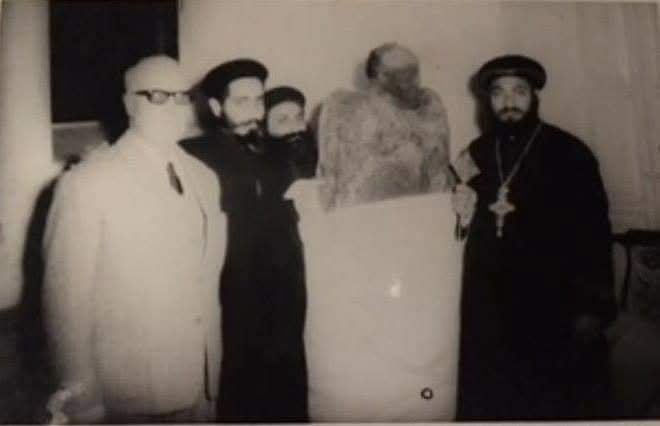
The body of the martyr Saint Sidhom Bishay, who received the crown of martyrdom in 1844, was discovered intact in July 1967. The photo was taken a few months after the discovery. The martyr’s body was whole and bore marks of torture, as recorded in his blessed biography. His skin was lighter at time of discovery, but later became darker after a bishop anointed the body with embalming substances that altered the skin’s color. In the photo: Father Bishoy Abdel-Masih, who discovered the body and wrote the biography. He also found two manuscripts dating back to the time of the saint’s martyrdom, containing the full details. Also in the photo: the late Anba Agapius II, Bishop of Dayrout, and Archon Alphons Nicola, supervisor of the churches of Damietta and the Coptic endowments at the time. He was a descendant of the martyr Sidhom’s brother and the uncle of the late Anba Bishoy, Metropolitan of Damietta. May his blessing be with us Amen #AzmaZarqa
Saint Mark tweet media
English
0
4
8
245
ⲣⲉⲙⲙ̀ⲡⲓϣⲁⲙⲏⲣ retweetledi
Salim Ahmed
Salim Ahmed@salimawlaki·
المصريون لا يكرهون الخليج فقط. هم يكرهون إسرائيل وأميركا والأقباط المسيحيين، ويكرهون الطبقة الغنية في مجتمعهم، والعلمانيين، وانصار الحرية، والمرأة …… وكل شيء. المصري مزيج مشوّه من الفقر والكبت الجنسي والجهل.
Salim Ahmed tweet media
العربية
95
90
446
17.6K
ⲣⲉⲙⲙ̀ⲡⲓϣⲁⲙⲏⲣ
@liverfoolegy @Samsonig1 @DaidojisAbs No it's mental gymnastics because Even if we ASSUME what you're saying is true, it still doesn't justify the conclusion of abandoning Egyptian language then coming back to larp for tourists because being Arab is suddenly shameful since 9/11. Either you integrate fully or not
English
2
0
0
44
Samsonig
Samsonig@Samsonig1·
@liverfoolegy @Bashmurian @DaidojisAbs Yeah they migrated there to control trade routes and such and obviously failed and integrated with the people because arabic didn't take hold of the region until the arab invasions
English
2
0
1
45
liverfool
liverfool@liverfoolegy·
@Bashmurian @Samsonig1 @DaidojisAbs how did that void happen? If the 'void' was so natural, the Emperor wouldn't have needed an army to close the temples. the arabic language was prevalent in egypt before 641 as cleopatra spoke and was spoken by bedouins along the nile which was noted by herodutus
English
2
0
0
40
ⲣⲉⲙⲙ̀ⲡⲓϣⲁⲙⲏⲣ retweetledi
Saint Mark
Saint Mark@alqdys13839·
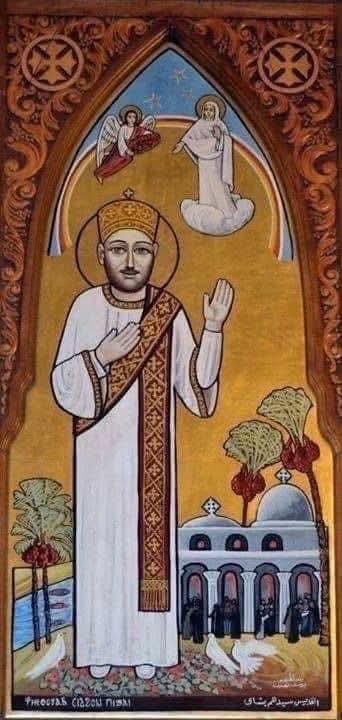
Also today, the Church commemorates the martyrdom of the valiant saint Sidhom Bishay of Damietta (17 Baramhat) – March 26, 2026. On this day, the Church celebrates the remembrance of the martyrdom of Saint Sidhom Bishay in Damietta, on the 17th of Baramhat in the year 1565 A.M. (March 25, 1844 A.D.). He was the brother of El-Moallem Soliman Bishay, a clerk in the governorate of Damietta. Saint Sidhom Bishay was a timber merchant in Alexandria, and he used to travel to Damietta once or twice a year to purchase wood that arrived through its port, during the papacy of Pope Peter VII (El-Gawly), the 109th Patriarch. It happened that the wooden (roof) of the Church of Saint George Al-Mozahim in Basat (near Sherbin) collapsed. The saint, who was an archdeacon and loved visiting old churches, took interest in repairing it and offered a full shipload of timber for its restoration. He was also faithful in attending prayers at the Church of Saint George in Damietta. One day, while on his way to church, a non-Christian man confronted him, intending to stop him from going. Sidhom Bishay ignored him, which angered the man, who then incited some boys to insult him. Later, the town’s Mufti passed by, and they falsely accused Sidhom before him, claiming he had insulted Islam and its Prophet. The Mufti became enraged and brought two false witnesses to court, where the accusation was formally made. Sidhom Bishay, a man over forty known for his patience and kindness, was summoned. As he was brought to court, people beat and insulted him. The judge ordered severe torture: he was struck with sticks, his hair was pulled out, and people spat on him until he lost consciousness. A respected Copt named Moallem Banoub Ibrahim Farag saw him and protested, saying, “Is it not enough that you beat him? Must you also drag him on his face?” When Sidhom was brought again before the judge, he was ordered either to convert to Islam or be killed. He refused, and they beat his face with shoes until he bled and left him half-dead, then imprisoned him. For three days, he was repeatedly brought out, threatened and tempted, but he did not yield. He was taken to the governor’s office, beaten publicly, and sentenced again. He was whipped with 500 lashes, dragged down the stairs, disfiguring his face, then dragged through the streets and locked away. On the fourth day, they stripped him, mocked him, smeared his body and face with filth, and hung a wooden cross on his beard. They paraded him through the streets with drums, dancing, and crowds beating him until his flesh was exposed. Through it all, he remained patient, praying: “O Pure One… O Jesus.” They passed through the Christian quarter, where homes and properties were attacked, provoking foreign consuls to complain to their governments. Eventually, they dragged him to his brother’s house. One of them poured boiling tar over his body. At that moment, his nephew Malika was present. The saint said, “A lady is standing before me,bring her a chair.” The boy saw no one, but Sidhom was calling upon the Virgin Mary, saying, “O compassionate one.” They mocked him, saying he was calling his wife, though he was celibate. Finally, after five days of torture, he delivered his pure soul into the hands of the Holy Virgin, who appeared to him alone at the moment of his departure. After this incident, foreign consuls reported what happened to Europe, and warships were sent to Damietta. The ruler sent an envoy to investigate, punished the judge and governor, and restored order. To calm tensions, an official funeral was held for the martyr, during which crosses were publicly raised. His body was honored and placed in a zinc-covered coffin at the state’s expense. Clergy and people of all communities participated in the funeral procession. He was buried in church grounds, and a pillar of light was seen over his grave that night. Many took soil from the grave for blessing and healing. Later, his body was placed in the Church
Saint Mark tweet media
English
1
5
15
296