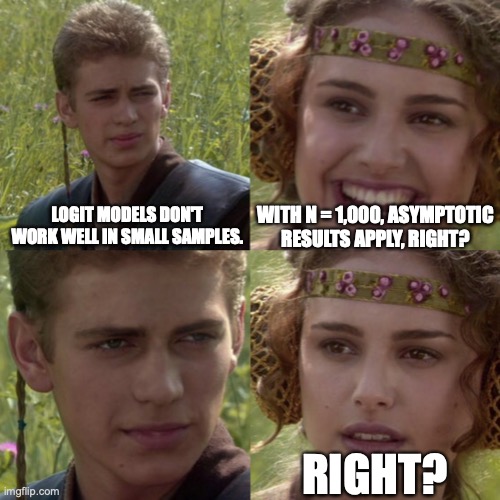
🌟👀 ¿Qué hacer cuando un resultado NO es estadísticamente significativo? 🧠
No te preocupes, no es el fin del mundo. 🌎
Aquí te dejo una guía para reflexionar y tomar el próximo paso como un profesional de los datos:
#stats#datascience#research#analytics#thesis#pvalue
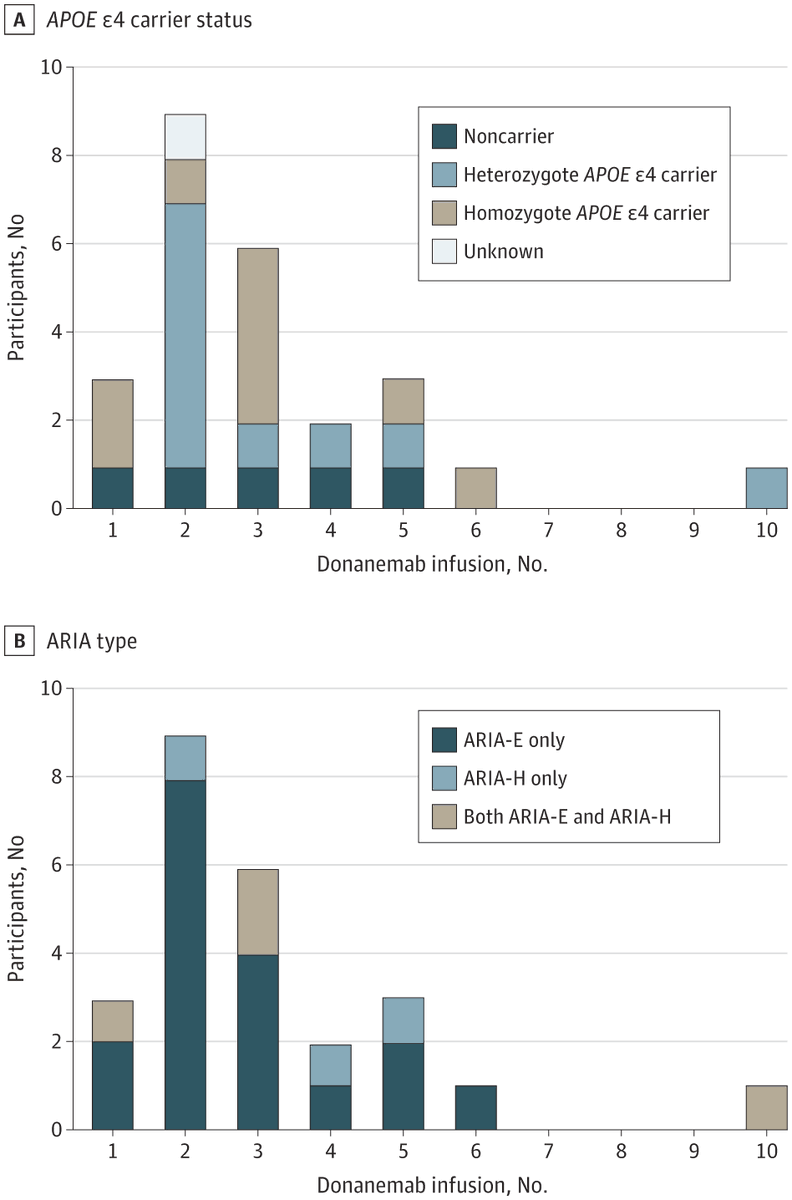
Donanemab treatment increased amyloid-related imaging abnormalities risk compared with placebo in patients with early symptomatic Alzheimer disease and elevated amyloid levels. ja.ma/45tEps8
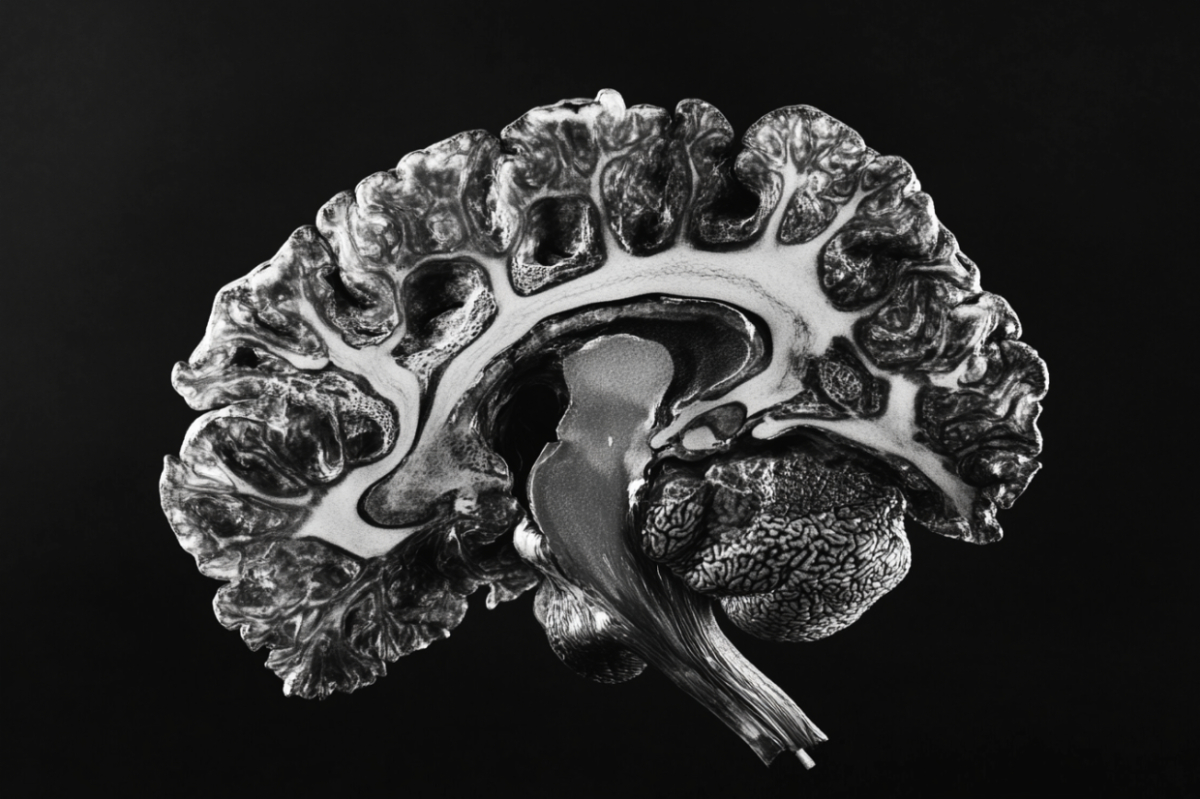
Computational neuropsychiatry seeks to explain neurological and psychiatric disorders in terms of neuronal message passing. Bottemanne et al. argue that these models may not apply to vascular neurological pathologies and severe tauopathy & synucleinopathy. tinyurl.com/bddu23ve
8-Minute MRI Scan Can Diagnose MS Without Lumbar Puncture
A new study has shown that multiple sclerosis (MS) can be accurately diagnosed using an 8-minute MRI scan, eliminating the need for a painful and invasive lumbar puncture.
The scan uses T2*-weighted imaging to detect vein-centered brain lesions—hallmarks of MS—visible on standard clinical MRI machines.
Researchers developed a diagnostic guideline called the “rule of six,” where the presence of six such lesions confirms an MS diagnosis.
In trials, this method proved just as reliable as traditional testing and was supported by long-term patient outcomes.
The findings are now endorsed by the International Committee for the diagnosis of MS, marking a shift away from routine lumbar punctures.
This new approach promises faster diagnoses, improved patient comfort, and significant cost savings for healthcare systems.
🧵 Writing the Statistical Analysis Section of a Manuscript: A Guide
1/ 📜 Introduction:
When drafting a manuscript, the statistical analysis section provides clarity on how you analyzed the data. It's the backbone of your results, ensuring your findings are robust and credible.
2/ 📌 Start with Objectives:
Begin by reiterating the study's objectives or research questions. This sets the stage and reminds readers why certain analyses were performed.
3/ 📊 Descriptive Statistics:
Mention the basic descriptive statistics you utilized. This includes measures of central tendency (mean, median) and dispersion (range, standard deviation).
4/ 🔍 Specify the Tests:
Clearly state which statistical tests were used for each analysis. Whether it's t-tests, ANOVAs, regression analyses, or chi-square tests, be specific.
5/ 🛠 Software & Version:
State the statistical software package and version used. E.g., "All analyses were performed using R version 4.0.2."
6/ 🧮 Assumptions:
For many statistical tests, certain assumptions need to be met. Discuss any checks you performed (like tests for normality) and how any violations were addressed.
7/ 🔄 Handling Missing Data:
Address how you dealt with missing data – whether you used listwise deletion, imputation, or another method. Transparency is key!
8/ 🚫 Correction for Multiple Tests:
If you conducted many tests, discuss how you corrected for multiple comparisons (e.g., Bonferroni correction) to reduce the risk of Type I errors.
9/ 📈 Effect Sizes & Confidence Intervals:
Besides p-values, mention any effect sizes (like Cohen's d) and confidence intervals. They provide additional insight into the practical significance and precision of estimates.
10/ 🔄 Sensitivity Analyses:
If you conducted any sensitivity or supplementary analyses, briefly describe them. This showcases the robustness of your primary results.
11/ 🤝 Collaboration:
If you collaborated with a statistician or data analyst, mention this. It can enhance the credibility of your analysis section.
12/ 📝 Clear Language:
Use clear and concise language. Avoid jargon. The goal is to make it accessible to readers from diverse backgrounds.
13/ 🔄 Replicability:
Where possible, provide supplementary material (like a code or dataset) that would allow others to replicate your analysis.
14/ 💡 Conclusion:
Wrap up by emphasizing the rigorous approach you took. Reinforce that your methods were appropriate for answering the research questions.
15/ 🙌 Feedback:
Once your draft is ready, consider getting feedback from colleagues or a statistician. A fresh pair of eyes can spot ambiguities or errors.
📌 Final Thought:
A well-structured statistical analysis section lends credibility to your research. It ensures your study's findings are both valid and reproducible. Happy writing! 🖋
If you found this thread helpful, please like, share, and comment! #Statistics#DataScience#ResearchTips
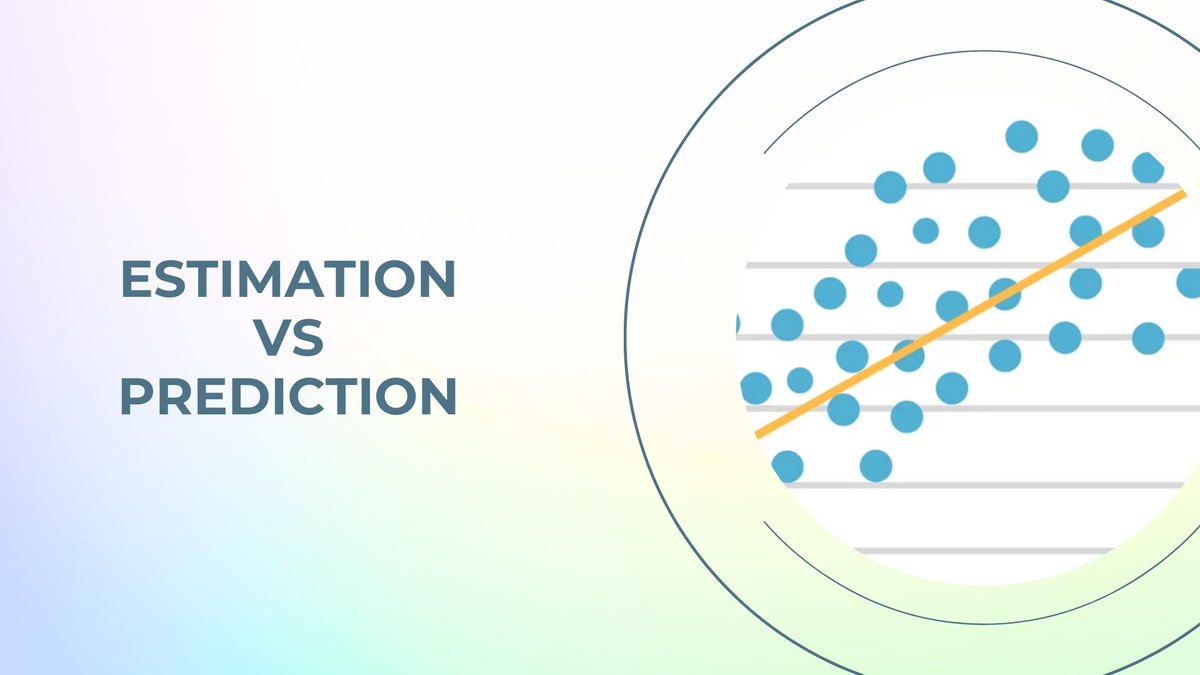
Estimation and Prediction Explained 📊✨
1/ Introduction to Estimation and Prediction 🌟
In the world of statistics, Estimation and Prediction are two crucial concepts. Let's dive deep into each one and understand their applications in the field of medicine!
2/ Estimation Defined 🎯
Estimation involves assessing the unknown parameters (e.g., mean, variance) of a population based on a sample. Types:
a) Point Estimation: Single value representing the parameter.
b) Interval Estimation: Range of values within which the parameter likely falls.
3/ Methods of Estimation 🧰
a) Maximum Likelihood Estimation (MLE): Finds the parameter value that maximizes the likelihood of the observed data.
b) Least Squares Estimation (LSE): Minimizes the sum of the squared differences between observed and estimated values.
4/ Prediction Defined 🔮
Prediction involves forecasting future observations based on existing data. It is not just about the population parameters but also the random error associated with each observation.
5/ Prediction Interval vs Confidence Interval 🌈
Confidence Interval: Range in which the population parameter is expected to lie with a certain level of confidence.
Prediction Interval: Range in which a future observation is expected to lie with a certain level of confidence.
6/ Estimation vs Prediction 🔄
Estimation focuses on assessing population parameters from a sample, whereas Prediction is about forecasting future observations.
Estimation Error: Difference between the estimated parameter and the true parameter.
Prediction Error: Difference between the predicted and actual future observation.
7/ Applications in Medicine 🌍
Estimation:
a) Determining the average age of onset for a specific disease.
b) Estimating the proportion of patients who respond to a treatment.
Prediction:
a) Predicting the efficacy of a new drug.
b) Predicting the occurrence of disease outbreaks.
8/ Key Takeaways 💡
a) Estimation assesses population parameters, while Prediction forecasts future observations.
b) Both are pivotal for medical research, clinical trials, and public health planning.
Conclusion: Understanding the nuances between Estimation and Prediction is fundamental for anyone working in the field of medicine. It guides you to select the right tools and techniques for your research and planning. Stay curious, stay informed! 🚀📊
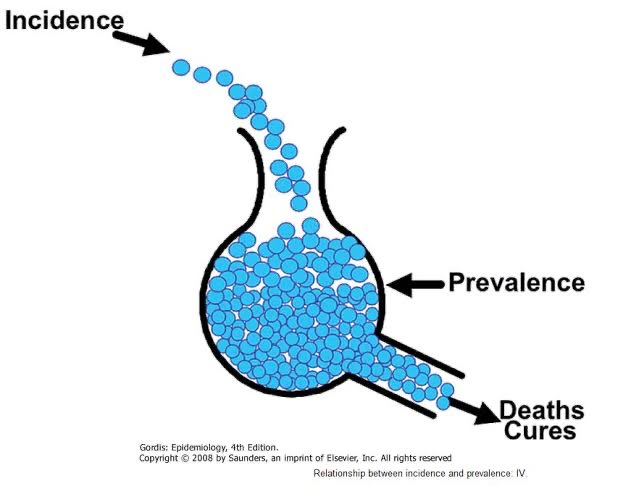
Understanding Prevalence and Incidence 📊🚀
1/ Introduction to Prevalence and Incidence 🌟
Prevalence and incidence are two key epidemiological measures used to study diseases. Understanding them is crucial for public health planning and disease control. Let's break them down!
2/ Prevalence Defined 💡
Prevalence is the proportion of a population found to have a condition (e.g., disease, risk factor) at a specific point in time or over a specified period. It includes both new and existing cases.
3/ Types of Prevalence 🎨
a) Point Prevalence: Number of cases at a specific point in time divided by the total population.
b) Period Prevalence: Number of cases over a specific period divided by the average population during that period.
4/ Incidence Defined 🚀
Incidence is the number of new cases of a condition that develop in a population at risk during a specified time period. It reflects the rate at which new cases occur.
5/ Types of Incidence 🌈
a) Cumulative Incidence: Number of new cases during a specified period divided by the population at risk at the start of the period.
b) Incidence Rate: Number of new cases during a specified period divided by the person-time at risk.
6/ Prevalence vs Incidence 🔄
Prevalence is a measure of existing cases (both new and old) in a population at a specific time or period, whereas Incidence only counts new cases that occur in a population at risk during a specified time period.
7/ Factors Affecting Prevalence 🎭
a) Disease Duration: Longer duration increases prevalence.
b) Incidence: Higher incidence increases prevalence.
c) Cure Rate: Higher cure rate decreases prevalence.
d) Mortality: Higher mortality decreases prevalence.
8/ Factors Affecting Incidence 🌍
a) Exposure to Risk Factors: Higher exposure increases incidence.
b) Effectiveness of Preventive Measures: Better prevention decreases incidence.
c) Population Dynamics: Changes in population size and structure affect incidence.
9/ Applications in Medicine 🚀
Prevalence:
a) Planning healthcare services.
b) Assessing the burden of a disease.
Incidence:
a) Identifying causes of a disease.
b) Evaluating the effectiveness of preventive measures.
10/ Key Takeaways 💡
a) Prevalence vs. Incidence: Prevalence encompasses all cases of a particular disease or condition present in a population at a given time or over a specified period. This includes new cases (incidence) and existing cases that have not yet resolved or resulted in death. Incidence, on the other hand, strictly refers to the number of new cases that develop in a population at risk during a specified time period.
b) Importance for Public Health: Both prevalence and incidence are essential for different aspects of public health. Prevalence helps in understanding the overall disease burden on a community and is crucial for planning healthcare services and resources. Incidence is critical for identifying the causes of a disease, understanding its transmission dynamics, and evaluating the effectiveness of preventive interventions.
c) Impact on Health Policies: Prevalence data often drives public health policies and funding allocations because it reflects the total disease burden. Incidence data is crucial for developing and evaluating interventions to prevent new cases of a disease.
Conclusion: Grasping the differences between prevalence and incidence is vital for anyone involved in public health or medical research. These measures are fundamental for planning, monitoring, and evaluating health programs. Stay informed, stay healthy! 🌟📊
#DataScience#Statistics#Epidemiology
Understanding Survival Analysis in Plain English 📊
1/ Intro to Survival Analysis 🌱
Survival analysis isn't about wilderness survival. It's a statistical method to study the time until an event happens. Think of it like tracking how long candles burn before they go out.
2/ Why is it unique? ⏳
Most stats look at things like averages. Survival analysis looks at time. How long does it take for something to happen?
3/ Event? 🎉
The "event" could be anything: How long before a machine breaks? How many days until a patient gets better? How many hours until a battery dies?
4/ Censored Data 🚫
Not all candles will burn out during our watch. Some might still be burning when we finish our study. This is called "censoring". Survival analysis handles this incomplete info.
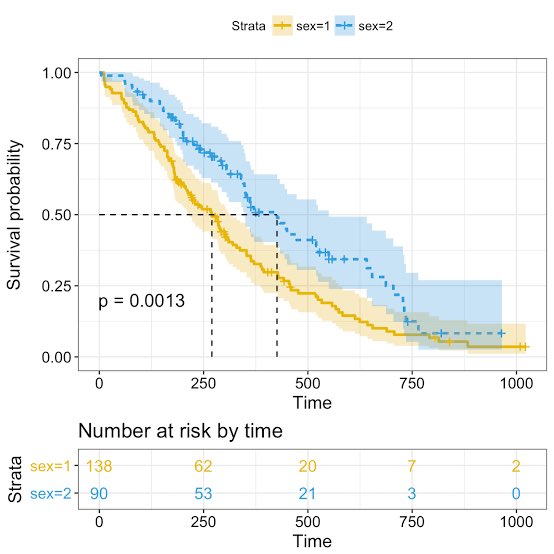
5/ Survival Function 📈
This is a curve that shows the probability of survival (i.e., event not yet occurred) over time. If you're tracking battery life, it'd show the chance a battery lasts X hours.
6/ Hazard Rate ⚡️
It tells us the risk of the event happening at a specific time, given it hasn’t happened till then. For a candle, how likely is it to go out in the 5th hour, if it's still lit after 4 hours?
7/ Why not just use averages? 🤷♂️
Say you have 2 batteries. One dies in 1 hour, the other in 9. Average = 5 hours. But that doesn't tell the whole story. Survival analysis gives a more detailed picture. With survival curves, we grasp nuances like % of batteries lasting past specific times, risks of dying at certain hours, & how different groups (e.g., battery brands) compare over time. 📊🔋
8/ Applications 🌐
Survival analysis is everywhere!
• Medicine: Predicting patient survival
• Engineering: Machine lifetime predictions
• Finance: Time until loan default
• And much more!
9/ Key takeaways 📌
• It's about time until an event.
• It handles incomplete info (censoring).
• Gives richer insights than just averages.
10/ Endnote 📘
Survival analysis is a powerful tool that goes beyond simple averages. It offers a detailed look at how time impacts events. So, the next time someone talks about "survival rates", you’ll know it's not about the wilderness, but about understanding time and events!
#Statistics#DataScience
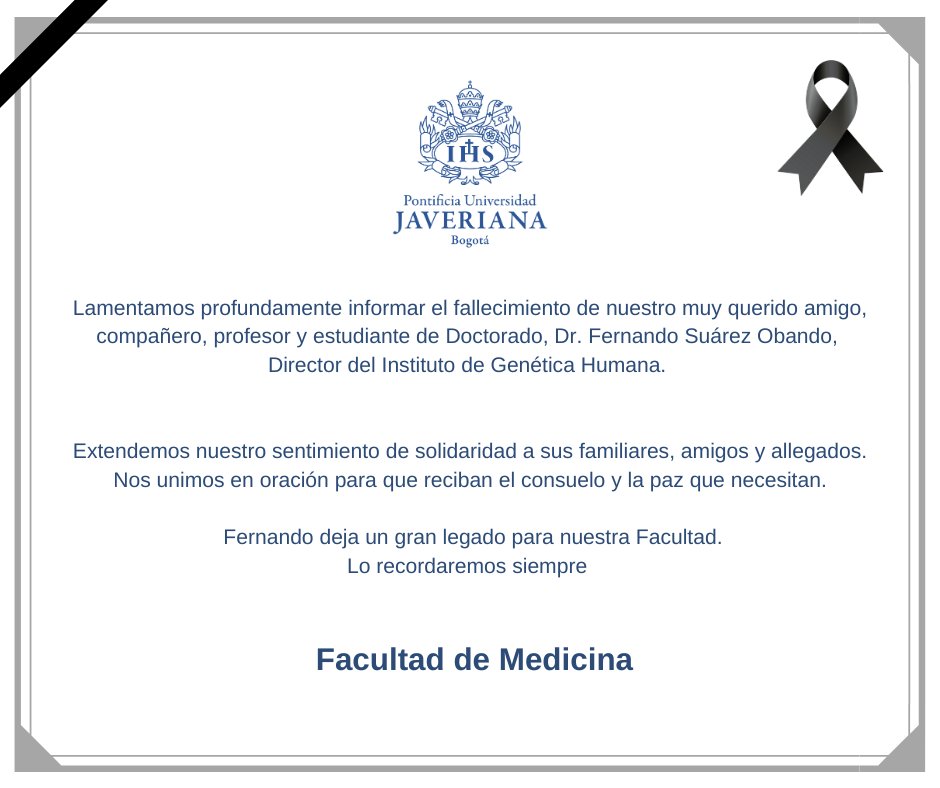
Desde @MedicinaPUJ lamentamos el fallecimiento del Dr. @FerSuarezMD, profesor y Director de @GeneticaPUJ. Nos quedamos con lo mejor de Fernando quien deja un gran legado para nuestra Facultad.
Extendemos nuestro sentimiento de solidaridad a sus familiares, amigos y allegados.
Bueno, me leí el proyecto de ley de la experimentación animal, entonces les voy a contar por qué tantos biólogos nos estamos posicionando en contra de este proyecto.
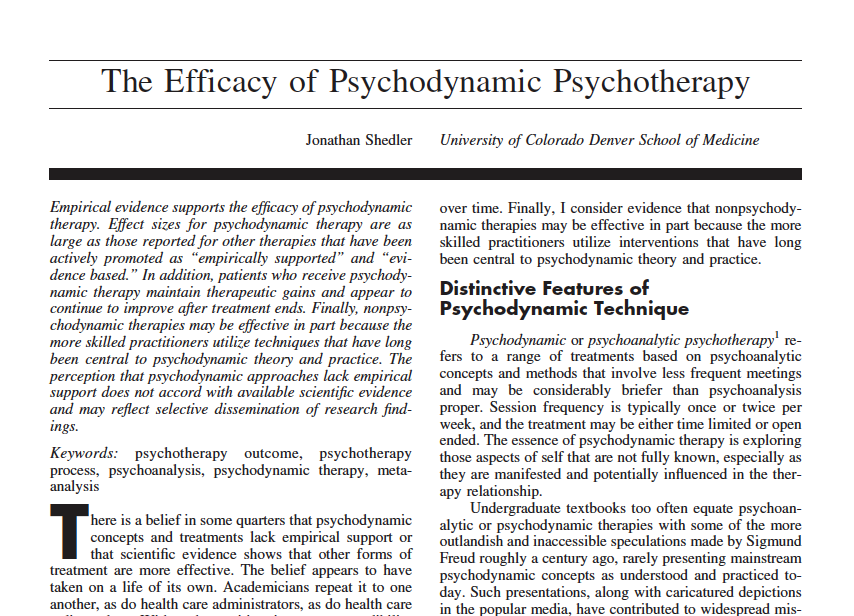
2/ I also knew from first-hand experience that 'evidence-based' therapy—typically a code word for brief, manualized CBT—fails enormous numbers of patients. I was supervising in a university-based psychiatry clinic & saw them every day. Someone needed to set the record straight"
Exactamente a las ocho y cuarto de la mañana del 6 de agosto de 1945, hora japonesa, en el momento en que la bomba atómica estalló sobre Hiroshima, la señorita Toshiko Sasaki, empleada del departamento de personal de East Asia Tin Works, acababa de sentarse en su puesto en la oficina de la planta y estaba volviendo la cabeza para hablar con la chica del escritorio de al lado.
Así comienza "Hiroshima" de John Hersey. En mi opinión, la mejor pieza periodística de la historia.
31.000 palabras que ocuparon todo el New Yorker del 23 de agosto de 1946 (poco más de un año después de la bomba), y cambiaron la opinión pública estadounidense para siempre.
Hasta ese momento, la 2ª Guerra Mundial había sido una epopeya donde los americanos solo eran héroes. Con "Hiroshima", Hersey puso delante de sus ojos el horror. *Su* horror.
Massively under-reported science story because there's so much going on right now but...it turns out that we might have figured out what's causing this very scary spike.
Quick thread, on how WE'VE BEEN ACCIDENTALLY GEOENGINEERING FOR DECADES...but then we stopped: