
Sabitlenmiş Tweet

BeSomebodyFX
4.8K posts

@BeSomebodyFX
We make fundamentals actionable and effective for your trading. Fundamentals for direction, technicals for entry.



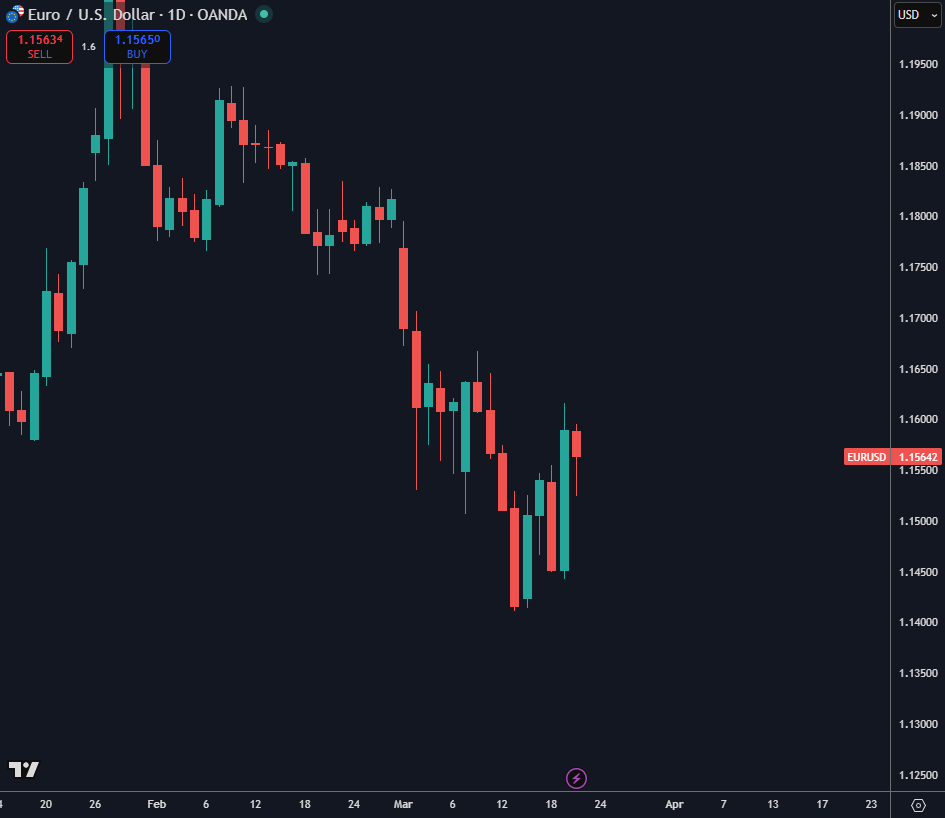
A lot of traders hear “ECB may need to stay hawkish” and assume that should automatically support the EUR But EURUSD downside can still make a lot of sense here Why?! Europe is more exposed to the energy disruption Higher oil and gas prices do not just lift inflation there They also hit growth harder because the EU is a net energy importer, a big one So yes, the ECB sounded a little hawkish yesterday Yes, some desks are even talking about hikes ahead But that does not automatically become Euro bullish if tighter policy is arriving into a weaker growth backdrop That is the part traders miss If the bigger takeaway is: 1. More inflation 2. More growth drag 3. More pressure on consumers and industries That is why EURUSD downside can make sense even if the ECB sounds hawkish

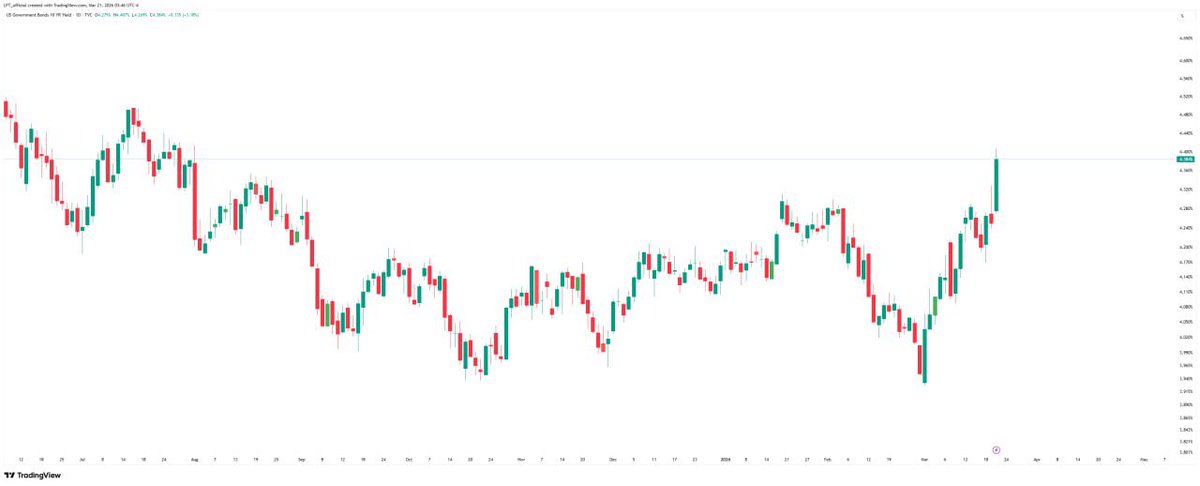
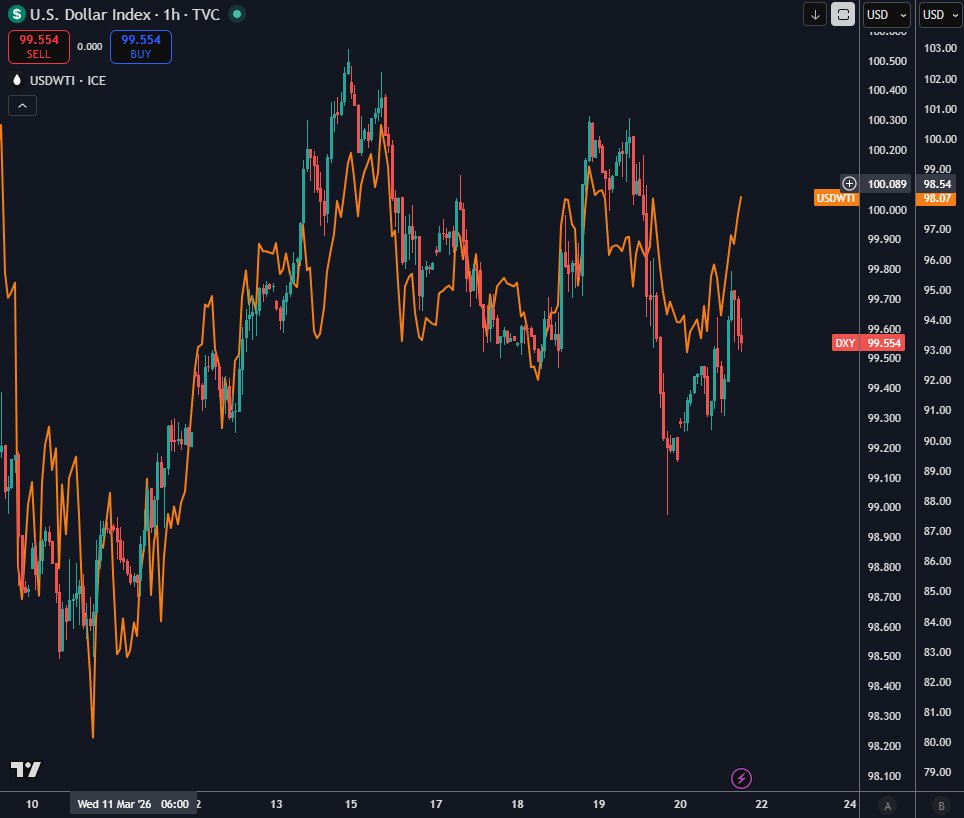



Going into the FOMC meeting... you need to understand the 3 phases of a fundamental event Phase 1: heading into the event The market positions for what it thinks the FED will do (hawkish hold) Phase 2: the event itself The FED delivers what’s already priced in Phase 3: out of the event Guidance starts setting expectations ahead and that’s where the next opportunity appears In other words... First, the market spends weeks pricing in the decision Then the decision hits and a lot of the time… it’s exactly what's priced in Then comes the part that actually matters: What does the FED hint at next? That’s usually where the real move comes from Not just the rate decision But the guidance, the tone, and what it does to expectations AFTER that meeting

Going into the FOMC meeting... you need to understand the 3 phases of a fundamental event Phase 1: heading into the event The market positions for what it thinks the FED will do (hawkish hold) Phase 2: the event itself The FED delivers what’s already priced in Phase 3: out of the event Guidance starts setting expectations ahead and that’s where the next opportunity appears In other words... First, the market spends weeks pricing in the decision Then the decision hits and a lot of the time… it’s exactly what's priced in Then comes the part that actually matters: What does the FED hint at next? That’s usually where the real move comes from Not just the rate decision But the guidance, the tone, and what it does to expectations AFTER that meeting