Believe In The Invisible

201 posts

Believe In The Invisible banner
Believe In The Invisible

Believe In The Invisible

@BelieveInvisibl

An advocacy initiative that uses storytelling, Comic art, media and creative expression to spark inclusion for Invisible disabilities.

Katılım Mart 2024
45 Takip Edilen67 Takipçiler
Believe In The Invisible
Believe In The Invisible@BelieveInvisibl·
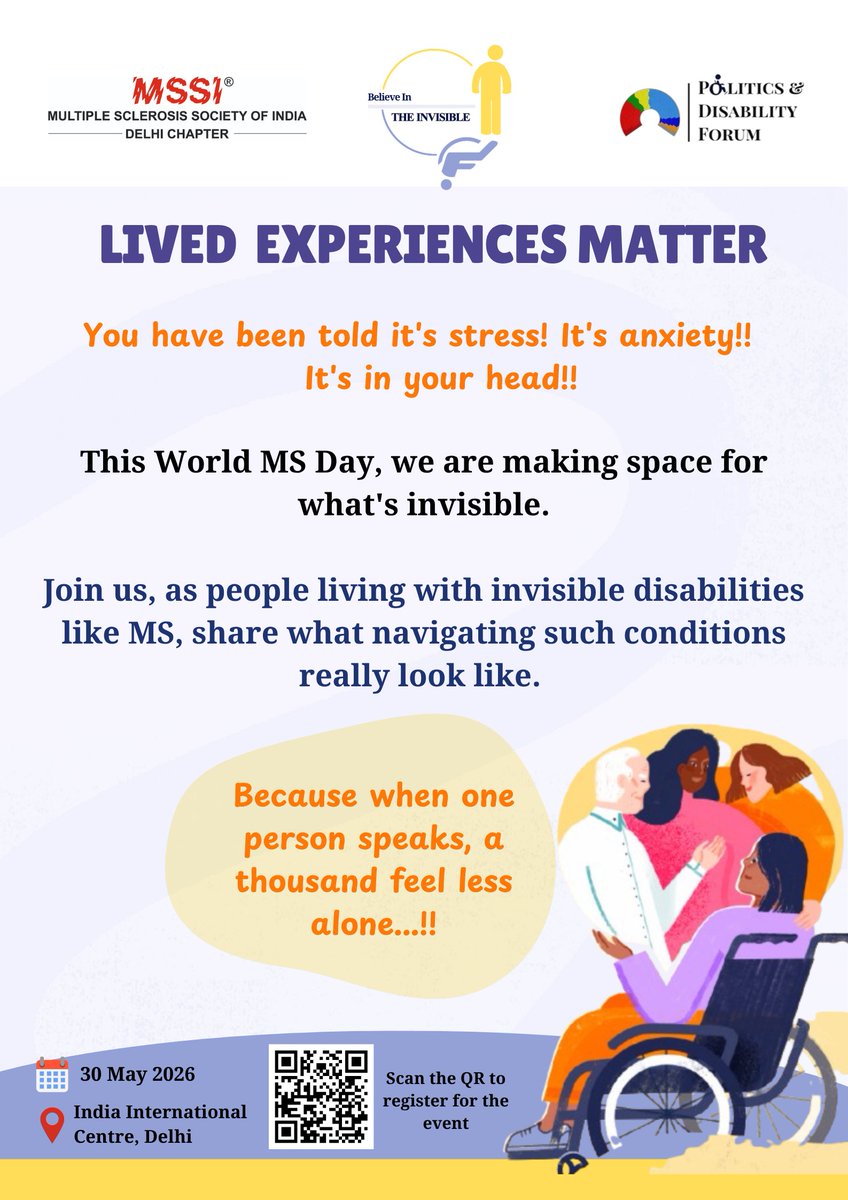
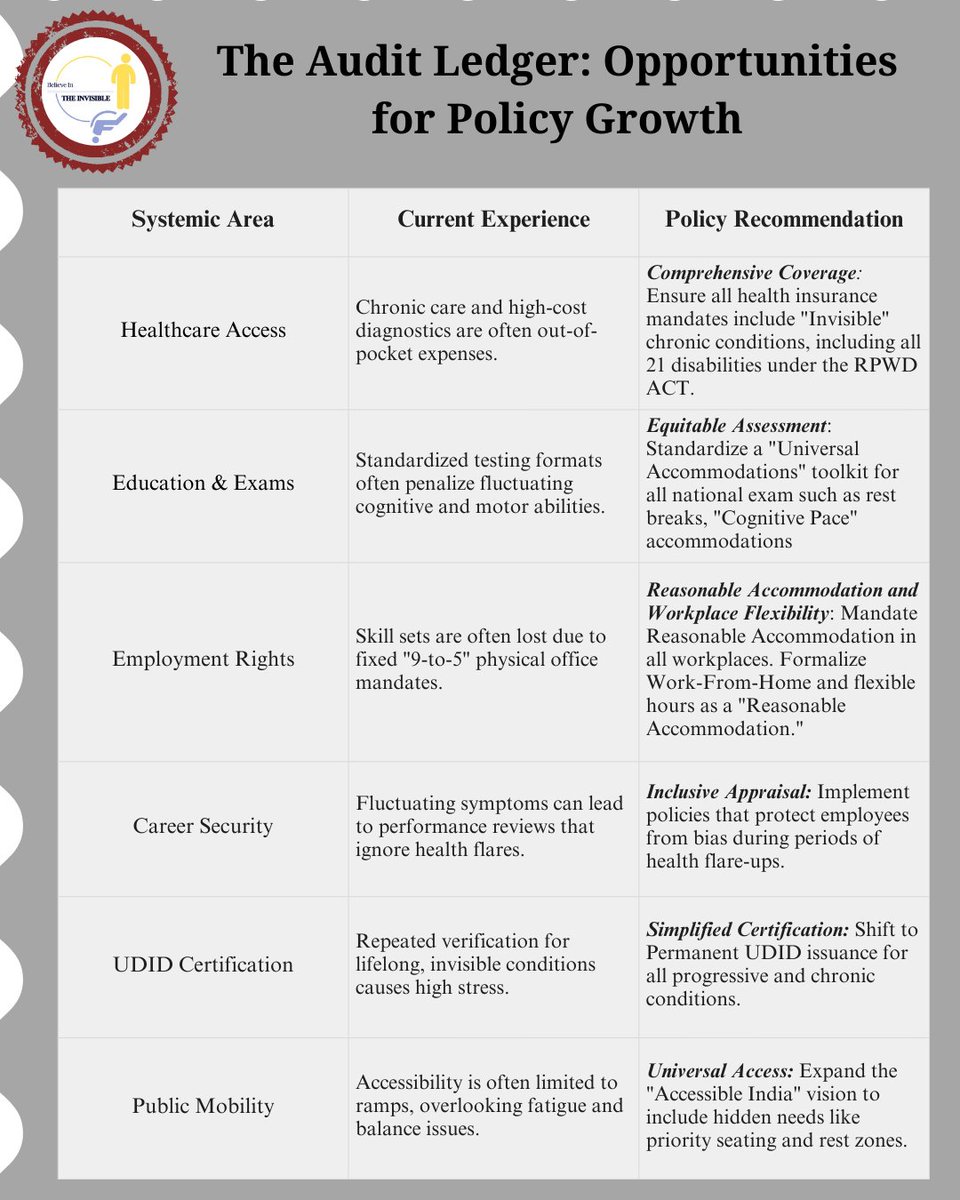
Diagnosis. Ongoing costs. Rejected claims. Financial stress. Career disruption. Altered plans. An MS diagnosis sets off a chain that insurance was meant to cushion but often doesn't. This World MS Day we are talking about what needs to change. Register - forms.gle/AmYwcjziNoxXZw…
Believe In The Invisible tweet media
English
0
1
1
5
Believe In The Invisible
Believe In The Invisible@BelieveInvisibl·
OPEN CALL: Submit Your Zines! Zines = self-published magazines telling stories the mainstream won't. Have old zines? Send them!! Never made one? Start today For ALL marginalized communities: ♿🌈🗣️👥🌍 Format: PDF, 300 DPI, any language Email: believeintheinvisible2022@gmail.com
Believe In The Invisible tweet media
English
0
2
1
126
Believe In The Invisible
Believe In The Invisible@BelieveInvisibl·
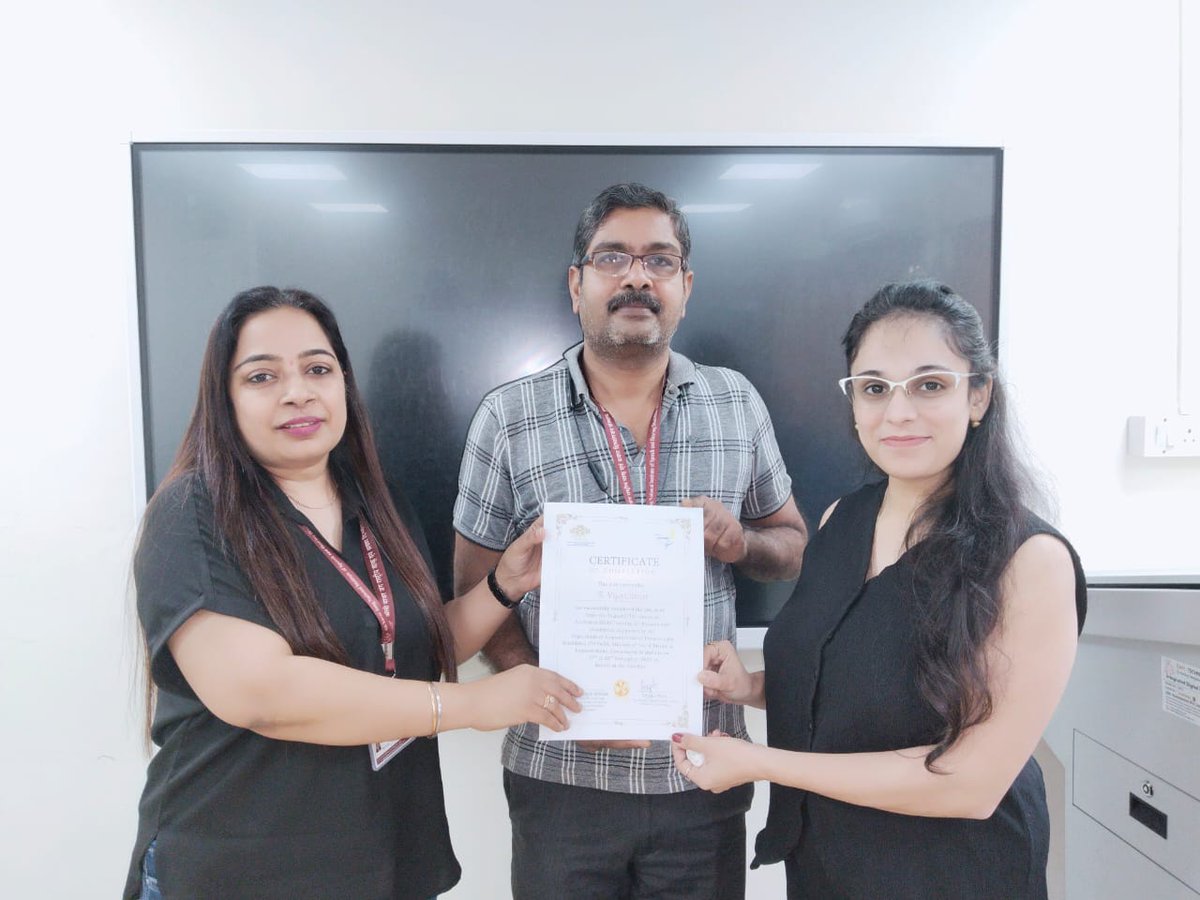
Over the past few weeks, we've had the opportunity to engage with trainers & participants from NIEPID, @islrtc through our online #IELTS Train-the-Trainer sessions & an in-person training for AYJNISHD. We look forward to making this work stronger, wider and more meaningful.
Believe In The Invisible tweet media
English
0
1
2
123
Believe In The Invisible
Believe In The Invisible@BelieveInvisibl·
We recently conducted the in-person #IELTS Train-the-Trainer Programme led by our Co-Founder & IELTS Trainer, @EmpressAnjali24 at @AYJNISHD185846 with the active participation of 2 trainers & 4 deaf learners whose dedication & enthusiasm set the tone for an enriching experience.
Believe In The Invisible tweet mediaBelieve In The Invisible tweet media
English
0
1
3
140
Believe In The Invisible retweetledi
AYJNISHD
AYJNISHD@AYJNISHD185846·
AYJNISHD(D) successfully hosted a 6-day in-person IELTS Train-the-Trainer (TTT) program under the Accessible IELTS initiative held by Believe in the Invisible and supported by the Department of Empowerment of Persons with Disabilities (DEPwD). The training was led by Anjali Vyas.
AYJNISHD tweet mediaAYJNISHD tweet media
English
0
1
3
10
Believe In The Invisible
Believe In The Invisible@BelieveInvisibl·
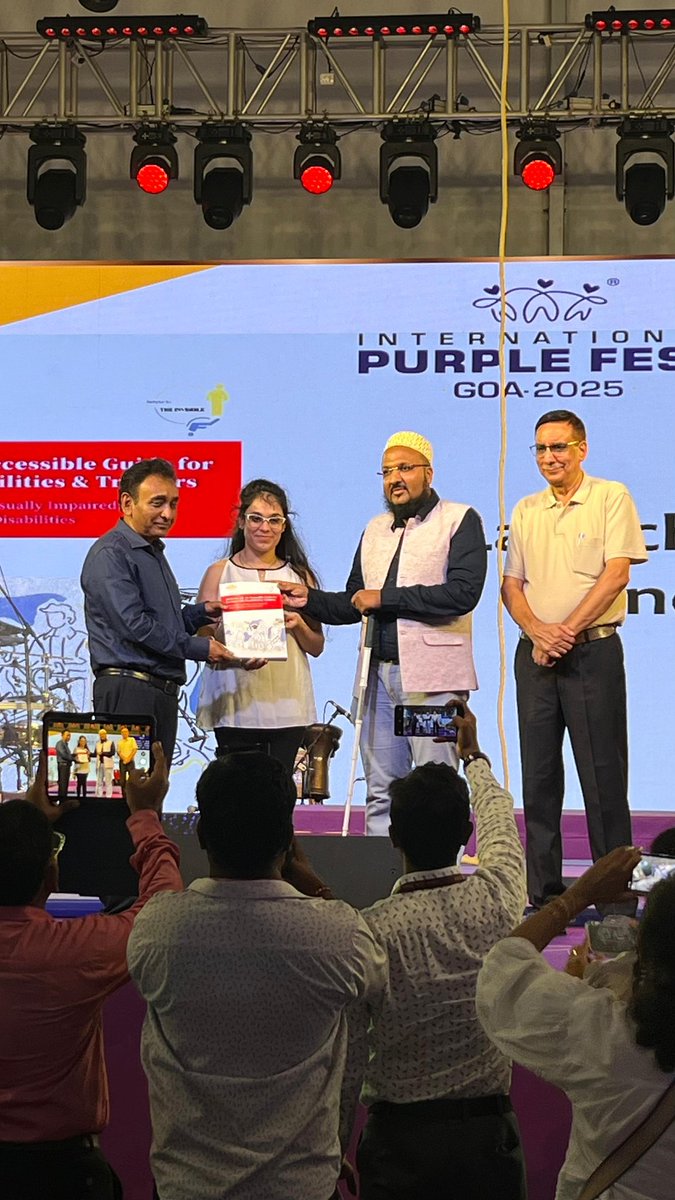
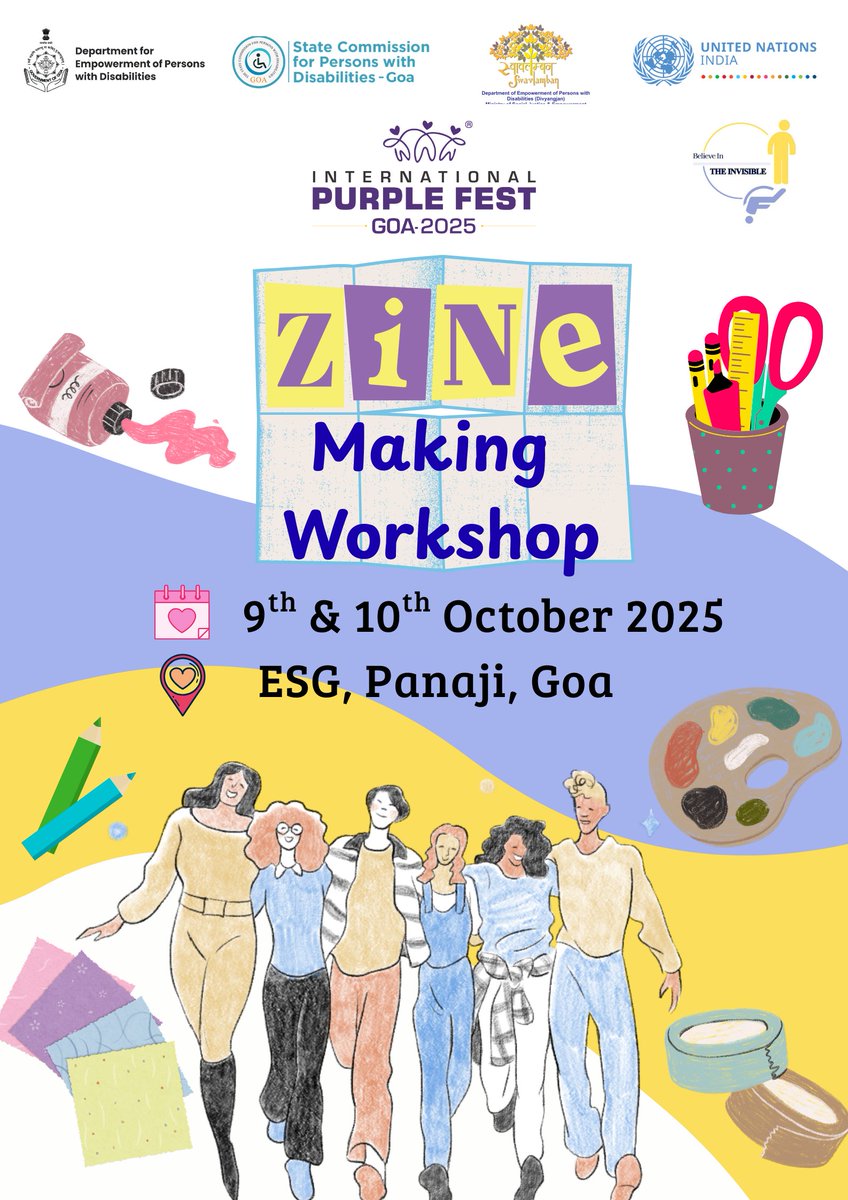
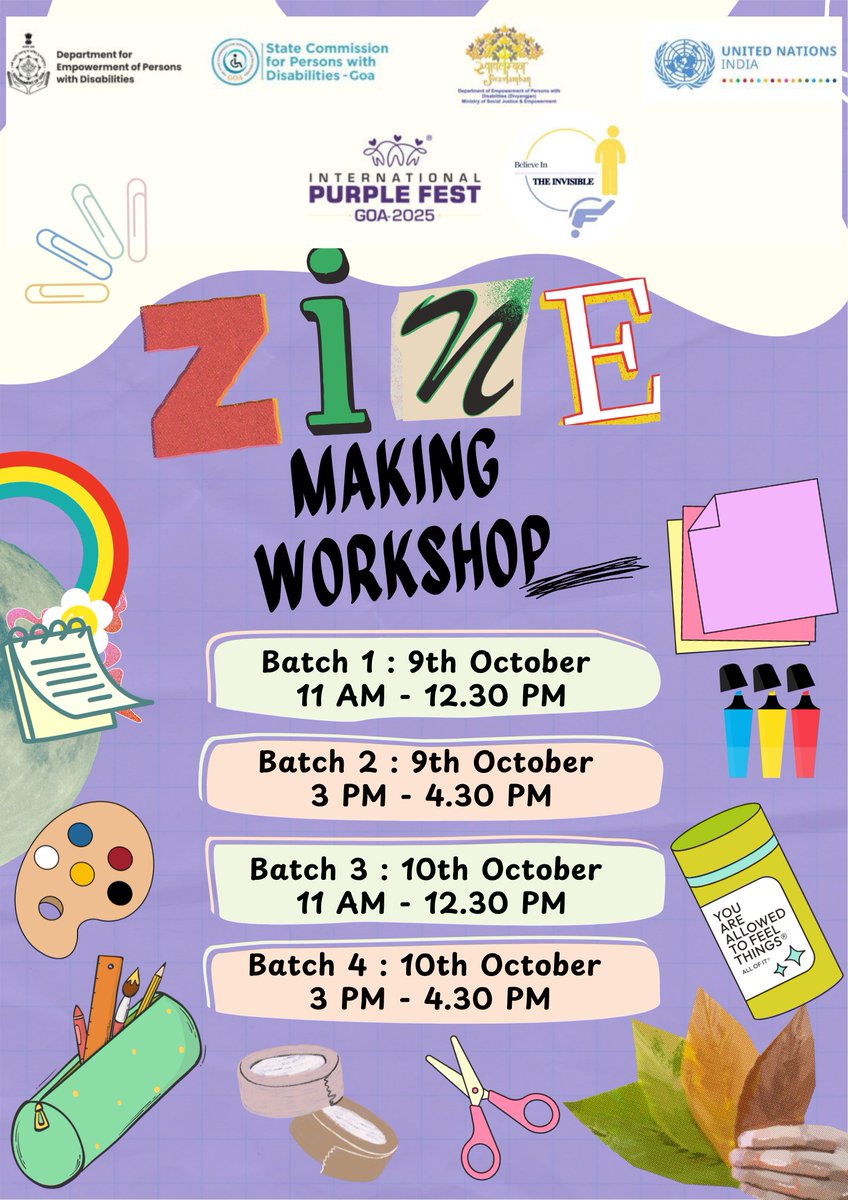
We are thrilled to announce that Believe in the Invisible in collaboration with Muskan P. will be hosting a Zine-Making Workshop on 9th & 10th Oct at @purplefestgoa . Register here- forms.gle/CpauB2qhm7huLL… Selected zines will be exhibited at the Fest on 11th & 12th October!!!
Believe In The Invisible tweet mediaBelieve In The Invisible tweet media
English
0
3
2
643
Believe In The Invisible
Believe In The Invisible@BelieveInvisibl·
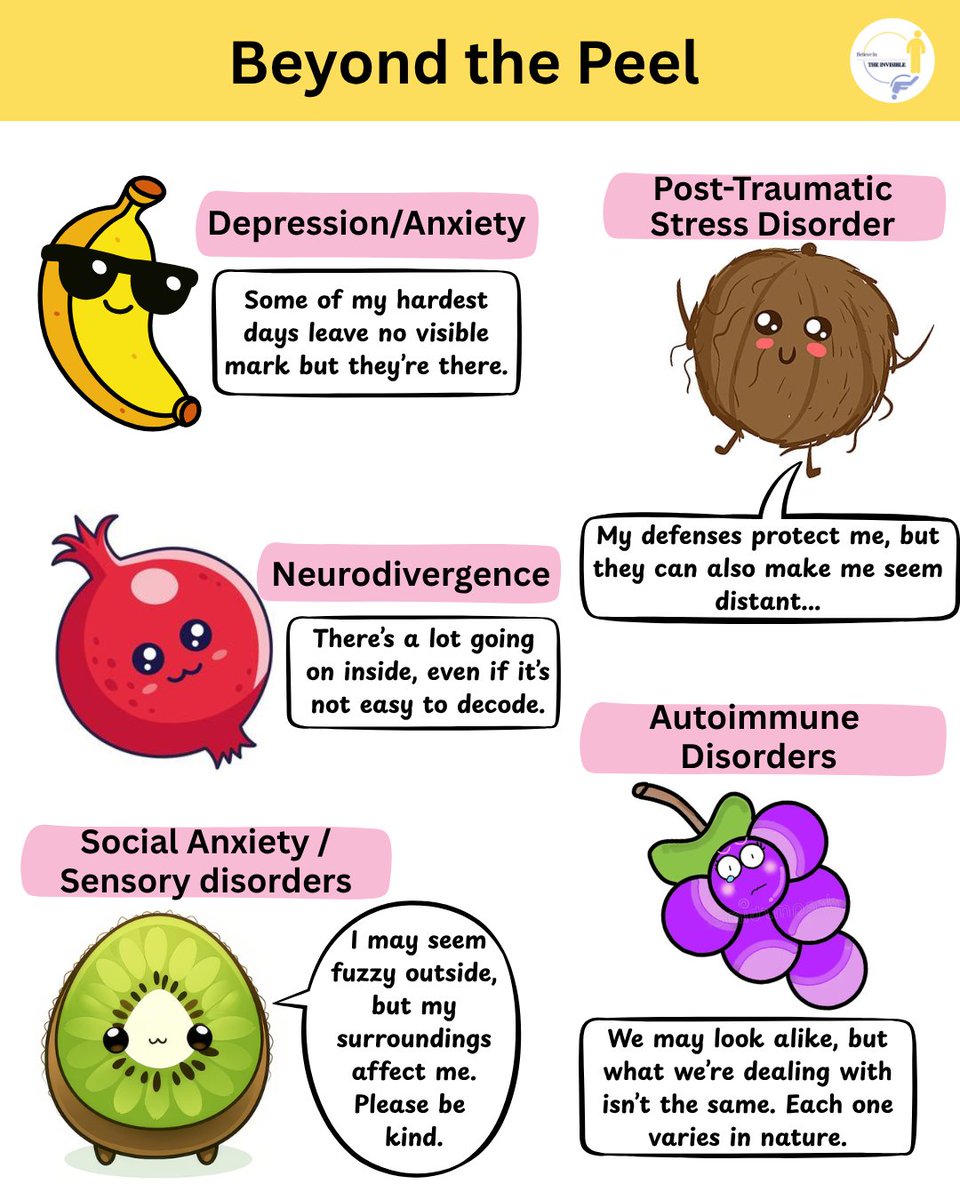
We often judge people by what’s on the outside but just like fruits, what’s inside isn’t always visible. #InvisibleDisabilities can affect how someone feels, interacts & moves through the world. From depression & PTSD to autoimmune conditions, its time let’s look beyond the peel.
Believe In The Invisible tweet media
English
0
0
4
41
Believe In The Invisible retweetledi
Dr Sudhir Kumar MD DM
Dr Sudhir Kumar MD DM@hyderabaddoctor·
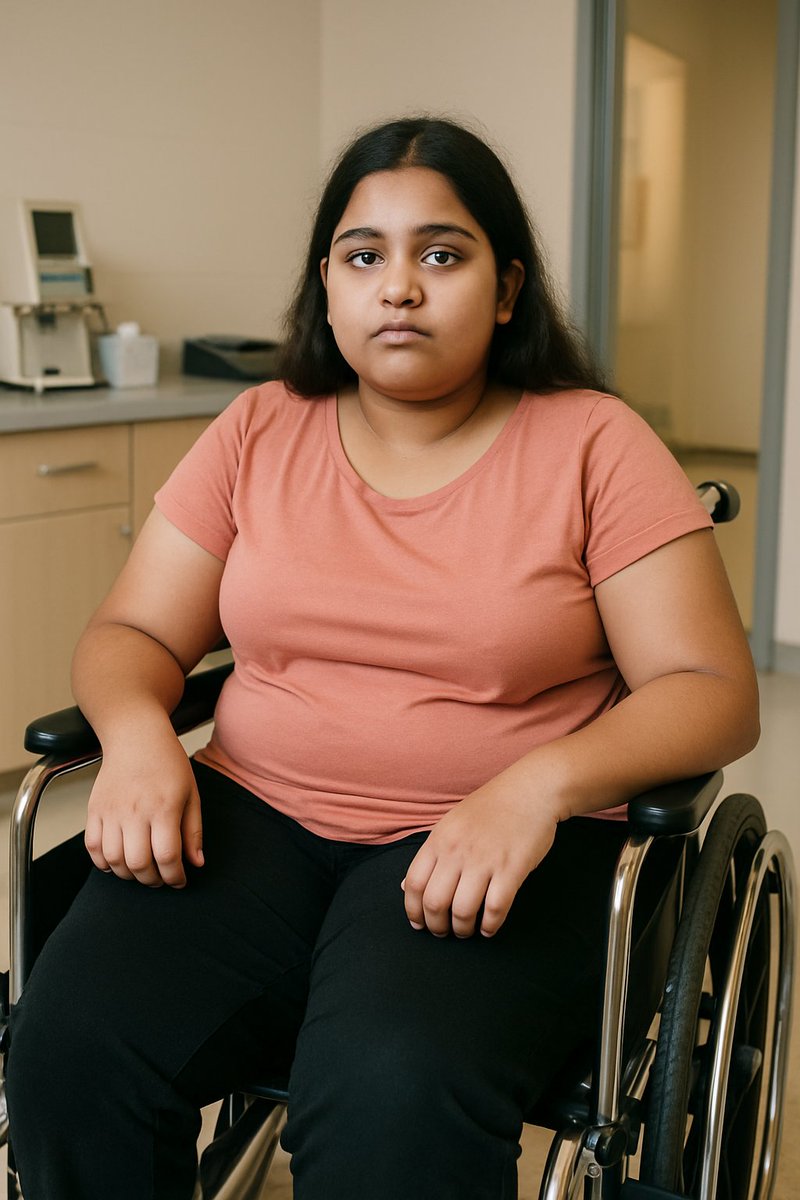
From Wheelchair to Winner: Riya’s Journey “Doctor, she was perfectly fine until a few weeks ago.” That was how 15-year-old Riya’s anxious parents introduced her case to me. Riya (name changed), a bright student and talented debater, had suddenly developed pain and weakness in her legs about a month earlier. At first, she managed to limp to school, but her condition worsened. Within two weeks she was unable to walk at all, confined to a wheelchair. For a teenager who loved academics and painting and who took pride in her independence-this was devastating. Her family physician had done a series of tests, including blood work for electrolytes, vitamin B12, vitamin D-everything came back normal. A neurologist had then ordered MRI scans of the brain and spine, along with nerve conduction studies. All were normal again. A lumbar puncture was advised, but before subjecting their daughter to another invasive test, her worried parents came to me for a second opinion. When I met Riya, she spoke softly but clearly, recounting her story with remarkable detail. She denied exam stress but was visibly distressed about missing school. During my clinical examination, I found something important: Hoover’s sign was positive, pointing to a non-organic weakness. Her expressions too seemed to conceal a deeper burden. Sensing her need to be heard, I asked if she wanted to talk alone. She nodded. And then, the truth poured out. Riya revealed that she had been the target of relentless body shaming at school. Her classmates mocked her weight and her spectacles. At first, she ignored them, but the taunts grew crueler. When she confided in her parents, they encouraged her to “stay strong.” Too frightened of further bullying, she avoided telling her teachers. The pain she had bottled up had finally found expression-not in words, but in her body. The diagnosis was clear: Functional Neurological Disorder (FND), where psychological distress manifests as neurological symptoms; in this case, paraparesis (leg weakness). I explained this to her parents gently, assuring them that this was a genuine illness, not “pretending” or “acting.” Treatment would need a multidisciplinary approach: psychologists to help her heal emotionally, and physiotherapists to help her regain her strength. Riya’s parents involved her teachers, who responded with unexpected sensitivity. Over the next few weeks, Riya improved steadily. Within three weeks, she was walking confidently. Returning to school, she was greeted warmly; even by classmates who had once bullied her. Soon she was teaching painting to her peers, and in a surprising twist, was invited to join the school basketball team. Six months later, Riya walked into my clinic again. But this time, her smile said it all. She carried a new trophy: the interschool basketball championship trophy, with her name engraved as “Player of the Tournament.” Watching her transformation from a wheelchair-bound teenager to a champion athlete was deeply moving. The glow on her face, and the pride in her parents’ eyes, reminded me why being a doctor is such a privilege. Take-Home Messages for Junior Doctors 1. Listen beyond the symptoms – Sometimes, the key to diagnosis lies in the unspoken story. 2. Functional disorders are real – They are not “faking.” The suffering is genuine, though the origin is psychological. 3. Look for clinical clues – Simple bedside signs like Hoover’s can save patients from unnecessary, invasive investigations. 4. Create a safe space – Many young patients reveal the truth only when they feel heard and trusted. 5. Healing needs teamwork – Collaboration with psychologists, physiotherapists, teachers, and families is essential. 6. Never underestimate empathy – For many patients, kindness and validation are as therapeutic as medicines.
Dr Sudhir Kumar MD DM tweet media
English
80
109
478
47.3K
Believe In The Invisible
Believe In The Invisible@BelieveInvisibl·
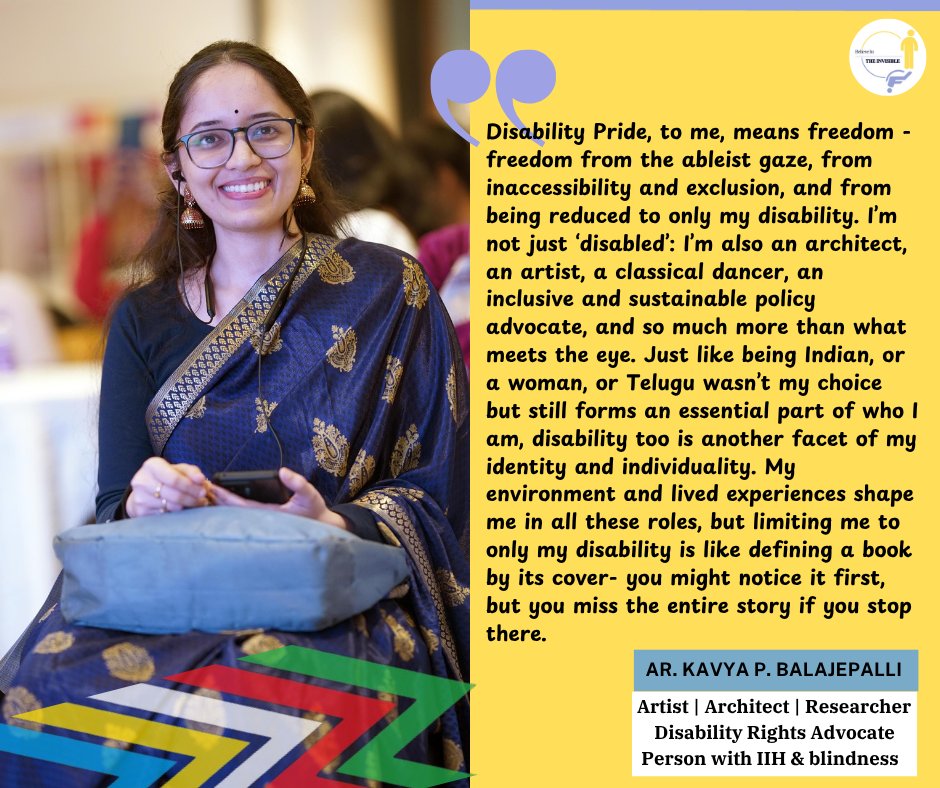
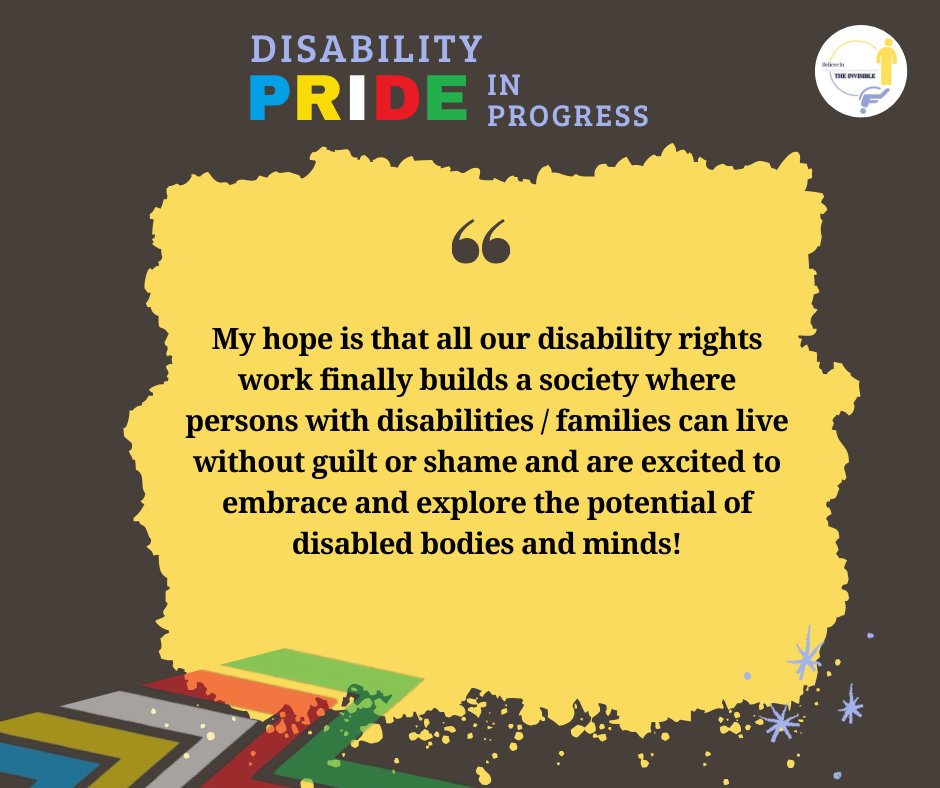
In our last, from the #DisabilityPride in Progress series, we are proud to feature @KavyaPoornimaB Balajepalli - a passionate architect, artist, researcher and disability rights advocate. Kavya words reflect what true pride means: living life fully, beyond labels or limitations.
Believe In The Invisible tweet mediaBelieve In The Invisible tweet media
English
0
0
3
57
Believe In The Invisible
Believe In The Invisible@BelieveInvisibl·
What if joy was radical? What if claiming space at home, in bookstores, in boardrooms wasn’t seen as “brave,” but simply deserved? @saysnidhigoyal doesn’t just speak about #DisabilityPride, she lives it. With every role she claims unapologetically she shows us that pride is power
Believe In The Invisible tweet mediaBelieve In The Invisible tweet media
English
0
1
4
68
Believe In The Invisible
Believe In The Invisible@BelieveInvisibl·
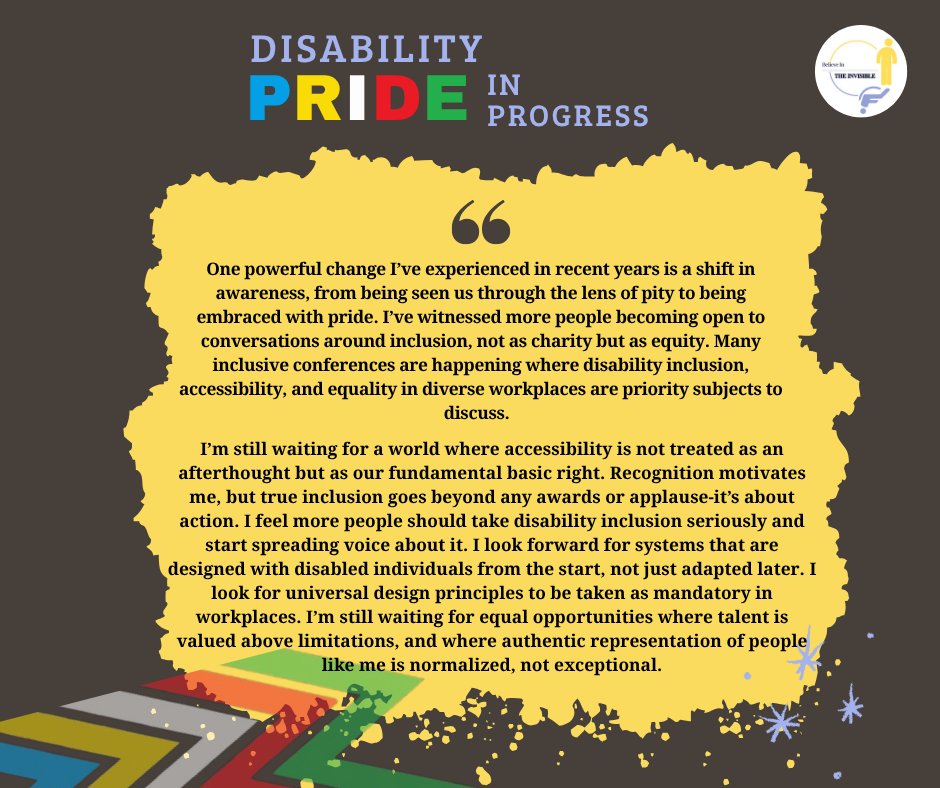
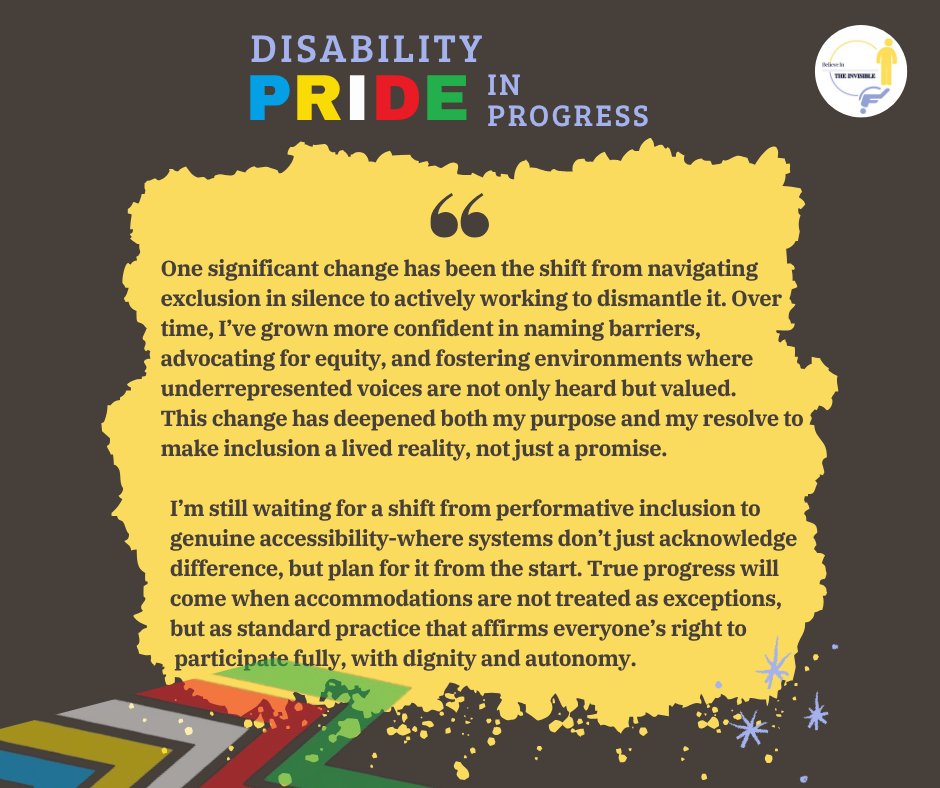
#Inclusion isn’t about inviting people in, it’s about building systems with them in mind from the start. Aminu Aliyu’s words call out a powerful truth: performative gestures are not enough. Real #equity means naming barriers & embedding #accessibility into every structure.
Believe In The Invisible tweet mediaBelieve In The Invisible tweet media
English
0
1
4
153